

 English
  Français
  Português
 Home / Author / Chen Yuhan, After-sales Coordinator (OEM/ODM Silicone Products) / High-Efficiency Aerial Spraying Adjuvants for Advanced Crop Protection
 High-Efficiency Aerial Spraying Adjuvants for Advanced Crop Protection
2026-08-20
Introduction
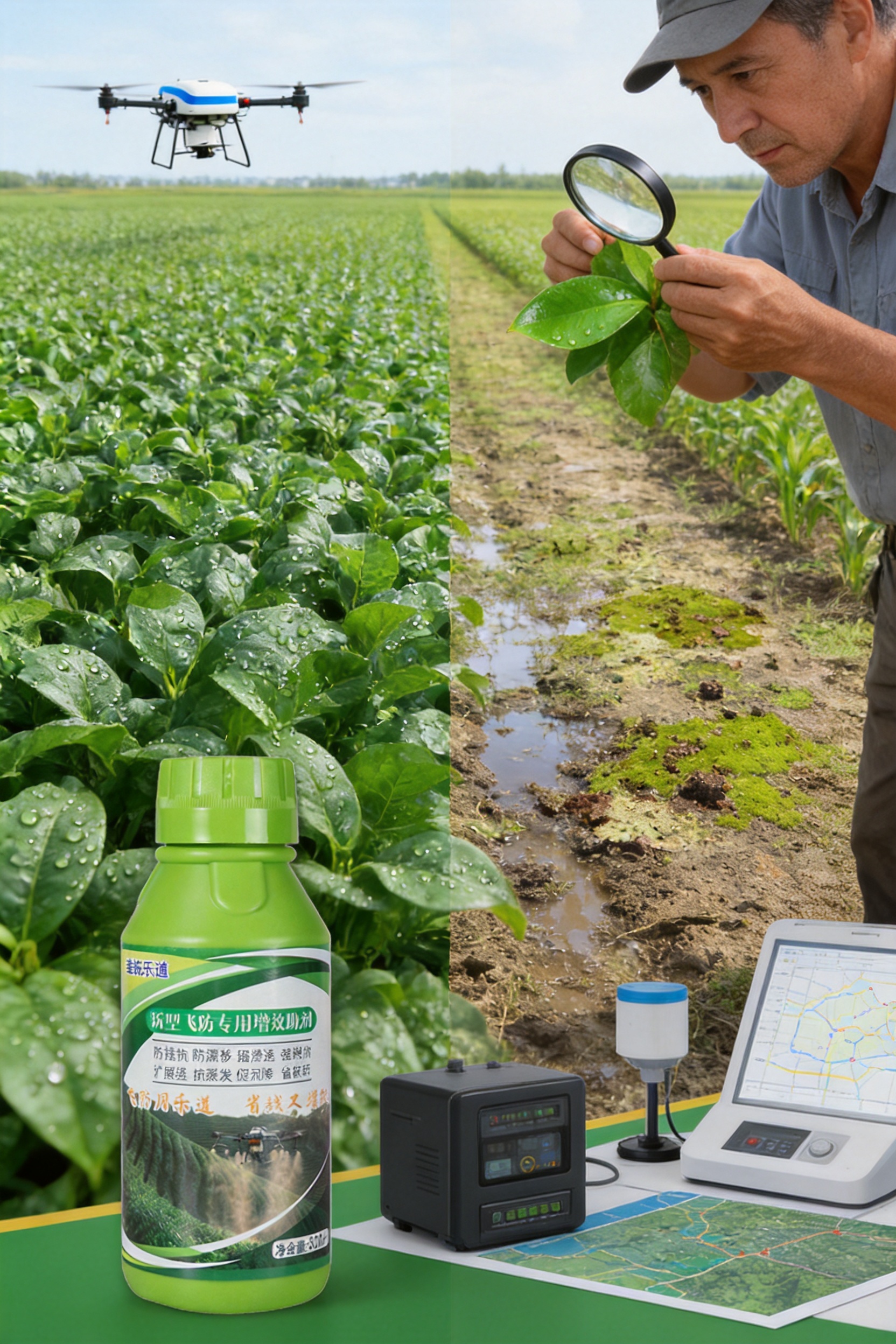
Modern agriculture increasingly depends on precise, efficient, and responsible crop protection. Plant-protection drones and other aerial spraying systems allow farmers to cover large fields quickly, access difficult terrain, and reduce the labor associated with conventional ground spraying. However, aerial application also creates technical challenges. Spray droplets may evaporate before reaching the crop, drift away from the target area, bounce from waxy leaves, or run off after impact. These losses can reduce pesticide performance, increase operating costs, and create unnecessary environmental pressure.
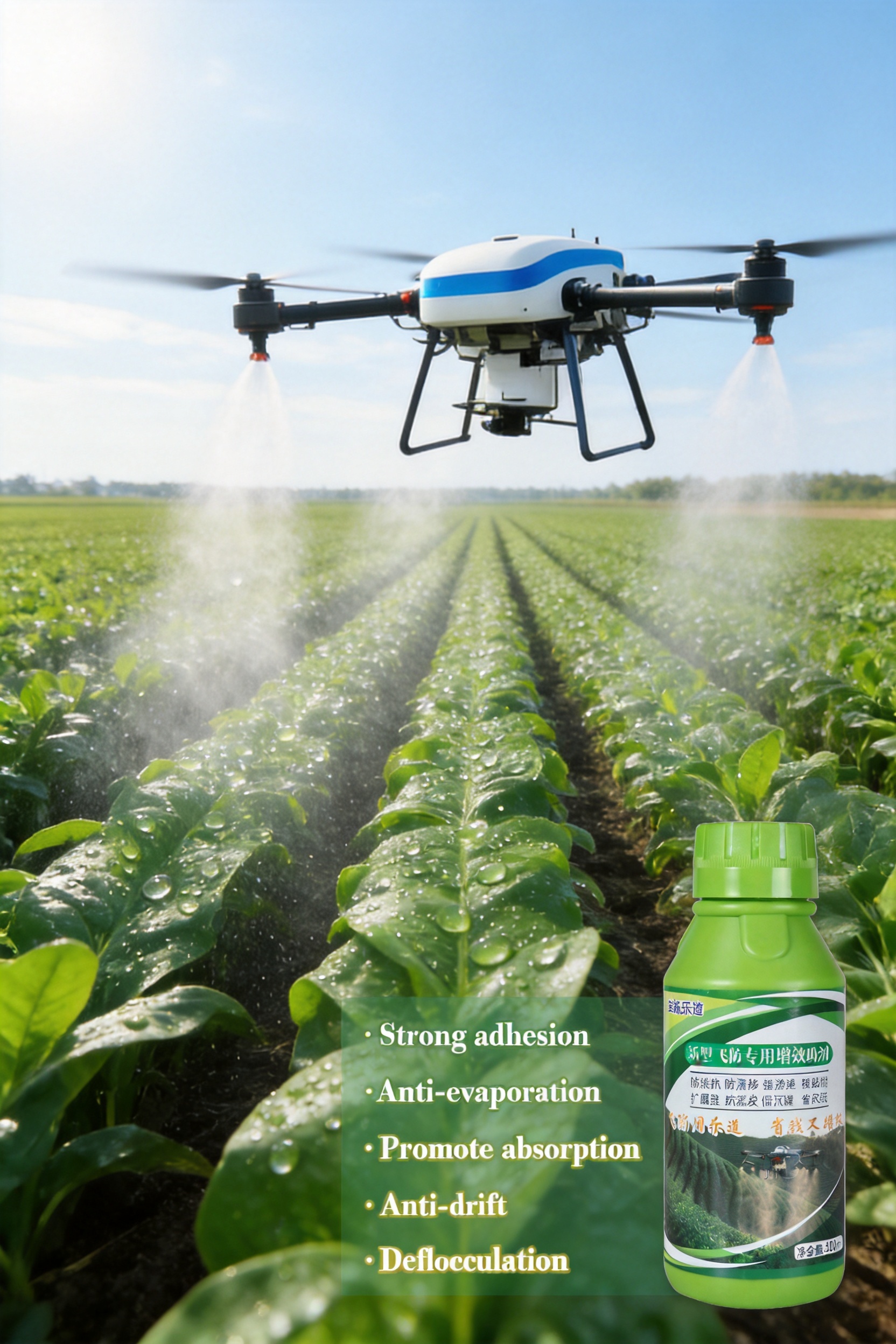
GT-9100 New High-Efficiency Aerial Spraying Dedicated Enhancing Adjuvants are formulated to address these challenges. This specialized agricultural silicone synergist is designed for use with plant-protection sprays applied by drones and other aerial equipment. Its performance combines strong adhesion, anti-evaporation properties, enhanced absorption, drift reduction, and de-flocculation. Together, these functions help improve the delivery of active ingredients from the spray tank to the crop surface and, where appropriate, into the target plant tissue.
The product is based on a silicone surfactant and polyether-modified trisiloxane technology. With a reported surface tension of less than 20.5 mN/m at 0.1% concentration, GT-9100 helps spray droplets spread more uniformly over plant surfaces. Its viscosity range of 30–50 mm²/s at 25°C supports convenient handling and practical formulation use, while its near-neutral pH range supports compatibility with many agricultural spray systems when proper testing is conducted.
Unlike a basic wetting agent that performs only one function, GT-9100 is designed as a multifunctional aerial-spraying enhancer. It supports droplet retention, spreading, absorption, stability, and application efficiency. This integrated approach makes it suitable for crop-protection manufacturers, agricultural service providers, drone operators, distributors, and farms seeking more consistent spray performance under demanding field conditions.
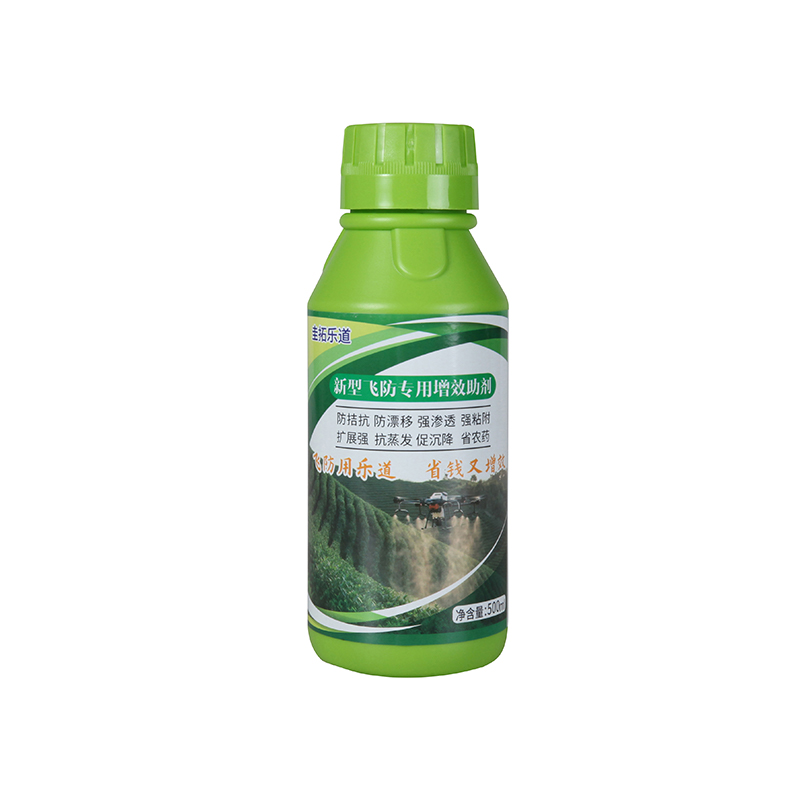
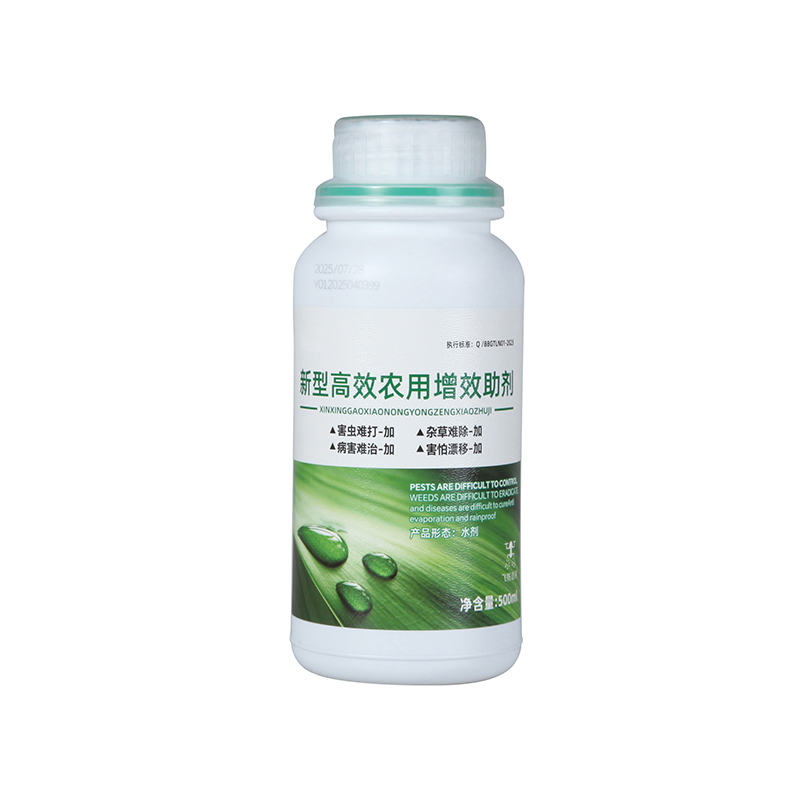
New High-Efficiency Aerial Spraying Dedicated Enhancing Adjuvants
Why Aerial Spraying Requires Specialized Adjuvants
Aerial spraying is not simply a smaller version of conventional boom spraying. The application method changes the relationship between droplet size, flight height, air movement, temperature, humidity, leaf structure, and pesticide performance. Drones generally carry smaller spray volumes than many ground systems, which means each droplet must contribute efficiently to coverage and deposition.
Small droplets can provide excellent coverage, but they may be more vulnerable to evaporation and wind movement. If the droplet loses too much water during flight, the concentration of the formulation may change before deposition. If the droplet is carried outside the treated area, the active ingredient may not reach the intended crop. If it reaches the leaf but does not adhere effectively, rainfall, irrigation, or plant movement can cause further losses.
Plant surfaces also differ significantly. Some leaves are smooth and waxy, while others are hairy, rough, folded, or highly hydrophobic. A conventional pesticide solution may form isolated beads on a difficult leaf surface instead of creating an even film. Poor spreading can leave untreated gaps and reduce the probability of contact between the active ingredient and the target pest or pathogen.
Adjuvants help modify these application characteristics. By changing interfacial behavior, a suitable adjuvant can reduce surface tension, improve wetting, encourage spreading, and increase the likelihood that droplets remain attached to the leaf. In aerial spraying, these functions are especially important because the application volume, droplet size, and exposure time may differ from those used in ground applications.
GT-9100 is specifically positioned for this type of application. Its formulation is intended to improve the behavior of agricultural spray droplets without replacing the pesticide itself. The adjuvant works as a performance enhancer, helping the selected active ingredient reach the crop more effectively when used according to the pesticide label, local regulations, and application conditions.
Product Profile and Technical Specifications
GT-9100 is identified as a silicone surfactant and polyether-modified trisiloxane. This type of organosilicon material is widely recognized for its ability to reduce surface tension at low use concentrations and promote rapid spreading on plant surfaces. The product is supplied as a high-purity agricultural spray adjuvant with a reported purity of 99.8%.
| Property | Specification | Application Significance |
|---|---|---|
| Product model | GT-9100 | Dedicated aerial-spraying enhancing adjuvant |
| Product name | New High-Efficiency Aerial Spraying Dedicated Enhancing Adjuvants | Designed to improve crop-protection spray performance |
| CAS number | 27306-78-1 | Material identification for technical and commercial documentation |
| Purity | 99.8% | Supports consistent formulation performance |
| EINECS number | 608-078-3 | Reference information for chemical product management |
| Synonyms | Silicone surfactant; polyether-modified trisiloxane | Describes the product’s chemical and functional category |
| Viscosity at 25°C | 30–50 mm²/s | Supports practical metering, blending, and handling |
| Surface tension at 0.1% by weight | Less than 20.5 mN/m | Promotes rapid wetting and spreading |
| Cloud point at 1.0% by weight | Not more than 35°C | Important for formulation behavior under temperature changes |
| pH value of 1% aqueous solution at 25°C | 6.5–7.5 | Near-neutral profile for broad formulation development |
These specifications provide a technical foundation for product selection, but actual field performance depends on the pesticide formulation, water quality, crop variety, weather, spray equipment, application rate, and local operating practice. Users should conduct a jar test and a small-area crop test before large-scale application, especially when combining GT-9100 with unfamiliar formulations or sensitive crops.
Five Core Performance Advantages
Strong Adhesion and Better Retention
One of the most important requirements in aerial spraying is keeping the spray on the crop after impact. A droplet that bounces, rolls away, or runs off contributes less to effective coverage. GT-9100 helps improve adhesion between the spray solution and the leaf surface. The result is better retention of the pesticide film and less loss from runoff.
Improved adhesion is valuable when crops have smooth, waxy, vertical, or angled leaves. It can also help in applications where the spray is delivered at a relatively low volume. By encouraging droplets to remain on the target, the adjuvant supports more efficient use of the pesticide already present in the spray tank.
Strong adhesion does not mean that application conditions can be ignored. Excessive spray volume, heavy rainfall soon after treatment, unsuitable nozzle selection, or an incompatible formulation may still cause runoff or poor deposition. The role of GT-9100 is to improve the interaction between the spray and the leaf as part of a complete application strategy.
Anti-Evaporation Performance
High temperatures, low humidity, and dry air can shorten the life of aerial spray droplets. Water may evaporate rapidly during flight or shortly after deposition. This is particularly significant for fine droplets, which have a high surface-area-to-volume ratio. Rapid drying can reduce spreading, limit absorption, and change the concentration profile of the spray on the leaf.
GT-9100 helps slow droplet drying and maintain spray performance for a longer period. Its anti-evaporation function is intended to improve efficacy stability under hot and dry conditions. By helping retain moisture at the point of deposition, the adjuvant provides more time for the spray to spread and for the active ingredient to interact with the plant surface.
This property is especially useful for drone applications conducted during dry seasons or in regions with high daytime temperatures. Nevertheless, operators should continue to select appropriate spraying windows. Early morning or late afternoon applications may reduce evaporation and drift, provided that humidity, wind, dew, and disease conditions are suitable.
Enhanced Absorption and Penetration
Many pesticide active ingredients must pass through or interact with the plant cuticle to provide their intended effect. The cuticle can be highly water-repellent, which limits the movement of aqueous spray droplets across the leaf. GT-9100 reduces surface tension and improves wetting, allowing the spray to spread over a larger effective area.
More uniform coverage increases the contact opportunity between the active ingredient and the crop surface. The adjuvant may also assist penetration by altering the behavior of the spray film and helping the active ingredient remain in close contact with the cuticle. This can shorten the time to action and improve the consistency of pest and disease control.
The precise degree of absorption depends on the active ingredient and its mode of action. Systemic, translaminar, contact, and protective products may respond differently to an adjuvant. Therefore, GT-9100 should be evaluated in accordance with the pesticide manufacturer’s recommendations rather than assumed to produce identical results with every product.
Drift Reduction
Spray drift is a major concern in aerial applications. Droplets that move away from the target can reduce treatment efficiency and create risks for neighboring crops, waterways, people, and sensitive habitats. Drift is affected by droplet size, wind speed, humidity, temperature, release height, nozzle design, aircraft or drone speed, and spray formulation.
GT-9100 is formulated to help lower drift risk by improving droplet behavior and reducing the tendency of the spray to become excessively airborne. Better deposition and stronger retention can increase the proportion of the spray that remains on the target crop. The product therefore supports more responsible use of agricultural chemicals.
Drift reduction should never be interpreted as a substitute for safe operating procedures. Drone pilots must comply with local rules, maintain appropriate buffer zones, monitor wind direction and speed, and use approved equipment settings. The combination of responsible application practices and a suitable adjuvant offers a stronger approach than either measure alone.
De-Flocculation and Formulation Stability
Some pesticide mixtures may develop flocculation, separation, or sedimentation during storage, dilution, or tank mixing. Flocculated particles can create uneven distribution of the active ingredient, block filters or nozzles, and cause inconsistent application across the field.
GT-9100 provides a de-flocculation function that helps break down existing pesticide flocculants and restore a more uniform spray mixture. Improved dispersion contributes to stable tank performance and helps ensure that each pass of the drone delivers a more consistent formulation.
Users should still follow correct mixing order and agitation procedures. The adjuvant cannot correct every incompatibility between pesticides, fertilizers, oils, water conditioners, and biological products. A compatibility test remains essential before preparing a large tank.
How GT-9100 Improves Spray Efficiency
The performance of an agricultural spray can be viewed as a sequence of stages: preparation in the tank, atomization through the nozzle, flight toward the crop, impact on the leaf, retention on the surface, spreading across the leaf, and absorption or contact with the target organism. A weakness at any stage may reduce the final result.
GT-9100 supports several of these stages simultaneously. During tank preparation, its de-flocculating effect can help maintain uniformity. During atomization and flight, its formulation properties can support more controlled droplet behavior and reduce excessive evaporation. At impact, its low surface-tension performance encourages wetting and spreading. After deposition, its adhesion and anti-evaporation properties help maintain the spray film.
| Application Stage | Common Challenge | GT-9100 Contribution |
|---|---|---|
| Tank mixing | Flocculation, separation, or unstable dispersion | Supports de-flocculation and mixture uniformity |
| Droplet formation | Uneven wetting or unsuitable spray behavior | Improves interfacial performance in the spray solution |
| Flight to crop | Evaporation and off-target movement | Helps resist evaporation and reduce drift risk |
| Leaf impact | Bouncing, rolling, or poor retention | Strengthens adhesion to crop surfaces |
| Surface spreading | Beading on waxy or hydrophobic leaves | Reduces surface tension and promotes uniform wetting |
| Active-ingredient uptake | Limited contact with the cuticle or target tissue | Supports absorption and penetration |
This multifunctional design can help improve pesticide utilization by approximately 30%–50% under suitable conditions, according to the supplied product information. It is also reported to improve average control efficacy by approximately 20%. These figures should be treated as indicative performance claims rather than universal guarantees. Results will vary according to the pesticide, crop, pest, climate, equipment, and application protocol.
Advantages Compared with Conventional Adjuvants
Many conventional adjuvants are designed around one primary function. A wetting agent may reduce surface tension, an adhesive may improve retention, an anti-drift additive may alter droplet behavior, and a dispersant may support formulation stability. These products can be useful, but relying on several separate additives may complicate tank management and increase the risk of incompatibility.
GT-9100 offers a more integrated alternative by combining several performance functions in one specialized product. This can simplify product selection and reduce the number of separate materials added to a tank. Fewer additions may also make mixing procedures easier for drone operators and agricultural service teams.
Compared with a basic non-silicone surfactant, a polyether-modified trisiloxane can provide more powerful spreading at a low concentration. This is valuable when spray volume is limited or when the crop has difficult leaf characteristics. Compared with a simple sticker, GT-9100 also contributes to wetting, absorption, anti-evaporation, and mixture stability rather than focusing only on retention.
Compared with an adjuvant designed only for ground spraying, GT-9100 is positioned around aerial application challenges. Its performance profile addresses the combination of small droplets, short application times, dry weather, limited carrier volume, and the need to reduce off-target movement. This application-specific design is one of its most important competitive advantages.
| Evaluation Factor | Basic Wetting Agent | Single-Function Sticker | GT-9100 Multifunctional Adjuvant |
|---|---|---|---|
| Surface-tension reduction | Usually available | May be limited | Strong low-concentration spreading performance |
| Leaf adhesion | Moderate or formulation-dependent | Primary function | Integrated adhesion and retention support |
| Anti-evaporation support | Often limited | May be limited | Designed for hot and dry aerial conditions |
| Drift management | Not always included | Not always included | Supports reduced off-target movement |
| De-flocculation | Formulation-dependent | Usually not the main function | Helps restore mixture uniformity |
| Aerial-spraying focus | General-purpose | General-purpose | Specialized for drone and aerial crop protection |
The key advantage is not that one material eliminates every application challenge. Rather, GT-9100 provides a balanced performance package that can help operators manage several sources of spray loss at the same time.
Manufacturing Technology and Quality Strengths
The performance of a silicone agricultural adjuvant depends on more than its product name. Consistent molecular structure, controlled modification, raw-material quality, accurate blending, and reliable testing are essential. Small differences in active content, viscosity, surface tension, or residual impurities can influence field performance and formulation stability.
The manufacturer operates as a high-technology new-materials enterprise integrating research and development, production, and sales. Its product portfolio includes silicone additives, wetting agents, modified silicone oils, dimethyl silicone oils, surfactants, defoamers, and related materials for agricultural and industrial applications. This broad technical base supports the development of products with different interfacial and application characteristics.
Research and Development Integration
Integrated research and production capabilities allow formulation concepts to be evaluated more efficiently. Agricultural adjuvants must be designed with practical use in mind, including dilution behavior, compatibility, temperature response, storage stability, and performance on different leaf surfaces. A company with experience across silicone additives and surfactants can draw on knowledge of molecular modification, emulsification, wetting, and dispersion.
For GT-9100, the use of polyether-modified trisiloxane technology reflects an effort to balance strong spreading with practical agricultural handling. Product development can be adjusted according to customer requirements, pesticide compatibility, crop conditions, and regional application practices. This is particularly important for distributors and formulation companies that require customized performance rather than a generic additive.
Advanced Production Equipment
Stable quality requires controlled production conditions. The manufacturer has established production facilities equipped with advanced manufacturing equipment and precise testing instruments. These facilities support controlled processing, accurate material handling, and repeatable production from batch to batch.
In silicone-material manufacturing, temperature, mixing intensity, addition sequence, reaction time, and purification conditions can influence the final product. Proper control of these variables helps maintain the target viscosity, purity, surface activity, and compatibility profile. For customers purchasing industrial quantities, batch consistency is as important as the performance of the first sample.
Full-Process Quality Monitoring
The company applies a quality-monitoring approach that extends from raw-material selection through production and final delivery. This type of process control helps identify deviations earlier and supports traceability. Testing may include appearance, viscosity, active content, surface tension, pH, cloud point, and other parameters relevant to the product specification.
For an aerial-spraying adjuvant, quality control is especially important because the product may be used at relatively low concentrations. A small variation in active material or physical properties can affect dilution behavior and field performance. Reliable testing helps ensure that the product supplied to customers remains aligned with the declared technical profile.
Experienced Technical and Production Teams
Technical knowledge is necessary for solving formulation and application problems. The company has assembled experienced research, technical, and production personnel with expertise in new materials and silicone-based products. This human-resource strength supports communication with pesticide formulators, agricultural distributors, and end users.
Customers may require assistance with compatibility testing, recommended addition sequences, storage conditions, packaging, or customized product development. A technically capable supplier can provide more value than a company that only supplies a standard chemical without application support.
Domestic and International Supply Capability
The manufacturer serves domestic agrochemical customers and exports products to overseas markets, including Europe and Southeast Asia. Its agricultural silicone products have received recognition from customers seeking stable performance and reliable quality. Repeated purchases indicate that the company has developed supply relationships based on product consistency and service performance.
The company also accepts OEM and ODM orders. This allows customers to explore private-label products, tailored packaging, customized technical parameters, or application-specific solutions. OEM and ODM cooperation can be valuable for regional distributors, agricultural-input brands, and formulation companies that want to expand their product portfolio without building a separate silicone-adjuvant production line.

Recommended Application Considerations
GT-9100 should be used as part of a carefully managed spray program. The appropriate dosage depends on the pesticide formulation, crop type, target pest or disease, water quality, spray volume, equipment, and environmental conditions. The product supplier or pesticide manufacturer should be consulted for specific use recommendations.
Before large-scale application, users should carry out a compatibility test. Add the intended products to a small quantity of the same water that will be used in the spray tank. Observe the mixture for separation, excessive foaming, precipitate formation, gel formation, or unusual heat. A small crop-safety test is also recommended when using a new combination or treating a sensitive crop.
In general, water should be placed in the spray tank first, followed by products according to the pesticide manufacturer’s recommended mixing order. GT-9100 may be added after the primary pesticide formulation has been properly dispersed, unless a specific formulation protocol indicates otherwise. Continuous agitation may be required to maintain uniformity during application.
Drone operators should calibrate the equipment before treatment. Important parameters include flight height, travel speed, nozzle type, droplet spectrum, spray volume, swath width, and tank concentration. The adjuvant can improve the behavior of droplets, but it cannot compensate for incorrect calibration or unsuitable operating conditions.
Application should be avoided when wind conditions are likely to cause drift, when temperatures are excessively high, or when rainfall is expected to remove the spray before adequate drying and absorption. Operators should also consider crop growth stage, canopy density, leaf orientation, and the location of the target pest or pathogen.
Use in Different Crop-Protection Programs
Insecticide Applications
Insecticides often require good coverage of leaf surfaces, stems, or other pest habitats. GT-9100 can help improve spreading and retention, increasing the probability that the spray reaches insects located on exposed or partially protected surfaces. For translaminar or systemic insecticides, improved wetting may support more consistent movement into plant tissues when the active ingredient is labeled for such use.
Fungicide Applications
Fungicides may be used protectively or curatively, depending on the active ingredient. Uniform coverage is essential for many protective fungicides, particularly when disease pressure is high or the crop canopy is dense. By promoting a more even spray film and reducing runoff, GT-9100 can support better distribution across the treated area.
For systemic or translaminar fungicides, enhanced contact with the leaf surface may assist uptake. However, the adjuvant should not be viewed as a replacement for proper disease-management timing. Effective fungicide programs still require correct product selection, application intervals, resistance-management practices, and adequate coverage.
Herbicide Applications
Herbicide performance may depend on the wetting and retention of droplets on weed foliage. Waxy or narrow leaves can be difficult to wet, and rapidly drying droplets may reduce absorption. GT-9100 can assist with spreading and adhesion, although crop safety must be evaluated carefully. Some herbicides are highly sensitive to adjuvant selection, and excessive spreading or penetration can increase the risk of crop injury.
Plant-Growth-Regulator Applications
Plant-growth regulators often require precise delivery at specific crop stages. More uniform application can help reduce variation across the field. Since these products may have narrow dose ranges, users should follow label instructions closely and avoid increasing the application rate of either the active ingredient or the adjuvant without technical guidance.
Environmental and Operational Benefits
Agricultural sustainability depends partly on improving the efficiency of every application. When more of the spray reaches and remains on the target crop, the operator may reduce losses caused by runoff, evaporation, and off-target movement. Better performance can also reduce the need for repeat treatments when the original application was weakened by poor deposition.
GT-9100 supports this objective through several mechanisms. Strong adhesion helps reduce runoff. Anti-evaporation behavior helps preserve droplets in hot and dry conditions. Drift reduction helps limit off-target movement. Enhanced absorption may improve the utilization of active ingredients. These functions can contribute to lower chemical losses and more efficient use of agricultural inputs.
Such benefits must be evaluated responsibly. An adjuvant does not automatically make every pesticide environmentally safe, and reduced application volume should not be assumed unless supported by the pesticide label and local agricultural authorities. The correct approach is to use the minimum effective input within an approved and scientifically validated program.
Drone spraying can also reduce soil compaction because equipment does not need to travel directly through the field. When combined with accurate mapping, appropriate weather monitoring, calibrated equipment, and an effective adjuvant, aerial application can become a more precise crop-protection method.
Packaging, Storage, and Handling
GT-9100 should be stored in a cool, dry, and well-ventilated area away from direct sunlight and extreme temperatures. Containers should remain tightly closed when not in use to help prevent contamination, moisture intrusion, and changes in product quality.
Before use, the product should be mixed or gently homogenized if recommended by the supplier. Users should avoid contaminating the original container with water, pesticide residues, or other chemicals. Clean measuring and transfer equipment should be used for accurate dosing.
Handling personnel should review the product safety data sheet and follow applicable workplace requirements. Appropriate protective equipment, including gloves and eye protection, should be used when transferring or mixing the material. Empty containers should be managed according to local chemical-waste requirements.
Storage stability may vary with packaging, temperature, and exposure conditions. Customers purchasing large quantities should request the current technical data sheet, safety data sheet, batch information, recommended storage period, and packaging options from the supplier.
Quality, Customization, and Supply Advantages
A major strength of the supplier is its ability to combine standardized production with customized service. Standard specifications such as purity, viscosity, surface tension, cloud point, and pH provide a clear basis for quality evaluation. At the same time, customers may require different performance characteristics for a particular pesticide formulation, crop, climate, or application system.
Customization may include viscosity adjustment, wetting performance, compatibility optimization, packaging format, labeling, or private-brand supply. OEM and ODM services allow customers to develop products for specific markets while benefiting from the manufacturer’s production and technical infrastructure.
The broad product matrix also supports purchasing efficiency. Customers sourcing agricultural silicone synergists may be able to coordinate related materials such as wetting agents, modified silicone oils, surfactants, and defoamers through the same supplier. This can simplify communication, logistics, and technical evaluation.
For international buyers, stable export experience and responsive technical communication are important. Documentation should be prepared according to the destination market, including product specifications, safety information, packaging details, transport classification where applicable, and regulatory statements. Importers should verify all local registration and notification requirements before commercial distribution.
Performance Evaluation in the Field
Field evaluation should compare treated and untreated plots under similar conditions. Useful measurements may include droplet coverage, leaf retention, visible wetting, drying time, runoff, pest mortality, disease severity, weed control, crop safety, and yield-related indicators. Where possible, the trial should compare GT-9100 with the customer’s current adjuvant at equivalent and label-compliant rates.
| Test Category | Suggested Observation | Purpose |
|---|---|---|
| Tank compatibility | Separation, precipitation, flocculation, foam, and nozzle blockage | Confirm mixture stability before application |
| Droplet coverage | Number and distribution of droplets on representative leaves | Assess uniformity of deposition |
| Retention | Visible runoff, bounce, or leaf wash-off | Evaluate adhesion and spray loss |
| Drying behavior | Time required for droplets or spray film to dry | Assess anti-evaporation support |
| Biological efficacy | Pest mortality, disease suppression, or weed control | Measure practical crop-protection performance |
| Crop safety | Leaf burn, spotting, distortion, or growth effects | Confirm compatibility with the crop and pesticide |
| Operational efficiency | Reapplication frequency, water use, and blocked nozzles | Estimate economic and logistical benefits |
A well-designed trial can demonstrate where the adjuvant creates the greatest value. For example, performance differences may be more visible under hot, dry weather, on waxy leaves, at low spray volumes, or with formulations that are prone to flocculation. Testing under realistic local conditions is more meaningful than relying only on laboratory measurements.
Q&A
What is GT-9100?
GT-9100 is a high-efficiency agricultural silicone synergist designed for aerial crop-protection spraying. It is identified as a silicone surfactant and polyether-modified trisiloxane. Its main functions include adhesion enhancement, anti-evaporation, improved absorption, drift reduction, and de-flocculation.
How does GT-9100 help drone spraying?
Drone spraying often uses relatively low carrier volumes and fine droplets. GT-9100 helps these droplets spread over crop leaves, remain attached after impact, resist rapid drying, and move more effectively toward the target surface. It also helps reduce the risk of off-target movement when used with proper equipment calibration and weather management.
Can GT-9100 improve pesticide absorption?
It can support absorption by reducing surface tension and improving wetting of the plant cuticle. Better spreading increases the contact area between the spray and the leaf. The actual absorption benefit depends on the active ingredient, formulation, crop, leaf structure, and environmental conditions.
Can GT-9100 be used with all pesticides?
No adjuvant should be assumed to be compatible with every pesticide. GT-9100 is designed for broad agricultural formulation use, but compatibility must be confirmed with each pesticide, fertilizer, oil, biological product, and water source. A jar test and small-area crop test are recommended before large-scale treatment.
Does GT-9100 eliminate spray drift?
No. It is intended to help reduce drift risk by improving droplet deposition and retention, but it cannot eliminate drift. Operators must still control release height, nozzle selection, droplet size, flight speed, wind conditions, and buffer distances.
Does GT-9100 prevent evaporation completely?
No. Its anti-evaporation function helps slow droplet drying, particularly under hot and dry conditions. Evaporation is also affected by temperature, relative humidity, wind, droplet size, spray volume, and flight time. Application should be scheduled during suitable weather conditions.
What does the de-flocculation function do?
De-flocculation helps break down existing pesticide flocculants and supports a more uniform tank mixture. This can reduce uneven spraying, sedimentation, and potential nozzle blockage. Correct mixing order and agitation remain necessary.
What is the reported surface tension of GT-9100?
The reported surface tension is less than 20.5 mN/m at a concentration of 0.1% by weight. This low surface-tension value supports rapid wetting and spreading on many plant surfaces.
What is the pH of GT-9100 in water?
The reported pH value of a 1% aqueous solution at 25°C is 6.5–7.5. This near-neutral range can support formulation development with many agricultural products, but actual compatibility must still be tested.
What advantages does GT-9100 have over a single-function adjuvant?
GT-9100 combines several functions in one product. In addition to wetting and spreading, it is designed to support adhesion, anti-evaporation, drift reduction, absorption, and de-flocculation. This multifunctional profile may simplify tank management and provide more balanced performance in aerial applications.
Can GT-9100 be used in organic farming?
Organic-farming compatibility depends on the applicable certification system, country, crop, and product formulation. Users must verify whether the specific adjuvant is approved under the relevant organic standard. The product should not be marketed or used in organic production without appropriate documentation.
Is GT-9100 available for OEM and ODM projects?
The manufacturer accepts OEM and ODM orders. Customers can discuss private-label packaging, customized specifications, market-specific documentation, and application-oriented product development with the technical and commercial teams.
How should customers begin a technical evaluation?
Customers should provide information about the pesticide formulation, target crop, application equipment, spray volume, expected climate, desired packaging, and market requirements. The supplier can then recommend a sample, testing plan, or customized specification. Initial laboratory compatibility testing should be followed by a controlled field evaluation.
Conclusion
GT-9100 New High-Efficiency Aerial Spraying Dedicated Enhancing Adjuvants are designed to solve several of the most important problems associated with drone-based crop protection. Strong adhesion helps reduce runoff and improve retention. Anti-evaporation performance supports more stable droplets in hot and dry conditions. Low surface tension promotes spreading and wetting. Enhanced absorption helps active ingredients interact more effectively with crop surfaces. Drift reduction supports more responsible application, while de-flocculation improves tank-mixture uniformity.
Its reported purity of 99.8%, viscosity of 30–50 mm²/s, surface tension below 20.5 mN/m at 0.1% concentration, cloud point of no more than 35°C at 1.0% concentration, and pH of 6.5–7.5 provide a clear technical profile for formulation and procurement evaluation.
The product is supported by an integrated new-materials enterprise with research and development, production, testing, sales, export, OEM, and ODM capabilities. Advanced equipment, process monitoring, experienced technical personnel, and a broad silicone-material product portfolio strengthen the company’s ability to provide consistent and customized solutions.
For farmers, drone operators, pesticide formulators, and agricultural distributors, the principal value of GT-9100 lies in its multifunctional design. When selected correctly and used with calibrated equipment, compatible pesticides, suitable weather, and responsible operating procedures, it can help improve spray utilization, field consistency, and crop-protection efficiency.
References
1. International Organization for Standardization. Principles of Surface Tension Measurement and Interfacial Properties.
2. Food and Agriculture Organization of the United Nations. Guidelines on Agricultural Spray Application and Responsible Pesticide Use.
3. American Society of Agricultural and Biological Engineers. Agricultural Application Equipment and Spray-Droplet Management Practices.
4. Weed Science Society Publications. Principles of Herbicide Absorption, Adjuvant Selection, and Droplet Deposition.
5. Plant Protection Product Formulation Literature. Surfactants, Wetting Agents, Dispersants, and Spray Adjuvants in Crop Protection.
6. Technical Product Information for GT-9100 New High-Efficiency Aerial Spraying Dedicated Enhancing Adjuvants.
7. Safety Data and Chemical-Handling Guidance for Silicone Surfactants and Polyether-Modified Trisiloxanes.
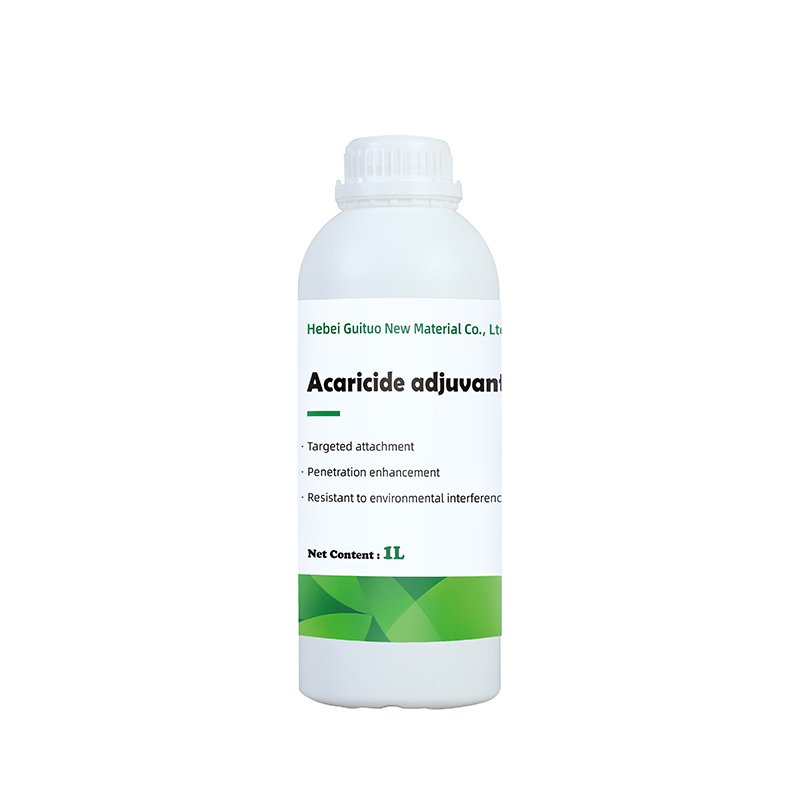
Product: New High-Efficiency Aerial Spraying Dedicated Enhancing Adjuvants


Contact Information
Tel : +86-400-138-5268
Email : [email protected]
Phone : +86-15128434888 / +86-13511051998
Add : Xinqiao Environmental Protection Industrial Park, Wen'an County, Langfang City, Hebei Province, China
Contact Information
Copyright © Hebei Guituo New Material Co., Ltd. All Rights Reserved.
