

 English
  Français
  Português
 Home / Author / Chen Yuhan, After-sales Coordinator (OEM/ODM Silicone Products) / 201 Methyl Silicone Oil: Performance, Applications, Manufacturing Quality, and Selection Guide
 201 Methyl Silicone Oil: Performance, Applications, Manufacturing Quality, and Selection Guide
2026-08-10
Introduction
201 methyl silicone oil is a transparent, colorless, and odorless silicone fluid based on polydimethylsiloxane, commonly abbreviated as PDMS. It is valued for its combination of low surface tension, chemical stability, thermal resistance, lubricity, water repellency, electrical insulation, and release performance. These properties make it suitable for use in industrial lubrication, mold release, coatings, agricultural formulations, textile finishing, electronics, cosmetics, daily chemicals, and selected pharmaceutical applications.
Unlike many conventional mineral oils and organic additives, 201 methyl silicone oil maintains useful performance across a broad temperature range. It can generally be used for long-term service between approximately -50°C and 180°C, and it may tolerate temperatures approaching 200°C when isolated from air or used under an inert atmosphere. Its low viscosity coefficient allows it to retain relatively stable flow behavior as temperature changes, while its silicon-oxygen backbone provides flexibility, low friction, and resistance to oxidation.
The product supplied by Hebei Guituo New Material Co., Ltd. is identified as LD-201 201 methyl silicone oil. The material is offered with a stated purity of 99.8% and CAS No. 63148-62-9. As part of a broader organosilicon product portfolio, it can be selected in different viscosity grades and adapted for specific formulation requirements. This flexibility is important because the ideal silicone oil for a mold release application may differ from the grade preferred for textile lubrication, agricultural spraying, electrical insulation, or coating modification.
This article explains the structure, performance characteristics, functional mechanisms, industrial advantages, manufacturing strengths, application methods, and quality considerations associated with 201 methyl silicone oil. It also compares the product with other commonly used materials and provides practical guidance for buyers, formulators, and industrial users.
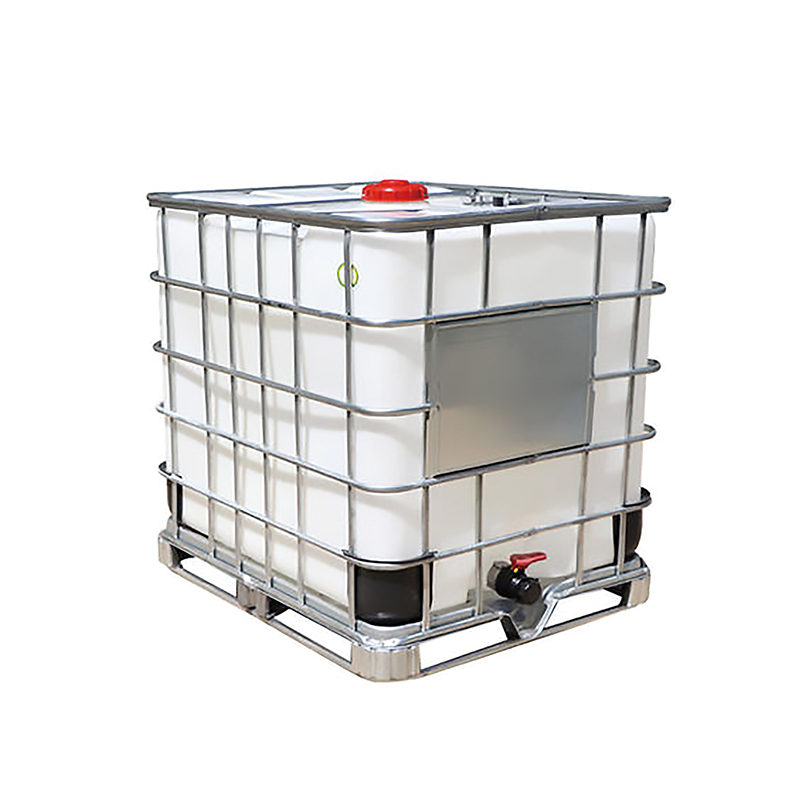
201 Methyl Silicone Oil
Product Identity and Basic Composition
201 methyl silicone oil is a linear dimethyl polysiloxane. Its molecular structure consists primarily of repeating silicon-oxygen units with two methyl groups attached to each silicon atom. The general structure gives the fluid a flexible siloxane chain, low surface energy, and strong resistance to many environmental stresses.
| Parameter | Product Information | Practical Significance |
|---|---|---|
| Product model | LD-201 | Used to identify the supplied 201 methyl silicone oil grade |
| Product name | 201 Methyl Silicone Oil | General commercial name for the silicone fluid |
| Primary chemical type | Polydimethylsiloxane, or PDMS | Provides lubrication, release, spreading, and surface modification |
| CAS number | 63148-62-9 | Common chemical identification reference |
| Stated purity | 99.8% | Supports consistent formulation and processing performance |
| EINECS number | 203-492-7 | Regulatory and substance identification reference |
| Appearance | Transparent, colorless, and odorless oily liquid | Suitable for applications where appearance and odor are important |
| Common synonym | Dimethyl silicone oil or PDMS | Useful for technical and international product searches |
The methyl groups surrounding the siloxane backbone reduce intermolecular attraction and create low surface energy. This allows the fluid to spread easily over many substrates. The backbone itself has high bond flexibility, which contributes to the material’s low friction and good resistance to shear. These features distinguish silicone oil from many hydrocarbon-based oils, whose performance may be more strongly affected by oxidation, temperature, or mechanical stress.
Although 201 methyl silicone oil is chemically stable, its behavior is still influenced by viscosity, temperature, concentration, substrate type, and compatibility with other formulation components. For this reason, product selection should not rely solely on the chemical name. The desired viscosity grade and application method should be confirmed before final production or large-scale purchase.
Key Performance Advantages
Broad Operating Temperature Range
One of the main advantages of 201 methyl silicone oil is its ability to function over a wide temperature range. At low temperatures, the fluid generally remains usable where many conventional oils become excessively viscous or lose their ability to flow. At elevated temperatures, its siloxane structure provides better resistance to thermal degradation than many ordinary organic oils.
This temperature flexibility benefits machinery, industrial processing lines, molds, textile equipment, and electrical systems that experience repeated heating and cooling. It also helps formulations remain functional when transported, stored, or used in variable climates. In extremely high-temperature conditions, protection from air or the use of an inert atmosphere can help reduce oxidative stress and extend service life.
Low Surface Tension and Rapid Spreading
201 methyl silicone oil has very low surface tension. This allows it to spread across metal, plastic, rubber, glass, textile fibers, coated surfaces, and other substrates with relatively little energy. Rapid spreading is particularly important in mold release, coating additives, agricultural sprays, textile finishing, and polishing formulations.
A low-surface-tension fluid can cover a broad area with a comparatively thin layer. This may improve material efficiency and help produce a more uniform surface. In agricultural formulations, appropriate use can support more even wetting and deposition on plant leaves. In mold release systems, it can help provide continuous coverage over complex mold geometries.
Lubrication and Shear Resistance
The flexible silicon-oxygen backbone enables the molecules to move smoothly over one another and across contacting surfaces. When applied as a thin film, 201 methyl silicone oil can reduce friction, decrease adhesion, and minimize surface wear. Its good shear resistance allows the film to retain functional integrity during mechanical movement and processing.
Compared with some conventional lubricants, silicone oil offers a useful balance between low friction, chemical inertness, and temperature resistance. It is not intended to replace every specialized high-load or extreme-pressure lubricant, but it is highly effective where clean surface behavior, low volatility, water resistance, and broad temperature performance are important.
Thermal and Oxidation Resistance
201 methyl silicone oil is resistant to many forms of thermal and oxidative deterioration. This characteristic supports longer operating periods and reduces the likelihood of rapid performance loss caused by moderate heat exposure. The fluid also demonstrates ozone resistance, which can be advantageous in electrical, outdoor, and industrial environments.
Thermal stability does not mean that the product is unaffected by all temperatures or atmospheres. Prolonged exposure to severe heat, open air, contamination, or incompatible chemicals may eventually change viscosity or cause degradation. Proper equipment design and storage practices remain important for achieving reliable service.
Electrical Insulation
Silicone oil has strong electrical insulation properties. Its dielectric characteristics change relatively little with temperature and frequency, and it exhibits low dielectric loss. It also provides resistance to arc and corona effects under suitable operating conditions.
These properties make 201 methyl silicone oil useful in selected electrical and electronic applications, including insulation, damping, moisture protection, and heat transfer. The actual suitability of a grade should be verified against the voltage, temperature, contamination, sealing, and regulatory requirements of the equipment.
Water and Moisture Resistance
The methyl groups of PDMS create a hydrophobic surface. As a result, 201 methyl silicone oil can help repel water and reduce moisture penetration on treated surfaces. This function is useful in electrical protection, coatings, textiles, mold release, and surface treatment.
Moisture resistance can also help reduce adhesion of water-based contaminants. However, the level of protection depends on film thickness, substrate condition, surface cleanliness, application method, and whether the oil is chemically bonded or simply deposited as a physical layer.

Functional Mechanisms in Major Applications
Lubrication Mechanism
In lubrication, 201 methyl silicone oil forms a thin film between two surfaces. The film reduces direct contact and decreases the frictional force required for sliding or movement. Because silicone chains are flexible and mobile, the oil can distribute itself across surface irregularities and create a more continuous lubricating layer.
The low surface energy of the methyl groups reduces adhesion between the treated surfaces. This can be especially helpful when components must move smoothly without excessive sticking, squeaking, or surface marking. In textile machinery, for example, silicone oil may reduce friction between fibers and processing components. In industrial equipment, it can support smoother movement of selected parts and reduce wear under appropriate load conditions.
Lubrication performance is influenced by viscosity. Lower-viscosity grades spread quickly and may be preferred for fine mechanisms, surface treatment, or rapid processing. Higher-viscosity grades can form a more persistent film and may provide better resistance to displacement under mechanical stress. The correct choice depends on load, speed, temperature, surface material, and application frequency.
Mold Release Mechanism
201 methyl silicone oil functions as a mold release agent by creating a low-energy, non-stick barrier between a mold and the material being shaped. The barrier reduces direct adhesion between the mold surface and plastics, rubber, resins, composites, or other processed materials.
The fluid’s ability to spread rapidly helps it cover corners, edges, and other complex regions of a mold. When correctly applied, the film can facilitate demolding, reduce surface defects, and improve production continuity. It may also reduce the need for aggressive mechanical separation, which can protect both the mold and the molded product.
For repeated production, the release system should be evaluated for transfer, buildup, repaintability, surface appearance, and compatibility with the molding material. Excessive application may cause contamination or affect downstream bonding, coating, printing, or assembly. A thin, even layer is generally more desirable than a heavy accumulation.
Surface Modification Mechanism
When applied to a substrate, 201 methyl silicone oil can create a smooth, hydrophobic surface layer. This layer may improve water repellency, reduce surface friction, limit the adhesion of contaminants, and modify the tactile feel of the material.
In textiles, the oil can improve softness, smoothness, and water resistance. Depending on the formulation, it may also contribute to antistatic behavior and improved handling. In coatings and polishes, it can provide slip, gloss, surface leveling, and a smoother finish. In plastics processing, it can improve mold release and reduce wear during processing.
Surface modification is not always permanent. A physically deposited silicone layer may migrate, be removed by washing, or be displaced by solvents and mechanical abrasion. If long-term durability is required, the formulation may need a compatible binder, crosslinking component, emulsifier, or chemically reactive silicone derivative.
Defoaming and Foam Control
Silicone materials are widely used in foam-control systems because they can spread rapidly across liquid-air interfaces and destabilize unwanted foam. 201 methyl silicone oil may serve as a component of defoaming formulations, particularly when combined with suitable carriers, surfactants, or dispersing agents.
Foam-control performance depends strongly on the liquid system. A silicone oil that performs well in an aqueous industrial formulation may behave differently in a solvent-based coating, agricultural mixture, detergent, or polymer dispersion. Compatibility testing is therefore necessary to balance foam collapse, dispersibility, surface appearance, and storage stability.
Damping and Shock Absorption
The viscosity and flow characteristics of silicone oil allow it to absorb and dissipate mechanical energy. It may be used in damping systems, shock absorption components, precision instruments, and selected control mechanisms. Silicone fluids are attractive in these applications because their viscosity can remain comparatively stable over temperature changes.
The viscosity grade must be matched to the desired damping response. A low-viscosity grade may provide rapid movement and limited resistance, while a high-viscosity grade can produce stronger damping and slower response. Equipment designers should also consider sealing materials, operating temperature, pressure, and long-term fluid compatibility.
Application Areas
Industrial Lubrication
201 methyl silicone oil can be used for lubrication where low friction, clean appearance, water resistance, and thermal stability are required. Potential uses include textile equipment, precision mechanisms, selected plastic components, rubber parts, instrument assemblies, and processing machinery.
Its low odor and transparent appearance are useful where visible staining or strong odor would be undesirable. The oil can also be applied as a processing aid to reduce friction between polymer surfaces and equipment. However, users should confirm that the product will not interfere with later painting, printing, adhesive bonding, or surface treatment.
Mold Release for Plastics, Rubber, and Resins
As a release agent, 201 methyl silicone oil can support efficient demolding in the production of plastic parts, rubber articles, resin components, packaging items, and daily chemical containers. It may reduce sticking, improve mold cleanliness, and help maintain consistent production cycles.
Application methods may include wiping, spraying, brushing, or incorporation into a release formulation. The mold should be clean and dry before treatment. A small trial should establish the appropriate concentration and frequency because mold geometry, processing temperature, material composition, and cycle time all influence performance.
Coatings, Paints, and Polishes
In paints, coatings, and polishes, 201 methyl silicone oil can contribute to surface slip, leveling, gloss, water repellency, and reduced surface friction. It may also help minimize certain surface defects by modifying interfacial behavior during drying or curing.
The amount added should be carefully controlled. Too little may produce limited surface modification, while too much may cause cratering, adhesion problems, intercoat incompatibility, or reduced recoatability. Compatibility with resins, pigments, solvents, water, and other additives should be checked through laboratory testing.
Agricultural Formulations
Silicone-based additives are used in agriculture to improve wetting, spreading, and deposition of spray mixtures. 201 methyl silicone oil can contribute to hydrophobic surface modification and may support more uniform distribution of a formulation over plant surfaces when used with appropriate emulsifiers and other formulation components.
Its low surface tension can help spray droplets spread across waxy or difficult-to-wet leaf surfaces. Better coverage may improve the contact efficiency of compatible active ingredients. Nevertheless, agricultural use requires careful attention to crop tolerance, dosage, weather conditions, formulation compatibility, and applicable regulatory requirements. The product should not be assumed to be an approved pesticide or adjuvant in every jurisdiction without specific registration and label confirmation.
Textile Processing
In textile finishing, silicone oil may improve softness, smoothness, hand feel, lubrication, and water resistance. It can reduce friction during fiber movement and provide a more comfortable tactile quality in finished materials.
Different fibers and finishing processes require different viscosity grades and application concentrations. Natural fibers, synthetic fibers, blends, woven fabrics, knitted fabrics, and nonwoven materials may respond differently. A controlled trial should evaluate softness, absorbency, color, yellowing, wash durability, antistatic behavior, and fabric appearance.
Electrical and Electronic Uses
Because of its dielectric performance, moisture resistance, and thermal stability, 201 methyl silicone oil can be considered for selected electrical insulation, damping, protection, and heat-transfer applications. It may help reduce moisture-related problems and maintain stable electrical behavior under changing conditions.
Electrical equipment designers should evaluate dielectric strength, compatibility with insulation materials, sealing, contamination, flammability requirements, and long-term aging. Product suitability must be established according to the specific electrical standard and operating environment.
Cosmetics and Daily Chemicals
Silicone fluids are used in certain cosmetic and personal-care formulations because they provide smooth spreading, a light sensory feel, slip, conditioning, and water repellency. They may also help improve the application characteristics of creams, lotions, hair products, polishes, and protective preparations.
For cosmetic or pharmaceutical applications, the relevant grade, purity, documentation, and regulatory status must be confirmed. Industrial-grade material should not automatically be used in products intended for human contact. Formulators should examine odor, residual impurities, microbial requirements, packaging, and applicable regional regulations.

Viscosity Selection and Formulation Design
Viscosity is one of the most important variables affecting 201 methyl silicone oil performance. It influences spreading speed, film thickness, retention, damping, lubrication, spray behavior, and ease of incorporation into other products.
| Viscosity Consideration | Typical Functional Behavior | Potential Application Preference |
|---|---|---|
| Lower viscosity | Fast spreading, easy atomization, rapid surface coverage | Surface treatment, light lubrication, spray formulations, fine mechanisms |
| Medium viscosity | Balanced spreading and film retention | General industrial lubrication, mold release, coatings, textile processing |
| Higher viscosity | Stronger film persistence, greater damping, slower flow | Shock absorption, protective films, heavy surface lubrication, selected release systems |
Lower-viscosity silicone oil is often selected when rapid coverage and minimal residue are priorities. It can penetrate or spread across intricate surfaces more easily. Higher-viscosity oil may be preferred when a stable film must remain in place under mechanical movement, pressure, or repeated handling.
Viscosity also changes with temperature. Heating generally reduces viscosity and improves flow, while cooling increases flow resistance. Processing equipment should be designed to maintain consistent temperature where precise dosing or spraying is required.
When formulating with surfactants, emulsifiers, defoamers, solvents, or water, compatibility must be tested rather than assumed. Silicone oil may separate from an incompatible system, produce unwanted surface defects, or lose its intended functional effect. Stable emulsions may require a suitable emulsifier package and controlled mixing conditions.
Advantages Compared with Conventional Alternatives
Comparison with Mineral Oils
Mineral oils are widely available and cost-effective, but they may show greater sensitivity to oxidation, odor generation, temperature changes, and surface staining. 201 methyl silicone oil offers lower surface tension, stronger water repellency, better electrical insulation, and a cleaner visual appearance in many applications.
Silicone oil may also maintain more stable behavior over a wider temperature range. However, mineral oil can remain preferable in some high-load lubrication systems, fuel-compatible environments, or applications where hydrocarbon compatibility is essential. The best choice depends on the operating conditions rather than on one general property.
Comparison with Vegetable Oils
Vegetable oils can provide renewable content and useful lubricity, but they may be more vulnerable to oxidation, hydrolysis, odor changes, and biological degradation. 201 methyl silicone oil provides greater thermal and oxidative stability and a more consistent hydrophobic surface effect.
Vegetable oils may be preferred where biodegradability or renewable sourcing is a primary requirement. Silicone oil is often selected where long service life, low odor, temperature stability, and water resistance are more important.
Comparison with Conventional Organic Release Agents
Organic release agents may provide effective demolding, but some have stronger odor, higher volatility, or narrower temperature tolerance. 201 methyl silicone oil forms a smooth, low-energy barrier and can work effectively at relatively low application levels when properly formulated.
Potential limitations include transfer to the molded surface and possible interference with painting, printing, or bonding. A suitable release system must therefore be selected according to the complete manufacturing sequence.
Comparison with Non-Silicone Surface Additives
Many non-silicone additives can improve leveling, slip, or wetting, but they may not combine all of these functions with moisture resistance, electrical insulation, and broad temperature performance. 201 methyl silicone oil offers a multifunctional approach that can reduce the need for several separate additives in some formulations.
Its strong surface activity can also be a challenge. Excessive silicone migration may create intercoat adhesion problems or surface defects. Appropriate dosage and compatibility testing are essential for successful use.
Manufacturing Process and Quality Strengths
The quality of silicone oil depends not only on its chemical identity but also on raw-material control, reaction management, purification, filtration, filling, and storage. Hebei Guituo New Material Co., Ltd. presents itself as a high-technology enterprise integrating research and development, production, and sales. This integrated structure supports closer coordination between product design, manufacturing, quality control, and customer service.
Controlled Raw-Material Selection
Consistent raw materials are the foundation of consistent silicone fluid performance. The manufacturing system should control the identity, purity, moisture, and contamination level of incoming materials. Reliable raw-material management helps reduce variation in molecular structure, viscosity, appearance, and finished-product stability.
For customers, this translates into more predictable results during formulation and production. Stable raw materials also make it easier to reproduce a validated process from one batch to the next.
Reaction and Molecular-Weight Control
The functional behavior of PDMS depends strongly on molecular weight and chain length. These parameters influence viscosity, spreading, film retention, lubrication, and release performance. A controlled production process is therefore necessary to achieve the desired grade.
Advanced process equipment and experienced technical personnel can help regulate reaction conditions, mixing, temperature, residence time, and subsequent treatment. Accurate control supports the production of silicone oils with suitable viscosity distributions and consistent appearance.
Purification and Filtration
Purification and filtration help remove unwanted particles, residues, and other impurities that could affect appearance, equipment operation, or formulation stability. This is especially important for transparent products used in coatings, electronics, cosmetics, precision mechanisms, and high-quality industrial formulations.
Effective filtration also helps protect downstream equipment from blockage and reduces the chance of visible defects in finished products. The required filtration level depends on the intended application and customer specification.
Testing and Process Monitoring
Hebei Guituo New Material Co., Ltd. reports the use of precise testing facilities and a full-process quality monitoring mechanism extending from production to finished-product delivery. Important quality checks for 201 methyl silicone oil may include appearance, viscosity, purity, moisture, density, refractive index, volatile content, and electrical properties, depending on the grade and application.
Process monitoring is valuable because it identifies deviations before the product reaches the customer. It also helps the manufacturer build a traceable quality record for each production batch. For industrial buyers, batch documentation and technical data are important tools for managing production risk.
Experienced Technical and Production Teams
Silicone materials require specialized knowledge because small changes in viscosity, surface activity, or compatibility can produce noticeable differences in application performance. An experienced technical team can help adjust grades, recommend formulation approaches, and troubleshoot problems involving spreading, separation, foam, transfer, or surface defects.
The company’s product matrix includes dimethyl silicone oils, modified silicone oils, silicone additives, wetting agents, surfactants, defoamers, and other organosilicon materials. This broad portfolio allows customers to evaluate combinations rather than purchasing isolated ingredients from unrelated sources.
Flexible OEM and ODM Capability
Different industries often require different viscosity ranges, packaging sizes, concentration levels, or functional combinations. OEM and ODM capabilities can support customized product development, private-label supply, and application-specific modification.
Customization may include viscosity selection, packaging configuration, product labeling, formulation support, and coordination of technical documentation. The feasibility of a custom specification should be discussed with the manufacturer and confirmed through samples and performance testing.
Application and Processing Recommendations
Surface Preparation
Before applying 201 methyl silicone oil, the substrate should be clean, dry, and free from dust, grease, loose particles, and incompatible residues. Surface contamination can prevent uniform spreading and may reduce adhesion of the silicone film.
For molds and equipment, cleaning frequency should be based on production conditions. A heavily contaminated surface may require a compatible cleaning procedure before fresh silicone oil is applied.
Application Methods
201 methyl silicone oil may be applied by spraying, wiping, brushing, dipping, metering, or incorporation into a formulated product. Spraying can provide fast and uniform coverage over large or complex areas, while wiping may be more practical for small parts or maintenance operations.
Automated dosing or metering is recommended where precise concentration and repeatability are important. The application system should be compatible with silicone fluids and designed to avoid uncontrolled leakage, excessive atomization, or contamination.
Concentration and Dosage
The correct dosage depends on the purpose of the product. Mold release may require a thin surface film, while a coating additive may be used at a low percentage relative to the total formulation. Agricultural and textile systems may require emulsification or dilution before application.
Users should begin with laboratory or pilot-scale trials. Increasing dosage does not always improve performance. Excess silicone can cause surface defects, reduce recoatability, create oil transfer, or destabilize a formulation.
Mixing and Compatibility
When blending 201 methyl silicone oil with surfactants, solvents, water, resins, or other additives, the order of addition and mixing intensity can influence stability. A gradual addition under controlled agitation may produce better dispersion than rapid introduction into a low-viscosity system.
Compatibility testing should include immediate appearance, separation after storage, viscosity change, foam behavior, freeze-thaw stability when relevant, and application performance. A formulation that appears stable immediately may still separate after several days or weeks.
Storage and Handling
The product should be stored in clean, tightly closed containers in a cool, dry, and well-ventilated area. Direct sunlight, excessive heat, moisture, and contamination should be avoided. Containers should remain closed when not in use to preserve product cleanliness.
Before use, the technical data sheet and safety data sheet should be reviewed. Personnel should use suitable protective equipment and follow site-specific chemical-handling procedures. Silicone oil can make floors and equipment slippery, so spills should be contained and cleaned promptly.

Safety, Regulatory, and Sustainability Considerations
201 methyl silicone oil is generally regarded as a chemically stable industrial material, but safe handling still requires appropriate controls. The exact hazard classification depends on the grade, impurities, concentration, exposure route, and applicable regulations.
Users should maintain good ventilation, avoid unnecessary skin and eye contact, and prevent the formation of uncontrolled aerosol or mist. If the fluid is heated, additional ventilation and temperature controls may be necessary. Spilled material should be removed promptly because even a small amount can create a slippery surface.
For agricultural, cosmetic, pharmaceutical, food-contact, electrical, and medical applications, buyers must verify the regulatory status of the specific grade. General industrial suitability does not automatically establish approval for specialized end uses.
Environmental evaluation should consider the complete product lifecycle, including manufacturing, transportation, use, disposal, packaging, and potential release into water or soil. Formulators should use only the amount necessary to achieve the desired performance and should follow local waste-management requirements.
Quality Evaluation Before Purchase
Customers evaluating 201 methyl silicone oil should request current technical documentation and confirm that the proposed grade matches the intended application. The following factors are especially important:
| Evaluation Item | Why It Matters |
|---|---|
| Viscosity grade | Determines spreading, film retention, damping, and dosing behavior |
| Purity and appearance | Affects transparency, contamination risk, and formulation consistency |
| Thermal stability | Indicates suitability for heated processing and variable-temperature service |
| Compatibility | Reduces the risk of separation, cratering, foam, or adhesion failure |
| Packaging and storage | Protects the product from contamination and moisture during logistics |
| Batch consistency | Supports repeatable production and reliable quality control |
| Technical support | Helps optimize dosage, application method, and formulation design |
| Regulatory documentation | Confirms suitability for the customer’s market and end use |
A sample trial is strongly recommended before approving a large order. Testing should reproduce the actual production conditions as closely as possible. For mold release, this may include mold material, processing temperature, cycle time, and molded resin. For coatings, it may include resin, solvent, pigment, drying time, and recoat conditions. For agricultural formulations, crop safety and spray performance should be assessed under appropriate controlled conditions.
Why Choose a Specialized Silicone Material Supplier
Purchasing 201 methyl silicone oil from a specialized silicone material supplier can provide advantages beyond the chemical itself. A supplier with an integrated product portfolio can help identify whether standard dimethyl silicone oil, modified silicone oil, a silicone surfactant, a wetting agent, or a defoamer is most appropriate for the application.
Hebei Guituo New Material Co., Ltd. emphasizes research and development, production capability, testing infrastructure, and technical support. Its products serve agriculture, daily chemicals, electronics, textiles, coatings, and other industries. The company also reports domestic and overseas market experience, including supply to customers in Europe and Southeast Asia.
A broad customer base can encourage the development of practical application knowledge. It may also support more flexible packaging, export coordination, documentation, and repeat-order management. For international buyers, communication, delivery stability, and technical response are important factors alongside price and basic specifications.
The company’s acceptance of OEM and ODM orders can be valuable for customers that need private-label products, tailored viscosity grades, special packaging, or customized silicone-based formulations. Such projects should be managed through a clear technical specification, sample approval, quality agreement, and defined acceptance criteria.
Common Causes of Unsatisfactory Performance
Incorrect Viscosity
A silicone oil that is too fluid may provide insufficient film retention, while a grade that is too viscous may spread slowly or leave excessive residue. Selecting the viscosity according to the actual process is essential.
Excessive Dosage
More product does not necessarily provide better results. Excess material can lead to transfer, surface defects, poor adhesion, or difficult cleaning. Controlled dosing and a stepwise trial are more reliable than simply increasing concentration.
Poor Surface Preparation
Dust, moisture, grease, and old residues can prevent uniform coverage. Cleaning and drying the substrate before application can significantly improve consistency.
Incompatible Formulation Components
Some resins, solvents, surfactants, and pigments may not be compatible with silicone oil. Separation, haze, cratering, or unstable viscosity may result. Compatibility testing should be completed before commercialization.
Improper Storage
Open containers, dirty transfer equipment, high temperatures, and prolonged exposure to moisture can compromise product quality. Good storage discipline helps preserve appearance and performance.
Q&A
What is 201 methyl silicone oil?
201 methyl silicone oil is a transparent, colorless, and odorless polydimethylsiloxane fluid. It is used for lubrication, mold release, surface modification, moisture resistance, damping, defoaming, coatings, agricultural formulations, textile finishing, and selected electrical applications.
What is the chemical synonym for 201 methyl silicone oil?
A common synonym is polydimethylsiloxane, or PDMS. It may also be called dimethyl silicone oil or methyl silicone oil, depending on regional commercial terminology.
What is the CAS number of the product?
The stated CAS number is 63148-62-9. Buyers should still confirm the identification and grade information on the current technical documentation supplied with each order.
What are the main advantages of 201 methyl silicone oil?
The main advantages include low surface tension, good spreading, low friction, high shear resistance, thermal stability, oxidation resistance, ozone resistance, electrical insulation, water repellency, low odor, and a wide usable temperature range.
How does it work as a mold release agent?
It forms a thin, low-surface-energy barrier between the mold and the processed material. This reduces adhesion and helps molded products separate more easily, potentially improving cycle efficiency and reducing defects.
Can 201 methyl silicone oil be used in agricultural sprays?
It may contribute to wetting, spreading, and deposition in suitable agricultural formulations. However, crop tolerance, dosage, formulation compatibility, and local regulatory requirements must be evaluated. The specific product should be confirmed as suitable and legally permitted for the intended use.
How does viscosity affect performance?
Lower viscosity grades generally spread and flow more quickly, while higher viscosity grades provide stronger film retention and damping. The best grade depends on the application, temperature, surface, mechanical stress, and desired persistence.
Is it compatible with surfactants and defoamers?
It is generally compatible with many surfactants, defoamers, and silicone additives, but compatibility depends on the complete formulation. Laboratory stability testing should be performed before production use.
Can it be used in cosmetics or pharmaceutical products?
Silicone fluids are used in some cosmetic and pharmaceutical formulations, but the applicable grade must meet the relevant purity, documentation, and regulatory requirements. An industrial-grade product should not be used for human-contact applications without confirmation.
What packaging and storage conditions are recommended?
Store the product in clean, tightly sealed containers in a cool, dry, and ventilated place. Protect it from direct sunlight, excessive heat, moisture, and contamination. Keep transfer equipment clean and close containers promptly after use.
Does the manufacturer provide customized products?
The manufacturer reports OEM and ODM capabilities and offers a broad range of silicone materials. Customers can discuss viscosity, packaging, labeling, formulation, and application requirements with the technical and sales teams.
Why should customers request samples before placing a bulk order?
Actual performance depends on the substrate, formulation, process temperature, dosage, equipment, and operating conditions. A sample trial confirms spreading, release, compatibility, surface appearance, stability, and production suitability before a larger commitment is made.
Conclusion
201 methyl silicone oil is a versatile PDMS-based material that combines low surface tension, lubrication, mold release, water repellency, electrical insulation, thermal stability, and chemical resistance. Its flexible siloxane backbone and methyl-group structure allow it to form smooth, low-energy films across many surfaces.
The product can support industrial lubrication, plastics and rubber processing, coatings, paints, polishes, agricultural formulations, textile finishing, electronics, damping systems, daily chemicals, cosmetics, and other specialized applications. Its advantages over many conventional alternatives include broad temperature performance, low odor, transparent appearance, strong surface activity, good moisture resistance, and stable electrical behavior.
Performance depends on choosing the correct viscosity, controlling dosage, preparing the surface properly, and testing compatibility with other components. Manufacturing quality is equally important. Raw-material control, molecular-weight management, purification, filtration, precision testing, batch monitoring, and technical support all contribute to reliable results.
With its integrated research, production, testing, and sales capabilities, Hebei Guituo New Material Co., Ltd. is positioned to supply standard and customized silicone materials for domestic and international customers. Buyers seeking consistent 201 methyl silicone oil should evaluate product specifications, sample performance, documentation, packaging, delivery capability, and technical support together rather than comparing price alone.
References
1. Technical information supplied for LD-201 201 Methyl Silicone Oil, including product identity, stated purity, applications, and performance characteristics.
2. Technical information supplied by Hebei Guituo New Material Co., Ltd. regarding silicone oils, silicone additives, surfactants, wetting agents, defoamers, and customized OEM and ODM services.
3. Mark, J. E. Silicon-Containing Polymers: The Science and Technology of Silicone Materials. General reference on siloxane structure, properties, and applications.
4. Clarson, S. J., and Semlyen, J. A. Siloxane Polymers. General reference on polydimethylsiloxane chemistry and molecular behavior.
5. American Society for Testing and Materials. Standards and analytical methods applicable to silicone fluids, viscosity measurement, appearance evaluation, and material quality control.
6. International Organization for Standardization. General standards relating to quality management, laboratory testing, chemical handling, and industrial product documentation.
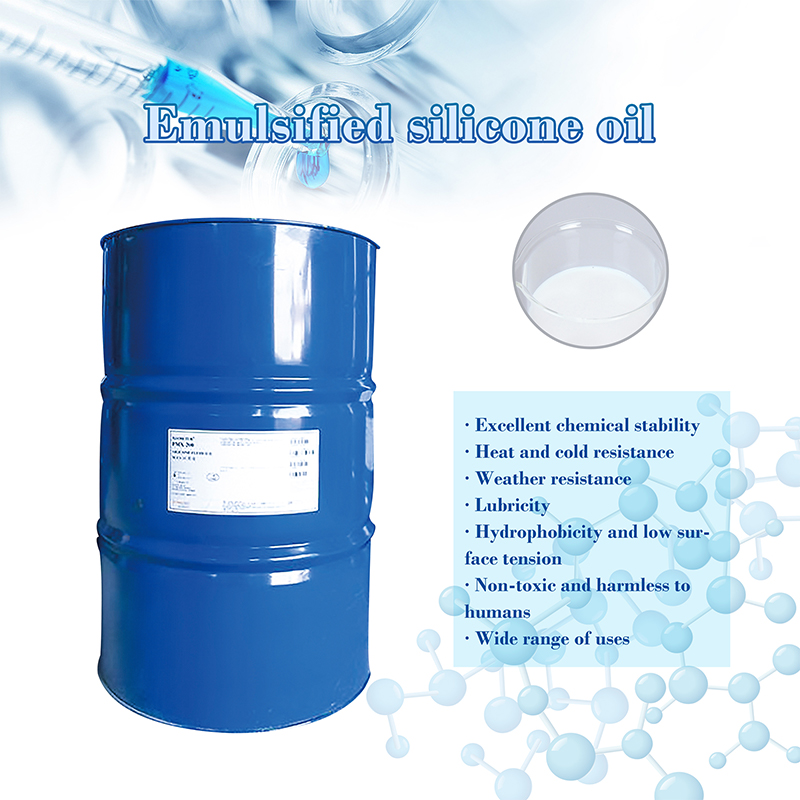
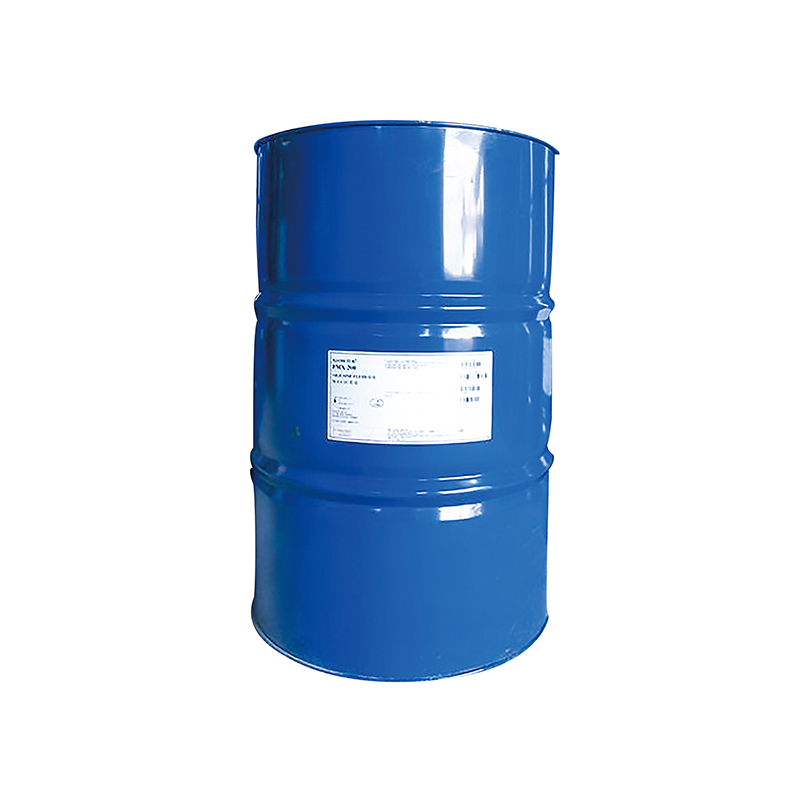
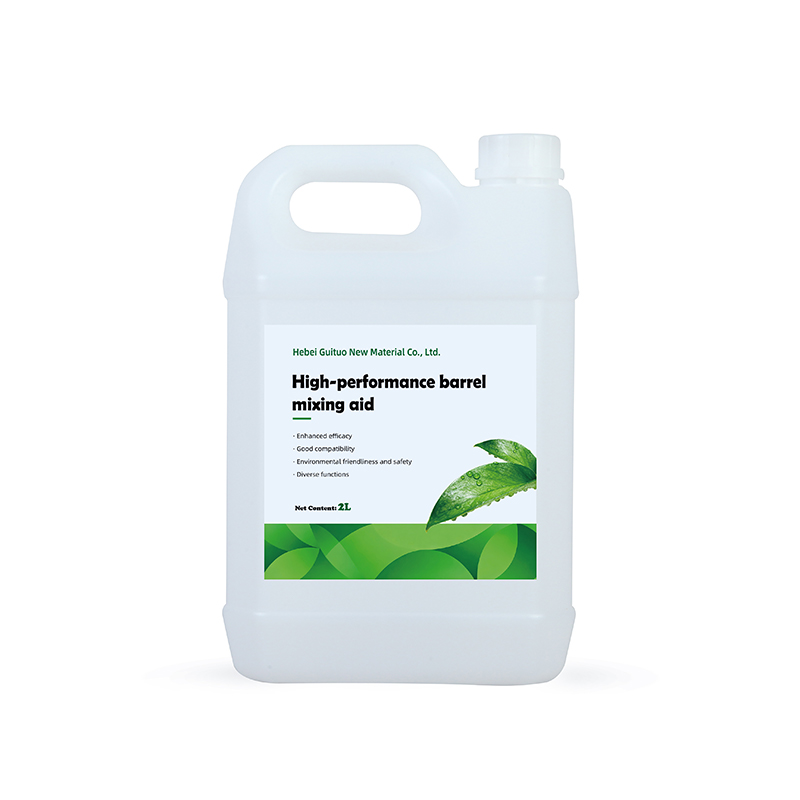
Product: 201 Methyl Silicone Oil


Contact Information
Tel : +86-400-138-5268
Email : [email protected]
Phone : +86-15128434888 / +86-13511051998
Add : Xinqiao Environmental Protection Industrial Park, Wen'an County, Langfang City, Hebei Province, China
Contact Information
Copyright © Hebei Guituo New Material Co., Ltd. All Rights Reserved.
