

 English
  Français
  Português
 Home / Author / Chen Yuhan, After-sales Coordinator (OEM/ODM Silicone Products) / Polyether-Modified Silicone Oil for High-Performance Wetting, Spreading, and Formulation Stability
 Polyether-Modified Silicone Oil for High-Performance Wetting, Spreading, and Formulation Stability
2026-07-13
Polyether-modified silicone oil is a high-value functional silicone material designed to solve persistent formulation challenges in water-based, solvent-based, and multi-component systems. By combining the low surface energy, flexibility, thermal stability, and weather resistance of silicone segments with the polarity, hydrophilicity, and compatibility of polyether segments, this material delivers a performance profile that conventional silicone oils and ordinary surfactants often cannot achieve. It is widely used as a wetting agent, spreading agent, leveling additive, foam stabilizer, textile finishing component, coating modifier, agricultural adjuvant, cosmetic texture enhancer, plastic film additive, and polyurethane processing aid.
In modern industrial and agricultural applications, additives are expected to do more than perform a single function. They must improve efficiency, reduce formulation instability, work under diverse environmental conditions, and remain compatible with other ingredients. Polyether-modified silicone oil is well suited to these demands because its molecular structure can be adjusted to balance hydrophobic and hydrophilic behavior. This makes it especially valuable in systems where ordinary dimethyl silicone oil may separate, where traditional surfactants cannot reduce surface tension sufficiently, or where wetting and spreading must occur rapidly on difficult surfaces.
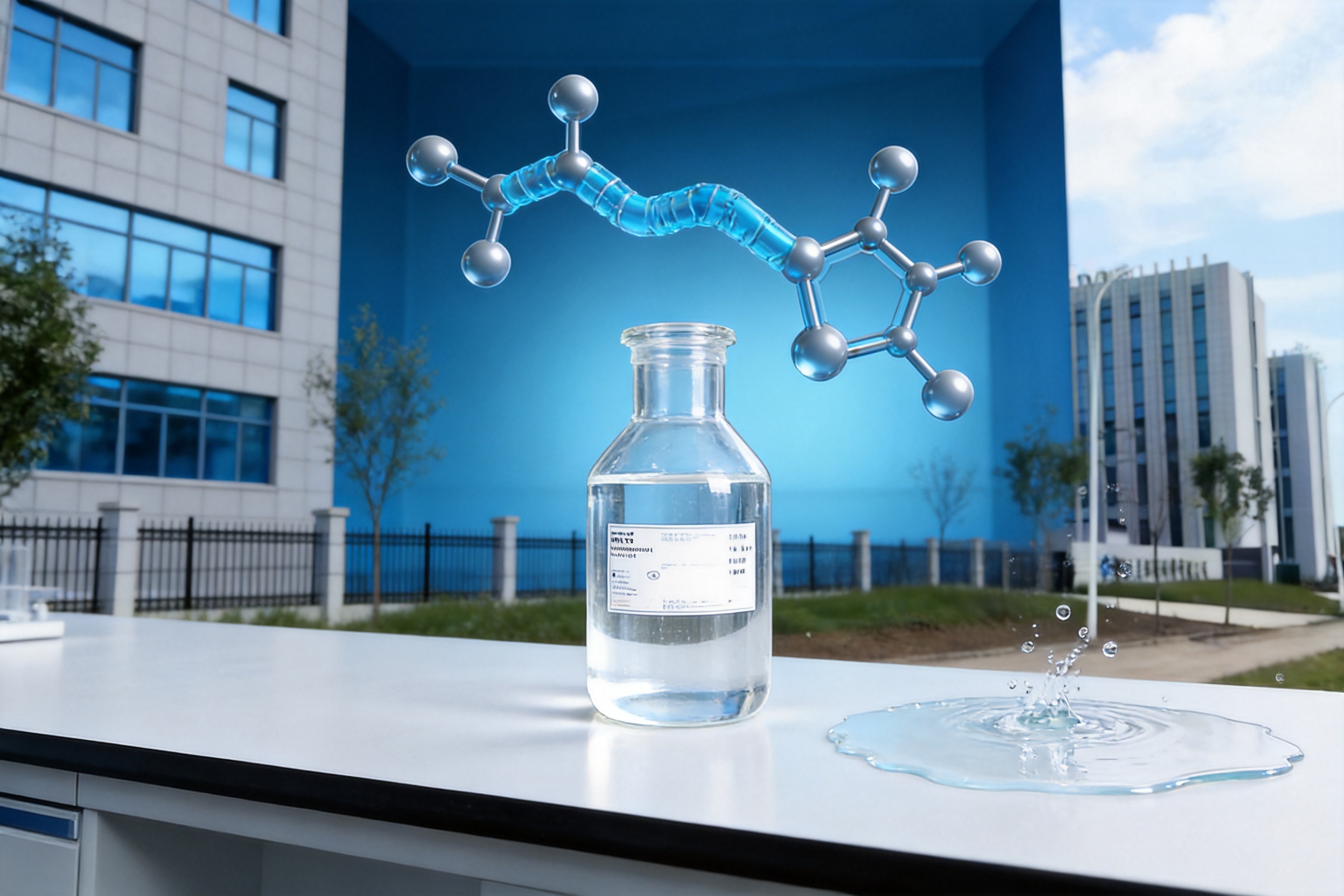
The product discussed in this article is a high-purity polyether-modified silicone oil with strong amphiphilic properties, excellent surface activity, and broad application adaptability. It is represented by Product Model LD-810, with a purity of 99.8%, CAS No. 68937-55-3, EINECS No. 614-823-3, and the synonym Polyether Silicone Surfactant. It is positioned as a chemical raw material and functional additive for industries that require dependable wetting, spreading, emulsification, leveling, penetration, stabilization, and surface control.
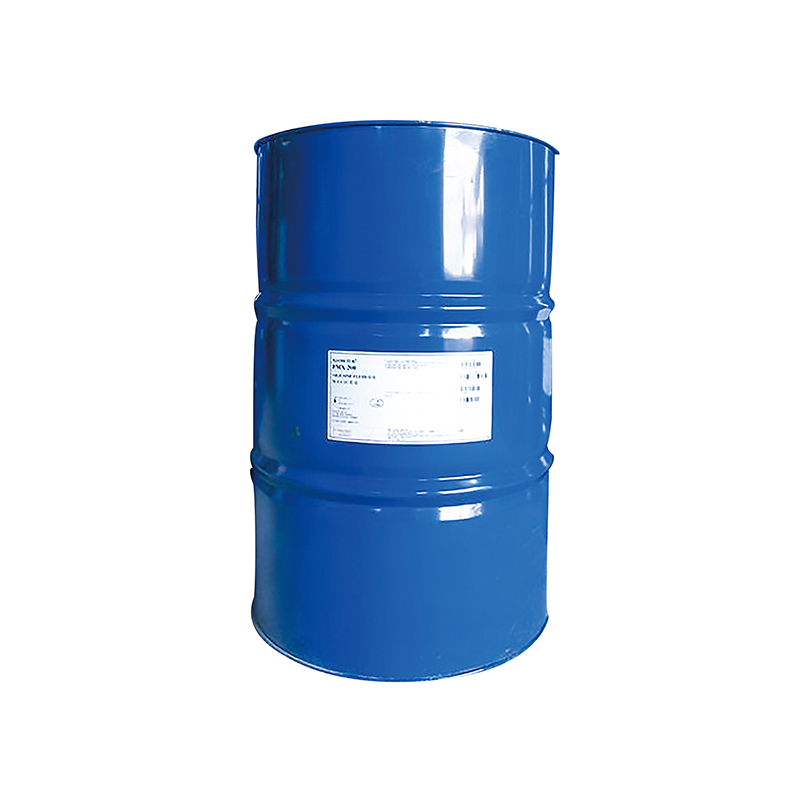
Polyether-Modified Silicone Oil
1. Product Overview and Core Value
Polyether-modified silicone oil is produced by introducing polyether chains into a silicone oil structure, either along the backbone or as side-chain modifications. This structural design creates a molecule with two distinct yet cooperative components. The silicone portion provides hydrophobicity, extremely low surface energy, smoothness, slip, resistance to heat, resistance to aging, and resistance to shear. The polyether portion introduces hydrophilicity, compatibility with water, interaction with polar solvents, and improved emulsification behavior.
This dual nature is the basis of its superior performance. Traditional silicone oils are often difficult to incorporate into water-based systems because they are strongly hydrophobic and may separate during storage or application. Many standard organic surfactants can improve compatibility, but they frequently cannot achieve the ultra-low surface tension and fast spreading performance associated with silicone chemistry. Polyether-modified silicone oil bridges this gap by combining the interfacial power of silicone with the formulation compatibility of polyether chemistry.
Its surface tension can be as low as 22 mN/m, significantly lower than many conventional surfactants. This allows the additive to quickly reduce the tension between liquids and solids, enabling a formulation to cover difficult substrates more uniformly. In agricultural spraying, this can help droplets spread on waxy leaf surfaces. In coatings, it helps reduce surface defects. In textiles, it improves fabric feel and moisture interaction. In polyurethane foam production, it assists emulsification and bubble stabilization. In cosmetic and daily chemical systems, it helps improve texture, spreadability, and film formation.
Another important value of polyether-modified silicone oil is its high compatibility range. It can be fully miscible with water in any ratio, depending on its structural design, and can also show partial or full miscibility with polar solvents such as alcohols and esters, as well as non-polar solvents such as toluene. This broad compatibility helps formulators reduce the risk of phase separation, sedimentation, floating oil, and inconsistent performance. Compared with many competing silicone additives, this is a practical advantage in manufacturing, storage, and end-use reliability.
2. Technical Identification and Product Data
The following table summarizes the key technical identification information for the product. These parameters provide a concise foundation for product selection, technical communication, and formulation evaluation.
| Item | Information |
|---|---|
| Product Model | LD-810 |
| Product Name | Polyether-Modified Silicone Oil |
| Product Category | Chemical Raw Materials |
| CAS No. | 68937-55-3 |
| EINECS No. | 614-823-3 |
| Purity | 99.8% |
| Synonym | Polyether Silicone Surfactant |
| Primary Functions | Wetting, spreading, emulsification, leveling, penetration, stabilization, foam control support, and surface modification |
| Typical Application Fields | Agriculture, coatings, inks, textiles, daily chemicals, plastics, polyurethane foam, electronics, and industrial formulations |
The high purity level is especially significant for industrial users. A purity of 99.8% supports more predictable formulation behavior and reduces the uncertainty associated with impurities, unreacted raw materials, or inconsistent by-products. In applications such as coatings, agrochemical additives, cosmetics, and electronics-related processing, minor variations in additive quality can affect clarity, leveling, dispersion, wetting, foam control, or long-term stability. A high-purity product therefore supports both technical performance and batch-to-batch reliability.
3. Molecular Structure and Performance Mechanism
The performance of polyether-modified silicone oil is rooted in molecular architecture. The silicone chain, usually based on siloxane linkages, provides a flexible backbone with low intermolecular interaction and low surface energy. This allows the molecule to migrate quickly to interfaces and reduce surface tension. The polyether chain, commonly containing ethylene oxide or propylene oxide units, provides polarity and improves compatibility with water or polar organic media. When these two components are joined in one molecule, the result is a powerful amphiphilic additive.
The term amphiphilic means that the molecule contains both hydrophobic and hydrophilic parts. This is crucial for performance in modern formulations. In a water-based system, the polyether section helps the material stay dispersed or dissolved, while the silicone section remains available to act at interfaces. When the liquid contacts a low-energy substrate, such as a waxy plant leaf, plastic film, coated surface, or synthetic fiber, the silicone segment helps the formulation spread rapidly. At the same time, the polyether segment maintains compatibility with the continuous phase.
Polyether chain length has a major influence on behavior. Shorter polyether chains tend to preserve more silicone-like performance, including stronger spreading, lower polarity, and enhanced activity on non-polar surfaces. Longer polyether chains improve water compatibility, dispersibility, and stability in aqueous systems. For agricultural formulations, longer or appropriately balanced polyether segments may be preferred because water-based dilution is common. For coating or release applications, a silicone-rich structure may be selected when lower surface tension, flow, and interfacial activity are prioritized.
The ratio between silicone and polyether segments is another key variable. Higher silicone content generally improves surface activity, slip, release behavior, and rapid spreading. Higher polyether content improves emulsification, compatibility, and wetting in polar environments. This structural tunability gives polyether-modified silicone oil a competitive advantage over many ordinary additives, because it can be adapted to specific application requirements rather than forcing users to adjust their entire formulation around a rigid additive profile.
Molecular architecture also matters. Polyether-modified silicone oil may be designed as a block structure or a graft structure. Block structures may show more distinct segment behavior, while graft structures can offer more uniform distribution of functional groups along the silicone chain. These design differences affect viscosity, cloud point, flow, compatibility, thermal response, and interaction with surfactants, solvents, resins, pigments, fillers, and active ingredients. In demanding applications, the ability to choose or customize the architecture is a strong technical advantage.
4. Advantages Over Conventional Silicone Oils and Ordinary Surfactants
One of the most important advantages of polyether-modified silicone oil is that it overcomes the poor emulsification and easy phase separation often associated with traditional silicone oils. Conventional dimethyl silicone oil has excellent smoothness and thermal stability, but it is highly hydrophobic and often incompatible with water-based formulations. This can lead to oil floating, separation during storage, uneven additive distribution, or unstable performance after dilution. Polyether modification greatly improves compatibility and makes the material easier to formulate.
Compared with ordinary surfactants, polyether-modified silicone oil offers much lower surface tension and faster interfacial action. Many non-silicone surfactants reduce surface tension to a moderate level, but they may not reach the ultra-low values needed for difficult wetting conditions. A surface tension as low as 22 mN/m allows polyether-modified silicone oil to spread efficiently across hydrophobic surfaces. This is especially important in agriculture, where leaf surfaces are often waxy and water-repellent, and in coatings, where smooth films require strong flow and leveling.
Another advantage is multifunctionality. A conventional additive may only act as a wetting agent, or only as a leveling aid, or only as a defoamer component. Polyether-modified silicone oil can contribute to several performance improvements at once, depending on formulation design. It can improve wetting, spreading, penetration, emulsification, surface leveling, antistatic behavior, softness, foam stabilization, or surface smoothness. This multifunctionality may help formulators simplify additive packages, reduce compatibility conflicts, and improve overall system efficiency.
Its weather resistance and durability also distinguish it from many competitors. The siloxane bond has high bond energy, giving the product strong resistance to temperature variation, aging, and shear. It can maintain stable function under hot and humid conditions as well as cold and dry environments. In applications such as agricultural spraying, greenhouse films, industrial coatings, textiles, and plastics, environmental stability is essential. Additives that perform well only under laboratory conditions may fail in real use; polyether-modified silicone oil is designed for more demanding conditions.
Compatibility with other formulation components is another practical advantage. It generally shows improved compatibility with nonionic and anionic surfactants compared with unmodified silicone oil. It can work alongside defoamers, dispersants, resins, solvents, active ingredients, plastic additives, and textile auxiliaries. This compatibility lowers the risk of separation and makes production easier. It also improves storage stability and helps ensure that the finished product behaves consistently when diluted, sprayed, coated, cured, foamed, or applied to a surface.
5. Application in Agriculture and Agrochemical Formulations
Agricultural formulations are among the most important application areas for polyether-modified silicone oil. Agrochemical products often need to be diluted with water and sprayed onto plant surfaces. However, plant leaves frequently have waxy, uneven, or hairy surfaces that resist wetting. Ordinary water droplets may bead up, roll off, evaporate quickly, or fail to cover enough surface area. This reduces the efficiency of pesticides, herbicides, fungicides, foliar fertilizers, and plant growth regulators.
Polyether-modified silicone oil addresses these problems by dramatically lowering surface tension and improving droplet spreading. When added to an agricultural spray system, it can help the liquid expand over the leaf surface instead of remaining as isolated droplets. This may increase contact area, improve coverage uniformity, and support better use of active ingredients. Because it can be compatible with water-based systems, it is easier to incorporate into agricultural adjuvant products than conventional silicone oil.
The product also contributes to penetration behavior. Lower interfacial tension helps the spray liquid enter small surface structures, pores, or micro-rough areas. In some formulations, improved penetration may support faster delivery of active ingredients. This does not mean every agricultural formulation should use the same dosage or structure; the correct selection depends on crop type, active ingredient, spray volume, weather conditions, and regulatory requirements. However, the structural flexibility of polyether-modified silicone oil makes it suitable for tailored agricultural solutions.
Compared with traditional agricultural surfactants, silicone-based polyether-modified additives can provide stronger spreading at lower surface tension. This can be beneficial where fast coverage is needed. It may also reduce losses caused by poor wetting or runoff, helping improve application efficiency. For leading agrochemical enterprises and professional formulators, this type of additive can become an important tool for upgrading product performance and supporting more reliable field results.
Hebei Guituo New Material Co., Ltd. has developed a product matrix that includes silicone additives, wetting agents, modified silicone oil, dimethyl silicone oil, surfactants, and defoamers. The company’s agricultural silicone products are known for strong quality performance and are used by major domestic agrochemical enterprises as designated procurement products. This reflects not only product function but also the importance of stable supply, consistent quality, and technical support in agricultural input manufacturing.
6. Application in Coatings and Inks
In coatings and inks, surface control is critical. Defects such as orange peel, poor leveling, craters, pinholes, uneven gloss, floating, flooding, and poor substrate wetting can reduce product appearance and performance. Polyether-modified silicone oil can act as a leveling agent and wetting additive by reducing surface tension and improving flow across the substrate. It helps the coating spread more evenly before drying or curing, resulting in a smoother film.
Performance data show that this type of additive can reduce the surface tension of coatings from about 45 mN/m to approximately 28 mN/m. This reduction significantly improves wetting and flow. It can greatly minimize orange peel defects, with reductions reported as high as 90%, and can reduce spraying loss by about 15%. These advantages are economically important because they can reduce rework, improve appearance, increase transfer efficiency, and help manufacturers achieve more consistent coating quality.
In addition to leveling, polyether-modified silicone oil may provide defoaming support. Coatings and inks often contain surfactants, pigments, fillers, resins, solvents, and rheology modifiers, all of which can influence foam generation and air entrapment. A well-designed silicone additive can help manage surface activity and reduce foam-related imperfections. However, the formulation balance must be carefully controlled because excessive silicone activity can sometimes cause defects in sensitive coating systems. This is why consistent product quality and technical selection are essential.
Compared with ordinary leveling agents, polyether-modified silicone oil offers strong activity at low surface tension and better compatibility than unmodified silicone oils. It is especially valuable in systems that require both water compatibility and silicone-level spreading power. In waterborne coatings, the polyether segment helps maintain dispersion and reduce separation risk. In solventborne systems, compatibility with alcohols, esters, and certain non-polar solvents supports broader use. This versatility gives formulators more freedom when designing high-performance coatings and inks.
7. Application in Textile and Dyeing Processing
Textile finishing requires materials that improve hand feel, softness, antistatic performance, hydrophilicity, moisture absorption, and processing stability. Polyether-modified silicone oil is highly suitable for this area because it combines the smoothness of silicone with the hydrophilic behavior of polyether. As a fabric finishing agent, it can significantly improve softness and reduce bending stiffness. For cotton fabrics, bending stiffness may be reduced by about 40%, resulting in a softer and more comfortable textile.
Traditional silicone softeners can provide excellent softness, but some may reduce hydrophilicity or cause compatibility problems in aqueous finishing baths. Polyether modification helps improve moisture absorption and antistatic properties, making the treated fabric more balanced in performance. This is especially important for clothing, home textiles, functional fabrics, and textiles requiring a pleasant hand feel without sacrificing comfort.
In dyeing and finishing processes, bath stability is important. Additives must remain dispersed under processing conditions, resist shear, and tolerate other auxiliaries. Polyether-modified silicone oil offers improved compatibility with surfactants and finishing agents compared with conventional silicone oil. This reduces the risk of oil spots, uneven finishing, bath separation, or fabric defects. The result is better processing reliability and more consistent textile quality.
Its low surface tension also helps improve wetting of fibers and fabric surfaces. Better wetting can support more uniform additive distribution and reduce localized performance variation. For textile manufacturers, this means improved product consistency and less waste caused by finishing defects. In an industry where appearance, touch, and batch uniformity are central to commercial success, a stable and multifunctional silicone-polyether additive can provide a significant competitive edge.
8. Application in Daily Chemical and Personal Care Systems
Daily chemical and personal care products require additives that improve sensory properties, stability, spreading, film formation, and moisture retention. Polyether-modified silicone oil can improve the texture of creams and lotions, reduce spreading resistance, and contribute to rapid film formation. In skincare products, spreading resistance may be reduced by about 70%, allowing creams to glide more easily over the skin. A film can form within approximately 3 seconds, improving the user’s perception of smoothness and coverage.
In moisturizing systems, this material can support long-lasting performance, with reported 48-hour moisturization benefits in appropriate formulations. It can also help physical sunscreen systems by improving dispersion and film uniformity, potentially increasing SPF values by 5 to 8 points. The mechanism is related to better spreading of particles and more continuous coverage on the skin surface. Better film uniformity reduces gaps and improves the efficiency of UV-blocking ingredients.
Compared with conventional oils or standard emulsifiers, polyether-modified silicone oil provides a valuable combination of slip, compatibility, spreadability, and surface control. Ordinary silicone oils may feel smooth but can be difficult to emulsify. Organic emulsifiers may improve emulsification but may not provide the same elegant sensory profile. Polyether-modified silicone oil can help bridge these properties, making it useful in creams, lotions, sunscreens, hair care products, cleansing products, and other personal care systems.
For personal care formulators, consistency and purity are especially important. The high-purity product profile helps reduce unwanted odor, instability, and variability. Production control and testing are therefore essential. Hebei Guituo New Material Co., Ltd. supports this need through advanced production equipment, precise testing facilities, and full-process quality monitoring from production source to finished product delivery.

9. Application in Plastics and Greenhouse Films
Polyether-modified silicone oil can also be used as an additive in plastics, especially greenhouse plastic films. Greenhouse films must allow light transmission, resist fogging, maintain mechanical performance, and survive long exposure to heat, moisture, sunlight, and temperature changes. Fogging is a common problem because condensed water droplets on the inner film surface reduce light transmission and may drip onto plants. Traditional anti-fog systems may have limited durability.
As an additive in greenhouse plastic films, polyether-modified silicone oil can form a nanoscale waterproof or surface-regulating layer. This layer improves the behavior of condensed water, supporting a more continuous water film rather than large droplets. Product information indicates that it can increase light transmittance by about 35% and maintain anti-fog performance for approximately 180 days, compared with only around 20 days for many traditional products. It may also extend film lifespan by about 3 years in suitable systems.
The long-lasting effect is connected to the stability of the silicone structure and the functional compatibility introduced by polyether segments. The silicone portion contributes weather resistance and durability, while the polyether portion helps surface interaction and migration control. Compared with short-lived organic anti-fog additives, polyether-modified silicone oil can provide more durable function when properly selected and processed.
For greenhouse agriculture, improved light transmission and anti-fog performance can influence crop growth conditions, yield potential, and greenhouse management efficiency. A film that maintains clarity and resists dripping can improve the growing environment. This demonstrates how a chemical raw material can have value beyond the factory; it can influence agricultural productivity and resource use efficiency.
10. Application in Polyurethane Foam
Polyurethane foam production depends heavily on bubble formation, stabilization, and cell structure control. During foaming, raw materials must be emulsified, gases must form bubbles, and the bubbles must remain stable long enough for the polymer network to develop. If bubbles collapse too early, the foam may become dense, irregular, or defective. If bubbles are too stable or poorly connected, the final foam may have unsuitable properties. Polyether-modified silicone oil is widely used as a foam stabilizer because it can help control these processes.
As a polyurethane foam additive, polyether-modified silicone oil promotes material emulsification and stabilizes bubbles. It helps create fine and uniform cells, enabling better control over bubble formation, stabilization, and interconnection. The silicone segment provides strong interfacial activity at the gas-liquid interface, while the polyether segment improves compatibility with polyurethane raw materials. This makes the additive particularly effective in systems that require precise cell morphology.
Compared with non-silicone foam stabilizers, silicone-polyether additives are often more efficient in generating uniform cell structures. Compared with unmodified silicone oil, they provide much better compatibility with polyol and isocyanate-related systems. This balance is essential in producing flexible foam, rigid foam, molded foam, and specialty foam products. Manufacturers benefit from improved processing stability, fewer defects, and more predictable final foam properties.
11. Advanced Manufacturing Processes and Quality Strengths
The performance of polyether-modified silicone oil depends not only on its molecular concept but also on manufacturing precision. A high-quality product requires controlled raw material selection, accurate reaction conditions, efficient purification, consistent viscosity control, careful monitoring of active content, and reliable batch testing. Hebei Guituo New Material Co., Ltd. is a high-tech enterprise integrating research and development, production, and sales, with technology as the core driving force. Its subsidiary, Ningbo Guituo Trading Co., Ltd., supports market service and customer communication.
The company focuses on the in-depth development and innovative application of high-end silicone materials in industrial and agricultural fields. It has established a comprehensive guarantee system for product quality and stable supply. This includes internationally advanced production equipment, precise testing facilities, and a full-process quality monitoring mechanism from production source to finished product delivery. Such a system is essential for additives like polyether-modified silicone oil because even small fluctuations in structure can affect wetting, emulsification, viscosity, compatibility, and stability.
Advanced production equipment supports more stable reaction control. In modified silicone oil production, parameters such as temperature, catalyst control, raw material ratio, reaction time, mixing efficiency, and post-treatment conditions can influence molecular weight distribution and functional group consistency. Modern equipment helps maintain these variables within defined ranges, which improves batch-to-batch consistency. This is a major advantage over competitors that may rely on less controlled production processes or limited testing capacity.
Precise testing facilities allow the company to evaluate key indicators before delivery. Relevant tests may include appearance, purity, viscosity, surface tension, active content, compatibility, moisture, pH where applicable, cloud point, and application-specific performance. For customers, these controls reduce risk. A formulation developed with one batch is more likely to perform similarly with future batches. This is especially important for customers producing agrochemical adjuvants, coatings, cosmetics, textile auxiliaries, plastic films, or polyurethane foam at industrial scale.
The company has also assembled an experienced technical and production team with strong professional skills. This human expertise matters because silicone-polyether chemistry is highly structure-sensitive. Technical personnel must understand how molecular design affects real-world performance, how to match products to customer systems, and how to solve formulation issues. The combination of advanced equipment and experienced specialists helps ensure that each product meets high standards rather than merely satisfying basic chemical specifications.
Another manufacturing strength is the company’s rich product matrix. It covers silicone additives, wetting agents, modified silicone oil, dimethyl silicone oil, surfactants, defoamers, and related series. This breadth creates formulation synergy. Customers can source complementary materials from one technical platform, making it easier to optimize total performance. For example, a coating customer may need both a leveling agent and a defoamer; an agrochemical customer may need a wetting agent and a silicone synergist; a textile customer may need a modified silicone oil and a surfactant package.
The company accepts OEM and ODM orders, which is important for customers requiring customized solutions. Polyether-modified silicone oil is not a one-size-fits-all material. Different applications may require different water solubility, viscosity, silicone content, polyether type, cloud point, and compatibility profile. OEM and ODM capability allows customers to work with the manufacturer to develop products aligned with specific formulation needs, performance targets, packaging requirements, and market positioning.
12. Competitive Advantages in Global Supply and Customer Support
In the chemical raw materials market, product performance must be supported by supply reliability and service capability. Hebei Guituo New Material Co., Ltd. has built stable production and quality systems to support both domestic and overseas customers. Its products are exported to markets such as Europe and Southeast Asia and have achieved positive feedback through stable performance, reliable quality, and continuous repurchases. This indicates that the company is not only able to manufacture advanced silicone materials but also to maintain consistency across repeated commercial supply.
Compared with many suppliers that provide only standard catalog products, the company’s strength lies in its integration of research and development, production, quality control, and application service. Customers increasingly require suppliers to help solve practical formulation problems rather than simply ship materials. When using polyether-modified silicone oil, customers may need guidance on dosage, dilution, compatibility, mixing order, storage stability, or application-specific performance testing. A supplier with technical depth can reduce development time and improve the chance of successful commercialization.
The company’s agricultural silicone products have reached an advanced domestic level and are favored by leading agrochemical enterprises. This is a strong indicator of competitive strength because agrochemical formulations are technically demanding and commercially sensitive. Additives must withstand dilution, tank mixing, field conditions, variable water quality, and interaction with active ingredients. A supplier that can meet such standards is well positioned to support other industries requiring reliable silicone surface-control technologies.
The company’s location in Xinqiao Environmental Protection Industrial Park, Wen'an County, Langfang City, Hebei Province, China, supports industrial production infrastructure and supply chain access. Its contact channels include telephone, mobile phone, email, and WhatsApp, which helps domestic and international customers communicate efficiently. Strong communication is especially important for customized orders, technical troubleshooting, export coordination, and long-term procurement planning.
13. Selection Considerations for Formulators
When selecting polyether-modified silicone oil, formulators should begin by defining the target function. If the priority is rapid spreading and ultra-low surface tension, a silicone-rich structure may be preferred. If the priority is water compatibility and stable dilution, a higher polyether content or longer polyether chain may be more suitable. If the application requires both strong spreading and storage stability, a balanced structure is needed. The ideal selection depends on the entire formulation, not just the additive itself.
Viscosity is another important factor. Lower-viscosity products may be easier to handle, pump, dilute, and disperse. Higher-viscosity products may provide stronger film-forming or stabilizing effects but could require special mixing or processing adjustments. Compatibility tests should be performed with the actual formulation components, including solvents, surfactants, active ingredients, resins, pigments, fillers, salts, fragrances, preservatives, and pH adjusters where relevant.
Dosage should be optimized through testing. Because polyether-modified silicone oil is highly surface-active, excessive use may not always improve performance and could cause side effects such as over-spreading, foam changes, surface defects, or compatibility shifts. The best dosage is usually determined by measuring surface tension, wetting time, spreading diameter, foam behavior, storage stability, film appearance, or final product performance depending on the application.
Processing order can also matter. In some systems, the additive should be pre-diluted or added during a specific mixing stage to ensure uniform distribution. In emulsions, it may be added to the water phase, oil phase, or final blend depending on compatibility. In coatings, it may be incorporated during letdown or final adjustment. In polyurethane foam, it is typically blended into polyol-side components. Technical guidance from the manufacturer can help avoid unnecessary trial-and-error.

14. Handling, Storage, and Practical Use
Although polyether-modified silicone oil is designed for broad compatibility and stable performance, proper handling and storage remain important. Containers should generally be kept sealed to prevent contamination by dust, moisture, or incompatible materials. Storage should avoid extreme temperatures unless the product data sheet confirms suitable conditions. If the material becomes cloudy or viscous under low temperature, gentle warming and mixing may restore uniformity, depending on product design.
Before commercial use, formulators should conduct laboratory compatibility tests and small-scale production trials. This is especially important when the additive will be used with complex mixtures such as agrochemical concentrates, pigment dispersions, cosmetic emulsions, textile finishing baths, polymer melts, or polyurethane foam systems. Testing should include both initial performance and storage stability over time. Accelerated aging tests can help predict long-term behavior.
For applications involving skin contact, food-related environments, agricultural use, or regulated industrial products, users must confirm compliance with relevant local regulations and safety requirements. Material safety data, technical data, and regulatory documentation should be reviewed before use. The supplier can provide communication support for technical and procurement requirements.
15. Q&A Section
Q1: What is polyether-modified silicone oil?
Polyether-modified silicone oil is a functional silicone material made by introducing polyether chains into a silicone oil structure. It combines the low surface energy, smoothness, and stability of silicone with the water compatibility and polarity of polyether segments. This gives it strong wetting, spreading, emulsification, and formulation-stabilizing properties.
Q2: How does polyether modification improve ordinary silicone oil?
Ordinary silicone oil is highly hydrophobic and often difficult to disperse in water-based systems. Polyether modification improves compatibility with water and polar components, reducing phase separation risk. It also allows the material to function as a powerful silicone surfactant while maintaining many benefits of silicone chemistry.
Q3: Why is its surface tension performance important?
Low surface tension allows liquids to spread more easily over difficult surfaces. With surface tension as low as 22 mN/m, polyether-modified silicone oil can improve wetting on waxy leaves, plastic films, coated surfaces, fibers, skin, and other substrates. This supports better coverage, improved appearance, and higher application efficiency.
Q4: How is this product different from ordinary surfactants?
Ordinary surfactants often cannot reduce surface tension as strongly as silicone-polyether additives. Polyether-modified silicone oil provides ultra-low surface tension, rapid spreading, and multifunctional surface control. It also offers strong stability and compatibility when properly designed, making it useful in demanding formulations.
Q5: What are the main application fields?
The material is used in agriculture, coatings, inks, textiles, daily chemicals, plastics, greenhouse films, polyurethane foam, electronics, and other industrial formulations. Its functions include wetting, spreading, leveling, emulsification, foam stabilization, softness improvement, anti-fog support, and surface modification.
Q6: Why is it suitable for agricultural formulations?
Agricultural sprays are usually water-based and must wet waxy plant surfaces. Polyether-modified silicone oil improves water compatibility and reduces surface tension, helping droplets spread more uniformly on leaves. This can improve coverage and support more efficient use of agrochemical active ingredients.
Q7: What benefits does it provide in coatings and inks?
In coatings and inks, it can act as a leveling agent and wetting additive. It may reduce coating surface tension from about 45 mN/m to about 28 mN/m, minimize orange peel defects, reduce spraying loss, improve film smoothness, and support gloss development.
Q8: How does it help textile finishing?
As a textile finishing agent, it improves fabric softness, reduces bending stiffness, and supports moisture absorption and antistatic properties. Compared with some traditional silicone softeners, its polyether modification improves compatibility in aqueous processing systems.
Q9: Can it be used in skincare or daily chemical products?
Yes. In suitable formulations, it can improve cream texture, reduce spreading resistance, support rapid film formation, enhance moisturization, and help improve the uniformity of physical sunscreen films. Formulators should confirm safety, regulatory compliance, and compatibility for the intended product.
Q10: What role does it play in polyurethane foam?
In polyurethane foam production, it acts as a foam stabilizer. It promotes emulsification, stabilizes bubbles, and helps create fine, uniform cell structures. This supports better control of bubble formation, stabilization, and interconnection during foaming.
Q11: What factors should be considered when selecting a grade?
Key factors include polyether chain length, silicone-to-polyether ratio, viscosity, water compatibility, solvent compatibility, surface tension, cloud point, application environment, and interaction with other formulation components. Testing in the actual formulation is recommended.
Q12: What manufacturing strengths support product quality?
Hebei Guituo New Material Co., Ltd. uses advanced production equipment, precise testing facilities, full-process quality monitoring, and an experienced technical team. These strengths help ensure stable purity, consistent performance, reliable supply, and support for customized OEM and ODM requirements.
16. Conclusion
Polyether-modified silicone oil is a highly versatile silicone-polyether material that delivers a rare combination of ultra-low surface tension, water compatibility, solvent adaptability, spreading power, formulation stability, and environmental durability. Its molecular design allows it to outperform many traditional silicone oils in compatibility while exceeding many ordinary surfactants in interfacial activity. This makes it valuable across agriculture, coatings, inks, textiles, daily chemicals, plastics, greenhouse films, polyurethane foam, and other industrial systems.
The product’s advantages are not limited to chemistry alone. Its value is strengthened by high-purity production, advanced manufacturing equipment, precise testing facilities, full-process quality control, and technical expertise. Hebei Guituo New Material Co., Ltd. combines research and development, production, sales, application experience, and customization capability to provide stable silicone additive solutions for domestic and international customers. For formulators seeking better wetting, faster spreading, improved compatibility, longer-lasting performance, and dependable supply, polyether-modified silicone oil offers a strong and practical solution.
References
1. Owen, M. J. “Silicone Surface Activity and Wetting Behavior.” Silicone Chemistry and Technology, Industrial Materials Series.
2. Hill, R. M. Silicone Surfactants. Surfactant Science Series, Marcel Dekker.
3. Schramm, L. L. Emulsions, Foams, and Suspensions: Fundamentals and Applications. Wiley-VCH.
4. Tadros, T. F. Applied Surfactants: Principles and Applications. Wiley-VCH.
5. Brook, M. A. Silicon in Organic, Organometallic, and Polymer Chemistry. Wiley.
6. Technical information provided for Polyether-Modified Silicone Oil, Product Model LD-810, Hebei Guituo New Material Co., Ltd.
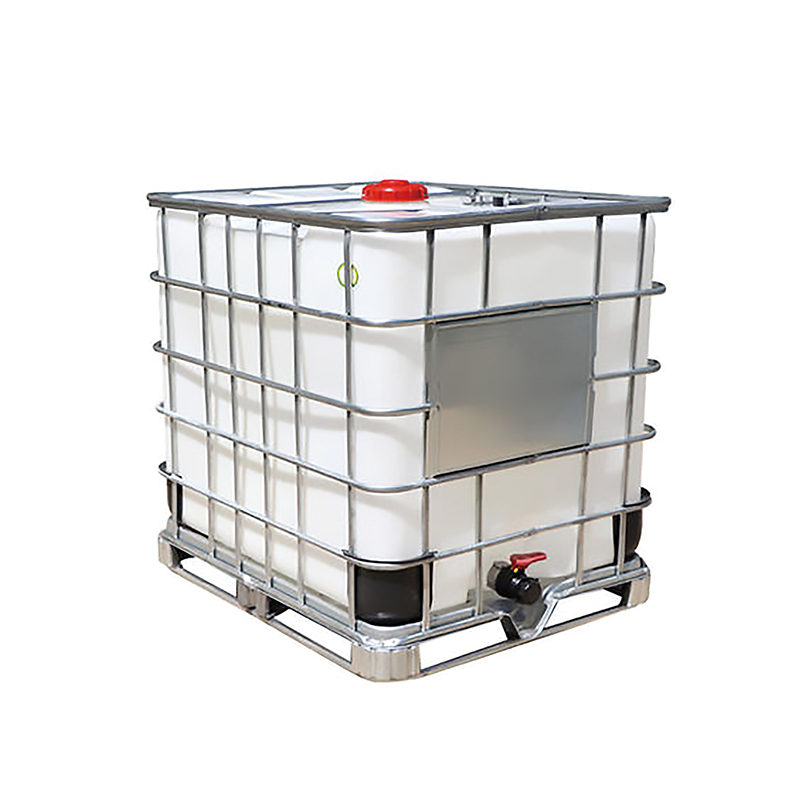
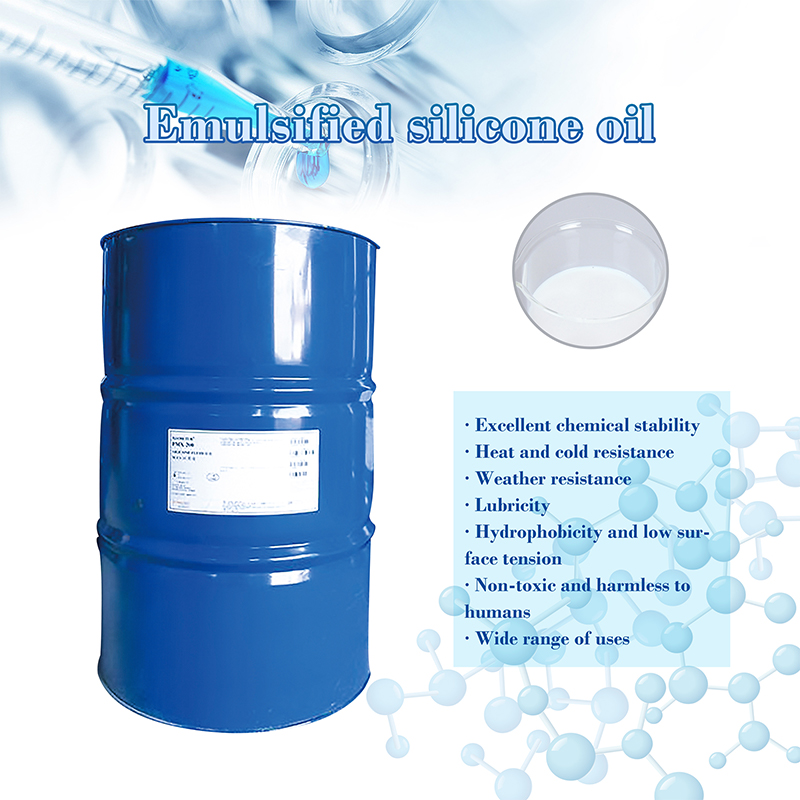
Product: Polyether-Modified Silicone Oil


Contact Information
Tel : +86-400-138-5268
Email : [email protected]
Phone : +86-15128434888 / +86-13511051998
Add : Xinqiao Environmental Protection Industrial Park, Wen'an County, Langfang City, Hebei Province, China
Contact Information
Copyright © Hebei Guituo New Material Co., Ltd. All Rights Reserved.
