

 English
  Français
  Português
 Home / Author / Chen Yuhan, After-sales Coordinator (OEM/ODM Silicone Products) / High-Performance Agricultural Organosilicone Adjuvant for Smarter Crop Protection
 High-Performance Agricultural Organosilicone Adjuvant for Smarter Crop Protection
2026-07-17
Agricultural productivity increasingly depends on precision, efficiency, and environmental responsibility. Farmers, formulators, and agrochemical distributors are looking for technologies that help each drop of spray solution work harder, cover more plant surface, penetrate more effectively, and remain active for longer under challenging field conditions. Agricultural organosilicone adjuvant is one of the most valuable tools in this transformation because it improves the physical behavior of pesticide and fertilizer sprays at the interface between liquid droplets and plant surfaces.
The agricultural organosilicone adjuvant described here, represented by models GT-8110, GT-8210, and GT-8310, is a high-purity polyether-modified trisiloxane silicone surfactant designed for use with herbicides, insecticides, fungicides, foliar fertilizers, and plant growth regulators. It functions as a super spreader, wetting agent, foliar absorption enhancer, spray modifier, activator, and aerial-application aid. Its extremely low surface tension allows spray droplets to spread rapidly over waxy, hairy, or difficult-to-wet crop surfaces, creating a broader and more uniform coverage area than conventional nonionic surfactants.
In practical agricultural use, the product can enhance pesticide efficacy by approximately 30 percent to 50 percent under suitable application conditions, while helping reduce spray volume by approximately 30 percent to 50 percent. These improvements may support lower water consumption, reduced labor intensity, improved crop protection consistency, and potentially reduced pesticide residues when applications are optimized according to local agronomic recommendations. The product also contributes to better rainfastness, stronger adhesion, and improved penetration, helping active ingredients reach target surfaces and tissues more efficiently.
Beyond product performance, the manufacturing strength behind this adjuvant is equally important. Hebei Guituo New Material Co., Ltd., supported by Ningbo Guituo Trading Co., Ltd. for trading and market service, operates as a high-tech enterprise integrating research, development, production, quality control, and sales. The company focuses on the innovative application of high-end silicone materials in industrial and agricultural fields. With advanced production equipment, precise testing facilities, experienced technical staff, and a full-process quality monitoring mechanism, it is positioned to supply consistent, high-performance organosilicone materials for domestic and international markets.
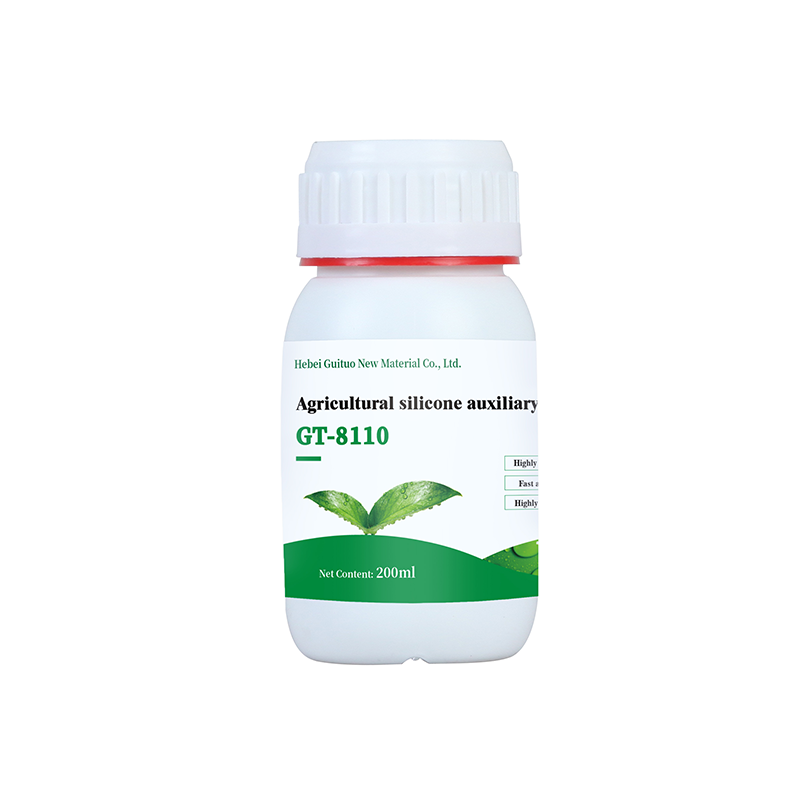
Agricultural Organosilicone Adjuvant
Understanding Agricultural Organosilicone Adjuvant
An agricultural organosilicone adjuvant is not a pesticide by itself. Instead, it is a performance-enhancing additive used in combination with pesticide or nutrient formulations. Its main purpose is to improve how the spray liquid behaves after leaving the nozzle and landing on the plant surface. The effectiveness of many crop protection treatments is strongly influenced by droplet spreading, retention, wetting, adhesion, and absorption. If droplets bounce off, bead up, dry too quickly, or fail to reach hidden plant surfaces, the active ingredient may be wasted.
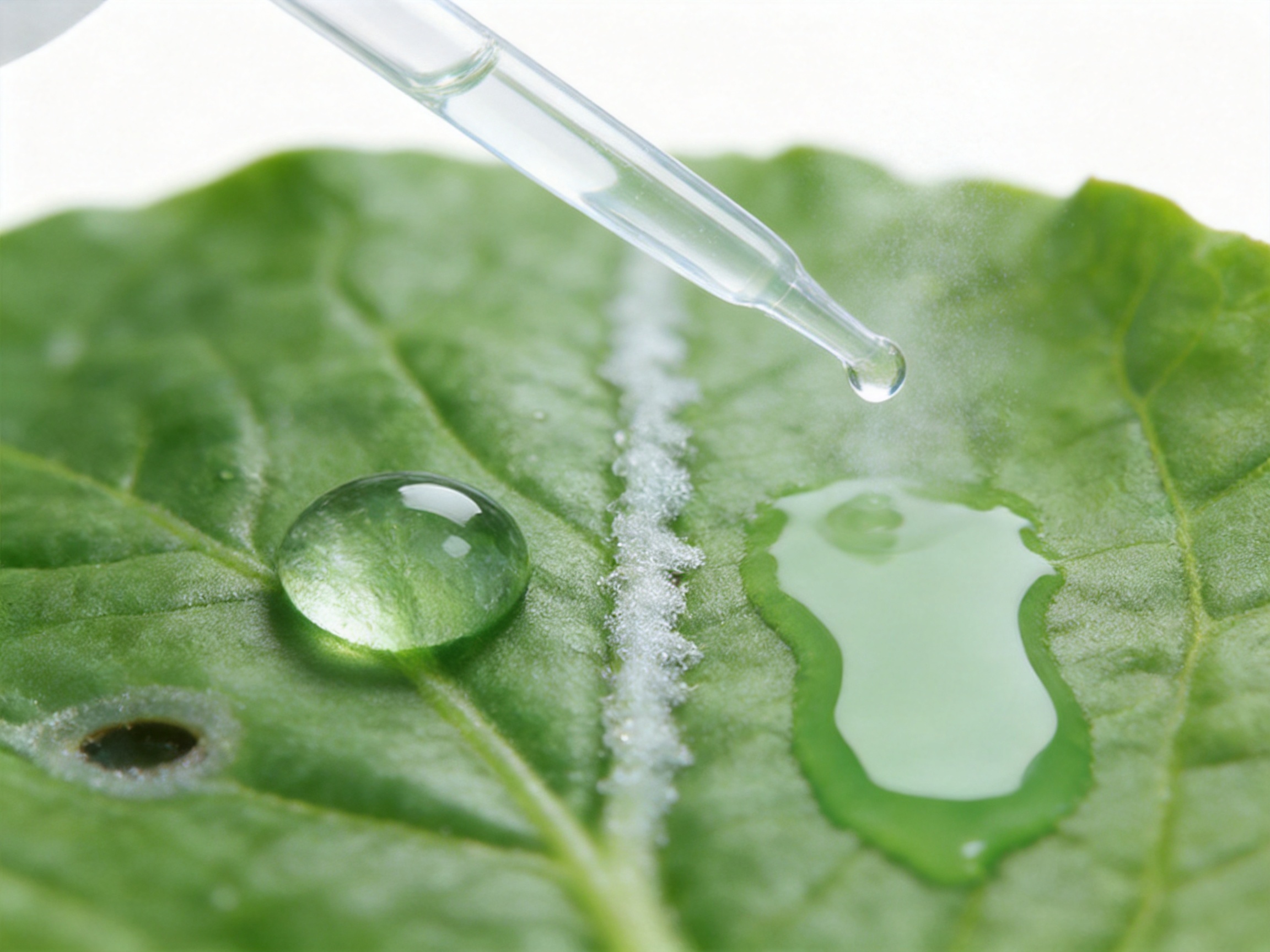
Conventional adjuvants, such as standard nonionic surfactants, can reduce surface tension and improve wetting to some degree. However, organosilicone adjuvants offer a more advanced mechanism. Polyether-modified trisiloxane structures can reduce surface tension to very low levels, often below the range achieved by ordinary surfactants. In the product specifications provided, the surface tension at 0.1 percent weight concentration is less than 20.5 mN/m, indicating excellent spreading performance. This ultra-low surface tension allows droplets to flatten and spread across the plant surface rather than remaining as round beads.
The result is a “super spreading” effect. On many leaf surfaces, the spreading area and speed can be dozens to hundreds of times greater than those of conventional adjuvants, depending on the crop, formulation, concentration, humidity, spray method, and environmental conditions. This rapid expansion increases the contact area between active ingredient and target surface, which can improve biological performance, especially when the active ingredient benefits from close surface contact or rapid uptake.
The product also supports what is often described as a “stomatal-channel” effect. By improving spreading and reducing the barrier created by leaf waxes and surface microstructures, the adjuvant helps spray solutions access tiny openings and microscopic pathways on plant surfaces. This can promote absorption and strengthen contact activity, particularly in foliar-applied pesticides and plant growth regulators. When used correctly, it can improve penetration without requiring excessive spray volumes.
Core Product Identity and Technical Profile
The product is identified as an agricultural organic silicon adjuvant, also known as a silicone surfactant or polyether-modified trisiloxane. It is supplied as a concentrate and is suitable for use in agricultural spray systems where improved wetting, spreading, and penetration are desired. Its high stated purity of 99 percent supports stable performance and predictable formulation behavior.
Its CAS number is 27306-78-1, and its EINECS number is 608-078-3. The viscosity at 25 degrees Celsius is 30 to 50 mm²/s, which gives it a practical liquid handling profile for formulation and tank-mix use. Its pH value in a 1 percent aqueous solution at 25 degrees Celsius is 6.5 to 7.5, making it close to neutral and suitable for many agricultural spray systems when compatibility is confirmed. Its cloud point at 1 percent concentration is not higher than 35 degrees Celsius, a parameter that formulators and users may consider when assessing stability and application conditions.
| Parameter | Specification | Practical Meaning |
|---|---|---|
| Product Models | GT-8110, GT-8210, GT-8310 | Multiple model options for different formulation and application needs |
| Product Type | Agricultural organosilicone adjuvant | Spray modifier, wetting agent, super spreader, and penetration enhancer |
| CAS Number | 27306-78-1 | Common identification for polyether-modified trisiloxane silicone surfactant |
| Purity | 99 percent | Supports consistent performance and reliable formulation behavior |
| Viscosity at 25 degrees Celsius | 30 to 50 mm²/s | Convenient handling and dosing in agricultural formulations |
| Surface Tension at 0.1 percent weight | Less than 20.5 mN/m | Excellent spreading and wetting capability on difficult leaf surfaces |
| Cloud Point at 1.0 percent weight | Not higher than 35 degrees Celsius | Useful reference for formulation stability and field conditions |
| pH Value at 1 percent aqueous solution | 6.5 to 7.5 | Near-neutral profile suitable for many agricultural spray applications |
How Super Spreading Improves Spray Performance
The primary performance advantage of this agricultural organosilicone adjuvant is super spreading. When a spray droplet lands on a plant surface, surface tension determines whether it spreads, beads, or rolls away. Many crop leaves have waxy cuticles that repel water. On such surfaces, water droplets may remain nearly spherical, covering only a small area. If pesticide droplets fail to spread, the active ingredient contacts only a limited target zone, reducing efficiency and increasing the chance of uneven pest control.
By dramatically reducing surface tension, the adjuvant enables the spray droplet to collapse outward into a thin film. This film can cover a much larger surface area than the original droplet. The effect is especially valuable on crops with difficult-to-wet leaves, such as cabbage, onion, rice, wheat, citrus, cotton, soybean, and many vegetables and fruits with waxy or textured surfaces. Improved spreading can also help reach pests or pathogens located in leaf folds, on the underside of leaves, or around plant microstructures.
Compared with ordinary adjuvants, the difference is not merely incremental. Conventional surfactants may improve wetting, but organosilicone super spreaders are capable of creating very rapid and extensive spreading. This can be essential in low-volume spraying, aerial application, and precision agriculture, where each droplet must cover the maximum useful area. When spray volume is reduced, droplet distribution becomes more important. A super spreader helps compensate by improving the coverage efficiency of each deposited droplet.
For farmers and applicators, better spreading may translate into visible improvements in spray deposition. Leaves appear more evenly wetted, droplets are less likely to remain as isolated beads, and spray solution may form a continuous film over the target surface. This can improve contact activity for pesticides that work on the surface, as well as uptake for systemic or translaminar products that must enter plant tissues.
Penetration Enhancement and the Stomatal-Channel Effect
Many active ingredients need to move beyond the outer surface of the leaf to deliver full biological performance. The plant cuticle is a protective barrier, and its waxy structure can limit penetration. The agricultural organosilicone adjuvant helps overcome this barrier by improving the distribution of active ingredients across the plant surface and promoting access to microscopic pathways. This is sometimes referred to as a stomatal-channel effect because the spray solution can reach small surface openings more effectively.
Enhanced penetration is particularly valuable for systemic herbicides, insecticides, fungicides, foliar fertilizers, and plant growth regulators. If the active ingredient is absorbed quickly and uniformly, it may act faster and more consistently. In pest control, improved uptake can reduce the window during which rainfall, evaporation, or ultraviolet exposure can reduce performance. In foliar nutrition, better contact and absorption can improve the delivery of micronutrients or growth-supporting compounds.
The adjuvant’s penetration effect also supports more efficient use of active ingredients. When a larger portion of the applied pesticide reaches the target site, less material is wasted through runoff, bounce-off, or incomplete wetting. This is one reason the product can help enhance pesticide efficacy by 30 percent to 50 percent under appropriate use conditions. It does not replace sound agronomy, correct pesticide selection, or responsible dosage decisions, but it improves the probability that the active ingredient performs as intended.
Penetration must be managed carefully. Because organosilicone adjuvants can increase absorption, users should follow pesticide label guidance and conduct compatibility tests before large-scale application. Some sensitive crops, young tissues, or high-temperature conditions may require adjusted dosage or timing. A well-designed organosilicone adjuvant is powerful because it improves delivery; therefore, correct technical guidance ensures that improved delivery produces beneficial results rather than crop stress.
Improved Adhesion and Rainfastness
Rain, dew, irrigation, wind, and high humidity can reduce pesticide retention on plant surfaces. If a pesticide is washed off before it has adhered or penetrated, biological efficacy may drop sharply. Agricultural organosilicone adjuvant helps reduce this risk by improving spreading, wetting, and adhesion. A thin, even film is generally more resistant to removal than large, isolated droplets that can be displaced easily by rain or mechanical movement.
Improved adhesion is also valuable in regions with unstable weather. Farmers often face narrow spray windows and may be forced to apply pesticides when rainfall is possible within a short period. While no adjuvant can make every spray instantly rainproof, improved wetting and retention can increase the chance that the pesticide remains effective after application. This contributes to better durability and persistence.
Durability refers to how well the applied pesticide remains functional after exposure to environmental stress. Persistence refers to how long it continues to perform. Organosilicone adjuvants support both by helping active ingredients remain on or in the plant for longer periods. By reducing wash-off and improving uptake, the adjuvant can reduce the need for frequent reapplication. This helps save time, labor, fuel, water, and pesticide costs.
Compared with lower-grade adjuvants that provide limited wetting but weak retention, a high-performance organosilicone product offers a more complete delivery improvement. It supports initial deposition, rapid spreading, surface contact, penetration, and resistance to environmental loss. This multi-functional behavior is one of the key reasons it is widely used in modern crop protection programs.
Advantages Over Conventional Competitor Products
The agricultural adjuvant market includes many product types, such as mineral oils, vegetable oils, standard nonionic surfactants, anionic surfactants, stickers, spreaders, and buffering agents. Each has specific uses, but not all provide the same level of spreading and penetration. The organosilicone adjuvant discussed here has several important advantages over many conventional competitors.
First, it provides ultra-low surface tension. With a surface tension of less than 20.5 mN/m at 0.1 percent weight, it can achieve spreading performance that ordinary surfactants often cannot match. This is particularly important for waxy crop surfaces and low-volume spraying. Competitor products with higher surface tension may still leave droplets beaded on the leaf, reducing contact area and spray uniformity.
Second, it delivers rapid spreading speed. In field operations, speed matters because droplets begin drying soon after deposition. A droplet that spreads rapidly can cover the target surface before evaporation reduces mobility. Fast spreading is especially important under warm, dry, or windy conditions, where droplet lifetime is short. A slower adjuvant may fail to distribute the active ingredient before the droplet dries.
Third, it supports penetration and absorption. Many ordinary wetting agents improve surface coverage but do not significantly promote uptake. This organosilicone adjuvant is designed not only to wet but also to enhance foliar absorption. That makes it especially useful when working with systemic pesticides, plant growth regulators, and foliar nutrients.
Fourth, it can help reduce water usage and spray volume. Conventional adjuvants may require higher spray volumes to achieve acceptable coverage. With super spreading, users may be able to reduce spray volume by 30 percent to 50 percent when application plans are professionally optimized. This is a major advantage in areas facing water scarcity, high labor costs, or large-scale spraying demands.
Fifth, it contributes to residue reduction and environmental responsibility. By improving efficiency, the adjuvant may allow better performance at optimized pesticide use rates, reducing unnecessary over-application. Better adhesion and penetration may also reduce runoff losses, supporting more sustainable pest management. Competitor products that do not improve retention as effectively may contribute to higher losses and less predictable field outcomes.
Applications in Herbicides
Herbicide performance depends heavily on contact with weed leaf surfaces. Many weeds have narrow, upright, hairy, or waxy leaves that are difficult to wet. If droplets roll off or remain isolated, the herbicide may not be absorbed sufficiently. Agricultural organosilicone adjuvant improves wetting and spreading on weed surfaces, helping herbicide active ingredients cover a larger area and enter the plant more effectively.
In systemic herbicides, improved absorption can lead to faster movement into the weed, better translocation, and more complete control. In contact herbicides, broader surface coverage increases the treated area and may improve burn-down consistency. In both cases, the adjuvant can help reduce variability caused by leaf angle, surface wax, and droplet bounce.
For large farms using low-volume or aerial application, herbicide spray efficiency is critical. The adjuvant’s ability to increase spreading area can help each deposited droplet achieve more coverage. This may reduce missed zones and improve uniformity across the field. However, as with all herbicide applications, crop safety and drift management remain essential. The user must follow the herbicide label and local regulations carefully.
Applications in Insecticides and Fungicides
Insecticides often need to reach hidden insect habitats, including leaf undersides, stems, buds, and dense canopy zones. Fungicides must provide uniform coverage to protect plant tissue from infection or to suppress existing disease. Poor wetting can leave untreated micro-areas where pests or pathogens survive. By increasing spreading and wetting, agricultural organosilicone adjuvant helps insecticides and fungicides form a more continuous protective or active layer.
For contact insecticides, improved coverage can increase the probability of contact between active ingredient and pest. For systemic or translaminar insecticides, enhanced absorption can improve movement into plant tissues. For fungicides, better spreading helps protect more surface area, which is critical because fungal spores may infect through tiny untreated spots. Uniform film formation can improve the consistency of disease management programs.
Rainfastness is particularly important for fungicides because disease pressure often increases under wet conditions. If rainfall washes off fungicide soon after application, disease control may fail. The organosilicone adjuvant improves adhesion and can support longer-lasting protection, reducing the need for repeated emergency sprays. This contributes to more stable crop quality and improved harvest security.
Applications in Foliar Fertilizers and Plant Growth Regulators
Foliar fertilizers must pass through surface barriers to provide nutritional value. Micronutrients, amino acids, seaweed extracts, and other foliar products can benefit from improved wetting and absorption. Agricultural organosilicone adjuvant helps these products spread more evenly and remain in contact with leaf surfaces long enough for uptake. This can improve the efficiency of nutrient delivery, especially when crops are under stress or when soil conditions limit nutrient availability.
Plant growth regulators also require precise delivery. Uneven coverage can lead to inconsistent plant responses, while excessive localized concentration can increase the risk of phytotoxicity. The adjuvant’s spreading effect helps distribute growth regulator solutions more uniformly. This can support more predictable results in applications involving flowering, fruit setting, plant height regulation, or stress response management.
Because foliar fertilizers and plant growth regulators vary widely in composition, compatibility testing is essential. The adjuvant should be mixed according to recommended procedures, and small-scale tests should be conducted before large-area use. When properly applied, it can become a valuable component of high-efficiency foliar management programs.
Use in Aerial Application and Low-Volume Spraying
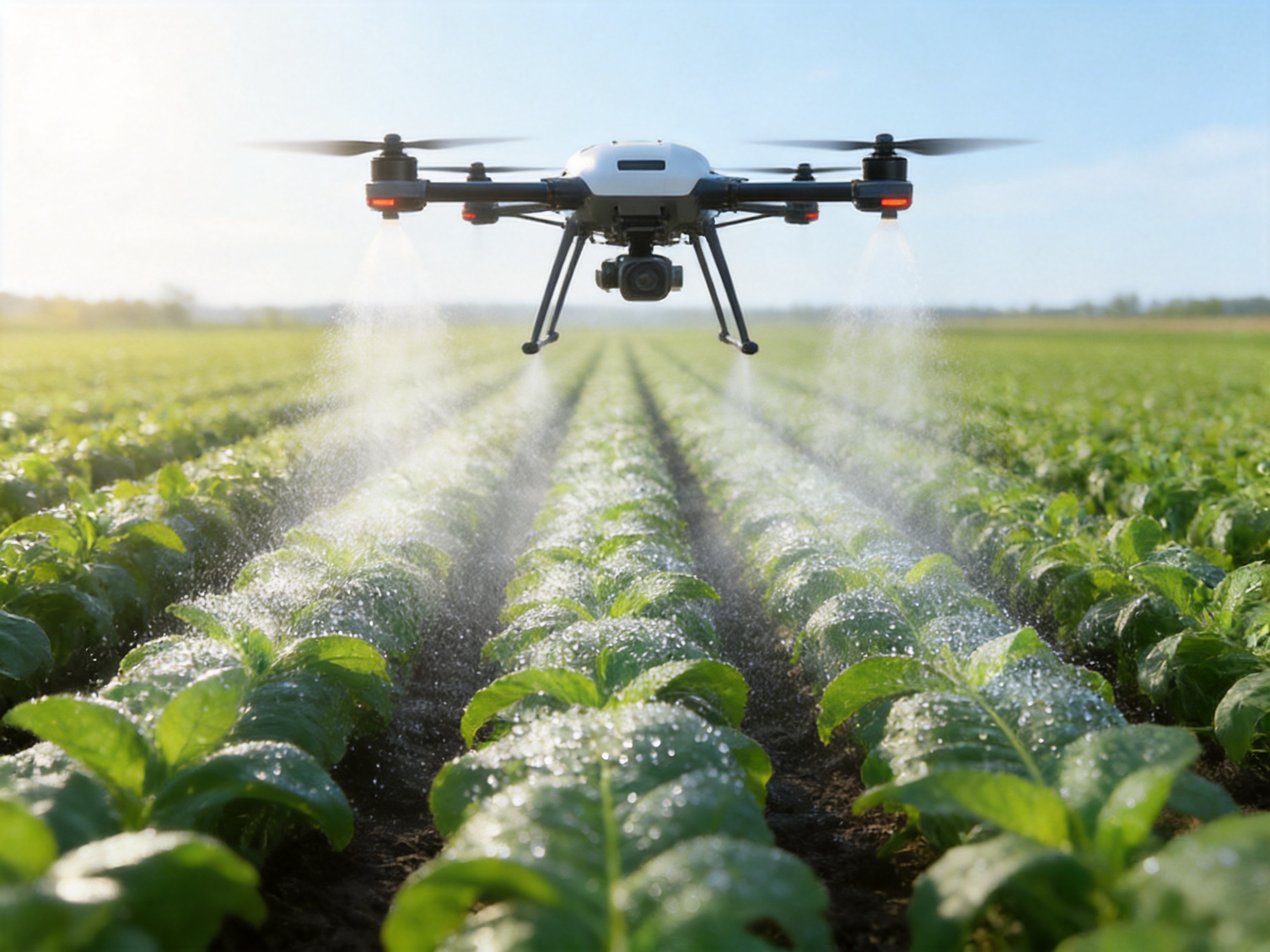
Aerial application is becoming increasingly important in modern agriculture, including drone spraying and aircraft-based treatments. These systems often use lower spray volumes than ground boom sprayers, which makes droplet performance more critical. If a low-volume spray does not spread well, coverage may be insufficient. Agricultural organosilicone adjuvant addresses this challenge by allowing each droplet to cover more surface area after deposition.
In drone spraying, small droplets may be affected by evaporation, drift, and canopy penetration limitations. A super spreader can improve the usefulness of droplets that successfully reach the target. By rapidly spreading across the surface, the droplet delivers active ingredient over a wider zone. This supports better efficiency in precision agriculture systems where speed, coverage, and resource savings are priorities.
Low-volume spraying also reduces water transport requirements. In large farms or remote areas, transporting water can be costly and labor-intensive. A product that supports spray volume reduction by 30 percent to 50 percent can provide significant operational advantages. These savings are not only economic; they also reduce machinery time, fuel consumption, and operator workload.
Manufacturing Excellence Behind Consistent Quality
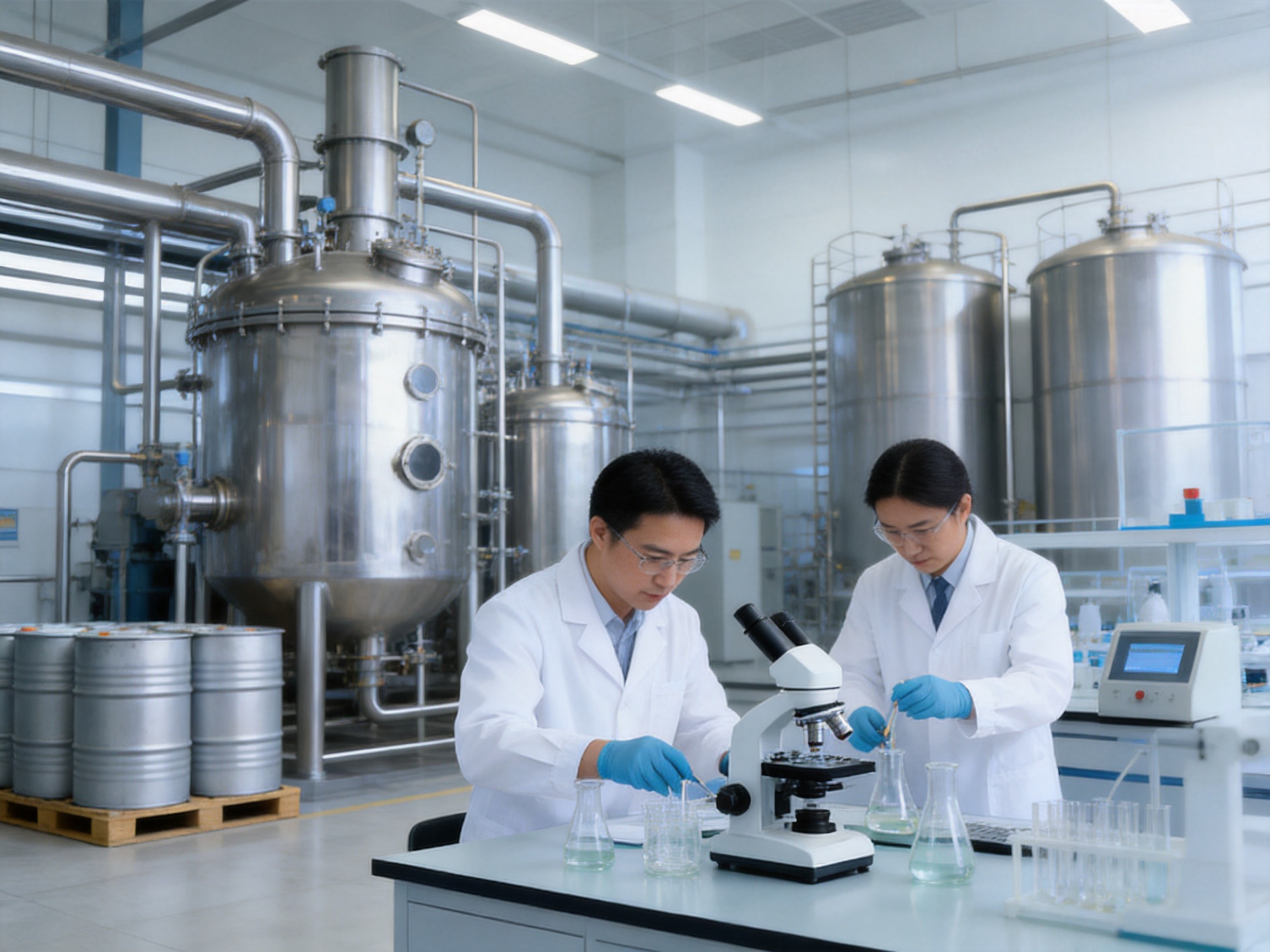
High-performance organosilicone adjuvants require more than a good formula. They require controlled manufacturing, precise raw material selection, stable reaction conditions, reliable purification, and rigorous quality testing. Hebei Guituo New Material Co., Ltd. has built its competitiveness around advanced production capacity and quality assurance. The company focuses on high-end silicone materials for agriculture, daily chemicals, electronics, textiles, and other industries, which gives it broad technical experience in silicone chemistry and application performance.
The company is equipped with internationally advanced production equipment and precise testing facilities. This manufacturing foundation supports consistent viscosity, surface tension, purity, pH, and other critical specifications. For agricultural adjuvants, consistency is essential because small variations in surfactant composition can influence spreading behavior, compatibility, and field performance. A stable production process helps customers formulate and apply products with confidence.
A full-process quality monitoring system is used from the production source to delivery of finished products. This means quality is not treated as a final inspection only. Instead, it is integrated throughout raw material verification, process control, intermediate testing, finished product evaluation, packaging, storage, and shipment. Such a system reduces batch-to-batch variation and supports reliable long-term supply.
The technical and production teams are experienced and professionally trained. Their role is not limited to operating equipment; they also understand product performance requirements, application conditions, and customer formulation needs. This is especially important for OEM and ODM projects, where customers may require customized organosilicone products for specific crop protection markets, compatibility profiles, or performance targets.
Research, Development, and Product Innovation
Agricultural chemistry continues to evolve. New pesticide formulations, drone spraying methods, biological products, reduced-residue programs, and environmental regulations all create new requirements for adjuvant technology. A manufacturer with strong research and development capability can respond to these changes faster than a supplier that only offers standard commodity products.
The company’s focus on in-depth development and innovative application of high-end silicone materials supports ongoing product improvement. Its product matrix includes silicone additives, wetting agents, modified silicone oils, dimethyl silicone oil, surfactants, defoamers, and other specialty materials. This broad silicone platform provides technical synergy. Knowledge gained in one application field can support improvements in another, such as stability, compatibility, foam control, spreading behavior, or surface activity.
For agricultural organosilicone adjuvant, innovation may involve improving spreading speed, optimizing cloud point, enhancing compatibility with pesticide formulations, improving storage stability, reducing foaming, or tailoring performance for regional climate conditions. The availability of GT-8110, GT-8210, and GT-8310 reflects a model-based approach that allows customers to select or customize products according to practical needs.
Research and development also support responsible use. High activity must be balanced with crop safety and formulation stability. Advanced testing helps identify proper use rates, suitable combinations, and conditions requiring caution. This technical support gives customers more than a material; it gives them a performance solution.
Quality Control and Testing Standards
Quality control for an agricultural organosilicone adjuvant should include physical and chemical indicators directly related to performance. Surface tension testing verifies the super spreading potential. Viscosity testing confirms handling consistency. pH measurement helps assess compatibility with aqueous systems. Cloud point testing provides insight into solution behavior under different temperatures. Purity analysis supports formulation reliability and minimizes unwanted variation.
The company’s precise testing facilities allow these properties to be measured and controlled. For customers, this means each batch can be evaluated against defined specifications before shipment. Consistency is especially valuable for agrochemical manufacturers that incorporate the adjuvant into commercial formulations. If the adjuvant varies, the final pesticide formulation may also vary, potentially affecting field results and customer satisfaction.
Quality monitoring from raw material to finished product also protects supply chain reliability. Raw materials must meet defined standards before entering production. Reaction parameters must be controlled to avoid incomplete conversion or by-product formation. Finished products must meet performance criteria before packaging. Packaging must protect the product during storage and transport. Each step contributes to the final value delivered to the farmer.
In global markets, stable quality is a major competitive advantage. Customers in Europe, Southeast Asia, and other regions often require reliable performance across different climates and application systems. The company’s export experience and repeated customer purchases demonstrate market recognition of stable quality and practical performance.
Environmental and Economic Benefits
The environmental value of an adjuvant lies in its ability to improve pesticide efficiency. When pesticides spread better, adhere better, and penetrate more effectively, less active ingredient may be lost to runoff, wash-off, or incomplete coverage. This can support reduced pesticide usage when programs are optimized by qualified agricultural professionals. It can also help lower residue levels by improving targeted delivery and reducing unnecessary reapplication.
Reduced spray volume is another important environmental benefit. Water is a limited resource in many agricultural regions. A product that helps reduce spray volume by 30 percent to 50 percent can save large quantities of water over a growing season. Less water transport also means lower fuel consumption and reduced carbon emissions associated with spraying operations.
Economic benefits are equally significant. Improved pesticide performance can reduce crop losses caused by weeds, insects, and diseases. Reduced spray volume saves time and labor. Better rainfastness can reduce the need for reapplication after unexpected weather. Improved coverage can reduce the risk of treatment failure. For large farms, these benefits can accumulate into substantial cost savings.
For agrochemical formulators and distributors, high-performance organosilicone adjuvant can differentiate product lines. A pesticide formulation or tank-mix recommendation that delivers more reliable field results is more competitive. The adjuvant therefore creates value not only for farmers but also for companies seeking advanced agricultural input solutions.
Recommended Handling and Application Considerations
Although agricultural organosilicone adjuvant offers strong performance, correct use is essential. Users should always follow pesticide labels, local regulations, and professional agronomic guidance. Because organosilicone adjuvants significantly increase spreading and penetration, they should be used at appropriate concentrations. Excessive use may increase the risk of crop injury or unwanted movement of active ingredients.
Compatibility testing is recommended before large-scale mixing. A simple jar test can help evaluate whether the adjuvant is compatible with the pesticide, fertilizer, water quality, and other tank-mix components. Users should observe for separation, precipitation, excessive foaming, heat generation, or unusual changes in appearance. If the mixture remains stable, a small field trial can further confirm crop safety and performance.
Mixing order should be determined according to the pesticide label and formulation type. In many spray programs, the tank is partially filled with water, agitation is started, pesticides or fertilizers are added in the recommended sequence, and the adjuvant is added after primary ingredients are dispersed. The tank is then filled to the final volume with continued agitation. However, the exact method should follow the requirements of the products being mixed.
Application conditions also matter. Very high temperatures, strong sunlight, drought-stressed crops, tender young tissues, or sensitive varieties may require caution. Because the adjuvant increases uptake, it may also increase the activity of certain pesticides. This is usually beneficial, but it requires responsible dosage management. The goal is optimized delivery, not excessive exposure.
Why This Product Is a Strong Choice for Formulators and Growers
This agricultural organosilicone adjuvant stands out because it combines strong surface activity, practical handling properties, high purity, and manufacturing reliability. It is not a simple wetting agent; it is a multifunctional spray performance enhancer. It improves spreading, wetting, adhesion, penetration, rainfastness, absorption, and spray volume efficiency. These benefits align closely with the needs of modern agriculture.
For formulators, the product offers a high-performance active adjuvant component that can strengthen pesticide, fertilizer, and plant growth regulator formulations. Its defined specifications support product development and batch consistency. The availability of multiple models allows selection for different formulation goals. OEM and ODM service also provides flexibility for customers who need tailored solutions.
For growers, the product supports better field performance. It can help pesticides cover more leaf area, resist wash-off, penetrate faster, and remain effective longer. These advantages can reduce the frequency of application, save water, lower labor intensity, and contribute to more sustainable pesticide use. In demanding environments, such as high humidity, rainfall risk, low-volume spraying, or difficult-to-wet crops, these advantages become especially valuable.
For distributors, the product offers a technically advanced solution with clear selling points. The benefits are easy to understand and demonstrate: faster spreading, broader coverage, improved efficacy, reduced spray volume, and better resistance to pesticide loss. Backed by a manufacturer with advanced equipment, quality monitoring, technical expertise, and export experience, it provides a strong foundation for long-term market development.
Company Strengths Supporting Long-Term Cooperation
Hebei Guituo New Material Co., Ltd. is a high-tech enterprise that integrates research and development, production, and sales. Its subsidiary, Ningbo Guituo Trading Co., Ltd., supports market service and trading operations. This structure allows the company to combine production capability with responsive customer communication. Customers can obtain not only products but also technical consultation, customization support, and stable supply services.
The company is located in Xinqiao Environmental Protection Industrial Park, Wen’an County, Langfang City, Hebei Province, China. Its industrial foundation supports large-scale production and specialized silicone material development. The company has built a diverse product portfolio covering silicone additives, wetting agents, modified silicone oil, dimethyl silicone oil, surfactants, defoamers, and related materials. This product diversity reflects technical depth and allows the company to serve multiple industries.
Agricultural silicone products are a key strength. Their quality has reached an advanced domestic level, and they are favored by leading agrochemical enterprises. Being selected as a designated procurement product by major agrochemical customers reflects trust in performance, consistency, and supply reliability. Products are also exported to overseas markets including Europe and Southeast Asia, where stable performance and reliable quality have generated repeated purchases and positive feedback.
The company accepts OEM and ODM orders, which is important for international buyers and agrochemical brands seeking differentiated products. Customization can include performance adjustment, packaging requirements, formulation support, labeling cooperation, and market-specific product development. This flexibility makes the company suitable for both standard bulk supply and specialized product partnerships.
Frequently Asked Questions
What is an agricultural organosilicone adjuvant?
An agricultural organosilicone adjuvant is a silicone-based surfactant used with pesticides, foliar fertilizers, and plant growth regulators to improve spray spreading, wetting, adhesion, and absorption. It helps spray droplets cover plant surfaces more efficiently and improves the delivery of active ingredients.
How does this product differ from ordinary surfactants?
Ordinary surfactants can improve wetting, but this organosilicone adjuvant provides ultra-low surface tension and super spreading. Its spreading area and speed can be much greater than conventional adjuvants, making it more effective on waxy or difficult-to-wet plant surfaces.
Can it improve pesticide efficacy?
Yes. Under suitable conditions and correct application, it can enhance pesticide efficacy by approximately 30 percent to 50 percent by improving coverage, adhesion, penetration, and absorption. Actual results depend on crop type, pesticide formulation, dosage, water quality, weather, and application method.
Can it reduce spray volume?
Yes. Because it helps each droplet spread over a larger surface area, it may support spray volume reduction of approximately 30 percent to 50 percent in optimized programs. Users should adjust spray volume only according to professional recommendations, pesticide labels, and local field conditions.
Is it suitable for herbicides?
Yes. It is widely used with herbicides because it improves wetting and absorption on weed leaves. This can support better control, especially for weeds with waxy, hairy, narrow, or upright leaves. Crop safety and herbicide label instructions must always be followed.
Can it be used with insecticides and fungicides?
Yes. It can improve the distribution of insecticides and fungicides on plant surfaces, helping active ingredients reach pests, pathogens, and protected plant tissues more effectively. It may also improve rainfastness and reduce pesticide loss after application.
Does it help with foliar fertilizers?
Yes. Foliar fertilizers can benefit from improved spreading and contact with leaf surfaces. Better wetting may support more efficient nutrient absorption, especially for micronutrient sprays and stress-management products.
What is the significance of the surface tension value?
The surface tension value indicates how strongly the product can reduce the natural tension of water-based spray droplets. A value of less than 20.5 mN/m at 0.1 percent weight shows excellent spreading capability, which is a key reason for its strong performance.
Is compatibility testing necessary?
Yes. Compatibility testing is recommended before large-scale use. The user should check compatibility with the pesticide or fertilizer formulation, water quality, tank-mix partners, and crop conditions. A jar test and small field trial can reduce risk.
Can it be used in organic farming?
Use in organic farming depends on local certification rules and the standards of the relevant organic authority. Users should verify compliance before using any organosilicone adjuvant in certified organic production.
Why is manufacturing quality important for this product?
Manufacturing quality determines consistency in surface tension, viscosity, purity, pH, and stability. A reliable manufacturer with advanced equipment and full-process quality monitoring can deliver stable batches, which is essential for formulators, distributors, and growers.
Does the company support customized orders?
Yes. Hebei Guituo New Material Co., Ltd. accepts OEM and ODM orders. This allows customers to request customized product solutions, packaging, or performance profiles for specific agricultural markets and formulation needs.
Conclusion
Agricultural organosilicone adjuvant is a powerful technology for improving the performance of crop protection and foliar nutrition programs. By delivering ultra-low surface tension, super spreading, improved wetting, enhanced penetration, stronger adhesion, and better rainfastness, it helps pesticides and fertilizers work more efficiently. Models GT-8110, GT-8210, and GT-8310 provide practical options for formulators, distributors, and growers seeking advanced spray performance.
Compared with many conventional adjuvants, this product offers faster spreading, broader coverage, improved absorption, reduced spray volume potential, and stronger resistance to pesticide loss. These advantages support economic efficiency and environmental responsibility by helping reduce water consumption, labor intensity, repeated applications, and unnecessary pesticide waste.
The value of the product is strengthened by the manufacturing and technical capabilities of Hebei Guituo New Material Co., Ltd. With advanced production equipment, precise testing facilities, full-process quality monitoring, experienced technical teams, a broad silicone material portfolio, export experience, and OEM/ODM service, the company is well positioned to provide reliable high-end silicone solutions for global agriculture. For modern farming systems that demand greater efficiency, consistency, and sustainability, agricultural organosilicone adjuvant is an essential tool for smarter crop protection.
References
Hazen, J. L. “Adjuvants: Terminology, Classification, and Chemistry.” Weed Technology, Weed Science Society of America.
Green, J. M., and Beestman, G. B. “Recently Patented and Commercialized Formulation and Adjuvant Technology.” Crop Protection.
Knoche, M. “Organosilicone Surfactant Performance in Agricultural Spray Application.” Pesticide Science.
Stock, D., and Holloway, P. J. “Possible Mechanisms for Surfactant-Induced Foliar Uptake of Agrochemicals.” Pesticide Science.
Tu, M., Hurd, C., and Randall, J. M. Weed Control Methods Handbook: Tools and Techniques for Use in Natural Areas. The Nature Conservancy.
ASTM International. Standard Test Methods for Surface and Interfacial Tension of Solutions of Surface-Active Agents.
Food and Agriculture Organization of the United Nations. Guidelines on Good Practice for Ground Application of Pesticides.
Matthews, G. A. Pesticide Application Methods. Wiley-Blackwell.
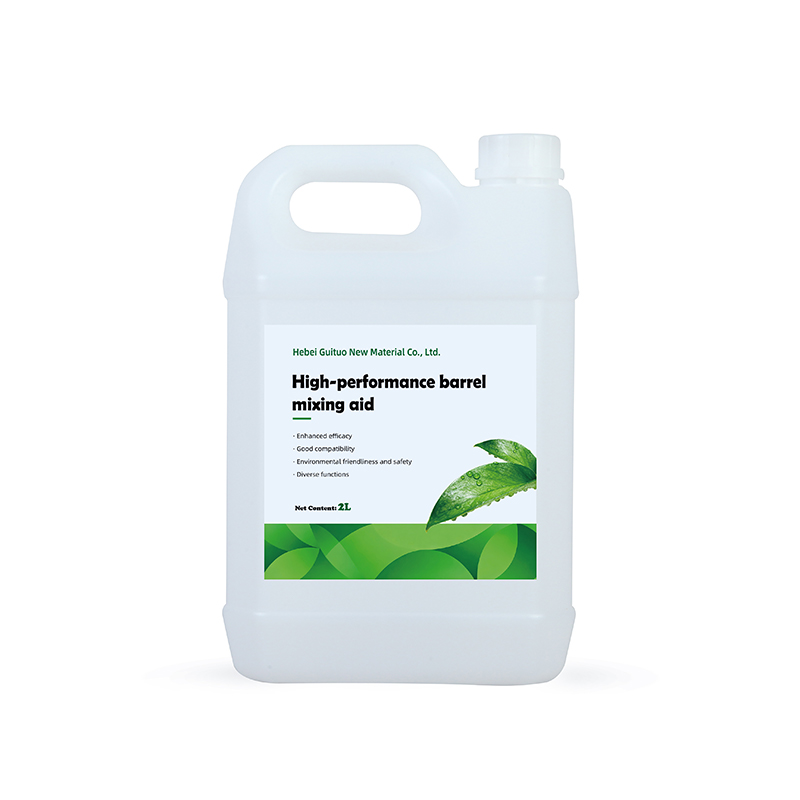
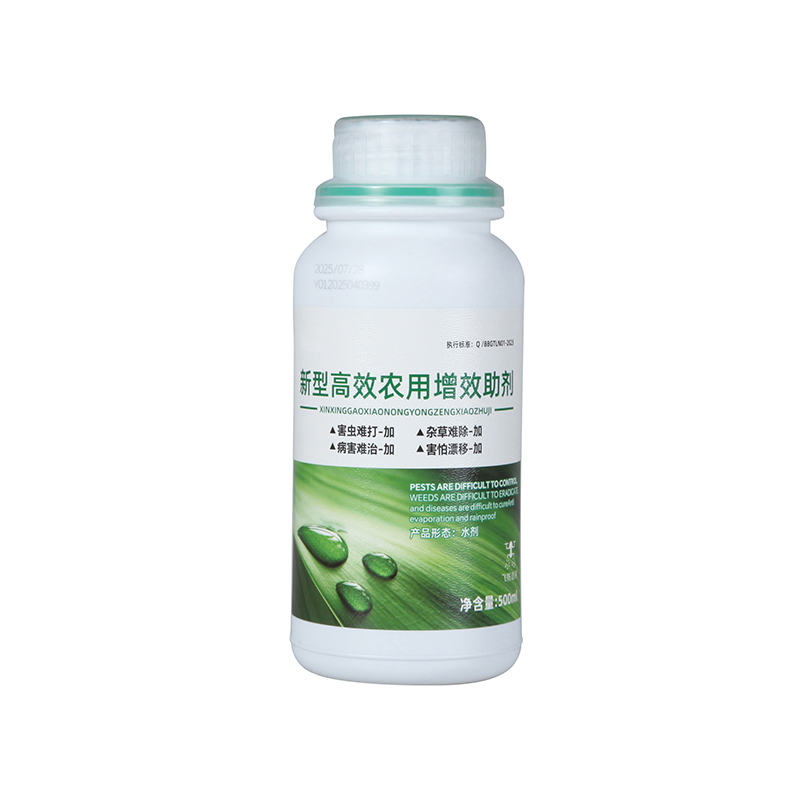
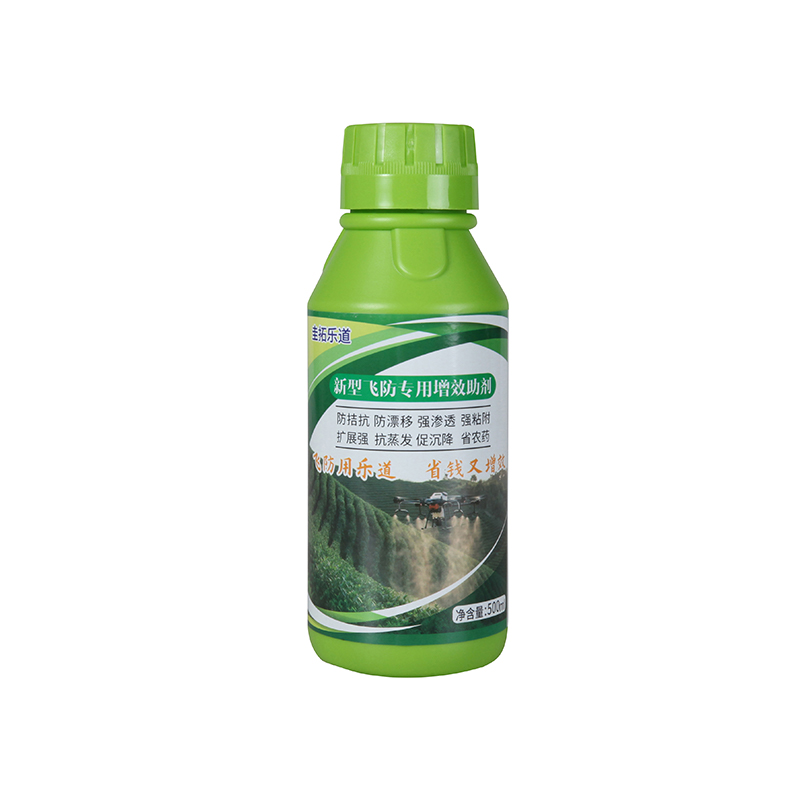
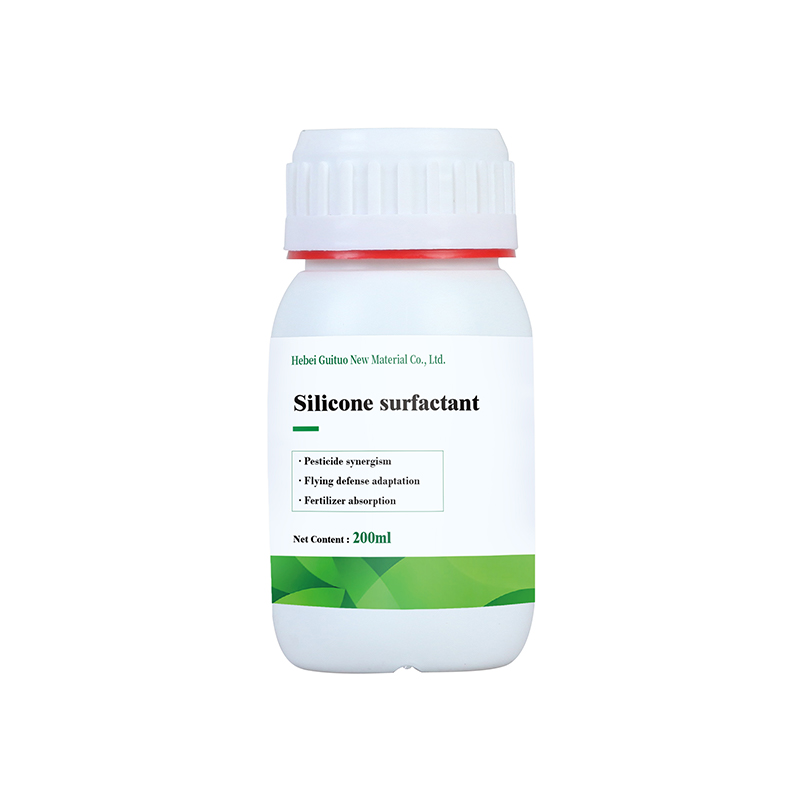
Product: Agricultural Organosilicone Adjuvant


Contact Information
Tel : +86-400-138-5268
Email : [email protected]
Phone : +86-15128434888 / +86-13511051998
Add : Xinqiao Environmental Protection Industrial Park, Wen'an County, Langfang City, Hebei Province, China
Contact Information
Copyright © Hebei Guituo New Material Co., Ltd. All Rights Reserved.
