

 English
  Français
  Português
 Home / Author / Chen Yuhan, After-sales Coordinator (OEM/ODM Silicone Products) / Anionic Silicone Mold Release Agent for Plastic and Rubber Processing
 Anionic Silicone Mold Release Agent for Plastic and Rubber Processing
2026-07-01
Plastic and rubber molding operations depend on a quiet but decisive material that often determines whether production runs smoothly or becomes costly and inconsistent: the mold release agent. A high-performance release agent forms a controlled interface between the mold and the finished product, allowing parts to separate cleanly after curing, injection, compression, extrusion, calendaring, molding, or lamination. The Plastic and Rubber Mold Release Agent (Anionic Type), product model LD-300, is designed for industrial users who require stable release performance, smooth product surfaces, repeated mold use, and dependable compatibility with a wide range of plastic and rubber systems.
This anionic silicone-based release agent belongs to the broader category of functional silicone surfactant and release technologies. It is identified with CAS No. 9016-00-6, has a listed purity of 99.8%, and is also described as an anionic silicone surfactant. Its purpose is to reduce adhesion between mold surfaces and processed materials while maintaining resistance to heat, stress, and chemical exposure. For manufacturers working with plastics, rubber, composites, elastomers, and related molded goods, these characteristics are essential for improving production efficiency and reducing waste.
Unlike ordinary release materials that may break down at elevated temperatures, transfer residue to the product surface, or interfere with painting and secondary processing, LD-300 is formulated to provide a balanced combination of release efficiency, mold protection, chemical resistance, and surface cleanliness. The product is especially valuable where repeatability matters: high-volume plastic molding, rubber compression molding, injection molding, extrusion processes, calendaring, lamination, and molded composite production.
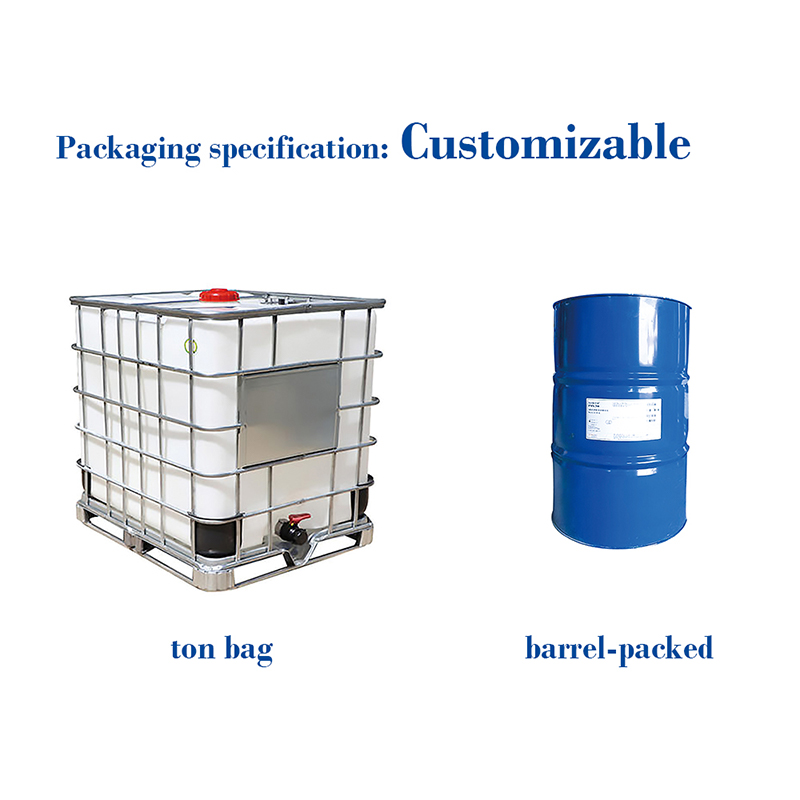
Plastic & Rubber Mold Release Agent (Anionic Type)
Product Overview and Functional Role
A mold release agent is a functional substance placed between the mold and the finished product. Its role is not merely to make demolding easier; it also contributes to product quality, equipment protection, cycle stability, and overall production economics. During molding, the product material may become tacky, soften, cure, expand, shrink, or chemically interact with the mold surface. Without a release layer, the molded part may stick, tear, deform, develop surface defects, or leave deposits inside the mold cavity.
LD-300 is engineered to provide a non-stick interface that remains stable under processing conditions. It is suitable for plastic and rubber systems that demand clean separation and smooth surface appearance. Because it is an anionic type, it has surfactant properties that support wetting, spreading, and film formation. These properties are important because a release agent must cover complex mold geometries evenly, including corners, grooves, fine textures, and high-contact areas.
The product is also described as resistant to heat and stress. This means that it is intended to remain functional during demanding processing cycles rather than decomposing rapidly or being worn away easily. In practical production, this can help reduce the frequency of reapplication, decrease mold cleaning requirements, and improve part-to-part consistency.
Another important feature is chemical resistance. Mold release agents may encounter resins, styrene-containing systems, amines, plasticizers, curatives, fillers, pigments, and other processing chemicals. LD-300 is positioned as chemically resistant and not readily dissolved when in contact with different resin chemical components. This supports more reliable performance in industrial environments where material formulations vary and production conditions are not always mild.
Basic Product Information
| Item | Product Information |
|---|---|
| Product Model | LD-300 |
| Product Name | Plastic and Rubber Mold Release Agent (Anionic Type) |
| Product Category | Release Agent |
| CAS No. | 9016-00-6 |
| Purity | 99.8% |
| EINECS No. | 618-493-1 |
| Synonym | Anionic Silicone Surfactant |
| Typical Application Areas | Plastic molding, rubber molding, composite processing, injection molding, extrusion, calendaring, molding, lamination |
Why Anionic Silicone Release Technology Matters
Release agents can be classified broadly as inorganic, organic, and polymeric materials. Each class has advantages and limitations. Inorganic release materials may offer heat resistance but can lack smooth film formation or may create dust and residue. Organic agents may provide initial release but can volatilize, decompose, smoke, or transfer to the molded surface. Polymeric and silicone-based systems are valued for their ability to form a thin, stable, low-surface-energy layer that reduces adhesion efficiently.
LD-300 uses the advantages of silicone chemistry while incorporating an anionic surfactant character. Silicone materials are widely recognized for their low surface tension, thermal stability, chemical inertness, lubricity, and ability to create non-stick surfaces. The silicon-oxygen backbone of silicone materials provides strong resistance to temperature-related degradation compared with many conventional organic materials. This is particularly valuable in plastic and rubber processing, where molds may experience heat, pressure, shear, and repeated mechanical stress.
The anionic nature contributes to wetting and dispersion behavior, helping the material distribute evenly over the mold surface. Uniform spreading is critical. If a release agent beads up, forms uneven patches, or leaves gaps, the part may release inconsistently. Thin sections may stick, textured areas may accumulate residue, and high-contact zones may wear away too quickly. A release system with controlled wetting performance helps create a continuous barrier layer, which is one of the main reasons anionic silicone surfactant technology is attractive in release applications.
Advantages Over Conventional and Competing Release Agents
In competitive industrial production, a release agent is judged by more than the ability to separate one part from a mold. Users evaluate how it performs over repeated cycles, how it affects downstream processing, whether it leaves residue, how it behaves at high and low temperatures, how much cleaning it requires, and whether it protects mold surfaces. LD-300 offers several practical advantages in these areas.
Reliable Demolding Performance
The first and most direct advantage is smooth demolding. A stable release film allows cured or formed plastic and rubber products to separate from the mold with reduced force. This helps prevent tearing, surface drag marks, edge damage, deformation, and incomplete part removal. In high-volume production, even small reductions in sticking can save significant time by reducing manual intervention and rejected parts.
Heat and Stress Resistance
Many competing release agents lose effectiveness when exposed to elevated temperatures or repeated pressure cycles. They may evaporate, carbonize, oxidize, or lose lubricity. LD-300 is designed to resist heat and stress, making it suitable for demanding molding environments such as injection molding, compression molding, and rubber processing. This stability helps maintain a functional separation layer through repeated cycles.
Chemical Resistance
Plastic and rubber compounds may contain styrene, amines, curing agents, fillers, oils, pigments, and additives that can interfere with ordinary release agents. A release material that dissolves or reacts too easily may lose its film integrity. LD-300 is formulated for chemical resistance, supporting stable performance in contact with different resin and rubber chemical components.
Reduced Transfer to Finished Parts
A major concern with lower-quality release agents is transfer. If release material migrates from the mold to the product surface, it may interfere with painting, coating, bonding, printing, labeling, or other secondary operations. LD-300 is positioned as adhering to the mold without excessive transfer to the processed part. This can help manufacturers achieve cleaner surfaces and reduce post-treatment problems.
Support for Smooth and Flat Products
A high-quality release agent contributes to the surface quality of molded products. By reducing adhesion and friction during separation, LD-300 helps molded goods retain smooth, flat, and uniform surfaces. This matters for consumer goods, automotive parts, industrial seals, rubber components, plastic housings, and composite articles where appearance and dimensional precision are important.
Repeated Mold Use and Mold Protection
Molds are expensive production assets. Adhesion, abrasion, corrosion, and residue buildup can shorten mold life and increase maintenance costs. LD-300 forms a protective interface that reduces direct contact between the mold and the processed material. This can reduce wear and help preserve mold surface quality over repeated cycles.
Balanced Processing Efficiency
In practical terms, an effective release agent supports shorter cycle times, fewer interruptions, less cleaning, reduced scrap, and more predictable output. These benefits often matter more than the initial cost of the release agent. A slightly higher-performing release technology can deliver substantial savings by preventing defects and downtime.
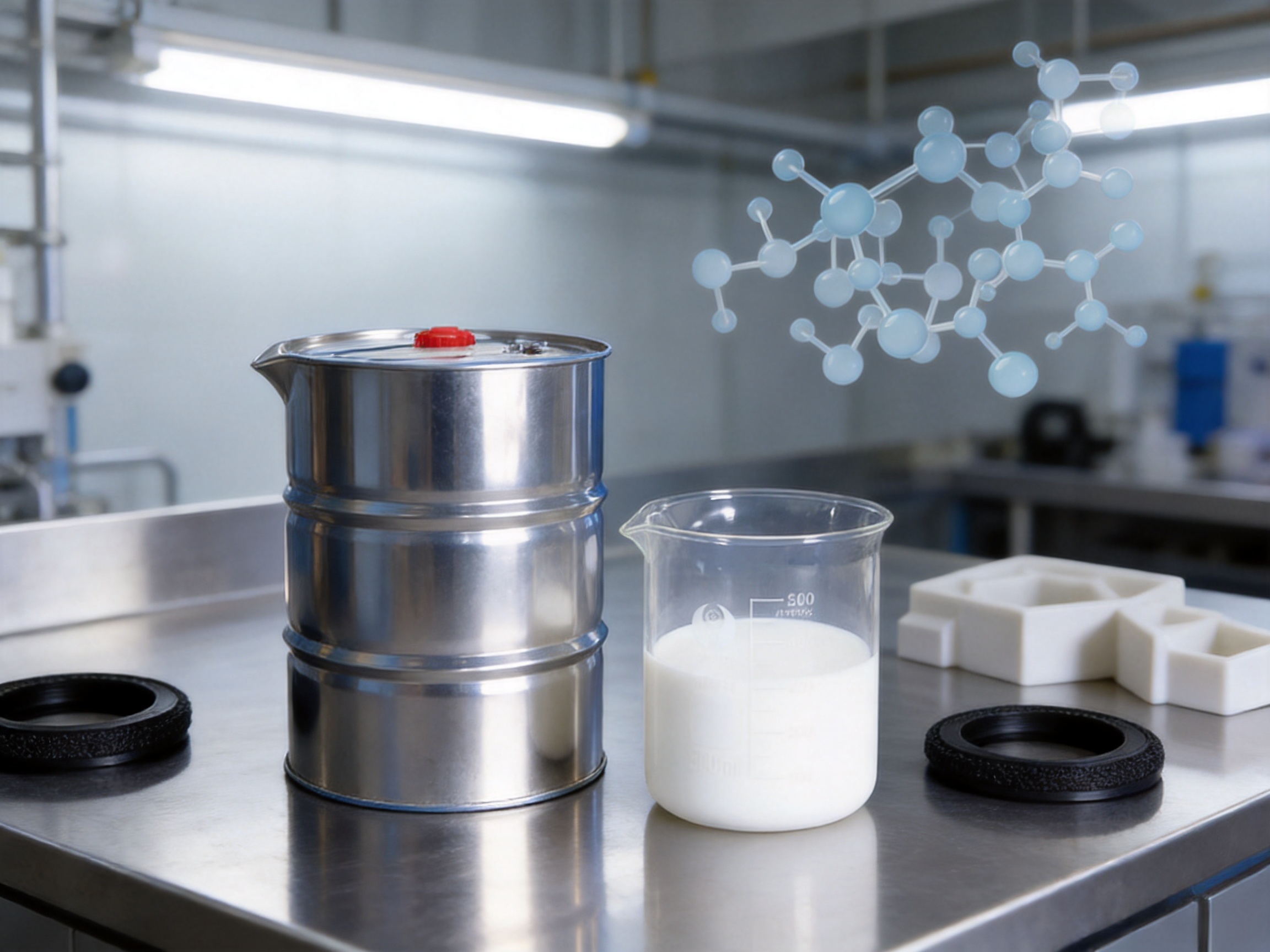
Performance Under High-Temperature Processing Conditions
High-temperature processing is common in plastic and rubber industries. Injection molding, extrusion, transfer molding, compression molding, and composite curing may expose release agents to elevated heat for repeated cycles. Under these conditions, weak release materials can evaporate, oxidize, smoke, become sticky, or leave baked-on residue. Once degradation begins, the release film becomes inconsistent, and production quality declines.
LD-300 is designed around silicone-based stability. Silicone materials are valued in high-temperature processing because their molecular structure offers better thermal durability than many hydrocarbon-based materials. This does not mean that any silicone material is automatically suitable for every process, but it does mean that properly formulated silicone release systems are often preferred where heat resistance is required.
In a molding plant, high-temperature stability translates into several benefits. First, the release layer remains active for longer periods, reducing the need for frequent reapplication. Second, it helps prevent uneven release caused by localized film breakdown. Third, it can reduce residue formation that would otherwise require mold polishing or cleaning. Fourth, it contributes to safer and cleaner production by reducing the chance of decomposition products associated with unstable materials.
For plastic molding, thermal stability is important when processing materials such as polyethylene, polypropylene, PVC, engineering plastics, and filled compounds. For rubber molding, elevated temperature is often used to cure or vulcanize the compound. A release agent must withstand the processing environment without contaminating the rubber surface or compromising mold detail. LD-300 is suited for these situations because it is formulated for resistance to decomposition and wear.
Performance Under Low-Temperature and Variable Environmental Conditions
Not all processing challenges involve high heat. Low-temperature operations, cooling molds, seasonal storage, and cold workshops can affect release agent performance. Some materials become too viscous at low temperatures, spread poorly, or form uneven films. If the release agent cannot wet the mold surface properly, demolding problems may occur even when the chemistry is otherwise effective.
The surfactant character of LD-300 supports wetting and distribution, helping the release layer remain uniform across mold surfaces. Uniform film formation is especially important on complex molds, textured parts, thin-wall articles, and rubber products with high surface contact. A release agent must remain practical to apply and must not create thick, uneven deposits.
Humidity, air exposure, and contact with other processing chemicals may also influence release systems. Water-based formulations may face emulsion stability concerns, while solvent-based materials may be affected by evaporation and VOC considerations. Silicone-based systems with optimized emulsifier and surfactant balance can help maintain stability under varied production environments. LD-300 benefits from the manufacturer’s broader experience in silicone additives, surfactants, modified silicone oils, dimethyl silicone oil, and defoamers.
Compatibility With Plastic Materials
Plastic molding involves diverse materials, each with different surface energy, thermal behavior, polarity, and additive content. A release agent that works well with one plastic may not perform equally with another. For example, polyethylene and polypropylene have relatively low surface energy, while PVC and engineering plastics may contain plasticizers, stabilizers, flame retardants, fillers, or reinforcing materials that influence mold adhesion and surface behavior.
LD-300 is positioned for broad compatibility with plastic processing applications. Silicone-based release agents are commonly used across many polymer systems because they create a low-adhesion interface rather than relying on strong chemical interaction with the substrate. This makes them versatile for production environments where multiple plastics may be processed on different lines or where formulations change according to customer requirements.
In injection molding, the release agent must tolerate heat, pressure, and fast cycle times. In extrusion and calendaring, it must help reduce sticking and surface drag while remaining stable under continuous processing. In lamination or composite molding, it must prevent cured products from bonding too strongly to mold or carrier surfaces. LD-300 addresses these requirements by combining release performance with heat resistance and chemical stability.
Compatibility With Rubber and Elastomer Systems
Rubber processing presents unique release challenges. Natural rubber, synthetic rubber, silicone rubber, nitrile rubber, EPDM, elastomers, and filled rubber compounds may show strong tack before or during curing. Rubber compounds can also contain sulfur, accelerators, oils, carbon black, silica, plasticizers, antioxidants, and other additives that interact with mold surfaces. As a result, demolding can be difficult if the release layer is weak or inconsistent.
LD-300 is suitable for industrial rubber mold release applications because it forms a non-stick interface that helps prevent rubber from adhering to the mold. In compression molding, it can reduce sticking during part removal. In injection molding, it supports consistent release under pressure and heat. In transfer molding, it helps protect mold cavities and improve surface quality.
Rubber molds are often exposed to repeated high-temperature cycles and mechanical stress. A stable release agent can help reduce mold wear caused by friction and forced part removal. By preventing rubber from bonding tightly to the mold surface, LD-300 contributes to easier demolding, reduced tearing, cleaner edges, and better repeatability. These benefits are especially important for seals, gaskets, industrial rubber components, automotive rubber parts, and molded elastomer products.
Impact on Surface Finish and Secondary Processing
The final appearance and functionality of molded parts are strongly influenced by release agent quality. A poor release agent may leave streaks, oil marks, haze, fish eyes, residue, or irregular gloss. These defects can reduce product value and create problems in painting, coating, printing, bonding, or assembly. In some applications, contamination from release agents can be more costly than demolding difficulty itself.
LD-300 is designed to adhere to the mold surface without excessive transfer to the processed part. This characteristic supports cleaner molded surfaces and reduces interference with secondary operations. While every application should be validated according to specific production conditions, the product’s intended low-transfer behavior is an important advantage over conventional oily or unstable release materials.
For plastic products that require painting or coating, surface cleanliness is essential. For rubber products that must be bonded to metal, fabric, or other rubber components, residue control is equally important. In composite molding, smooth and flat surfaces are often required for aesthetic and functional reasons. LD-300 helps manufacturers pursue these quality targets by reducing adhesion without creating unnecessary surface contamination.
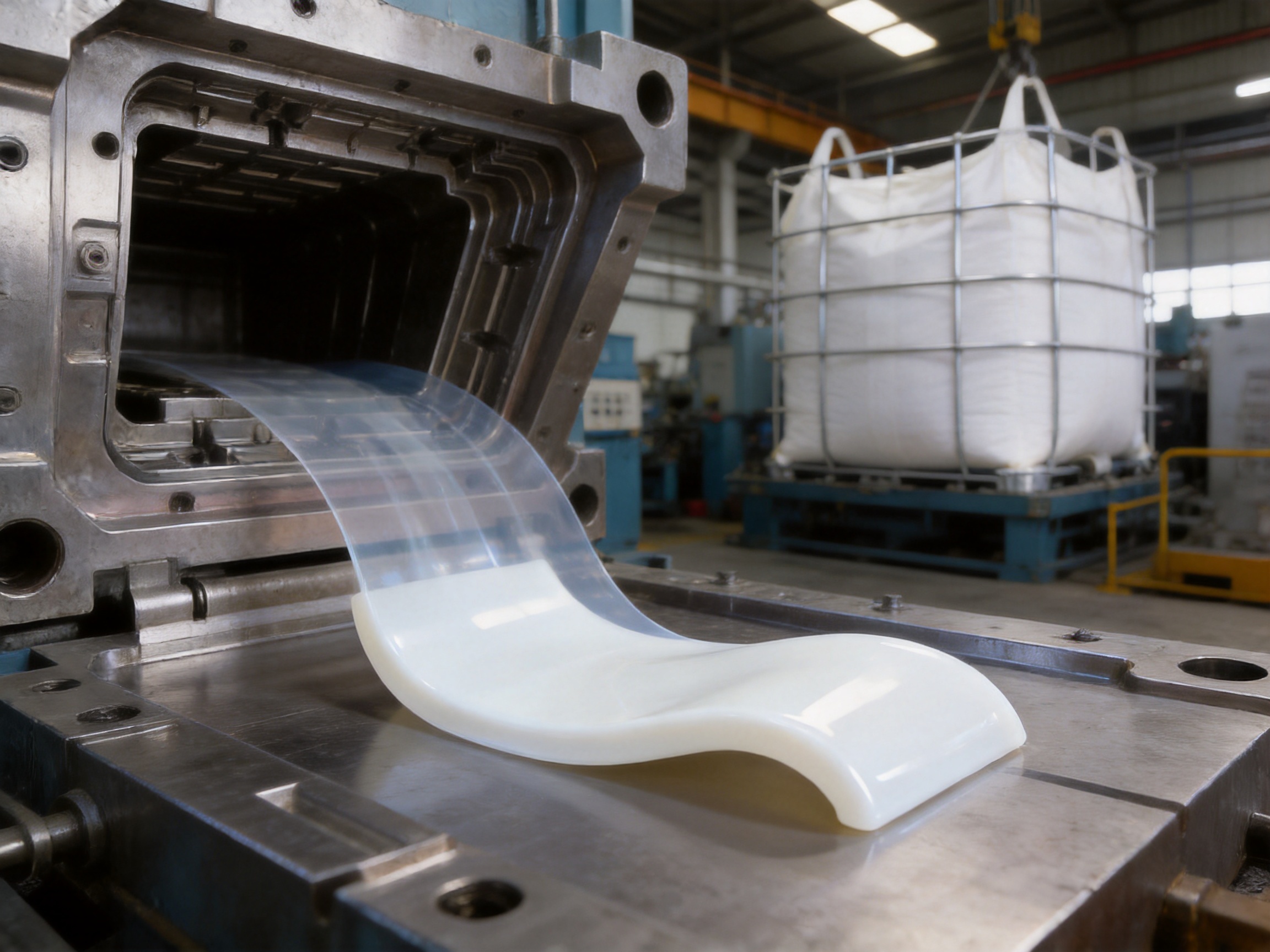
Manufacturing Strengths Behind the Product
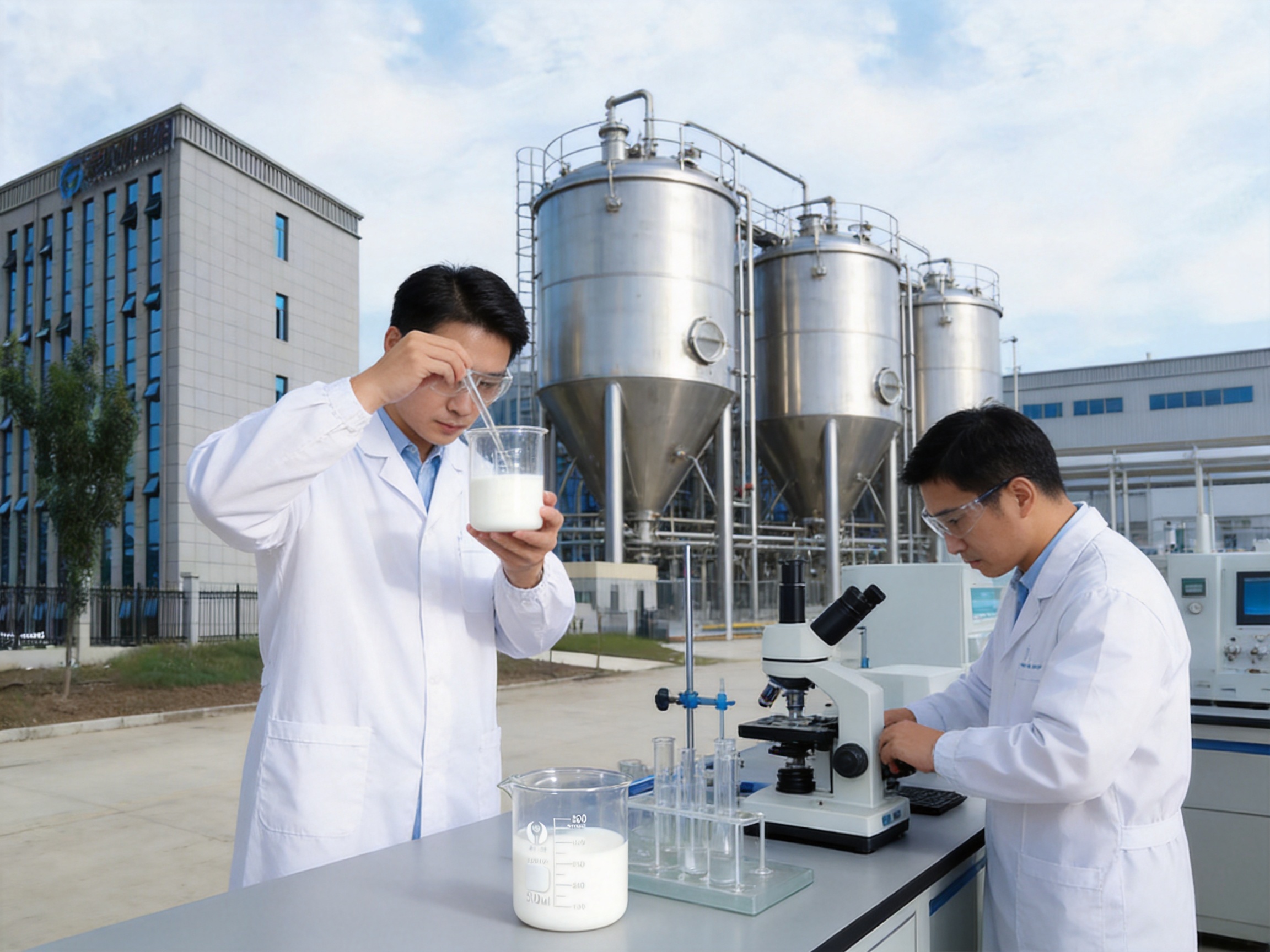
The performance of a release agent depends not only on its chemical concept but also on the quality of raw materials, process control, formulation balance, testing standards, and supply consistency. Hebei Guituo New Material Co., Ltd. is a high-tech enterprise integrating research and development, production, and sales, with Ningbo Guituo Trading Co., Ltd. serving as its subsidiary for business development and market service. The company focuses on the development and application of high-end silicone materials for industrial and agricultural fields.
The company’s product matrix includes silicone additives, wetting agents, modified silicone oil, dimethyl silicone oil, surfactants, defoamers, and release-related functional materials. This broad technical base is important because mold release agents often require expertise in multiple areas at once: silicone backbone selection, emulsification, wetting control, surface activity, defoaming behavior, compatibility, and storage stability. A manufacturer that understands these adjacent technologies can formulate release products with better balance and fewer performance compromises.
Advanced production equipment and precise testing facilities support the company’s manufacturing capabilities. A full-process quality monitoring mechanism is described from production source to finished product delivery. This means the product is not treated as a simple blended commodity; instead, quality control is integrated throughout the production chain. In demanding industrial markets, this type of control helps ensure batch-to-batch consistency, stable purity, predictable viscosity or dispersion behavior, and reliable application performance.
The company also emphasizes an experienced technical and production team. In silicone chemistry, production expertise matters because small variations in emulsifier selection, mixing order, shear conditions, temperature control, and raw material quality can affect final performance. A release agent that looks acceptable in storage may fail under heat, humidity, or repeated molding cycles if its formulation is not properly controlled. Technical experience helps prevent these failures.
Quality Assurance and Testing Philosophy
For mold release products, quality assurance should consider both laboratory properties and real-world performance. Hebei Guituo New Material Co., Ltd. uses advanced testing facilities and production monitoring to ensure that products meet high standards. For LD-300, relevant evaluation methods may include thermal aging tests, low-temperature storage tests, chemical resistance assessments, surface wetting observations, emulsion or dispersion stability checks, and application trials under simulated molding conditions.
Thermal aging tests help determine whether the release agent maintains function after exposure to elevated temperatures. Low-temperature storage tests help assess whether the product remains stable during seasonal transport or cold warehouse conditions. Chemical resistance testing can evaluate whether contact with resins, amines, styrene-containing systems, rubber additives, or other substances affects the release film. Wetting tests help confirm that the agent spreads evenly on target mold surfaces.
Production users benefit from this testing philosophy because it reduces uncertainty. A release agent may perform well during initial trials but fail during extended production if stability is weak. By evaluating release behavior under multiple conditions, the manufacturer can optimize the formulation for long-term reliability.
Customization Through OEM and ODM Capability
Industrial customers often require tailored release performance. A rubber factory producing high-temperature gaskets may need a different balance of thermal stability and residue control than a plastic molding plant producing painted components. A composite manufacturer may prioritize surface smoothness, while an extrusion operation may focus on continuous process stability. Because application requirements vary, customization is an important advantage.
Hebei Guituo New Material Co., Ltd. accepts OEM and ODM orders, allowing customers to request product adjustments according to specific industrial needs. Customization may involve silicone oil viscosity, surfactant system, wetting strength, active content, application form, film durability, residue profile, or compatibility with particular plastic or rubber formulations. This flexibility gives customers a route to optimize release performance rather than forcing every production line to use the same standard product.
Customization also strengthens competitiveness. Many generic release agents are sold as one-size-fits-all products. They may work adequately in simple applications but struggle in high-temperature, high-pressure, or quality-sensitive processes. A manufacturer with R&D strength and process knowledge can provide more targeted solutions, helping customers solve practical production problems.
Application Areas in Plastic Processing
In injection molding, LD-300 can help reduce adhesion between the molded part and cavity surfaces. This is especially useful for complex geometries, deep ribs, textured molds, and materials that tend to stick. Improved release reduces ejection force, protects part edges, and supports faster cycle operation. The product’s heat resistance is important because injection molds often operate at elevated temperatures and experience repeated thermal cycling.
In extrusion, the release agent can support smoother material flow and reduce surface adhesion in contact zones. Although extrusion systems vary widely, release and lubricity can contribute to improved surface quality and reduced buildup. For plastic profiles, sheets, and films, stable surface behavior is important for downstream handling and appearance.
In calendaring, release performance helps prevent sticking to rollers or process surfaces. A consistent release layer can reduce defects such as tearing, surface marks, or uneven texture. In lamination, LD-300 can help prevent cured or heated materials from bonding to release surfaces, supporting clean separation and preserving laminate appearance.
In composite molding, a reliable release agent is essential because cured composite materials can adhere strongly to molds. The release layer must resist resin chemistry and curing heat while allowing smooth demolding. LD-300’s chemical resistance and low-transfer design make it relevant for composite applications where surface quality is a priority.
Application Areas in Rubber Processing
Rubber compression molding is one of the classic applications for industrial mold release agents. Rubber compounds are placed into heated molds and cured under pressure. Without release support, parts may stick, tear, or require excessive force during removal. LD-300 helps form a non-stick interface that supports cleaner demolding and mold protection.
In rubber injection molding, the compound is injected into a mold cavity under heat and pressure. A stable release agent must withstand rapid cycles and high contact stress. LD-300’s heat and stress resistance make it suitable for these demanding conditions. The product can help reduce downtime caused by stuck parts or mold cleaning.
In transfer molding, rubber is forced from a chamber into mold cavities. Complex part shapes and fine details may make release difficult. A uniform release film helps preserve fine details and reduce the risk of damage during demolding. LD-300’s wetting and spreading behavior supports coverage of complex mold surfaces.
For elastomer components, surface integrity is especially important. Seals, gaskets, vibration components, and molded technical parts must maintain dimensional accuracy and surface quality. A release agent that leaves heavy residue or causes surface contamination may compromise performance. LD-300 is designed to reduce adhesion while supporting clean surfaces.
Processing Stability and Practical Use Considerations
Successful use of any release agent depends on proper application. The mold surface should generally be clean before initial application, especially if previous release agents, oils, oxidation residues, or rubber deposits are present. A contaminated mold may prevent uniform wetting and reduce release performance. Once the surface is prepared, LD-300 should be applied evenly according to the user’s production process and formulation requirements.
Film thickness should be controlled. Too little release agent may leave exposed mold areas and cause sticking. Too much may create residue, surface marks, or unnecessary consumption. The ideal amount depends on mold material, operating temperature, part geometry, plastic or rubber type, cycle time, and required surface finish. Trial production can determine the most efficient application rate.
Reapplication frequency should be based on actual production behavior. A stable release agent may not need to be applied before every cycle, depending on the process. Operators should monitor demolding force, surface appearance, residue accumulation, and mold cleanliness. If sticking begins or surface quality changes, the application interval can be adjusted.
Storage stability is also important. Products should be stored in suitable containers under recommended conditions, away from contamination and extreme environmental exposure. Before use, operators should ensure the material is uniform. If a customer uses customized dilution or blending, compatibility should be confirmed before large-scale application.
Comparison of Key Performance Factors
| Performance Factor | LD-300 Anionic Silicone Release Agent | Common Lower-Grade Release Agents |
|---|---|---|
| Thermal Stability | Designed for resistance to heat and repeated processing stress | May evaporate, oxidize, or lose effectiveness at elevated temperatures |
| Chemical Resistance | Formulated to resist contact with various resin and rubber chemical components | May dissolve, react, or weaken in contact with additives, amines, or styrene systems |
| Surface Transfer | Designed to adhere to the mold with reduced transfer to finished parts | May contaminate molded surfaces and interfere with painting or bonding |
| Film Uniformity | Anionic surfactant character supports wetting and spreading | May bead, streak, or form uneven patches |
| Mold Protection | Forms a protective non-stick interface to reduce direct friction and wear | May require frequent cleaning and provide limited mold protection |
| Application Flexibility | Suitable for plastics, rubber, elastomers, composites, and multiple molding methods | Often limited to narrower or less demanding applications |
| Customization Potential | Supported by manufacturer R&D, OEM, and ODM capability | Usually standardized with limited formulation adjustment |
Environmental and Workplace Considerations
Modern manufacturers increasingly evaluate release agents not only by performance but also by environmental and workplace impact. Solvent-heavy release agents may create volatile organic compound concerns, odor issues, flammability risks, or ventilation requirements. Silicone-based release technologies can offer a cleaner alternative when properly formulated and applied.
LD-300 is associated with silicone surfactant technology, which can support safer and more controlled use compared with some traditional solvent-based materials. Users should still follow appropriate handling procedures, consult product safety documentation, and ensure compliance with local industrial regulations. However, the movement toward efficient, stable, and lower-residue release systems is consistent with broader manufacturing goals: cleaner production, reduced waste, longer mold life, and fewer rejected parts.
Waste reduction is an environmental benefit that is sometimes overlooked. When release performance is poor, manufacturers may scrap defective parts, consume more cleaning chemicals, use more energy through extended cycle times, and replace molds or tooling sooner. By improving release consistency, LD-300 can contribute indirectly to resource efficiency and more sustainable production.
How the Company’s Broader Silicone Expertise Supports LD-300
Hebei Guituo New Material Co., Ltd. has built a broad product system around high-end silicone materials. Its products are used in agriculture, daily chemicals, electronics, textiles, and other fields. This cross-industry experience is valuable because silicone performance depends on understanding surface tension, wetting, spreading, defoaming, compatibility, and chemical stability across many environments.
The company’s agricultural silicone products have achieved strong recognition in the domestic market and are used by leading agrochemical enterprises. This background demonstrates the ability to control wetting and spreading performance, which is also crucial in mold release technology. Agricultural silicone synergists must spread efficiently on plant surfaces; mold release agents must spread efficiently on mold surfaces. Although the applications differ, the underlying formulation knowledge overlaps.
In textiles and daily chemical applications, silicone materials must deliver softness, smoothness, defoaming, or surface modification without causing instability or unwanted residue. In electronics and industrial applications, silicone materials may need purity, reliability, and resistance to demanding conditions. These capabilities strengthen the company’s ability to formulate LD-300 as a stable, practical, high-performance release agent.
Supply Reliability and Market Service
Industrial buyers require stable supply as well as technical performance. Production lines cannot depend on materials that vary significantly from batch to batch or become unavailable without warning. Hebei Guituo New Material Co., Ltd. supports stable supply through production infrastructure, quality monitoring, and an experienced manufacturing team. Ningbo Guituo Trading Co., Ltd. supports customer communication and market service as a subsidiary.
The company’s products are exported to overseas markets including Europe and Southeast Asia, where stable performance and reliable quality have helped earn customer recognition and repeat purchases. This export experience is relevant for buyers who need documentation, consistent communication, and product reliability across long supply chains.
The company is located in Xinqiao Environmental Protection Industrial Park, Wen’an County, Langfang City, Hebei Province, China. Its industrial setting supports production organization and logistics. Customers may contact the company through its published telephone, mobile, email, and WhatsApp channels for product consultation, customization, and procurement discussions.
Best-Fit Customers and Industries
LD-300 is a strong fit for manufacturers that process plastics, rubber, elastomers, resins, and composites. Typical customers may include injection molding factories, rubber product manufacturers, automotive component suppliers, gasket and seal producers, plastic parts manufacturers, composite molders, calendaring operations, extrusion plants, and industrial parts producers.
The product is particularly suitable for companies that experience sticking, surface defects, mold fouling, frequent cleaning, high scrap rates, or inconsistent demolding. It is also useful for manufacturers seeking to improve surface quality or reduce interference with painting, coating, bonding, or other secondary processing steps.
Customers with specialized requirements can benefit from the company’s OEM and ODM capability. For example, a manufacturer may need a release agent optimized for high-temperature rubber molding, a plastic part that must be painted, a complex textured mold, or a production environment with humidity variation. Customized formulation support can help match the release system to the real process rather than relying on a generic approach.
Q&A Section
Q1: What is LD-300 used for?
LD-300 is used as a Plastic and Rubber Mold Release Agent (Anionic Type). It is applied between a mold and the processed material to reduce adhesion, support smooth demolding, protect the mold surface, and improve the surface quality of molded plastic, rubber, elastomer, resin, and composite products.
Q2: Why is silicone chemistry beneficial in mold release applications?
Silicone chemistry is beneficial because it offers low surface tension, thermal stability, chemical resistance, lubricity, and non-stick behavior. These characteristics help form a stable release interface that can perform under heat, pressure, and repeated molding cycles.
Q3: What does “anionic type” mean in this product?
“Anionic type” indicates that the product has anionic surfactant characteristics. This supports wetting, spreading, and uniform film formation on mold surfaces, which are important for consistent release performance and coverage of complex mold geometries.
Q4: Can LD-300 be used for both plastic and rubber molding?
Yes. LD-300 is designed for plastic and rubber release applications. It is suitable for processes such as injection molding, compression molding, transfer molding, extrusion, calendaring, molding, lamination, and related industrial operations.
Q5: Does the release agent affect painting or secondary processing?
LD-300 is designed to adhere to the mold surface without excessive transfer to the processed part. This helps reduce interference with painting, coating, bonding, printing, or other secondary operations. However, users should always validate performance under their own processing conditions.
Q6: How does LD-300 protect molds?
LD-300 forms a non-stick interface between the mold and the processed material. This reduces direct friction, sticking, forced removal, and residue buildup. As a result, it can help preserve mold surface quality and reduce maintenance requirements.
Q7: Is LD-300 suitable for high-temperature processing?
LD-300 is formulated with silicone-based technology and is designed for heat and stress resistance. This makes it suitable for many high-temperature plastic and rubber processing environments where ordinary release agents may degrade or lose effectiveness.
Q8: What are the main advantages compared with ordinary release agents?
The main advantages include reliable demolding, thermal stability, chemical resistance, reduced surface transfer, uniform wetting, mold protection, smooth product surface support, and customization potential through the manufacturer’s technical and production capabilities.
Q9: Can the formulation be customized?
Yes. Hebei Guituo New Material Co., Ltd. accepts OEM and ODM orders. The formulation can be discussed according to application requirements such as rubber type, plastic type, processing temperature, mold complexity, residue requirements, and desired application method.
Q10: What information should a customer provide when requesting technical support?
A customer should provide the processed material type, molding method, mold temperature, cycle time, mold material, surface finish requirement, current release problem, secondary processing needs, and any environmental or regulatory considerations. This information helps the technical team recommend or customize a suitable solution.
Conclusion
LD-300 Plastic and Rubber Mold Release Agent (Anionic Type) is a high-performance release solution designed for manufacturers that require stable demolding, clean surfaces, heat resistance, chemical resistance, and mold protection. Its silicone-based anionic surfactant character supports uniform wetting and reliable film formation, helping molded products separate smoothly from molds while reducing the risk of defects and residue transfer.
Compared with ordinary release agents, LD-300 offers practical advantages in demanding industrial environments. It is not easily decomposed or worn, resists contact with different resin chemical components, supports repeated mold use, and helps maintain smooth and flat product surfaces. These benefits can improve production efficiency, reduce scrap, lower mold maintenance pressure, and support higher-quality finished goods.
The product is strengthened by the manufacturing capabilities of Hebei Guituo New Material Co., Ltd., including advanced production equipment, precise testing facilities, full-process quality monitoring, an experienced technical team, and a broad silicone materials product matrix. The company’s ability to provide OEM and ODM customization further enhances the value of LD-300 for customers with specialized production needs.
For plastic processors, rubber molders, composite manufacturers, and industrial part producers seeking a dependable release agent, LD-300 provides a balanced combination of release efficiency, surface cleanliness, process stability, and technical support. It is a practical choice for modern molding operations where quality, consistency, and productivity are essential.
References
1. Owen, M. J. “Silicone Surface Science and Its Applications.” Advances in Silicone Technology, industrial materials literature.
2. Clarson, S. J., and Semlyen, J. A. Siloxane Polymers. Polymer science reference literature.
3. Brydson, J. A. Plastics Materials. Engineering plastics and polymer processing reference text.
4. Morton, M. Rubber Technology. Industrial rubber processing and compounding reference text.
5. Wypych, G. Handbook of Mold, Tool and Die Repair Welding and Surface Treatment. Industrial surface treatment reference literature.
6. Zweifel, H., Maier, R. D., and Schiller, M. Plastics Additives Handbook. Polymer additives and processing reference literature.
7. Industry technical guidance on silicone surfactants, mold release agents, and polymer processing additives.
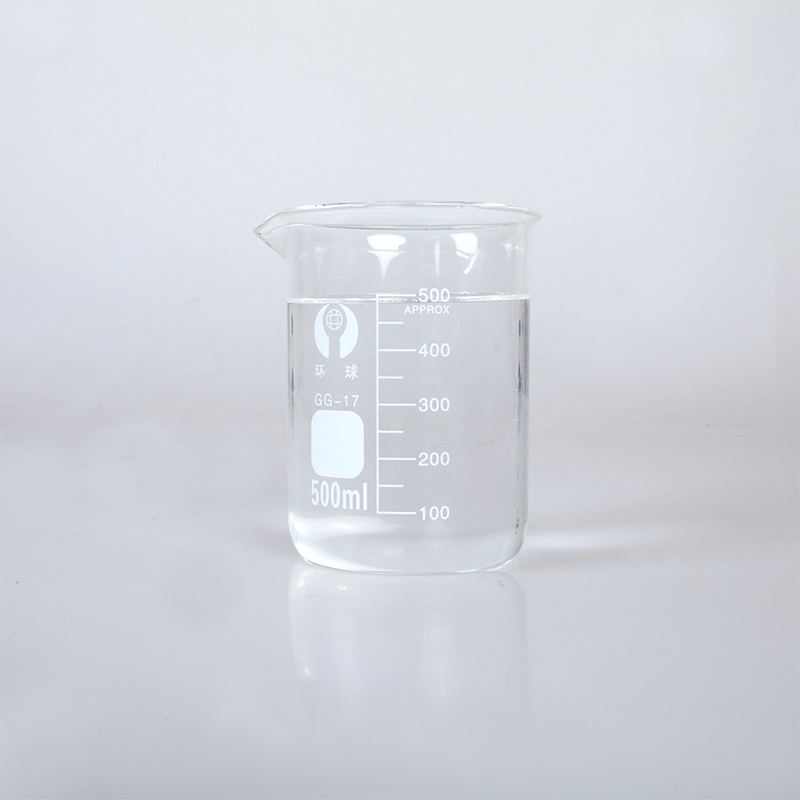
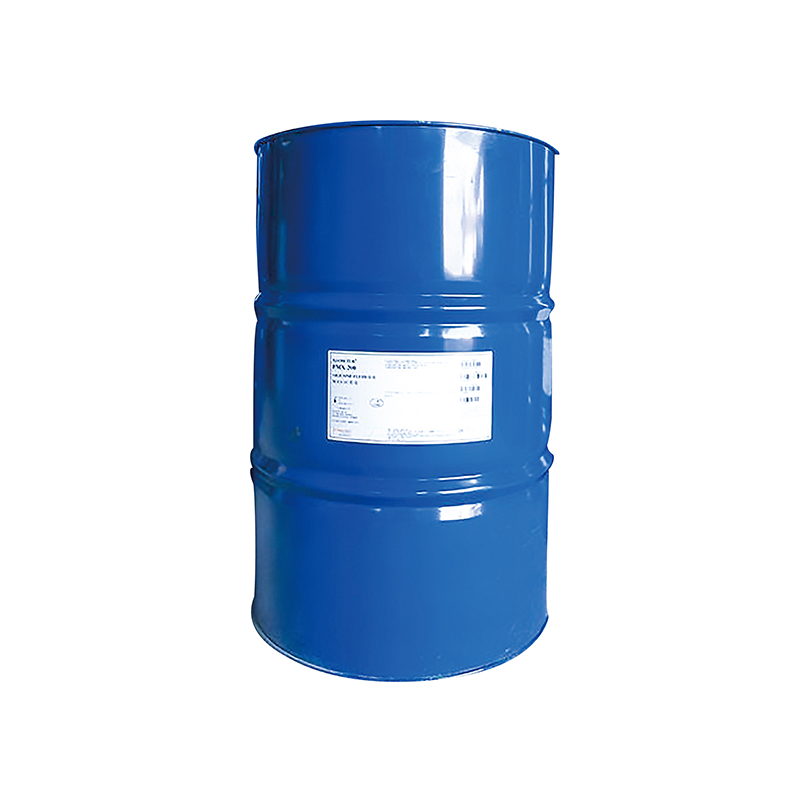
Product: Plastic & Rubber Mold Release Agent (Anionic Type)


Contact Information
Tel : +86-400-138-5268
Email : [email protected]
Phone : +86-15128434888 / +86-13511051998
Add : Xinqiao Environmental Protection Industrial Park, Wen'an County, Langfang City, Hebei Province, China
Contact Information
Copyright © Hebei Guituo New Material Co., Ltd. All Rights Reserved.
