

 English
  Français
  Português
 Home / Author / Chen Yuhan, After-sales Coordinator (OEM/ODM Silicone Products) / Advanced Agricultural Organosilicone Adjuvants for More Efficient Crop Protection
 Advanced Agricultural Organosilicone Adjuvants for More Efficient Crop Protection
2026-07-21
Agricultural spray performance depends on much more than the active ingredient selected for a crop protection program. Droplet size, surface tension, wetting, spreading, adhesion, penetration, evaporation, rainfastness, and application coverage all influence how efficiently a pesticide performs after it leaves the spray nozzle. Even a highly effective formulation can deliver inconsistent results if droplets remain beaded on waxy leaves, fail to reach protected plant surfaces, evaporate too quickly, or are removed by rain and irrigation.
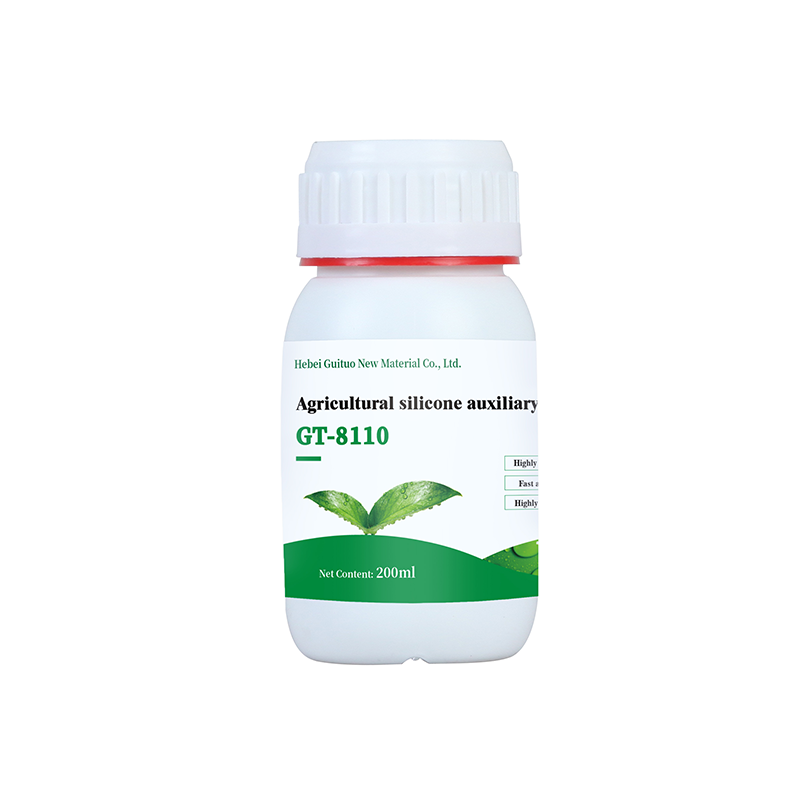
Agricultural organosilicone adjuvants are designed to address these practical challenges. The GT-8110, GT-8210, and GT-8310 series are multifunctional silicone-based spray adjuvants developed for use with herbicides, insecticides, fungicides, foliar fertilizers, plant growth regulators, and aerial-application programs. Their primary role is to modify spray behavior so that the active formulation can cover plant surfaces more thoroughly, remain attached for longer, and enter plant tissues more effectively.
These products combine very low surface tension with rapid spreading, strong wetting, penetration support, and improved adhesion. In suitable formulations and application conditions, the technology can provide a spreading area and spreading speed dozens to hundreds of times greater than those of conventional adjuvants. It can also reduce spray-water requirements by approximately 30–50% and improve pesticide efficacy by approximately 30–50%, although actual results depend on the crop, active ingredient, formulation, dose, climate, and application method.
The value of an agricultural organosilicone adjuvant is therefore not limited to a single performance feature. It is a coordinated solution for improving the movement and behavior of spray droplets from the moment they contact a leaf. By combining spreading, wetting, penetration, adhesion, and rainfastness support, the GT series helps users obtain more consistent coverage and more efficient utilization of crop protection inputs.
Agricultural Organosilicone Adjuvant
Product Overview
The GT-8110, GT-8210, and GT-8310 products are agricultural organosilicone adjuvants, also described as silicone surfactants or polyether-modified trisiloxanes. They are supplied as concentrated multifunctional additives for agricultural spray systems. Their applications include spray modification, foliar absorption enhancement, activation of crop protection formulations, and support for aerial spraying.
| Item | Specification |
|---|---|
| Product models | GT-8110, GT-8210, GT-8310 |
| Product type | Agricultural organosilicone adjuvant concentrate |
| General chemical description | Polyether-modified trisiloxane |
| Alternative description | Silicone surfactant |
| CAS number | 27306-78-1 |
| EINECS number | 608-078-3 |
| Purity | 99% |
| Viscosity at 25°C | 30–50 mm²/s |
| Surface tension at 0.1% by weight | Below 20.5 mN/m |
| Cloud point at 1.0% by weight | Not higher than 35°C |
| pH value of a 1% aqueous solution at 25°C | 6.5–7.5 |
| Primary application areas | Herbicides, insecticides, fungicides, foliar fertilizers, plant growth regulators, and aerial application |
The three models are intended to provide options for different formulation requirements and application conditions. Selection should be based on the active ingredient, co-formulants, water quality, crop species, target pest, spray equipment, and intended application rate. Compatibility testing and a small-scale field trial are recommended before large-scale use.
How Organosilicone Adjuvants Improve Spray Performance
Lowering Surface Tension
Water-based spray droplets naturally tend to contract into rounded beads on many plant surfaces. This is especially common on leaves with waxy cuticles, fine hairs, angled surfaces, or highly hydrophobic characteristics. A rounded droplet may cover only a small area and can remain exposed to evaporation, wind movement, or runoff.
The GT series reduces the surface tension of the spray solution. At a concentration of 0.1% by weight, the stated surface tension is below 20.5 mN/m. This enables droplets to flatten and move across the leaf surface more readily. Instead of remaining concentrated in isolated spots, the spray can form a broader and more uniform film.
Improved surface wetting is important for both contact and systemic crop protection products. Contact pesticides benefit from more complete coverage of the target surface, while systemic products benefit from more consistent contact with areas through which active ingredients may be absorbed. Foliar fertilizers and plant growth regulators can also be distributed more evenly when spray droplets spread efficiently.
Rapid and Extensive Spreading
One of the key competitive advantages of organosilicone technology is its ability to promote rapid spreading at low use concentrations. Conventional nonionic surfactants can improve wetting, but they may not provide the same combination of low surface tension, fast movement, and broad coverage on difficult leaf surfaces.
The GT-8110, GT-8210, and GT-8310 series is described as a new-generation super spreader. Its spreading area and spreading speed can be dozens to hundreds of times greater than those of conventional adjuvants under comparable test conditions. This characteristic helps a spray droplet reach a larger portion of the plant surface, improving coverage while reducing the likelihood of isolated untreated areas.
Rapid spreading can be particularly useful when applications are made at reduced water volumes, with air-assisted equipment, or through aerial spraying. It can also support coverage of leaves with irregular shapes, narrow angles, or dense canopies. Nevertheless, the application rate must be optimized because excessive spreading may increase runoff on certain surfaces or alter the behavior of sensitive formulations.
Penetration and the Stomatal-Channel Effect
The product information identifies a unique “stomatal-channel” effect. In practical terms, this refers to the ability of a suitable organosilicone adjuvant to improve the interaction between spray droplets and the natural surface structures of leaves, including stomatal openings. By improving wetting and reducing surface tension, the adjuvant can help the spray solution reach microscopic surface features more efficiently.
This effect may promote the absorption of compatible active ingredients and strengthen contact activity. It does not replace the biological function of the pesticide, and it cannot overcome an unsuitable active ingredient, incorrect timing, or inadequate application. Instead, it helps create more favorable physical conditions for the formulation to contact and interact with the plant surface.
Improved penetration can be beneficial when a pesticide must pass through or interact with the leaf cuticle. It may also be useful for foliar nutrients and plant growth regulators that require uniform contact with foliage. Because penetration behavior varies considerably among active ingredients and crops, users should verify crop safety and formulation compatibility before routine use.
Improved Adhesion and Rainfastness
After application, pesticide droplets may be affected by rain, irrigation, dew, wind, high temperature, and repeated handling of the crop. Poor adhesion can lead to wash-off, redistribution, or loss from the target surface. The GT series improves the ability of the spray to remain distributed on plant surfaces, reducing the potential for rapid loss.
Better adhesion is especially valuable when weather conditions may change shortly after spraying. By improving the connection between the spray deposit and the plant surface, an organosilicone adjuvant can support greater resistance to rain wash-off. The actual rainfast period, however, depends on the pesticide formulation, drying time, rainfall intensity, leaf structure, and environmental conditions. Product labels and technical recommendations should always take priority.
Improved adhesion may also reduce the amount of active ingredient lost through droplet bounce, runoff, or uneven deposition. This can contribute to more consistent control and may reduce the need for unnecessary repeat applications. A more persistent spray deposit can help users plan crop protection schedules with greater confidence.

Advantages Compared with Conventional Adjuvants
Conventional adjuvants can provide useful wetting or emulsification support, but their performance may be limited when applications require extremely low surface tension, rapid spreading, high coverage, and enhanced penetration at the same time. The GT series is designed around the combined performance of these properties rather than relying on a single function.
| Performance factor | Conventional adjuvant limitation | Organosilicone advantage |
|---|---|---|
| Surface tension reduction | May provide moderate reduction only | Very low surface tension supports rapid wetting and spreading |
| Coverage | Droplets may remain localized on waxy leaves | Promotes broader and more uniform surface coverage |
| Spreading speed | May require higher dosage or longer time | Designed for rapid spreading at low concentration |
| Penetration support | Often focused mainly on wetting | Supports improved contact with leaf structures and absorption |
| Adhesion | Performance can decline under rain or irrigation | Helps reduce wash-off and improve deposit retention |
| Water efficiency | May require relatively high spray volume | Can support a 30–50% reduction in spray volume in suitable programs |
| Application flexibility | May be limited to selected pesticide types | Suitable for evaluation with herbicides, insecticides, fungicides, fertilizers, and growth regulators |
The main competitive distinction is functional integration. A product that only improves wetting may not provide sufficient adhesion. A product that improves adhesion but does not spread rapidly may leave untreated areas. An adjuvant that increases penetration without adequate crop-safety evaluation may create avoidable risks. The GT series is positioned as a multifunctional solution that addresses several stages of spray performance within one additive system.
Another advantage is the potential reduction in spray-water consumption. When droplets spread over a larger area and provide more uniform coverage, growers may be able to reduce water volume while retaining effective distribution. The stated reduction of 30–50% should be treated as a performance target rather than a universal guarantee. It must be confirmed through local trials and adjusted according to crop canopy, nozzle type, weather, and pesticide label requirements.
Applications in Crop Protection
Herbicides
Herbicide performance is strongly influenced by leaf wetting and active ingredient absorption. Many weeds have waxy or vertically oriented leaves that make it difficult for spray droplets to remain in place. An organosilicone adjuvant can help the herbicide solution spread across the weed surface and improve contact with the target tissue.
Better coverage can be especially important for post-emergence herbicides, where the active ingredient must reach green foliage after weeds have emerged. More uniform wetting may reduce the chance that portions of the weed remain untreated. The adjuvant can also support rapid penetration, helping the active ingredient begin its intended action more consistently.
Users should confirm that the selected adjuvant is approved or recommended for the herbicide formulation. Some herbicides have narrow crop-safety margins, and excessive wetting or penetration can increase the risk of crop injury. Application should follow the pesticide manufacturer’s label, including restrictions related to crop stage, temperature, humidity, and spray volume.
Insecticides
Insect control often requires coverage of leaf surfaces, stems, undersides of leaves, and other locations where pests feed or shelter. Rapid spreading helps distribute droplets over a larger area, while improved adhesion helps maintain the deposit after application.
For contact insecticides, a more uniform film may increase the likelihood of contacting target insects. For translaminar or systemic insecticides, improved surface interaction may support the movement of compatible active ingredients into plant tissues. The result can be more reliable performance across a crop canopy, particularly when spray penetration is otherwise limited.
Because insecticides vary widely in formulation and mode of action, compatibility testing is essential. The GT series should not be considered a substitute for correct pest identification, resistance management, application timing, or integrated pest management practices.
Fungicides
Fungicide performance depends heavily on preventive coverage and the ability of the spray to remain on plant surfaces. Uneven deposition can leave susceptible areas exposed to infection. The spreading and wetting properties of organosilicone adjuvants can help improve coverage of leaves, stems, and other plant structures.
Enhanced adhesion may also help reduce the loss of fungicide deposits during light rainfall or irrigation. This can be valuable in programs where protection must be maintained across changing weather conditions. However, rainfastness remains formulation-specific, and the time required for a fungicide to become rainfast should be confirmed from the product label or technical data.
In disease management, an adjuvant works best as part of a complete program that includes resistant varieties, sanitation, monitoring, cultural controls, and appropriate fungicide rotation. Improved physical deposition cannot compensate for an incorrect disease diagnosis or the use of an unsuitable fungicide.
Foliar Fertilizers
Foliar fertilizers are applied to deliver nutrients directly to plant foliage. Their effectiveness depends on concentration, nutrient chemistry, leaf condition, environmental factors, and the amount of solution that remains in contact with the leaf. Improved spreading can help distribute nutrients more evenly and reduce localized concentration.
The GT series can serve as a spray modifier and foliar absorption enhancer when used with compatible fertilizer formulations. It may be particularly useful where leaves are difficult to wet or where low-volume application is required. Because certain nutrients and salts can increase the risk of leaf burn, users should conduct a small crop-safety test before broad application.
Plant Growth Regulators
Plant growth regulators often require precise and uniform application. Excessive concentration in one area and insufficient coverage in another can produce inconsistent crop responses. An adjuvant that improves wetting and spreading may help create a more even application pattern.
The correct use rate is critical because improved absorption can change the biological response of a plant growth regulator. Growers should follow the regulator manufacturer’s recommendations and avoid increasing the active ingredient dose simply because an adjuvant is being used.
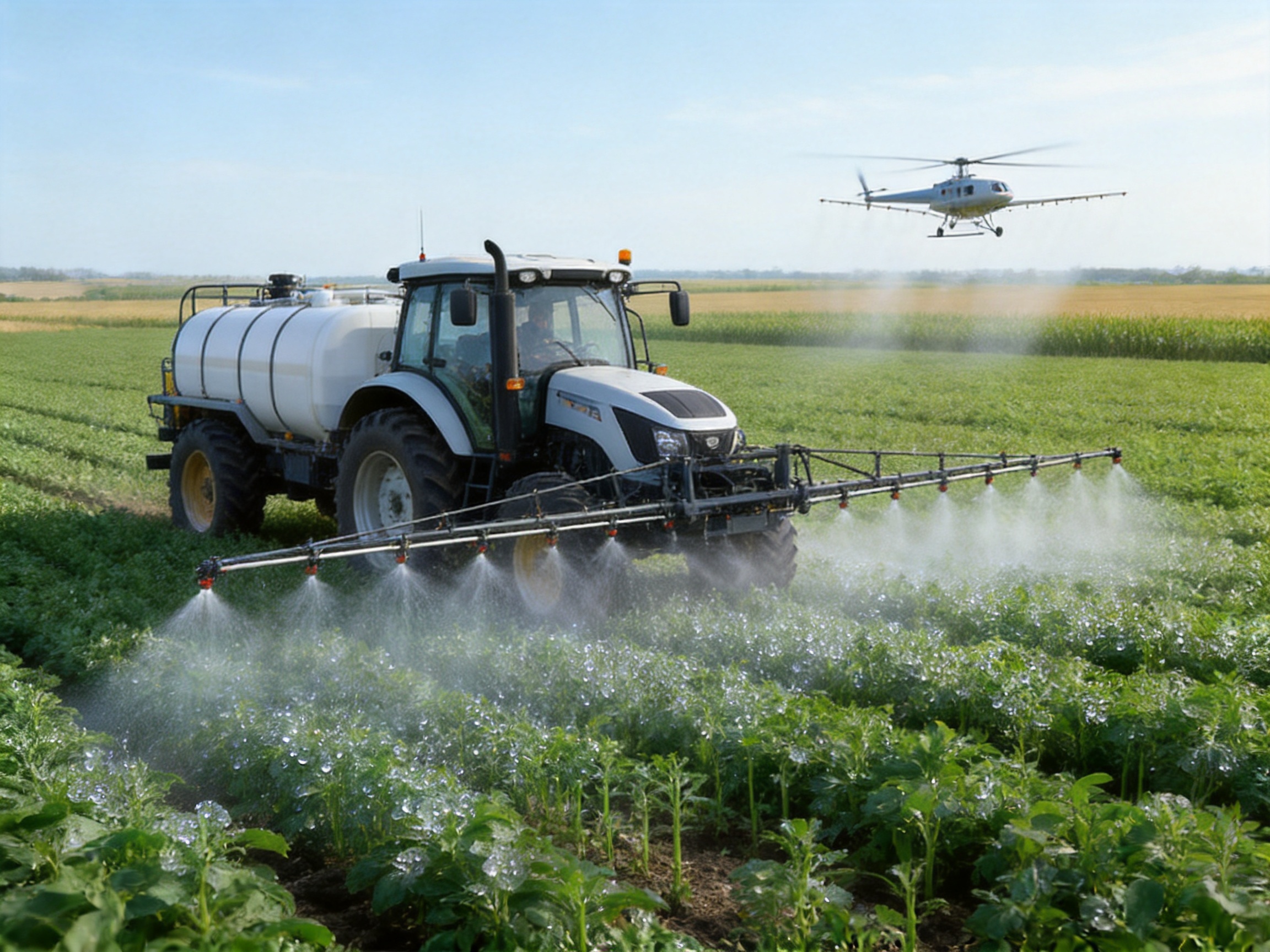
Aerial Application
Aerial application requires careful management of droplet size, drift, evaporation, canopy penetration, and coverage. Organosilicone adjuvants can support more efficient wetting and spreading when water volume is limited. They may also help improve the distribution of droplets across plant surfaces.
However, a super-spreading adjuvant does not automatically eliminate drift risk. Droplet size, wind speed, temperature, relative humidity, nozzle selection, aircraft speed, boom configuration, and buffer zones remain important. Application teams should evaluate the complete spray system and comply with local aviation and pesticide regulations.
Water and Labor Efficiency
Water availability and labor costs are major considerations in modern agriculture. Conventional high-volume spraying can require substantial quantities of water, tank filling, transport, and equipment operation. It can also increase the time required to treat large fields.
By improving droplet distribution and surface coverage, the GT series may enable a reduction in spray volume of approximately 30–50% in suitable applications. Lower water use can reduce the number of tank refills and shorten application time. It can also reduce fuel consumption, equipment wear, and labor intensity.
Water reduction should be implemented carefully. A lower spray volume is appropriate only when the equipment can deliver adequate coverage and when the pesticide label permits the selected rate. Dense canopies, tall crops, severe pest pressure, and contact-dependent products may still require higher water volumes.
| Potential operational effect | How the adjuvant may contribute |
|---|---|
| Fewer tank refills | Supports effective coverage at a lower water volume when conditions are suitable |
| Reduced application time | Less time may be needed for mixing, filling, transport, and spraying |
| Lower labor intensity | More efficient spray operations can reduce manual handling and field passes |
| Lower fuel use | Fewer transport and equipment cycles may reduce energy consumption |
| Improved input utilization | Better deposition and persistence can reduce avoidable spray losses |
These benefits are economic and environmental opportunities rather than guaranteed outcomes. They should be measured using local field data, including water volume, treated area, application time, pest-control results, crop safety, and the total cost per hectare.
Quality and Manufacturing Strengths
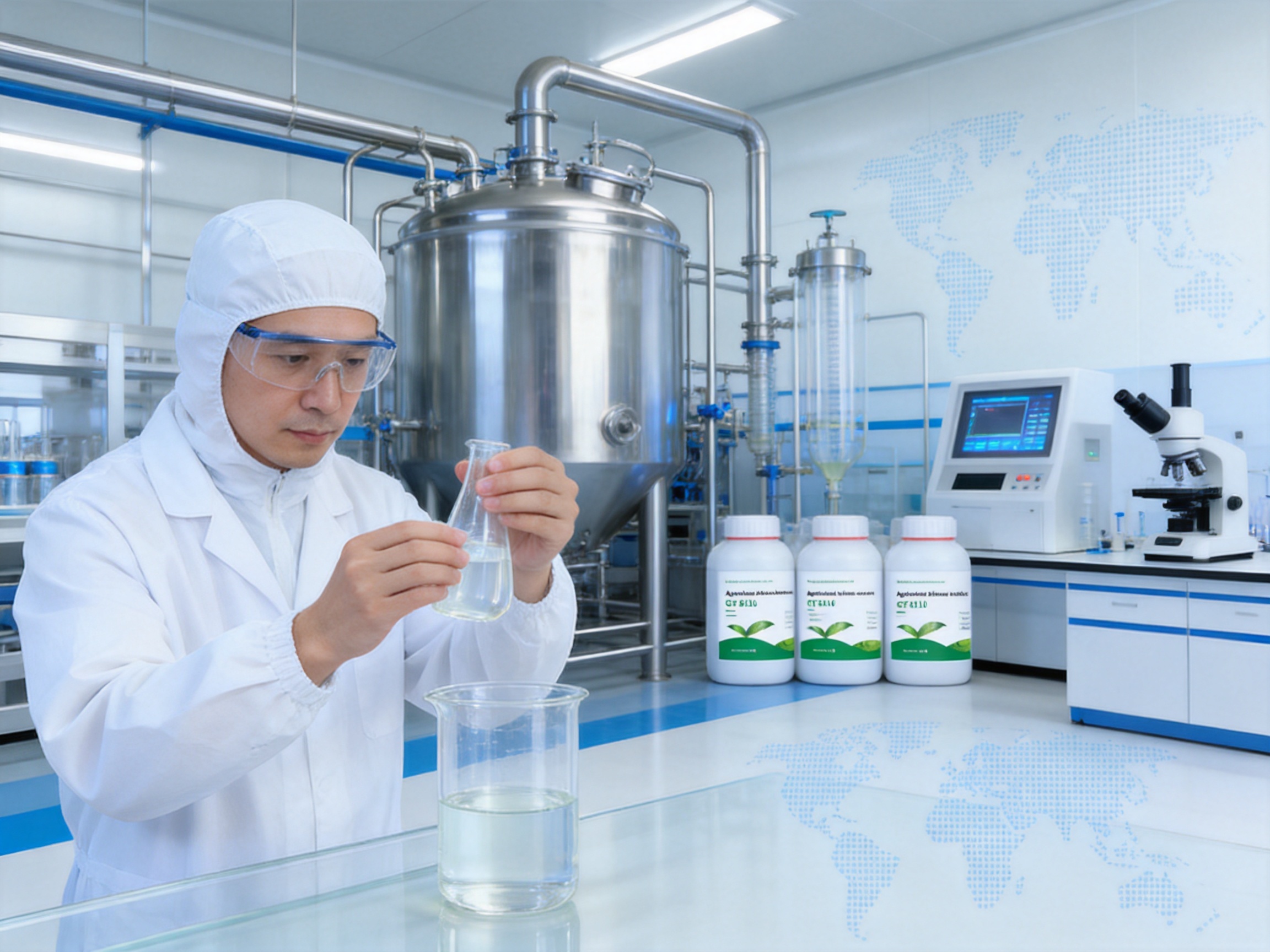
The performance of a silicone adjuvant depends on consistent chemical composition and reliable production control. Small changes in active content, viscosity, cloud point, surface tension, or pH can affect mixing behavior and field performance. For this reason, advanced manufacturing and testing systems are central to product quality.
Hebei Guituo New Material Co., Ltd. integrates research and development, production, and sales. The company focuses on high-end silicone materials for industrial and agricultural applications and has established a product portfolio that includes silicone additives, wetting agents, modified silicone oils, dimethyl silicone oils, surfactants, and defoamers.
The company reports the use of internationally advanced production equipment and precise testing facilities. These systems support control of raw-material input, reaction conditions, blending, filtration, packaging, and finished-product release. A full-process quality monitoring mechanism is designed to trace product quality from the production source through delivery.
Controlled Raw Materials
Reliable agricultural adjuvant production begins with appropriate raw materials. The structure and purity of silicone intermediates, polyether components, catalysts, solvents, and stabilizing materials can influence the final product. Raw-material inspection helps reduce variation and ensures that production begins with materials that meet defined specifications.
Incoming materials may be evaluated for identity, appearance, moisture, purity, viscosity, and other relevant characteristics. Maintaining clear acceptance standards is important because impurities or inconsistent feedstocks can affect the final surface tension, cloud point, storage stability, and compatibility of the adjuvant.
Reaction and Modification Control
Polyether-modified trisiloxane products require controlled chemical modification to obtain the desired balance of silicone performance and hydrophilic behavior. Reaction temperature, time, feed sequence, mixing efficiency, catalyst level, and post-reaction treatment can influence molecular structure and product consistency.
Advanced production equipment supports stable heat transfer, controlled addition, efficient agitation, and repeatable processing. Process monitoring helps operators identify deviations early and maintain consistent batch quality. These controls are especially important for products used at low concentrations, where a small variation in active performance can affect the spray system.
Purification, Blending, and Filtration
After the principal reaction or modification stage, purification and blending steps help establish the required appearance, concentration, viscosity, and stability. Filtration can remove unwanted particles and improve product cleanliness. Controlled blending ensures that each package has a uniform composition from the beginning to the end of the filling process.
For agricultural applications, clear and stable concentrates are beneficial because they are easier to measure, dilute, and incorporate into tank mixtures. Consistent viscosity also supports reliable pumping and dosing. The stated viscosity range of 30–50 mm²/s at 25°C provides a defined reference for product handling and quality assessment.
Laboratory Testing
Testing facilities play an important role in confirming that finished products meet technical requirements. Relevant measurements for this product family include purity, viscosity, surface tension, cloud point, pH, appearance, and storage stability.
Surface tension testing is particularly important because it directly relates to wetting and spreading behavior. Cloud point testing helps assess the temperature-related behavior of the aqueous solution. pH testing supports compatibility evaluation with pesticide formulations and helps identify abnormal batch variation.
| Quality-control parameter | Why it matters in agricultural use |
|---|---|
| Purity | Supports predictable adjuvant performance and formulation compatibility |
| Viscosity | Influences pumping, measuring, mixing, and handling |
| Surface tension | Indicates wetting and spreading capability |
| Cloud point | Provides information about temperature-dependent solution behavior |
| pH | Helps assess compatibility and stability in aqueous tank mixtures |
| Storage stability | Supports product quality throughout transportation and shelf life |
Technical and Production Personnel
A strong manufacturing platform also requires experienced technical and production teams. Personnel with knowledge of silicone chemistry, formulation science, agricultural application, equipment operation, and quality management can connect laboratory results with practical field requirements.
The company’s integrated structure allows technical, production, and commercial teams to communicate about customer needs and application challenges. This supports product customization, technical consultation, OEM orders, and ODM development. For customers with specific pesticide formulations or regional requirements, this collaborative approach can shorten the path from initial evaluation to commercial supply.
Product Customization and Supply Capability
Agricultural chemical manufacturers often require adjuvants with specific properties rather than a universal product. Requirements may differ according to active ingredient, formulation type, application region, crop, equipment, water quality, and regulatory conditions. Customization may involve target surface tension, viscosity, cloud point, emulsification behavior, storage stability, or compatibility with other tank-mix components.
The GT series provides a platform for evaluating different organosilicone adjuvant options. The supplier also accepts OEM and ODM orders, allowing customers to discuss private-label packaging, technical specifications, product positioning, and supply arrangements.
Customization should be supported by laboratory screening and field validation. A suitable evaluation program may include jar testing, dilution stability, foam assessment, surface-tension measurement, spreading-area measurement, leaf-wetting observation, crop-safety testing, and small-plot efficacy trials.
Stable supply is another important advantage for commercial users. The company has developed production, testing, and delivery systems intended to support consistent quality and dependable availability. Its products are used in domestic agrochemical applications and are exported to overseas markets including Europe and Southeast Asia, where repeat purchasing reflects customer acceptance of stable performance and reliable quality.
Recommended Mixing and Application Approach
Before use, users should read the pesticide, fertilizer, or plant growth regulator label and confirm that an organosilicone adjuvant is permitted or recommended. Compatibility should be assessed before preparing a full tank. The adjuvant should generally be diluted according to technical instructions, and the final concentration should be selected according to the formulation and application objective.
A practical mixing sequence commonly begins with clean water in the spray tank, followed by water conditioners or other required additives, then pesticide formulations in the order recommended by the formulation supplier. The organosilicone adjuvant is often added after the primary pesticide products have been dispersed, but the exact sequence should be confirmed through compatibility testing and product instructions.
Users should observe the mixture for separation, precipitation, excessive foam, gel formation, viscosity change, heat generation, or other unusual behavior. A jar test can identify obvious incompatibility, but it cannot replace crop-safety and field-performance testing.
Application conditions should also be considered. Very hot, dry, or windy weather may increase evaporation and drift. Heavy rainfall shortly after application may reduce performance even when adhesion is improved. Spray nozzles, pressure, boom height, droplet spectrum, travel speed, and canopy density all influence the final result.
Because the GT series can significantly increase spreading and wetting, users should avoid assuming that a higher rate will always improve performance. Excessive adjuvant concentration may increase runoff, produce excessive wetting, alter formulation stability, or increase crop-safety risk. The lowest effective rate should be established through technical guidance and local trials.
Environmental and Sustainability Considerations
More efficient spray deposition can contribute to responsible crop protection. If a pesticide remains on the intended plant surface and is absorbed or retained more effectively, less material may be lost through runoff, bounce, drift, or uneven distribution. Reduced application frequency and lower water use can also help reduce the operational footprint of crop protection programs.
The product information describes the GT series as green and environmentally friendly and states that it can help reduce pesticide use and pesticide residues. These benefits should be evaluated as part of a complete application program. An adjuvant does not make every pesticide environmentally harmless, and users must continue to follow local regulations for storage, transport, handling, application, and disposal.
Environmental performance depends on the entire formulation and use pattern. Important considerations include the active ingredient, application rate, spray volume, weather, soil type, buffer zones, runoff control, and protection of pollinators and aquatic organisms. Users should avoid spraying near sensitive areas unless the product label and local regulations permit the application.
In organic farming, the use of an organosilicone adjuvant depends on certification and regulatory requirements. The presence of a plant-based or environmentally favorable claim does not automatically establish organic compliance. Customers should verify the status of the specific product and formulation with the relevant certification body before use in organic production.
Field Evaluation and Performance Verification
Performance claims should be verified under the conditions where the product will be used. A well-designed trial compares the standard adjuvant or no-adjuvant treatment with the selected GT product while keeping the active ingredient dose, nozzle, spray volume, timing, and environmental conditions clearly documented.
Useful measurements include droplet spreading area, wetting time, visible coverage, retention after simulated rainfall, weed or pest control, disease severity, crop response, residue behavior, and total application cost. For foliar fertilizers, nutrient uptake and plant response may also be measured.
| Trial stage | Suggested evaluation | Purpose |
|---|---|---|
| Laboratory screening | Surface tension, viscosity, cloud point, dilution stability | Identify technically compatible candidates |
| Leaf-surface testing | Droplet spreading, wetting time, retention, runoff | Compare physical spray behavior |
| Small-plot testing | Coverage, crop safety, pest or disease response | Confirm biological performance under controlled field conditions |
| Commercial-scale testing | Water use, labor, application time, yield-related outcomes | Measure operational and economic value |
| Post-application review | Rainfastness, persistence, repeat-application requirements | Assess durability under real weather conditions |
Field results may vary from one location to another. Soil fertility, crop variety, leaf age, pest pressure, water hardness, temperature, humidity, rainfall, and application equipment can all influence performance. For this reason, the GT series should be positioned as a technology that improves spray conditions, not as a universal replacement for sound agronomic management.
Safety, Storage, and Handling
Users should consult the applicable safety data sheet and product documentation before handling the concentrate. Appropriate personal protective equipment should be used during transfer, mixing, and spraying. Contact with eyes, prolonged skin contact, and inhalation of mist should be avoided.
The concentrate should be stored in a tightly closed, clearly labeled container in a cool, dry, and well-ventilated location. It should be protected from direct sunlight, extreme heat, freezing conditions, and contamination. Storage conditions can affect viscosity, appearance, cloud point, and long-term stability.
Before use, the product should be inspected for changes in color, odor, separation, sediment, or unusual thickening. If a material has been stored outside the recommended conditions, technical personnel should evaluate it before application. Empty containers should be handled and disposed of according to local regulations.
Frequently Asked Questions
What is an agricultural organosilicone adjuvant?
An agricultural organosilicone adjuvant is a silicone-based additive used to improve the physical performance of agricultural spray solutions. It can reduce surface tension, improve wetting and spreading, support penetration, increase adhesion, and help reduce wash-off from plant surfaces.
What are the GT-8110, GT-8210, and GT-8310 products used for?
They are concentrated agricultural organosilicone adjuvants intended for evaluation and use with herbicides, insecticides, fungicides, foliar fertilizers, plant growth regulators, and aerial-application programs. The appropriate model depends on the formulation and application conditions.
How does the GT series improve pesticide effectiveness?
The products help pesticide droplets spread over a larger area, wet plant surfaces more uniformly, remain attached for longer, and interact more efficiently with leaf surfaces. These effects can improve the use of the active ingredient, but the final result depends on formulation compatibility, crop conditions, application quality, and correct pesticide use.
Can the product reduce spray-water consumption?
In suitable application programs, the product information indicates that spray volume may be reduced by approximately 30–50%. The actual reduction must be established through local trials and must remain within the pesticide label, equipment capabilities, and crop-protection requirements.
Does the adjuvant improve rainfastness?
It can improve adhesion and help reduce the tendency of a spray deposit to wash off during rain or irrigation. It does not make a pesticide immediately rainproof. Drying time and rainfastness remain dependent on the pesticide formulation, weather, crop surface, and rainfall intensity.
Can the GT series be used with all pesticides?
The products are designed for broad agricultural use, but no adjuvant should be assumed to be compatible with every pesticide. A compatibility test, label review, and small-scale crop-safety trial are recommended before commercial use.
Can it be mixed with foliar fertilizers?
The GT series can be evaluated with compatible foliar fertilizer formulations. Because concentrated salts and nutrients may increase the risk of leaf injury, users should conduct a jar test and a small crop-safety trial before treating a large area.
Is the product suitable for aerial application?
The product information identifies aerial application as one of its potential uses. Aerial users must still manage droplet size, drift, wind, temperature, humidity, nozzle selection, buffer zones, and local aviation requirements.
Can the product be used in organic farming?
Use in organic farming depends on the certification status of the specific product and the regulations of the relevant market. Customers should verify compliance with the applicable organic standard before use.
What quality parameters are provided for the product?
The stated specifications include 99% purity, a viscosity of 30–50 mm²/s at 25°C, surface tension below 20.5 mN/m at 0.1% by weight, a cloud point not higher than 35°C at 1.0% by weight, and a pH of 6.5–7.5 for a 1% aqueous solution at 25°C.
Does the supplier support customized products?
Yes. The company accepts OEM and ODM orders and can discuss product specifications, packaging, supply requirements, and application objectives with customers. Customized products should be supported by technical testing and quality documentation.
How should customers select the appropriate model?
Selection should consider the pesticide formulation, crop, target pest, spray equipment, water quality, climate, desired water volume, and compatibility requirements. Technical consultation and comparative testing are recommended when choosing among GT-8110, GT-8210, and GT-8310.
Why Choose a Specialized Silicone Materials Supplier?
Agricultural adjuvants operate at the intersection of chemistry, formulation technology, plant physiology, and spray engineering. A supplier with experience across these areas can provide more than a generic additive. It can help customers understand how the product behaves in a complete tank mixture and how the additive may influence application efficiency.
Hebei Guituo New Material Co., Ltd. combines research and development, manufacturing, quality testing, and sales within an integrated business structure. Its product matrix covers multiple silicone and surfactant technologies, supporting applications in agriculture, daily chemicals, electronics, textiles, and other fields.
The company emphasizes advanced equipment, precise testing facilities, full-process quality monitoring, experienced technical personnel, and stable production capability. These strengths support consistent product delivery and help customers develop adjuvant solutions for different formulations and markets.
The company’s agricultural silicone products have gained acceptance among domestic agrochemical enterprises and are exported to international markets. Its OEM and ODM capability also provides flexibility for distributors, formulation companies, agricultural input manufacturers, and brand owners seeking customized supply.
For customers comparing suppliers, important evaluation criteria include technical specifications, batch consistency, documentation, application support, customization capability, production capacity, packaging options, export experience, and responsiveness. The GT series is positioned to meet these requirements through a combination of defined performance parameters and manufacturing support.
Conclusion
Agricultural organosilicone adjuvants can improve the efficiency of crop protection programs by changing how spray droplets wet, spread, penetrate, and remain on plant surfaces. The GT-8110, GT-8210, and GT-8310 series offers a multifunctional approach that combines very low surface tension, rapid spreading, penetration support, improved adhesion, and greater resistance to rain wash-off.
Compared with conventional adjuvants that may focus on only one performance feature, the GT series is designed to provide broader spray optimization. Its potential benefits include more uniform coverage, improved active-ingredient utilization, reduced spray-water requirements, lower labor intensity, fewer avoidable losses, and more consistent performance under changing field conditions.
These advantages are supported by a manufacturing system focused on controlled raw materials, carefully managed production, purification and blending, filtration, laboratory testing, and full-process quality monitoring. The supplier’s research, production, export, OEM, and ODM capabilities provide additional value for customers seeking a reliable agricultural silicone technology partner.
Successful use still depends on responsible application. Users should verify compatibility, follow pesticide labels, conduct crop-safety tests, optimize the application rate, and evaluate performance under local conditions. When integrated into a well-designed crop protection program, agricultural organosilicone adjuvants can help growers and formulators obtain more from every spray operation while supporting more efficient use of water, labor, and agricultural inputs.
References
1. General principles of agricultural spray adjuvants, wetting agents, and pesticide formulation technology.
2. Technical information for GT-8110, GT-8210, and GT-8310 agricultural organosilicone adjuvants.
3. Standard laboratory methods for measuring surface tension, viscosity, cloud point, pH, and aqueous dilution stability.
4. Principles of spray deposition, leaf wetting, droplet retention, pesticide absorption, and rainfastness.
5. General guidance on integrated pest management, pesticide stewardship, crop safety, and environmental protection.
Product: Agricultural Organosilicone Adjuvant


Contact Information
Tel : +86-400-138-5268
Email : [email protected]
Phone : +86-15128434888 / +86-13511051998
Add : Xinqiao Environmental Protection Industrial Park, Wen'an County, Langfang City, Hebei Province, China
Contact Information
Copyright © Hebei Guituo New Material Co., Ltd. All Rights Reserved.
