

 English
  Français
  Português
 Home / Author / Chen Yuhan, After-sales Coordinator (OEM/ODM Silicone Products) / High-Efficiency Agricultural Silicone Adjuvants for Modern Crop Protection
 High-Efficiency Agricultural Silicone Adjuvants for Modern Crop Protection
2026-05-18
Modern agriculture is under pressure to achieve more with less: higher yields, better crop quality, reduced chemical waste, improved application efficiency, and stronger environmental responsibility. In this environment, spray adjuvants have become essential tools for growers, formulators, and agrochemical distributors. Among them, high-efficiency agricultural silicone adjuvants stand out because they help pesticides, fertilizers, and foliar nutrition products perform more effectively on real crop surfaces under real field conditions.
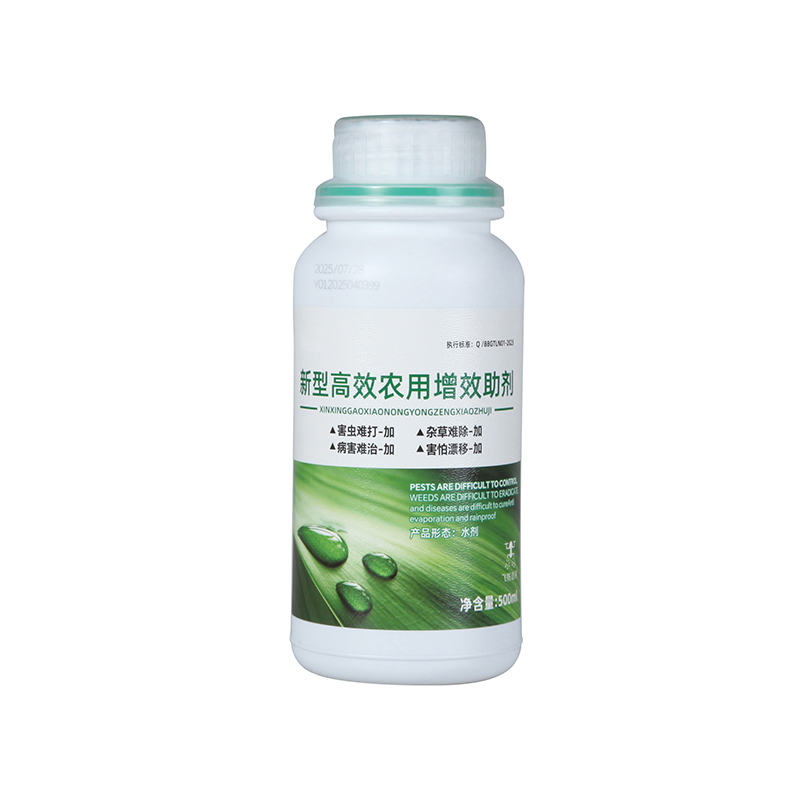
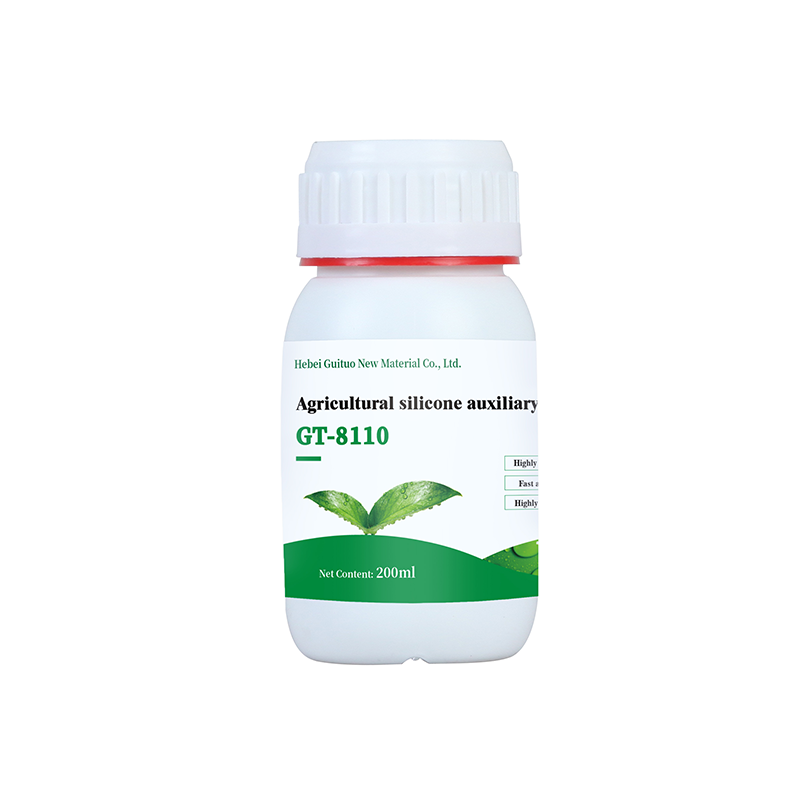
GT-1000, a new high-efficiency agricultural enhancing adjuvant supplied by Hebei Guituo New Material Co., Ltd., is designed to improve spreading, wetting, adhesion, penetration, and absorption in agricultural applications. As a silicone surfactant and polyether modified trisiloxane, it provides extremely low surface tension, rapid coverage, improved rain wash-off resistance, and enhanced utilization of active ingredients. These characteristics help farmers improve pest and disease control performance, reduce unnecessary waste, and support greener and more efficient crop management.
This article explains how this agricultural silicone synergist works, why it offers advantages over many conventional competitors, how it supports pesticide and fertilizer performance, and how the company’s manufacturing and quality-control strengths help ensure stable product quality for agricultural, industrial, and custom applications.
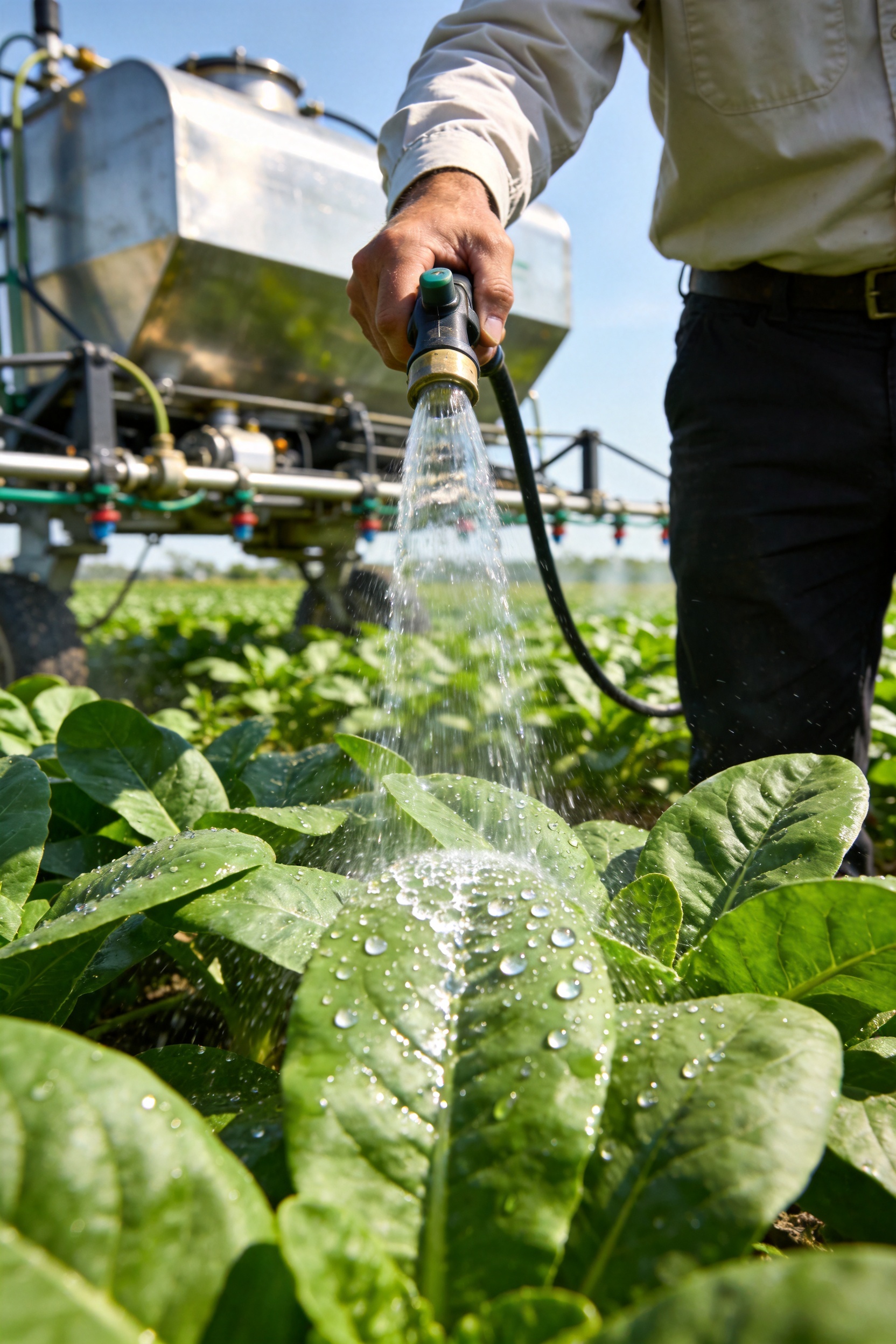
1. Product Overview: A High-Efficiency Silicone Synergist for Agriculture
GT-1000 is an agricultural enhancing adjuvant based on organosilicon surfactant technology. Its synonym is silicone surfactant or polyether modified trisiloxane. The product is intended for use as a performance-enhancing additive in agricultural spraying and fertilization systems. When incorporated into pesticide, herbicide, fungicide, insecticide, fertilizer, or foliar nutrition solutions, it can reduce liquid surface tension and promote rapid spreading across leaves, stems, and other plant surfaces.
One of the main performance advantages of agricultural silicone adjuvants is their ability to overcome the natural resistance of plant surfaces. Many leaves are covered with waxy cuticles, trichomes, rough microstructures, or hydrophobic layers that cause spray droplets to bead, roll off, or dry unevenly. This reduces the amount of active ingredient that stays on the plant and limits the effectiveness of the pesticide or nutrient solution. A silicone synergist helps the spray liquid spread into a thinner, more uniform film, increasing the contact area between the active ingredient and the target surface.
GT-1000 is designed to address several common challenges in crop protection: poor wetting, insufficient coverage, droplet bounce, rain erosion, limited penetration, and inefficient uptake. By improving spray adhesion and resistance to rain wash-off, it helps extend pest and disease control duration. The provided product information indicates that the duration of control can be extended by over 30% under suitable conditions, reducing the number of required applications. This has practical value for growers because fewer applications may reduce labor, fuel, water, and chemical costs while decreasing the environmental burden associated with repeated spraying.
In addition to pesticide applications, the product can support fertilizer efficiency. By improving wetting and assisting the movement of nutrients toward target tissues or root zones, it helps nitrogen, phosphorus, potassium, and other nutrient components work more effectively. In real agricultural practice, fertilizer loss can occur through runoff, uneven distribution, volatilization, fixation, or poor root-zone contact. A suitable adjuvant does not replace balanced fertilization, but it can improve delivery efficiency and reduce waste when used correctly.
2. Technical Data and Product Characteristics
The following table summarizes key product information. These specifications help formulators, distributors, and technical buyers evaluate compatibility and performance potential.
| Item | Specification |
|---|---|
| Product Model | GT-1000 |
| Product Name | New High-Efficiency Agricultural Enhancing Adjuvants |
| Product Type | Agricultural Silicone Synergist |
| CAS No. | 27306-78-1 |
| EINECS No. | 608-078-3 |
| Synonym | Silicone Surfactant, Polyether Modified Trisiloxane |
| Purity | 99.8% |
| Viscosity at 25°C | 30-50 mm²/s |
| Surface Tension at 0.1% wt | <20.5 mN/m |
| Cloud Point at 1.0% wt | ≤35°C |
| pH Value of 1% Aqueous Solution at 25°C | 6.5-7.5 |
| Main Function | Wetting, spreading, penetration, adhesion, absorption enhancement |
| Typical Applications | Pesticide spraying, herbicide enhancement, fertilizer efficiency improvement, foliar nutrition |
The low surface tension value is especially important. Water has a relatively high surface tension, which makes droplets stay rounded on many hydrophobic leaf surfaces. Conventional nonionic surfactants may reduce surface tension to a moderate level, but organosilicon surfactants can reduce it much further. A surface tension below 20.5 mN/m at 0.1% concentration indicates strong wetting and spreading potential, making the product suitable for applications requiring fast coverage and enhanced deposition.
The viscosity range of 30-50 mm²/s at 25°C supports ease of handling, dosing, and blending. A manageable viscosity is valuable in both manufacturing and field-use environments because it helps users incorporate the adjuvant into formulations or tank mixes with less difficulty. The near-neutral pH value of 6.5-7.5 in a 1% aqueous solution also supports broad agricultural suitability, although compatibility testing is still recommended before large-scale use.
3. How the Product Improves Spray Wetting and Spreading
The first visible benefit of a high-performance agricultural silicone adjuvant is improved wetting. When a spray droplet lands on a leaf, several outcomes are possible. It may stick and spread, remain as a bead, bounce off, roll down the leaf, evaporate, or be washed away. The difference between these outcomes often depends on surface tension, droplet size, leaf texture, cuticle chemistry, humidity, spray volume, and formulation design.
GT-1000 reduces the surface tension of the spray solution, allowing droplets to flatten and spread rapidly. This creates broader contact between the active ingredient and the plant surface. On difficult-to-wet plants, such as crops with waxy leaves or weeds with smooth hydrophobic surfaces, improved spreading can be the difference between partial contact and effective coverage.
Better spreading has several practical consequences. First, it improves coverage uniformity. A pesticide cannot work well if it does not reach the target surface. Second, it reduces localized concentration spots, which may help reduce crop stress in some situations when the pesticide itself is compatible and properly applied. Third, it improves contact with microscopic surface features where pests, spores, or residues may be present. Fourth, it can reduce runoff because the liquid is distributed over a wider area rather than collecting into heavy droplets that flow away.
Compared with many conventional wetting agents, silicone-based synergists can deliver faster and more extensive spreading at low use levels. This advantage is particularly useful for high-value crops, orchard spraying, vegetable production, and situations where water volume is limited or spray coverage is difficult. It is also valuable for herbicide applications targeting persistent weeds such as reed and alligator weed, where improved contact and uptake can enhance control performance.
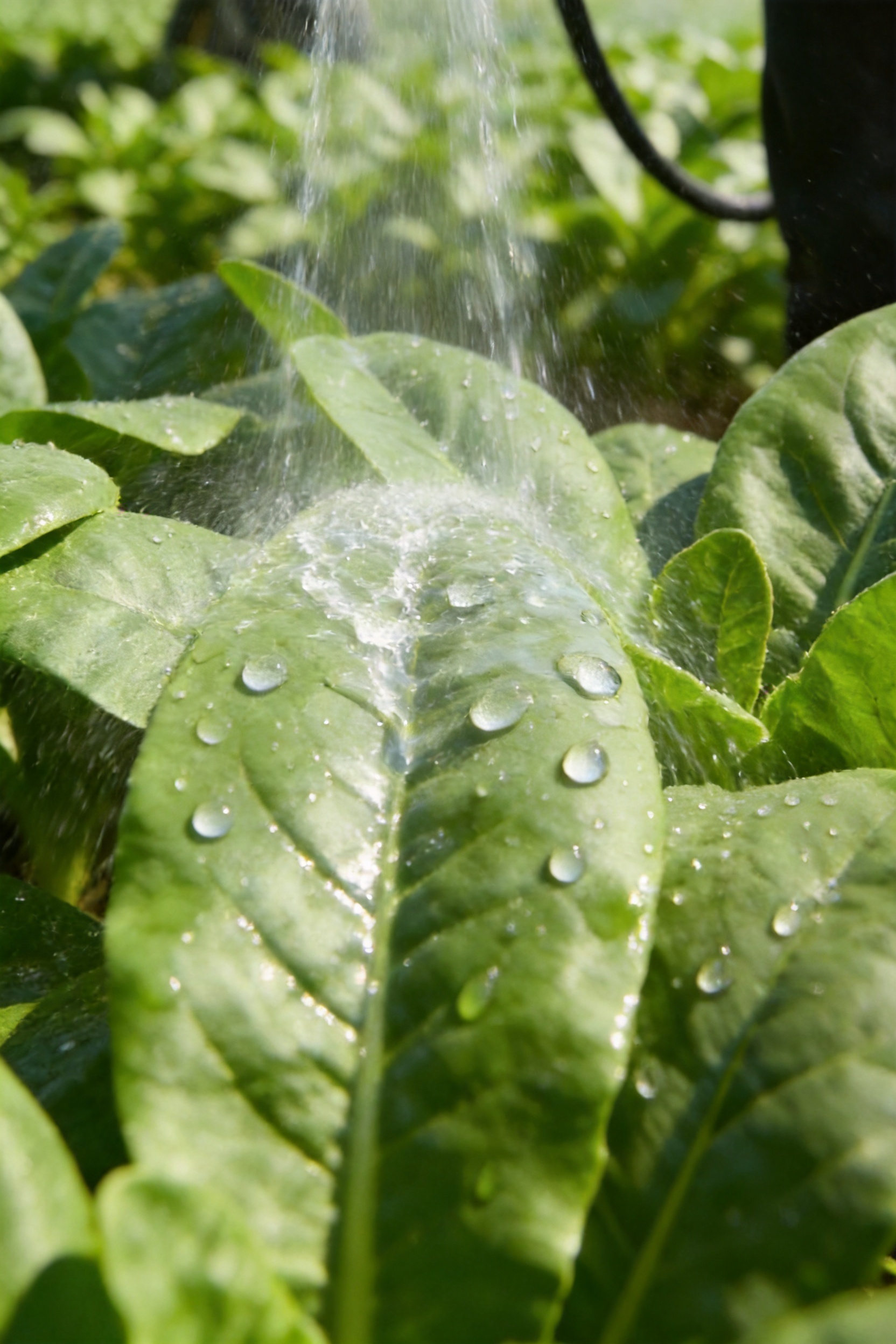
4. Penetration and Absorption: Moving Active Ingredients More Efficiently
Wetting is only the first step. For many crop protection products, performance also depends on penetration and absorption. Penetration refers to movement through surface barriers such as the waxy cuticle. Absorption refers to the uptake of active ingredients into plant tissues or target organisms after contact. Agricultural enhancing adjuvants can support both processes by changing the physical behavior of droplets and modifying the interaction between the liquid and the surface.
Plant leaves naturally defend themselves against water loss and external substances. The cuticle, epicuticular waxes, stomatal structures, and surface microtexture reduce uncontrolled liquid entry. This is beneficial for plant survival but can limit pesticide uptake. If an herbicide, fungicide, insecticide, or plant growth regulator remains on the surface without entering the target site, its effectiveness may be reduced.
GT-1000 helps pesticide solutions spread into a thin and continuous film, increasing the area available for diffusion and uptake. The product can also help active ingredients access small surface openings and microchannels more effectively. In some application systems, organosilicon surfactants may promote stomatal infiltration under appropriate conditions. This can improve the movement of systemic pesticides and foliar nutrients into the plant. The result is more efficient utilization of the active ingredient.
Enhanced absorption does not mean that application rules can be ignored. Correct concentration, crop stage, weather conditions, pesticide compatibility, and label recommendations remain important. However, by improving the delivery environment, the adjuvant can help farmers gain more value from every spray. This supports both economic and environmental goals because more of the applied material reaches the intended target instead of being lost to evaporation, runoff, drift, or poor deposition.
5. Improved Rain Wash-Off Resistance and Longer Control Duration
Rain wash-off is a common cause of reduced pesticide performance. Even a well-timed spray can lose effectiveness if rain occurs shortly after application. Droplets that have not spread, adhered, or penetrated sufficiently may be removed from the surface, forcing growers to respray. This increases cost, labor, chemical loading, and the risk of environmental runoff.
GT-1000 improves spray adhesion and helps create more intimate contact between the spray solution and the plant surface. Better spreading and deposition can reduce the likelihood that active ingredients are easily removed by rainfall or irrigation. The product information states that its use can extend pest and disease control duration by more than 30% under suitable application conditions. This can be especially beneficial in regions with frequent rainfall, humid climates, or unpredictable weather patterns.
Longer control duration has direct value. Growers may reduce the number of applications, saving time and resources. Farm managers can schedule labor more efficiently. Chemical use can become more targeted. In integrated pest management systems, stronger performance from each application can help maintain pest populations below economic thresholds with fewer interventions.
Compared with lower-grade or poorly optimized adjuvants, a high-efficiency silicone synergist offers a stronger combination of wetting, spreading, and adhesion. Some ordinary surfactants may improve wetting but provide limited rainfastness. Others may increase adhesion but lack rapid spreading. GT-1000 is designed to provide multiple performance enhancements in one additive, making it practical for broad agricultural use.
6. Fertilizer Efficiency and Root-Zone Support
Although agricultural adjuvants are often associated with pesticides, they can also support fertilizer efficiency. Nutrient delivery is a major challenge in crop production. Nitrogen, phosphorus, potassium, micronutrients, and foliar fertilizers can be lost or underutilized if they do not reach the intended absorption sites. Soil structure, pH, organic matter, moisture, root distribution, and formulation properties all influence nutrient availability.
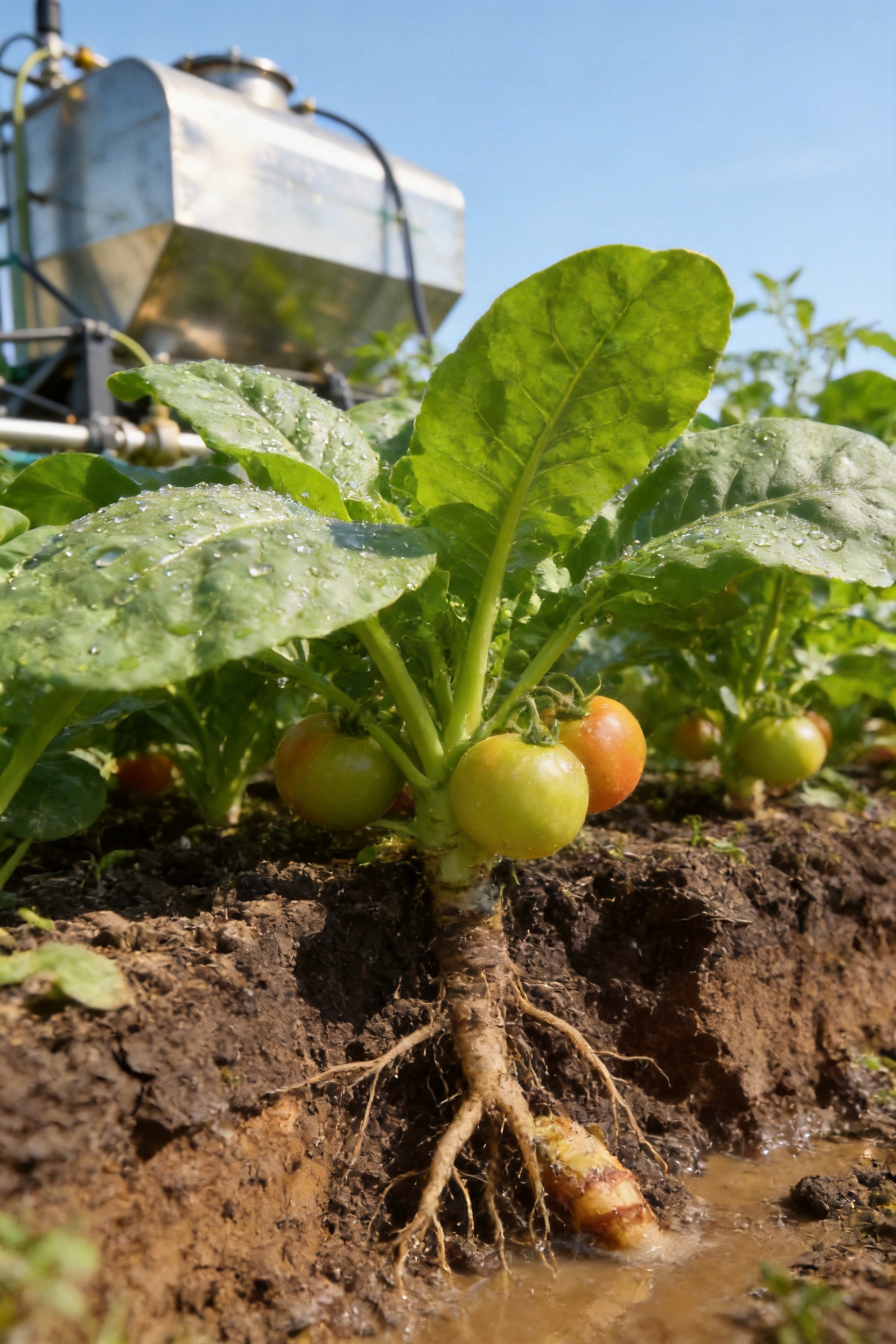
GT-1000 helps break some physical absorption barriers by improving wetting and distribution. During fertilization or foliar feeding, a small amount of the adjuvant can improve contact between the nutrient solution and plant or soil interfaces. For foliar nutrients, enhanced spreading means better leaf coverage and a larger absorption area. For soil or root-zone applications, improved wetting may help water and dissolved nutrients distribute more evenly, reducing localized concentration and improving access to roots.
Efficient nutrient utilization supports stronger crop growth. When crops receive nutrients more effectively, they can develop healthier roots, stronger stems, improved leaf area, better flowering, and more consistent fruit development. The supplied product material also notes that harvested produce can become sweeter with better appearance when crops are healthier and nutrient uptake is improved. While final fruit quality depends on many agronomic factors, improved nutrient delivery can contribute to better crop expression.
In comparison with conventional fertilizer additives that may focus on one specific function, such as chelation or pH adjustment, silicone adjuvants offer a physical delivery advantage. They improve how the liquid moves, spreads, and contacts surfaces. This makes them useful as part of a broader nutrient management strategy, especially when combined with scientifically designed fertilizers and proper irrigation practices.
7. Broad Applicability Across Crop Categories
A key strength of GT-1000 is its broad applicability. It can be used in field crops, fruits, vegetables, and cash crops, provided that compatibility and application guidelines are observed. This flexibility is important for distributors and large agricultural operations that serve diverse crop systems.
In field crops, such as grains, oilseeds, and industrial crops, spray efficiency is critical because application areas are large. Even small improvements in deposition and uptake can translate into significant economic benefits across many hectares. Reduced application frequency can also produce major savings in fuel, labor, machinery wear, and water use.
In fruit crops, coverage is often challenging because of complex canopy structures, waxy fruit surfaces, dense foliage, and high disease pressure. A high-efficiency wetting and spreading adjuvant can help spray solutions distribute more uniformly across leaves and fruit surfaces. This may support better fungicide and insecticide performance, especially in orchards and vineyards where canopy penetration and surface coverage are essential.
In vegetable production, crop surfaces vary widely. Some vegetables have waxy leaves, while others have delicate tissues. Effective but careful application is important. A biocompatible formulation that helps reduce unnecessary chemical load can support greener vegetable farming when used according to technical recommendations. Growers should always conduct small-area trials when applying new tank mixes to sensitive crops.
In cash crops, including specialty and high-value crops, the cost of poor pesticide performance can be substantial. Crop quality, appearance, residue control, and marketable yield are all important. A reliable adjuvant helps maximize the performance of crop protection and nutrition programs, supporting consistent production quality.
8. Advantages Over Conventional Competitors
GT-1000 offers several advantages when compared with many conventional agricultural adjuvants. These advantages are based on its organosilicon surfactant chemistry, low surface tension, high purity, multifunctional performance, and reliable manufacturing background.
First, it provides stronger surface tension reduction. Many traditional surfactants lower surface tension only to moderate levels. This may be sufficient for simple wetting but not for difficult plant surfaces. GT-1000 achieves surface tension below 20.5 mN/m at 0.1% wt, enabling superior spreading and coverage. This is a major advantage for crops or weeds with hydrophobic surfaces.
Second, it supports rapid and uniform spreading. Some competitors may require higher dosage or longer time to achieve coverage. Rapid spreading helps the spray solution form a continuous film before droplets evaporate or roll off. This is particularly useful in warm, dry, or windy conditions where droplets may disappear quickly.
Third, it improves utilization of active ingredients. By promoting penetration and absorption, the product helps more pesticide reach the target site. This can reduce waste and may allow lower application rates where permitted by product labels and agronomic recommendations. It also supports integrated pest management by making each chemical input more effective.
Fourth, it offers multifunctionality. Instead of only wetting or only sticking, it contributes to wetting, spreading, penetration, absorption, and rain wash-off resistance. This multifunctional profile makes it easier for users to simplify their adjuvant systems and reduce reliance on multiple additives.
Fifth, it is supported by high purity. The listed purity of 99.8% indicates a refined product with strong consistency. Purity matters because impurities can affect odor, color, compatibility, stability, foam behavior, crop safety, and formulation performance. A stable high-purity material gives formulators greater confidence when designing agricultural products.
Sixth, it has broad formulation value. As a polyether modified trisiloxane, it can serve agricultural formulations as a wetting agent, spreading agent, penetrating agent, and synergist. This creates opportunities for custom pesticide formulations, fertilizer additives, and OEM or ODM agricultural solutions.
Seventh, it is supplied by a company with a dedicated focus on high-end silicone materials. Hebei Guituo New Material Co., Ltd. and its trading subsidiary have built a product matrix covering silicone additives, wetting agents, modified silicone oil, dimethyl silicone oil, surfactants, defoamers, and related materials. This broader technical base supports product development, technical adjustment, and customer-specific customization.
9. Manufacturing Strengths and Quality Assurance
The performance of an agricultural adjuvant depends not only on its chemical concept but also on manufacturing quality. Inconsistent raw materials, poor process control, inadequate purification, or weak testing can produce products that vary from batch to batch. This is unacceptable for agrochemical manufacturers and professional growers because inconsistent adjuvant performance can affect crop safety and field results.
Hebei Guituo New Material Co., Ltd. is described as a high-tech enterprise integrating research and development, production, and sales. The company focuses on the development and application of high-end silicone materials in industrial and agricultural fields. This focus is important because organosilicon additives require technical control over molecular structure, hydrophilic-lipophilic balance, viscosity, cloud point, surface tension, stability, and compatibility.
The company has established a comprehensive guarantee system to ensure product quality and stable supply. It is equipped with advanced production equipment and precise testing facilities. A full-process quality monitoring mechanism is applied from production source to finished product delivery. This approach helps reduce variability and supports reliable commercial supply.
Advanced manufacturing begins with raw material selection. For silicone surfactants, raw materials must meet strict requirements for purity, reactivity, moisture content, and impurity profile. Variations in raw materials can affect the final molecular distribution and performance. By controlling raw material quality, the manufacturer improves the foundation for stable production.
Process control is equally critical. The synthesis and modification of silicone surfactants require careful management of temperature, reaction time, catalyst system, mixing efficiency, and post-treatment conditions. Advanced equipment helps maintain uniform reaction environments and reduces the risk of incomplete conversion or unwanted side reactions. Stable process parameters result in more consistent viscosity, surface tension, pH, and cloud point.
Testing is the next key element. The company’s precise testing facilities allow performance indicators to be checked before shipment. Relevant tests may include appearance, viscosity, active content or purity, pH value, surface tension, cloud point, and compatibility. For agricultural customers, these indicators are not merely laboratory numbers; they directly influence mixing behavior, spray performance, and storage reliability.
The company has also assembled an experienced technical and production team. Technical expertise is essential because agricultural silicone products must balance strong performance with practical usability. An adjuvant that spreads aggressively may not be suitable for every crop or tank mix unless properly formulated and applied. Experienced technicians can help customers choose suitable products, adjust formulations, and conduct compatibility assessments.
10. Product Matrix and Customization Capabilities
One advantage of working with a silicone material specialist is access to a broader product platform. The company’s product layout includes silicone additives, wetting agents, modified silicone oil, dimethyl silicone oil, surfactants, defoamers, and other series. These materials are used in agriculture, daily chemicals, electronics, textiles, and other fields.
This diversified product matrix strengthens the development of agricultural adjuvants in several ways. First, knowledge from industrial silicone applications can be transferred into agriculture. For example, coating, textile, and release-agent technologies often require precise control of surface energy, wetting, leveling, and film formation. These principles are closely related to pesticide spreading and adhesion.
Second, a broad product matrix allows customized solutions. Different customers may require different properties: higher spreading, lower foaming, better low-temperature stability, stronger compatibility, adjusted cloud point, or specific packaging. A company that accepts OEM and ODM orders can support distributors, formulation factories, and agrochemical brands that need private-label or custom-performance products.
Third, manufacturing multiple silicone categories supports supply stability. Customers benefit when a manufacturer understands the entire silicone value chain and can manage technical variations across related materials. This reduces the risk of supply interruptions and improves responsiveness to market needs.
Fourth, export experience matters. The company’s products are exported to markets such as Europe and Southeast Asia, where customers often require stable quality, documentation, and consistent performance. Repeat purchases from overseas customers indicate that the products have gained recognition for reliability and practical value.
11. Compatibility and Practical Use Considerations
GT-1000 is compatible with many agricultural systems, but compatibility should always be verified before large-scale use. Pesticide formulations differ widely. They may be emulsifiable concentrates, suspension concentrates, soluble liquids, wettable powders, water-dispersible granules, oil dispersions, microemulsions, or other formulation types. Each type has different surfactant systems, solvents, active ingredients, pH conditions, and salt content.
Before adding any adjuvant to a tank mix, users should follow pesticide label instructions and conduct a jar test. A jar test helps identify obvious incompatibilities such as separation, precipitation, thickening, excessive foam, curdling, or heat generation. If the mixture remains uniform and stable, a small-area field test is recommended, especially on sensitive crops or during stressful environmental conditions.
Application concentration should be selected carefully. More adjuvant is not always better. Excessive spreading can increase the risk of runoff, unwanted penetration, crop stress, or incompatibility with certain active ingredients. The correct dosage depends on crop type, pesticide formulation, water quality, weather, spray equipment, and application purpose. Technical guidance from the supplier or agronomist should be followed.
Water quality can influence performance. Hard water, high salt content, extreme pH, or contaminated water may affect pesticide and adjuvant behavior. Although GT-1000 has a near-neutral pH in aqueous solution, the final tank pH depends on all components. Users should monitor water quality when consistent spray performance is required.
Weather also matters. High temperature, low humidity, strong wind, or imminent rainfall can reduce spray effectiveness. While the adjuvant improves adhesion and rain wash-off resistance, it cannot fully compensate for improper application timing. Spraying under suitable conditions remains the best practice.
12. Role in Herbicide Enhancement
The product information notes that when used with herbicides, this high-efficiency agricultural enhancing adjuvant can improve control of persistent weeds such as reed and alligator weed. These weeds are difficult to manage because they may have tough surfaces, strong regrowth ability, underground rhizomes, or high tolerance to stress.
Herbicide performance depends on deposition, retention, penetration, translocation, and physiological sensitivity. If droplets do not remain on weed leaves long enough, the active ingredient may not enter the plant effectively. If absorption is poor, systemic herbicides may not move sufficiently to growth points or underground structures. A silicone synergist improves the early stages of this process by increasing wetting and contact.
For tough perennial weeds, improved coverage can be especially valuable. Reed leaves often present narrow and vertical surfaces that encourage droplet runoff. Alligator weed can form dense mats and has leaf surfaces that may resist uniform wetting. A high-spreading adjuvant helps the herbicide solution cover the target more thoroughly, increasing the likelihood of effective uptake.
However, herbicide use must remain label-compliant. Users should not assume that an adjuvant can overcome all resistance or replace proper herbicide selection. Instead, it should be viewed as a tool for improving delivery. Integrated weed management should also include correct timing, suitable active ingredients, mechanical or cultural measures where appropriate, and resistance management strategies.
13. Environmental and Sustainability Benefits
Agricultural sustainability is not achieved by eliminating all inputs; it is achieved by using the right inputs more efficiently and responsibly. GT-1000 supports this direction by improving the performance of pesticides and fertilizers, which may reduce waste and unnecessary repeated applications.
When a spray solution spreads and adheres better, less material is lost through runoff. When active ingredients penetrate and absorb more efficiently, lower total chemical input may be possible in some programs, depending on label allowances and agronomic recommendations. When rain wash-off resistance improves, growers may avoid immediate respraying after rainfall. Each of these outcomes contributes to lower environmental pressure.
Reduced application frequency can also lower fuel consumption and equipment use. Large-scale spraying requires tractors, sprayers, pumps, labor, and water. If each application becomes more effective, the entire production system becomes more resource-efficient. This is important for farms aiming to reduce carbon intensity and operating costs.
The product is described as having a biocompatible formulation that reduces damage to crops and soil and supports greener farming. In practical terms, this means the adjuvant is designed to enhance delivery while supporting crop safety when used correctly. As with all agricultural chemicals, responsible use, correct dosage, compatibility testing, and adherence to regulations are essential.
14. Value for Agrochemical Formulators and Distributors
GT-1000 is not only useful for farmers; it is also valuable for agrochemical formulators and distributors. Formulators need additives that deliver measurable performance, remain stable in formulation systems, and support differentiated products. Distributors need reliable supply, consistent specifications, and clear value propositions for customers.
For formulators, the product’s high purity and defined technical parameters support predictable formulation development. Its low surface tension and silicone-based spreading ability can help create premium pesticide adjuvant products, tank-mix additives, foliar fertilizer enhancers, and specialized herbicide synergists. Because the company accepts OEM and ODM orders, customers can request customized packaging, specification adjustments, or private-label solutions according to market needs.
For distributors, the product offers a strong selling point: it can help users improve pesticide efficiency, reduce waste, enhance fertilizer delivery, and support crop quality. These benefits are easy to communicate because they address real problems faced by growers. The product’s use across field crops, fruits, vegetables, and cash crops also broadens market potential.
For large agricultural enterprises, consistency is essential. A reliable adjuvant supplier helps maintain stable farm protocols across seasons and regions. When product quality varies, spray performance becomes unpredictable. The company’s full-process quality monitoring and advanced testing facilities help reduce this risk.
15. Comparison with Ordinary Surfactants and Low-End Adjuvants
Not all adjuvants perform equally. Ordinary surfactants may improve wetting in simple water systems, but agricultural applications are complex. Leaf surfaces vary, formulations contain multiple ingredients, and field conditions are unpredictable. Low-end adjuvants may provide inconsistent spreading, excessive foam, poor storage stability, or limited compatibility.
GT-1000 provides a higher-performance alternative. Its organosilicon structure gives it stronger surface activity than many hydrocarbon surfactants. Its low surface tension allows superior spreading even at low concentration. Its near-neutral pH and controlled viscosity support practical handling. Its high purity supports stable behavior and reduces impurity-related performance issues.
Competitor products may also suffer from unstable batch quality if manufacturing control is weak. A small variation in molecular structure can significantly affect surface tension, cloud point, or compatibility. GT-1000 is supported by advanced equipment, precise testing, and experienced production management, which helps ensure that customers receive consistent material.
Another competitive advantage is the company’s integration of research, production, and sales. This structure allows faster response to customer feedback. If a customer needs a product for a specific crop, pesticide type, climate, or packaging format, the technical team can evaluate requirements and provide support. This is more valuable than simply supplying a generic surfactant with limited technical guidance.
16. Application in Integrated Pest Management
Integrated pest management, or IPM, emphasizes monitoring, prevention, threshold-based intervention, biological balance, and responsible chemical use. High-efficiency adjuvants contribute to IPM by improving the effectiveness of necessary pesticide applications. When sprays work better, growers may need fewer applications and can reduce unnecessary chemical exposure.
GT-1000 supports IPM in several ways. It increases coverage, allowing active ingredients to reach target pests or infection sites more effectively. It improves absorption, supporting systemic or translaminar activity where relevant. It enhances rainfastness, reducing the need for repeated spraying after weather events. It can also improve herbicide performance, supporting better weed control and reducing competition for crop resources.
In IPM programs, an adjuvant should be used as part of a complete decision-making system. Growers should monitor pest pressure, identify pest species, select appropriate active ingredients, rotate modes of action, protect beneficial organisms, and apply products at the correct timing. The adjuvant does not replace these practices, but it helps make chemical applications more precise and efficient.
17. Safety, Crop Compatibility, and Responsible Handling
Agricultural silicone adjuvants are powerful spreading agents, so responsible use is important. Users should wear suitable protective equipment during handling and follow local regulations and product safety documentation. Avoid contact with eyes and prolonged skin exposure. Store the product in sealed containers away from extreme heat, contamination, and incompatible materials.
Crop compatibility should be evaluated before broad use. Some crops may be sensitive under high temperature, drought stress, disease stress, or when mixed with certain pesticides. Because silicone adjuvants can increase penetration, they may also increase the activity of pesticides. This is beneficial for efficacy but requires careful dose management. Always follow pesticide label instructions and supplier recommendations.
When spraying delicate crops, newly emerged leaves, greenhouse crops, or high-value specialty crops, conduct a small-scale test first. Observe the crop for several days before treating a large area. This practical step helps prevent unexpected phytotoxicity caused by the combination of crop stress, pesticide chemistry, weather, and adjuvant effect.
18. Why Manufacturing Reliability Matters in Agricultural Inputs
Agriculture is seasonal. If an input fails at the wrong time, the opportunity for correction may be limited. Pest outbreaks, disease infection windows, weed growth stages, and nutrient demand periods often occur within narrow timeframes. Therefore, agricultural inputs must be available, consistent, and reliable.
The company’s emphasis on stable supply is an important advantage. With advanced production equipment, quality monitoring, and experienced teams, it can better support customers who require timely delivery and predictable performance. This is particularly important for distributors managing inventory before planting or peak spraying seasons.
Stable quality also protects brand reputation. Agrochemical companies that include an adjuvant in their product line need confidence that each batch will meet specifications. Farmers judge products by field performance. A reliable supplier helps reduce complaints, returns, and technical disputes.
The company’s ability to export to overseas markets demonstrates adaptability to different customer requirements. International customers often demand documentation, consistent specification control, and professional communication. These capabilities strengthen the supplier’s position in global agricultural and industrial silicone markets.
19. Practical Benefits for Growers
For growers, the value of GT-1000 can be summarized in practical field outcomes. It helps spray droplets spread more evenly, improving surface coverage. It supports better adhesion, helping reduce losses from runoff and rain wash-off. It improves penetration and absorption, helping pesticides perform more efficiently. It supports fertilizer and foliar nutrition delivery, contributing to stronger crop growth. It may reduce the number of applications under appropriate conditions, saving time and resources.
These benefits can influence both yield and quality. Better pest and disease control protects leaf area, photosynthesis, flowering, fruit development, and grain filling. Better nutrient delivery supports stronger crop physiology. Improved spray efficiency reduces waste and helps growers manage costs. For high-value crops, improved appearance and consistency can increase marketability.
In today’s agricultural economy, input efficiency is just as important as input selection. A pesticide or fertilizer is only valuable if it reaches the right place in the right amount at the right time. A high-efficiency agricultural silicone synergist helps close the gap between laboratory formulation potential and field performance.

20. Q&A Section
Q1: What is GT-1000 used for?
GT-1000 is used as a high-efficiency agricultural enhancing adjuvant. It can be added to pesticide, herbicide, fungicide, insecticide, fertilizer, and foliar nutrition systems to improve wetting, spreading, adhesion, penetration, and absorption.
Q2: How does it improve pesticide efficiency?
It reduces the surface tension of spray droplets, allowing them to spread more uniformly across plant surfaces. This improves coverage, reduces droplet runoff, and helps active ingredients penetrate and absorb more effectively.
Q3: What makes this product different from ordinary surfactants?
It is an organosilicon surfactant with very low surface tension, listed at less than 20.5 mN/m at 0.1% wt. This allows stronger spreading and wetting than many conventional surfactants. It also provides multiple functions, including adhesion improvement, penetration enhancement, and rain wash-off resistance.
Q4: Can it be used with herbicides?
Yes. When used with suitable herbicides, it can enhance control of persistent weeds such as reed and alligator weed by improving herbicide contact, spreading, and uptake. Users should always follow herbicide label recommendations and conduct compatibility testing.
Q5: Can it help reduce pesticide applications?
By improving spray efficiency, adhesion, and rainfastness, the product may help extend control duration and reduce the need for repeated applications under suitable conditions. Actual results depend on crop type, pest pressure, pesticide selection, weather, and application method.
Q6: Is it suitable for fertilizers?
Yes. It can support fertilizer efficiency by improving wetting and delivery. In foliar feeding, it helps nutrient solutions spread across leaf surfaces. In certain root-zone or soil-contact applications, improved wetting may help nutrients distribute more effectively.
Q7: Is the product safe for all crops?
It has broad applicability across field crops, fruits, vegetables, and cash crops, but crop safety depends on dosage, tank-mix partners, crop stage, and environmental conditions. A small-area test is recommended before large-scale application, especially on sensitive crops.
Q8: What quality advantages does the manufacturer provide?
The manufacturer uses advanced production equipment, precise testing facilities, full-process quality monitoring, and experienced technical teams. These strengths help ensure stable specifications, consistent performance, and reliable supply.
Q9: Can the product be customized for private-label or special formulation needs?
Yes. The company accepts OEM and ODM orders and has a broad silicone product matrix. This supports customized solutions for distributors, agrochemical formulators, and specialized agricultural markets.
Q10: What should users check before adding it to a tank mix?
Users should check pesticide labels, conduct a jar test, verify water quality, select the correct dosage, and perform a small-area crop test when needed. Compatibility and responsible application are essential for achieving the best results.
21. Conclusion
High-efficiency agricultural silicone adjuvants are becoming increasingly important in modern crop production because they improve the way pesticides and fertilizers interact with plant surfaces. GT-1000 provides strong wetting, rapid spreading, improved adhesion, enhanced penetration, better absorption, and increased resistance to rain wash-off. These benefits help growers improve pesticide and fertilizer efficiency, reduce waste, and support more sustainable agricultural practices.
Its technical profile, including 99.8% purity, low surface tension, controlled viscosity, and near-neutral pH, makes it a strong choice for agricultural formulations and tank-mix applications. Compared with many ordinary surfactants and low-end adjuvants, it offers a more powerful and multifunctional performance package.
The product’s value is strengthened by the company behind it. Hebei Guituo New Material Co., Ltd. integrates research and development, production, and sales, with advanced manufacturing equipment, precise testing facilities, full-process quality monitoring, experienced technical teams, and the ability to support OEM and ODM customization. Its agricultural silicone products have gained recognition in domestic and overseas markets, supported by stable performance and reliable quality.
For growers, formulators, and distributors seeking a high-performance agricultural silicone synergist, GT-1000 offers a practical route to better coverage, stronger input utilization, improved crop protection, and more efficient modern farming.
References
1. Knowles, A. Adjuvants and Additives. In: Chemistry and Technology of Agrochemical Formulations. Springer.
2. Holloway, P. J. Surface Factors Affecting the Wetting of Leaves. Pesticide Science.
3. Green, J. M. The Benefits of Adjuvants to Herbicide Performance. Weed Technology.
4. Wirth, W., Storp, S., and Jacobsen, W. Mechanisms Controlling Leaf Retention of Agricultural Spray Solutions. Pesticide Science.
5. Zabkiewicz, J. A. Adjuvants and Herbicidal Efficacy: Present Status and Future Prospects. Weed Research.
6. Hazen, J. L. Adjuvants: Terminology, Classification, and Chemistry. Weed Technology.
7. ASTM International. Standard Test Methods for Surface and Interfacial Tension of Solutions of Surface-Active Agents.
8. Agricultural formulation technical literature on organosilicone surfactants, spray deposition, wetting, and crop protection performance.


Contact Information
Tel : +86-400-138-5268
Email : [email protected]
Phone : +86-15128434888 / +86-13511051998
Add : Xinqiao Environmental Protection Industrial Park, Wen'an County, Langfang City, Hebei Province, China
Contact Information
Copyright © Hebei Guituo New Material Co., Ltd. All Rights Reserved.
