

 English
  Français
  Português
 Home / Author / Chen Yuhan, After-sales Coordinator (OEM/ODM Silicone Products) / Advanced Leveling Agent for High-Performance Paint and Coating Systems
 Advanced Leveling Agent for High-Performance Paint and Coating Systems
2026-06-15
In modern paint, ink, adhesive, sealant, resin, and composite applications, surface appearance is no longer a secondary consideration. It is a critical performance indicator that influences customer perception, processing efficiency, rework rates, durability, and final product value. A coating that looks smooth, uniform, glossy, and defect-free communicates quality immediately, while a film marked by orange peel, pinholes, craters, brush marks, air bubbles, streaks, or uneven gloss can undermine even the strongest formulation. The Leveling Agent described here is designed to address these challenges by regulating surface tension, improving flow, supporting interfacial migration, and enhancing compatibility within complex coating systems.
This product belongs to the paint additives category and is especially suitable for applications where uniform film formation and refined surface quality are required. Its listed synonym is Polyether Modified Polysiloxane, a class of silicone-based additives widely recognized for excellent surface activity, efficient migration, and strong performance in reducing surface defects. The product model LD-820 is identified as a flow leveling agent with a purity of 99.8%, CAS No. 67674-67-3, and EINECS No. 614-100-2. These attributes position it as a high-performance additive for manufacturers seeking reliable surface control in demanding coating and ink systems.
Hebei Guituo New Material Co., Ltd. provides this Leveling Agent as part of a broader portfolio of organosilicon additives, surfactants, wetting agents, modified silicone oils, dimethyl silicone oils, defoamers, and related materials. The company focuses on the research, development, production, and sale of high-end silicone materials for industrial and agricultural applications. Its production system combines advanced equipment, precise testing facilities, full-process quality monitoring, and an experienced technical team. This foundation allows the product to deliver stable performance from batch to batch, an essential advantage in industries where small variations in additives can cause visible coating defects.
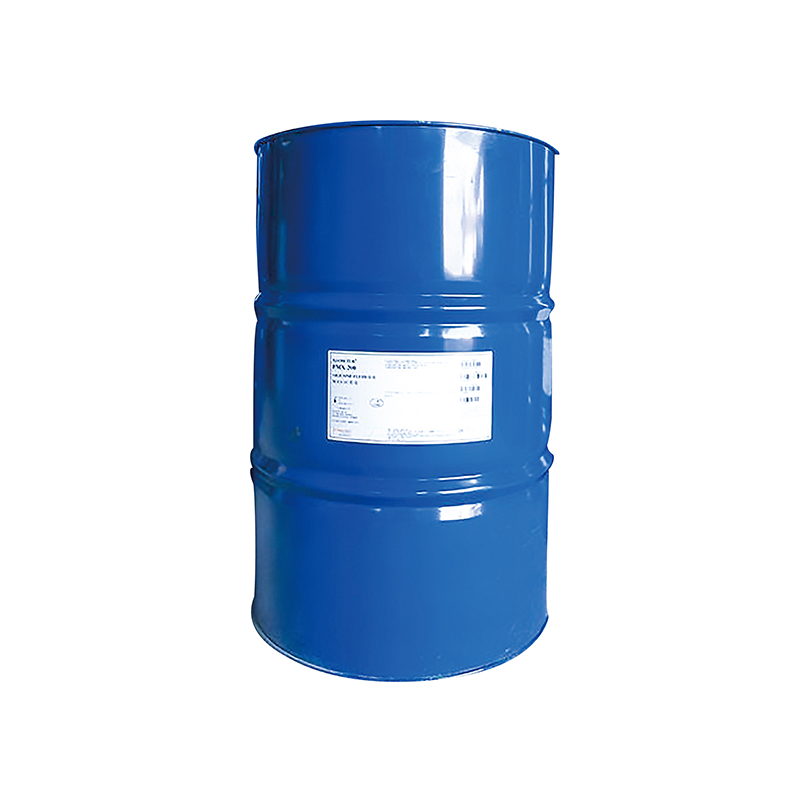
Leveling Agent
Understanding the Role of a Leveling Agent
A leveling agent is an additive that helps a liquid coating or ink spread evenly across a substrate before drying, curing, or film formation is completed. Its core function is to reduce and balance surface tension and interfacial tension within the formulation. When a coating is applied, it is influenced by many forces: the surface energy of the substrate, the viscosity of the coating, solvent or water evaporation, pigment and resin interactions, temperature, humidity, application method, and the presence of contaminants. If these forces are not balanced, the coating can pull away from certain areas, accumulate in others, or dry before it has time to smooth out.
The Leveling Agent works by quickly reducing the surface tension of coatings and inks, while helping to balance internal and interfacial tension differences. This is important because defects such as pinholes, orange peel, shrinkage, crawling, cratering, and uneven gloss are often caused by localized tension differences. For example, a substrate contaminated with oil, dust, wax, or wood extractives may create areas of different surface energy. Without effective leveling control, the coating may refuse to wet those areas properly, resulting in surface anomalies. By reducing surface tension and improving wetting, the additive supports a more continuous and uniform film.
Another important mechanism is interfacial migration. After application, a silicone-based leveling agent can rapidly migrate toward the coating surface and form a very thin molecular layer at the interface. This layer occupies what is often called the “surface advantage,” helping the coating resist disturbances caused by impurities or uneven substrate properties. In wood coatings, this can help reduce shrinkage near splinters, pores, or grain irregularities. In metal coatings, it can help suppress defects caused by traces of oil or uneven surface energy. In printing inks, it can reduce streaks and improve ink layer uniformity.
Leveling is also closely related to flow. A coating must remain mobile long enough to fill brush marks, roller marks, spray patterns, and micro-level surface irregularities. If it dries too quickly or has poor flow, the final surface may retain the marks of the application process. The Leveling Agent helps improve flow and leveling by influencing viscosity behavior and extending the coating’s practical “open time.” This does not mean uncontrolled thinning; rather, it supports the formulation’s ability to relax and smooth before film formation is complete. This effect is particularly valuable in architectural paints, industrial coatings, furniture coatings, and high-quality decorative finishes.
Key Product Identity and Technical Profile
The product is positioned as a flow leveling agent for paint additive applications. Its technical identity as a polyether modified polysiloxane gives it a combination of silicone backbone properties and polyether compatibility. The silicone segment contributes low surface tension and surface activity, while the polyether modification helps improve dispersibility and compatibility with different resin systems. This balance is important because pure silicone materials may sometimes show compatibility challenges, while carefully modified structures can deliver strong surface performance without causing haze, separation, or excessive slip.
| Technical Item | Product Information | Practical Significance |
|---|---|---|
| Product Model | LD-820 | Identifies the specific flow leveling agent grade for formulation selection and quality tracking. |
| Product Name | Flow Leveling Agent | Designed to improve flow, leveling, spreading, and surface uniformity in coatings and inks. |
| CAS No. | 67674-67-3 | Supports material identification and technical documentation. |
| Purity | 99.8% | Indicates high product consistency and reduced risk of performance variation from impurities. |
| EINECS No. | 614-100-2 | Supports chemical registration reference and product classification. |
| Synonym | Polyether Modified Polysiloxane | Describes the silicone-polyether structure responsible for surface activity and compatibility. |
The high purity of 99.8% is especially relevant in coating applications because even trace contaminants may alter surface tension, create instability, or interfere with film formation. In many production environments, manufacturers compare additives not only by initial performance but also by storage stability, reproducibility, and formulation tolerance. A leveling agent that performs well in one laboratory batch but fails during scale-up or long-term storage can cause costly production delays. The technical profile of LD-820 supports consistent performance in repeated manufacturing cycles.
The product’s category as a paint additive does not limit its application to paint alone. Leveling agents are often used in coatings, printing inks, adhesives, sealants, resin systems, composite processing, and other liquid-applied materials. The product is valuable wherever a liquid film must wet a surface, spread evenly, release entrapped air more effectively, reduce visible defects, and form a smooth final layer. This broad application range increases its value for manufacturers who operate across multiple product lines and need an additive platform that can be adapted to different systems.
Advantages Over Conventional Leveling Agents
Many conventional leveling agents can reduce surface tension, but not all can do so without creating new problems. Some may cause foam stabilization, loss of intercoat adhesion, excessive surface slip, turbidity, incompatibility, pigment floating, gloss reduction, or cratering when used outside a narrow dosage window. Others may perform well in solvent-based systems but poorly in waterborne formulations, or they may help with wetting but fail to improve final leveling. The Leveling Agent discussed here is designed to provide a balanced performance profile, combining strong surface activity with compatibility and stability.
One competitive advantage is rapid surface tension regulation. In real coating application, speed matters. When a coating is sprayed, brushed, rolled, poured, or printed, the film begins to change immediately as solvents or water evaporate. If the additive migrates too slowly or reduces surface tension too late, defects may already be locked into the film. This product is designed to act quickly, helping the coating flow and level during the critical early stage after application. This can reduce pinholes, orange peel, shrinkage, and uneven film appearance.
A second advantage is interfacial performance. The product migrates to the coating surface and forms a molecular layer at the interface. This helps suppress surface anomalies caused by impurities in the system or substrate. Competing additives that remain too strongly dissolved in the bulk coating may not provide sufficient surface control, while additives that migrate too aggressively may cause surface contamination or poor recoating. A well-designed polyether modified polysiloxane provides a more practical balance between surface activity and system compatibility.
A third advantage is improved open time and flow. Some low-cost additives reduce surface tension but do not meaningfully improve flow behavior, leaving brush marks, roller marks, or spray texture visible after drying. Others may reduce viscosity too much, causing sagging or edge buildup. The Leveling Agent supports flow and leveling while helping the coating maintain a controlled application profile. This is important in architectural paints, where roller marks and wall blotchiness must be minimized, and in industrial coatings, where sag resistance and surface smoothness must be balanced.
A fourth advantage is compatibility with resins, pigments, and other additives. High-quality coating systems often include multiple functional components: binders, pigments, fillers, dispersants, defoamers, thickeners, wetting agents, rheology modifiers, coalescents, solvents, preservatives, catalysts, or curing agents. A leveling agent must function within this complex environment without causing phase separation, precipitation, turbidity, or reduced adhesion. The product is designed with compatibility in mind, which helps formulators integrate it into existing systems with fewer adjustment difficulties.
A fifth advantage is contribution to long-term film performance. Surface smoothness is not only aesthetic. A uniform coating film can help reduce localized weak points where moisture, chemicals, abrasion, or environmental stress may attack the coating. By promoting a continuous and even film, a leveling agent can indirectly support durability, weather resistance, chemical resistance, and wear performance. While the additive is not a substitute for proper resin selection or curing, it plays an important role in ensuring that the coating structure forms correctly.
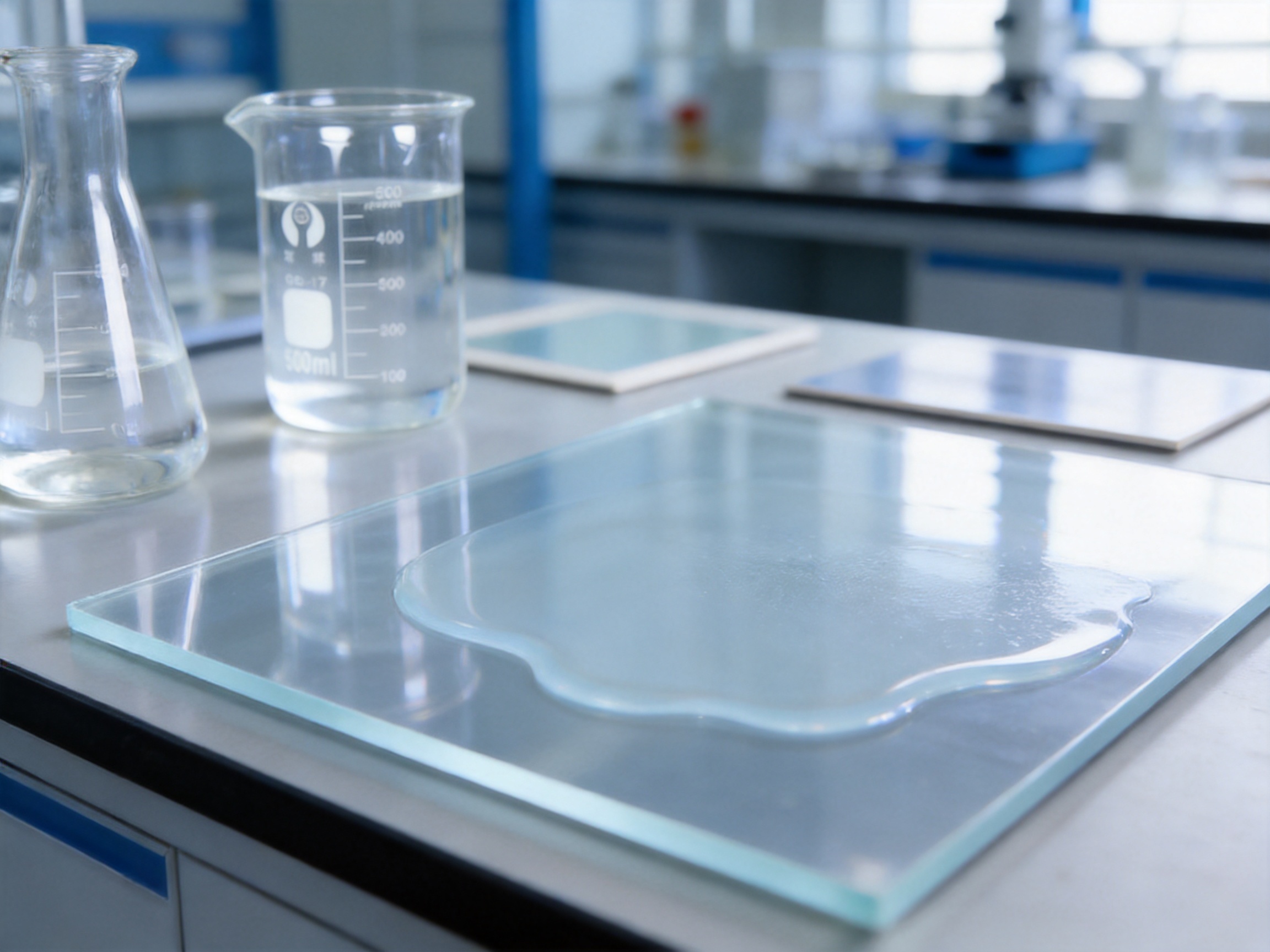
Application in Architectural Coatings
Architectural coatings require both aesthetic quality and practical application tolerance. A wall paint may be applied by brush, roller, or spray under variable jobsite conditions. Substrates can include plaster, cement, gypsum board, old paint films, textured surfaces, or repair patches. Temperature and humidity can vary greatly. Under these conditions, poor leveling can produce brush lines, roller marks, lap marks, blotchy gloss, uneven matte appearance, edge shrinkage, and visible film texture. These defects are highly noticeable on large wall areas, especially under side lighting.
When added to latex paints, the Leveling Agent helps eliminate brush and roller marks by improving the coating’s ability to flow after application. It reduces surface tension, helping the paint wet the substrate more uniformly and spread into a continuous film. In matte paints, gloss uniformity is particularly important because uneven surface texture can create visible patchiness even when color strength is consistent. By supporting smoother film formation, the additive helps create a more refined and uniform wall appearance.
Exterior wall coatings face additional challenges, including rain wash-off, sagging, dirt pickup, UV exposure, and weathering. A coating that levels poorly may create micro-roughness that catches dirt or allows water to accumulate unevenly. The Leveling Agent can help produce a more uniform surface, reducing the risk of visible defects and supporting improved wash resistance. In exterior formulations, it can also contribute to reduced sagging by helping the coating flow appropriately without uncontrolled movement.
Compared with ordinary wetting agents or low-cost surfactants, a silicone-based leveling agent can provide stronger surface tension reduction at lower addition levels. This can be beneficial because excessive surfactant loading may increase water sensitivity, foam, or migration problems. The product’s balanced surface activity allows architectural coating manufacturers to improve application appearance without compromising the formulation’s stability or film performance.
Application in Industrial Coatings
Industrial coatings often demand higher precision than general decorative coatings. Automotive coatings, metal coatings, machinery coatings, appliance coatings, and protective finishes require consistent gloss, smoothness, adhesion, and resistance to chemicals or weathering. Defects such as orange peel, craters, pinholes, fish eyes, air entrapment, and edge shrinkage can cause significant rework costs. In automotive finishes, even subtle surface irregularities can be unacceptable because the coating must deliver mirror-like reflection and uniform color depth.
The Leveling Agent is particularly valuable in automotive and high-end industrial finishes because it promotes gloss uniformity and surface smoothness. By reducing surface tension and balancing interfacial forces, it allows the coating to spread evenly and relax before curing. This helps reduce orange peel and spray texture, leading to a smoother finish. In clear coats, surface smoothness directly affects distinctness of image and gloss perception. In pigmented basecoats, uniform leveling helps prevent color irregularities and surface streaks.
Metal substrates can introduce challenges such as residual oil, uneven pretreatment, oxide layers, or surface energy variation. The additive’s interfacial migration helps suppress defects caused by such irregularities. When a coating encounters a low-energy contaminant, it may pull away and form a crater. A properly selected leveling agent reduces the surface tension of the coating so that it can better wet difficult areas and resist localized shrinkage.
Furniture and wood coatings represent another important industrial application. Wood is naturally porous and variable. Grain, pores, fibers, knots, and extractives can create uneven absorption and surface tension differences. In furniture coatings, the Leveling Agent can help mask wood grain marks, provide a delicate hand feel, improve surface smoothness, and support abrasion resistance through better film formation. In high-gloss wood finishes, leveling quality is crucial because any defect is amplified by reflection.
Application in Printing Inks
Printing inks require precise wetting and transfer behavior. In offset, gravure, flexographic, and packaging printing, the ink must spread uniformly, release from printing equipment properly, adhere to the substrate, and dry into a defect-free film. Surface tension mismatch can cause dot gain, smudging, streaking, air bubble marks, mottling, uneven color density, and poor edge definition. In flexible packaging, label printing, and decorative printing, even small defects can lead to product rejection.
In offset inks, the Leveling Agent improves ink layer spreading and helps prevent dot gain or smudging caused by uneven flow. In gravure and flexographic inks, it can eliminate streaks and air bubble marks by improving wetting and film uniformity. Packaging printing benefits from this effect because brand presentation depends heavily on consistent color and clean surface appearance. A smooth ink film can also improve downstream processing, such as lamination or overcoating, provided the dosage and compatibility are properly controlled.
Compared with general surfactants, polyether modified polysiloxane leveling agents often provide lower surface tension and stronger surface orientation. This helps inks wet low-energy substrates such as plastic films, coated papers, and treated packaging materials. However, the additive must remain compatible with the ink vehicle and not interfere with adhesion or drying. The product’s balanced design helps address this challenge, giving formulators a tool for improving surface quality without unnecessary instability.
Application in Adhesives and Sealants
Adhesives and sealants are often judged by bond strength, elasticity, durability, and sealing performance, but surface quality also matters. During application, bubbles, streaks, ridges, and uneven wetting can reduce bond line integrity or create weak points. In sealants for windows, doors, construction joints, and industrial assemblies, a smooth cured surface improves appearance and reduces areas where dirt, moisture, or stress may concentrate.
The Leveling Agent helps reduce bubbles and streaks during application, allowing the adhesive or sealant layer to cover the substrate more evenly. Better wetting can improve contact between the adhesive and the substrate, supporting bonding performance. In sealants, improved flow helps create a smoother bead and more uniform surface after curing. This is particularly useful in applications where visible sealant lines must remain neat and durable.
For manufacturers, the additive’s compatibility is important because adhesive and sealant systems may contain fillers, plasticizers, tackifiers, silanes, catalysts, and rheology modifiers. An incompatible leveling agent can cause separation or surface oiling, while an overly strong silicone additive may interfere with adhesion. The product is designed to provide surface improvement while maintaining formulation stability when used appropriately.
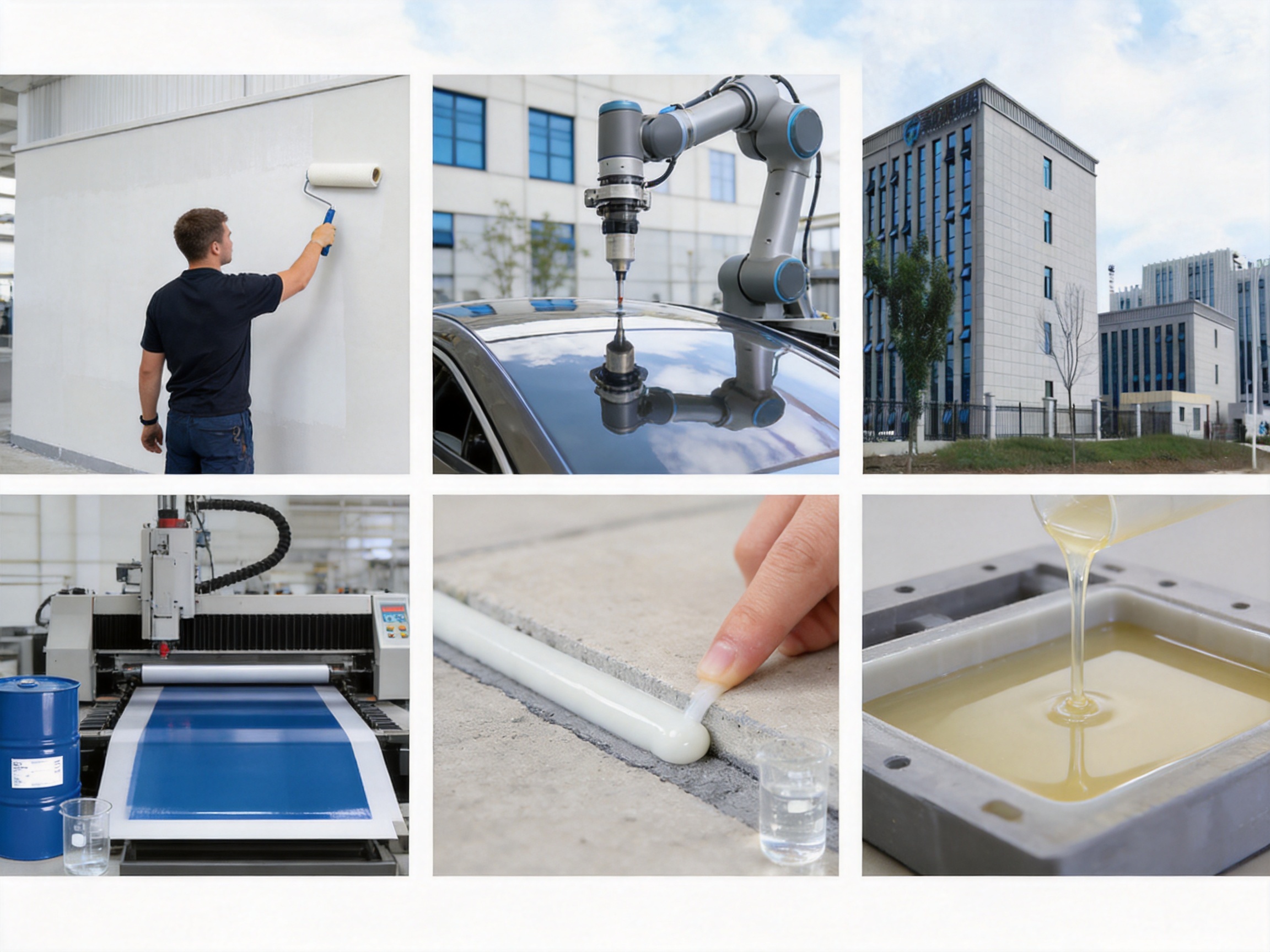
Application in Resins and Composites
Resins and composite materials require good flow into molds, compatibility between resin and fillers, and minimal air entrapment. In fiberglass, engineered stone, casting resins, and filled polymer systems, surface defects and internal bubbles can reduce both appearance and mechanical performance. A resin that does not flow properly may leave voids, dry spots, rough surfaces, or weak areas. Fillers may also disrupt flow and increase viscosity, making leveling more difficult.
The Leveling Agent improves compatibility between resin and fillers, promotes material flow, helps the resin fill molds more completely, and reduces surface defects and internal bubbles. This can enhance both appearance and structural reliability. In engineered stone, for example, uniform resin distribution influences surface finish and final strength. In fiberglass production, improved wetting and flow help reduce voids and support better reinforcement integration.
Composite manufacturers often operate under tight process windows. Gel time, viscosity, filler loading, temperature, and mold geometry all affect final quality. A high-performance leveling agent helps broaden processing tolerance by improving flow and surface wetting. This can reduce scrap, improve consistency, and support higher production efficiency.
Manufacturing Strength Behind the Product
A leveling agent’s performance depends not only on chemical design but also on manufacturing consistency. Small variations in molecular structure, impurity level, active content, moisture, or residual raw materials can significantly alter surface activity. Hebei Guituo New Material Co., Ltd. supports this product through a comprehensive manufacturing and quality assurance system. The company is a high-tech enterprise integrating research and development, production, and sales, with technology as its core driving force.
The company has established advanced production equipment and precise testing facilities to support stable product quality. Modern silicone additive production requires accurate control of reaction conditions, raw material purity, temperature, mixing, catalyst behavior, purification, and post-treatment. The company’s production process emphasizes full-process quality monitoring, from the production source to finished product delivery. This helps ensure that each batch meets internal standards and customer requirements.
An experienced technical and production team is another important strength. Additive manufacturing is not only a mechanical process; it requires deep understanding of silicone chemistry, surfactant behavior, formulation compatibility, and application performance. The team’s professional skills allow the company to support customers in selecting suitable products, optimizing dosage, and addressing application challenges. This service capability is a major advantage over suppliers that only sell standard products without formulation support.
The company’s product matrix covers silicone additives, wetting agents, modified silicone oil, dimethyl silicone oil, surfactants, defoamers, and other series. This broad technical platform allows cross-functional development. For example, knowledge gained from agricultural silicone synergists can support understanding of wetting and spreading; experience in defoamers can help balance leveling without foam stabilization; expertise in modified silicone oil can guide compatibility improvement. Such integration strengthens the development of reliable leveling agents.
Stable supply is another competitive advantage. Coating and ink manufacturers require dependable delivery because additive shortages can interrupt production. The company’s manufacturing base and quality system support stable supply for domestic and overseas customers. Its products are exported to markets such as Europe and Southeast Asia, where customers have recognized stable performance and reliable quality. Continuous repeat purchases indicate practical confidence in the company’s production consistency.
Quality Control and Testing Philosophy
High-performance leveling agents must be evaluated through both chemical testing and application testing. Chemical identity and purity are essential, but the final measure of success is how the additive performs in real formulations. A robust quality control program may include appearance inspection, active content measurement, viscosity testing, compatibility screening, surface tension evaluation, storage stability, and application film assessment. The company’s precise testing facilities and full-process quality monitoring are designed to support this level of control.
Batch-to-batch consistency is especially important for customers using automated production. If an additive’s activity changes, the same dosage may produce different results: one batch may level well, while another may cause craters or poor adhesion. A high-purity product with controlled manufacturing helps reduce such risks. This is one reason why the Leveling Agent can offer advantages over lower-cost competitors that may not maintain the same level of process discipline.
Compatibility testing is another key quality concern. A leveling agent may need to work with acrylic, alkyd, polyurethane, epoxy, polyester, fluorocarbon, waterborne, solvent-based, UV-curable, or hybrid systems. It may also encounter pigments, fillers, dispersants, defoamers, and rheology modifiers. Proper testing helps identify suitable dosage ranges and avoid negative interactions. The company’s technical background in multiple silicone and surfactant product families supports this practical formulation approach.
Application testing can include drawdown panels, spray panels, brush application, roller application, gloss measurement, orange peel evaluation, crater testing, surface smoothness observation, and aging studies. These tests help determine whether the additive improves the final film under realistic conditions. In many cases, the best leveling agent is not the one with the lowest possible surface tension, but the one that delivers balanced wetting, flow, compatibility, and long-term film reliability.
Formulation Considerations for Effective Use
Although leveling agents are powerful, their performance depends on correct formulation. Dosage should be optimized according to resin type, solvent or water content, pigment volume concentration, viscosity, application method, drying speed, substrate surface energy, and target appearance. Too little additive may not adequately control surface defects. Too much may cause excessive surface activity, intercoat adhesion issues, foam stabilization, haze, or slip. The recommended approach is to begin with laboratory screening and adjust based on final performance.
Viscosity has a strong influence on leveling. In high-viscosity coatings, the additive must help flow without causing sagging. In low-viscosity coatings, it must improve spreading while preventing defects such as cratering or edge crawling. Rheology modifiers and thickeners can interact with leveling behavior, so they should be considered together. A coating with excellent surface tension control but poor rheology may still show sagging, while a coating with strong rheology but poor surface wetting may show brush marks or craters.
Drying and curing speed also matter. If a coating dries too quickly, there may be insufficient time for leveling. The additive can help extend practical open time by supporting flow, but it cannot fully compensate for an excessively fast solvent blend or unsuitable environmental conditions. Temperature and humidity should be controlled where possible. High humidity may slow water evaporation and affect film coalescence, while very high temperature may accelerate drying and reduce leveling time.
Substrate preparation remains essential. A leveling agent can improve wetting and reduce defects caused by minor surface energy variation, but it should not be used as a substitute for proper cleaning, sanding, degreasing, or pretreatment. Oil contamination, dust, silicone contamination from other sources, or unstable old coatings may still cause defects. The best results occur when the additive is used as part of a complete formulation and process control strategy.
Why Silicone-Polyether Chemistry Matters
Polyether modified polysiloxanes are widely used because they combine the low surface tension of silicone chemistry with the compatibility-enhancing properties of polyether chains. The silicone backbone tends to migrate to the surface and reduce surface energy, while the polyether portion improves interaction with polar components and helps the additive disperse more evenly. This structure can be adjusted to suit different systems, making it useful in waterborne, solvent-based, and other coating formulations.
Compared with non-silicone leveling agents, silicone-polyether additives often provide stronger performance at lower dosage levels. They can be especially effective in difficult substrates or high-gloss systems where small surface tension differences create visible defects. Compared with unmodified silicone oils, polyether modified types generally offer better compatibility and lower risk of separation or surface oiling. This makes them more practical for modern formulations that demand both high appearance quality and stable storage.
The Leveling Agent’s identity as Polyether Modified Polysiloxane helps explain its broad application potential. It is not merely a surface wetting aid; it is a multifunctional surface control additive. It can help with wetting, spreading, leveling, flow, defect suppression, gloss uniformity, and surface smoothness. This multifunctionality makes it attractive for manufacturers seeking to simplify formulations and reduce the number of additives required.
Economic and Production Benefits
Using a high-performance leveling agent can create economic value beyond improving appearance. Surface defects often lead to rework, scrap, customer complaints, additional sanding, recoating, polishing, or production delays. In automotive coatings, furniture finishes, and industrial coatings, rework costs can be substantial. In printing, defective ink films can waste substrate, ink, labor, and machine time. In composites, voids and surface defects may reduce product grade or require repair. By reducing these defects, the Leveling Agent contributes to higher yield and better productivity.
Another economic advantage is formulation efficiency. Because silicone-polyether leveling agents can be effective at relatively low levels, they may deliver strong performance without significantly increasing total formulation cost. Low-cost additives may appear attractive initially, but if they require higher dosage, cause instability, or increase defect rates, the real cost can be higher. A stable and efficient additive can reduce hidden costs and improve manufacturing reliability.
Consistency also reduces production risk. When a manufacturer uses an additive from a supplier with strong quality control, fewer unexpected adjustments are needed. This is particularly important for companies producing coatings at scale or supplying customers with strict specifications. Reliable additive performance supports predictable manufacturing, easier quality approval, and smoother customer relationships.
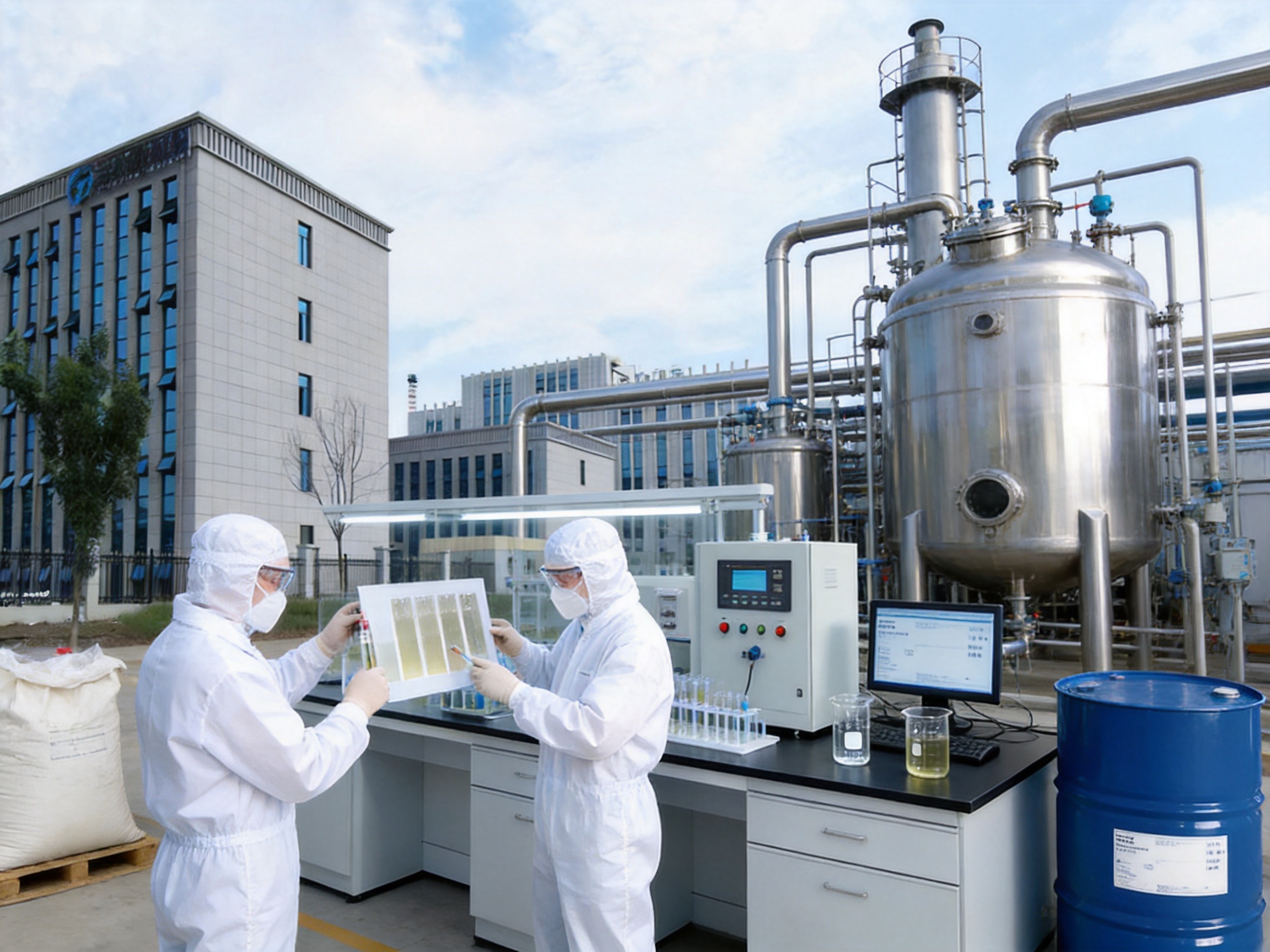
Company Strengths Supporting Customer Success
Hebei Guituo New Material Co., Ltd. has developed a diverse product matrix and serves multiple fields, including agriculture, daily chemicals, electronics, textiles, coatings, and other industrial applications. This broad market experience is valuable because surface activity, wetting, spreading, defoaming, and compatibility are common challenges across many industries. The company’s expertise in organosilicon additives and surfactants provides a strong technical base for the Leveling Agent.
The company accepts OEM and ODM orders, which is important for customers with specialized needs. Coating manufacturers may require tailored additives for specific resin systems, regulatory preferences, performance targets, or regional application conditions. OEM and ODM capability allows the supplier to participate more deeply in customer product development rather than only providing off-the-shelf materials. This flexibility can help customers create differentiated coating products in competitive markets.
The company also emphasizes advanced domestic-level performance in agricultural silicone products and has earned recognition from leading agrochemical enterprises. While agricultural additives are different from paint leveling agents, the underlying expertise in silicone wetting and spreading is directly relevant. High-performance agricultural silicone synergists must reduce surface tension dramatically, improve coverage, and remain stable in complex formulations. This technical knowledge strengthens the company’s ability to design and manufacture effective coating additives.
International market recognition further supports confidence. Products exported to Europe and Southeast Asia must satisfy customers who evaluate performance, consistency, supply reliability, and technical service. Repeat purchases from overseas markets suggest that the company’s products can meet practical application requirements across different environments. For customers seeking a stable supply partner, this global experience is a meaningful advantage.
Comparison with Common Competitor Limitations
In the paint additive market, competitor products may vary widely in quality. Some inexpensive leveling agents provide limited surface tension reduction and require high dosage. Others reduce tension effectively but cause foam, haze, surface slip, or poor recoating. Some are sensitive to resin type and perform inconsistently across waterborne and solvent-based systems. Some suppliers lack technical support, leaving customers to solve compatibility problems alone.
The Leveling Agent offers advantages by combining rapid surface tension reduction, interfacial migration, flow improvement, compatibility, and stability. Its high purity and controlled manufacturing help reduce unwanted variation. Its silicone-polyether structure supports both surface activity and formulation integration. Its supplier’s technical background and manufacturing strength provide additional assurance. These factors create a more complete value proposition than products evaluated only by price.
Another competitor limitation is poor long-term stability. Additives that appear clear after mixing may separate after storage or under temperature changes. They may also migrate excessively after film formation, causing surface defects, contamination, or adhesion issues. A carefully designed leveling agent must remain stable in the container and perform properly during application and curing. The company’s full-process quality monitoring and testing philosophy help reduce these risks.
Competitors may also offer limited customization. Modern coatings are increasingly specialized: low-VOC waterborne systems, high-solids coatings, UV-curable coatings, powder coating-related liquid systems, industrial protective coatings, and specialty inks all have different needs. A supplier with R&D and OEM/ODM capability can help adapt solutions to specific conditions. This is a major advantage for customers seeking long-term technical collaboration.
Practical Performance Indicators
When evaluating a leveling agent, formulators should look beyond basic claims and assess measurable performance. Key indicators include surface tension reduction, wetting behavior, drawdown smoothness, crater resistance, gloss uniformity, orange peel reduction, brush mark elimination, roller mark leveling, compatibility with resin and pigments, storage stability, foam behavior, and influence on adhesion or curing. The Leveling Agent is designed to support strong performance across these indicators.
For architectural coatings, practical indicators include smoother roller application, fewer lap marks, uniform matte gloss, reduced wall blotchiness, and better surface appearance after drying. For industrial coatings, indicators include mirror-like smoothness, reduced orange peel, improved gloss consistency, and fewer craters or pinholes. For printing inks, indicators include uniform ink film, reduced streaks, fewer bubbles, and cleaner color appearance. For adhesives and sealants, indicators include smooth bead formation, reduced air marks, and improved substrate coverage. For composites, indicators include improved mold filling, fewer surface voids, and enhanced appearance.
Because every formulation is different, testing should be performed under realistic application conditions. Laboratory drawdowns are useful, but spray application, roller application, printing trials, or production-scale tests provide deeper insight. Dosage should be adjusted carefully, and performance should be evaluated after storage as well as immediately after formulation. The company’s technical team can support this kind of optimization for customers seeking stable commercial results.
Q&A Section
What is a leveling agent?
A leveling agent is a coating additive used to improve the flow, spreading, and surface uniformity of paints, inks, adhesives, sealants, resins, and related liquid systems. It reduces surface tension and helps the applied film smooth out before drying or curing.
How does this Leveling Agent improve coating appearance?
It quickly reduces surface tension, balances interfacial tension differences, promotes surface migration, and improves flow. These actions help prevent defects such as pinholes, orange peel, craters, brush marks, roller marks, streaks, bubbles, and uneven gloss.
What is the chemical type of the product?
The product is identified as Polyether Modified Polysiloxane. This chemistry combines silicone surface activity with polyether-based compatibility, making it suitable for improving wetting and leveling in a variety of coating and ink systems.
What is the product model?
The product model is LD-820, described as a flow leveling agent with a listed purity of 99.8%.
Which industries can use this product?
It can be used in architectural coatings, industrial coatings, automotive coatings, furniture and wood coatings, printing inks, adhesives, sealants, resins, fiberglass, engineered stone, and composite materials.
How does it compare with ordinary surfactants?
Ordinary surfactants may improve wetting but often lack strong leveling performance or may create foam and water sensitivity. This silicone-polyether Leveling Agent provides efficient surface tension reduction, surface migration, and improved film smoothness, often at lower dosage levels.
Can it improve gloss uniformity?
Yes. By helping the coating form a smoother and more even film, it can reduce gloss variation and improve the visual consistency of matte, semi-gloss, and high-gloss coatings.
Does it affect drying time?
Leveling agents can influence drying behavior because they improve flow during the open time of the coating. In some formulations, a slight effect on drying or curing may occur, so dosage should be optimized through testing.
Is compatibility important?
Yes. A leveling agent must be compatible with resins, pigments, fillers, defoamers, thickeners, surfactants, and other additives. Good compatibility helps avoid turbidity, phase separation, precipitation, surface oiling, and adhesion problems.
Why is manufacturing quality important for this additive?
Small changes in additive composition can cause large differences in surface performance. Advanced production equipment, precise testing facilities, and full-process quality monitoring help ensure consistent batch quality and reliable coating results.
Can the product help reduce production costs?
Yes. By reducing defects, rework, scrap, polishing, recoating, and customer complaints, a high-performance leveling agent can improve production efficiency and lower hidden manufacturing costs.
Can customized solutions be provided?
Hebei Guituo New Material Co., Ltd. accepts OEM and ODM orders, allowing customers to seek tailored additive solutions for specific systems, application methods, and performance requirements.
Conclusion
The Leveling Agent is a high-performance paint additive designed to solve one of the most visible and costly problems in coatings and related materials: poor surface quality. By regulating surface tension, promoting interfacial migration, improving flow, and maintaining compatibility, it helps coatings, inks, adhesives, sealants, resins, and composites form smoother, more uniform, and more attractive surfaces. Its technical identity as Polyether Modified Polysiloxane gives it a valuable balance of strong surface activity and practical formulation compatibility.
Compared with many conventional competitors, the product offers a broader and more balanced performance profile. It can reduce pinholes, orange peel, craters, shrinkage, brush marks, roller marks, streaks, bubbles, and gloss inconsistency while supporting stable formulation behavior. Its high purity, listed as 99.8%, supports consistent performance and reduces risk caused by impurities or batch variation. For manufacturers of architectural coatings, industrial coatings, printing inks, adhesives, sealants, and composite materials, this translates into better appearance, fewer defects, improved production yield, and stronger product competitiveness.
The product’s value is further strengthened by the manufacturing capabilities of Hebei Guituo New Material Co., Ltd. The company’s advanced production equipment, precise testing facilities, experienced technical team, full-process quality monitoring, broad silicone additive portfolio, export experience, and OEM/ODM capability provide a reliable foundation for customer success. In a market where surface quality and production stability are essential, choosing a technically sound Leveling Agent from a capable manufacturer can make a measurable difference in final product performance.
References
1. Wicks, Z. W., Jones, F. N., Pappas, S. P., and Wicks, D. A. Organic Coatings: Science and Technology. Wiley-Interscience.
2. Lambourne, R., and Strivens, T. A. Paint and Surface Coatings: Theory and Practice. Woodhead Publishing.
3. Bieleman, J. Additives for Coatings. Wiley-VCH.
4. Müller, B., and Poth, U. Coatings Formulation: An International Textbook. Vincentz Network.
5. Koleske, J. V. Paint and Coating Testing Manual. ASTM International.
6. Tracton, A. A. Coatings Technology Handbook. CRC Press.
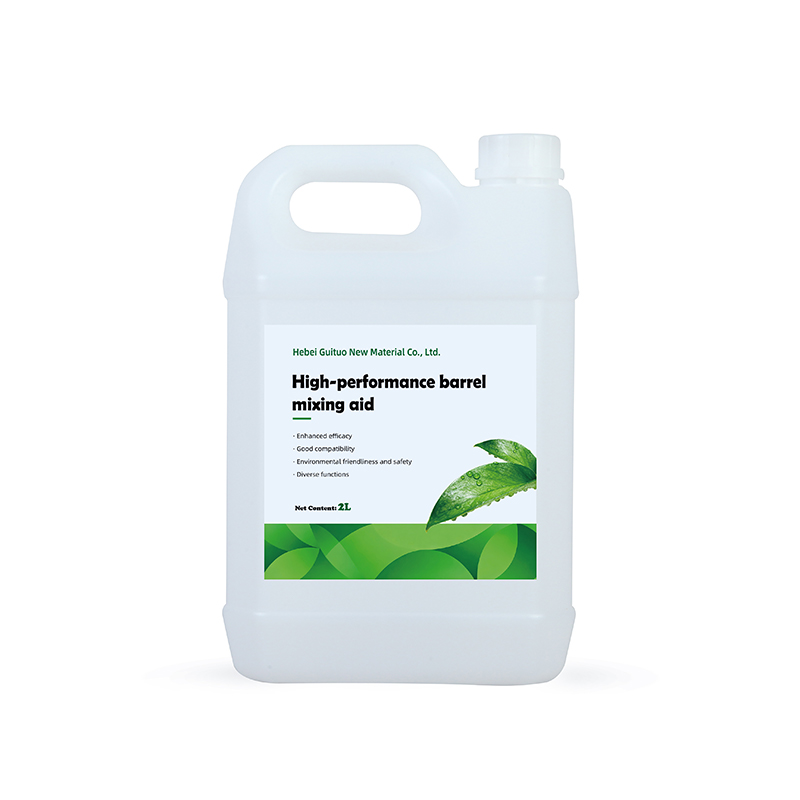
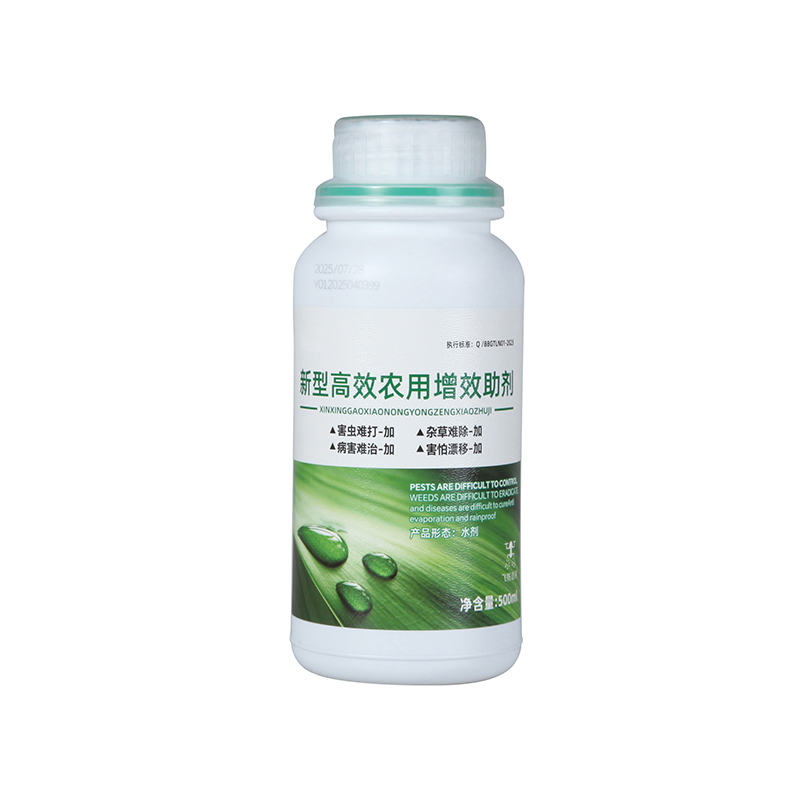
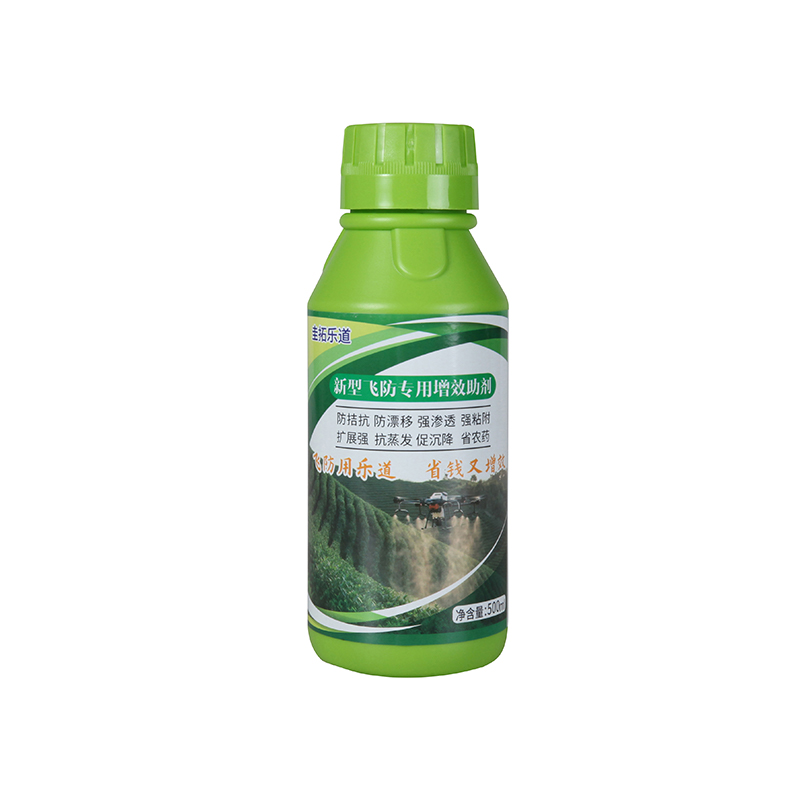
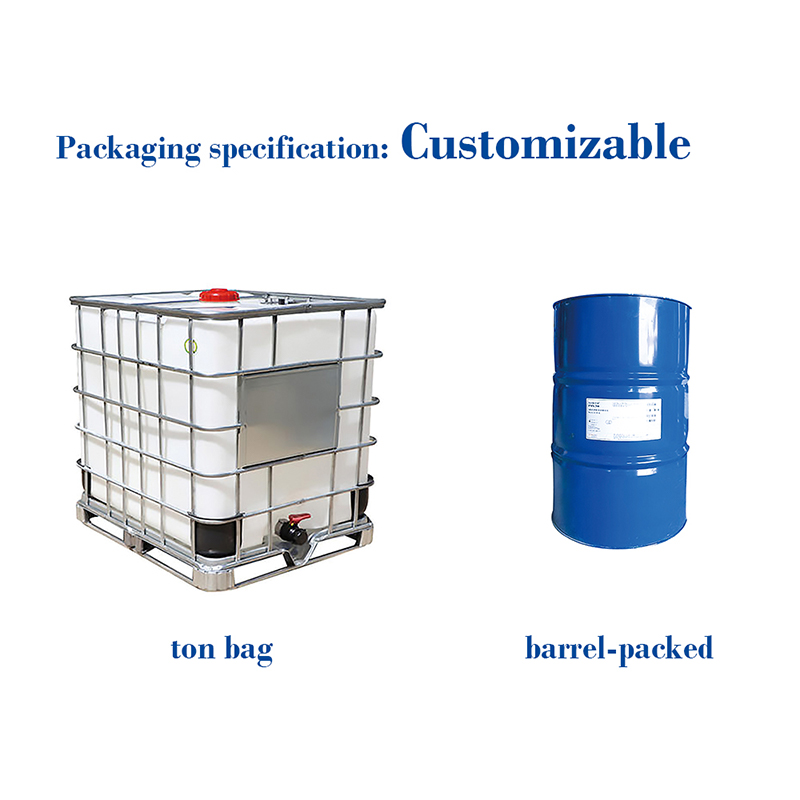
Product: Leveling Agent


Contact Information
Tel : +86-400-138-5268
Email : [email protected]
Phone : +86-15128434888 / +86-13511051998
Add : Xinqiao Environmental Protection Industrial Park, Wen'an County, Langfang City, Hebei Province, China
Contact Information
Copyright © Hebei Guituo New Material Co., Ltd. All Rights Reserved.
