

 English
  Français
  Português
 Home / Author / Chen Yuhan, After-sales Coordinator (OEM/ODM Silicone Products) / High-Efficiency Aerial Spraying Adjuvants for Better Coverage, Absorption, and Spray Stability
 High-Efficiency Aerial Spraying Adjuvants for Better Coverage, Absorption, and Spray Stability
2026-07-31
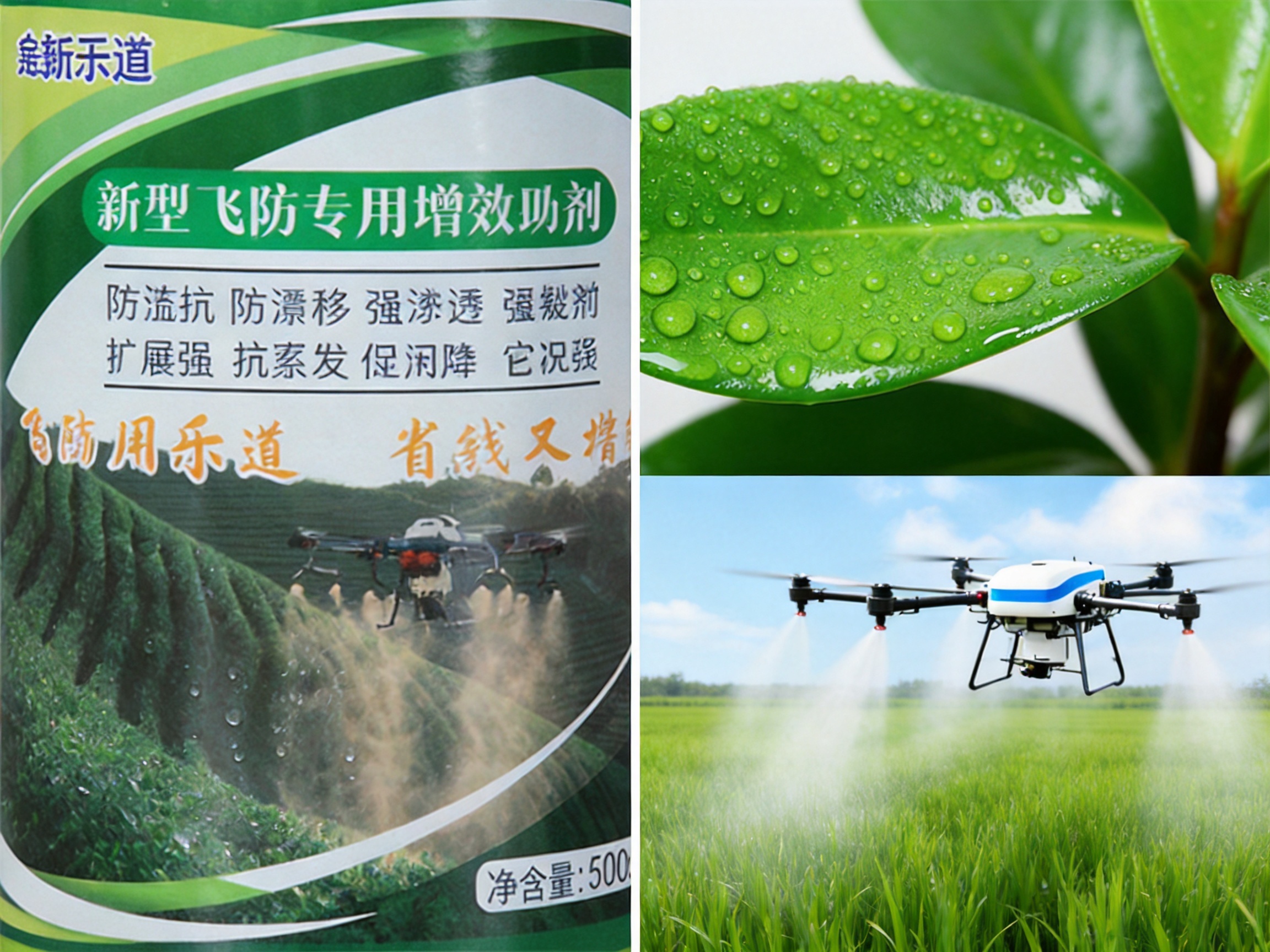
Modern agriculture increasingly depends on accurate, efficient, and adaptable crop-protection application. Plant-protection drones and other aerial spraying systems allow farmers and professional applicators to treat large areas quickly, reach difficult terrain, and respond rapidly to pest and disease pressure. However, aerial application also presents special technical challenges. Droplets may dry rapidly in hot weather, drift away from the target area, bounce from waxy leaves, or fail to remain on foliage long enough for the active ingredient to be absorbed.
GT-9100 New High-Efficiency Aerial Spraying Dedicated Enhancing Adjuvants are formulated to address these challenges. This specialized agricultural silicone synergist is based on polyether-modified trisiloxane technology and is designed to improve the performance of spray mixtures used in drone and aerial applications. Its functional profile combines strong adhesion, anti-evaporation performance, enhanced absorption, drift reduction, and de-flocculation.
Rather than serving as a simple wetting agent, GT-9100 is intended to support the complete spray process, from tank mixing and droplet formation to leaf deposition, spreading, retention, and active-ingredient uptake. It can help improve spray utilization by 30%–50% and improve control efficacy by an average of 20% under suitable application conditions. Actual results depend on the pesticide, crop, weather, application equipment, dosage, water quality, and compliance with the pesticide label.
The product is manufactured and supplied by Hebei Guituo New Material Co., Ltd., a high-tech enterprise focused on the research, production, and application of high-end silicone materials. The company’s product portfolio includes silicone additives, wetting agents, modified silicone oils, dimethyl silicone oils, surfactants, defoamers, and related materials for agricultural, textile, electronics, daily chemical, and industrial applications.
Why Aerial Spraying Requires a Specialized Adjuvant
Aerial spraying is not simply a smaller version of ground spraying. The aircraft or drone typically operates at a different height, uses different nozzle systems, produces a different droplet spectrum, and carries a relatively limited spray volume. These conditions make spray quality highly dependent on formulation behavior.
When a spray droplet reaches a plant leaf, several events must occur in a short period. The droplet must contact the target surface, spread across an appropriate area, resist bouncing or runoff, remain stable long enough to support absorption, and deliver the active ingredient to the intended biological target. A droplet that evaporates before spreading or rolls off the leaf may provide little practical value, even if the pesticide itself is highly effective.
Plant surfaces also vary considerably. Some leaves are covered with wax, fine hairs, or irregular textures that reduce wetting. Others are angled, narrow, or partially hidden within the crop canopy. Under dry or windy conditions, the risk of evaporation and drift increases. Under high-volume conditions or on smooth leaves, runoff can remove valuable spray from the target.
Aerial-specific adjuvants are therefore expected to perform several functions at the same time. They should lower surface tension sufficiently to improve spreading, maintain suitable droplet behavior, promote adhesion, reduce unnecessary evaporation, and remain compatible with the pesticide formulation. GT-9100 is designed around this multi-function requirement.
Product Overview and Technical Profile
GT-9100 is a silicone surfactant and polyether-modified trisiloxane used as a crop-protection spray adjuvant. Its formulation is intended for aerial spraying applications, particularly plant-protection drone operations where spray volume, droplet behavior, and application efficiency are critical.
| Property | Specification | Application Significance |
|---|---|---|
| Product model | GT-9100 | Identification for aerial spraying enhancing adjuvant |
| Product name | New High-Efficiency Aerial Spraying Dedicated Enhancing Adjuvants | Specialized support for aerial crop-protection spraying |
| CAS number | 27306-78-1 | Reference for material identification |
| EINECS number | 608-078-3 | Reference for regulatory and technical documentation |
| Purity | 99.8% | High material consistency for formulation development |
| Synonyms | Silicone surfactant; polyether-modified trisiloxane | Indicates the principal chemical technology |
| Viscosity at 25°C | 30–50 mm²/s | Supports handling, dosing, and blending |
| Surface tension at 0.1% by weight | Less than 20.5 mN/m | Promotes spreading and wetting of plant surfaces |
| Cloud point at 1.0% by weight | Not more than 35°C | Important for formulation behavior and temperature management |
| pH value of 1% aqueous solution at 25°C | 6.5–7.5 | Near-neutral profile for formulation and application evaluation |
These specifications provide a technical basis for product selection, quality control, and compatibility evaluation. In commercial pesticide formulations, the adjuvant should always be assessed together with the active ingredient, co-formulants, carrier water, application rate, and intended crop.
Five Core Functions of GT-9100
Strong Adhesion and Improved Leaf Retention
Strong adhesion is one of the most important characteristics of an aerial spray adjuvant. Aerial droplets may land on leaves at relatively high velocity or at an angle that encourages bouncing. Smooth, waxy, or vertically oriented foliage can also make it difficult for droplets to remain in place.
GT-9100 helps the spray mixture interact more effectively with the plant surface. By improving wetting and contact, it can reduce the tendency of droplets to bounce or roll away. Better retention allows the active ingredient to remain on the treated surface for a longer period, increasing the opportunity for absorption and biological action.
Improved adhesion is especially useful when the crop canopy is dense, the leaves are difficult to wet, or the application must be completed quickly. It may also reduce the loss of spray caused by light rain or surface movement, although no adjuvant can eliminate weather-related wash-off under heavy rainfall.
Anti-Evaporation Performance
Small aerial droplets have a relatively high surface-area-to-volume ratio. In hot, dry, or low-humidity conditions, they may lose water rapidly during flight or shortly after reaching the crop. Rapid drying can limit spreading and may leave an uneven deposit on the leaf.
GT-9100 is designed to slow droplet drying and support more stable deposition. By extending the effective wetting period, it gives the spray mixture additional time to spread across the leaf surface and interact with the plant cuticle. This feature is valuable in regions where aerial spraying is performed under high temperatures, strong sunlight, or low relative humidity.
Anti-evaporation performance should be considered as part of a complete application strategy. Applicators should still select suitable spraying times, monitor temperature and humidity, and follow the recommended droplet size and operating parameters for the pesticide and equipment.
Enhanced Absorption and Penetration
Many plant leaves have a waxy cuticle that can slow the movement of active ingredients into plant tissues. If the spray remains as isolated droplets, only a limited area of the leaf may receive effective contact. A suitable silicone adjuvant can reduce surface tension, increase spreading, and help establish a more uniform film.
GT-9100 has a surface tension of less than 20.5 mN/m at 0.1% by weight. This low surface-tension profile helps the spray solution cover more of the available leaf area. Better coverage can increase the contact between the active ingredient and the plant surface, while the modified silicone structure supports the wetting and penetration behavior of the spray mixture.
Enhanced absorption does not mean that every pesticide will penetrate every crop in the same way. Active ingredients differ in polarity, formulation type, mode of action, and recommended use conditions. For this reason, jar testing, small-area testing, and label compliance remain essential before broad application.
Drift Reduction and More Efficient Spray Utilization
Drift is a major concern in aerial spraying. Uncontrolled movement of droplets can reduce the amount of product reaching the target and may create risks for nearby crops, water bodies, beneficial organisms, workers, and surrounding communities. Wind speed, droplet size, nozzle design, flight height, temperature, humidity, and formulation properties all influence drift.
GT-9100 is designed to help lower drift risk by improving droplet behavior and deposition. Better adhesion and more controlled wetting can increase the proportion of spray that remains on the intended foliage. The product should be used as part of an integrated drift-management program rather than as a replacement for responsible operating procedures.
When used with suitable equipment settings, the product may improve pesticide utilization by 30%–50%. This potential improvement can help reduce unnecessary losses and may lower the cost per treated area. However, application rates must not be reduced automatically. Any reduction in pesticide dosage must be supported by the product label, local regulations, agronomic recommendations, and field validation.
De-Flocculation and Improved Tank-Mix Stability
Some pesticide mixtures may form flocculates, agglomerates, sediment, or other unstable structures after dilution. These problems can be caused by water hardness, pH, temperature, incompatible formulation types, insufficient agitation, or incorrect mixing order. An unstable tank mixture may produce uneven application and can increase the risk of blocked filters or nozzles.
GT-9100 provides a de-flocculation function that helps break down existing pesticide flocculants and restore more uniform formulation behavior. This can support consistent spraying and improve the distribution of the active ingredient throughout the tank.
De-flocculation performance does not replace a proper mixing procedure. The applicator should read the pesticide label, use clean water where possible, maintain agitation, perform a compatibility test, and add products in the recommended order. A small jar test is a simple and effective way to identify visible separation, precipitation, gel formation, or excessive foam before preparing a full tank.
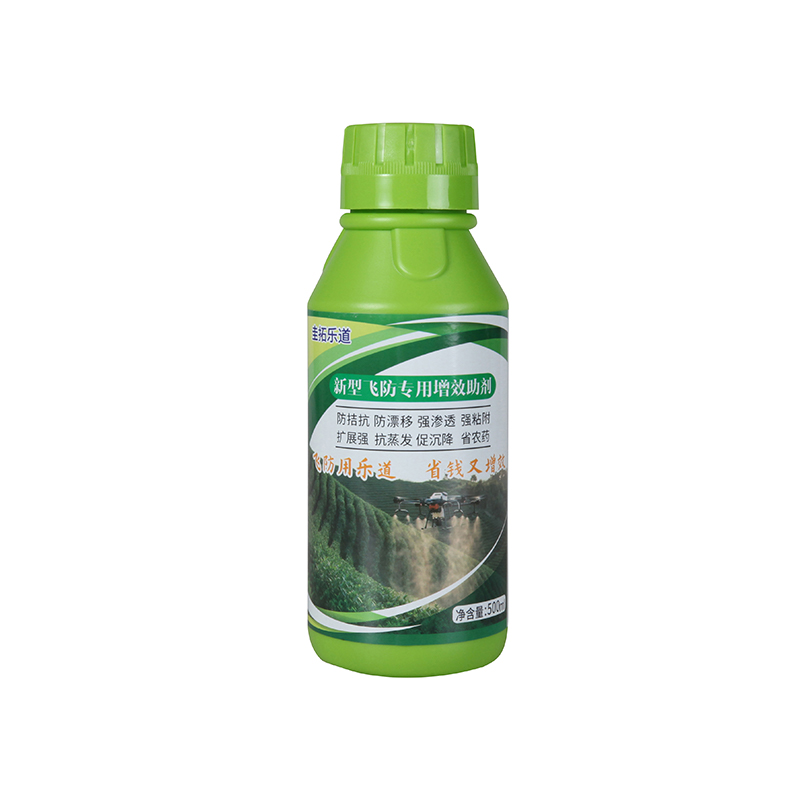
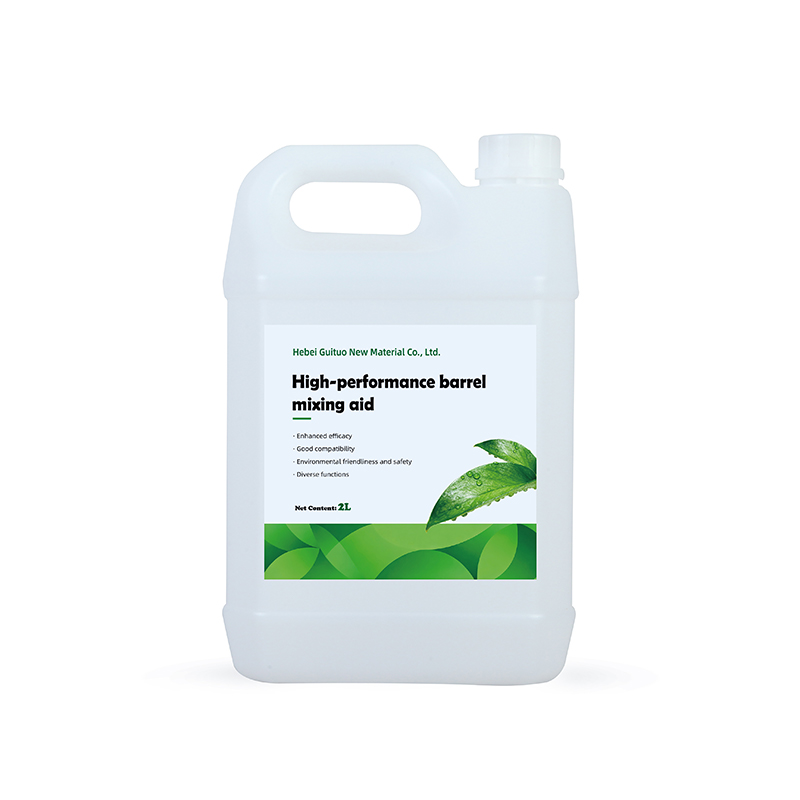
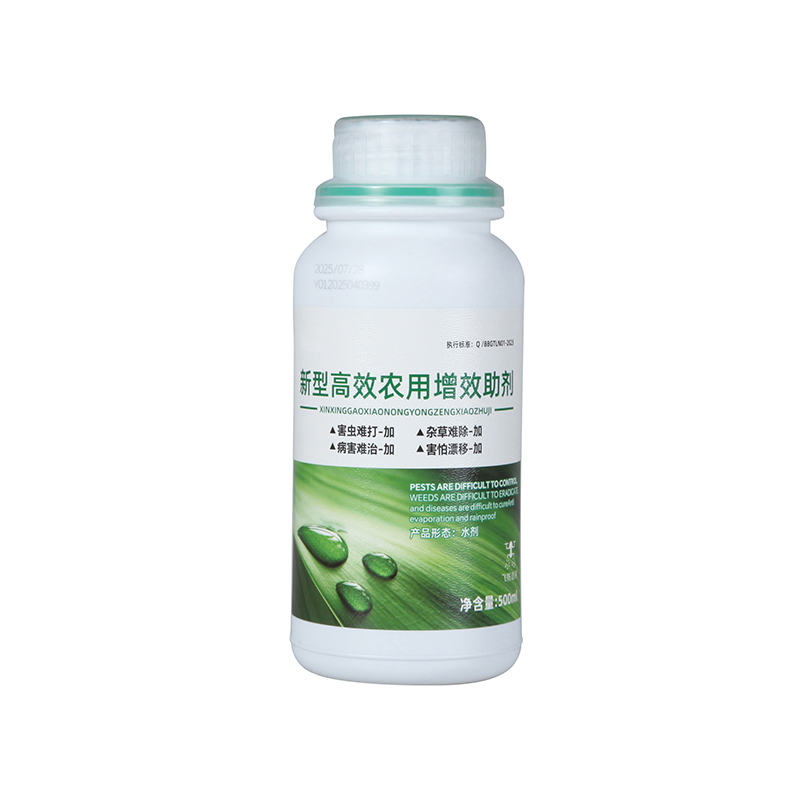
New High-Efficiency Aerial Spraying Dedicated Enhancing Adjuvants
Advantages Compared with Conventional Spray Adjuvants
Conventional adjuvants may be designed primarily for one function, such as wetting, spreading, emulsification, or adhesion. These products can be useful in specific applications, but aerial spraying often requires a broader performance profile. GT-9100 combines several functions in one specialized material, helping formulators and applicators address multiple spray challenges without relying on a large number of separate additives.
One important advantage is the balance between low surface tension and practical handling properties. A very low surface tension can improve spreading, but excessive spreading may sometimes contribute to runoff or increase the risk of phytotoxicity on sensitive crops. The application rate must therefore be optimized for the specific pesticide and crop. GT-9100 is intended to provide effective wetting and spreading while also supporting adhesion and retention.
A second advantage is its focus on aerial application conditions. Ground-spraying products may not be optimized for low spray volumes, short flight times, or the droplet behavior associated with drone spraying. GT-9100 is positioned specifically for aerial spraying, with functions directed toward evaporation control, drift management, absorption, and tank-mix stability.
A third advantage is its potential to support more consistent results under challenging conditions. High temperatures, dry air, waxy leaves, and variable canopy structures can all reduce spray performance. A multi-functional silicone adjuvant helps the formulation respond more effectively to these conditions when combined with appropriate equipment and operating practices.
| Performance Area | Common Challenge | GT-9100 Contribution | Potential Operational Benefit |
|---|---|---|---|
| Wetting | Droplets remain concentrated or fail to cover leaf surfaces | Reduces surface tension and improves spreading | More uniform coverage |
| Adhesion | Droplets bounce, roll, or run off | Improves contact and retention on foliage | Less deposition loss |
| Evaporation | Small droplets dry quickly in hot, dry air | Supports slower drying and longer wetting time | Improved spray stability |
| Drift | Fine droplets move away from the target | Supports more controlled deposition | Better utilization and reduced off-target movement |
| Absorption | Leaf cuticles limit active-ingredient uptake | Improves spreading and surface interaction | More effective delivery to the plant surface |
| Tank stability | Flocculation or separation causes uneven spraying | Provides de-flocculation support | More uniform application and fewer equipment problems |
How the Product Supports the Aerial Spray Process
During Tank Preparation
The performance of an adjuvant begins before the spray leaves the tank. Water quality, temperature, pH, hardness, formulation type, and mixing order may influence the final spray mixture. GT-9100’s near-neutral pH profile in a 1% aqueous solution provides a useful basis for formulation evaluation, but compatibility must still be verified for each tank mix.
Applicators should first inspect the pesticide label and any technical instructions supplied by the manufacturer. Where recommended, the product should be diluted or added at the correct stage of mixing. Continuous agitation can help maintain uniformity, particularly when multiple products are present. If flocculation or separation is observed, the mixture should not be applied until the cause has been assessed.
During Droplet Formation
Nozzle selection and operating pressure determine much of the droplet spectrum. The adjuvant does not independently control droplet size, but it can influence the physical behavior of the liquid as it passes through the nozzle. This may affect atomization, spreading, and deposition. Equipment parameters should therefore be evaluated with the final spray mixture rather than with water alone.
For drone operators, calibration is particularly important. The application rate, flight speed, flight height, swath width, nozzle type, and flow rate should be matched to the crop and pesticide label. The addition of GT-9100 should be included in calibration checks because the liquid properties of the tank mixture may change.
After Droplet Contact
Once deposited, the droplet begins to spread and interact with the leaf. Low surface tension supports rapid wetting of complex surfaces, while adhesion helps keep the mixture in place. The anti-evaporation function can prolong the time available for spreading and uptake. These combined effects are intended to produce a more efficient deposit than a poorly wetted, rapidly drying, or easily displaced droplet.
The result is not simply a larger wet area. A well-designed spray deposit should provide a suitable balance between coverage, retention, drying behavior, and active-ingredient availability. This balance is one reason why a multi-functional aerial adjuvant can offer advantages over a single-purpose additive.
Applications in Modern Crop Protection
GT-9100 can be considered for crop-protection spray programs involving insecticides, fungicides, herbicides, and other compatible agricultural products. It may be particularly valuable where aerial application is used because of large field size, difficult terrain, narrow treatment windows, or the need to minimize crop disturbance.
In insect control, improved coverage may help the spray reach insects located on upper and lower leaf surfaces, depending on the crop structure and application method. In disease management, more uniform deposition can support the distribution of fungicidal products across susceptible plant tissues. In weed management, improved wetting and retention may support contact with leaf surfaces, although the effect depends strongly on weed species, leaf stage, waxiness, and herbicide chemistry.
For systemic products, enhanced wetting and absorption may support the movement of active ingredients into plant tissues. For contact products, uniform coverage and retention may be especially important because the product must remain on or near the target surface. In both cases, the adjuvant should be selected in accordance with the pesticide label and tested for crop safety.
The product may also be evaluated in integrated pest management programs. By improving the efficiency of an approved pesticide application, an adjuvant can help reduce unnecessary losses and potentially reduce repeated applications. It should be viewed as one component of an IPM strategy that also includes monitoring, threshold-based decisions, resistant varieties, biological controls, cultural practices, and responsible chemical use.
Manufacturing Strengths and Quality Assurance
The quality of an agricultural silicone adjuvant depends on more than the name of its chemical class. Consistent molecular structure, controlled modification, purity, viscosity, surface tension, pH, and storage stability all influence performance. Small variations can affect wetting, spreading, compatibility, and field behavior.
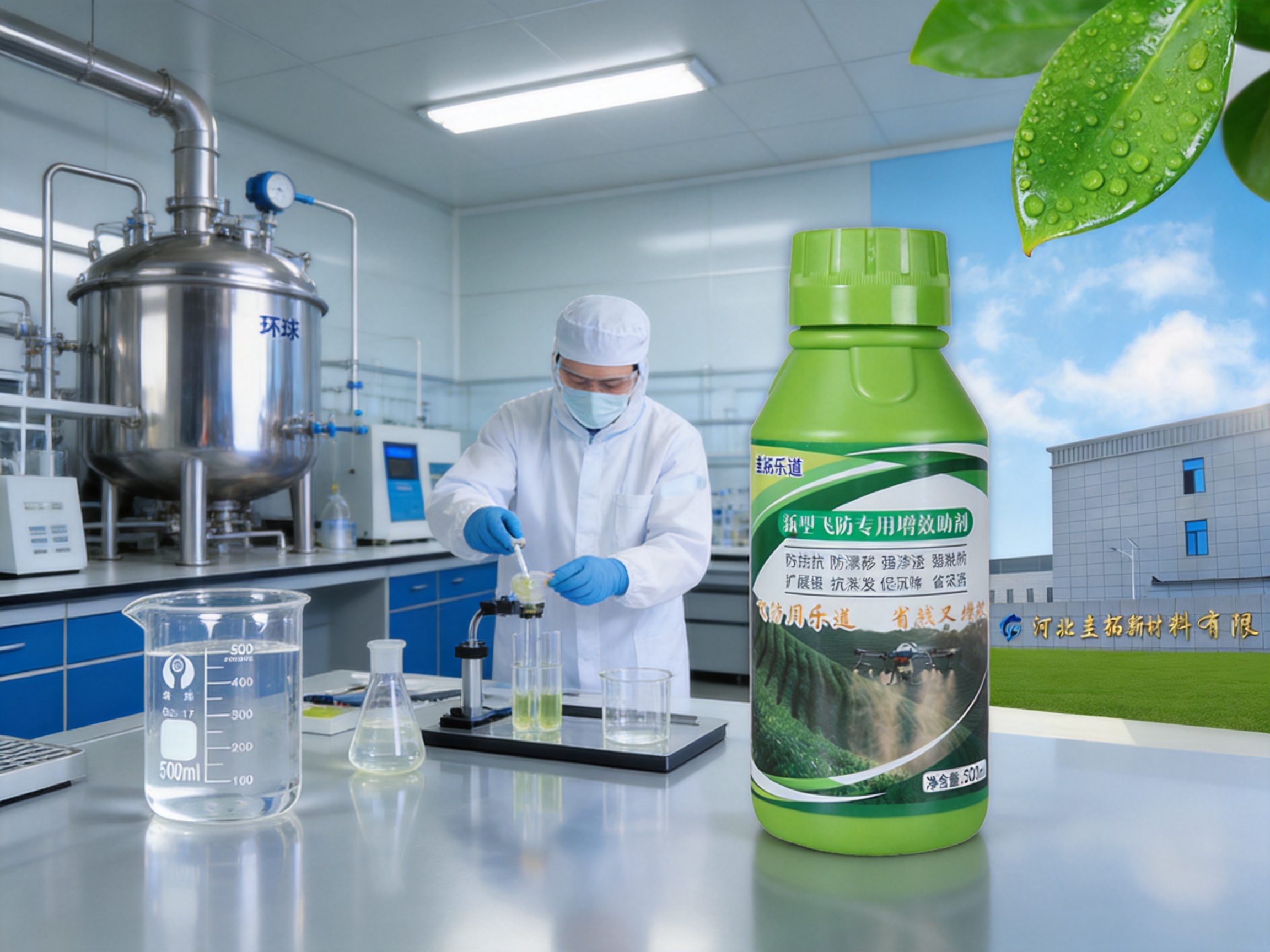
Hebei Guituo New Material Co., Ltd. has established a production and quality-assurance system covering research and development, manufacturing, testing, and delivery. The company is equipped with advanced production equipment and precision testing facilities. Its full-process quality monitoring mechanism is intended to control material quality from the production source through finished-product delivery.
The manufacturing process for polyether-modified silicone materials generally requires careful control of raw-material quality, reaction conditions, mixing, temperature, purification, and final blending. Process stability helps ensure that each batch delivers consistent performance. For customers formulating agricultural products, batch-to-batch consistency is essential because even moderate variation may affect the behavior of a finished pesticide formulation.
Quality control can include measurements of appearance, purity, viscosity, surface tension, cloud point, pH, moisture, and other customer-specific parameters. The exact testing program depends on the product specification and intended application. Reliable testing data also support technical documentation, incoming inspection, formulation development, and customer quality audits.
The company’s technical and production teams bring experience in silicone materials and their industrial applications. This combination of chemical knowledge, process management, and application support enables the company to respond to different customer requirements. In addition to standard products, the company accepts OEM and ODM orders, allowing customers to explore tailored specifications, packaging, concentration, and application formats.
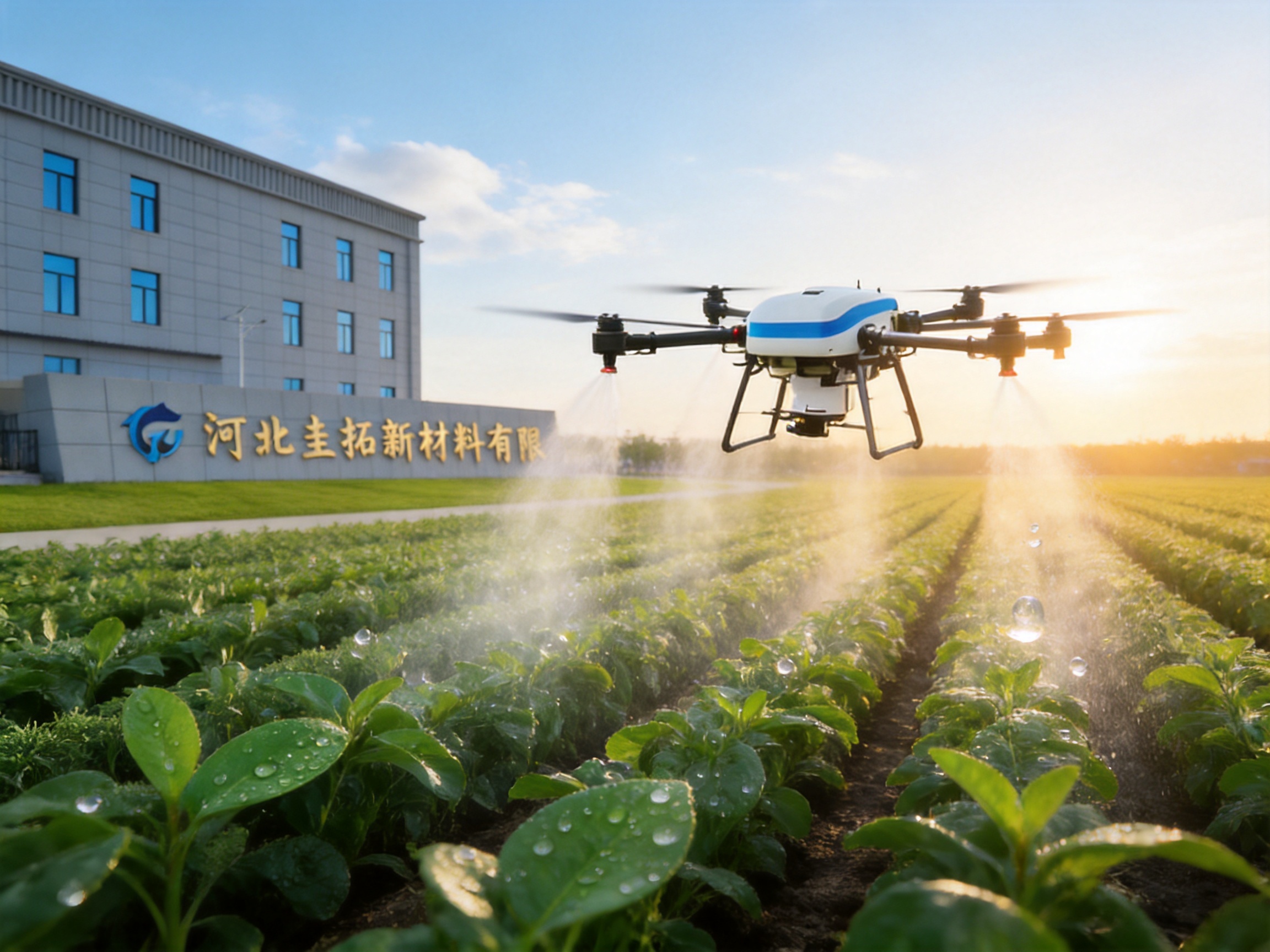
Research, Development, and Customization Capabilities
Agricultural formulation requirements vary from market to market. A product designed for a low-volume drone spray may need a different balance of wetting, retention, foam control, and compatibility from a product designed for conventional ground application. Water quality, crop species, climate, pesticide chemistry, and local regulations also influence the final formulation.
For this reason, technical collaboration is an important part of adjuvant supply. Customers may need help screening an adjuvant against a specific active ingredient, comparing different concentrations, evaluating storage stability, or adapting the product to a private-label formulation. A manufacturer with experience in modified silicone materials can support these evaluations more effectively than a supplier focused only on basic distribution.
OEM and ODM services can include product customization, packaging selection, labeling support, application-specific technical documents, and production according to approved specifications. Before commercial production, the customer and manufacturer should agree on quality standards, testing methods, batch release requirements, shelf-life expectations, and documentation.
The company’s broader product matrix also supports formulation development. Its portfolio includes agricultural silicone products, silicone additives, wetting agents, modified silicone oils, dimethyl silicone oils, surfactants, and defoamers. This range can make it easier to investigate synergistic combinations or select a material for a particular formulation challenge.
Practical Guidance for Product Evaluation
Compatibility Testing
Compatibility should be assessed before GT-9100 is introduced into a new pesticide program. A basic jar test can reveal visible incompatibility, but more detailed evaluation may be required for commercial formulation development. The test should use the same water source, concentration, product order, and temperature expected during actual use.
Important observations include precipitation, flocculation, layering, gel formation, excessive foam, heat generation, color change, and changes in viscosity. A mixture that appears stable immediately may still separate after standing or under temperature cycling. For high-value formulations, storage stability and accelerated aging tests should be performed.
Crop-Safety Testing
Silicone surfactants can significantly improve wetting and penetration. In some situations, excessive concentration or unsuitable environmental conditions may increase the risk of crop injury. The recommended use rate should therefore be determined through controlled testing rather than assumed from another product.
Crop-safety tests should consider the crop variety, growth stage, leaf condition, temperature, humidity, sunlight, pesticide concentration, and application volume. Initial trials should be conducted on a limited area. Applicators should follow the pesticide label, local agricultural regulations, and technical guidance from qualified professionals.
Equipment and Application Calibration
The final spray mixture should be evaluated using the actual drone, tank, pump, hose, filter, and nozzle system. Calibration should verify flow rate, spray volume per hectare, flight speed, operating height, swath width, and remaining tank volume. Filters and nozzles should be inspected before and after use.
Weather conditions should be recorded during application. Wind speed and direction, temperature, relative humidity, and the likelihood of rain can affect evaporation, drift, and deposition. GT-9100 can support application performance, but it cannot compensate for unsuitable weather or poor equipment calibration.
Application Records
Professional users should maintain records of the pesticide, adjuvant, batch number, mixing rate, water source, field, crop stage, equipment settings, weather conditions, and observed results. These records help identify the most effective operating window and provide useful information for future applications.
Environmental and Economic Considerations
Improving spray utilization can provide both economic and environmental benefits. When a greater proportion of the spray reaches and remains on the intended target, less material may be lost through runoff, evaporation, drift, or poor coverage. This can support more efficient use of agricultural inputs and reduce the need for corrective applications.
The potential 30%–50% improvement in spray utilization and average 20% improvement in control efficacy cited for GT-9100 should be understood as application-dependent performance indicators, not universal guarantees. Field results vary. The product should be evaluated through replicated trials and used only in accordance with approved pesticide directions.
Drift reduction is also a shared responsibility. Applicators should maintain appropriate buffer zones, avoid spraying during unsuitable wind conditions, select the correct nozzle and droplet spectrum, and protect sensitive areas. The adjuvant can contribute to better deposition, but responsible application remains essential for protecting the environment and neighboring crops.
Economic value can arise from several sources: more reliable control, reduced losses during application, fewer repeat treatments, improved labor productivity, and lower transport or fuel requirements associated with drone operation. A complete cost assessment should compare the price of the adjuvant with measurable improvements in treated-area performance and crop-protection outcomes.
Storage, Handling, and Supply Considerations
Adjuvants should be stored in accordance with the supplier’s technical documentation and applicable regulations. Containers should remain properly closed and protected from contamination, excessive heat, freezing, and direct sunlight. Before use, the material should be inspected for unusual separation, sediment, odor, or changes in appearance.
Customers purchasing for commercial formulation should request the current technical data sheet, safety data sheet, certificate of analysis, packaging information, shelf-life data, and transportation requirements. Batch traceability is important for quality management and for investigating any application or formulation issue.
Hebei Guituo New Material Co., Ltd. supports domestic and overseas customers and has experience serving markets in Europe, Southeast Asia, and other regions. Its stable supply system, production facilities, testing capabilities, and technical team are intended to support long-term cooperation rather than one-time purchasing.
Customers can contact the company to discuss standard GT-9100 supply, private-label requirements, OEM or ODM projects, application testing, and customized technical specifications.
Why Choose a Specialized Silicone Materials Manufacturer
Selecting an adjuvant supplier involves more than comparing unit prices. The true value of a product depends on consistency, technical support, documentation, delivery reliability, and the supplier’s ability to solve formulation problems.
A specialized silicone materials manufacturer can provide deeper knowledge of surface chemistry, polymer modification, wetting behavior, emulsion stability, and material compatibility. This knowledge can help customers choose the correct product for the intended pesticide and application method. It can also reduce development time when a formulation requires a customized silicone structure or a different balance of physical properties.
The company’s emphasis on research and development, advanced equipment, process control, and precision testing supports the consistent production of high-end silicone materials. Its diversified product portfolio allows customers to source several related materials from one technical partner. This can simplify procurement, improve communication, and support the development of integrated solutions for agriculture and other industries.
For agricultural customers, the key competitive advantages of GT-9100 include its aerial-spraying focus, multi-functional performance, low surface tension, near-neutral aqueous-solution pH, de-flocculation support, and potential to improve deposition and absorption. These advantages are reinforced by the manufacturer’s production capabilities, quality monitoring, technical team, and OEM and ODM services.
Q&A
What is GT-9100?
GT-9100 is a high-efficiency agricultural silicone synergist formulated for aerial spraying and plant-protection drone applications. It is also described as a silicone surfactant and polyether-modified trisiloxane. Its main functions include adhesion enhancement, anti-evaporation, absorption support, drift reduction, and de-flocculation.
How does GT-9100 improve aerial spraying?
It helps reduce surface tension, improve droplet spreading, increase adhesion to crop leaves, slow drying, and support more uniform deposition. These effects can help more of the spray reach the intended plant surface and remain available for absorption.
Can GT-9100 reduce pesticide drift?
GT-9100 is designed to help reduce drift risk by improving droplet deposition and leaf retention. However, drift also depends on wind, temperature, humidity, flight height, nozzle type, operating pressure, droplet size, and application technique. The product should be used together with a complete drift-management program.
Does the product prevent evaporation?
It does not eliminate evaporation, but it is designed to slow droplet drying and improve spray stability under hot and dry conditions. Weather monitoring and correct application timing remain necessary.
What does the de-flocculation function do?
The de-flocculation function helps break down existing pesticide flocculants and supports a more uniform tank mixture. It may help reduce formulation instability, but proper mixing order, agitation, water quality control, and compatibility testing are still required.
Can GT-9100 be used with all pesticides?
No adjuvant should be assumed to be compatible with every pesticide, crop, or formulation. GT-9100 should be tested with the specific pesticide, water source, and application conditions. Users must follow the pesticide label and conduct a jar test or small-area trial when appropriate.
Is GT-9100 suitable for drone spraying?
Yes. The product is specifically designed for aerial spraying and plant-protection drone applications. Drone operators should recalibrate the equipment after adding the adjuvant because the physical properties of the final spray mixture may change.
How does the product support pesticide absorption?
Its low surface-tension profile helps droplets spread more evenly across leaf surfaces. Better wetting can increase contact with the plant cuticle and support the movement of compatible active ingredients into plant tissues. Actual absorption depends on the pesticide chemistry, crop, environmental conditions, and application rate.
Can the adjuvant lower pesticide dosage?
Improved spray utilization may create opportunities to optimize input use, but pesticide dosage must not be reduced without label authorization, professional agronomic advice, and supporting field data. The adjuvant should improve application efficiency rather than justify unauthorized changes to pesticide instructions.
What is the purity of GT-9100?
The stated purity is 99.8%. Other listed specifications include a viscosity of 30–50 mm²/s at 25°C, surface tension below 20.5 mN/m at 0.1% by weight, a cloud point of not more than 35°C at 1.0% by weight, and a pH of 6.5–7.5 for a 1% aqueous solution at 25°C.
Does the product have a near-neutral pH?
Yes. A 1% aqueous solution has a stated pH range of 6.5–7.5 at 25°C. The pH of the complete pesticide tank mixture may differ depending on the other ingredients and water source.
What manufacturing advantages does the supplier provide?
The supplier operates as a high-tech new-materials enterprise with research, production, sales, advanced production equipment, precision testing facilities, full-process quality monitoring, and an experienced technical and production team. The company also supports OEM and ODM cooperation.
Can customers request customized products?
Yes. OEM and ODM orders are accepted. Customers can discuss application requirements, product specifications, packaging, private-label supply, and technical development with the company.
What other products does the company provide?
The company’s product matrix includes agricultural silicone products, silicone additives, wetting agents, modified silicone oils, dimethyl silicone oils, surfactants, defoamers, and other high-end silicone materials for agricultural and industrial applications.
How should users begin evaluating GT-9100?
Users should review the pesticide label, obtain the technical and safety documentation, conduct a compatibility test, perform a small-area crop-safety trial, calibrate the drone and nozzles, and record field conditions and results. Broader use should follow only after acceptable performance and crop safety have been confirmed.
Conclusion
GT-9100 New High-Efficiency Aerial Spraying Dedicated Enhancing Adjuvants are designed for the demanding conditions of modern aerial crop protection. By combining strong adhesion, anti-evaporation performance, enhanced absorption, drift reduction, and de-flocculation, the product addresses several weaknesses that can limit spray performance.
Its low surface tension, near-neutral aqueous-solution pH, high stated purity, and defined viscosity provide a clear technical profile for formulation and application evaluation. Compared with single-function conventional additives, the product offers a broader performance concept tailored to drone and aerial spraying.
The product’s value is further supported by the manufacturer’s research and development capabilities, advanced production equipment, precision testing facilities, process-monitoring system, experienced technical team, diversified silicone-material portfolio, stable supply capacity, and OEM and ODM services.
For formulators, distributors, agricultural service providers, and professional drone operators, GT-9100 can be evaluated as a practical tool for improving spray deposition, crop-surface coverage, formulation stability, and application efficiency. Correct product selection, compatibility testing, equipment calibration, weather management, and label compliance remain essential to achieving reliable results.
References
1. Product technical information for GT-9100 New High-Efficiency Aerial Spraying Dedicated Enhancing Adjuvants.
2. Manufacturer specifications for polyether-modified trisiloxane agricultural silicone surfactants.
3. General principles of pesticide adjuvant selection, tank-mix compatibility, and application calibration.
4. Agricultural spray technology guidance concerning droplet deposition, evaporation, drift, and leaf-surface wetting.
5. Integrated pest management principles for improving crop-protection efficiency and reducing unnecessary pesticide losses.
6. General technical guidance for unmanned aerial vehicle application of agricultural crop-protection products.
For product inquiries, technical cooperation, OEM, or ODM projects, contact Hebei Guituo New Material Co., Ltd., Xinqiao Environmental Protection Industrial Park, Wen'an County, Langfang City, Hebei Province, China. Telephone: +86-400-138-5268. Email: [email protected].
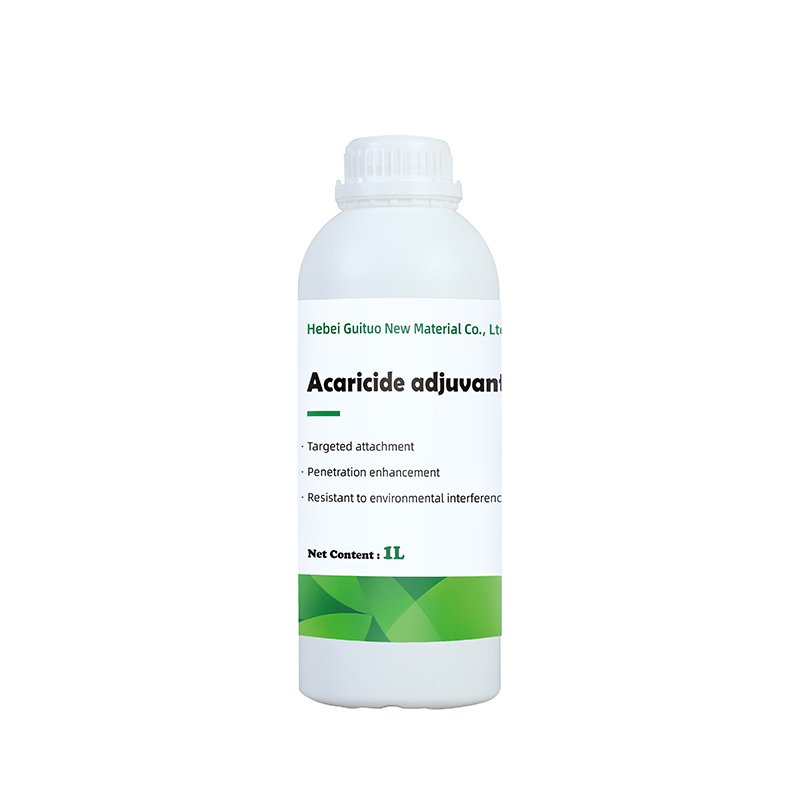
Product: New High-Efficiency Aerial Spraying Dedicated Enhancing Adjuvants


Contact Information
Tel : +86-400-138-5268
Email : [email protected]
Phone : +86-15128434888 / +86-13511051998
Add : Xinqiao Environmental Protection Industrial Park, Wen'an County, Langfang City, Hebei Province, China
Contact Information
Copyright © Hebei Guituo New Material Co., Ltd. All Rights Reserved.
