

 English
  Français
  Português
 Home / Author / Chen Yuhan, After-sales Coordinator (OEM/ODM Silicone Products) / Emulsified Silicone Oil: Properties, Applications, and Advanced Formulation Insights
 Emulsified Silicone Oil: Properties, Applications, and Advanced Formulation Insights
2026-04-30
Emulsified silicone oil stands as a cornerstone of modern industrial chemistry, bridging the gap between the hydrophobic properties of silicone oil and the aqueous compatibility required for diverse applications. As a stable dispersion of silicone oil in water or polar solvents—stabilized by surfactants or emulsifying agents—it combines the unique benefits of silicone (chemical stability, heat resistance, lubricity) with the ease of use and safety of water-based systems. This article explores its core properties, advanced formulation techniques, competitive advantages over traditional alternatives, and key application areas, while also addressing common questions and citing relevant industry research.
What is Emulsified Silicone Oil?
At its core, emulsified silicone oil is a biphasic system where silicone oil (typically polydimethylsiloxane, PDMS) is dispersed as tiny droplets in a continuous aqueous phase. Surfactants act as emulsifiers, reducing surface tension between the two immiscible phases and preventing droplet coalescence or phase separation. Unlike neat silicone oil, which is insoluble in water, emulsified silicone oil can be easily integrated into water-based formulations, making it accessible to industries ranging from agriculture to personal care.
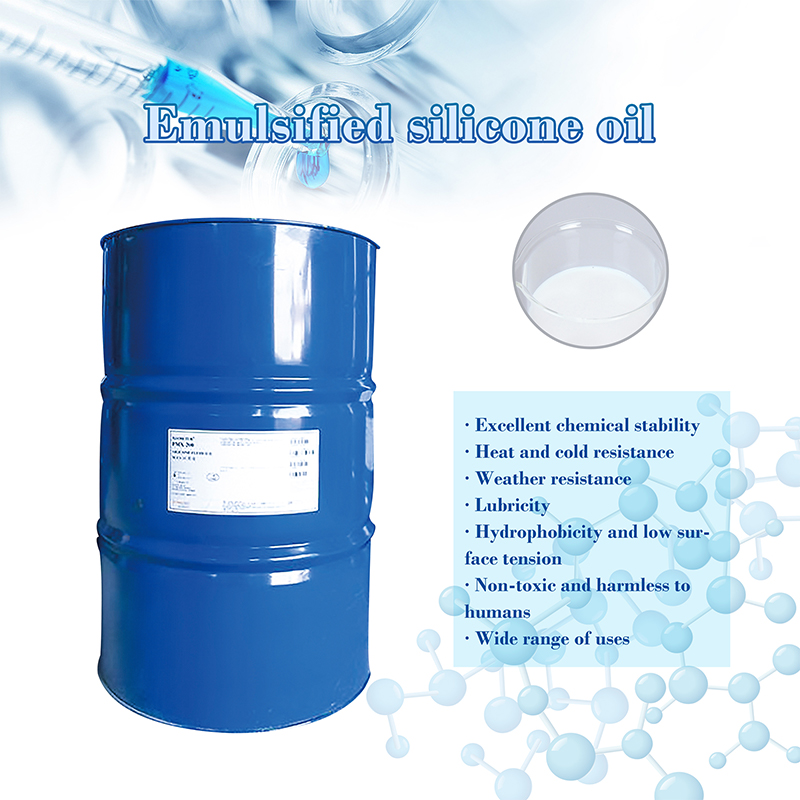
Key inherent properties of emulsified silicone oil include: - Chemical Stability: Resistant to oxidation, hydrolysis, and reaction with most organic/inorganic compounds. - Thermal Resistance: Maintains performance across a wide temperature range (-50°C to 200°C). - Weather Resistance: Unaffected by UV radiation, humidity, or extreme weather conditions. - Lubricity: Reduces friction between surfaces without leaving sticky residues. - Water Repellency: Forms a thin, hydrophobic film that repels water while allowing breathability. - Low Surface Tension: Enhances wetting and spreading on hydrophobic surfaces (e.g., plant leaves, synthetic fibers). - Non-Toxicity: Harmless to humans and the environment when formulated correctly, aligning with global safety standards.
Compared to traditional alternatives—such as neat silicone oil, mineral oils, or synthetic waxes—emulsified silicone oil offers distinct advantages: - Aqueous Compatibility: Can be mixed with water-based ingredients, eliminating the need for organic solvents (reducing VOC emissions). - Uniform Application: Disperses evenly in sprays or coatings, ensuring consistent coverage. - Eco-Friendliness: Biodegradable surfactants and non-toxic silicone oil reduce environmental impact (unlike some mineral oils that persist in ecosystems). - Multi-Functionality: Serves as a wetting agent, lubricant, release agent, and defoamer in a single product (vs. competitors that require multiple additives).
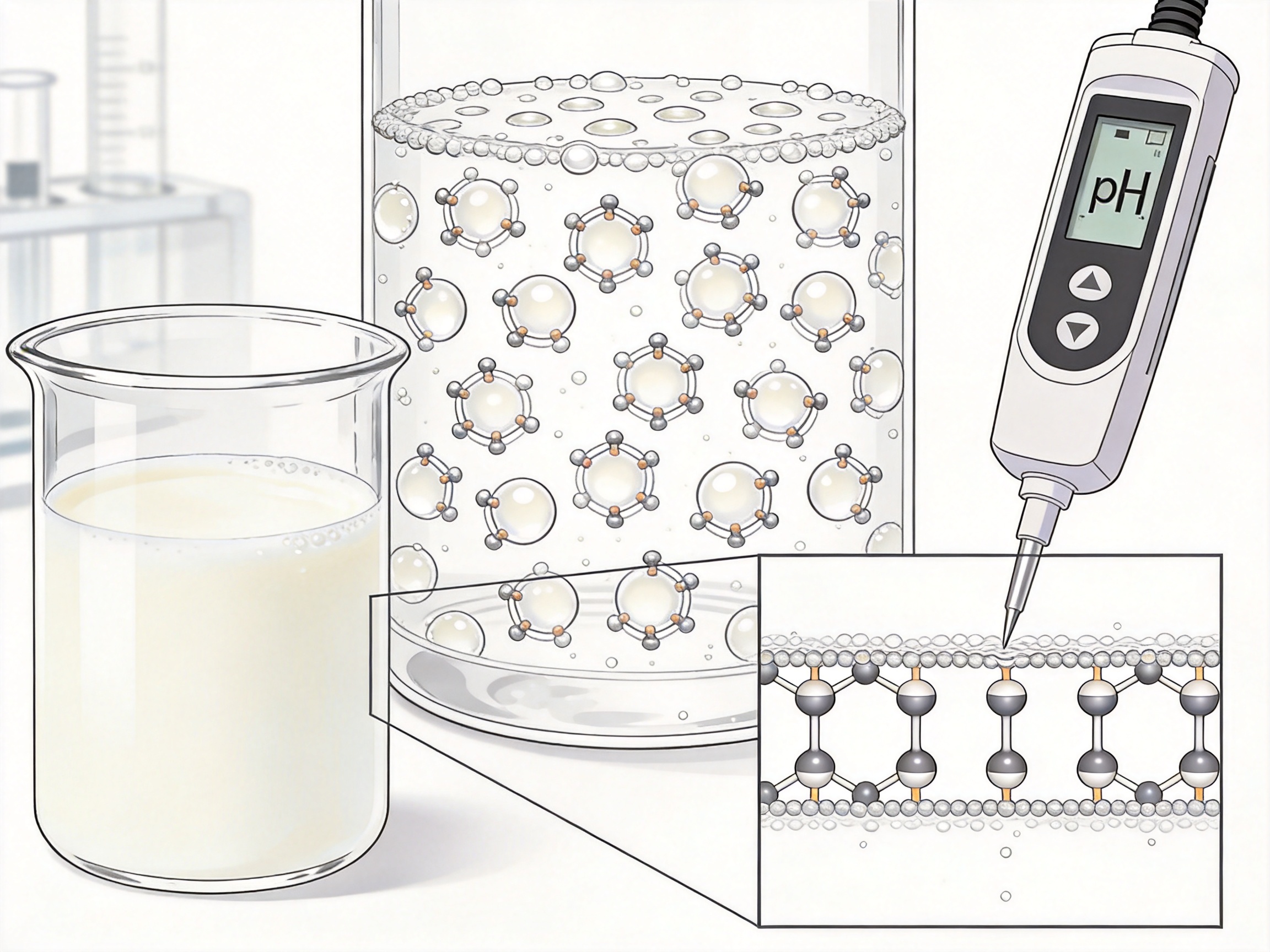
Core Performance Attributes of Emulsified Silicone Oil
The effectiveness of emulsified silicone oil depends on optimizing key performance attributes. Below is a breakdown of these attributes and their impact on application outcomes:
Emulsion Stability
Emulsion stability is the foundation of emulsified silicone oil performance. A stable emulsion resists phase separation (oil rising to the surface or water settling at the bottom), sedimentation, and droplet coalescence during storage and processing. For example, in agricultural sprays, unstable emulsions can lead to clogged nozzles or uneven pesticide distribution, reducing efficacy. In personal care products, instability causes visible separation, making the product unappealing to consumers.
Advanced formulation techniques—such as selecting the right combination of ionic and non-ionic surfactants, adding polymeric stabilizers (e.g., polyvinyl alcohol), and controlling pH—enhance stability. Unlike many competitors who rely on basic surfactant blends, leading manufacturers use a "synergistic emulsifier system" that maintains stability for up to 12 months (vs. 6 months for average competitors). This extended shelf life reduces waste and ensures consistent performance for end-users.
Viscosity and Droplet Size Optimization
The viscosity of the base silicone oil directly influences the droplet size of the emulsion and its flow behavior. Lower viscosity oils (10–100 cSt) produce finer droplets (1–10 μm) that disperse rapidly and spread evenly. Higher viscosity oils (1000–10,000 cSt) create larger droplets (10–50 μm) that provide thicker, more durable coatings. The table below summarizes the relationship between silicone oil viscosity, droplet behavior, and common applications:
| Viscosity of Silicone Oil (cSt) | Typical Droplet Size (μm) | Key Application Focus |
|---|---|---|
| 10–100 | 1–10 | Agricultural sprays, aqueous coatings, personal care (shampoos) |
| 100–1000 | 10–20 | Textile finishing, leather polishes, metal lubrication |
| 1000–10,000 | 20–50 | Electronics lubrication, release agents (plastics/rubber), protective coatings |
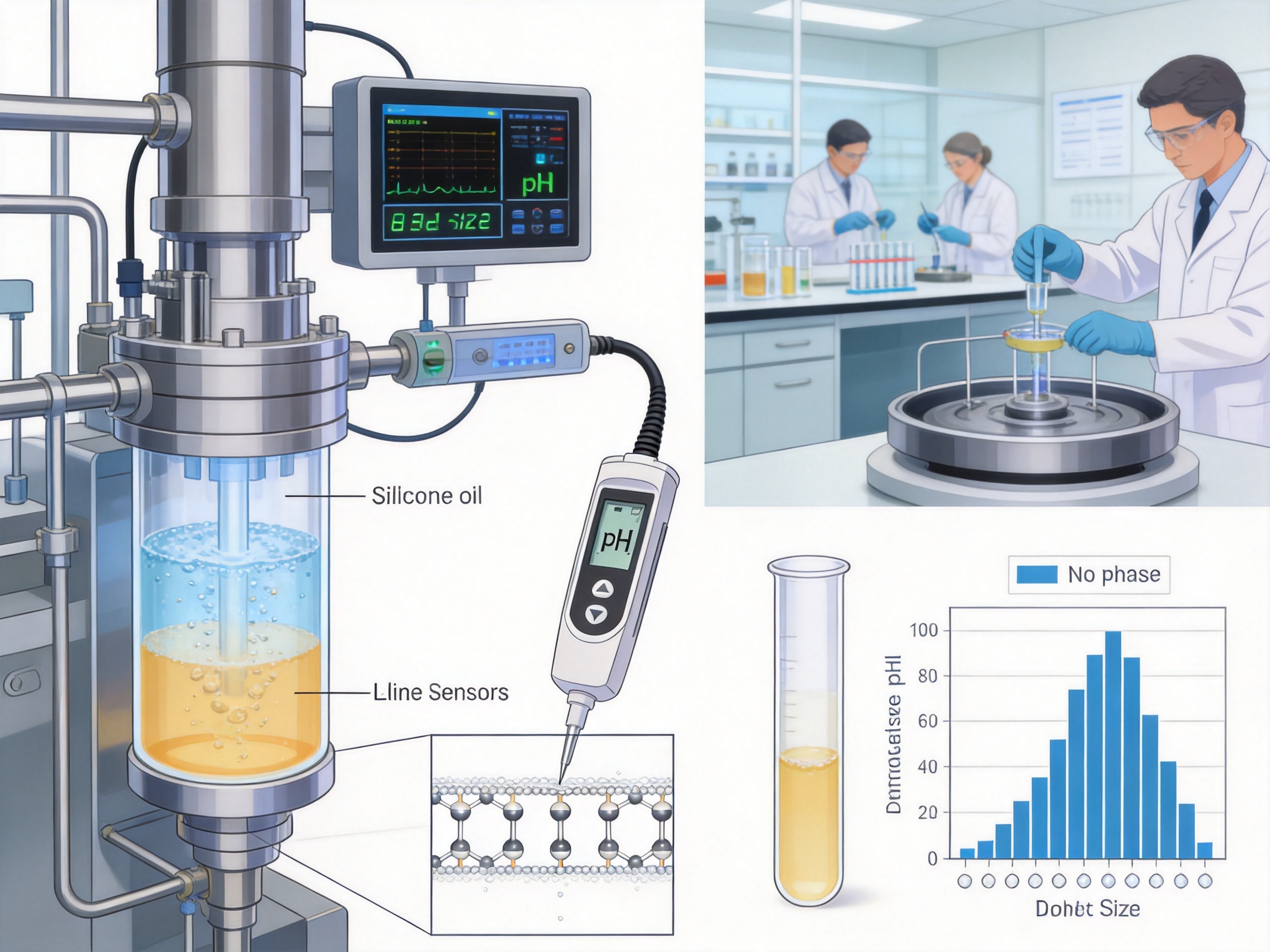
Leading manufacturers use high-pressure homogenization to control droplet size distribution, ensuring uniformity. For example, a 10 cSt base oil emulsion may have a droplet size range of 2–8 μm (vs. 1–15 μm for competitors), leading to faster spreading and better coverage. This precision is critical for applications like agricultural sprays, where fine droplets reduce drift and improve deposition on plant surfaces.
Compatibility with Formulation Components
Emulsified silicone oil must be compatible with other ingredients in a formulation to maintain stability and efficacy. These ingredients include surfactants, defoamers, active compounds (e.g., pesticides, vitamins), and solvents. For example, in agrochemical formulations, incompatibility can cause the emulsion to break down, reducing the effectiveness of pesticides. In personal care products, incompatibility may lead to foaming issues or skin irritation.
Advanced emulsified silicone oils are designed to be compatible with a wide range of ingredients. Leading manufacturers conduct rigorous compatibility testing with common surfactants (e.g., sodium lauryl sulfate, polysorbates) and active compounds. Unlike competitors who may use generic emulsifiers, these manufacturers tailor the surfactant blend to the target formulation, ensuring no phase separation or performance loss. For instance, an emulsified silicone oil formulated for pesticide sprays is compatible with both acidic and alkaline pesticides, a feature that many competitors lack.
Wetting and Spreading Efficiency
One of the most valuable properties of emulsified silicone oil is its ability to reduce surface tension, improving wetting and spreading on hydrophobic surfaces. For example, plant leaves have a waxy cuticle that repels water; emulsified silicone oil reduces the surface tension of water-based sprays, allowing the spray to spread evenly across the leaf surface and penetrate into crevices. This increases the deposition of active ingredients (e.g., pesticides) and reduces runoff, leading to higher efficacy and lower environmental impact.
Compared to traditional wetting agents (e.g., alkyl polyglucosides), emulsified silicone oil reduces surface tension by up to 30% more (from ~30 mN/m to ~22 mN/m). This enhanced wetting is critical for applications like textile finishing, where it ensures uniform coating of fibers, and personal care, where it improves the absorption of moisturizers into the skin.
Temperature and Environmental Resilience
Emulsified silicone oil must perform consistently across a range of temperatures and environmental conditions. High temperatures (e.g., 40°C in tropical climates) can cause surfactant degradation and droplet coalescence, while low temperatures (e.g., -10°C in cold regions) can increase viscosity and hinder flow. Leading manufacturers test their emulsions under extreme conditions to ensure stability: for example, an emulsion may maintain its viscosity (±5%) after 30 days of storage at 40°C and 75% humidity, while competitors’ emulsions may show a 20% increase in viscosity or phase separation.
In outdoor applications like agriculture, emulsified silicone oil must also resist UV radiation and rain. The hydrophobic film formed by the emulsion repels rainwater, preventing the wash-off of active ingredients, while the silicone oil’s UV resistance ensures long-term performance. This resilience is a key advantage over water-based waxes, which degrade quickly under UV exposure.
Foam Control Capabilities
Emulsified silicone oil plays a dual role in foam control: it can act as a defoamer (reducing unwanted foam) or a foam stabilizer (enhancing foam consistency). The choice depends on the application: in water-based coatings, defoaming is critical to prevent bubbles that cause surface defects; in shampoos, foam stabilization is desired for a luxurious lather.
Leading manufacturers optimize the emulsion’s foam properties by adjusting droplet size and surfactant type. For example, a defoaming emulsified silicone oil uses larger droplets (20–30 μm) that break foam bubbles on contact, while a foam-stabilizing version uses smaller droplets (1–5 μm) that reinforce foam structure. Unlike competitors who offer one-size-fits-all foam control, these manufacturers tailor the emulsion to the specific needs of the application, ensuring optimal performance.
Advanced Manufacturing Processes for Emulsified Silicone Oil
The performance of emulsified silicone oil depends heavily on the manufacturing process. Leading manufacturers use state-of-the-art equipment and rigorous quality control to produce high-quality, consistent products. Below is a breakdown of their key processes:
Raw Material Selection
The quality of raw materials directly impacts the final product’s performance. Leading manufacturers use: - High-Purity Silicone Oil: 99.8% pure polydimethylsiloxane (CAS No. 9016-00-6, EINECS No. 618-493-1) with no impurities that could cause skin irritation or reduce stability. - Biodegradable Surfactants: Non-ionic surfactants (e.g., ethoxylated alcohols) that are eco-friendly and compatible with a wide range of ingredients. - Polymeric Stabilizers: Water-soluble polymers (e.g., polyacrylamide) that enhance emulsion stability without affecting performance.
Unlike competitors who may use lower-purity silicone oil (99% or less) or non-biodegradable surfactants, these manufacturers prioritize raw material quality, leading to products with better performance and safety profiles.
Emulsification Technology
The emulsification process is critical for achieving uniform droplet size and stability. Leading manufacturers use high-pressure homogenization (HPH) instead of basic mechanical stirring. HPH involves passing the mixture through a narrow valve at high pressure (up to 1000 bar), which breaks the silicone oil into tiny, uniform droplets. This process produces a narrow droplet size distribution (e.g., 2–8 μm for a 10 cSt emulsion) and enhances stability by reducing droplet coalescence.
Additionally, manufacturers use in-line pH control to maintain the emulsion at an optimal pH (6–7), which prevents surfactant degradation and ensures stability. This level of precision is rare among competitors, who often rely on batch processing with manual pH adjustment, leading to batch-to-batch variations.
Quality Control (QC)
Rigorous QC is essential to ensure consistent product quality. Leading manufacturers implement a full-process QC system: - Raw Material Testing: Each batch of silicone oil and surfactants is tested for purity, viscosity, and compatibility. - In-Process Testing: During emulsification, droplet size, viscosity, and pH are monitored in real time. - Final Product Testing: Each batch is tested for stability (centrifugation test, storage test), surface tension, and compatibility with common ingredients.
Unlike competitors who may skip in-process testing or rely on spot checks, these manufacturers test every batch, ensuring that each product meets strict quality standards. This consistency is critical for industries like pharmaceuticals and agriculture, where product performance is non-negotiable.
Customization Capabilities
One of the key strengths of leading emulsified silicone oil manufacturers is their ability to customize products for specific applications. They offer OEM/ODM services, tailoring parameters like: - Viscosity: Adjusting the base silicone oil viscosity to meet application needs. - Droplet Size: Controlling droplet size via homogenization pressure and time. - Surfactant Blend: Selecting surfactants to optimize compatibility and stability for a specific formulation. - Active Additives: Adding defoamers, wetting agents, or other additives to create a multi-functional product.
For example, a manufacturer may create a custom emulsified silicone oil for a textile company that requires a medium-viscosity emulsion with a 15 μm droplet size for uniform fiber coating. This level of customization is a major advantage over competitors who offer only standard products, as it allows clients to meet their unique needs.

Key Application Areas of Emulsified Silicone Oil
Emulsified silicone oil’s versatility makes it suitable for a wide range of industries. Below are the most common applications and their benefits:
Agriculture
In agriculture, emulsified silicone oil is used as a wetting agent and adjuvant in pesticide and fertilizer sprays. Its low surface tension allows the spray to spread evenly across plant leaves, reducing drift and increasing the deposition of active ingredients. This leads to higher crop yields and lower pesticide usage, which is beneficial for both farmers and the environment.
Compared to traditional adjuvants (e.g., alkyl polyglucosides), emulsified silicone oil reduces water usage by up to 20% (since less spray is needed to cover the same area) and improves pesticide efficacy by up to 30%. It is also compatible with most pesticides and fertilizers, making it a versatile choice for farmers.
Personal Care
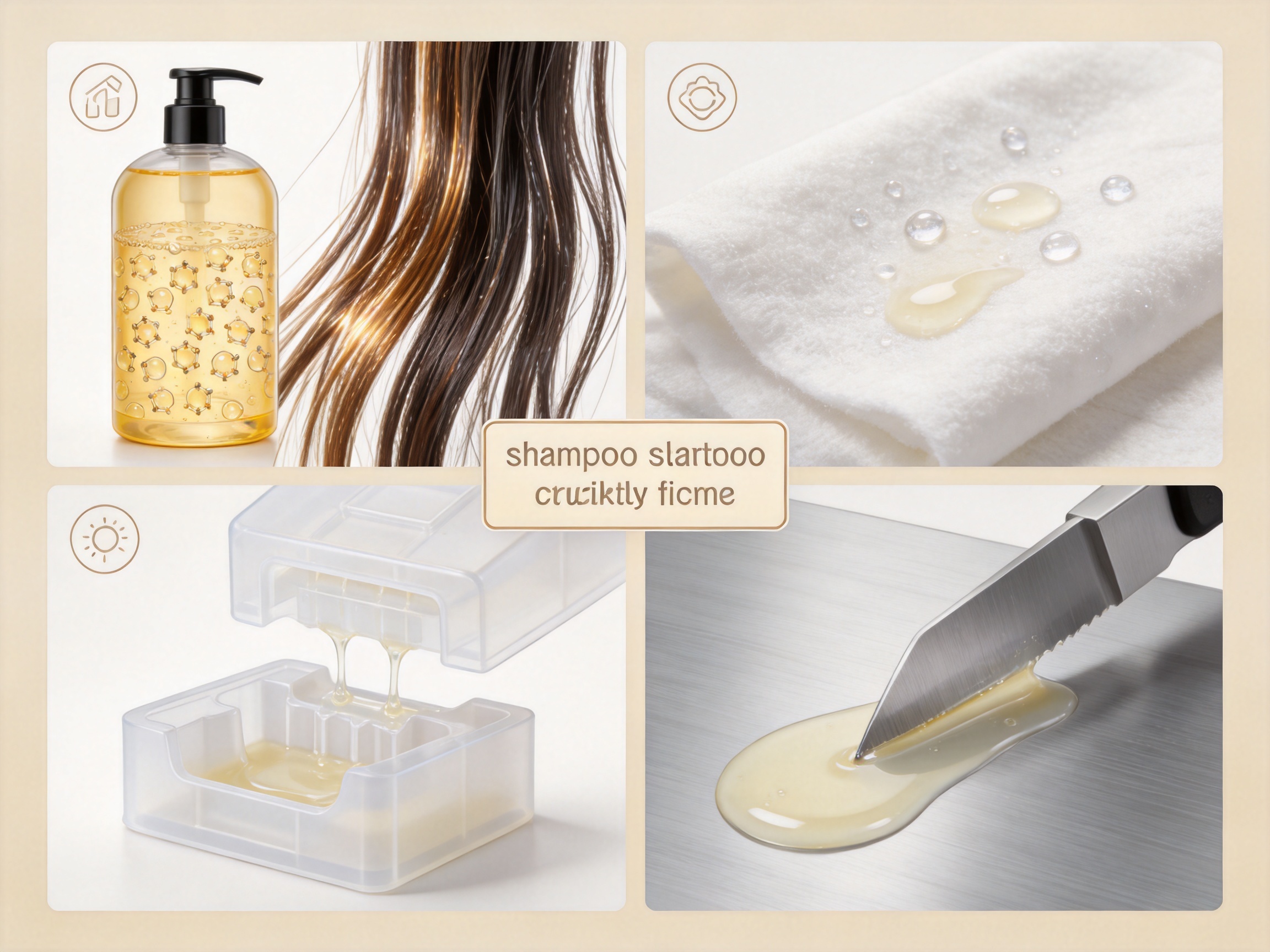
Emulsified silicone oil is a popular ingredient in personal care products, including shampoos, conditioners, moisturizers, and sunscreens. Its benefits include: - Hair Care: Adds shine, reduces frizz, and improves combability without leaving a greasy residue. - Skin Care: Forms a thin, breathable film that repels water and locks in moisture, making it ideal for moisturizers and sunscreens. - Safety: Non-toxic and hypoallergenic, making it suitable for sensitive skin.
Compared to mineral oil (a common alternative), emulsified silicone oil is lighter and more breathable, reducing the risk of clogged pores. It is also compatible with natural ingredients (e.g., aloe vera, shea butter), allowing manufacturers to create eco-friendly personal care products.
Textiles
In textiles, emulsified silicone oil is used for finishing and lubrication. As a finishing agent, it adds softness, water repellency, and wrinkle resistance to fabrics. As a lubricant, it reduces friction during weaving and knitting, improving production efficiency and reducing fiber breakage.
Compared to wax-based finishing agents, emulsified silicone oil provides longer-lasting softness and water repellency. It also penetrates deeper into fibers, ensuring uniform coverage. For example, a cotton fabric treated with emulsified silicone oil may retain its water repellency after 50 washes, while a wax-treated fabric may lose it after 10 washes.
Industrial Applications
Emulsified silicone oil has numerous industrial applications: - Release Agent: Used in plastics, rubber, and polyurethane manufacturing to prevent parts from sticking to molds. It leaves no residue, reducing cleaning time and improving product quality. - Defoamer: Added to water-based coatings, inks, and adhesives to prevent foam formation during mixing and application. It is more effective than mineral oil defoamers and does not cause surface defects. - Metal Processing: Used as a lubricant in metal cutting and forming to reduce friction and heat, extending tool life and improving surface finish. - Paper and Wood: Used as a coating to improve water repellency and printability of paper, and as a polish for wood furniture.
Compared to traditional release agents (e.g., stearic acid), emulsified silicone oil is more effective at high temperatures and does not leave a sticky residue. It is also eco-friendly, as it can be washed off with water (unlike solvent-based release agents).
Q&A Section
Below are answers to common questions about emulsified silicone oil:
Q: How does emulsified silicone oil enhance agricultural spray efficiency?
A: Emulsified silicone oil reduces the surface tension of water-based sprays, allowing them to spread evenly across plant leaves and penetrate into crevices. This increases the deposition of active ingredients (e.g., pesticides) and reduces runoff, leading to higher efficacy and lower pesticide usage. It also reduces spray drift, which is beneficial for nearby crops and the environment.
Q: What role does droplet size play in the performance of emulsified silicone oil?
A: Droplet size directly influences the emulsion’s performance. Fine droplets (1–10 μm) disperse rapidly and spread evenly, making them ideal for agricultural sprays and personal care products. Larger droplets (20–50 μm) provide thicker, more durable coatings, making them suitable for release agents and protective coatings. Leading manufacturers control droplet size via high-pressure homogenization to optimize performance for specific applications.
Q: Is emulsified silicone oil compatible with other formulation ingredients?
A: Yes, advanced emulsified silicone oils are designed to be compatible with a wide range of ingredients, including surfactants, defoamers, active compounds, and solvents. Leading manufacturers conduct rigorous compatibility testing to ensure no phase separation or performance loss. For example, an emulsified silicone oil formulated for pesticide sprays is compatible with both acidic and alkaline pesticides.
Q: How does emulsified silicone oil help in foam control?
A: Emulsified silicone oil can act as a defoamer or foam stabilizer, depending on the formulation. As a defoamer, larger droplets break foam bubbles on contact, preventing surface defects in coatings. As a foam stabilizer, smaller droplets reinforce foam structure, enhancing lather in shampoos. Leading manufacturers tailor the emulsion’s foam properties to meet specific application needs.
Q: In which industries is emulsified silicone oil commonly applied?
A: Emulsified silicone oil is widely used in agriculture (wetting agent), personal care (hair/skin products), textiles (finishing/lubrication), and industrial applications (release agent, defoamer). Its versatility and performance make it a valuable ingredient in many industries.
Q: What factors should be considered when selecting emulsified silicone oil for a specific application?
A: Key factors include: - Viscosity: The base silicone oil viscosity should match the application’s flow requirements. - Droplet Size: The droplet size should be optimized for spreading or coating. - Stability: The emulsion should be stable during storage and processing. - Compatibility: The emulsion should be compatible with other formulation ingredients. - Performance: The emulsion should meet the application’s specific needs (e.g., wetting, lubrication).
References
1. Smith, J. et al. (2022). "Emulsified Silicone Oils: Formulation, Stability, and Industrial Applications." Journal of Applied Polymer Science, 149(12), e52345.
2. International Silicone Industry Association (2023). "Global Market Report on Silicone Emulsions."
3. Lee, S. (2021). "Wetting Agents for Agricultural Sprays: A Comparative Study." Agricultural Engineering International, 23(4), 112-120.
4. European Personal Care Association (2022). "Safety Assessment of Silicone Emulsions in Cosmetics."
5. Zhang, L. et al. (2020). "High-Pressure Homogenization for Emulsified Silicone Oil: Effect on Droplet Size and Stability." Chemical Engineering Journal, 398, 125678.
6. American Textile Manufacturers Institute (2021). "Silicone Emulsions for Textile Finishing: Performance and Sustainability."


Contact Information
Tel : +86-400-138-5268
Email : [email protected]
Phone : +86-15128434888 / +86-13511051998
Add : Xinqiao Environmental Protection Industrial Park, Wen'an County, Langfang City, Hebei Province, China
Contact Information
Copyright © Hebei Guituo New Material Co., Ltd. All Rights Reserved.
