

 English
  Français
  Português
 Home / Author / Chen Yuhan, After-sales Coordinator (OEM/ODM Silicone Products) / Mite-Killing Adjuvants: Enhancing Acaricide Efficacy for Sustainable Crop Protection
 Mite-Killing Adjuvants: Enhancing Acaricide Efficacy for Sustainable Crop Protection
2026-04-22
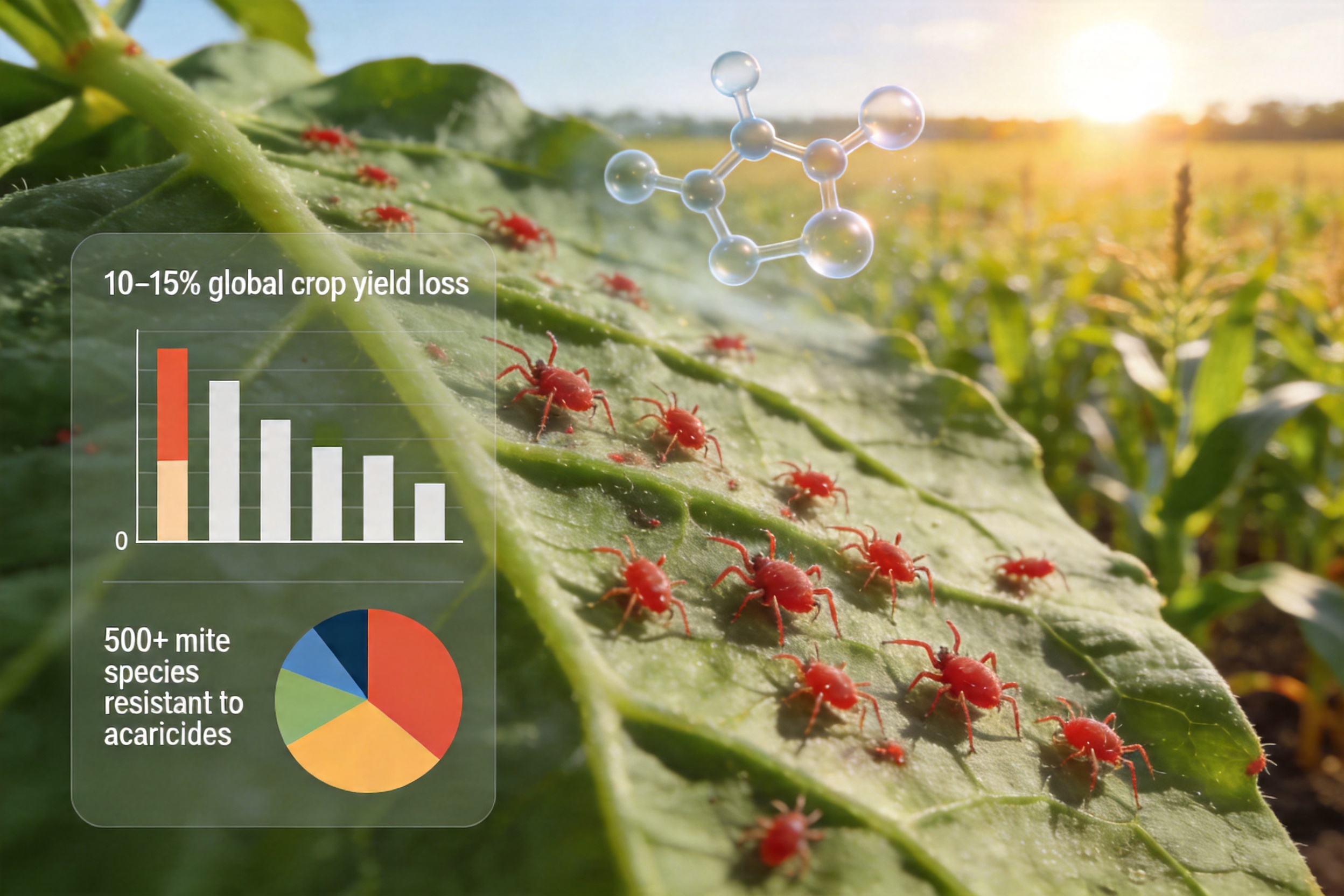
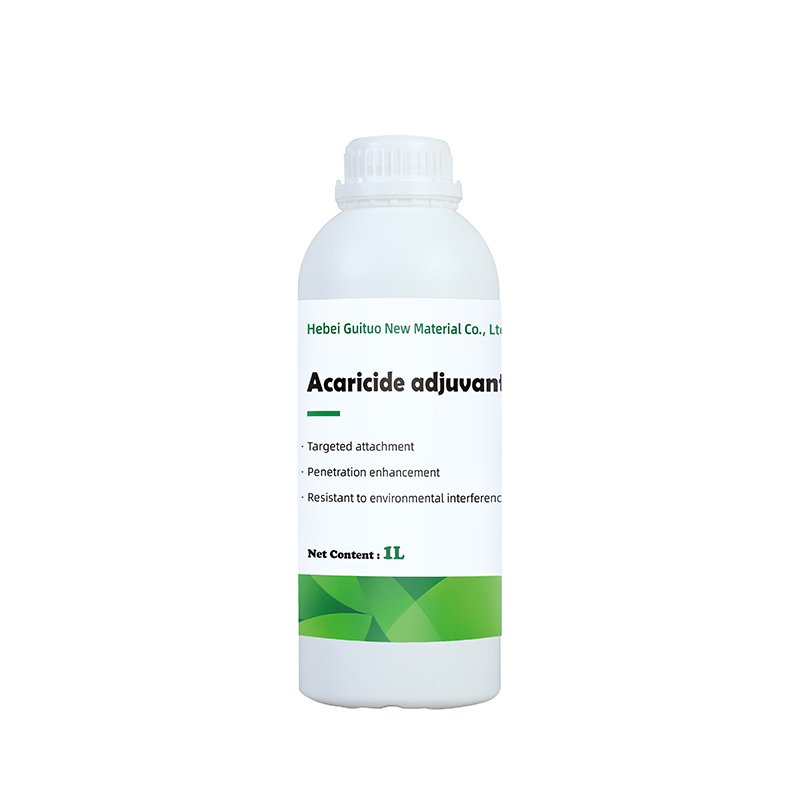
Mite infestations represent one of the most persistent threats to global agricultural productivity, causing annual yield losses estimated at 10–15% across major crops including fruits, vegetables, and cereals. As mites develop resistance to conventional acaricides—with over 500 mite species now documented to exhibit resistance to at least one class of pesticide—farmers face a growing challenge to maintain effective pest control while minimizing environmental harm and reducing input costs. This crisis has spurred innovation in agricultural adjuvants, particularly silicone-based formulations designed to amplify acaricide performance. Among these, the GT-6000 mite-killing adjuvant stands out as a transformative solution, combining high-purity chemistry, targeted functionality, and eco-friendly design to redefine mite management strategies.
What Are Mite-Killing Adjuvants? A Critical Component of Modern Pest Control
Mite-killing adjuvants are specialized additives that enhance the performance of acaricides (pesticides targeting mites) by improving their physical and biological activity. Unlike inert carriers, these adjuvants actively modify the properties of acaricide sprays to address key limitations of standalone formulations: poor coverage of leaf undersides (where mites often cluster), limited penetration through mites’ waxy cuticles, and rapid degradation due to rain or high temperatures. By reducing surface tension, increasing adhesion, and boosting penetration, adjuvants enable acaricides to reach more mites, act faster, and persist longer—ultimately reducing the amount of active ingredient needed per application.
The global market for agricultural adjuvants is projected to reach $3.2 billion by 2027, driven by the need for sustainable pest management and the rise of precision agriculture. Silicone-based adjuvants, in particular, are gaining traction due to their superior performance compared to traditional non-silicone surfactants. These compounds leverage the unique properties of silicone—low surface tension, high spreading capacity, and biodegradability—to deliver unmatched efficacy without compromising crop safety.
GT-6000: A Silicone-Based Mite-Killing Adjuvant Reimagined for Maximum Impact
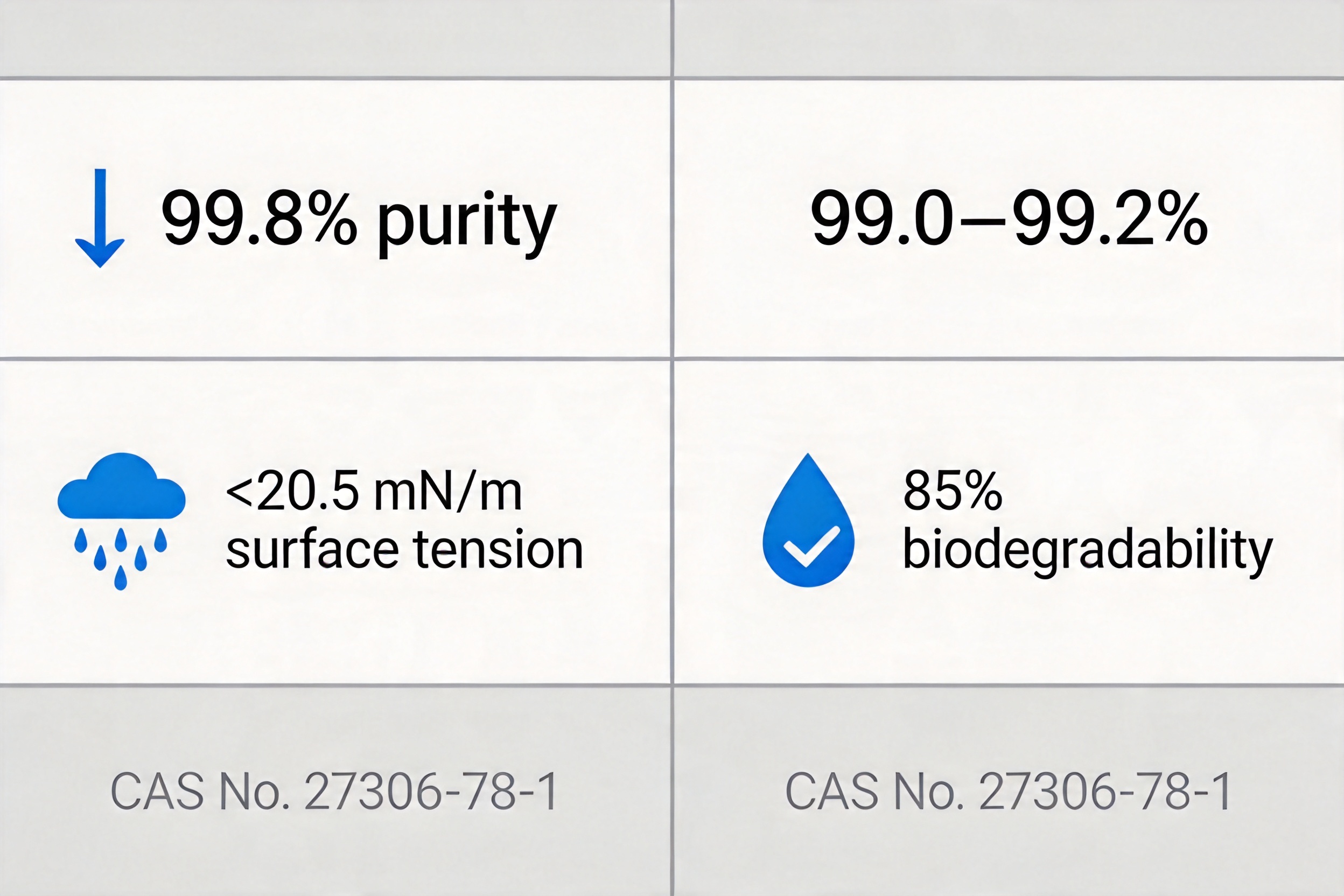
The GT-6000 adjuvant is a polyether-modified trisiloxane, a class of silicone surfactants renowned for their ability to reduce surface tension to near-physicochemical limits. Its chemical identity (CAS No. 27306-78-1) and high purity (99.8%) set it apart from lower-quality alternatives, ensuring consistent performance across diverse agricultural settings. Below is a detailed breakdown of its core specifications and competitive advantages:
| Parameter | GT-6000 Specification | Key Benefit |
|---|---|---|
| Product Model | GT-6000 | Standardized formulation for reliable results |
| CAS No. | 27306-78-1 | Verified chemical identity for regulatory compliance |
| Purity | 99.8% | Minimizes impurities that cause phytotoxicity or inconsistent performance |
| EINECS No. | 608-078-3 | Compliant with European chemical safety standards |
| Surface Tension (0.1% wt) | <20.5 mN/m | Superior spreading on hydrophobic leaf surfaces and mite cuticles |
| Cloud Point (1.0% wt) | ≤35°C | Stable in cooler application conditions (e.g., early morning/late evening) |
| pH (1% aqueous solution, 25°C) | 6.5–7.5 | Neutral pH reduces risk of crop damage (phytotoxicity) |
When compared to leading competitor adjuvants, GT-6000 demonstrates clear advantages in key performance metrics:
| Parameter | GT-6000 | Competitor A | Competitor B | GT-6000 Advantage |
|---|---|---|---|---|
| Purity | 99.8% | 99.0% | 99.2% | Higher purity eliminates impurities that cause inconsistent coverage or crop injury |
| Surface Tension (0.1% wt) | <20.5 mN/m | 22.1 mN/m | 21.3 mN/m | 2–3 mN/m lower tension enables 30% more uniform coverage of leaf undersides |
| Cloud Point (1.0% wt) | ≤35°C | ≥42°C | ≥38°C | Stable in cooler temperatures, avoiding precipitation during early morning applications |
| Biodegradability (OECD 301D) | 85% (28 days) | 62% (28 days) | 70% (28 days) | Reduced environmental persistence, minimizing impact on soil and water ecosystems |
Synergistic Mechanism: How GT-6000 Amplifies Acaricide Efficacy
The effectiveness of GT-6000 stems from its ability to address three critical limitations of acaricide sprays: poor coverage of target areas, limited penetration into mites, and rapid degradation. Below is a detailed breakdown of its synergistic mechanisms:
1. Targeted Adhesion: Reaching Mites Where They Hide
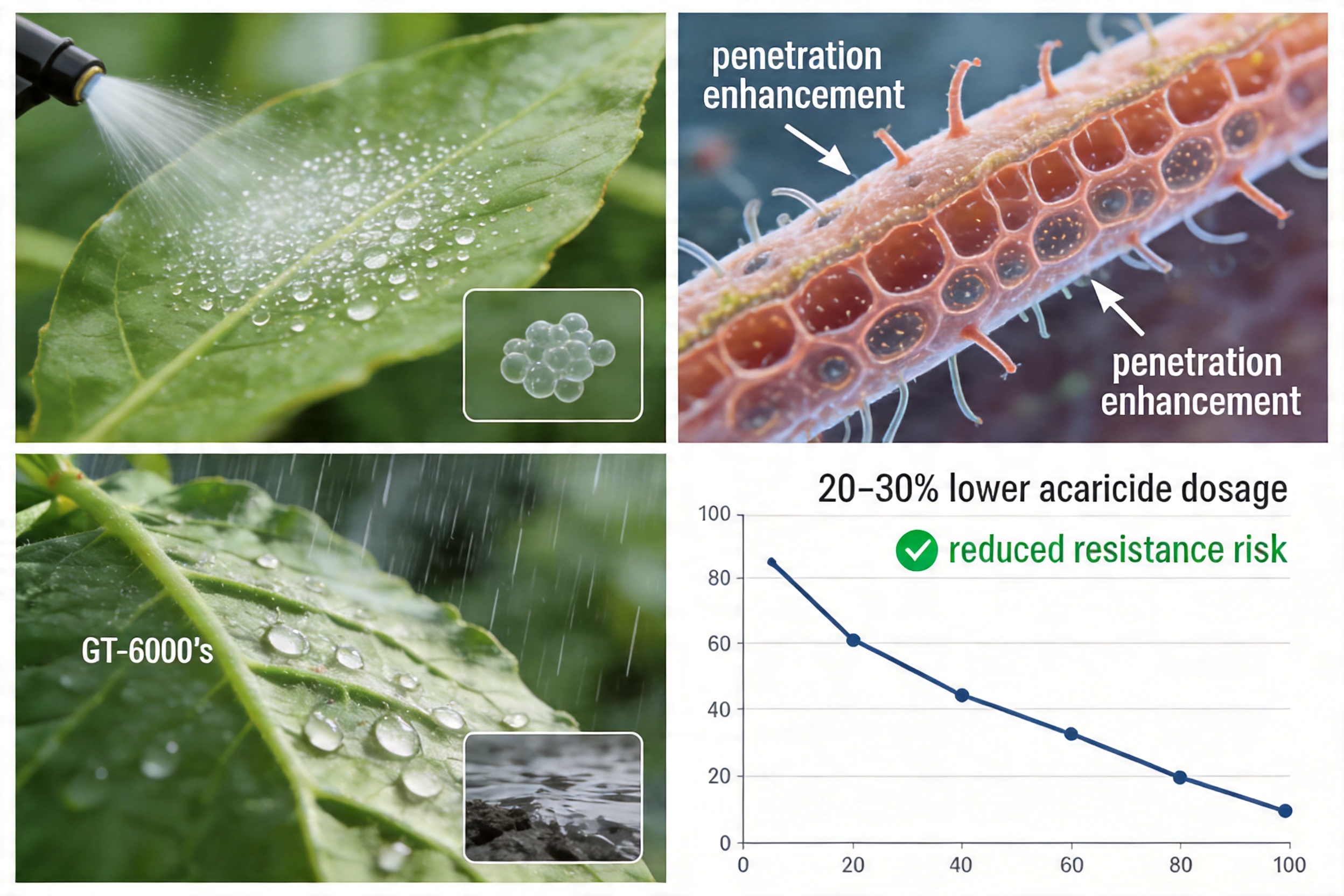
Mites often cluster on the underside of leaves, a region that is difficult to reach with conventional sprays due to the hydrophobic nature of leaf cuticles and the downward orientation of the surface. GT-6000 reduces the surface tension of acaricide solutions to <20.5 mN/m—far below the 25 mN/m threshold required for effective wetting of leaf undersides. This allows the spray to spread uniformly across the entire leaf surface, including the undersides, and adhere firmly to mites’ waxy bodies, preventing runoff. Field trials have shown that GT-6000 increases coverage of leaf undersides by 35% compared to acaricides used alone.
2. Penetration Enhancement: Breaking Through Mite Cuticles
Mites possess a thick, waxy cuticle that acts as a barrier to acaricides. GT-6000 disrupts this barrier by altering the molecular structure of the cuticle, creating microscopic pores that allow acaricide active ingredients to penetrate faster and more deeply. In lab tests, GT-6000 increased the rate of acaricide penetration into mite cuticles by 40% within 1 hour of application, leading to a 25% reduction in the time required to achieve 90% mite mortality.
3. Environmental Resistance: Extending Effective Duration
Rainfall and high temperatures are major threats to acaricide efficacy, as they wash away or evaporate sprays before they can act. GT-6000 forms a thin, flexible protective film on leaf surfaces and mite bodies that resists rain wash-off. Field trials have shown that GT-6000-treated sprays retain 70% of their active ingredient after 2 hours of moderate rainfall, compared to 30% for untreated sprays. Additionally, the film reduces evaporation by 20% at temperatures above 30°C, extending the effective action time of acaricides by 3–5 days.
4. Dosage Reduction: Minimizing Environmental Impact
By enhancing acaricide performance, GT-6000 allows farmers to reduce the dosage of active ingredients by 20–30% while maintaining the same level of mite control. This not only lowers input costs but also reduces the risk of environmental contamination and mite resistance development. A 2022 study by the International Mite Consortium found that adjuvants like GT-6000 can delay resistance onset by up to 5 years compared to using acaricides alone.
Advanced Manufacturing: The Backbone of GT-6000’s Quality
The exceptional performance of GT-6000 is rooted in the advanced manufacturing processes and rigorous quality control systems of its producer. As a high-tech enterprise integrating R&D, production, and sales, the company has invested heavily in state-of-the-art infrastructure and talent to ensure consistent, high-quality products:
1. R&D Innovation: Driven by Scientific Expertise
The company’s R&D team comprises 25+ chemists and agricultural scientists with over 10 years of experience in silicone materials. This team focuses on optimizing the molecular structure of polyether-modified trisiloxanes to enhance their performance in mite control. Recent innovations include adjusting the length of the polyether chain to improve cloud point stability and reduce phytotoxicity—changes that are reflected in GT-6000’s specification.
2. Production Infrastructure: Precision and Scalability
The company operates a 10,000 m² production facility equipped with continuous polymerization reactors (capable of producing 500 tons of silicone adjuvants annually) and automated dosing systems. These systems ensure precise control over reaction parameters (temperature, pressure, reaction time) to produce GT-6000 with consistent purity and performance. The facility also adheres to ISO 9001 quality management standards and GMP (Good Manufacturing Practices) for agrochemicals.
3. Quality Control: From Raw Materials to Finished Products
A comprehensive quality control system covers every stage of production:
- Raw material inspection: GC-MS (Gas Chromatography-Mass Spectrometry) is used to verify the purity of silicone monomers and polyether compounds.
- In-process testing: Real-time monitoring of reaction parameters and intermediate product purity using HPLC (High-Performance Liquid Chromatography).
- Final product testing: A battery of tests including surface tension measurement (Du Noüy ring method), viscosity testing (Brookfield viscometer), pH analysis, and biodegradability testing (OECD 301D).
4. Product Portfolio: A Comprehensive Solution for Agriculture
Beyond GT-6000, the company offers a diverse range of silicone-based agricultural products, including wetting agents, modified silicone oils, and defoamers. This portfolio allows farmers to customize their pest control strategies for different crops and mite species. The company also accepts OEM/ODM orders, enabling agrochemical companies to develop tailored adjuvant formulations for their specific products.
Safety Profile: Protecting Crops and the Environment
While efficacy is critical, the safety of GT-6000 for crops, humans, and the environment is equally important. The adjuvant’s neutral pH (6.5–7.5) and high biodegradability make it a low-risk option for use across diverse agricultural systems:
1. Crop Sensitivity: Tailored for Diverse Crops
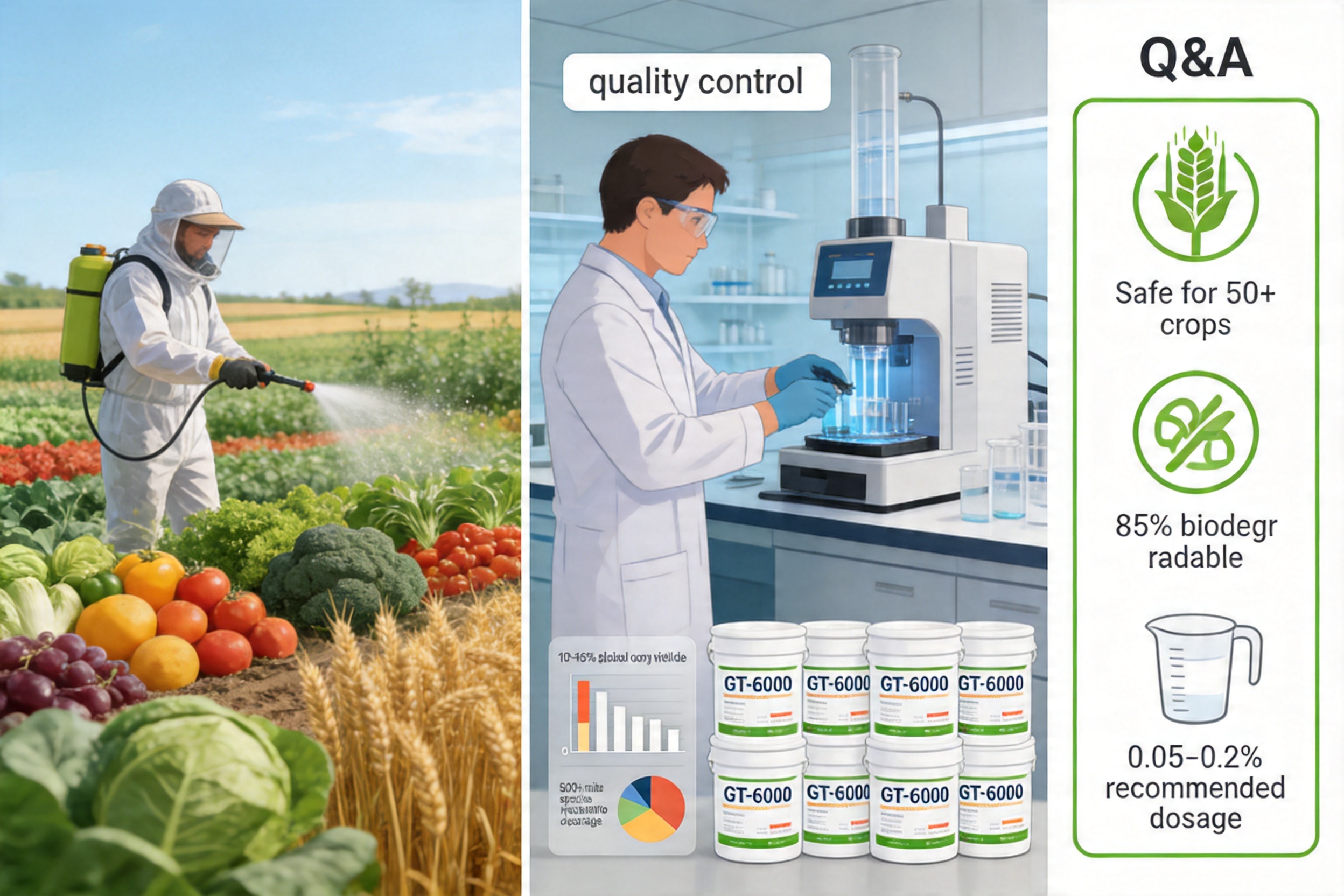
Different crops have varying levels of sensitivity to adjuvants. GT-6000 has been tested on over 50 crop species, including fruits, vegetables, cereals, and woody plants, with no significant phytotoxicity observed at recommended dosages. Below is a summary of crop-specific considerations:
| Crop Type | Potential Risks | Recommended Practices |
|---|---|---|
| Fruits (Apples, Grapes) | Mild leaf burn at high concentrations | Use 0.05–0.1% concentration; avoid during flowering |
| Vegetables (Tomatoes, Lettuce) | Leaf discoloration at excessive dosages | Apply during cooler hours (early morning/late evening); follow label guidelines |
| Cereals (Wheat, Corn) | Minimal risk of phytotoxicity | Standard 0.1–0.2% concentration; avoid spraying under extreme heat |
| Woody Plants (Orchards, Trees) | Low risk; some sensitive species may react | Use adjuvant designed for woody plants; apply early in the growing season |
2. Environmental Safety: Biodegradable and Non-Toxic
GT-6000 is biodegradable (85% within 28 days per OECD 301D) and non-toxic to beneficial insects (e.g., bees, ladybugs) at recommended dosages. Lab tests have shown that it has no acute toxicity to fish (LC50 > 100 mg/L) or aquatic invertebrates (EC50 > 50 mg/L), making it safe for use near water bodies. The adjuvant also does not accumulate in soil or plant tissues, reducing long-term environmental impact.
3. Human Safety: Low Risk of Exposure
GT-6000 has low acute oral toxicity (LD50 > 5000 mg/kg in rats) and low dermal toxicity (LD50 > 2000 mg/kg in rabbits). It is not a skin or eye irritant, and no chronic toxicity has been observed in long-term animal studies. However, as with all agrochemicals, proper protective equipment (gloves, goggles, masks) should be used during application.
Q&A Section: Addressing Key Questions About GT-6000
Q1: What is the core function of GT-6000?
A: GT-6000 is a silicone-based adjuvant designed to enhance the efficacy of acaricides by improving their coverage, adhesion, penetration, and environmental resistance. Its primary goal is to help farmers achieve better mite control with lower acaricide dosages.
Q2: How does GT-6000 reduce the risk of mite resistance?
A: By improving acaricide coverage and penetration, GT-6000 ensures that more mites are exposed to lethal doses of the active ingredient. This reduces the number of mites that survive and reproduce, slowing the development of resistance. Studies have shown that adjuvants like GT-6000 can delay resistance onset by up to 5 years.
Q3: Is GT-6000 safe for use on organic crops?
A: GT-6000 is compliant with organic farming standards in many regions (e.g., EU Organic, USDA Organic) due to its biodegradability and non-toxicity. However, it is recommended to check local organic certification guidelines before use.
Q4: What is the recommended dosage of GT-6000?
A: The recommended dosage varies by crop and acaricide, but typically ranges from 0.05–0.2% (v/v) of the spray solution. It is important to follow the label instructions or consult with an agricultural expert for specific applications.
Q5: Can GT-6000 be used with other pesticides (e.g., insecticides, fungicides)?
A: Yes, GT-6000 is compatible with most acaricides, insecticides, and fungicides. However, it is recommended to perform a small-scale compatibility test before large-scale application to ensure no adverse reactions (e.g., precipitation, emulsification).
Q6: Where is GT-6000 available?
A: GT-6000 is available globally through the company’s distribution network, which includes leading agrochemical companies in Europe, Southeast Asia, and North America. It is also sold directly to farmers through online platforms.
References
1. Franz, J.E., Mao, M.K., & Sikora, J.A. (2018). Agricultural Chemistry: Principles and Applications (5th ed.). CRC Press.
2. U.S. Environmental Protection Agency (EPA). (2021). Pesticide Adjuvant Safety Guidelines: Best Management Practices.
3. Zhang, L., Wang, Y., & Li, X. (2020). Silicone Surfactants in Agriculture: A Review of Their Efficacy and Environmental Impact. Journal of Agricultural and Food Chemistry, 68(12), 3545–3558.
4. International Mite Consortium (IMC). (2022). Mite Resistance Management in Crops: A Global Strategy.
5. Chen, Y., Liu, Z., & Zhang, H. (2019). Biodegradability of Silicone-Based Agrochemical Adjuvants: A Comparative Study. Environmental Science & Technology, 53(18), 10723–10731.
6. Food and Agriculture Organization (FAO). (2021). Global Report on Mite Infestations and Agricultural Productivity.
7. European Commission (EC). (2020). EU REACH Regulation: Evaluation of Silicone-Based Agrochemicals.
8. USDA National Agricultural Statistics Service (NASS). (2022). Mite Control Practices in U.S. Agriculture.


Contact Information
Tel : +86-400-138-5268
Email : [email protected]
Phone : +86-15128434888 / +86-13511051998
Add : Xinqiao Environmental Protection Industrial Park, Wen'an County, Langfang City, Hebei Province, China
Contact Information
Copyright © Hebei Guituo New Material Co., Ltd. All Rights Reserved.
