

 English
  Français
  Português
 Home / Author / Chen Yuhan, After-sales Coordinator (OEM/ODM Silicone Products) / Emulsified Silicone Oil: Performance, Applications, Manufacturing Excellence, and Selection Guide
 Emulsified Silicone Oil: Performance, Applications, Manufacturing Excellence, and Selection Guide
2026-09-17

Emulsified silicone oil is a versatile silicone-based material designed to bring the characteristic performance of silicone oil into water-based and other polar formulations. By dispersing silicone oil into a continuous phase with the help of emulsifiers and stabilizing agents, this product combines low surface tension, lubricity, water repellency, release performance, and surface protection with convenient handling and application. It is widely used in agricultural formulations, personal care products, textile processing, coatings, plastics, rubber, leather care, automotive products, furniture polishes, metal treatment, paper, wood, ceramics, glass, stone, and many other industrial fields.
The LD-620 emulsified silicone oil supplied by Hebei Guituo New Material Co., Ltd. is developed for customers seeking stable performance, reliable quality, and adaptable formulation support. Its product characteristics include chemical stability, heat resistance, cold resistance, weather resistance, lubrication, water repellency, and low surface tension. These properties help manufacturers improve spreading, surface coverage, smoothness, release behavior, gloss, anti-stick performance, and foam control in finished products.
Unlike conventional oil-based additives that may require organic solvents or complicated processing conditions, emulsified silicone oil can be incorporated into many water-based systems. This makes it suitable for modern formulation strategies that prioritize easier processing, lower solvent demand, improved worker handling, and compatibility with aqueous manufacturing systems. The final performance depends on the silicone oil viscosity, emulsion structure, emulsifier system, droplet size, concentration, processing method, and compatibility with other ingredients.
Product Overview
Emulsified silicone oil is a dispersion of silicone oil droplets in water or another compatible polar medium. Silicone oil itself is generally hydrophobic and has limited miscibility with water. Emulsification creates a stable distribution of small silicone droplets throughout the continuous phase, allowing the silicone component to be transported, diluted, sprayed, brushed, or blended in applications where direct addition of silicone oil would be difficult.
The product is typically presented as a white or milky viscous liquid. Its appearance is associated with the dispersion of silicone droplets and the presence of emulsifying components. Depending on the formulation, the emulsion may be designed for rapid spreading, long-term stability, lubrication, coating formation, release performance, or controlled foam reduction.
The supplied product information identifies LD-620 as emulsified silicone oil, also known as polydimethylsiloxane emulsion. The listed CAS number is 9016-00-6, the EINECS number is 618-493-1, and the stated purity is 99.8%. Because emulsified silicone oil is a formulated dispersion rather than a single unmodified chemical substance, customers should confirm the detailed technical specification, solids content, ionic character, viscosity, pH, preservative system, and recommended dosage before use in a particular formulation.
| Product Parameter | Information |
|---|---|
| Product model | LD-620 |
| Product name | Emulsified Silicone Oil |
| Common synonym | Polydimethylsiloxane Emulsion |
| CAS number | 9016-00-6 |
| EINECS number | 618-493-1 |
| Stated purity | 99.8% |
| Physical appearance | White viscous liquid |
| Main functional properties | Wetting, spreading, lubrication, water repellency, release, polishing, surface protection, and foam control |
The material is described as insoluble in ethanol and methanol and soluble in aromatic hydrocarbons, aliphatic hydrocarbons, and chlorinated hydrocarbons such as benzene and carbon tetrachloride. In practical formulation work, the behavior of the complete emulsion depends on the continuous phase and emulsifier system. Therefore, compatibility should be assessed through a small laboratory trial before combining the product with alcohols, solvents, surfactants, salts, pesticides, fertilizers, polymers, or other active ingredients.
Why Emulsified Silicone Oil Is Important in Modern Formulation
Many industrial formulations require a material that can spread quickly over a surface, reduce friction, resist water, improve gloss, prevent sticking, or protect a substrate from environmental exposure. Silicone oil offers these functions because of its flexible siloxane backbone, low surface tension, chemical stability, and thermal performance. However, direct silicone oil addition can be inconvenient in water-based systems. It may float, form an uneven layer, create localized defects, or require a separate solvent or high-shear mixing step.
Emulsification solves many of these processing challenges. The silicone oil is divided into droplets and stabilized so that it can be dispersed throughout a water-based formulation. When the product is applied, the water or polar carrier can evaporate, drain, or be absorbed, while the silicone component spreads over the target surface. This can produce a thin lubricating, hydrophobic, glossy, or release-oriented film.
Emulsified silicone oil can also be selected to balance two apparently different requirements: rapid wetting and durable surface coverage. Small droplets can provide quick distribution and efficient contact with a substrate. Larger or more viscous droplets can contribute to a thicker protective layer, improved lubrication, or longer-lasting surface conditioning. The best choice depends on the application and the desired final effect.
Core Performance Advantages
Low Surface Tension and Improved Wetting
One of the most important advantages of silicone-based materials is their ability to reduce surface tension. This allows an aqueous formulation to spread more effectively over hydrophobic or low-energy surfaces. Improved wetting can increase contact between the formulation and the substrate, reduce uncovered areas, and promote more uniform distribution.
In agricultural applications, improved wetting helps spray droplets spread across plant leaves that may naturally repel water. Better spreading can support more uniform deposition of active ingredients, especially when the crop surface is waxy or difficult to wet. In textile processing, wetting contributes to more consistent treatment of fibers and fabrics. In coatings, it can reduce surface defects caused by incomplete coverage or poor flow.
The wetting effect must be controlled carefully. Excessive spreading may cause runoff on vertical, inclined, or highly polished surfaces. A suitable emulsified silicone oil should therefore be selected according to the target surface, spray method, concentration, weather conditions, and desired residence time.
Lubricity and Smooth Surface Feel
Silicone oil provides a smooth, low-friction character that can improve the feel and handling of treated surfaces. In personal care products, this may contribute to smooth combing, a soft after-feel, and improved hair manageability. In textiles, it can enhance softness, smoothness, and fiber lubrication. In plastics, rubber, metal processing, and mechanical applications, it can reduce surface friction and support easier demolding or handling.
The lubrication effect is influenced by silicone oil viscosity and the amount deposited on the substrate. Low-viscosity systems may spread quickly and leave a light surface treatment. Higher-viscosity systems can provide a more substantial film and stronger surface conditioning. Selection should consider whether the finished product requires a dry, silky, glossy, soft, or highly lubricated surface.
Water Repellency
Silicone materials are naturally hydrophobic. After application and drying, emulsified silicone oil can create a water-resistant surface layer on suitable substrates. This property is useful in leather polishes, automotive care products, furniture and flooring treatments, textiles, paper, wood, stone, ceramics, glass, and construction-related surface care.
Water repellency can help reduce water spotting, moisture penetration, and the adhesion of certain waterborne contaminants. However, the degree of repellency depends on the substrate, film continuity, application rate, drying conditions, and presence of other formulation components. The product should not be considered a universal waterproofing agent without application-specific testing.
Release and Anti-Stick Performance
Silicone oil is widely recognized for release performance. Its low surface energy can reduce adhesion between a treated surface and a material being molded, pressed, formed, or processed. This makes emulsified silicone oil useful in mold release systems for plastics, rubber, polyurethane, ceramics, glass, and other materials.
It can also support the anti-stick performance of plastic films and processing surfaces. A properly designed emulsion can distribute the silicone component evenly, minimizing localized accumulation and helping create consistent release behavior. The optimum formulation depends on mold material, processing temperature, cycle time, polymer type, surface finish, and the required cleanliness of the released part.
Heat and Cold Resistance
Silicone chemistry is known for maintaining useful performance over a broad temperature range. Emulsified silicone oil can therefore be considered for processes exposed to temperature variation, provided that the complete emulsion and stabilizer system are appropriate for the operating conditions.
High temperature may accelerate water loss, increase droplet movement, or reduce emulsion stability. Low temperature may increase viscosity, slow flow, and create temporary instability or freezing risk. These factors mean that storage and application conditions should be controlled. Hebei Guituo New Material Co., Ltd. evaluates product performance under different environmental conditions to help customers select formulations suitable for their intended use.
Chemical and Weather Stability
Silicone oil generally offers strong resistance to oxidation, weathering, and many common environmental influences. Emulsified silicone oil can therefore be used in indoor and outdoor applications where a surface treatment must retain its basic function after exposure to air, moisture, light, or temperature changes.
Weather stability is particularly important for agricultural adjuvants, automotive care products, exterior coatings, building materials, outdoor furniture, and surface protection systems. The actual durability will depend on ultraviolet exposure, rainfall, washing, abrasion, substrate porosity, formulation composition, and application rate.
Low Toxicity Profile and Broad Industry Utility
The supplied product information describes emulsified silicone oil as non-toxic and harmless to humans when properly formulated and used. End users should always follow the applicable safety data sheet, local regulations, and finished-product requirements. The complete formulation, including emulsifiers, preservatives, solvents, and other additives, must be evaluated rather than judging safety solely from the silicone oil component.
Its broad utility comes from the combination of surface activity, low friction, water repellency, and process compatibility. These properties allow one product family to serve multiple industries while still permitting customization for specific technical requirements.
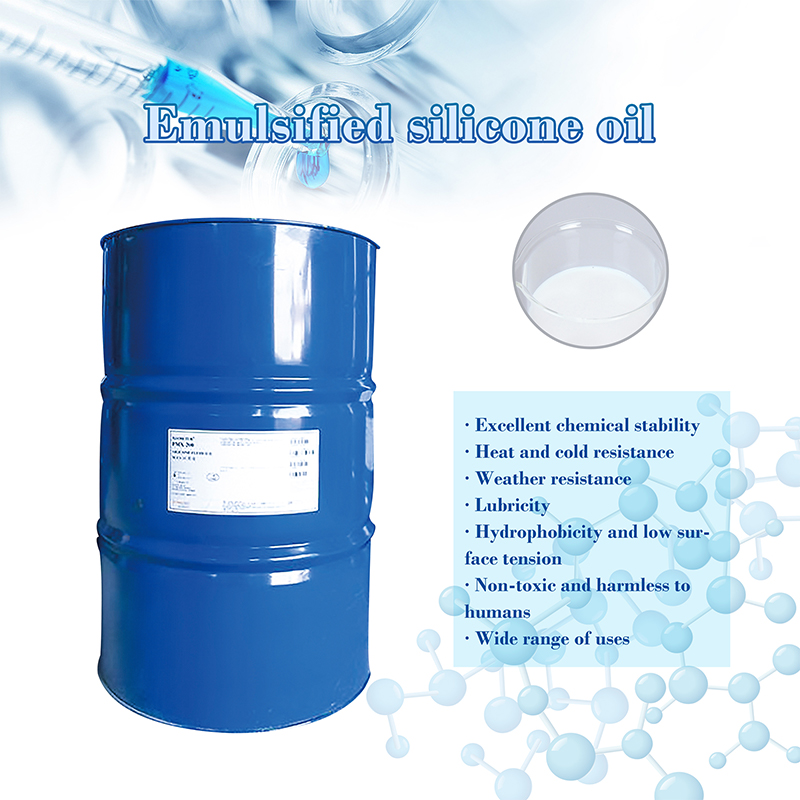
Emulsified Silicone Oil
Application in Agriculture
Agricultural silicone synergists are used to improve the spreading, wetting, and deposition of spray solutions. Plant leaves often have waxy or hydrophobic surfaces, and conventional water-based sprays may remain as droplets with limited coverage. Emulsified silicone oil can reduce surface tension and help spray droplets spread across a larger area.
Improved coverage may increase the uniformity of contact between a crop surface and an active ingredient. It can also support more efficient use of water-based agrochemical formulations when the application conditions are suitable. The result depends on crop variety, leaf structure, spray volume, droplet size, humidity, temperature, wind, rainfall, and the chemical compatibility of the tank mixture.
Compatibility is a central consideration in agricultural applications. Emulsified silicone oil may be combined with pesticides, herbicides, fungicides, plant growth regulators, fertilizers, and other adjuvants. However, not every combination is stable or agronomically appropriate. Jar testing, formulation testing, and small-scale field evaluation are recommended before commercial use.
Agricultural formulations may require rapid wetting, strong spreading, rainfastness, low foaming, or a balanced combination of these characteristics. A lower-viscosity emulsion may be preferred where quick dispersion and rapid leaf coverage are important. A formulation with stronger surface persistence may be selected when longer-lasting deposition is required. Hebei Guituo New Material Co., Ltd. develops agricultural silicone products with attention to these application-specific differences.
Application in Personal Care and Daily Chemicals
Emulsified silicone oil is used in hair care products, shampoos, conditioners, creams, lotions, polishes, detergents, and cleaning products. In hair care, silicone deposition can improve smoothness, reduce combing resistance, and provide a soft or conditioned feel. The level of deposition should be controlled so that the desired conditioning effect is achieved without excessive buildup or undesirable changes in texture.
In household and automotive products, emulsified silicone oil can enhance gloss, water repellency, smoothness, and surface appearance. It may be incorporated into dashboard care products, automotive exterior treatments, furniture polish, floor care products, leather treatment, and multipurpose surface cleaners.
Formulation stability is especially important in daily chemical products. The emulsion should maintain a uniform appearance and consistent performance during storage. It should also remain compatible with fragrances, pigments, surfactants, thickeners, preservatives, salts, and other functional ingredients. Changes in ionic strength, pH, temperature, or mixing order can influence stability.
Emulsified silicone oil may also contribute to foam control. In products where uncontrolled foam interferes with filling, mixing, dispensing, or cleaning performance, silicone-based materials can help reduce persistent bubbles. The dosage must be optimized because excessive defoaming can negatively affect desirable foam in shampoos, detergents, and other consumer products.
Application in Textiles
Textile manufacturers use silicone-based emulsions to improve softness, smoothness, lubricity, handle, and processing performance. The emulsion can be applied to fibers, yarns, woven fabrics, nonwoven materials, and finished textile products, depending on the formulation and finishing process.
In textile finishing, uniform distribution is essential. Poorly dispersed silicone may cause uneven hand feel, spots, streaks, or localized changes in appearance. A carefully designed emulsion helps the active silicone component reach the fiber surface more consistently. Viscosity, droplet size, wetting, bath stability, padding conditions, drying temperature, and curing conditions all influence the final result.
Silicone emulsions can also reduce friction between fibers and processing equipment. This may support smoother handling and reduce mechanical stress during certain operations. The ideal product is determined by the desired softness, hydrophilicity, hydrophobicity, sewability, dye compatibility, and laundering performance.
Application in Plastics, Rubber, and Polyurethane
In plastics and rubber processing, emulsified silicone oil is used for release, lubrication, anti-stick performance, and surface conditioning. It may be applied to molds, equipment surfaces, films, sheets, or finished components. Consistent deposition can help reduce sticking and support easier part removal.
For polyurethane processing, release performance must be matched to mold temperature, cycle time, foam structure, substrate, and surface appearance requirements. A release agent that works well in one polyurethane system may not be suitable for another. Testing should evaluate part release, surface transfer, paintability, bonding, gloss, and mold buildup.
In plastic film applications, silicone treatment can reduce blocking between film layers. The treatment level should be carefully controlled to avoid adversely affecting printing, lamination, heat sealing, or downstream adhesion. The emulsion must be compatible with the film polymer and the chosen coating or application process.
Application in Coatings, Paints, and Defoamers
Emulsified silicone oil can be used in water-based coatings and paint additives to improve surface flow, slip, gloss, leveling, and foam control. It may help reduce surface tension differences that lead to craters, pinholes, orange peel, or uneven wetting. However, silicone additives can sometimes interfere with intercoat adhesion, recoating, printing, or bonding if the dosage and compatibility are not properly controlled.
In water-based coatings, foam may develop during high-speed mixing, pumping, filling, spraying, or application. Silicone-based defoaming action works by destabilizing foam films and encouraging bubbles to break. Performance depends on silicone viscosity, droplet size, emulsifier selection, coating polarity, pigment loading, resin type, and processing shear.
Manufacturers should evaluate both immediate foam knockdown and long-term foam control. A product that rapidly suppresses foam but creates surface defects may not be suitable. The ideal additive provides effective foam reduction while preserving gloss, leveling, adhesion, and appearance.
Application in Metal, Glass, Ceramic, Stone, Paper, and Wood
For metal processing, emulsified silicone oil can provide lubrication, surface slip, anti-stick behavior, and temporary water repellency. It may be used in forming, polishing, cleaning, or protective treatment systems. The application must be selected carefully when subsequent painting, welding, bonding, or plating is required, because silicone transfer can affect downstream adhesion.
In glass and ceramic processing, silicone emulsions may assist release, polishing, handling, and surface protection. The product should be evaluated for residue, cleanliness, thermal exposure, and compatibility with subsequent firing or coating steps.
Stone, wood, paper, and leather treatments can benefit from the water-repellent and gloss-enhancing characteristics of silicone. On porous materials, penetration and absorption become important. A low-viscosity, finely dispersed emulsion may penetrate more easily, while a higher-viscosity product may remain closer to the surface and provide stronger visible conditioning.
Manufacturing and Quality Strengths
Hebei Guituo New Material Co., Ltd. is described as a high-technology enterprise integrating research and development, manufacturing, and sales. Its product strategy focuses on the development and practical application of high-end silicone materials for industrial and agricultural markets.
The company has established a product matrix covering silicone additives, wetting agents, modified silicone oils, dimethyl silicone oils, surfactants, defoamers, and related materials. This breadth is important because emulsified silicone oil rarely performs independently in complex industrial formulations. Customers may need a wetting agent, a defoamer, a modified silicone, or a compatible surfactant to achieve the desired final performance.
A broad product portfolio also supports formulation flexibility. Instead of relying on a single standard grade, customers can discuss viscosity, wetting behavior, spreading, stability, foam control, surface feel, and compatibility requirements with a supplier that understands multiple silicone technologies.
Advanced Production Equipment
The company has equipped its manufacturing system with advanced production equipment and precision testing facilities. For emulsified silicone oil, suitable equipment is important for controlling mixing energy, temperature, feed rate, emulsifier distribution, and residence time. These variables influence droplet size, viscosity, appearance, and storage stability.
High-quality production is not achieved only through the final mixing step. It depends on raw material selection, accurate weighing, controlled addition, process monitoring, equipment cleanliness, batch records, and finished-product inspection. A controlled manufacturing environment helps reduce batch-to-batch variation and supports stable supply for customers with continuous production requirements.
Full-Process Quality Monitoring
Hebei Guituo New Material Co., Ltd. emphasizes quality monitoring from production source to finished-product delivery. This approach can include incoming raw material checks, process control, intermediate inspection, finished-product testing, packaging verification, and storage management.
For emulsified silicone oil, quality evaluation may involve appearance, viscosity, pH, solids content, emulsion stability, dilution behavior, freeze-thaw resistance, heat stability, compatibility, and application performance. The exact test program should correspond to the intended application and agreed technical specification.
| Quality Area | Typical Evaluation Focus | Customer Benefit |
|---|---|---|
| Raw materials | Identity, consistency, and suitability of silicone oils, surfactants, and stabilizers | More reliable batch performance |
| Production process | Mixing, temperature, addition sequence, and emulsification conditions | Controlled dispersion and repeatability |
| Physical properties | Appearance, viscosity, pH, and solids content | Improved processing predictability |
| Stability testing | Storage, temperature, dilution, and phase separation behavior | Longer and more reliable service life |
| Application testing | Wetting, spreading, release, lubrication, gloss, and foam control | Better suitability for the final formulation |
| Delivery control | Packaging, labeling, documentation, and batch traceability | Improved supply-chain management |
Technical Team and Application Support
An experienced technical and production team is a significant advantage when supplying specialty chemicals. Customers often require more than a standard product description. They may need support with dilution, mixing order, dosage, storage, compatibility, or adaptation to a particular production line.
Hebei Guituo New Material Co., Ltd. combines product development with application-oriented technical control. This is valuable for customers working in agriculture, textiles, daily chemicals, electronics, coatings, plastics, and other fields where small changes in formulation can produce major differences in performance.
OEM and ODM Capability
The company accepts OEM and ODM orders. This provides an option for customers that need private-label supply, application-specific grades, customized packaging, or modified performance targets. Custom development may involve changes to viscosity, emulsion type, droplet distribution, surface activity, foam response, compatibility, or concentration.
OEM and ODM cooperation should begin with a clear technical brief. Important information includes the application, substrate, processing method, dosage range, storage conditions, target performance, regulatory requirements, packaging needs, and anticipated annual volume. Laboratory samples and pilot testing can then be used to confirm the formulation before scale-up.
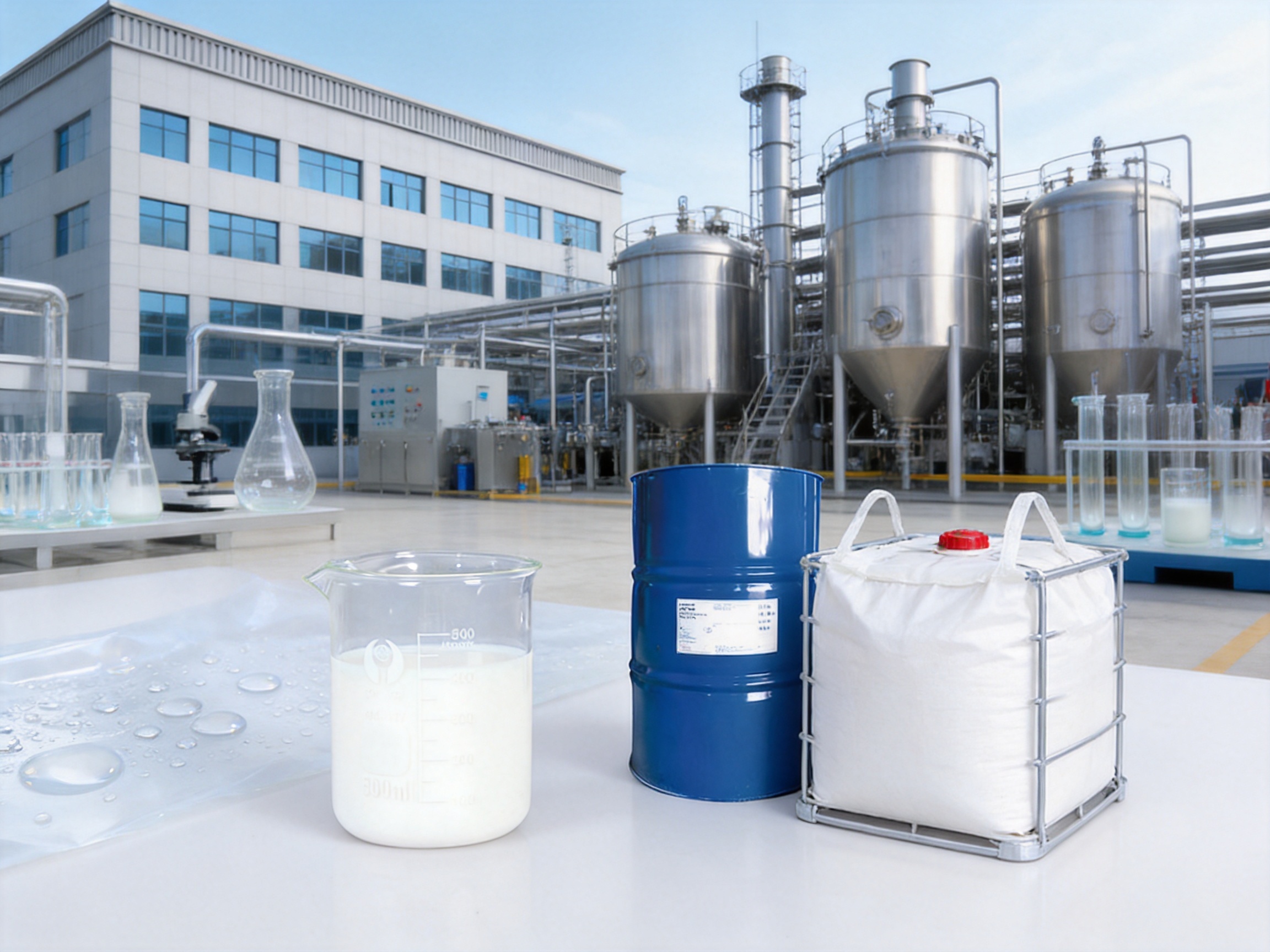
How Emulsion Stability Affects Product Performance
Emulsion stability is one of the most important technical characteristics of emulsified silicone oil. An unstable emulsion may separate into layers, form sediment, develop large droplets, change viscosity, or lose its original appearance. Such changes can reduce application consistency and create problems in pumps, spray equipment, filling machines, or production tanks.
Stability is influenced by the silicone oil type, viscosity, emulsifier system, stabilizer concentration, droplet size, pH, ionic strength, temperature, microbial control, and mechanical stress. Storage time and container headspace may also affect the product. A stable emulsion should be evaluated under both normal and accelerated conditions.
In agricultural sprays, stability supports uniform distribution during tank storage and application. In daily chemicals, it helps maintain consistent texture and appearance. In textiles, it supports even deposition across a treatment bath. In coatings, it helps prevent defects caused by uneven additive distribution.
Viscosity and Droplet Size Selection
Silicone oil viscosity affects flow, spreading, film thickness, and droplet formation. Low-viscosity silicone oils generally allow rapid movement and fine dispersion. They may be preferred for sprayable products, agricultural formulations, and light surface treatments. Medium-viscosity grades can balance coverage and flow, making them useful for textile finishing, coatings, and general surface treatment.
High-viscosity silicone oils may create stronger lubrication, thicker coverage, and longer-lasting surface conditioning. They can be useful in protective layers, specialized release systems, and applications where a substantial silicone film is desired. However, higher viscosity may require stronger mixing, different emulsification conditions, or adjustments to the application equipment.
| Silicone Oil Viscosity Range | General Droplet and Flow Behavior | Potential Application Direction |
|---|---|---|
| Low viscosity | Fast flow, fine dispersion, rapid spreading | Agricultural sprays, aqueous additives, light surface treatment |
| Medium viscosity | Balanced flow, moderate coverage, stable handling | Textile finishing, coatings, polishes, general industrial use |
| High viscosity | Slower flow, stronger film formation, thicker coverage | Release agents, protective layers, lubrication, specialty treatment |
Droplet size should not be considered independently from application requirements. Smaller droplets may provide rapid wetting but can be more sensitive to destabilization or excessive spreading. Larger droplets may provide stronger local coverage but can be more difficult to disperse uniformly. A controlled droplet distribution helps balance application efficiency and final surface performance.
Compatibility and Formulation Guidelines
Before using emulsified silicone oil in a commercial product, formulators should conduct a compatibility study. The evaluation should include the intended base formulation, concentration range, mixing order, agitation level, storage temperature, and packaging type.
Compatibility testing should examine visual appearance, viscosity, pH, phase separation, sedimentation, foam, odor, color, dilution stability, and performance on the intended substrate. For agricultural products, the study should include active ingredients and tank-mix partners. For personal care, it should include surfactants, salts, fragrances, preservatives, thickeners, and conditioning materials. For coatings, it should include resin, pigment, dispersant, defoamer, coalescent, and substrate interactions.
Adding emulsified silicone oil slowly under moderate agitation is often preferable to dumping a concentrated material into a formulation. Excessive shear may be beneficial in some systems but harmful in others. The correct procedure depends on the emulsion design. Customers should follow the supplier’s technical recommendations and verify the process on their own equipment.
Compatibility with downstream operations is equally important. Silicone transfer may affect printing, painting, bonding, welding, plating, lamination, or adhesion. When the treated substrate will undergo another process, testing should include that complete process rather than stopping at visual inspection.
Storage, Handling, and Application Considerations
Emulsified silicone oil should be stored in clean, tightly closed containers in a cool and dry location. Direct sunlight, extreme heat, freezing conditions, and repeated temperature cycling should be avoided unless the product has been specifically designed for those conditions.
Before use, the product should be inspected for unusual separation, coagulation, sediment, odor, or color change. Gentle agitation may restore uniformity in some cases, but severe or irreversible separation may indicate that the product should not be used without technical evaluation.
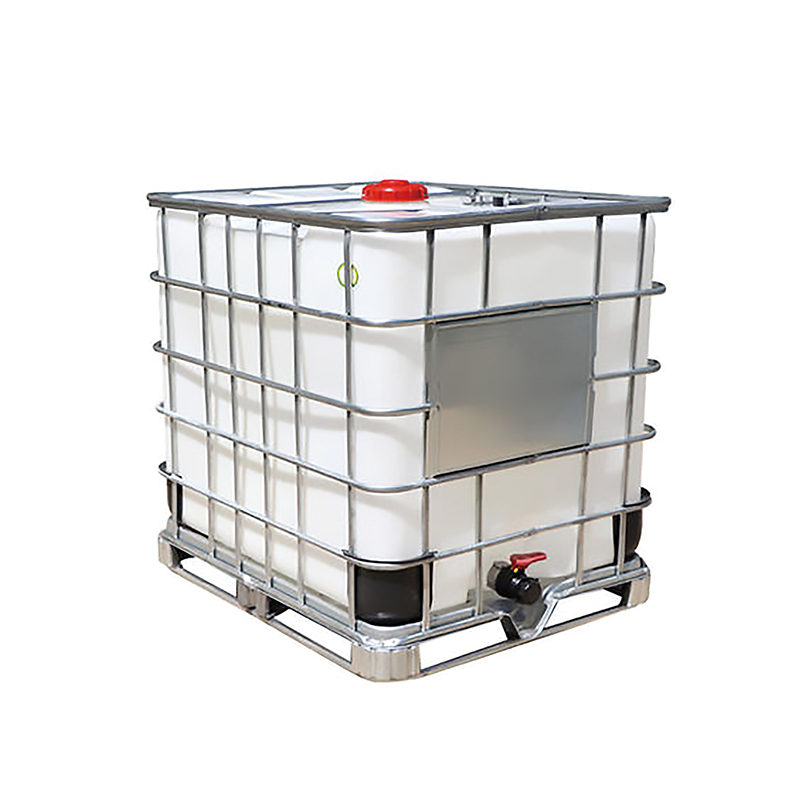
Packaging materials should be compatible with the emulsion. Containers should be selected to resist leakage, contamination, and interaction with the product. Proper labeling and batch traceability are important for industrial quality management.
Users should consult the current safety data sheet for personal protective equipment, spill response, storage classification, transportation requirements, and disposal instructions. The safety profile of the complete product should be assessed according to the actual formulation and local regulations.
Competitive Advantages of the Product and Supplier
The main competitive advantage of emulsified silicone oil is its ability to combine silicone performance with water-based processing convenience. Compared with certain conventional oil-based release agents, lubricants, or surface treatments, it can offer easier dispersion, lower surface tension, improved coverage, and greater formulation flexibility.
LD-620 is supported by a supplier with expertise across silicone additives, wetting agents, modified silicone oils, dimethyl silicone oils, surfactants, and defoamers. This integrated product capability can simplify sourcing and improve the likelihood of achieving compatibility between related additives.
The company’s advanced equipment, precision testing facilities, full-process quality monitoring, experienced technical staff, and ability to provide OEM and ODM services further distinguish its supply model. Customers can obtain not only a standard emulsified silicone oil but also technical assistance and customized development for demanding applications.
The company reports that its agricultural silicone products have achieved an advanced domestic level and have been selected by leading domestic agrochemical enterprises. Its products are also exported to markets including Europe and Southeast Asia. Repeated purchases from overseas customers indicate continued interest in stable performance and dependable quality, although each customer should conduct its own qualification and compliance review.
Selecting the Correct Grade
The correct grade should be selected according to the final performance objective rather than product name alone. A customer seeking agricultural spreading may prioritize low surface tension, rapid wetting, tank-mix compatibility, and low foam. A textile customer may prioritize softness, penetration, bath stability, and uniform finishing. A mold release customer may require release efficiency, low transfer, thermal stability, and compatibility with painting or bonding.
| Selection Factor | Questions to Consider |
|---|---|
| Application method | Will the product be sprayed, brushed, padded, dipped, rolled, or mixed into a formulation? |
| Substrate | Is the target surface plant tissue, textile fiber, metal, plastic, rubber, wood, paper, glass, stone, or ceramic? |
| Desired effect | Is the primary goal wetting, spreading, release, lubrication, gloss, water repellency, softness, or defoaming? |
| Formulation environment | Is the system water-based, solvent-based, acidic, alkaline, high-salt, surfactant-rich, or polymer-based? |
| Temperature | What are the storage, processing, drying, and service temperatures? |
| Compatibility | Will the product affect adhesion, printing, painting, bonding, foaming, or subsequent finishing? |
| Stability requirements | How long must the product remain stable, and what temperature or transport conditions will it experience? |
| Customization | Are special viscosity, packaging, concentration, branding, or performance requirements needed? |
Customers should provide these details when requesting a quotation or sample. Accurate technical information allows the supplier to recommend a suitable product more efficiently and reduces the risk of selecting a grade that performs well in one application but poorly in another.
Recommended Evaluation Procedure
A practical evaluation can be conducted in several stages. First, review the technical data, safety documentation, and intended use restrictions. Second, prepare a small laboratory formulation using the proposed concentration and mixing order. Third, observe immediate appearance, viscosity, foam, dilution, and phase behavior. Fourth, apply the formulation to the target substrate using the planned application method.
Performance testing should include the properties most relevant to the application. These may include contact angle, spreading diameter, leaf coverage, release force, coefficient of friction, gloss, water repellency, surface feel, foam height, foam decay, fabric softness, coating leveling, or storage stability.
After laboratory screening, a pilot-scale trial should be performed under production conditions. Scale-up can change mixing energy, addition time, temperature control, pump shear, residence time, and filling behavior. A product that performs well in a beaker may require process adjustments in a large tank.
Final approval should be based on both technical performance and commercial factors, including supply capacity, packaging, documentation, delivery schedule, regulatory status, and total cost in use. The lowest purchase price is not always the lowest formulation cost if a product requires higher dosage or causes production defects.

Frequently Asked Questions
What is emulsified silicone oil?
Emulsified silicone oil is a dispersion of silicone oil droplets in water or another compatible polar medium. Emulsifiers and stabilizers help maintain the dispersion. The product allows silicone properties such as spreading, lubrication, release, water repellency, and surface protection to be used in many water-based formulations.
What is the main product model discussed in this article?
The product model is LD-620. It is identified as emulsified silicone oil, with polydimethylsiloxane emulsion listed as a synonym. The supplied product information lists CAS number 9016-00-6, EINECS number 618-493-1, and a stated purity of 99.8%.
Can emulsified silicone oil be used in agricultural formulations?
Yes. It can improve wetting and spreading on plant surfaces and may support more uniform deposition of active ingredients. Compatibility with pesticides, fertilizers, and other adjuvants must be confirmed through laboratory and field testing before use.
How does emulsified silicone oil improve wetting?
Silicone oil has low surface tension. When properly dispersed and applied, it can help reduce the surface tension of the formulation and improve contact with hydrophobic substrates. This may increase coverage and reduce the tendency of droplets to remain isolated on the surface.
Is emulsified silicone oil suitable for shampoos and hair care products?
It can be used in hair care and personal care formulations to support smoothness, conditioning, easier combing, and a soft after-feel. The complete formulation should be tested for appearance, stability, sensory performance, buildup, compatibility with surfactants, and regulatory requirements.
Can the product be used as a release agent?
Yes. Silicone’s low surface energy and lubricating properties make emulsified silicone oil suitable for certain mold release and anti-stick applications involving plastics, rubber, polyurethane, ceramics, glass, and other materials. The grade should be tested for release force, transfer, mold buildup, surface appearance, and downstream adhesion.
What factors influence emulsion stability?
Important factors include silicone oil viscosity, emulsifier type, stabilizer selection, droplet size, pH, ionic strength, temperature, mixing conditions, microbial control, and storage time. Compatibility with other formulation ingredients is also essential.
Does higher viscosity always provide better performance?
No. Higher viscosity may provide stronger lubrication or thicker coverage, but it may disperse more slowly and require different processing conditions. Lower viscosity may provide faster spreading and finer dispersion. The best viscosity depends on the application objective.
Can emulsified silicone oil control foam?
It can contribute to foam control in certain water-based and industrial systems. Performance depends on droplet size, silicone viscosity, emulsifier selection, formulation polarity, and dosage. Testing should evaluate both foam knockdown and possible effects on gloss, adhesion, texture, and surface appearance.
Is the product compatible with all solvents and additives?
No universal compatibility should be assumed. The supplied information describes the material as insoluble in ethanol and methanol and soluble in certain aromatic, aliphatic, and chlorinated hydrocarbons. Because the complete emulsion contains a carrier and emulsifying system, users should perform compatibility testing with every important formulation component.
Can the supplier provide customized products?
Yes. Hebei Guituo New Material Co., Ltd. accepts OEM and ODM orders. Customization may involve viscosity, concentration, emulsion characteristics, packaging, labeling, application performance, or other technical requirements. A clear technical brief and sample evaluation are recommended.
What industries use emulsified silicone oil?
Common industries include agriculture, personal care, daily chemicals, textiles, coatings, paints, plastics, rubber, polyurethane, automotive care, furniture care, metal processing, glass, ceramics, stone, paper, wood, and electronics-related applications.
How should the product be stored?
It should generally be kept in a clean, tightly closed container in a cool and dry place, protected from direct sunlight, excessive heat, freezing, and contamination. Users should follow the current technical data sheet and safety data sheet for specific storage requirements.
Conclusion
Emulsified silicone oil is a multifunctional material that brings silicone performance into water-based and polar formulations. Its low surface tension, wetting, spreading, lubrication, release, water repellency, chemical stability, thermal resistance, and surface-protection properties support a wide range of industrial and consumer applications.
LD-620 is positioned as a versatile emulsified silicone oil for agriculture, daily chemicals, textiles, coatings, plastics, rubber, polyurethane, automotive products, furniture, metal processing, glass, ceramics, stone, paper, wood, and other fields. Its value is strengthened by the manufacturing and technical capabilities of Hebei Guituo New Material Co., Ltd., including advanced production equipment, precision testing facilities, full-process quality control, experienced technical personnel, a broad silicone product portfolio, and OEM and ODM support.
Successful use depends on selecting the correct viscosity, droplet structure, emulsion stability, emulsifier system, dosage, and application method. Customers should evaluate compatibility, storage stability, application performance, and downstream processing requirements before commercial adoption. With proper formulation and process control, emulsified silicone oil can improve product quality, manufacturing efficiency, surface appearance, and functional performance across many demanding markets.
References
1. Product technical information for LD-620 Emulsified Silicone Oil, supplied by Hebei Guituo New Material Co., Ltd.
2. General principles of silicone oil emulsification, dispersion stability, and surfactant-assisted formulation design.
3. Technical literature on polydimethylsiloxane applications in release agents, lubricants, coatings, textiles, and personal care products.
4. Formulation guidance for agricultural spray adjuvants, wetting agents, spreading agents, and silicone-based synergists.
5. Industrial references concerning emulsion particle size, viscosity control, phase stability, foam control, and surface-energy modification.
6. Standard laboratory practices for compatibility testing, accelerated storage evaluation, coating assessment, release testing, and surface-performance analysis.
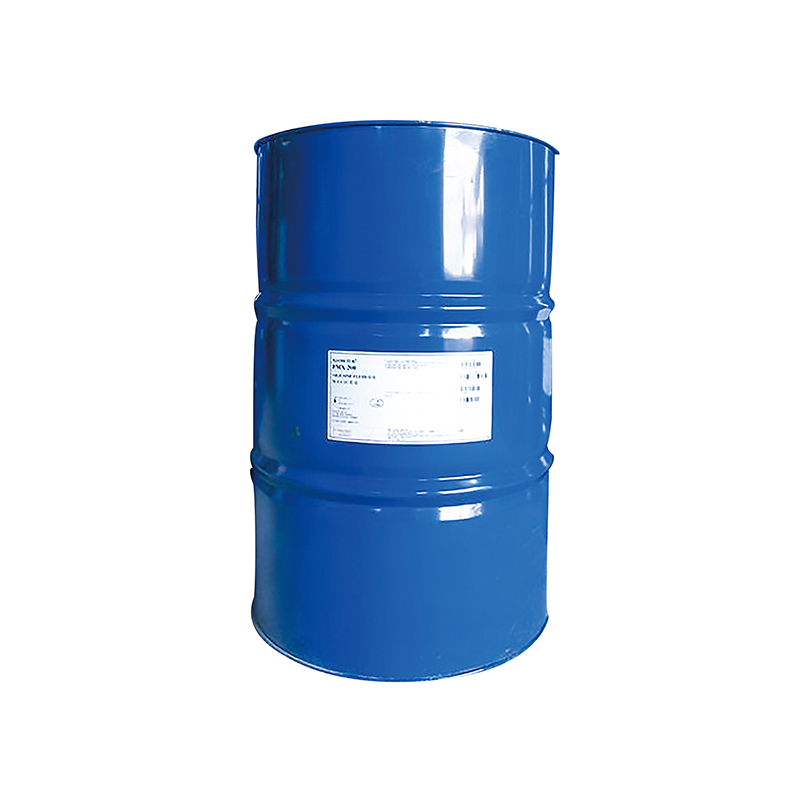
Product: Emulsified Silicone Oil


Contact Information
Tel : +86-400-138-5268
Email : [email protected]
Phone : +86-15128434888 / +86-13511051998
Add : Xinqiao Environmental Protection Industrial Park, Wen'an County, Langfang City, Hebei Province, China
Contact Information
Copyright © Hebei Guituo New Material Co., Ltd. All Rights Reserved.
