

 English
  Français
  Português
 Home / Author / Chen Yuhan, After-sales Coordinator (OEM/ODM Silicone Products) / Advanced Silicone Adjuvants for More Effective Mite Control
 Advanced Silicone Adjuvants for More Effective Mite Control
2026-09-15
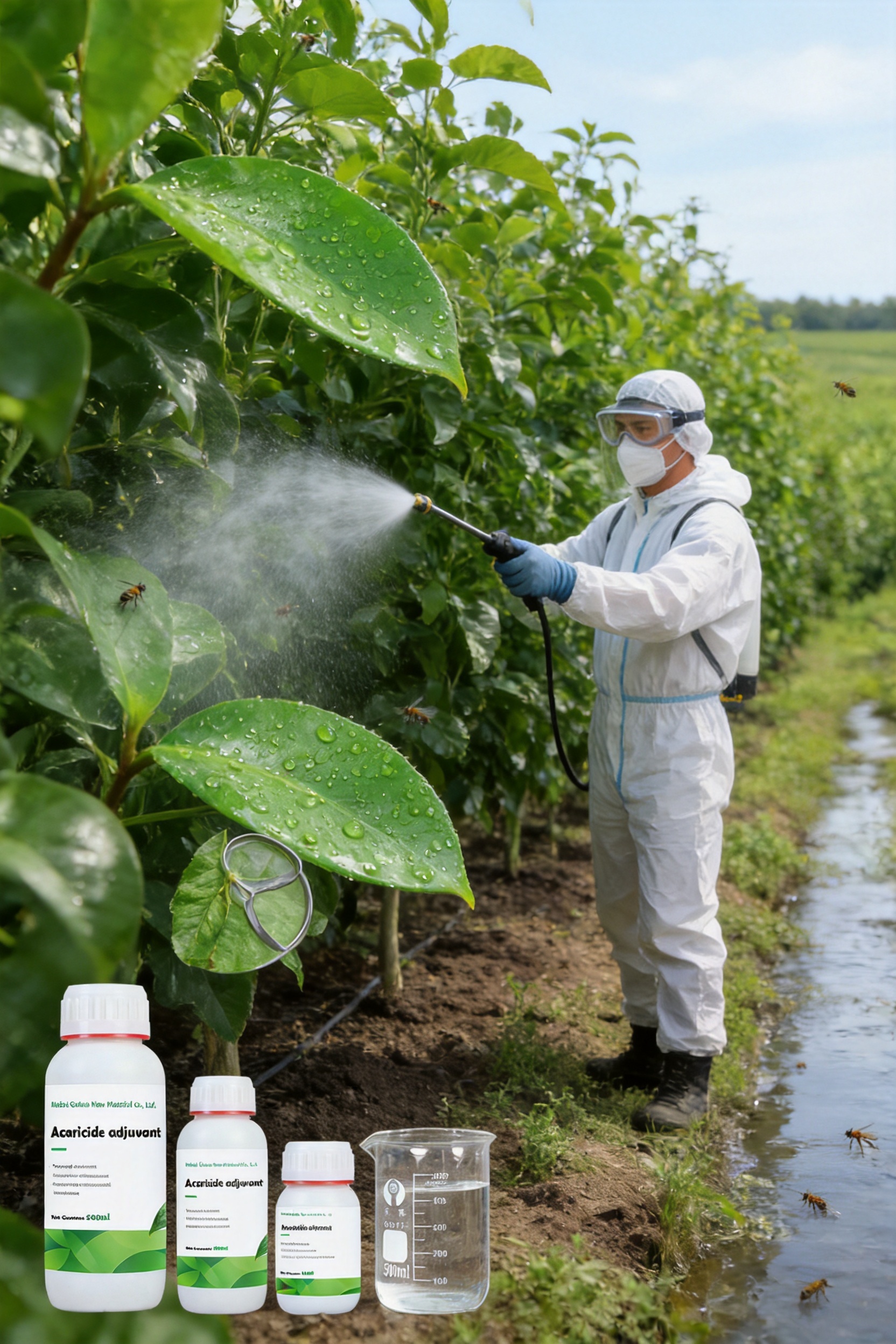
Mite infestations are among the most difficult pest-management challenges in modern agriculture. Unlike many larger insects, mites are extremely small, reproduce rapidly, and frequently occupy protected locations such as the undersides of leaves, leaf folds, stems, and other areas that are difficult to reach with conventional spray applications. Their bodies may also carry a waxy surface layer that limits contact with acaricide droplets. As a result, even a technically effective acaricide can deliver inconsistent field performance when spray coverage, wetting, adhesion, or penetration is insufficient.
GT-6000 Mite-Killing Adjuvants are agricultural silicone-based adjuvants developed to improve the performance of acaricide spray programs. The product is based on a polyether-modified trisiloxane silicone surfactant and is designed to reduce surface tension, improve wetting and spreading, increase adhesion to plant surfaces, and support more efficient contact with mites. By improving the physical behavior of the spray solution, GT-6000 helps active ingredients reach more of the crop surface and remain available for a longer period under suitable application conditions.
The product is especially suitable for applications in which mites gather on leaf undersides or where the crop has a hydrophobic wax layer that causes conventional water-based droplets to bead up and roll away. Its low surface tension allows spray droplets to spread rapidly across difficult surfaces. The resulting coverage can help reduce untreated areas and increase the probability that mites will receive an effective exposure to the selected acaricide.
GT-6000 is supplied by Hebei Guituo New Material Co., Ltd., a high-technology enterprise specializing in the research, production, and sales of silicone materials for industrial and agricultural applications. The company also operates in cooperation with Ningbo Guituo Trading Co., Ltd. for product supply and international market service. Its product portfolio includes silicone additives, agricultural wetting agents, modified silicone oils, dimethyl silicone oils, surfactants, defoamers, and related functional materials.
The following article examines the working principles, technical profile, manufacturing strengths, competitive advantages, application considerations, and safety factors associated with GT-6000 Mite-Killing Adjuvants.
1. The Role of Adjuvants in Modern Mite Management
Acaricides are formulated to control mites through contact, ingestion, respiration, or other biological mechanisms. However, the activity of an acaricide depends not only on the active ingredient itself. It also depends on whether the spray reaches the target, remains on the crop, contacts the pest, and penetrates the relevant surface barrier. In practical field conditions, these physical factors can strongly influence the final result.
An adjuvant is an auxiliary formulation component added to a spray tank or incorporated into a pesticide formulation to improve application performance. It may affect droplet spreading, wetting, retention, penetration, emulsification, rainfastness, or compatibility. A silicone adjuvant such as GT-6000 is particularly valuable because silicone surfactants can reduce surface tension more efficiently than many conventional surfactants at low use concentrations.
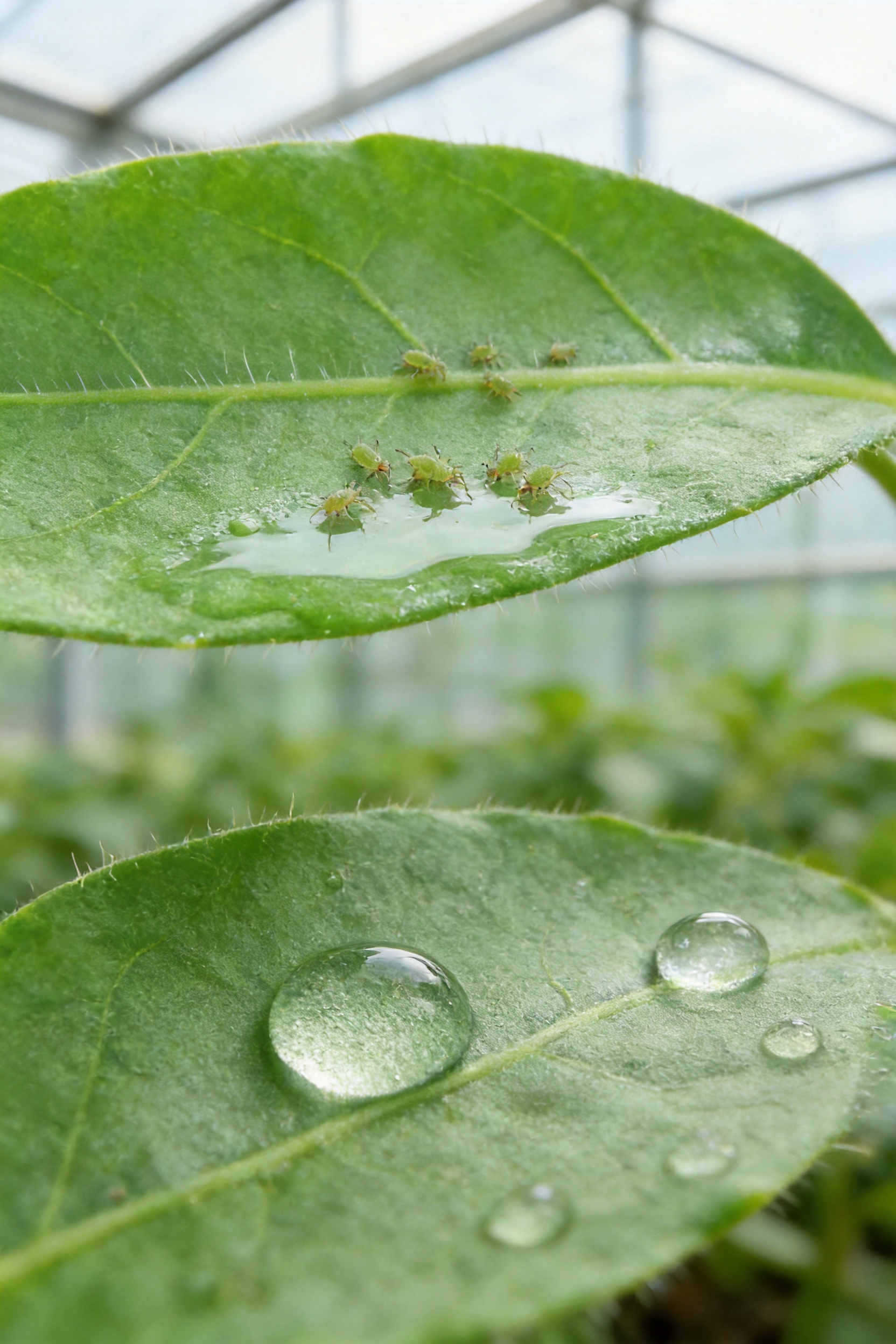
When a conventional spray droplet lands on a waxy leaf, it may remain nearly spherical. Such a droplet covers only a small portion of the crop surface and may slide away before the acaricide has sufficient time to act. GT-6000 changes the interfacial behavior of the spray solution. The droplet can flatten, spread, and contact a larger area of the leaf. This makes it easier to reach mites located on uneven surfaces, leaf veins, and protected locations.
The same principle applies to the mite body. Many mites have a hydrophobic or wax-associated outer surface that can resist aqueous droplets. A properly selected silicone surfactant helps the spray solution maintain closer contact with that surface. Depending on the acaricide, crop, concentration, and conditions, this improved contact may support better transfer of the active ingredient to the target organism.
Adjuvants do not replace acaricides and should not be regarded as independent pest-control products unless specifically registered and labeled for that purpose. Their principal function is to improve the delivery and performance of the acaricide with which they are used. The best results are obtained when the adjuvant, acaricide, water quality, spray equipment, crop, and environmental conditions are considered as one application system.
2. How GT-6000 Improves Spray Performance
2.1 Targeted Adhesion to Leaves and Mites
Mites often concentrate on the underside of leaves, where the surface may be shaded, uneven, and difficult to cover. In addition, the underside frequently contains leaf hairs, veins, stomatal structures, and waxy deposits that interfere with uniform spray deposition. GT-6000 helps lower the surface tension of the spray mixture so that droplets can spread across these complex surfaces instead of remaining concentrated in isolated spots.
Improved adhesion has several practical benefits. First, a larger portion of the applied spray can remain on the crop rather than bouncing, rolling, or draining away. Second, the acaricide may be distributed more evenly across the areas where mites are active. Third, better surface contact can reduce the number of untreated gaps created by irregular spray deposition.
The adjuvant can also promote closer contact between droplets and the mite body. This is important for acaricides that depend on direct contact. A larger and more stable contact area may improve the opportunity for the active ingredient to reach the pest. Actual biological performance will depend on the acaricide mode of action, pest species, developmental stage, and application rate.
2.2 Improved Wetting and Spreading
Wetting is the ability of a liquid to make contact with a solid surface. Spreading is the process by which the liquid extends across that surface after contact. These properties are closely related but not identical. A spray may wet a leaf without spreading sufficiently, or it may spread quickly but fail to remain on the surface. A well-designed silicone adjuvant helps balance these behaviors.
GT-6000 has a reported surface tension of less than 20.5 mN/m at a concentration of 0.1% by weight. This low value indicates strong surface activity and helps explain the product’s ability to promote rapid coverage. The actual result in the field will depend on dosage, water hardness, tank-mix composition, temperature, crop surface characteristics, and spraying pressure.
Rapid spreading is particularly useful for crops with glossy leaves, thick cuticles, or a high degree of natural water repellency. It can also help when spray droplets must travel around leaf edges or reach recessed areas. For mite-control programs, this property is important because mites are often distributed unevenly across the plant and may remain hidden in areas that are not directly visible during scouting.
2.3 Support for Penetration
Mites may be protected by waxy layers on their body surface, while plant leaves may be protected by a wax-rich cuticle. These barriers can limit the movement of a water-based spray and reduce the amount of active ingredient that reaches its target. GT-6000 can support penetration by altering the wetting and interfacial properties of the spray solution.
Improved penetration should be understood as enhanced delivery rather than unlimited penetration into plant tissue or the pest body. Whether an acaricide moves through a cuticle or affects a mite depends on its chemical properties and mode of action. GT-6000 supports the physical conditions needed for the active ingredient to work more efficiently, but it does not change the fundamental biological activity of the acaricide.
In a properly designed spray program, this function can help reduce the loss of active ingredient caused by poor wetting. It may also help an acaricide contact mites that are partially sheltered by surface structures. Such benefits are most likely when the adjuvant is used at the recommended concentration and with an acaricide known to be compatible with silicone surfactants.
2.4 Improved Resistance to Environmental Loss
Rain, irrigation, wind, ultraviolet exposure, and high temperature can all reduce the effective residence time of an agricultural spray. A portion of the applied solution may be washed from the leaf, evaporate before adequate deposition, or become unevenly distributed as the surface dries.
GT-6000 can help improve spray retention and may support the formation of a more uniform residual film after drying. This can improve resistance to light rain or minor environmental disturbance. However, it should not be interpreted as making a pesticide completely rainproof. Heavy rainfall, overhead irrigation, or immediate washing after application may still reduce performance.
High temperatures also require careful management. While a silicone adjuvant may improve deposition, spraying during extreme heat can increase evaporation and phytotoxicity risk. The most suitable application period is normally when temperatures, wind speed, humidity, and crop stress are within the product label recommendations.
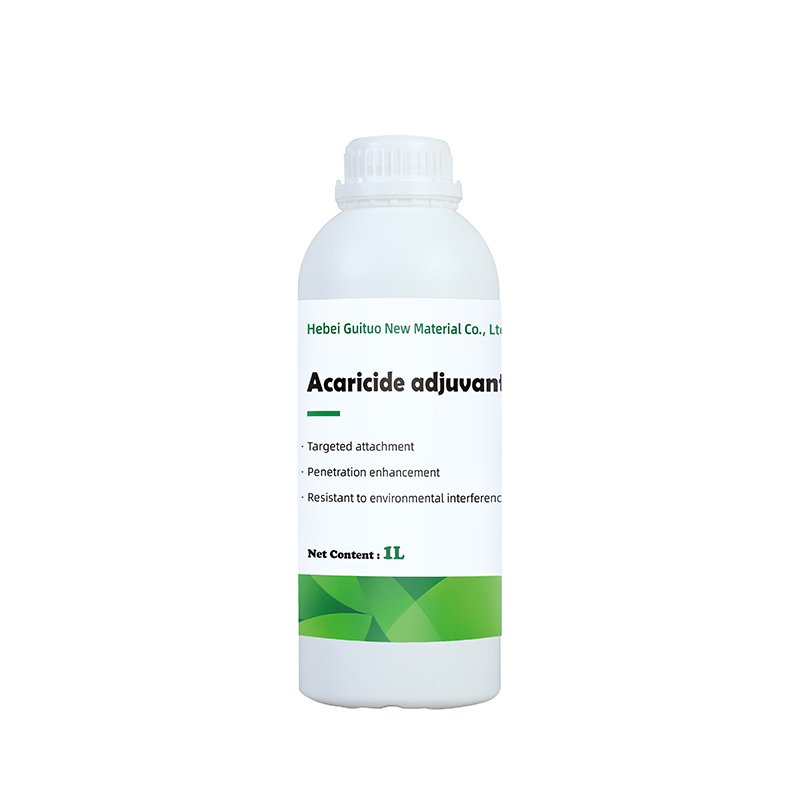
Mite-Killing Adjuvants
3. Technical Profile of GT-6000
GT-6000 is identified as a silicone surfactant and polyether-modified trisiloxane. This type of material combines the low surface tension characteristics of a silicone structure with the water compatibility and formulation flexibility provided by polyether modification. The result is a functional agricultural adjuvant suitable for wetting, spreading, and spray-coverage enhancement.
| Parameter | Specification |
|---|---|
| Product model | GT-6000 |
| Product name | Mite-Killing Adjuvants |
| Primary type | Silicone surfactant |
| Chemical description | Polyether-modified trisiloxane |
| CAS number | 27306-78-1 |
| EINECS number | 608-078-3 |
| Purity | 99.8% |
| Viscosity at 25°C | 30–50 mm²/s |
| Surface tension at 0.1% by weight | Less than 20.5 mN/m |
| Cloud point at 1.0% by weight | Not higher than 35°C |
| pH of 1% aqueous solution at 25°C | 6.5–7.5 |
The reported purity of 99.8% indicates a highly refined product specification. High purity is important for agricultural adjuvants because uncontrolled impurities can affect odor, color, storage stability, compatibility, and crop safety. Consistent purity also supports repeatable performance between production batches.
The viscosity range of 30–50 mm²/s at 25°C provides a balance between handling and active surface performance. A material that is too viscous may be difficult to meter, dilute, or blend. A material that is too fluid may create challenges in packaging, transport, or dosing accuracy. A controlled viscosity range helps maintain predictable processing and application behavior.
The pH range of 6.5–7.5 for a 1% aqueous solution is close to neutral. This can be advantageous in tank-mix systems because extreme pH conditions may destabilize certain crop-protection ingredients. Nevertheless, compatibility must always be confirmed with the specific acaricide and other products used in the spray tank.
The cloud point specification provides information about the temperature at which changes in solution clarity or phase behavior may occur under the test conditions. This parameter is relevant to storage, transport, dilution, and field use. Formulators can use the information to evaluate product behavior across different climates and seasonal conditions.
4. Competitive Advantages of Silicone-Based Mite Adjuvants
4.1 More Efficient Surface-Tension Reduction
One of the main advantages of silicone-based adjuvants over many conventional non-silicone surfactants is their ability to achieve strong surface-tension reduction at relatively low concentrations. This allows the spray droplet to spread rapidly across difficult plant surfaces and can increase the effective coverage obtained from a given spray volume.
For mite control, this advantage is especially relevant because mites are often found on surfaces that repel water or are poorly reached by ordinary droplets. Improved spreading can help direct more of the spray toward the target zone instead of allowing the droplet to remain in a compact bead.
4.2 Better Performance on Waxy Crop Surfaces
Many agricultural crops have a natural wax layer that reduces water loss and protects the leaf. While this layer is beneficial to the plant, it can also reduce spray wetting. GT-6000 is designed for situations in which the crop surface is hydrophobic or difficult to wet.
Compared with a basic wetting agent, a polyether-modified trisiloxane may provide a more pronounced spreading effect and improved contact uniformity. This can be valuable in orchards, vegetables, ornamentals, field crops, and other production systems where crop surfaces vary significantly from one another.
4.3 Support for Underside Coverage
Incomplete underside coverage is a common reason for inconsistent mite control. Mites may remain alive when the spray deposits primarily on the upper leaf surface. Although adjuvants cannot overcome poor equipment adjustment or inadequate spray penetration by themselves, the improved wetting and spreading of GT-6000 can support more uniform deposition when the sprayer is correctly calibrated.
Air-assisted sprayers, directed nozzles, appropriate pressure, and sufficient spray volume remain important. The adjuvant should be viewed as part of a complete application strategy rather than a substitute for good spray technique.
4.4 More Consistent Product Performance
Agricultural customers require adjuvants that perform consistently across multiple batches and seasons. A controlled technical specification covering purity, viscosity, pH, cloud point, and surface tension provides a basis for quality assurance. Such specifications help customers compare incoming materials and identify deviations before large-scale use.
Consistency is also important for formulators who manufacture premixes or recommend tank-mix programs. A stable raw material reduces the likelihood of unexpected changes in emulsion behavior, foaming, spreading, or crop response.
4.5 Potential for More Efficient Acaricide Use
When an adjuvant improves coverage and contact, it may allow the acaricide to be used more efficiently. In some programs, better deposition can support the intended performance at a lower active-ingredient burden, subject to the pesticide label and local regulations. Any reduction in acaricide rate must be based on validated efficacy data and must never violate legal application requirements.
The primary benefit is therefore not simply lower dosage. It is improved utilization of the selected acaricide. Better use of the active ingredient can reduce unnecessary losses caused by runoff, poor wetting, or untreated crop surfaces. It may also contribute to more sustainable pest-management programs when combined with monitoring, rotation of modes of action, and integrated pest-management practices.
5. Manufacturing Strengths and Quality-Control Systems
The performance of a silicone adjuvant begins with raw-material selection and continues through synthesis, blending, testing, packaging, and shipment. Hebei Guituo New Material Co., Ltd. has established a business structure integrating research and development, manufacturing, technical support, and sales. This integration supports closer control over product quality and enables the company to respond to different customer requirements.
5.1 Advanced Production Equipment
The company reports the use of internationally advanced production equipment for silicone material manufacturing. Modern equipment supports accurate temperature control, controlled addition of raw materials, efficient mixing, and improved process repeatability. These factors are important for polyether-modified silicone products because changes in reaction or blending conditions can influence viscosity, surface activity, clarity, and storage stability.
Controlled production equipment also helps reduce variation between batches. For customers using GT-6000 as a formulation ingredient, predictable material behavior is essential. A batch that differs significantly in viscosity or surface tension may affect spray performance, product appearance, dilution behavior, or application rate.
5.2 Full-Process Quality Monitoring
The company has developed a quality-monitoring mechanism covering the production source through finished-product delivery. A full-process approach may include raw-material inspection, in-process monitoring, finished-product analysis, packaging checks, and release procedures.
Important quality indicators for GT-6000 include purity, viscosity, pH, surface tension, cloud point, appearance, and storage stability. Testing these properties helps verify that the material meets its specification before shipment. Documentation and batch traceability further support customer quality systems and facilitate technical investigation if a question arises during use.
5.3 Experienced Technical and Production Personnel
Silicone chemistry requires specialized knowledge because small formulation changes can influence wetting, foam, emulsification, compatibility, and biological performance. An experienced technical team can help evaluate customer requirements, recommend suitable grades, and identify potential incompatibilities before commercial use.
The company’s technical and production teams support applications across agriculture, textiles, daily chemicals, electronics, and other industries. This cross-sector experience can be beneficial because developments in one application area may provide useful knowledge for another. For example, understanding silicone surface activity, defoaming, or dispersion behavior can support better agricultural formulation design.
5.4 Research and Development Capability
GT-6000 is part of a broader product-development system rather than an isolated commodity product. The company focuses on the deeper development and innovative application of high-end silicone materials. This orientation enables the development of products with specific performance characteristics, including low surface tension, controlled viscosity, compatibility with aqueous systems, and tailored application behavior.
Research and development strength is especially valuable for customers who need customized agricultural adjuvants. Different crops, active ingredients, water conditions, and application methods may require different balances of spreading, penetration, retention, foaming, or compatibility. A supplier with technical development capacity is better positioned to evaluate these requirements than a supplier offering only standard, non-specialized materials.
6. Formulation and Tank-Mix Considerations
GT-6000 can be used as an auxiliary product with acaricides, but the correct incorporation sequence is important. Before preparing a large volume, users should conduct a small-scale jar test using the same water source, acaricide, adjuvant concentration, and mixing order intended for field use.
In a typical tank-mixing process, the spray tank is partially filled with clean water, agitation is started, and products are added according to the instructions of the pesticide and adjuvant labels. The adjuvant may be added at a specified stage depending on whether it is being used with a suspension concentrate, emulsifiable concentrate, soluble liquid, wettable powder, water-dispersible granule, or another formulation type.
Users should avoid assuming that all products are compatible simply because each product is individually stable. Tank mixtures may produce precipitation, excessive foam, phase separation, viscosity changes, or reduced biological performance. Water hardness, temperature, pH, dissolved salts, and the presence of other additives can influence the final mixture.
Compatibility should also be assessed with fungicides, insecticides, foliar fertilizers, micronutrients, plant-growth regulators, and other products that may be included in the same spray program. If the mixture becomes cloudy, forms flakes, separates, generates persistent foam, or changes temperature unexpectedly, the mixture should not be applied until its compatibility has been evaluated.
Recommended Evaluation Sequence
| Evaluation Stage | Purpose | Important Observation |
|---|---|---|
| Water assessment | Understand pH, hardness, salinity, and cleanliness | Extreme water conditions can affect stability |
| Jar test | Check small-scale physical compatibility | Look for sediment, separation, flakes, or excessive foam |
| Leaf test | Observe wetting and spreading on the target crop | Check for beading, runoff, or overly rapid spreading |
| Small plot test | Evaluate crop tolerance and pest-control performance | Monitor phytotoxicity and biological response |
| Field-scale application | Confirm performance under commercial conditions | Use calibrated equipment and documented rates |
A small plot test is especially important when the crop is sensitive, the weather is unusually hot, the adjuvant is being used for the first time, or the acaricide formulation has not previously been tested with silicone surfactants. Testing allows users to confirm crop tolerance before treating a large production area.
7. Application on Different Crop Types
7.1 Fruit Crops and Orchards
Fruit trees and vines often have complex canopies, layered leaves, thick cuticles, and dense foliage. These characteristics can make it difficult for spray droplets to reach mites located on interior leaves or leaf undersides. GT-6000 can improve the wetting of waxy foliage and support more uniform distribution when combined with suitable spray equipment.
Orchard managers should pay close attention to canopy density, spray volume, air movement, and the timing of application. Excessive concentrations may increase the risk of leaf spotting, fruit marking, or phytotoxicity, particularly under high temperatures or when trees are under drought stress. A small-area test is recommended before broad application.
7.2 Vegetable Crops
Vegetables such as tomatoes, peppers, cucumbers, leafy greens, and other high-value crops may be sensitive to surfactants or tank-mix combinations. Their leaves can respond quickly to concentrated spray deposits, especially when humidity is high or drying is slow.
For vegetable crops, the user should follow the acaricide label, observe preharvest intervals, and confirm that the adjuvant is permitted for the crop and intended use. Spraying during cooler periods may reduce evaporation and crop stress. Application should be avoided when plants are wilted, heat-stressed, or exposed to extreme environmental conditions.
7.3 Cereals and Broadacre Crops
Cereal crops often tolerate a wider range of spray conditions than some fruits and vegetables, but this does not eliminate the need for proper use. Crop stage, leaf condition, herbicide or pesticide combinations, and weather may all influence crop response.
In broadacre agriculture, the value of GT-6000 may come from improved spray coverage at practical water volumes. Correct nozzle selection and boom calibration remain essential. An adjuvant can help a droplet spread after it lands, but it cannot compensate for insufficient spray interception or excessive wind drift.
7.4 Ornamentals and Woody Plants
Ornamental plants may include species with highly variable leaf surfaces and sensitivity levels. Some plants have delicate foliage or flowers that are easily marked by concentrated spray deposits. Testing on a limited number of plants is therefore essential before commercial or landscape-wide use.
Applications should generally avoid periods of intense heat, direct strong sunlight, or active flowering unless the product label specifically permits such conditions. Where pollinators may be present, users should also follow all applicable pesticide restrictions and avoid unnecessary exposure.
8. Crop Safety and Environmental Responsibility
The safety profile of an adjuvant depends on its concentration, the crop, the active ingredient, environmental conditions, and the application method. Silicone-based adjuvants can improve spray efficiency, but their strong spreading action means that excessive rates may increase the risk of leaf injury on sensitive crops.
Possible signs of phytotoxicity include leaf burn, chlorosis, necrotic spotting, bronzing, curling, surface blemishes, or abnormal growth. These symptoms may result from the adjuvant, the acaricide, the combination, or the environmental conditions. If crop injury is observed, the application should be reviewed immediately, including rate, water quality, spray timing, temperature, humidity, and tank-mix composition.
Environmental protection requires preventing spray drift and runoff. Users should maintain appropriate buffer zones around water bodies, avoid spraying during strong winds, and prevent tank residues from entering drains or waterways. Cleaning water should be managed according to local regulations. Even products designed to improve biodegradability or reduce environmental persistence must be handled responsibly.
Integrated pest management should be used alongside adjuvant technology. Effective mite management may include regular scouting, removal of heavily infested plant material, conservation of beneficial organisms, proper irrigation, crop sanitation, and rotation of acaricides with different modes of action. Better spray deposition can improve control, but it should not be treated as the sole strategy for resistance management.
9. Resistance Management and Sustainable Use
Mites can develop resistance rapidly because of their short generation times, high reproductive capacity, and repeated exposure to the same mode of action. Poor spray coverage can worsen this problem by exposing only part of the population to the active ingredient. Surviving mites may reproduce and pass resistance traits to the next generation.
GT-6000 may support resistance-management programs by improving coverage and increasing the likelihood that mites receive an effective exposure. More uniform deposition can reduce the number of mites that survive simply because they were located in an untreated area. However, the adjuvant does not prevent resistance on its own.
A responsible program should rotate acaricides according to their mode-of-action groups, use label-approved rates, avoid unnecessary repeat applications, and monitor pest populations after treatment. The choice of adjuvant should be consistent with the pesticide label and local regulatory requirements. Applying a lower rate than permitted in an attempt to reduce cost may create sublethal exposure and contribute to resistance.
When used correctly, a silicone adjuvant may help improve the value obtained from each spray application. Better coverage can reduce the need for corrective treatments, avoid repeated applications caused by inadequate wetting, and improve resource efficiency. These benefits depend on accurate diagnosis, correct timing, and proper equipment operation.
10. Why Choose GT-6000 for Commercial Agricultural Programs?
GT-6000 combines several characteristics that are important for professional agricultural use: strong surface-tension reduction, controlled viscosity, near-neutral aqueous pH, high stated purity, and a silicone-based structure designed for wetting and spreading. These properties make it suitable for customers seeking a specialized adjuvant rather than a general-purpose surfactant.
The product is supported by a manufacturer with experience in silicone materials and a product matrix serving agriculture, textiles, electronics, daily chemicals, and other industrial sectors. This breadth demonstrates knowledge of silicone additives across different technical environments.
Another advantage is the company’s capacity for customization. Agricultural customers may need a specific balance between fast spreading and retention, low foaming and high wetting, or compatibility with a particular pesticide formulation. OEM and ODM services can support customers developing private-label products, regional formulations, or application-specific grades.
Stable supply is also a significant consideration. The company has established production and testing facilities in China and maintains a quality-control system intended to support consistent delivery. Its products are supplied to domestic agrochemical enterprises and exported to overseas markets, including Europe and Southeast Asia.
Technical support is particularly valuable when an adjuvant is used with a new acaricide or crop. The supplier can help customers review target properties, evaluate formulation compatibility, and determine what performance tests may be appropriate before commercialization.
11. Practical Application Checklist
Before using GT-6000, identify the target mite species, crop, growth stage, infestation level, and location of the pest on the plant. Inspect both upper and lower leaf surfaces. Confirm that the selected acaricide is legally registered for the intended crop and pest.
Review the product label and local agricultural regulations. Follow the recommended adjuvant concentration, application volume, re-entry period, and preharvest interval. Do not assume that a rate used successfully on one crop can be transferred directly to another.
Check the weather forecast. Avoid application during strong wind, extreme heat, heavy rain, or conditions that could cause rapid evaporation or slow drying. Apply when the crop is adequately hydrated and not already under severe environmental stress.
Calibrate the sprayer. Confirm nozzle condition, spray pressure, travel speed, water volume, and canopy penetration. Adjust the equipment to reach the undersides of leaves where mites are concentrated. Use agitation that keeps the tank mixture uniform without creating unnecessary foam.
Perform a jar test and, where appropriate, a small crop-safety test. Observe the mixture immediately after preparation and again after standing. Examine treated plants for several days for signs of injury. Keep records of water quality, rates, weather, equipment settings, and observed results.
After application, monitor mite populations rather than relying only on visual impressions. Evaluate both live mites and plant recovery. If control is inadequate, determine whether the cause was resistance, timing, coverage, application error, reinfestation, or environmental loss before making another application.

12. Frequently Asked Questions
Q1: What is GT-6000 Mite-Killing Adjuvants?
GT-6000 is an agricultural silicone surfactant used with acaricides. It is described as a polyether-modified trisiloxane and is designed to improve wetting, spreading, adhesion, and spray coverage on crop surfaces and mites.
Q2: Does GT-6000 kill mites by itself?
Its primary role is to enhance the performance of an acaricide rather than replace the acaricide. Users should apply it only in accordance with the product label and the registration requirements governing the selected pest-control product.
Q3: Why is low surface tension important for mite control?
Low surface tension helps spray droplets spread over waxy or water-repellent surfaces. This can increase contact with leaf undersides and other areas where mites are located, reducing the chance that droplets remain concentrated in small beads or roll away.
Q4: Can GT-6000 improve penetration through a mite’s waxy surface?
It can support closer contact and improved delivery of the acaricide by changing the wetting properties of the spray solution. The actual degree of penetration depends on the acaricide, mite species, concentration, crop surface, and environmental conditions.
Q5: Can the adjuvant make an acaricide rainproof?
No adjuvant can guarantee complete rainproofing under all conditions. GT-6000 may improve retention and resistance to minor wash-off, but heavy rain or irrigation soon after application may still reduce performance. Always follow the pesticide label’s rainfastness guidance.
Q6: Is GT-6000 suitable for all crops?
Crop tolerance varies. Fruits, vegetables, ornamentals, and other sensitive crops may respond differently depending on the rate, weather, and tank mixture. A jar test and small-area crop-safety test should be conducted before broad use, especially on an unfamiliar crop.
Q7: Can GT-6000 be mixed with foliar fertilizers or other pesticides?
It may be compatible with some products, but compatibility cannot be assumed. Test the complete mixture using the same water source and mixing order planned for field application. Follow all label requirements and do not use a mixture that separates, precipitates, or causes unexpected foaming.
Q8: What is the reported pH of GT-6000?
The reported pH of a 1% aqueous solution at 25°C is 6.5–7.5. This near-neutral range can be useful in many spray systems, although the pH of the final tank mixture must be evaluated separately.
Q9: What is the reported surface tension of the product?
The reported surface tension is less than 20.5 mN/m at 0.1% by weight. This specification indicates strong surface activity and supports the product’s intended wetting and spreading function.
Q10: How does GT-6000 help with resistance management?
By improving coverage and contact, it may reduce survival caused by untreated or poorly treated areas. However, resistance management also requires rotation of acaricide modes of action, correct label rates, pest monitoring, and integrated pest-management practices.
Q11: Is customized production available?
Hebei Guituo New Material Co., Ltd. reports that it accepts OEM and ODM orders. Customers can discuss application requirements, packaging, technical specifications, and customized silicone-material solutions with the supplier.
Q12: Where can customers obtain technical information?
Customers can contact Hebei Guituo New Material Co., Ltd. or Ningbo Guituo Trading Co., Ltd. for product specifications, compatibility discussions, application guidance, and commercial inquiries.
13. Supplier and Service Information
Hebei Guituo New Material Co., Ltd. is located in Xinqiao Environmental Protection Industrial Park, Wen’an County, Langfang City, Hebei Province, China. The company focuses on high-end silicone materials and provides products for agricultural and industrial applications.
Its related trading and international-service organization is Ningbo Guituo Trading Co., Ltd. Together, the organizations support product sales, export coordination, technical communication, and customer service. The companies’ product range includes agricultural organosilicon additives, organosilicon surfactants, silicone wetting agents, modified silicone oils, dimethyl silicone oils, defoamers, and other functional materials.
For product inquiries, customers may contact the supplier by telephone at +86-400-138-5268, +86-15128434888, or +86-13511051998. WhatsApp service is available at +86-13722611888. Email inquiries may be sent to [email protected].
14. Conclusion
Effective mite management requires more than selecting a powerful acaricide. The spray must reach the pest, cover the relevant crop surfaces, remain in place long enough to work, and perform consistently under real agricultural conditions. GT-6000 Mite-Killing Adjuvants address these challenges through silicone-based surface activity.
Its polyether-modified trisiloxane structure, low reported surface tension, controlled viscosity, near-neutral pH, and high stated purity make it a specialized option for improving acaricide application. The product supports targeted adhesion, wetting, spreading, penetration, and resistance to minor environmental loss. These characteristics can be particularly valuable on waxy leaves and in crops where mites occupy leaf undersides or other difficult-to-reach locations.
The product’s competitive value is strengthened by the manufacturer’s production equipment, full-process quality monitoring, technical personnel, research and development capability, stable supply system, and OEM and ODM service. These strengths make GT-6000 suitable not only for direct agricultural use but also for formulators and distributors seeking reliable silicone-based adjuvant materials.
For best results, GT-6000 should be integrated into a complete application program that includes correct acaricide selection, label compliance, equipment calibration, crop-safety testing, environmental awareness, and resistance-management planning. Used responsibly, the adjuvant can help agricultural professionals make more efficient use of acaricides while improving the consistency of mite-control operations.
References
1. General principles of agricultural spray adjuvants, wetting agents, surfactants, and pesticide formulation technology.
2. Technical specification information for GT-6000 Mite-Killing Adjuvants supplied by the manufacturer.
3. General guidance on integrated pest management and acaricide resistance management in agricultural crops.
4. Standard practices for pesticide tank-mix compatibility testing and small-plot crop-safety evaluation.
5. General reference materials on silicone surfactants, polyether-modified trisiloxanes, surface tension, wetting, and spreading behavior.
6. Agricultural safety principles concerning spray drift, runoff prevention, crop tolerance, environmental conditions, and responsible pesticide use.
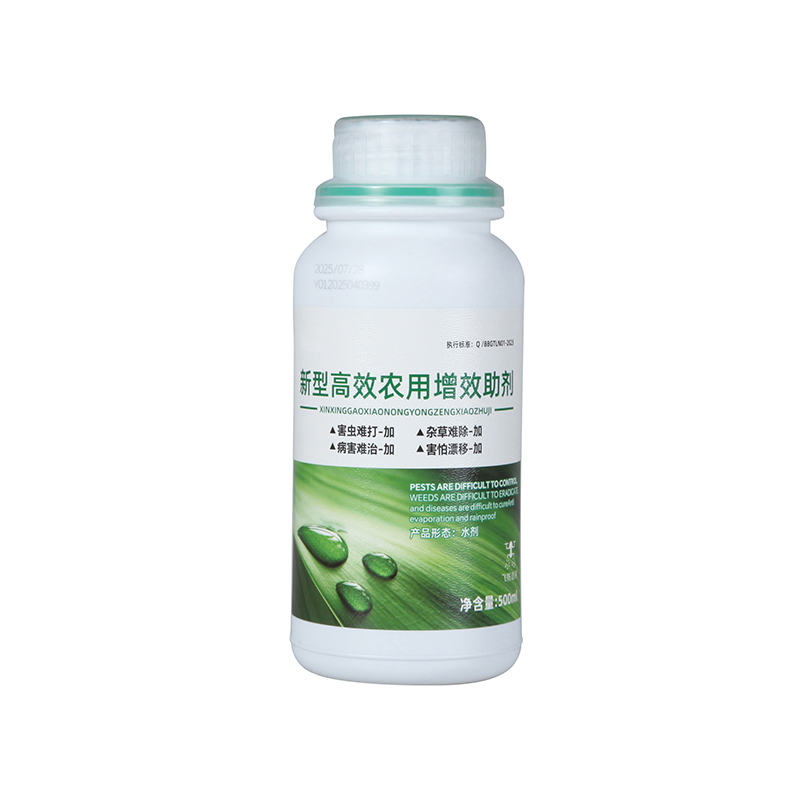
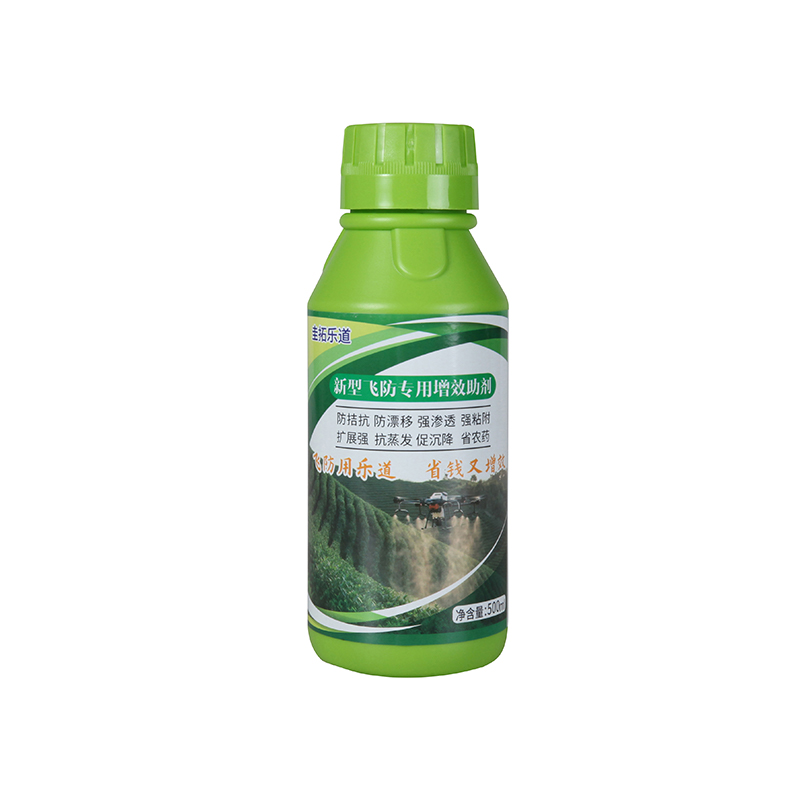
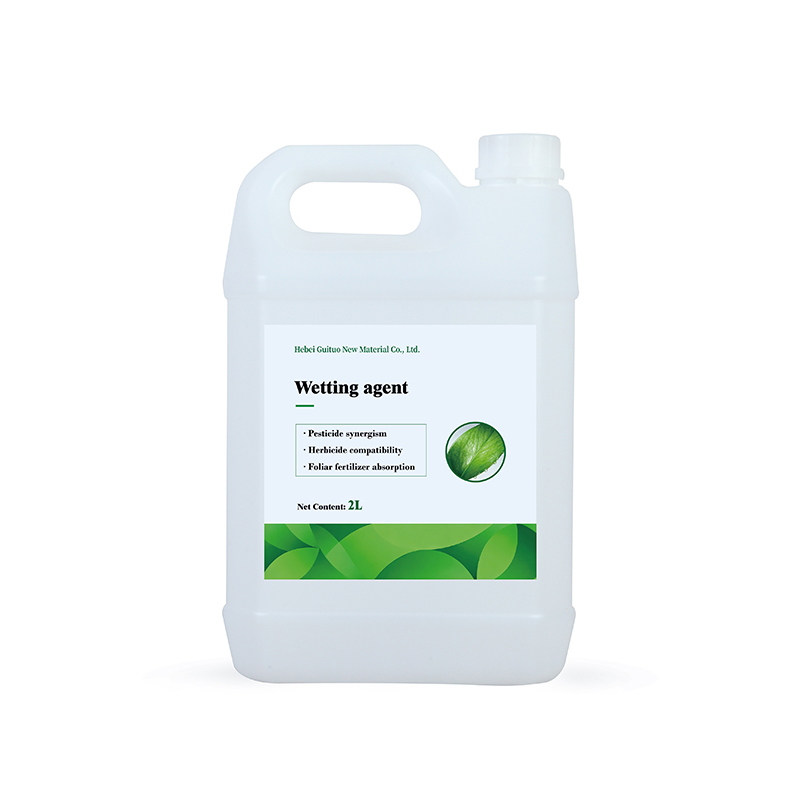
Product: Mite-Killing Adjuvants


Contact Information
Tel : +86-400-138-5268
Email : [email protected]
Phone : +86-15128434888 / +86-13511051998
Add : Xinqiao Environmental Protection Industrial Park, Wen'an County, Langfang City, Hebei Province, China
Contact Information
Copyright © Hebei Guituo New Material Co., Ltd. All Rights Reserved.
