

 English
 Français
 Português

 Home / Author / Chen Yuhan, After-sales Coordinator (OEM/ODM Silicone Products) / 107 Silicone Rubber: Performance, Processing, and Industrial Applications
107 Silicone Rubber: Performance, Processing, and Industrial Applications
2026-11-06
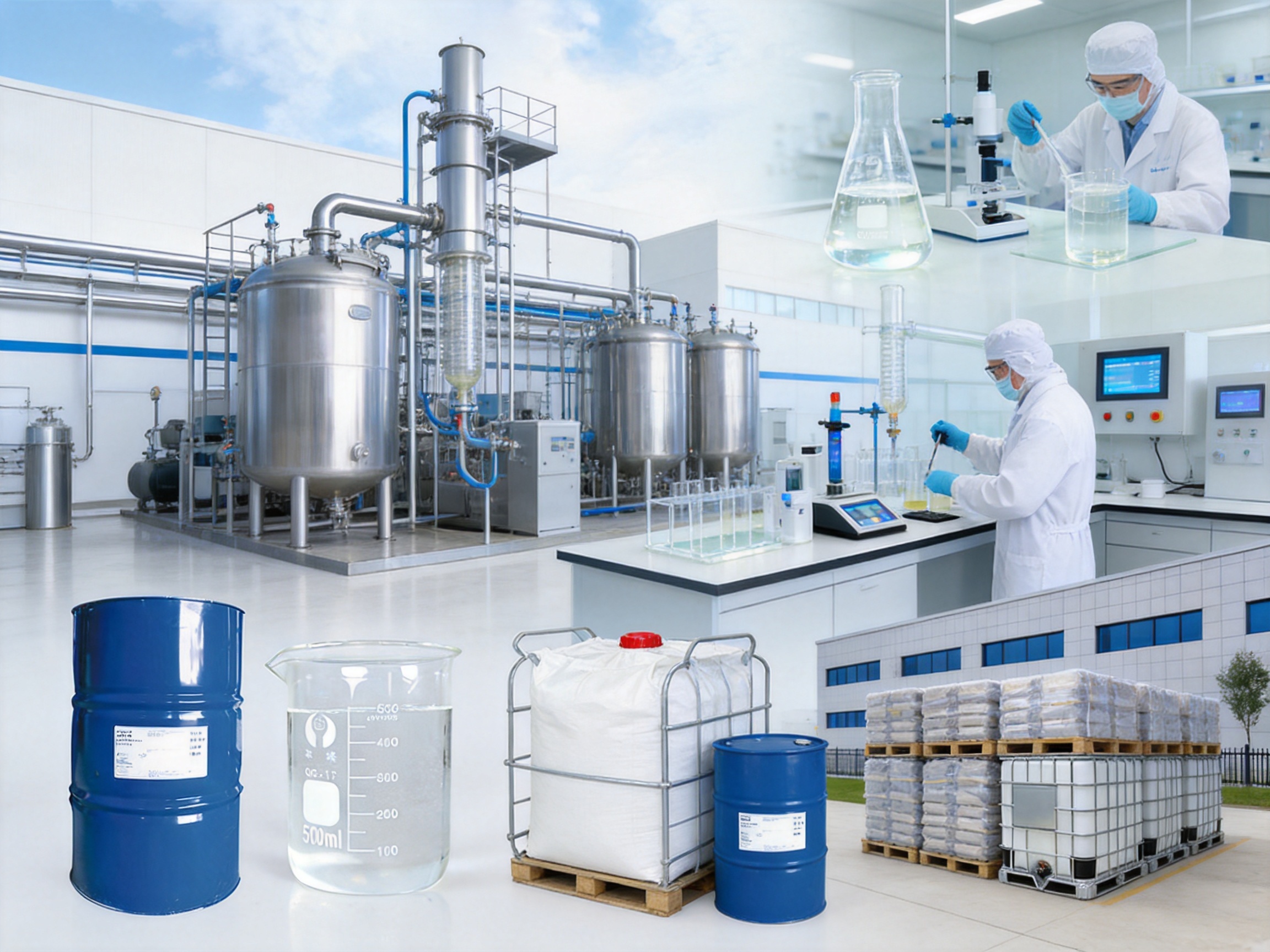
107 silicone rubber is a hydroxyl-terminated polydimethylsiloxane used as an important base polymer in silicone formulations, sealants, coatings, adhesives, elastomers, release systems, and other specialty materials. It combines the characteristic stability of methyl silicone polymers with reactive hydroxyl groups that enable further modification, crosslinking, and film formation. Because of this combination, 107 silicone rubber can serve not only as a functional additive but also as a foundational raw material for the development of higher-value silicone products.
The material is commonly identified chemically as α,ω-dihydroxy polydimethylsiloxane, or hydroxyl-terminated polydimethylsiloxane. In commercial practice, hydroxyl silicone oils with a viscosity above approximately 2,500 mPa·s are often classified as 107 silicone rubber. Its viscosity can be adjusted to meet different requirements for pumping, mixing, coating, molding, curing, and final elasticity.
Compared with many conventional organic polymers, 107 silicone rubber offers a valuable combination of wide-temperature performance, electrical insulation, chemical inertness, moisture resistance, low surface tension, and low-temperature flexibility. It is also compatible with a broad range of silicone oils, surfactants, wetting agents, defoamers, fillers, catalysts, and other formulation components. These characteristics make it suitable for agricultural formulations, electronics, textiles, daily chemicals, industrial coatings, and general silicone material production.
This article examines the structure, performance advantages, viscosity behavior, processing requirements, application potential, quality considerations, and manufacturing strengths associated with 107 silicone rubber. It also explains how an experienced silicone-material manufacturer can support customized grades, stable supply, technical service, and reliable quality control.
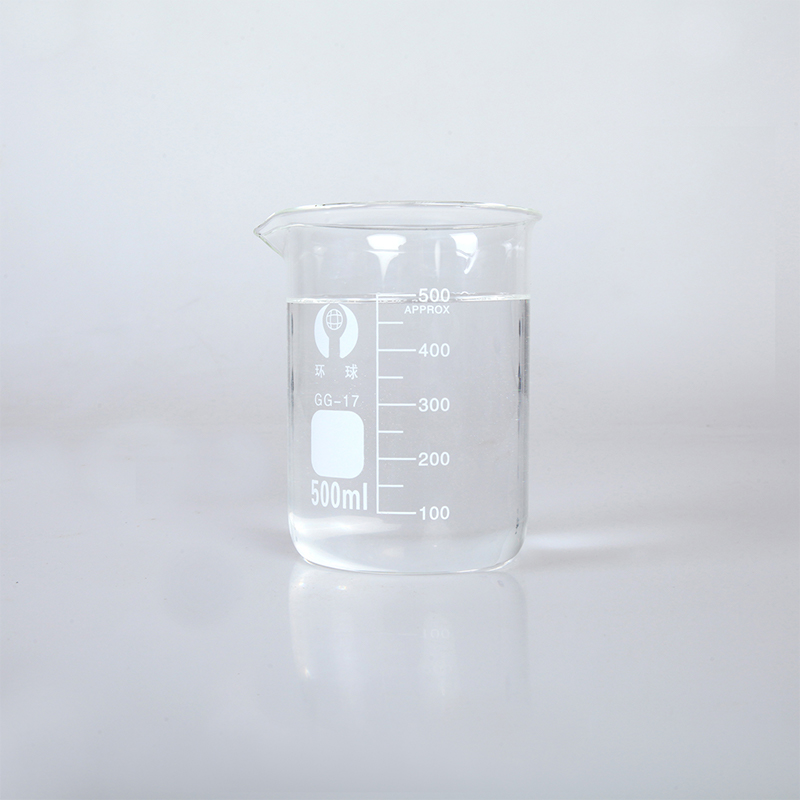
107 Silicone Rubber
1. Product Identity and Basic Composition
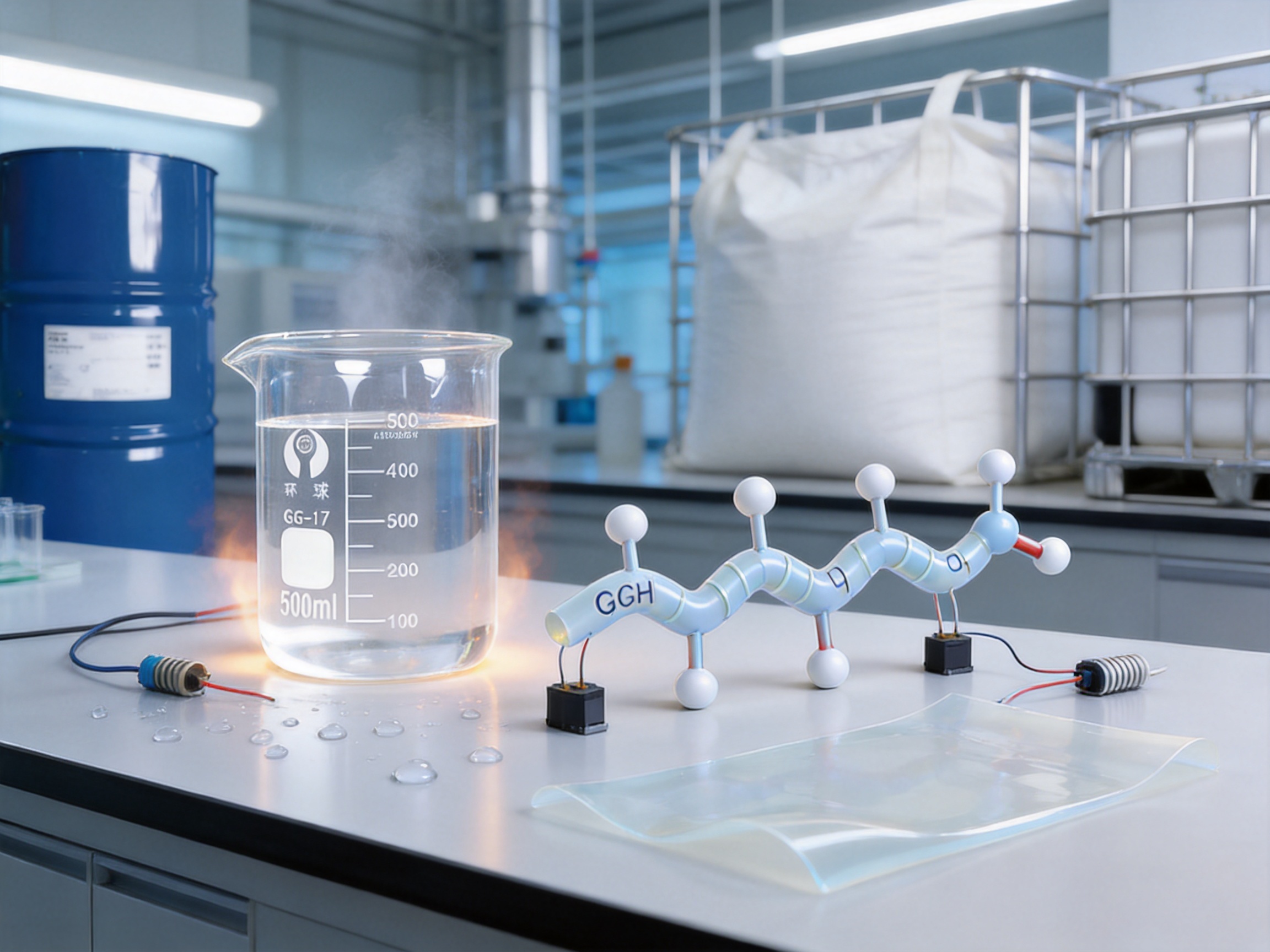
107 silicone rubber is a linear polysiloxane whose main chain consists of alternating silicon and oxygen atoms. Methyl groups are attached to the silicon atoms, while hydroxyl groups are positioned at the two ends of the polymer chain. This molecular arrangement gives the material two complementary characteristics.
First, the siloxane backbone provides the well-known properties of silicone materials, including high flexibility, low surface energy, thermal stability, water repellency, and resistance to many environmental conditions. Second, the terminal hydroxyl groups provide chemical reactivity. These end groups can participate in condensation reactions or interact with suitable crosslinking agents, allowing the polymer to form elastomers, films, coatings, and other solid or semi-solid structures.
| Item | Information |
|---|---|
| Product name | 107 Silicone Rubber |
| Product model | LD-107 |
| Chemical description | α,ω-Dihydroxy polydimethylsiloxane |
| Common synonym | Hydroxyl-Terminated Polydimethylsiloxane, OH-PDMS |
| CAS number | 63148-60-7 |
| EINECS number | 613-154-4 |
| Typical purity | 99.8% |
| Physical appearance | Colorless and transparent liquid |
The product is supplied as a colorless, transparent, high-viscosity liquid. Although its appearance is liquid, its molecular weight and chain length can give it a rubber-like consistency. This combination of fluid handling and elastomer-forming potential is one of the main reasons it is widely used as a silicone base polymer.
2. Key Performance Advantages
2.1 Broad Operating Temperature Range
One of the most important advantages of 107 silicone rubber is its ability to maintain useful performance across a broad temperature range. Under suitable formulation and application conditions, it can be used for long-term service from approximately -50°C to +250°C. This broad range is valuable in applications exposed to outdoor weather, heating, cooling cycles, electrical operation, or industrial temperature variation.
At low temperatures, the siloxane structure remains relatively flexible compared with many conventional organic polymers. This helps reduce brittleness and cracking when the material is exposed to cold environments. At elevated temperatures, the polymer maintains its basic structure and functional properties better than many ordinary hydrocarbon-based materials.
The actual operating temperature of a finished product depends on the complete formulation, curing system, fillers, additives, substrate, and service environment. Nevertheless, the inherent temperature stability of 107 silicone rubber provides a strong foundation for developing products that must tolerate repeated thermal changes.
2.2 Excellent Electrical Insulation
107 silicone rubber has excellent electrical insulation properties. Its nonpolar methyl groups and stable siloxane backbone contribute to high electrical resistance and low sensitivity to moisture under normal conditions. This makes it useful in insulating materials, electronic encapsulation systems, protective coatings, cable-related products, and other electrical applications.
In electrical and electronic formulations, the material can help create flexible insulating layers that remain functional across a wide temperature range. It can also be combined with selected fillers or modified silicone materials to improve thermal conductivity, mechanical strength, flame performance, or adhesion, depending on the design requirements.
Compared with some rigid organic insulating materials, silicone-based systems can offer better flexibility and resistance to thermal cycling. This is particularly important where a coating or sealant must accommodate expansion and contraction without losing continuity.
2.3 High Flash Point and Low Pour Point
The product is characterized by a high flash point and a low freezing or pour point. The high flash point is advantageous during storage, transportation, and industrial processing because it supports safer handling when appropriate safety procedures are followed. The low-temperature flow behavior helps the material remain usable in colder environments and reduces the risk of solidification during seasonal transportation or outdoor use.
These characteristics are especially relevant for manufacturers that operate across different climates. A material that can be stored and processed consistently through temperature changes is easier to integrate into automated production systems and international supply chains.
2.4 Low Temperature-Viscosity Coefficient
Silicone polymers generally show a relatively low change in viscosity with temperature compared with many conventional oils and polymeric materials. This property helps 107 silicone rubber maintain more predictable flow behavior during processing. Although heating still reduces viscosity and improves flow, the material can remain comparatively stable across a useful temperature range.
Stable temperature-viscosity behavior supports accurate metering, reliable mixing, and consistent coating thickness. It can also reduce the need for excessive temperature adjustment during production. For customers manufacturing in different seasons or facilities, this stability can contribute to improved process repeatability.
2.5 Low Surface Tension and Water Repellency
107 silicone rubber has low surface tension, allowing it to spread over many surfaces more readily than higher-surface-energy materials. This property is useful in coatings, release systems, surface treatments, textile finishing, and formulations where smooth coverage is required.
Its water repellency and moisture resistance are also significant. Silicone chains can form surfaces that resist wetting by water, which may help protect substrates from moisture penetration. In agricultural and industrial formulations, silicone materials may support improved spreading and surface coverage when used with suitable wetting agents or other compatible components.
Water repellency does not mean that every finished formulation is completely waterproof. The final performance depends on film continuity, curing, substrate condition, additives, and environmental exposure. However, 107 silicone rubber provides a strong hydrophobic foundation for the development of moisture-resistant materials.
2.6 Chemical and Physiological Inertness
The siloxane structure is chemically stable under many ordinary service conditions. 107 silicone rubber is generally resistant to a wide range of environmental influences and does not readily react with many common formulation ingredients. This chemical inertness supports its use in industrial and consumer-oriented product development.
The material is also described as physiologically inert in the supplied product information. Application-specific regulatory requirements must always be reviewed before use in products involving food contact, medical devices, personal care, or direct human exposure. Even when the base polymer is suitable, catalysts, crosslinkers, pigments, fillers, and other components must be evaluated separately.
3. Why Viscosity Is a Critical Product Parameter
Viscosity is one of the most important quality and performance indicators for 107 silicone rubber. It reflects the approximate molecular weight, chain length, and degree of polymer entanglement of the material. In practical manufacturing, viscosity affects nearly every stage of use, including transfer, pumping, mixing, dispersion, coating, metering, curing, and final film formation.
Lower-viscosity grades generally contain shorter polymer chains and flow more easily. Higher-viscosity grades usually contain longer chains and show greater resistance to movement. They may provide stronger film formation, higher elasticity, and improved body after curing, but they also require more powerful mixing and transfer equipment.
| Viscosity level | Processing characteristics | Typical formulation direction |
|---|---|---|
| Low viscosity | Easy pumping, rapid mixing, efficient metering | Agricultural formulations, daily chemicals, flowable systems |
| Medium viscosity | Balanced flow, coating ability, and film formation | General industrial silicone systems |
| High viscosity | Greater body, stronger film formation, higher processing resistance | Electronics, textile finishing, sealants, elastomeric materials |
3.1 Low-Viscosity Grades
Low-viscosity 107 silicone rubber is easier to pump, meter, and blend. It can be advantageous in automated equipment where accurate dosing and continuous material transfer are required. Lower viscosity also helps reduce mixing energy and can shorten the time needed to achieve uniform dispersion of compatible additives.
In agricultural formulations, flow behavior is particularly important. A raw material that blends efficiently can help manufacturers produce stable concentrates and application-ready products. Low-viscosity silicone rubber may also support more uniform incorporation of surfactants, wetting agents, defoamers, and other functional ingredients.
For surface treatment and coating applications, lower viscosity can improve spreading and leveling. However, very low viscosity may produce a thinner film or reduce the body of a final coating. The best grade therefore depends on the required balance between penetration, coverage, film thickness, and mechanical durability.
3.2 Medium-Viscosity Grades
Medium-viscosity material is often selected when both processing efficiency and film-forming ability are important. It can provide a practical balance between pumpability and final coating strength. This makes it suitable for general industrial silicone systems, flexible coatings, release products, and formulations requiring moderate body.
Medium-viscosity grades are also useful when a formulation must be transported, stored, and applied without excessive settling or separation. Their flow is sufficient for standard production equipment, while their molecular chain length can support more continuous films than very low-viscosity materials.
3.3 High-Viscosity Grades
High-viscosity 107 silicone rubber generally offers stronger film-forming potential and greater elasticity after curing or crosslinking. Longer molecular chains create more entanglement and can contribute to improved mechanical integrity. These characteristics are valuable in sealants, flexible coatings, electronic materials, textile finishing agents, and other products that require durability and long-term stability.
The main processing consideration is increased resistance to flow. High-viscosity material may require heated transfer lines, high-torque agitators, specialized pumps, or carefully designed blending procedures. If it is mixed too aggressively or under unsuitable conditions, air entrainment may increase. A controlled process is therefore essential.
4. Processing and Formulation Considerations
4.1 Storage Before Processing
107 silicone rubber should be stored in tightly closed, clearly labeled containers in a clean, dry, and well-ventilated area. Direct contamination by dust, moisture, metal particles, or incompatible chemicals should be avoided. Storage temperature should be controlled according to the supplier’s technical documentation and local requirements.
Although the base polymer has good stability, prolonged exposure to unsuitable temperatures can influence viscosity, packaging integrity, or the performance of added components. Before production, the material should be inspected for clarity, foreign particles, unusual color, and any evidence of separation or contamination.
4.2 Mixing and Homogenization
The appropriate mixing method depends on the viscosity grade and the complete formulation. Low-viscosity materials may be processed with conventional low- or medium-shear equipment. High-viscosity systems may require stronger agitators, planetary mixers, double-arm mixers, or other equipment designed for viscous polymers.
Mixing should be sufficient to achieve uniform distribution without introducing excessive air. The order of addition can influence dispersion, especially when fillers, pigments, catalysts, surfactants, or modified silicone oils are present. A common approach is to preblend compatible liquid components before gradually introducing higher-viscosity polymer or solid additives.
Mixing temperature can be adjusted to reduce viscosity and improve material transfer. However, excessive heating should be avoided because it may accelerate unwanted reactions, affect volatile components, or reduce the storage stability of the finished formulation.
4.3 Compatibility with Additives
107 silicone rubber can be used with many silicone-based and non-silicone additives, but compatibility should always be evaluated experimentally. Important additives may include dimethyl silicone oil, modified silicone oil, silicone surfactants, wetting agents, defoamers, catalysts, crosslinkers, fillers, pigments, and adhesion promoters.
Low-viscosity systems generally allow faster additive dispersion. High-viscosity systems may require longer mixing times or a carefully selected addition sequence. If the additives have significantly different polarity or surface energy, phase separation can occur. Compatibility testing should include visual stability, viscosity drift, centrifuge stability, storage stability, and performance testing under actual application conditions.
4.4 Temperature and Viscosity Control
As temperature increases, the viscosity of 107 silicone rubber normally decreases. This can improve pumping and mixing efficiency. Controlled warming may therefore be useful when working with a high-viscosity grade. The material should be heated uniformly rather than exposed to localized high temperatures.
Temperature control is also important during coating and application. A material that is too cold may produce poor leveling, excessive surface defects, or incomplete dispersion. A material that is too warm may flow excessively, reduce film thickness, or change the working time of a reactive formulation.
4.5 Curing and Crosslinking
The terminal hydroxyl groups of 107 silicone rubber allow it to participate in condensation or other suitable crosslinking reactions. The exact curing chemistry depends on the intended product. Formulators may select catalysts, crosslinking agents, reinforcing fillers, and adhesion promoters according to the desired hardness, elasticity, cure speed, adhesion, and environmental resistance.
Curing conditions should be evaluated carefully. Moisture, temperature, catalyst concentration, layer thickness, substrate condition, and ambient humidity can all influence curing behavior. A formulation intended for thick sections may cure differently from a thin coating because diffusion and heat transfer are different.
After curing, the product can form an elastomeric or film-like material with useful flexibility, water repellency, and environmental stability. The final properties are not determined by the base polymer alone. Crosslink density, filler selection, pigment loading, and curing conditions have a major effect on hardness, tensile strength, elongation, tear resistance, and adhesion.
5. Application Areas
5.1 Agricultural Formulations
Silicone materials are widely used in agricultural formulations because they can influence spreading, wetting, surface coverage, and formulation behavior. 107 silicone rubber may serve as a silicone base material or as an intermediate for developing agricultural silicone products. When combined with suitable organosilicon surfactants or wetting agents, it can help support uniform distribution over plant surfaces or other agricultural substrates.
In agricultural applications, viscosity selection is especially important. Lower-viscosity grades can support easy blending and efficient metering. Medium-viscosity grades may provide a balance between formulation stability and application performance. The final selection should consider compatibility with active ingredients, solvents, emulsifiers, preservatives, and other components.
Field performance depends on many factors, including dilution water quality, spray equipment, weather, crop type, plant surface characteristics, dosage, and tank-mix compatibility. Therefore, laboratory screening should be followed by application testing before commercial use.
5.2 Industrial Coatings
107 silicone rubber can be used in the development of flexible, water-repellent, and temperature-resistant coatings. Its low surface tension supports spreading and coverage, while its reactive end groups enable film formation through suitable curing systems.
Coating formulators can adjust viscosity to control application method and film thickness. Low-viscosity grades may be suitable for thin coatings and penetration into porous surfaces. Higher-viscosity grades may be more appropriate where a thicker protective layer or greater elasticity is required.
Possible application methods include brushing, rolling, spraying, dipping, and automated coating. The method must be matched with the viscosity, solvent or carrier system, substrate energy, and curing conditions.
5.3 Release Agents
Silicone materials are valued in release applications because of their low surface energy and nonstick behavior. 107 silicone rubber can be used as a raw material or intermediate in release coatings designed to reduce adhesion between a product and a mold, liner, roller, or processing surface.
A release system must be formulated for the specific substrate and production conditions. Important factors include release force, transfer resistance, cure level, surface smoothness, contamination control, and resistance to repeated processing cycles. The silicone polymer may be combined with other silicone oils, resins, catalysts, or additives to achieve the required release profile.
5.4 Electronic Materials
The electrical insulation and temperature resistance of 107 silicone rubber make it suitable for electronic and electrical material development. It may be incorporated into insulating coatings, protective compounds, encapsulation materials, flexible seals, and other systems where electrical stability and environmental resistance are needed.
High-viscosity grades can help produce stable films and elastomeric structures. The selected formulation may also include thermally conductive fillers, flame-retardant components, adhesion promoters, or reinforcing agents. Clean processing is essential because dust, ionic contamination, and incompatible residues can affect electrical reliability.
5.5 Textile Finishing
Silicone materials are commonly used in textile finishing to modify softness, smoothness, lubricity, surface feel, and water repellency. 107 silicone rubber can serve as a building block for textile treatment systems, particularly when a durable, flexible, or hydrophobic finish is required.
The viscosity of the material influences bath preparation, dispersion, penetration, and application uniformity. A suitable grade can help reduce streaking, uneven deposition, or excessive surface build-up. The formulation must also be evaluated for compatibility with fibers, dyes, auxiliaries, and finishing equipment.
5.6 Daily Chemical Products
In daily chemical applications, silicone polymers may be used to improve slip, smoothness, spreading, gloss, or water resistance. 107 silicone rubber can be considered when a reactive silicone component or a high-molecular-weight silicone base is required.
For personal care or consumer products, regulatory and safety evaluation must be conducted for the complete finished formulation. The suitability of the base polymer does not automatically establish compliance for every use. Manufacturers should review applicable regulations, impurity limits, residual catalysts, packaging interactions, and exposure conditions.
5.7 Sealants and Elastomeric Materials
Because 107 silicone rubber contains reactive hydroxyl end groups, it is widely considered for the production of silicone sealants and elastomeric materials. After appropriate crosslinking, it can form flexible products with resistance to temperature variation, moisture, and weathering.
Sealant performance depends on adhesion, curing speed, modulus, elongation, hardness, tear resistance, shrinkage, and resistance to environmental exposure. These properties can be adjusted through polymer viscosity, crosslinking chemistry, filler selection, and formulation design.
6. Product Advantages Compared with Conventional Alternatives
107 silicone rubber offers several advantages over many conventional organic polymer bases. Its siloxane backbone generally provides better flexibility across temperature changes, lower surface energy, and stronger resistance to moisture-related surface effects. It also offers a useful balance between liquid processability and post-cure elastomeric performance.
| Performance category | Advantage of 107 silicone rubber | Practical value |
|---|---|---|
| Temperature resistance | Useful performance across a wide temperature range | Supports outdoor, thermal-cycle, and industrial applications |
| Electrical insulation | High insulating capability and stable silicone structure | Suitable for electrical and electronic materials |
| Water resistance | Hydrophobic surface and moisture resistance | Supports protective coatings and water-repellent systems |
| Surface behavior | Low surface tension and good spreading potential | Improves coverage, release, and surface modification |
| Processing flexibility | Multiple viscosity grades and customization potential | Allows adaptation to pumping, coating, and curing processes |
| Reactive functionality | Hydroxyl end groups enable crosslinking and modification | Supports elastomer, sealant, and film development |
Compared with low-molecular-weight silicone oils, 107 silicone rubber generally provides greater body, stronger film formation, and better elastomeric potential. Compared with many high-molecular-weight organic rubbers, it can provide easier processing in liquid form, improved low-temperature flexibility, and better resistance to weathering and moisture.
No single material is ideal for every application. Organic polymers may provide higher strength in certain systems, while specialized fluorinated materials may offer better resistance to particular aggressive chemicals. The principal advantage of 107 silicone rubber is its balanced combination of processing convenience, environmental stability, reactivity, flexibility, and surface performance.
7. Manufacturing and Quality-Control Strengths
Reliable 107 silicone rubber depends not only on the chemical formula but also on manufacturing control. Polymerization conditions, raw-material purity, reaction stability, end-group control, filtration, packaging, and laboratory testing can all influence product performance.
An advanced silicone-material manufacturer uses controlled production equipment and a defined quality system to manage these variables. The manufacturing process may include carefully controlled feed ratios, reaction temperature, reaction time, agitation, molecular-weight development, and post-reaction treatment. These controls help establish consistent viscosity and reduce batch-to-batch variation.
7.1 Raw-Material Control
Raw-material inspection is the first stage of product quality. Key checks may include identity, purity, moisture, color, viscosity, and contamination. Consistent incoming materials provide a more stable foundation for polymerization and help reduce unexpected changes in the final product.
7.2 Reaction and Polymerization Control
The molecular weight and viscosity of 107 silicone rubber are closely related to polymerization conditions. Production teams must control the reaction environment to achieve the required chain length and terminal hydroxyl functionality. Uniform agitation and accurate dosing help maintain consistency throughout the batch.
Advanced equipment can improve heat transfer, reaction uniformity, and process repeatability. Automated monitoring may also help operators identify abnormal temperature, pressure, or mixing conditions at an early stage.
7.3 Filtration and Clean Handling
Filtration and clean transfer procedures are important for maintaining the color and clarity of the finished product. Foreign particles can interfere with coating appearance, electrical performance, dispensing equipment, or final elastomer quality.
Clean packaging areas, sealed transfer systems, and suitable containers help protect the polymer during filling and shipment. These measures are especially important for electronic, coating, and high-precision applications.
7.4 Laboratory Testing
Quality-control laboratories can evaluate appearance, viscosity, purity, moisture, density, volatile content, and other relevant indicators. Application-specific testing may include curing behavior, tensile properties, elongation, hardness, adhesion, water repellency, release force, electrical insulation, and storage stability.
Testing should be connected to customer requirements. A grade intended for agricultural formulations may require strong emphasis on dispersion, dilution stability, and compatibility with active ingredients. A grade intended for electronics may require greater emphasis on cleanliness, insulation, thermal aging, and ionic contamination.
7.5 Technical Support and Customization
Customers often need more than a standard product specification. They may require a particular viscosity range, packaging format, curing speed, compatibility profile, or application performance. A manufacturer with technical experience can support formulation trials and recommend a suitable grade or combination of silicone materials.
Customization may involve adjusting molecular weight, viscosity, additive compatibility, packaging, or production scale. OEM and ODM services can also help customers develop private-label or application-specific silicone products while maintaining controlled manufacturing and quality requirements.
8. Supply Capability and Industrial Product Portfolio
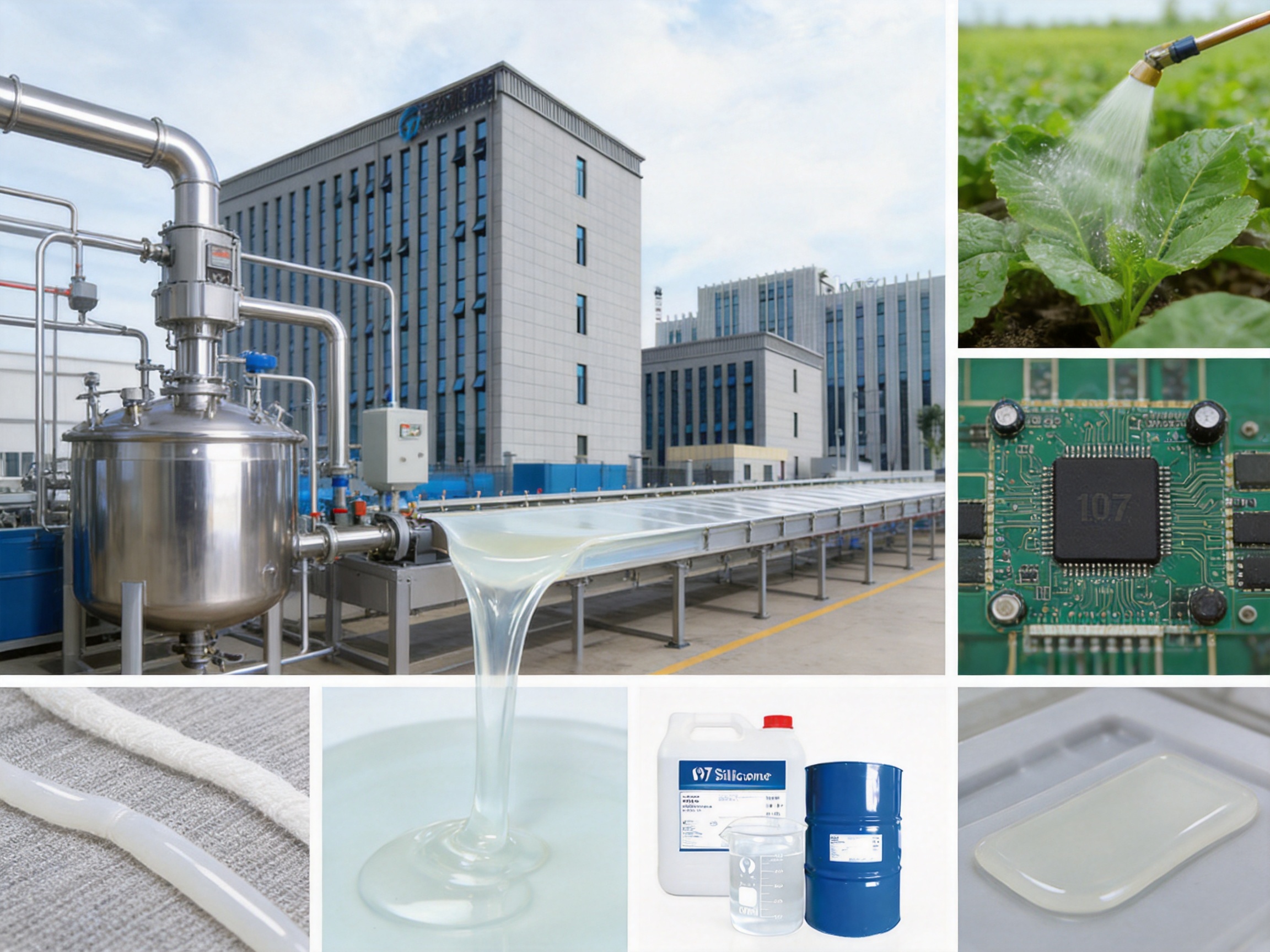
A manufacturer focused on silicone materials can provide greater value when it offers a coordinated product portfolio rather than a single raw material. 107 silicone rubber may be used together with dimethyl silicone oil, modified silicone oil, organosilicon surfactants, wetting agents, defoamers, and other silicone additives.
This broader product structure can simplify formulation development. Customers may obtain compatible raw materials from one technical source, reducing the time required to screen multiple suppliers. It can also improve supply coordination when several silicone components are required in the same finished product.
Hebei Guituo New Material Co., Ltd. is described as a high-technology enterprise integrating research and development, production, and sales. Its product portfolio covers silicone additives, wetting agents, modified silicone oil, dimethyl silicone oil, surfactants, defoamers, and related materials. The company serves agriculture, daily chemicals, electronics, textiles, and other industrial fields.
The company operates with internationally advanced production equipment, testing facilities, and a full-process quality-monitoring system. Its technical and production teams support product development, process control, application evaluation, and stable delivery. Agricultural silicone products are a particular area of strength, while the company also serves overseas customers in Europe, Southeast Asia, and other markets.
For international buyers, supply reliability is as important as product performance. Stable production capacity, clear documentation, responsive communication, export experience, and appropriate packaging can reduce procurement risk. A manufacturer that can provide both standard grades and customized solutions is better positioned to support long-term cooperation.
9. Selecting the Appropriate Grade
The correct 107 silicone rubber grade should be selected according to the final application rather than viscosity alone. A useful selection process begins by defining the production method, desired final properties, equipment limitations, storage conditions, and regulatory requirements.
| Selection factor | Questions to evaluate |
|---|---|
| Viscosity | Can the material be pumped, mixed, metered, and applied using available equipment? |
| Reactivity | Is the material intended for curing, crosslinking, modification, or film formation? |
| Compatibility | Will it remain uniform with oils, surfactants, fillers, pigments, or active ingredients? |
| Final performance | Are flexibility, adhesion, water repellency, insulation, or release properties required? |
| Storage stability | Will viscosity, appearance, and dispersion remain stable over the intended shelf life? |
| Processing temperature | Can the production line maintain suitable temperature control without damaging the formulation? |
| Compliance | Does the complete formulation meet the applicable market and application requirements? |
Customers should provide the supplier with as much application information as possible. Important details include the desired viscosity, mixing equipment, substrate, curing conditions, other formulation components, packaging size, annual demand, and target market. This information allows the manufacturer to recommend a more appropriate grade and testing plan.
10. Recommended Evaluation Program
Before full-scale production, a structured evaluation program should be completed. First, the base polymer should be examined for appearance, viscosity, purity, and storage condition. Second, it should be blended with the intended formulation components at laboratory scale. Third, the mixture should be evaluated for dispersion, phase stability, viscosity change, and curing behavior.
Application testing should then be performed using the actual substrate and production method. For coatings, this may include leveling, film thickness, adhesion, water repellency, flexibility, and weathering. For agricultural systems, it may include dilution stability, spray behavior, leaf coverage, and compatibility with active ingredients. For electronic materials, insulation, dielectric performance, thermal aging, and cleanliness may be important.
Accelerated storage testing can help identify separation, viscosity drift, color change, sedimentation, or loss of performance before the product is commercialized. Testing at different temperatures is particularly useful when the product will be transported or stored in multiple climate zones.
11. Environmental, Safety, and Handling Considerations
Industrial handling should follow the supplier’s safety data sheet and applicable local regulations. Personnel should use appropriate protective equipment, including gloves, protective clothing, and eye protection where required. The production area should be adequately ventilated, and containers should remain closed when the material is not being used.
Although 107 silicone rubber has a high flash point, it should still be kept away from uncontrolled heat, flames, and incompatible substances. Spills should be contained and cleaned according to site procedures. Waste and empty packaging should be managed in compliance with local environmental regulations.
The environmental profile of a finished silicone product depends on the entire formulation and its use. Crosslinkers, catalysts, solvents, pigments, fillers, and other additives may introduce different handling requirements. A complete risk assessment should therefore be conducted for each finished product rather than relying only on the base polymer description.
12. Frequently Asked Questions
Q1: What is 107 silicone rubber?
A: 107 silicone rubber is a hydroxyl-terminated polydimethylsiloxane, also known as α,ω-dihydroxy polydimethylsiloxane or OH-PDMS. It is a colorless, transparent, high-viscosity silicone polymer used as a base material for coatings, sealants, elastomers, release products, agricultural formulations, electronic materials, and textile treatments.
Q2: Why is it called silicone rubber if it is supplied as a liquid?
A: The material is supplied as a high-viscosity liquid, but its molecular weight and chain length can provide rubber-like behavior after curing or crosslinking. The term “silicone rubber” reflects its ability to form flexible elastomeric materials rather than indicating that it must be solid before processing.
Q3: What is the relationship between 107 silicone rubber and dimethyl silicone oil?
A: Both materials are based on polydimethylsiloxane chemistry. 107 silicone rubber generally has a higher molecular weight and hydroxyl end groups, while dimethyl silicone oil commonly has lower viscosity and different end-group characteristics. The two materials may be used separately or together, depending on the formulation.
Q4: How does viscosity affect performance?
A: Lower viscosity improves pumping, metering, mixing, and spreading. Higher viscosity can improve body, film formation, elasticity, and post-cure mechanical performance. Medium-viscosity grades provide a balance between processing convenience and final film properties.
Q5: Can 107 silicone rubber be cured into an elastomer?
A: Yes. Its hydroxyl end groups can participate in suitable condensation or crosslinking systems. The final elastomer properties depend on the selected crosslinker, catalyst, filler, curing conditions, polymer viscosity, and formulation design.
Q6: What are the main advantages of 107 silicone rubber over conventional organic polymers?
A: Its main advantages include broad temperature resistance, low-temperature flexibility, electrical insulation, low surface tension, water repellency, chemical stability, and the ability to be processed as a liquid before curing. It also offers reactive end groups for developing customized silicone materials.
Q7: Can it be used in agricultural formulations?
A: Yes. It can be used as a silicone base material or intermediate in agricultural formulations, particularly where spreading, wetting, surface coverage, and formulation stability are important. Compatibility testing with active ingredients and other agricultural components is necessary before commercial use.
Q8: Can it be combined with surfactants and wetting agents?
A: It can be combined with suitable surfactants and wetting agents, but compatibility should be verified. The viscosity grade, additive polarity, mixing order, concentration, and storage temperature can affect dispersion and long-term stability.
Q9: Is 107 silicone rubber suitable for electronics?
A: It can be used in electronic and electrical material development because of its electrical insulation, temperature resistance, flexibility, and moisture resistance. The final formulation must be tested for insulation, cleanliness, adhesion, thermal aging, and other application-specific requirements.
Q10: What packaging and storage conditions are recommended?
A: The material should be stored in tightly closed, clean containers in a dry, well-ventilated environment. It should be protected from contamination, excessive heat, moisture, and incompatible chemicals. Specific storage conditions should be confirmed in the supplier’s technical and safety documentation.
Q11: Can the viscosity be customized?
A: Viscosity can often be controlled through polymerization conditions and product design. Customers should provide their target viscosity, processing equipment, application, curing system, and performance requirements so that the supplier can recommend or develop an appropriate grade.
Q12: What information should be requested from a supplier?
A: Buyers should request a technical data sheet, safety data sheet, certificate of analysis, recommended storage conditions, packaging details, batch information, viscosity specification, purity information, and application guidance. For specialized applications, additional compatibility and performance data may also be needed.
13. Conclusion
107 silicone rubber is a versatile hydroxyl-terminated polydimethylsiloxane that combines liquid processability with strong potential for elastomer and film formation. Its broad temperature capability, electrical insulation, water repellency, low surface tension, chemical stability, and reactive hydroxyl groups make it valuable across a wide range of industrial applications.
Viscosity is the central parameter governing its processing and performance. Low-viscosity grades favor pumping, mixing, and spreading; medium-viscosity grades provide balanced processability and film formation; and high-viscosity grades support stronger body, elasticity, and durable coatings. Careful selection is therefore essential for achieving stable production and reliable final performance.
The quality of 107 silicone rubber also depends on manufacturing control. Consistent raw materials, controlled polymerization, clean processing, laboratory testing, suitable packaging, and technical support all contribute to product reliability. A manufacturer with advanced equipment, an integrated research and production system, a broad silicone-material portfolio, and experience in international supply can provide more than a standard raw material. It can help customers develop practical, customized, and commercially stable solutions.
For companies evaluating 107 silicone rubber, the best approach is to combine specification review with laboratory compatibility testing, application trials, and storage evaluation. When the viscosity and formulation are correctly matched to the process, 107 silicone rubber can deliver durable performance in agriculture, coatings, release systems, electronics, textiles, daily chemicals, sealants, and many other fields.
References
1. Product technical information for LD-107 hydroxyl-terminated polydimethylsiloxane.
2. General principles of silicone polymer chemistry and polydimethylsiloxane structure.
3. Industrial guidelines for viscosity measurement, polymer handling, and liquid silicone processing.
4. Technical literature on silicone elastomers, condensation curing, and hydroxyl-terminated silicone polymers.
5. Application studies concerning silicone surfactants, wetting agents, defoamers, and agricultural formulation performance.
6. Industrial references on silicone release coatings, textile finishing, electronic insulation, and protective surface treatments.
7. Manufacturer quality-control practices for silicone raw materials, including appearance, viscosity, purity, storage stability, and batch consistency.
Product: 107 Silicone Rubber


Contact Information
Tel : +86-400-138-5268
Email : [email protected]
Phone : +86-15128434888 / +86-13511051998
Add : Xinqiao Environmental Protection Industrial Park, Wen'an County, Langfang City, Hebei Province, China
Contact Information
Copyright © Hebei Guituo New Material Co., Ltd. All Rights Reserved.
