

 English
 Français
 Português

 Home / Author / Chen Yuhan, After-sales Coordinator (OEM/ODM Silicone Products) / High-Efficiency Agricultural Silicone Adjuvants for Better Spray Coverage and Crop Protection
High-Efficiency Agricultural Silicone Adjuvants for Better Spray Coverage and Crop Protection
2026-11-04
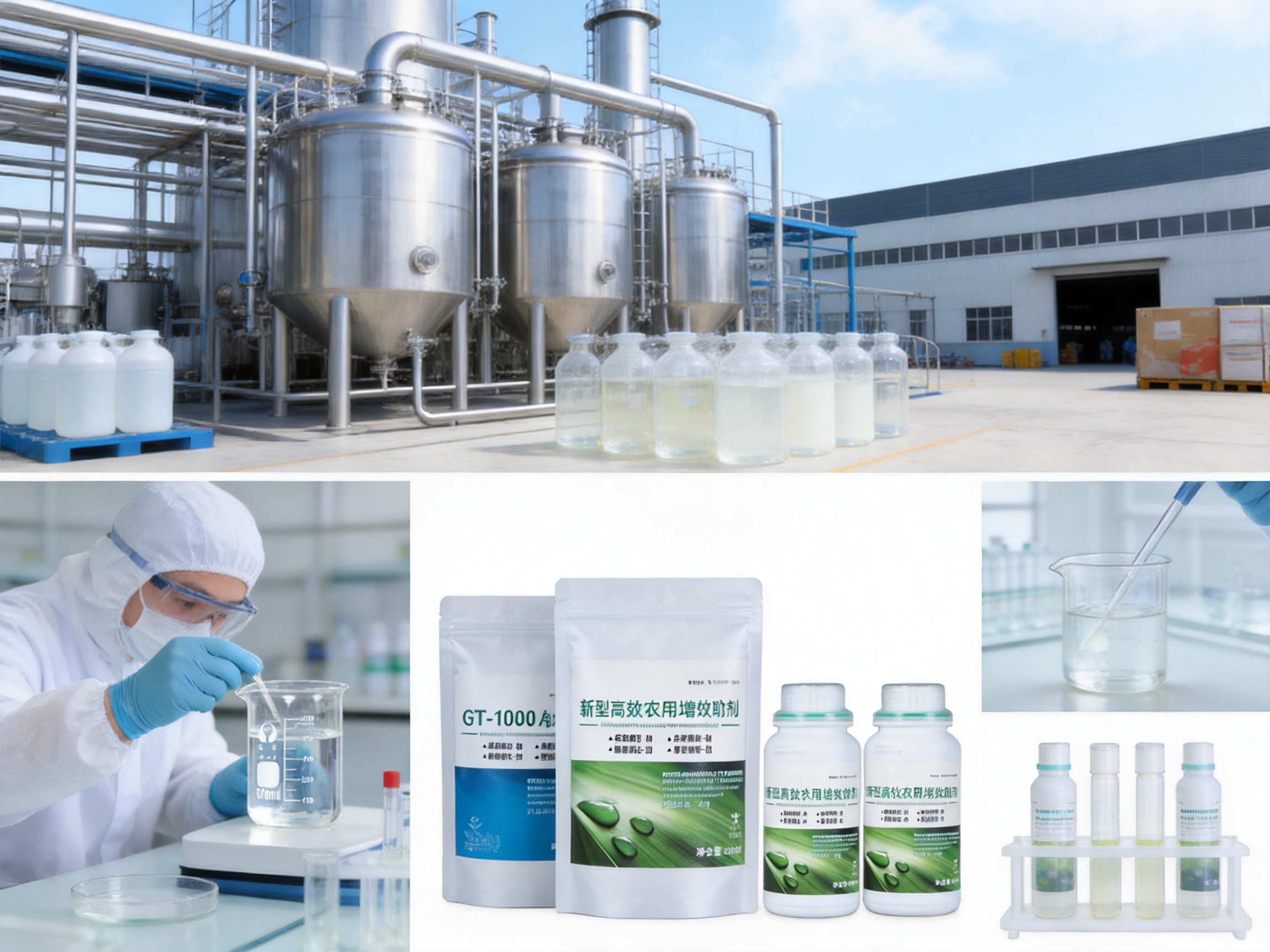
Modern crop protection depends not only on the active ingredient selected, but also on how effectively that ingredient reaches, spreads across, adheres to, and penetrates the target plant surface. Even a well-designed pesticide, fungicide, herbicide, or foliar fertilizer can deliver disappointing results when spray droplets bead on waxy leaves, run off before absorption, evaporate too quickly, drift away from the target, or fail to reach pests hidden on the underside of foliage. Agricultural spray adjuvants are designed to solve these practical problems.
GT-1000 New High-Efficiency Agricultural Enhancing Adjuvant is a polyether-modified trisiloxane silicone surfactant developed for use with agricultural sprays and fertilizer programs. It is intended to improve wetting, spreading, adhesion, penetration, and absorption, helping crop protection products work more efficiently under a wide range of application conditions. With a low surface tension, balanced physicochemical properties, and compatibility with many common agricultural formulations, GT-1000 provides a practical way to upgrade spray performance without replacing the registered pesticide or fertilizer program.
The product is suitable for field crops, fruits and vegetables, and commercial crops. It can be used in insecticide, fungicide, herbicide, and foliar nutrition programs after compatibility and small-scale testing. Its function is not to act as a stand-alone pesticide. Instead, it works as a performance-enhancing tank-mix partner that helps the active ingredient make better contact with the intended target.
For professional growers, agrochemical formulators, distributors, and agricultural input suppliers, the value of an adjuvant is determined by more than a single laboratory parameter. A useful product must combine rapid spreading, reliable wetting, adequate adhesion, formulation compatibility, consistent quality, supply stability, and technical support. GT-1000 has been developed with these requirements in mind.
Why Spray Performance Often Limits Agricultural Efficiency
When a spray solution leaves a nozzle, it immediately encounters a complex sequence of physical and biological barriers. Droplets must travel through the air, reach the crop, contact a leaf or pest, spread across the surface, resist runoff, and allow the active ingredient to move toward its target. Each stage can reduce performance.
Many leaves are protected by a waxy cuticle that repels water. Cabbage, corn, cotton, rice, sugarcane, and numerous other crops may present surfaces where ordinary water-based droplets remain rounded rather than forming a continuous film. A rounded droplet contacts only a limited area. If rain, irrigation, wind, or surface movement occurs before absorption, part of the spray may be lost.
Plant architecture creates another challenge. Dense canopies, hairy leaves, folded foliage, and the underside of leaves may be difficult to cover evenly. Aphids, whiteflies, leafhoppers, scales, thrips, mites, and other pests can remain in locations that receive insufficient spray. Fungal diseases may also develop in areas where a protectant film is discontinuous.
Water quality can further affect agricultural applications. Hard water, suspended minerals, extreme pH, and interactions between formulation components may reduce physical stability or change the behavior of the spray. Low-volume and drone applications make the problem more significant because each droplet must provide useful coverage. In these conditions, an appropriate silicone adjuvant can help improve the efficiency of the spray program.
Product Identity and Technical Profile
GT-1000 is identified as a polyether-modified trisiloxane and silicone surfactant. This type of organosilicone material is widely valued in agriculture because its molecular structure can significantly reduce the surface tension of water-based spray solutions. The result is faster wetting and broader spreading across hydrophobic plant surfaces.
| Property | GT-1000 Specification | Practical Significance |
|---|---|---|
| Product model | GT-1000 | Identifies the agricultural enhancing adjuvant grade |
| Product name | New High-Efficiency Agricultural Enhancing Adjuvants | Designed for pesticide and fertilizer performance improvement |
| CAS number | 27306-78-1 | Material identification for technical and regulatory documentation |
| EINECS number | 608-078-3 | European chemical inventory reference |
| Synonym | Silicone surfactant; polyether-modified trisiloxane | Describes the product’s chemical and functional category |
| Purity | 99.8% | Indicates a high-purity commercial grade |
| Viscosity at 25°C | 30–50 mm²/s | Supports manageable handling and blending |
| Surface tension at 0.1% by weight | Below 20.5 mN/m | Promotes rapid spreading and wetting |
| Cloud point at 1.0% by weight | Not higher than 35°C | Important for solution behavior under changing temperatures |
| pH value of 1% aqueous solution at 25°C | 6.5–7.5 | Near-neutral aqueous behavior for many spray programs |
The technical profile should always be considered together with the requirements of the partner pesticide, fertilizer, crop, water source, and application equipment. A specification provides a foundation for selection, while jar testing and field evaluation confirm suitability in a particular program.
How GT-1000 Improves Spray Deposition
Lowering Surface Tension
Water has a relatively high surface tension, which encourages droplets to remain compact on hydrophobic leaves. GT-1000 lowers the surface tension of the spray solution. At a concentration of 0.1% by weight, the surface tension is specified below 20.5 mN/m. This allows droplets to flatten and spread more readily when they contact the plant surface.
Improved spreading increases the area covered by each droplet. Instead of remaining as isolated beads, droplets can form a more continuous deposit. This is particularly useful on waxy leaves, where conventional spray water may show poor wetting. Better coverage can increase the probability that the active ingredient reaches pests, disease lesions, weed leaves, or other intended targets.
Improving Wetting and Coverage
Wetting describes the ability of a liquid to make intimate contact with a solid surface. In agricultural spraying, good wetting helps the spray reach irregular surfaces, leaf veins, hairs, folds, and small gaps. GT-1000 supports rapid wetting by reducing the interfacial resistance between the spray solution and the plant surface.
This action can be important for both contact and systemic products. Contact products depend heavily on where the spray is deposited. Systemic products also require adequate initial contact before active ingredients can be absorbed and transported within plant tissues. The adjuvant does not change the biological mode of action of the pesticide, but it can help the formulation make more effective use of the plant surface.
Supporting Penetration and Absorption
Plant leaves contain natural barriers, including the cuticle and surface waxes. These barriers help plants control water loss, but they can also restrict the movement of pesticide droplets into plant tissues. A suitable organosilicone adjuvant can help the spray solution spread across the cuticle and improve the conditions for active ingredient uptake.
The actual absorption rate depends on many factors, including the pesticide chemistry, formulation type, crop species, leaf age, temperature, humidity, spray concentration, and time before rainfall. GT-1000 should therefore be understood as a penetration-supporting adjuvant rather than a guarantee of identical absorption across all crops and products.
When the active ingredient is able to enter the target tissue more efficiently, less of the applied material may remain exposed on the surface or be lost through runoff. This can improve the effective use of the application and may support more consistent pest, disease, or weed control.
Increasing Adhesion and Rainfastness
Adhesion is the ability of the spray deposit to remain attached to the crop surface. A spray that spreads well but is easily removed by rain may not deliver its full value. GT-1000 helps create a more uniform film and supports adhesion while the active ingredient is moving into the target surface.
Improved rainfastness does not mean that a spray becomes completely rainproof immediately after application. Rainfall intensity, timing, formulation, crop surface, and active ingredient properties remain important. The most reliable practice is to follow the partner product label and observe the required rain-free period. GT-1000 is intended to reduce the risk of premature wash-off, not to replace application precautions.
Reducing Uneven Deposits
Uneven deposition creates two problems. Some parts of the crop may receive too little active ingredient, while other areas may receive excessive liquid. Uniform spreading helps reduce this imbalance. More consistent coverage is valuable in fungicide programs, insecticide treatments, herbicide applications, and foliar fertilizer programs.
For crops with dense foliage, improved spreading may also help the spray reach narrow spaces and the underside of leaves. Results depend on nozzle selection, spray pressure, water volume, canopy structure, and environmental conditions, but an effective adjuvant can make the available spray volume work more efficiently.
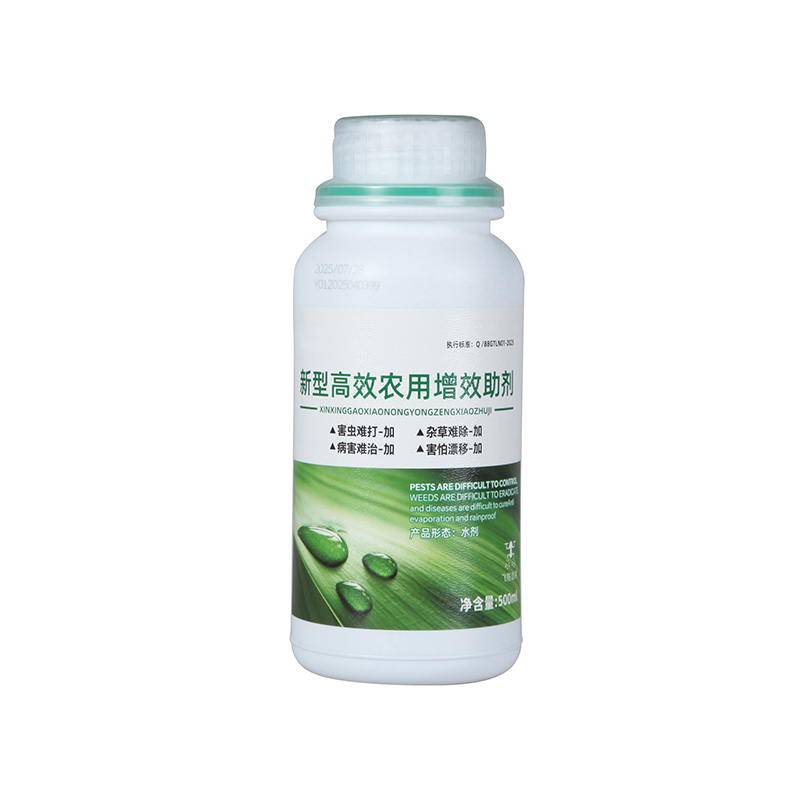
New High-Efficiency Agricultural Enhancing Adjuvants
Advantages Compared with Conventional Non-Silicone Adjuvants
Not all adjuvants perform the same function. Conventional nonionic surfactants may improve wetting, while oils can enhance retention or penetration in particular formulations. Silicone-based adjuvants are distinguished by their ability to produce very low surface tension at relatively low use concentrations. This can create rapid spreading that is difficult to achieve with some conventional surfactants.
GT-1000 offers several advantages for users who need fast and broad spray coverage:
Rapid wetting: The low surface tension helps droplets spread quickly after contact with the crop surface.
Broad surface coverage: A spreading film can cover more of the leaf than a compact, rounded droplet.
Improved penetration support: The adjuvant helps the spray solution interact more effectively with the leaf surface and may assist movement toward plant tissues.
Better adhesion: A more even deposit can improve resistance to early wash-off and reduce the loss of product from the target surface.
Low addition level: Silicone surfactants can provide strong surface activity without requiring the same volume as some conventional wetting agents.
Versatile agricultural use: The grade can be evaluated with herbicides, fungicides, insecticides, and fertilizer solutions across different crop categories.
Near-neutral aqueous pH: The specified pH range of 6.5 to 7.5 supports practical use in many water-based programs, subject to compatibility testing.
These advantages should be evaluated against the needs of the specific application. A silicone adjuvant may not be the best choice for every formulation, especially when excessive spreading could increase the risk of runoff or crop sensitivity. Product selection should always be based on the crop label, formulation chemistry, and application objective.
Performance in Herbicide Programs
Herbicide performance depends on the amount of active ingredient that reaches the weed surface and enters the target tissue. Persistent weeds such as reed and alligator weed may be difficult to control because of their growth habit, leaf structure, root system, or ability to recover after incomplete treatment. A spray that remains on the leaf and spreads evenly can support more thorough herbicide activity.
GT-1000 can help herbicide droplets contact a greater portion of the weed leaf. This is useful when foliage is waxy, narrow, hairy, or irregular. Improved coverage may also reduce untreated gaps where weeds can survive and continue competing with the crop.
Because herbicide selectivity is complex, the adjuvant rate must be chosen carefully. Excessive wetting or penetration can increase the risk of crop injury in some situations, especially when the crop is stressed, the weather is hot, or the partner herbicide already contains a strong adjuvant package. A small jar test and a limited trial plot are recommended before broad application.
Performance in Insecticide and Fungicide Programs
Insect control often requires contact with insects located on the upper surface, lower surface, or protected parts of the plant. Aphids, whiteflies, thrips, mites, leafhoppers, scales, and similar pests can be difficult to reach when spray droplets remain localized. GT-1000 improves spreading and may help the spray reach more of the available surface area.
For fungicides, uniform coverage is especially important when the product forms a protective film. Powdery mildew and other fungal diseases may develop across multiple parts of a leaf. A discontinuous deposit can leave untreated areas where infection continues. By supporting even wetting and adhesion, GT-1000 can contribute to a more consistent protective layer.
The adjuvant does not replace the need for correct disease identification, resistance management, application timing, or label-compliant fungicide rates. Instead, it helps the selected product perform more effectively under real field conditions.
Use with Foliar Fertilizers and Plant Nutrition
GT-1000 is also suitable for evaluation in foliar fertilizer programs. Foliar nutrients must remain on the leaf long enough to be absorbed, and they must be distributed across the intended surface. Improved wetting can help reduce isolated droplets and support a more uniform nutrient deposit.
When used in soil-directed or fertilizer-related applications, a suitable surfactant can help reduce absorption barriers and improve contact between the solution and soil or root-zone surfaces. However, the behavior of nutrients in soil depends on soil texture, organic matter, moisture, pH, salt concentration, and nutrient chemistry. Claims of improved nutrient use should therefore be verified in the specific crop and soil system.
In practice, GT-1000 may be considered when a grower wants to improve the physical delivery of nitrogen, phosphorus, potassium, micronutrients, or combined foliar nutrition. The fertilizer label and crop tolerance remain the primary references for concentration and application timing.
Application Across Crop Categories
Field Crops
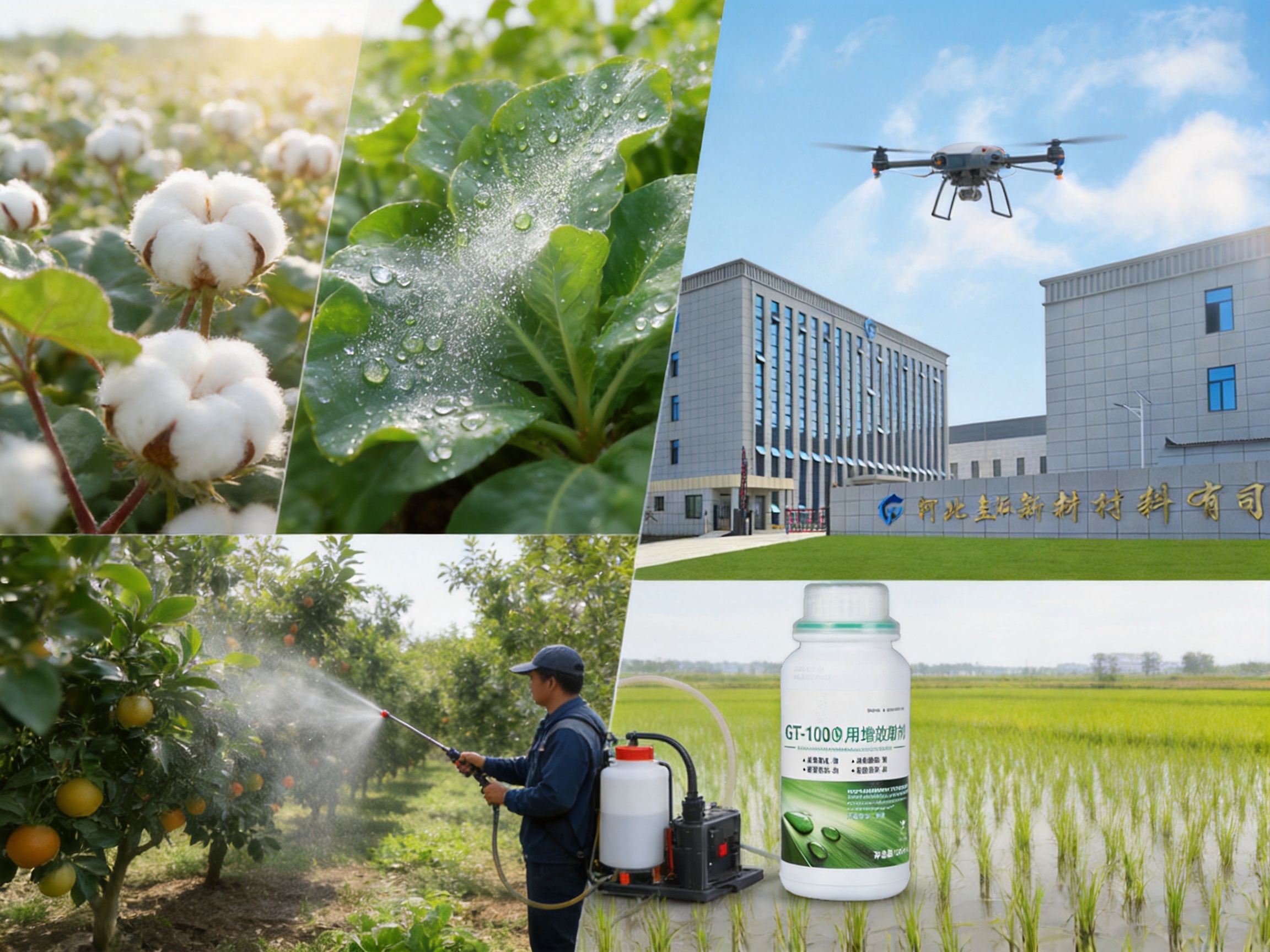
Cotton, corn, rice, sugarcane, and other field crops often have large acreages, variable canopy structures, and demanding application schedules. Even small improvements in spray coverage can have meaningful operational value when multiplied across a large area. GT-1000 can be evaluated in insecticide, fungicide, herbicide, and foliar fertilizer programs for these crops.
Vegetables
Cabbage, bok choy, leafy vegetables, and other crops may have waxy or folded leaves that encourage beading and runoff. Uniform spray coverage is important for controlling insects and fungal diseases while minimizing unnecessary repeat applications. Because edible crops can be sensitive to formulation changes, small-scale crop safety testing is especially important.
Fruit and Commercial Crops
Fruit trees, vines, and high-value commercial crops may present complex canopies and difficult-to-reach leaf surfaces. Improved wetting and adhesion can help make the spray more uniform. Application should be adjusted according to canopy density, equipment type, crop growth stage, and residue requirements.
Use in Low-Volume and Drone Spraying
Low-volume spraying and unmanned aerial application place greater importance on droplet behavior. When water volume is reduced, every droplet must be positioned effectively. Evaporation, drift, poor contact, and runoff can quickly reduce the value of an application.
An agricultural silicone adjuvant can support several objectives in these systems, including stronger spreading, improved adhesion, better penetration, and reduced waste from droplets that fail to contact the crop. The supplied product information also identifies related agricultural adjuvant solutions for anti-evaporation, anti-drift, hard-water tolerance, and drone-use applications.
Drone operators should not assume that one adjuvant or one rate is suitable for every aircraft and nozzle system. Droplet spectrum, flight height, weather, water volume, spray pressure, wind speed, and buffer requirements must all be considered. GT-1000 should be introduced through a controlled trial and used in accordance with local application regulations.
Recommended Mixing and Evaluation Procedure
A disciplined mixing procedure helps preserve product stability and reduce avoidable compatibility problems. The following approach is recommended for technical evaluation:
1. Review the partner label. Confirm that the pesticide, fungicide, herbicide, or fertilizer permits the use of an adjuvant. Check whether the partner product already contains a surfactant or oil component.
2. Examine the water source. Record water hardness, pH, temperature, and visible suspended matter when possible. Water quality can affect the stability and performance of the final spray.
3. Conduct a jar test. Add water and products in proportional quantities to a transparent container. Observe the mixture for separation, precipitation, excessive foam, clumping, heat generation, or other signs of incompatibility.
4. Follow the correct order of addition. The exact order depends on the partner formulation. In general, water is added first, followed by conditioners or compatibility agents, soluble products, suspension concentrates, emulsifiable products, and the adjuvant according to technical guidance. The partner label takes priority.
5. Agitate continuously. Maintain adequate circulation during filling and spraying. Avoid leaving concentrated mixtures undisturbed for extended periods.
6. Begin with a trial plot. Compare the treated area with an untreated or standard-adjuvant area. Record coverage, crop response, pest or disease control, rain conditions, and any visible phytotoxicity.
7. Optimize the rate. More adjuvant does not always mean better performance. The most economical and safest rate is the lowest rate that provides the required spreading, adhesion, and penetration under the target conditions.
Manufacturing Strengths and Quality Assurance
The performance of a silicone adjuvant depends strongly on manufacturing consistency. Small changes in raw material quality, reaction conditions, catalyst balance, molecular distribution, residual content, or blending can affect viscosity, cloud point, surface tension, compatibility, and field behavior. For this reason, buyers should evaluate the supplier’s production and quality systems as carefully as the product specification.
Hebei Guituo New Material Co., Ltd. operates as a high-technology enterprise integrating research and development, production, and sales. The company focuses on the development and application of high-end silicone materials for industrial and agricultural uses. Its product matrix includes silicone additives, wetting agents, modified silicone oils, dimethyl silicone oils, surfactants, defoamers, and related material series.
The company reports the use of advanced production equipment and precision testing facilities. These capabilities support controlled processing and quality verification from raw material handling through finished-product delivery. A full-process monitoring approach is important for agricultural adjuvants because customers require stable behavior from batch to batch.
Production quality is supported by an experienced technical and manufacturing team. Technical personnel can evaluate viscosity, surface tension, pH, purity, cloud point, appearance, and other indicators relevant to application performance. Consistent testing provides customers with greater confidence when they formulate products, prepare tank mixtures, or distribute the material across different markets.
Research and development is another important manufacturing strength. Agricultural adjuvant requirements vary according to crop, climate, water quality, pesticide chemistry, and application equipment. A supplier that combines production with technical development is better positioned to adjust product characteristics, investigate compatibility, and support customized solutions.
The company’s agricultural silicone products have been adopted by domestic agrochemical enterprises and are also supplied to overseas markets, including Europe and Southeast Asia. This market experience creates practical feedback for product improvement, packaging selection, documentation, and supply coordination.
In addition to standard products, the company accepts OEM and ODM orders. This can benefit distributors and agrochemical brands that require private-label packaging, customized specifications, differentiated grades, or a particular package size. Customization should be supported by a clear technical agreement defining the target parameters, test methods, packaging requirements, and quality acceptance criteria.
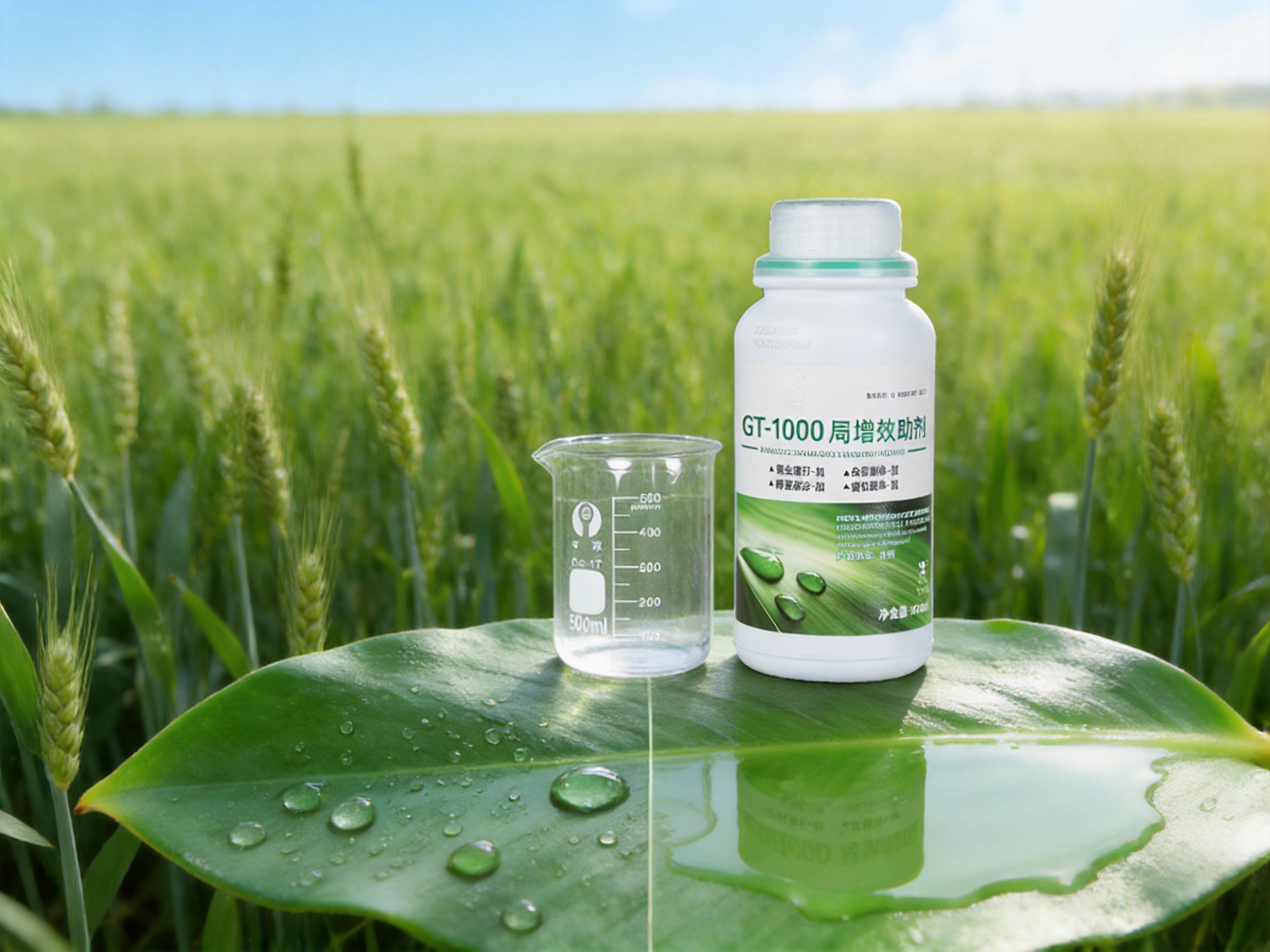
Product Stability, Handling, and Packaging
GT-1000 is supplied as a high-purity liquid agricultural adjuvant. The reported viscosity range of 30–50 mm²/s at 25°C supports practical pumping, measuring, and blending in many commercial settings. Storage and handling conditions should be controlled according to the supplier’s safety data sheet and technical documentation.
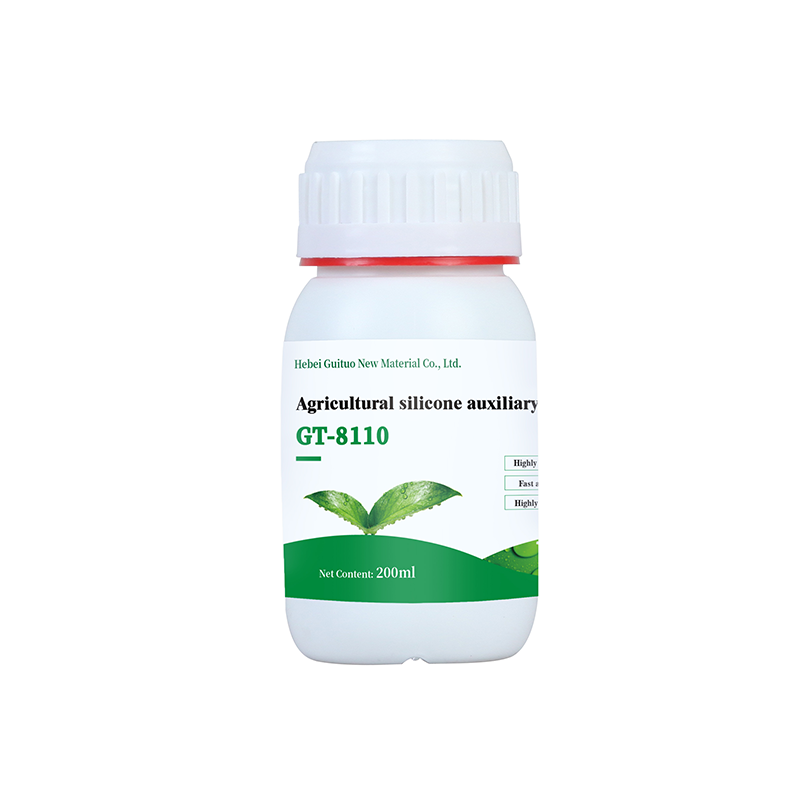
Available small-pack options described for the agricultural adjuvant line include 200 milliliters, 1 liter, and 2 liters. A 200-milliliter package is useful for sampling, laboratory evaluation, and small plot trials. One-liter packaging is suitable for routine commercial use, while two-liter packaging may be more convenient for larger programs.
Bulk and small-pack supply can be arranged according to customer requirements. OEM packaging is available for qualified partners. Packaging selection should consider transport conditions, storage time, dispensing equipment, regional regulations, and the needs of the final user.
Containers should remain tightly closed when not in use. The product should be protected from contamination, excessive heat, freezing conditions, and prolonged exposure to unsuitable storage environments. Before large-scale application, users should confirm the current technical data sheet, safety data sheet, batch number, shelf-life information, and recommended storage conditions.
Performance Benefits for Commercial Users
For growers, the primary benefit of GT-1000 is the possibility of obtaining more effective use from an existing spray program. Better spreading and adhesion can reduce the amount of product lost to runoff or incomplete coverage. Improved penetration and absorption can support more reliable performance when environmental conditions are suitable.
For agrochemical formulators, the product provides a functional silicone surfactant that can be evaluated as a formulation component or tank-mix adjuvant. Its low surface tension and near-neutral aqueous pH are useful starting points for development work, although compatibility with each active ingredient and co-formulant must be verified.
For distributors, the product offers a clear value proposition: one agricultural adjuvant can support multiple application categories, including insecticides, fungicides, herbicides, and fertilizers. The supplier’s OEM and ODM capabilities also provide opportunities for regional branding and customized market development.
For agricultural service providers, the product may help improve application quality in difficult spray conditions, including waxy foliage, dense canopies, rain-sensitive programs, and low-volume applications. Field data should guide the final recommendation, since the best rate and use pattern can vary considerably from one program to another.
Environmental and Responsible-Use Considerations
Improving application efficiency may help reduce repeated spraying, runoff, wasted active ingredient, and unnecessary input costs. These potential benefits are aligned with the broader goals of integrated pest management and more sustainable crop production. However, an adjuvant should not be treated as inherently risk-free simply because it can reduce the amount of pesticide required.
Environmental performance depends on the complete spray program. Users must follow the label of the pesticide or fertilizer, observe buffer zones, protect water bodies, avoid spray drift, and comply with local regulations. Application should be avoided during unsuitable wind, temperature, or rainfall conditions.
Crop safety also requires responsible testing. A product that performs well on one crop may cause sensitivity on another when combined with a different active ingredient, especially under hot or humid conditions. Testing on a small area is a practical step before full-scale use.
Comparison of Key Adjuvant Functions
| Application Challenge | Effect of Poor Spray Behavior | How GT-1000 Can Contribute | Important Control Point |
|---|---|---|---|
| Waxy leaves | Droplets bead and cover only a small area | Reduces surface tension and improves spreading | Confirm crop safety and avoid excessive runoff |
| Dense or hairy foliage | Spray does not reach all target surfaces | Supports more uniform wetting and coverage | Adjust nozzle, pressure, and water volume |
| Rain after application | Active ingredient may be washed away | Improves adhesion and supports rainfastness | Observe the required rain-free period |
| Hidden pests | Insufficient contact with undersides or tight areas | Promotes wider droplet spreading | Use suitable spray direction and canopy penetration |
| Herbicide treatment | Incomplete weed coverage and weak uptake | Helps create a more continuous deposit | Follow herbicide label and test selectivity |
| Fungicide treatment | Patchy protectant film | Supports even adhesion across leaf surfaces | Maintain resistance-management practices |
| Low-volume spraying | Each poorly placed droplet represents greater loss | Improves the efficiency of limited spray volume | Control drift, evaporation, and droplet size |
| Foliar fertilization | Uneven nutrient distribution or runoff | Improves wetting and surface contact | Check salt concentration and crop tolerance |
Technical Differentiation from Competing Products
Competition in the agricultural adjuvant market includes conventional nonionic surfactants, mineral oils, vegetable oils, polymeric stickers, silicone surfactants, and blended multifunctional products. GT-1000 is differentiated by its polyether-modified trisiloxane structure and low surface tension performance.
Compared with a basic wetting agent, GT-1000 is designed to combine rapid wetting with spreading and adhesion support. Compared with a simple oil adjuvant, it may provide faster surface tension reduction and a different compatibility profile. Compared with a single-purpose sticker, it is intended to contribute not only to retention but also to penetration and coverage.
The product also benefits from a near-neutral pH range, high reported purity, controlled viscosity, and a defined cloud point. These characteristics support more predictable formulation work and application handling. The actual competitive advantage should be demonstrated through side-by-side testing against the customer’s current adjuvant under the same crop, water, rate, nozzle, and weather conditions.
Another advantage is supplier flexibility. The manufacturer provides standard agricultural silicone materials while also supporting OEM and ODM development. This is valuable for customers who require a branded product, different package sizes, special documentation, or an application-specific grade.
Field Trial Design
A meaningful field trial should evaluate more than visual spreading. The trial should compare GT-1000 with the current standard program and, where possible, an untreated control. Replicated strips or plots provide more reliable information than a single observation.
Recommended observations include droplet wetting, leaf coverage, visible runoff, rain conditions, pest or disease severity, weed control, crop response, harvest quality, and the number of repeat applications required. For fertilizer programs, plant vigor, leaf color, nutrient analysis, and yield-related parameters can be recorded.
The trial should document the active ingredient, formulation type, water volume, spray nozzle, pressure, application rate, water quality, weather, crop growth stage, and time between spraying and rainfall. These details allow the supplier and customer to interpret results correctly and identify the conditions under which GT-1000 provides the greatest value.
Quality, Supply, and Technical Partnership
Reliable supply is essential for agricultural inputs because treatment programs are tied to narrow application windows. A missed spray opportunity can affect crop protection, labor planning, and yield potential. The manufacturer’s integrated R&D, production, testing, and sales structure supports coordinated supply and technical communication.
Customers can request product samples, technical data, packaging information, and application guidance. For larger programs, it is advisable to establish a specification agreement, including the required purity, viscosity, surface tension, pH, cloud point, packaging, labeling, batch documentation, and inspection procedure.
OEM and ODM cooperation can be arranged for customers that want to develop their own agricultural adjuvant brand. Development discussions may cover target crops, intended pesticide categories, foam behavior, water quality, low-volume application, drone spraying, package size, label claims, and regional regulatory requirements.
Frequently Asked Questions
What is GT-1000?
GT-1000 is a polyether-modified trisiloxane agricultural silicone surfactant and enhancing adjuvant. It is added to suitable pesticide, fungicide, herbicide, or fertilizer spray programs to improve wetting, spreading, adhesion, penetration, and absorption support.
Does GT-1000 replace a pesticide?
No. GT-1000 is not a stand-alone crop protection product. It is a tank-mix partner used together with a registered pesticide, fungicide, herbicide, or fertilizer. The active ingredient remains responsible for biological control.
What is the surface tension of GT-1000?
At 0.1% by weight, the specified surface tension is below 20.5 mN/m. This low surface tension helps spray droplets spread more readily on plant surfaces.
Can GT-1000 be used with herbicides?
It can be evaluated with herbicide programs, including applications intended to improve the control of persistent weeds. Users must confirm compatibility, follow the herbicide label, conduct a jar test, and perform a small crop-safety trial before full-scale spraying.
Can GT-1000 be used with insecticides and fungicides?
Yes, it is designed for evaluation with many insecticide and fungicide programs. Its spreading and adhesion functions may help improve contact with pests, disease lesions, and leaf surfaces. The final rate and compatibility depend on the specific formulation and crop.
Can it be used with foliar fertilizers?
GT-1000 can be evaluated with foliar fertilizer solutions to improve wetting and distribution. Because fertilizer salts may affect compatibility and crop safety, the user should test the complete mixture under the intended application conditions.
Is GT-1000 suitable for all crops?
It is intended for broad agricultural evaluation across field crops, vegetables, fruits, and commercial crops. Nevertheless, no adjuvant should be assumed to be suitable for every crop and formulation without testing. Crop variety, growth stage, environmental stress, pesticide chemistry, and application rate all influence safety.
How quickly does GT-1000 spread?
The product is designed for rapid wetting and spreading. The actual time required depends on concentration, water quality, temperature, plant surface, and spray conditions. Claims regarding very rapid penetration should be confirmed with the specific partner formulation and crop.
Does GT-1000 prevent rain wash-off?
It supports adhesion and may improve rainfastness by helping the spray form a more uniform deposit and by supporting faster interaction with the leaf surface. It does not make an application completely rainproof immediately after spraying. The partner label’s rain-free interval must still be followed.
Can GT-1000 be used in drone spraying?
It can be evaluated in low-volume and drone applications where droplet spreading and adhesion are important. Drone operators must consider droplet size, water volume, flight height, wind, temperature, evaporation, drift, nozzle selection, and local regulations.
What is the recommended mixing rate?
The correct rate depends on the crop, target, partner product, water quality, application method, and local label requirements. A universal rate should not be assumed. Customers should consult the technical team, complete a jar test, and begin with a small trial plot.
Is GT-1000 compatible with every pesticide?
No product is automatically compatible with every pesticide. Compatibility can vary according to formulation type, concentration, pH, salts, oils, solvents, and other additives. A jar test and field evaluation are necessary before commercial use.
What packaging is available?
The agricultural adjuvant line can be supplied in small packages such as 200 milliliters, 1 liter, and 2 liters, subject to current availability and customer requirements. Bulk supply and OEM packaging can also be discussed.
Can the product be customized?
Hebei Guituo New Material Co., Ltd. accepts OEM and ODM cooperation. Customization may include packaging, branding, technical targets, and application-specific product development, subject to technical evaluation and commercial agreement.
What documents can customers request?
Customers may request technical data, safety information, specification sheets, batch information, packaging details, and sample support. Documentation requirements can vary by country, crop, and intended use.
Conclusion
GT-1000 New High-Efficiency Agricultural Enhancing Adjuvant is designed to address several common causes of spray inefficiency: high surface tension, poor wetting, uneven coverage, weak adhesion, and limited interaction with plant surfaces. As a polyether-modified trisiloxane silicone surfactant, it provides a low-surface-tension approach to improving the physical delivery of pesticides and fertilizers.
Its specified purity, viscosity, surface tension, cloud point, and near-neutral pH provide a defined technical foundation for formulation and field evaluation. The product can be considered for insecticide, fungicide, herbicide, foliar fertilizer, low-volume, and drone-spraying programs, provided that compatibility and crop safety are confirmed.
The product’s competitive value is strengthened by the manufacturer’s integrated R&D, advanced production equipment, precision testing facilities, full-process quality monitoring, experienced technical team, overseas supply experience, and OEM and ODM capabilities. These strengths enable the supplier to support not only standard product orders but also application-specific development and private-label cooperation.
For the best results, GT-1000 should be selected as part of a complete application strategy. Users should follow registered product labels, perform jar tests, evaluate water quality, conduct small plot trials, and optimize the rate for the target crop and spray method. Used responsibly, an effective agricultural silicone adjuvant can help each spray droplet deliver more of its intended value.
References
1. International Organization for Standardization. Surface Active Agents and Determination of Surface Tension: General Technical Principles.
2. American Society for Testing and Materials. Standard Practices for Laboratory Evaluation of Agricultural Spray Adjuvants.
3. Food and Agriculture Organization of the United Nations. Guidance on Integrated Pest Management and Responsible Pesticide Use.
4. Weed Science Society of America. Principles of Herbicide Application, Spray Coverage, and Adjuvant Selection.
5. American Phytopathological Society. Principles of Fungicide Application and Disease Management.
6. International Code of Conduct on Pesticide Management. Product Stewardship, Application Safety, and Environmental Protection.
7. Technical specification for GT-1000 polyether-modified trisiloxane agricultural silicone surfactant, manufacturer-provided product documentation.
8. Safety and handling information for agricultural silicone adjuvants, manufacturer-provided technical and safety documentation.
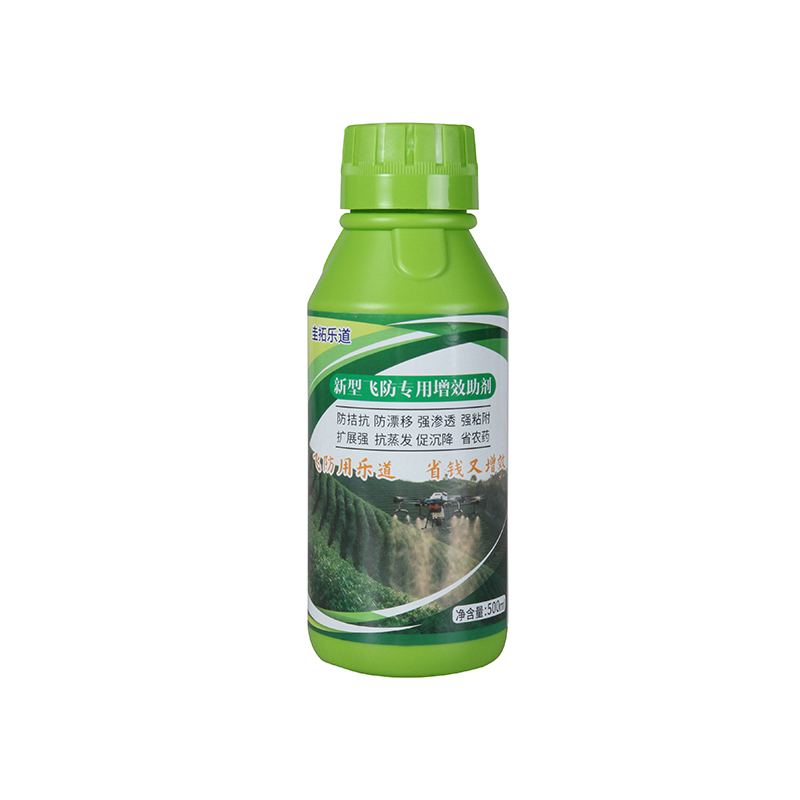
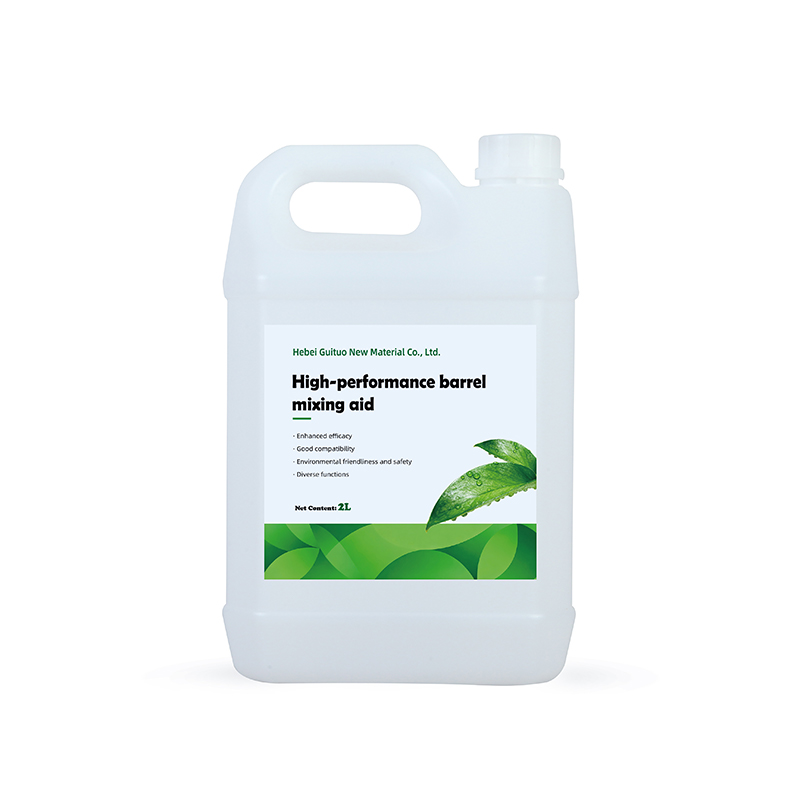
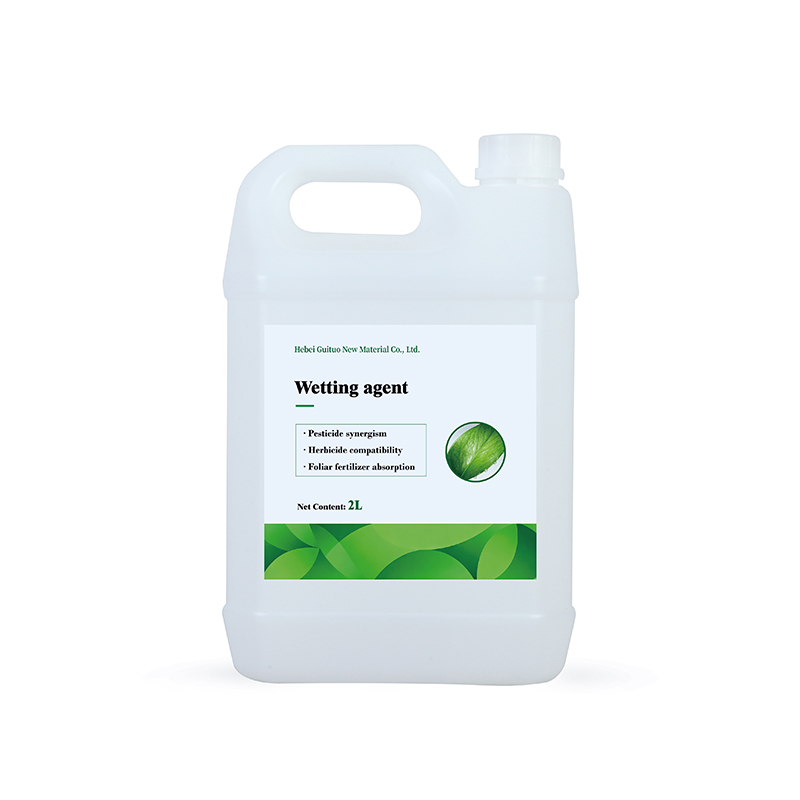
Product: New High-Efficiency Agricultural Enhancing Adjuvants


Contact Information
Tel : +86-400-138-5268
Email : [email protected]
Phone : +86-15128434888 / +86-13511051998
Add : Xinqiao Environmental Protection Industrial Park, Wen'an County, Langfang City, Hebei Province, China
Contact Information
Copyright © Hebei Guituo New Material Co., Ltd. All Rights Reserved.
