

 English
 Français
 Português

 Home / Author / Zhang Xiaoyu, Regional Sales Manager (Southeast Asia) / Plastic and Rubber Mold Release Agent (Anionic Type): Performance, Processing Stability, and Industrial Application Guide
Plastic and Rubber Mold Release Agent (Anionic Type): Performance, Processing Stability, and Industrial Application Guide
2026-10-15
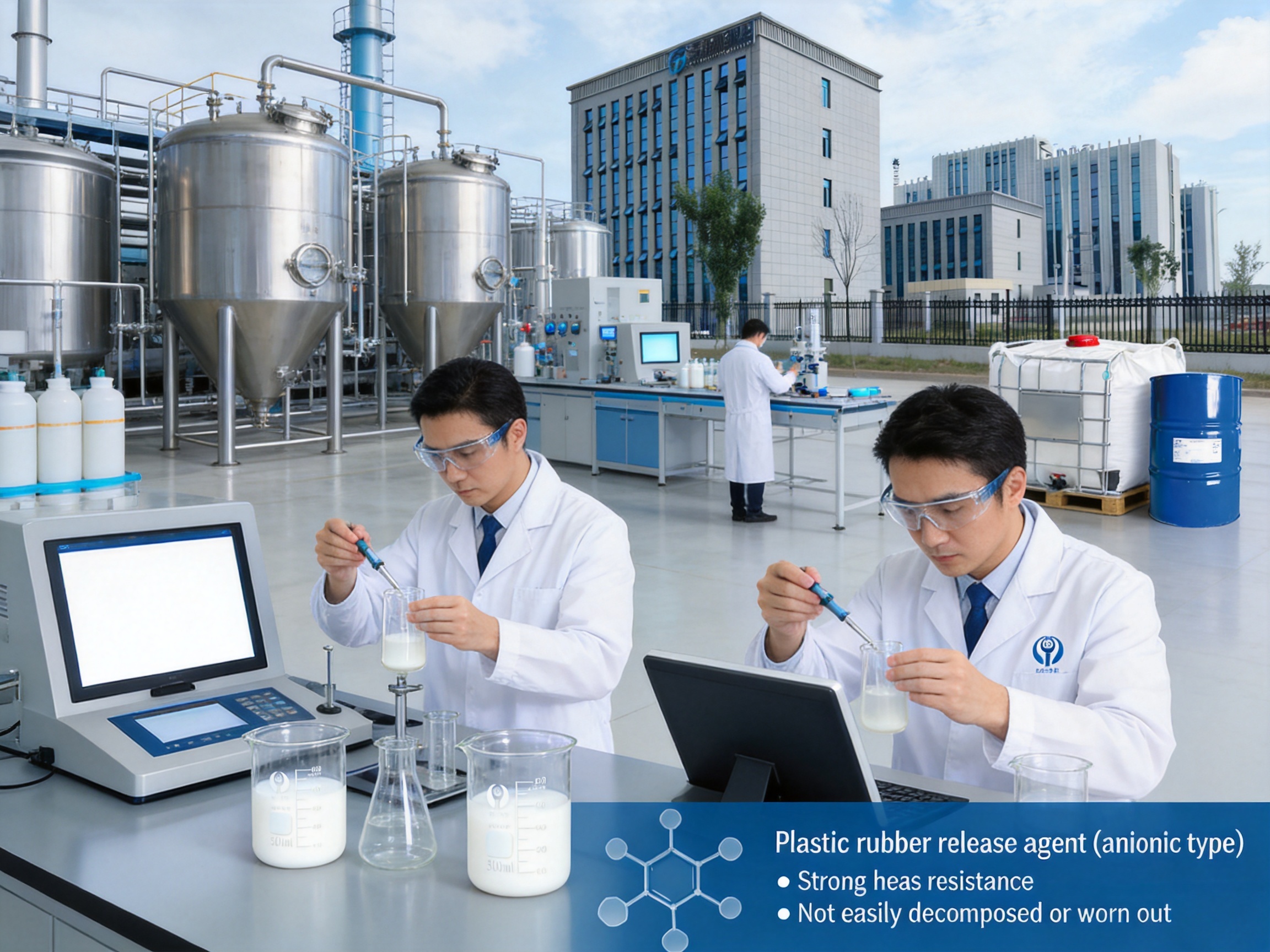
Introduction
Plastic and rubber molding operations depend on a controlled separation between the mold surface and the finished article. When adhesion becomes excessive, products may tear, deform, develop surface defects, or require manual removal. Repeated sticking can also increase cycle times, raise scrap rates, accelerate mold wear, and make production results inconsistent. A properly selected mold release agent creates a controlled interfacial film that reduces adhesion while helping the molded product retain its intended shape, appearance, and dimensional accuracy.
Plastic and Rubber Mold Release Agent (Anionic Type), identified as model LD-300, is an anionic silicone surfactant designed for release applications involving plastic, rubber, elastomeric, and composite molding processes. Its functional role is to form a stable, low-adhesion layer on the mold surface. This layer helps the cured or cooled product separate smoothly from the mold without unnecessary force, excessive friction, or damage to either the mold or the product.
The product is positioned for industrial use because it combines silicone-related thermal stability with surfactant-assisted spreading and surface coverage. These properties are important in injection molding, compression molding, transfer molding, extrusion-related forming, calendaring, lamination, and other processes in which mold temperature, pressure, chemical exposure, and production speed can vary considerably.
Unlike a basic release material that only reduces short-term adhesion, an advanced release formulation must also address film uniformity, mold protection, compatibility, residue control, repeatability, and ease of application. LD-300 is developed within a broader silicone-material product system that includes silicone additives, modified silicone oils, dimethyl silicone oils, surfactants, wetting agents, and defoamers. This product background supports formulation adjustment for different substrates, mold materials, temperatures, and production requirements.
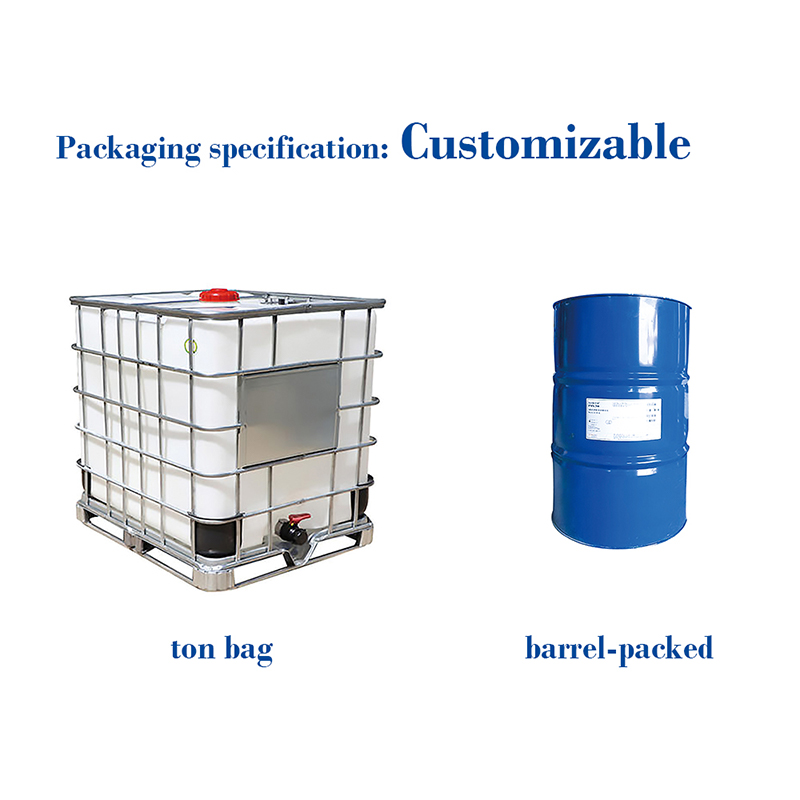
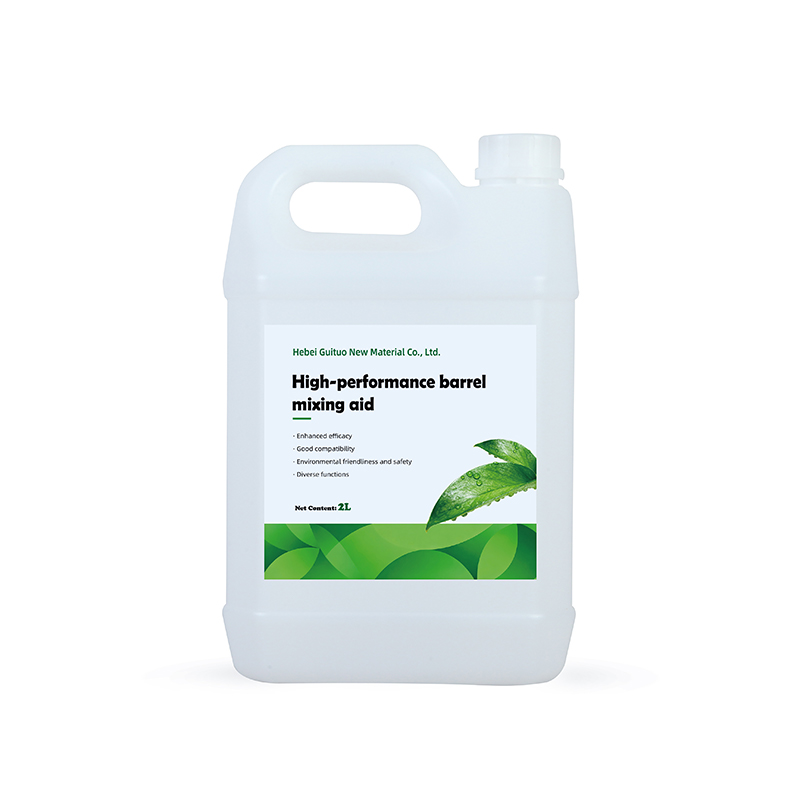
Plastic & Rubber Mold Release Agent (Anionic Type)
Product Profile and Technical Identity
LD-300 is described as a Plastic and Rubber Release Agent, Anionic Type. Its listed synonym is Anionic Silicone Surfactant. The product information identifies CAS No. 9016-00-6, EINECS No. 618-493-1, and a stated purity of 99.8%. These identifiers are useful for purchasing, technical communication, and preliminary material screening. Customers should still review the current technical data sheet and safety documentation before introducing the product into a regulated or specialized process.
| Item | Information |
|---|---|
| Product model | LD-300 |
| Product name | Plastic and Rubber Release Agent, Anionic Type |
| Product category | Release Agent |
| Material type | Anionic silicone surfactant |
| CAS No. | 9016-00-6 |
| EINECS No. | 618-493-1 |
| Stated purity | 99.8% |
| Primary functions | Adhesion reduction, mold release, surface coverage, mold protection |
| Potential application areas | Plastic molding, rubber molding, elastomer processing, composite forming, and related industrial operations |
The anionic character is significant because ionic surfactants can influence wetting, dispersion, interfacial behavior, and the distribution of active material across a surface. In a release formulation, these effects can help the product spread more evenly over the mold instead of concentrating in isolated areas. Uniform coverage is important because incomplete or uneven films may create local sticking, variation in gloss, transfer marks, or inconsistent demolding force.
The silicone component contributes low surface tension, lubricity, and resistance to many processing conditions. Silicone-based materials are commonly selected for release applications because their chemical structure can provide a low-energy interface between the mold and the processed polymer. This reduces the tendency of plastic or rubber compounds to anchor strongly to the mold surface during heating, curing, cooling, or pressure application.
How the Release Mechanism Works
During molding, the polymer compound comes into close contact with the mold. Heat and pressure can force the compound into microscopic irregularities on the mold surface. Chemical interaction, mechanical interlocking, and surface attraction may then make separation difficult. The challenge is particularly significant when the molded material contains tacky additives, reactive components, fillers, plasticizers, pigments, curing agents, or reinforcing fibers.
When correctly applied, LD-300 forms a thin interfacial layer between the mold and the molded material. This layer decreases direct contact and lowers the force required to remove the finished part. It can also reduce the tendency of the polymer to penetrate microscopic surface features. The release film should be continuous enough to provide protection but controlled enough to avoid excessive buildup or transfer to the finished article.
A high-quality release agent must balance several properties that may appear contradictory. It should spread rapidly but remain on the mold. It should offer strong release but leave minimal residue. It should withstand processing heat but not create difficult deposits. It should protect the mold while remaining compatible with subsequent operations such as painting, bonding, printing, coating, or assembly. The formulation and application method must therefore be matched to the specific process.
Silicone-based release materials can provide an advantage over many simple waxes, oils, or low-cost organic release products when repeated thermal cycling is involved. Their silicon-oxygen backbone is associated with high thermal stability and flexible molecular behavior. This can help the release layer retain functionality during elevated-temperature operations such as rubber curing, plastic injection molding, and extrusion-related forming.
Major Advantages of the Anionic Silicone Formulation
Uniform Mold Coverage
One of the principal advantages of an anionic silicone surfactant system is its ability to support wetting and distribution across the mold surface. Uniform coverage reduces the risk of isolated dry spots that can cause localized adhesion. It also helps operators use the material more efficiently by promoting controlled spreading rather than excessive application.
Uniformity is particularly important for molds with complex geometry, fine textures, narrow corners, ribs, deep cavities, or polished surfaces. A release agent that does not spread properly may protect broad flat areas while failing in detailed sections. Surfactant-assisted formulation design can improve the ability of the release material to reach and cover these areas, although application parameters must still be optimized through production trials.
Thermal Stability
Mold release agents are exposed to temperature changes that may occur repeatedly throughout a production day. A material that evaporates rapidly, decomposes, or loses its functional film at processing temperature can produce unstable results. Silicone-based chemistry is generally valued for maintaining useful release performance over a broad thermal range.
LD-300 is intended for applications in which heat resistance is important. It can support operations involving heated molds, high-pressure molding, curing, and repeated thermal cycling. Thermal stability helps reduce the frequency of reapplication and may contribute to more consistent production. The actual operating temperature limit depends on the complete formulation, concentration, mold material, exposure time, and process atmosphere; therefore, customers should verify suitability under actual conditions.
Reduced Adhesion and Easier Demolding
The central performance benefit is the reduction of adhesion between the mold and the molded article. Easier demolding can reduce manual intervention, shorten cycle times, and protect delicate components from tearing or distortion. In rubber molding, this is valuable because cured elastomers may have high elasticity and can deform when excessive force is used. In plastic molding, controlled release helps reduce marks, cracks, warpage, and damage to thin-walled parts.
A suitable release agent may also reduce the mechanical load placed on ejector systems, mold components, and operators. Lower demolding force can be especially useful for complex products that contain undercuts, fine details, flexible sections, or decorative surfaces.
Compatibility with Diverse Polymer Systems
Silicone-based release products are commonly compatible with many thermoplastics, thermosetting materials, natural rubbers, synthetic rubbers, and elastomers. Potential plastic applications include polyethylene, polypropylene, polyvinyl chloride, and selected engineering plastics. Rubber applications may include natural rubber, synthetic rubber, and elastomeric compounds.
Compatibility should not be assumed solely from the polymer name. Additives, curing systems, pigments, fillers, processing aids, mold temperature, and post-treatment requirements may influence performance. LD-300 is best evaluated through a controlled trial that examines demolding force, surface appearance, transfer, adhesion of subsequent coatings, and mold buildup.
Mold Protection
In addition to assisting release, the interfacial film can limit direct contact between the mold and aggressive processing materials. This may help reduce friction, abrasion, chemical attack, and surface contamination. Mold protection is especially important in high-volume operations where the same tool is exposed to repeated heating, cooling, pressure, and contact with reactive compounds.
Maintaining the mold surface can extend cleaning intervals and support longer service life. A clean and well-protected mold also improves product consistency because surface texture, gloss, and dimensional features are less likely to change due to buildup or wear.
Low Residue Potential
Excessive release-agent transfer can create problems in painting, bonding, printing, plating, flocking, coating, or other secondary operations. LD-300 is intended to provide release performance without unnecessarily interfering with downstream processing when the product is correctly selected, diluted if required, and applied at an appropriate level.
Residue performance depends strongly on film thickness. Applying more material does not always improve release. Over-application can create deposits, surface haze, transfer, or adhesion problems. A thin and uniform film is generally preferable to a thick and uneven layer. Process trials should identify the lowest effective application level.
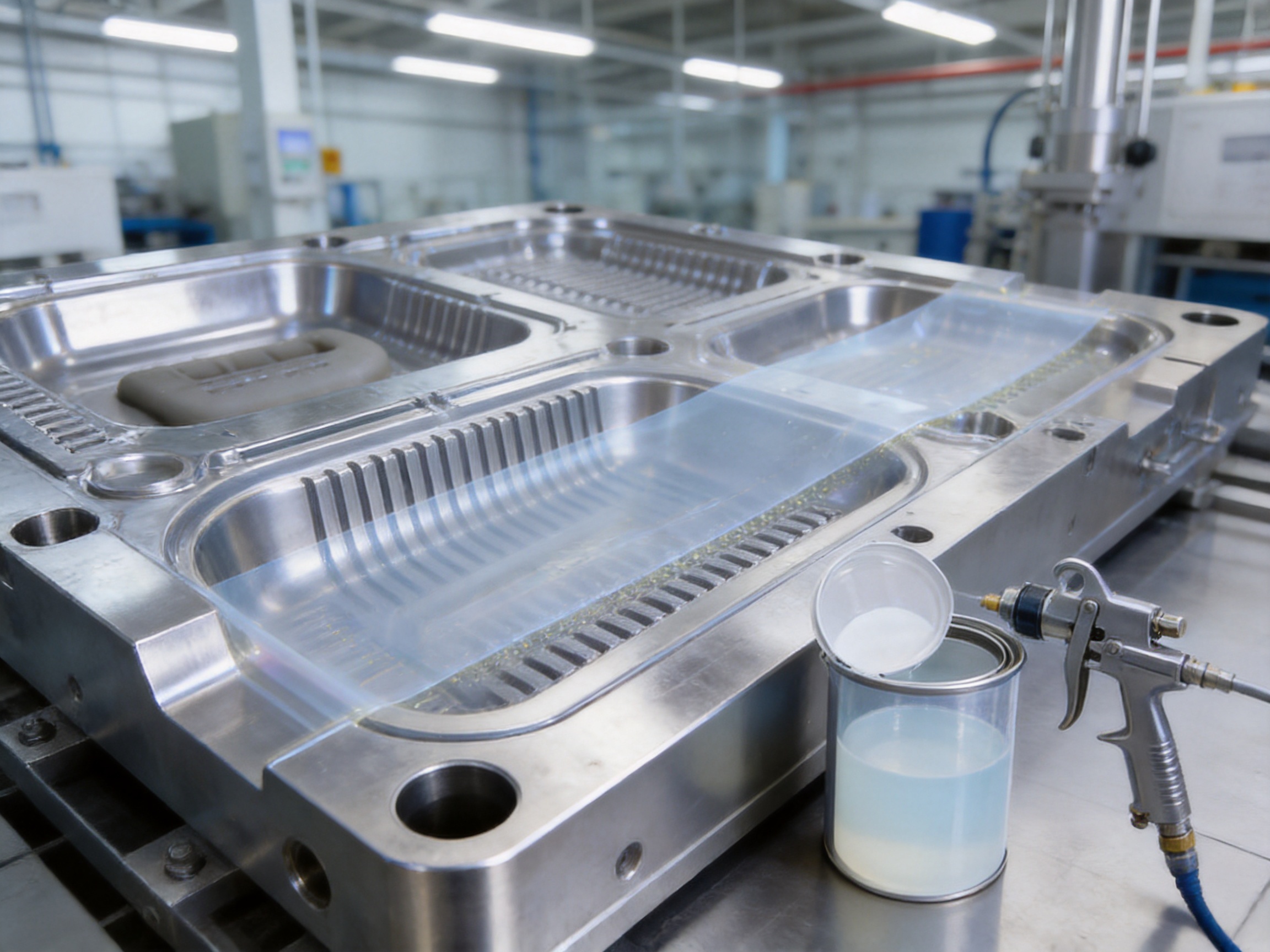
Advantages Compared with Conventional Release Materials
Conventional release systems may include waxes, fatty-acid derivatives, mineral oils, solvent-based products, water-based emulsions, and simple silicone oils. Each type can be effective in a particular application, but performance may be limited when the process requires high-temperature stability, complex mold coverage, low residue, or compatibility with multiple polymer systems.
| Evaluation factor | Basic conventional release material | Anionic silicone release formulation |
|---|---|---|
| Surface spreading | May be uneven on complex mold geometries | Surfactant-assisted wetting can support more uniform coverage |
| Thermal performance | Some products may evaporate or decompose at elevated temperature | Silicone chemistry is selected for improved thermal stability |
| Demolding | Performance may vary with polymer and mold condition | Designed to reduce adhesion across plastic and rubber applications |
| Mold protection | Depends on the chemistry and film durability | Can provide a protective interfacial barrier |
| Complex molds | May require heavy application or frequent touch-up | Improved spreading can support coverage of detailed surfaces |
| Secondary processing | Some residues can interfere with coating or bonding | Controlled application aims to minimize transfer and buildup |
| Customization | Often limited to standard grades | Formulation can be adjusted through silicone oils, surfactants, and additives |
The comparison does not mean that one release chemistry is universally superior. Process conditions determine the correct choice. However, the anionic silicone approach offers a strong combination of release efficiency, spreading behavior, thermal resistance, and formulation flexibility. These characteristics are valuable for manufacturers that need stable performance across different molds and production conditions.
Compared with a simple dimethyl silicone oil, an anionic silicone surfactant system may offer improved interfacial behavior and more controlled distribution. Compared with some wax-based products, it may offer better suitability for repeated heating and cooling. Compared with certain solvent-rich products, a properly designed water-compatible or low-volatility system may support a cleaner workplace and more controlled application. The exact environmental and safety profile must be confirmed from the current product documentation and formulation type.
Stability Under Different Processing Conditions
High-Temperature Processing
Injection molding, compression molding, transfer molding, rubber curing, and some extrusion operations expose the release film to elevated temperatures. Under these conditions, a poorly selected product may lose viscosity, evaporate, decompose, or form an uneven residue. The result may be increased sticking, inconsistent surface finish, or frequent mold cleaning.
The silicone structure of LD-300 is intended to support stability during high-temperature processing. A stable film can continue to reduce adhesion throughout the molding cycle while limiting rapid loss of active material. Nevertheless, temperature resistance should be evaluated in relation to exposure time. A short exposure at a high temperature may produce a different result from continuous contact at a lower temperature.
Operators should monitor mold temperature, release interval, demolding force, surface appearance, and deposit formation. If the product is applied by spray, the spray pattern and evaporation stage should also be controlled. A uniform dry or semi-dry film is generally more reliable than a visibly wet layer at the beginning of molding.
Low-Temperature Processing
Low-temperature conditions create different challenges. Some release products become too viscous, lose spreading ability, or form an irregular film. Cooling molds can also increase condensation and moisture-related instability. An uneven film may leave protected areas beside unprotected areas, resulting in inconsistent demolding.
Formulation adjustment can help address these problems. Silicone oil viscosity, surfactant balance, emulsifier selection, and active concentration may be modified for low-temperature applications. Low-viscosity systems can improve spreading, while stable emulsified formulations may help maintain coverage when the mold is cool. Production testing should include both the initial application stage and the repeated thermal cycle because a material that spreads well at room temperature may behave differently on a chilled mold.
Humidity and Moisture
Humidity may affect water-based release systems by influencing drying, phase stability, wetting, and film formation. High humidity can slow evaporation and may contribute to surface defects if the mold is not adequately conditioned. Storage containers should be tightly closed, and the product should be protected from contamination and extreme temperature changes.
Where the formulation is supplied as an emulsion or dispersion, visible separation should be evaluated before use. Gentle mixing may be appropriate for some products, but vigorous agitation can create excessive foam. Users should follow the supplier’s recommended handling procedure. If a release agent is transferred into a process tank, the tank should be clean and compatible with the material.
Chemical Exposure
Mold release agents may contact plasticizers, amines, styrene-containing systems, curing agents, fillers, pigments, catalysts, and cleaning chemicals. These substances can influence film stability and surface interactions. A release agent should resist unwanted reaction and should not become easily displaced by the polymer compound.
Silicone-based formulations are generally selected for chemical resistance and low interfacial adhesion. However, chemical resistance is application-specific. Testing is recommended when the mold compound contains strong solvents, aggressive catalysts, high levels of reactive additives, or unusual curing chemistry.
Application in Plastic Molding
Plastic molding operations often require rapid cycles and consistent release from complex cavities. In injection molding, the release agent must withstand injection pressure, melt temperature, cooling, and ejection. Excessive material can transfer to the part or build up around vents and fine details, while insufficient material can lead to sticking and higher ejection force.
Before applying LD-300, the mold should be clean and free from incompatible residues. Old wax, degraded polymer, rust, cleaning chemicals, and previous release products can interfere with film formation. A controlled cleaning process is therefore part of effective release-agent management.
The product may be applied by spraying, wiping, brushing, or another validated method depending on the formulation and mold geometry. Spraying can provide rapid coverage for larger molds, while wiping or brushing may be useful for small tools, repair areas, or detailed sections. The application should be thin, continuous, and free from runs or pools.
After application, the mold may require a short conditioning or drying period. The correct time depends on the product form, mold temperature, ventilation, and process requirements. Operators should avoid beginning production while large quantities of liquid remain on the surface unless the technical instructions specifically allow this.
LD-300 may be considered for polyethylene, polypropylene, PVC, and selected engineering plastic applications. The suitability of the release film for painting, printing, bonding, or coating must be confirmed through testing. Where the molded part will undergo secondary treatment, transfer and surface energy should be evaluated rather than assumed.
Application in Rubber and Elastomer Molding
Rubber molding often involves higher curing temperatures, longer dwell times, and compounds that can be tacky before vulcanization. Compression, transfer, and injection molding may all require reliable release performance. A failure during demolding can stretch the part, damage fine edges, tear thin sections, or leave compound residue in the mold.
For natural rubber, silicone-based release chemistry can help reduce adhesion while supporting a clean mold surface. Synthetic rubbers may require a more specific evaluation because their additives and curing systems differ. Elastomers with complex formulations may benefit from a customized release approach that considers cure temperature, surface texture, filler content, and post-molding operations.
In compression molding, the release agent should cover the mold before the rubber compound is placed and compressed. In transfer molding, coverage must remain effective under pressure and material flow. In rubber injection molding, thermal stability and low residue are especially important because high pressure and temperature can expose the mold to rapid mechanical and chemical stress.
The release film should not compromise the desired surface properties of the rubber article. Where the final component must be bonded, painted, printed, or overmolded, compatibility testing is essential. A release product that works well for easy removal may not be suitable for every downstream adhesive or coating system.
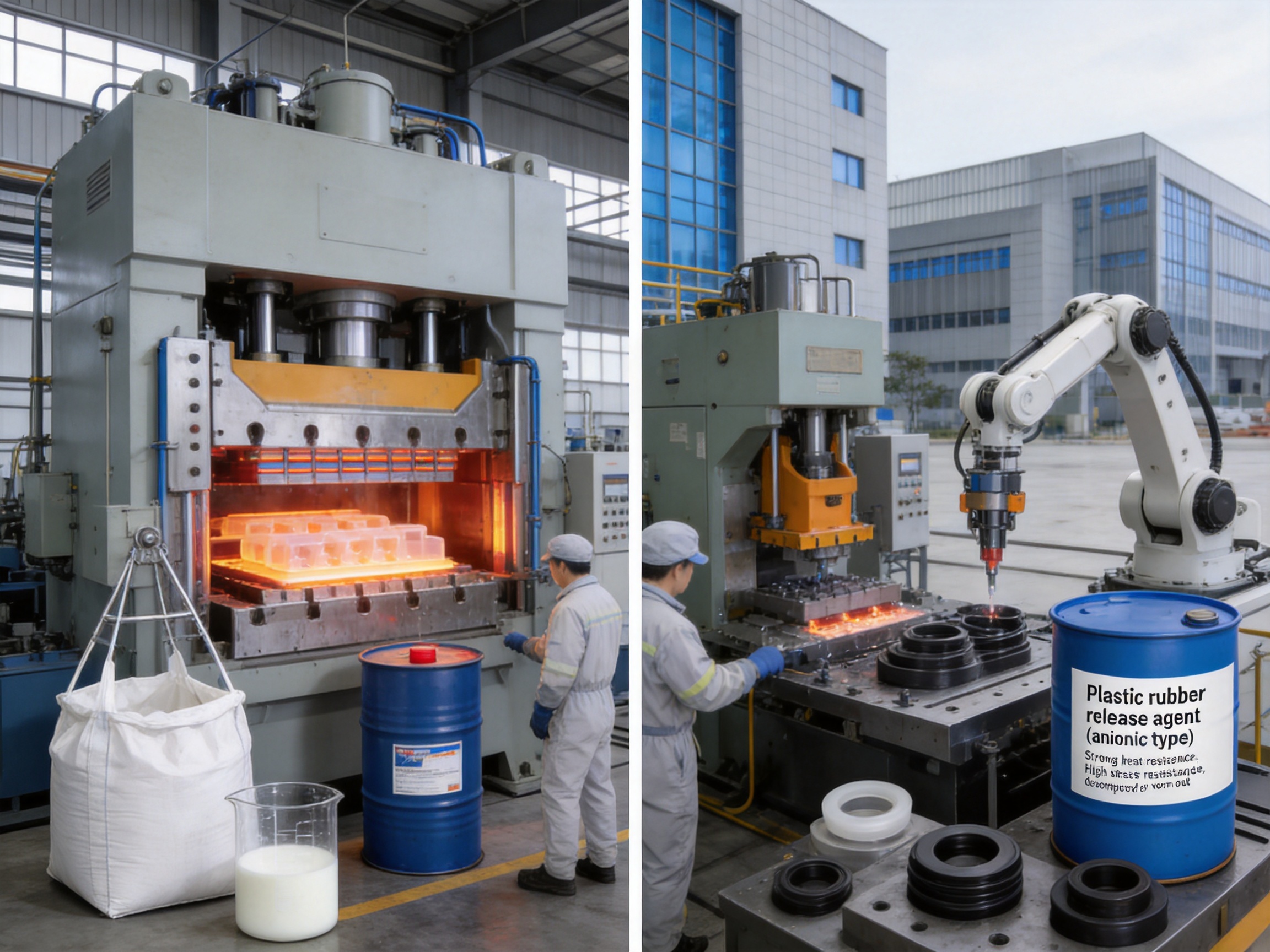
Manufacturing Strengths and Quality-Control Approach
The performance of a mold release agent depends not only on the ingredient list but also on production discipline. Small variations in silicone viscosity, surfactant concentration, moisture, mixing energy, temperature, or filtration can influence the final product. Consistent manufacturing is therefore a central advantage for industrial customers.
Hebei Guituo New Material Co., Ltd. operates as a high-technology enterprise integrating research and development, production, and sales. Its product portfolio covers silicone additives, wetting agents, modified silicone oils, dimethyl silicone oils, surfactants, defoamers, and other silicone-related materials. This integrated product structure provides access to multiple formulation components and supports the development of release products for different industrial needs.
The company reports the use of advanced production equipment and precise testing facilities. Equipment quality is important in silicone-material manufacturing because controlled addition, mixing, dispersion, heating, cooling, and filtration can affect product uniformity. A well-designed production line can also reduce batch-to-batch variation and support more reliable scale-up from laboratory samples to commercial quantities.
A full-process quality monitoring system extends from the production source to finished-product delivery. Such a system may include raw-material inspection, process parameter control, intermediate testing, final-product analysis, packaging checks, and batch traceability. For customers, traceability improves technical communication and makes it easier to investigate performance differences between production lots.
The company also maintains an experienced technical and production team. Technical knowledge is especially valuable when a customer needs more than a standard product. Release performance may need to be adjusted for a specific mold material, polymer compound, temperature range, application method, or secondary process. A manufacturer with expertise in silicone oils and surfactants can evaluate these factors together rather than treating the release agent as an isolated commodity.
Another manufacturing strength is the ability to support OEM and ODM orders. Customization may involve modifying active concentration, viscosity, wetting behavior, emulsion stability, compatibility, residue characteristics, or packaging format. Any adjustment should be validated by technical testing and documented specifications so that the customized material remains consistent during repeat orders.
From Raw Material Selection to Finished Product
Reliable release-agent manufacturing begins with controlled raw materials. Silicone intermediates, surfactants, emulsifiers, additives, and auxiliary materials should be selected according to purity, compatibility, moisture level, and batch consistency. Inconsistent raw materials can produce changes in viscosity, appearance, stability, and release performance.
During compounding, accurate dosing is essential. The proportions of silicone oil, surfactant, emulsifier, stabilizer, and other components determine surface tension, film formation, storage stability, and release behavior. Mixing conditions must be controlled to achieve uniform distribution without excessive air entrainment or unwanted heating.
Intermediate sampling can identify problems before the material reaches final packaging. Useful checks may include appearance, viscosity, density, pH where applicable, emulsion stability, active content, and dispersion behavior. The final batch may then be examined against established specifications before release to customers.
Packaging also affects product quality. Containers should protect the material from moisture, contamination, excessive heat, and accidental mixing with incompatible substances. Clear labeling should identify the product model, batch information, storage requirements, and handling precautions. Stable packaging supports product integrity during storage, transportation, and warehouse handling.
Formulation Customization for Different Requirements
No single release formulation is ideal for every mold and polymer. The correct composition depends on the material being molded, mold construction, process temperature, cycle time, desired surface finish, application method, and downstream treatment. The ability to adjust the formulation is therefore an important competitive advantage.
For high-temperature applications, the formulation may require a more thermally robust silicone component and a surfactant system that remains stable during repeated heating. For low-temperature operations, a lower-viscosity silicone phase and improved wetting balance may support more even spreading. For complex molds, the formulation may be adjusted to improve penetration into fine features without creating excessive residue.
Where a molded product requires painting or bonding, the release system may need to minimize transfer and preserve acceptable surface treatment compatibility. Where the primary concern is mold protection, the composition may be optimized for barrier formation and extended film durability. Where fast production is the priority, rapid spreading and efficient reapplication may be emphasized.
Customization should be based on measurable performance criteria. These may include demolding force, number of cycles between applications, mold-cleaning interval, product surface appearance, transfer level, coating adhesion, storage stability, and resistance to process chemicals. A structured evaluation provides more reliable results than selecting a release agent only by price or general product description.
Recommended Evaluation and Implementation Procedure
Step One: Define the Process
Record the polymer or rubber type, mold material, mold temperature, cycle time, pressure, curing conditions, product geometry, and ejection method. Also record whether the molded part will be painted, bonded, printed, coated, or assembled after demolding.
Step Two: Inspect and Clean the Mold
Remove old deposits, corrosion products, degraded polymer, and incompatible release-agent residue. Inspect vents, corners, inserts, ejector areas, and textured surfaces. A release agent cannot compensate for a heavily contaminated or damaged mold surface.
Step Three: Apply a Thin Trial Film
Apply LD-300 using a controlled method. Avoid excessive flooding. Ensure that corners, ribs, cavities, and other difficult areas receive adequate coverage. If dilution or a carrier is required, use only the recommended material and maintain a consistent mixing procedure.
Step Four: Condition the Mold
Allow the applied film to stabilize according to the supplier’s instructions and the production temperature. Observe whether the surface appears uniform, whether visible pools remain, and whether the material dries or forms a suitable working film.
Step Five: Run a Controlled Production Trial
Begin with a limited number of cycles. Record demolding force, product appearance, defects, transfer, residue, and the condition of the mold. Compare the results with the previous release system or with an untreated control where appropriate.
Step Six: Optimize the Application Rate
If release is inadequate, check cleaning, coverage, mold temperature, and application technique before simply increasing dosage. If residue or coating interference occurs, reduce the film thickness or review compatibility. The optimum level is the lowest amount that provides consistent release throughout the required production interval.
Step Seven: Confirm Long-Term Performance
After initial approval, evaluate the product over an extended production run. Long-term testing should examine mold buildup, cleaning frequency, product consistency, application interval, storage behavior, and batch-to-batch repeatability.
Storage, Handling, and Safety Considerations
The product should be stored in its original, properly closed container in a clean and stable environment. Excessive heat, freezing conditions, direct sunlight, moisture contamination, and prolonged exposure to air may affect product quality. Storage instructions should be taken from the current technical and safety documentation.
Operators should use appropriate personal protective equipment and maintain good industrial hygiene. Even materials considered low hazard or environmentally preferable require responsible handling. Avoid unnecessary skin and eye contact, prevent spills, and provide adequate ventilation during application, especially when spraying or using auxiliary carriers.
Do not mix LD-300 with other release products, cleaners, solvents, or additives unless compatibility has been confirmed. Uncontrolled mixing can cause separation, precipitation, foam, poor wetting, or unexpected surface effects. Containers, spray equipment, and transfer lines should be cleaned according to a documented procedure.
Environmental performance depends on the complete formulation and application method. Water-based or low-volatility systems may reduce certain emissions compared with solvent-rich alternatives, but users should confirm the relevant composition and regulatory information. Waste, contaminated absorbents, and empty containers should be managed according to local requirements.
Industrial Value for Manufacturers
A reliable mold release agent creates value beyond simple demolding. By reducing adhesion and mold contamination, it can help manufacturers improve productivity, decrease scrap, protect tooling, and maintain a more consistent surface finish. These benefits can be particularly important in high-volume production, where a small reduction in cycle time or defect rate may generate significant annual savings.
LD-300 also provides a practical option for companies that process both plastic and rubber materials. Instead of managing unrelated release products for every application, a silicone-based product matrix can simplify technical evaluation and purchasing. Where different requirements exist, the supplier’s broader silicone portfolio can support formulation adjustment rather than forcing the customer to change to an entirely different chemistry.
Stable supply is another important consideration. Hebei Guituo New Material Co., Ltd. combines production, technical development, quality management, and sales support. Its domestic and overseas market experience, together with OEM and ODM capability, supports customers seeking repeatable industrial supply rather than one-time material sourcing.
For international customers, technical communication should include product model, intended application, process temperature, mold type, polymer or rubber compound, application method, expected release interval, and secondary-processing requirements. This information allows the supplier to recommend the most suitable grade or discuss a customized version of the product.
Frequently Asked Questions
What is LD-300?
LD-300 is a Plastic and Rubber Mold Release Agent, Anionic Type. It is also described as an anionic silicone surfactant intended to reduce adhesion between molds and plastic, rubber, elastomer, or related molded materials.
What is the main function of an anionic mold release agent?
Its main function is to create a low-adhesion interfacial film on the mold. This film helps the molded article separate more easily, reduces sticking, supports mold protection, and may improve production consistency when properly applied.
Can LD-300 be used for both plastic and rubber?
The product is intended for both plastic and rubber release applications. Suitability should be confirmed with a process trial because polymer composition, additives, cure chemistry, mold temperature, and post-treatment requirements can affect performance.
Is the product suitable for high-temperature molding?
Silicone-based release chemistry is selected for strong thermal stability compared with many conventional release materials. LD-300 is intended for demanding processing environments, but the actual temperature limit and exposure time should be confirmed from the current technical documentation and validated in the customer’s process.
Will the product leave residue on molded parts?
Correct application is intended to minimize transfer and buildup. Excessive dosage, poor mold cleaning, incompatible compounds, or repeated over-application can increase residue. A thin, uniform film and a controlled trial are recommended.
Can molded parts be painted or bonded after using LD-300?
Potentially, but compatibility must be tested. Painting, bonding, printing, and coating depend on surface energy, film thickness, polymer type, and the selected downstream system. Customers should evaluate adhesion using the actual coating or adhesive.
How should the release agent be applied?
Application may be performed by spraying, wiping, brushing, or another validated method. The mold should be clean, and the film should be thin and uniform. The appropriate method depends on the mold geometry, product form, and process conditions.
Can the formulation be customized?
Customization may be available through adjustments to silicone-oil viscosity, surfactant balance, emulsifier selection, active concentration, wetting behavior, and other formulation factors. The required specifications should be discussed with the manufacturer before development or trial production.
What quality controls are important for this type of product?
Important controls may include raw-material inspection, accurate dosing, mixing uniformity, appearance, viscosity, active content, storage stability, emulsion or dispersion stability where applicable, batch traceability, and final release testing.
What information should be provided when requesting a quotation or sample?
Customers should provide the molded material, mold material, processing temperature, molding method, cycle time, application method, current release-agent problems, required surface finish, and any painting, bonding, or coating requirements. This information helps the supplier recommend a suitable grade and testing plan.
Conclusion
Plastic and Rubber Mold Release Agent (Anionic Type), model LD-300, is designed for industrial processes that require reliable demolding, controlled surface coverage, thermal stability, and compatibility with plastic and rubber materials. Its anionic silicone surfactant structure supports spreading and interfacial performance, while silicone-based chemistry contributes to low adhesion, mold protection, and resistance to demanding processing conditions.
The product’s advantages are strengthened by the manufacturer’s broader silicone-material capabilities, advanced production equipment, testing facilities, full-process quality monitoring, technical personnel, and OEM and ODM support. These resources make it possible to approach mold release as a complete process solution rather than as a single low-cost additive.
For best results, users should select the release agent according to the actual polymer, mold, temperature, application method, and secondary-processing requirements. Controlled trials, thin-film application, mold cleanliness, and long-term performance monitoring are essential. When these factors are managed properly, LD-300 can help manufacturers achieve smoother demolding, reduced mold contamination, more stable production, and improved product quality.
References
1. Product technical information for LD-300 Plastic and Rubber Mold Release Agent, Anionic Type.
2. Product and quality-system information supplied by Hebei Guituo New Material Co., Ltd.
3. General principles of polymer processing, injection molding, compression molding, transfer molding, and rubber vulcanization.
4. Standard practices for evaluating mold release performance, surface transfer, residue, mold buildup, and demolding force.
5. General technical literature on silicone oils, silicone surfactants, wetting agents, emulsions, and interfacial surface chemistry.
6. General industrial guidance on chemical storage, personal protective equipment, waste handling, and process compatibility testing.
Product: Plastic & Rubber Mold Release Agent (Anionic Type)


Contact Information
Tel : +86-400-138-5268
Email : [email protected]
Phone : +86-15128434888 / +86-13511051998
Add : Xinqiao Environmental Protection Industrial Park, Wen'an County, Langfang City, Hebei Province, China
Contact Information
Copyright © Hebei Guituo New Material Co., Ltd. All Rights Reserved.
