

 English
  Français
  Português
 Home / Author / Zhang Xiaoyu, Regional Sales Manager (Southeast Asia) / High-Efficiency Aerial Spraying Adjuvants for Modern Crop Protection
 High-Efficiency Aerial Spraying Adjuvants for Modern Crop Protection
2026-05-16
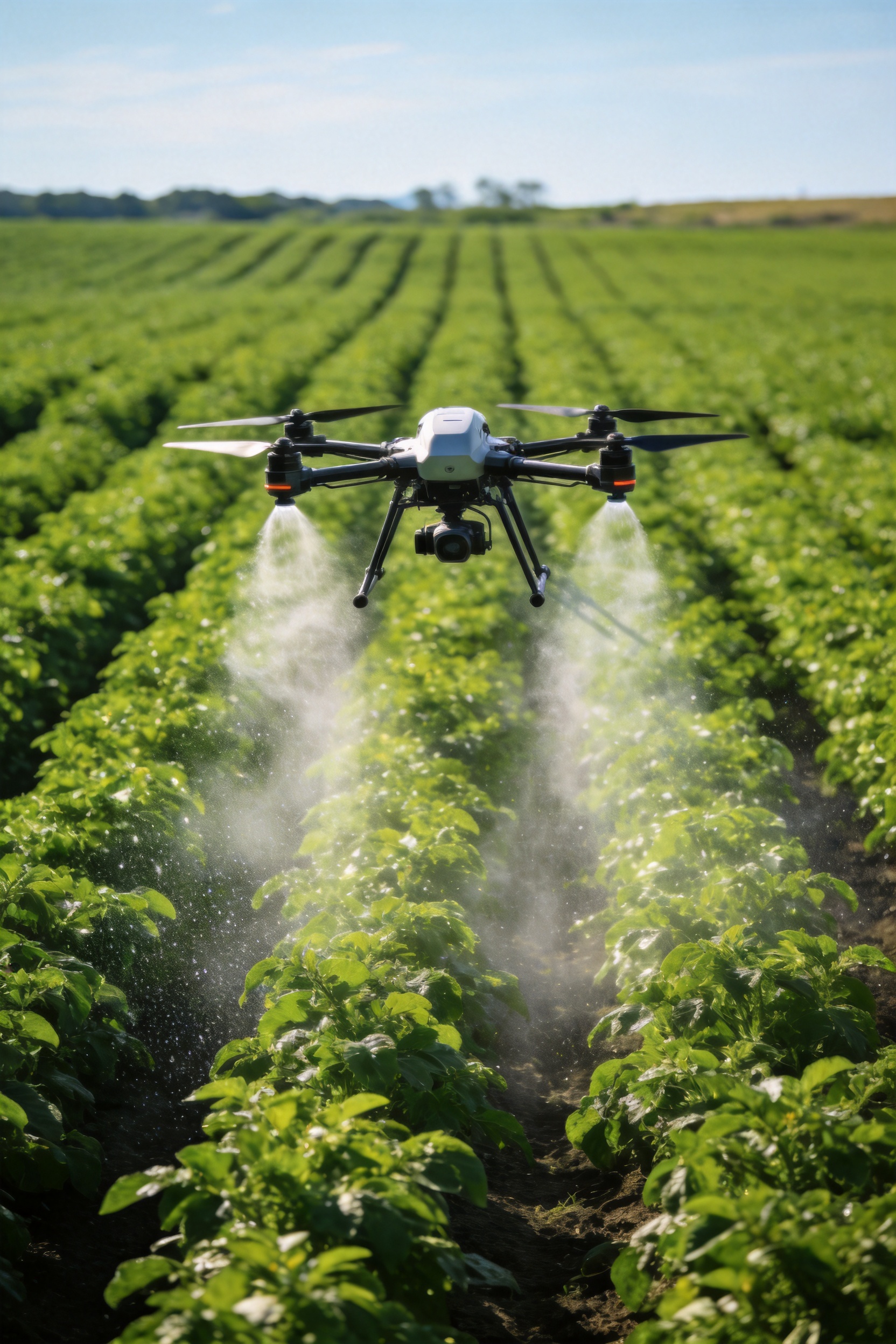
Aerial spraying has become one of the most important application methods in modern agriculture, especially as plant-protection drones and other low-volume spraying systems are adopted across large farms, orchards, field crops, and high-value specialty crops. Yet the success of aerial spraying depends on much more than the pesticide active ingredient alone. Droplet behavior, spreading, adhesion, evaporation resistance, drift control, and penetration all determine whether the applied solution reaches the crop surface, remains there, and delivers its intended biological effect. New High-Efficiency Aerial Spraying Dedicated Enhancing Adjuvants, represented by model GT-9100, are designed to address these key challenges and help growers achieve more stable, efficient, and cost-conscious crop protection.
This specialized adjuvant is based on organosilicon surfactant technology, also known as polyether modified trisiloxane technology. It is engineered for aerial plant-protection applications where spray volume is limited, operating speed is high, and environmental conditions can change quickly. By reducing surface tension, improving wetting, strengthening adhesion, slowing evaporation, enhancing absorption, and reducing drift risk, the product helps pesticide droplets perform more effectively after they leave the nozzle. In practical terms, it supports more uniform coverage, more reliable deposition, and improved utilization of pesticide active ingredients.
The product is especially relevant to modern drone spraying, where fine droplets and rapid field coverage can create both opportunities and risks. Compared with conventional adjuvants that focus only on wetting or spreading, this high-efficiency aerial spraying adjuvant provides multiple functional benefits in one formulation. It is designed not merely to make the spray look better on the leaf surface, but to help the pesticide solution behave more intelligently during the entire application process, from tank mixing and atomization to deposition, adhesion, penetration, and biological action.
Product Overview and Functional Positioning
New High-Efficiency Aerial Spraying Dedicated Enhancing Adjuvants are crop protection spray adjuvants developed for the demanding requirements of aerial application. The product model GT-9100 is identified as a silicone surfactant, specifically a polyether modified trisiloxane, with CAS No. 27306-78-1 and EINECS No. 608-078-3. It features high purity, low surface tension, moderate viscosity, and a near-neutral pH in aqueous solution. These characteristics make it suitable for improving the physical performance of pesticide spray solutions used in agriculture.
Its main performance advantages include strong adhesion, anti-evaporation action, enhanced absorption, drift reduction, and de-flocculation. Each of these functions contributes to a central objective: improving the probability that the applied pesticide reaches the target, remains available long enough to work, and enters or interacts with the plant or pest surface efficiently. In many spraying operations, especially drone-based applications, the limiting factor is not simply the amount of pesticide used but how effectively the pesticide is delivered. This product helps convert application volume into usable biological performance.
The adjuvant is designed to increase spray utilization by approximately 30 percent to 50 percent and improve control efficacy by an average of about 20 percent under suitable use conditions. These figures are particularly meaningful in large-scale farming, where small improvements in deposition and efficacy can translate into significant savings in labor, pesticide consumption, application frequency, and environmental load. For growers, service providers, and agrochemical formulators, the value lies in improving performance consistency while supporting more precise pesticide use.
Unlike basic wetting agents that only reduce surface tension, this aerial spraying adjuvant is designed for comprehensive spray enhancement. It helps droplets spread over hydrophobic leaf surfaces, resist rapid drying under hot and dry conditions, adhere better to waxy or inclined leaves, and improve penetration of active ingredients. It also helps break down existing pesticide flocculants, supporting more stable spray mixtures and more uniform application. This combination of functions makes it suitable for challenging field environments and for modern application systems where efficiency is essential.
Technical Characteristics
| Item | Specification | Practical Meaning |
|---|---|---|
| Product Model | GT-9100 | Dedicated aerial spraying enhancing adjuvant |
| Chemical Type | Silicone surfactant, polyether modified trisiloxane | Provides super-spreading and wetting performance |
| CAS No. | 27306-78-1 | Standard chemical identification |
| Purity | 99.8 percent | Supports consistent performance and formulation stability |
| Viscosity at 25 degrees Celsius | 30 to 50 square millimeters per second | Suitable handling and mixing behavior |
| Surface Tension at 0.1 percent by weight | Less than 20.5 millinewtons per meter | Promotes rapid wetting and spreading on leaf surfaces |
| Cloud Point at 1.0 percent by weight | Not more than 35 degrees Celsius | Relevant for solution behavior and field-use planning |
| pH Value in 1 percent Aqueous Solution at 25 degrees Celsius | 6.5 to 7.5 | Near-neutral profile suitable for many agricultural mixtures |
Why Aerial Spraying Needs a Specialized Adjuvant
Aerial spraying is different from ground spraying in several important ways. Spray droplets travel farther through the air before reaching the plant canopy, and they are more exposed to wind, sunlight, temperature, and humidity. Plant-protection drones typically use lower spray volumes than traditional boom sprayers, meaning that each droplet must do more work. The crop canopy may also be uneven, with upper leaves intercepting droplets before lower leaves receive coverage. In such conditions, the adjuvant must compensate for many physical limitations of the application system.
One of the central problems in aerial spraying is runoff. When droplets land on a waxy, upright, or narrow leaf surface, they may bounce, roll away, or collect into large beads that eventually fall from the plant. This results in wasted pesticide and uneven control. By reducing surface tension and improving droplet adhesion, GT-9100 helps droplets spread into a thin film rather than remaining as unstable beads. This improves contact area and helps the active ingredient remain on the target surface.
Another common problem is evaporation. Small droplets are vulnerable to drying before and after deposition, especially in hot, dry, or windy conditions. Rapid evaporation can reduce droplet size, increase drift potential, and concentrate active ingredients unevenly. The anti-evaporation function of this adjuvant helps slow droplet drying, giving the active ingredient more time to spread, penetrate, and interact with the biological target. This is particularly important for aerial applications conducted during narrow operating windows.
Drift is also a major concern. Fine droplets may move away from the intended target, reducing efficacy and increasing the risk of off-target exposure. While nozzle selection, flight height, wind speed, and droplet size are all important, adjuvant chemistry can also influence spray behavior. GT-9100 supports drift reduction by improving deposition and reducing the likelihood that droplets remain suspended or move away from the crop canopy. This contributes to more responsible pesticide use and better field efficiency.
Finally, aerial spraying requires fast and reliable mixing. Pesticide tank mixtures may contain multiple components, including insecticides, fungicides, herbicides, fertilizers, micronutrients, and other additives. Incompatibility can lead to flocculation, sedimentation, nozzle blockage, and uneven application. The de-flocculation function of the product helps break down existing pesticide flocculants and restore formulation stability, supporting smoother spraying and more consistent field performance.

Core Performance Advantages Over Conventional Adjuvants
Strong Adhesion for Reduced Runoff
Many conventional adjuvants improve wetting but do not sufficiently address adhesion. In aerial spraying, this limitation can cause droplets to spread initially but still slide off leaf surfaces under gravity or vibration. GT-9100 is formulated to improve both spreading and retention. By helping the spray solution adhere to crop leaves, it reduces runoff loss and increases the amount of pesticide available at the target site. This is especially valuable for crops with smooth, waxy, or vertical leaves, where ordinary spray solutions often struggle to remain in place.
Stronger adhesion also supports rainfastness and field durability, although actual rainfast performance depends on the pesticide formulation and weather conditions. By improving contact between the spray solution and the plant surface, the adjuvant helps active ingredients establish a more stable presence on the leaf. For growers, this may mean fewer repeated applications caused by poor initial deposition.
Anti-Evaporation Performance for Hot and Dry Conditions
In many agricultural regions, aerial spraying must be conducted under temperature and humidity conditions that are not ideal. Hot afternoons, dry air, and light wind can cause droplets to evaporate rapidly. Conventional wetting agents may reduce surface tension but do little to protect droplets from drying. GT-9100 is designed to slow droplet drying time, improving the stability of pesticide performance under challenging conditions.
Anti-evaporation performance helps maintain droplet volume long enough for deposition and absorption. This is particularly important for low-volume aerial spraying, where each droplet carries a higher relative concentration of active ingredient. If droplets evaporate too quickly, the active ingredient may crystallize, fail to distribute evenly, or lose contact with the target surface. By slowing the drying process, the adjuvant helps improve the practical efficacy of the spray.
Enhanced Absorption and Faster Action
The waxy cuticle of plant leaves acts as a protective barrier. While this barrier helps plants retain water and resist environmental stress, it also limits pesticide penetration. Organosilicon surfactants can help active ingredients pass through this barrier more efficiently by improving wetting, expanding contact area, and altering interfacial behavior. GT-9100 helps accelerate the penetration of pesticide active ingredients, shortening the time required for action and improving pest and disease control performance.
This function can be particularly beneficial for systemic and translaminar pesticides that need to enter plant tissue to work effectively. Better absorption can also support more stable results when pest pressure is high or when environmental conditions limit the time droplets remain wet. Compared with general-purpose adjuvants, a high-efficiency organosilicon adjuvant offers stronger spreading and penetration support, which can improve biological outcomes when used according to appropriate recommendations.
Drift Reduction and Improved Utilization
Competitor products often focus on either spreading or drift control, but the two properties can be difficult to balance. Excessive spreading without adequate deposition control may increase runoff, while overly viscous drift-control agents may reduce coverage. GT-9100 is designed to provide a balanced approach. It lowers the risk of droplet drift while improving pesticide utilization, helping users reduce costs and support more environmentally responsible application.
By improving the likelihood that droplets reach and remain on the intended target, the adjuvant contributes to better spray efficiency. Reduced drift also helps protect neighboring crops, water bodies, beneficial organisms, and non-target areas. This is increasingly important as regulations and public expectations place greater emphasis on responsible pesticide stewardship.
De-Flocculation for Stable and Uniform Spraying
Tank-mix instability can undermine an entire spraying operation. Flocculated pesticide particles may settle, block nozzles, or cause uneven distribution of active ingredients. In aerial spraying, nozzle blockage and inconsistent output can be costly because application speed is high and field correction may be difficult. GT-9100 helps break down existing pesticide flocculants and restore mixture stability, supporting uniform spraying and improved efficacy.
This de-flocculation benefit distinguishes the product from many simple surfactants. It is not only a surface tension reducer but also a formulation performance enhancer. Stable spray mixtures help protect equipment, maintain application accuracy, and improve field consistency. For professional drone service teams, this can reduce downtime and improve operational reliability.
Scientific Basis of Organosilicon Super-Spreading
The outstanding performance of this aerial spraying adjuvant is closely related to organosilicon surfactant chemistry. Polyether modified trisiloxanes are known for their ability to achieve very low surface tension in water-based solutions. When surface tension is reduced to a very low level, droplets can spread rapidly over hydrophobic surfaces. This is often described as super-spreading, a property that is especially valuable on leaves with waxy cuticles.
Ordinary water has relatively high surface tension, which causes droplets to form beads on many plant surfaces. These beads cover only a small area and may roll off easily. Traditional nonionic surfactants can reduce surface tension, but many do not reach the extremely low levels achieved by organosilicon surfactants. GT-9100, with a surface tension of less than 20.5 millinewtons per meter at 0.1 percent by weight, can significantly improve the wetting behavior of spray solutions.
Super-spreading is not simply about making droplets larger on the leaf. It changes the distribution pattern of the active ingredient. A droplet that spreads into a thin, even film increases contact between the pesticide and the plant surface. This can improve uptake, reduce localized concentration, and increase the chance that the active ingredient reaches pest feeding sites or infection zones. For contact pesticides, better surface coverage improves the probability of direct pest or pathogen exposure. For systemic pesticides, better wetting and penetration help active ingredients enter plant tissue more effectively.
However, super-spreading must be controlled. Excessive spreading without adhesion may lead to runoff. The value of a dedicated aerial spraying adjuvant is that it combines low surface tension with adhesion and anti-evaporation properties. This integrated design allows users to gain the benefits of organosilicon spreading while reducing common risks associated with ordinary wetting agents.
Manufacturing Strengths and Quality Control
The performance of a high-efficiency agricultural adjuvant depends not only on its chemical design but also on the consistency of manufacturing. Hebei Guituo New Material Co., Ltd. operates as a high-tech enterprise integrating research, development, production, and sales, with a focus on advanced silicone materials for industrial and agricultural applications. The company has established a systematic approach to production quality, combining advanced equipment, precise testing facilities, experienced technical personnel, and full-process quality monitoring.
In the production of organosilicon additives, process control is critical. Variables such as raw material purity, reaction conditions, molecular structure, viscosity range, residual content, and final filtration can influence product performance. A small variation in chemical composition may affect surface tension, cloud point, pH, compatibility, or storage stability. Therefore, consistent manufacturing is essential for growers and agrochemical companies that require dependable field performance.
The company’s production system emphasizes quality from the source of raw materials to the delivery of finished products. Raw materials are evaluated before production, and process parameters are monitored to maintain batch-to-batch consistency. Finished products are tested for key indicators such as purity, viscosity, surface tension, cloud point, pH value, and appearance. This full-process control helps ensure that GT-9100 performs reliably in practical agricultural use.
Advanced testing capability is especially important for silicone surfactants because their field performance is linked to measurable physicochemical properties. Surface tension testing confirms wetting potential. Viscosity testing supports handling and mixing reliability. pH testing helps assess compatibility with common agricultural spray solutions. Cloud point testing provides information about solution behavior under different temperature conditions. By controlling these parameters, the manufacturer supports stable performance across different batches and application scenarios.
The company’s technical and production teams bring industry experience and practical formulation knowledge. This matters because agricultural adjuvants must operate in complex real-world systems. They may be used with different pesticide active ingredients, water qualities, fertilizers, application equipment, and crop types. Technical expertise helps optimize the product for broad usability while maintaining performance advantages. It also supports OEM and ODM cooperation for customers who need customized products or private-label solutions.
The broader product matrix includes silicone additives, wetting agents, modified silicone oil, dimethyl silicone oil, surfactants, defoamers, and related materials. This diversified platform strengthens the development of agricultural silicone products because it allows technical knowledge from multiple fields to inform product improvement. Experience in textiles, daily chemicals, electronics, and industrial processing contributes to a deeper understanding of surface chemistry, compatibility, foam control, and functional material design.

Comparison with Typical Market Alternatives
In the competitive adjuvant market, many products claim to improve pesticide performance. However, not all adjuvants are designed for aerial spraying, and not all provide multi-functional support. Some products are basic nonionic surfactants that improve wetting but do not deliver strong spreading at very low use concentrations. Others are drift-control polymers that may reduce drift but can compromise coverage or create mixing challenges. Some oils improve penetration but may increase crop safety concerns if used improperly. GT-9100 provides an advanced balance of wetting, adhesion, anti-evaporation, penetration, drift reduction, and de-flocculation.
Compared with conventional nonionic wetting agents, the most obvious advantage is superior surface tension reduction. A lower surface tension allows droplets to spread more efficiently on difficult leaf surfaces. This can be critical for crops such as rice, wheat, corn, soybean, cotton, vegetables, fruit trees, and other crops with varied canopy structures and leaf wax characteristics. Better spreading improves the effective contact area without requiring excessive spray volume.
Compared with ordinary spreader-stickers, GT-9100 offers more sophisticated performance for low-volume aerial systems. Many traditional spreader-stickers were developed for ground spraying at higher water volumes. Drone spraying, however, often requires concentrated spray solutions and rapid droplet deposition. The adjuvant must act quickly, remain compatible, and support efficient droplet behavior. GT-9100 is specifically positioned for aerial spraying, making it better suited to this application environment.
Compared with simple drift-control additives, the product does more than influence droplet movement. It also improves what happens after droplets land. Reducing drift is valuable, but if droplets do not spread, adhere, and penetrate, the biological result may still be unsatisfactory. GT-9100 helps address both flight-phase and leaf-surface performance, offering a more complete solution.
Compared with oil-based adjuvants, organosilicon technology can provide strong wetting and penetration at relatively low inclusion levels, while maintaining good handling characteristics. Oil-based adjuvants can be useful in some situations, but they may introduce concerns related to crop tolerance, residue appearance, or compatibility with certain mixtures. A high-purity silicone surfactant provides a clean and efficient alternative for many aerial plant-protection programs.
Application Benefits for Growers and Service Providers
For growers, the primary benefit is improved pesticide performance. Better wetting, adhesion, and penetration can lead to stronger pest and disease control, more uniform crop protection, and potentially fewer repeat applications. When pesticides work more effectively, growers can protect yield potential and reduce losses caused by insects, mites, fungal diseases, bacterial diseases, and other crop threats.
For drone spraying service providers, the product supports operational reliability. Stable spray mixtures reduce the risk of nozzle blockage and uneven application. Improved deposition and drift reduction help service teams deliver better results to customers. Because drone spraying often operates under tight time windows, any improvement in mixing stability and field efficacy can increase business efficiency.
For agrochemical formulators and distributors, GT-9100 offers a high-performance ingredient for differentiated crop protection solutions. It can be incorporated into adjuvant packages or recommended as a tank-mix additive, depending on local regulatory and technical requirements. Its clear technical indicators and high purity support professional positioning in markets where farmers increasingly demand measurable performance rather than generic claims.
For environmental stewardship, improved pesticide utilization is a major advantage. When more of the applied pesticide reaches the target and works effectively, less may be lost through runoff, drift, or repeated application. This helps reduce unnecessary chemical loading in the environment. While adjuvants do not replace responsible pesticide selection and application practices, they can contribute meaningfully to precision agriculture and integrated pest management.
Role in Integrated Pest Management
Integrated pest management, often called IPM, emphasizes the careful combination of biological, cultural, mechanical, and chemical control methods. The goal is not simply to eliminate pesticide use, but to use pesticides responsibly and effectively when they are needed. A high-efficiency spray adjuvant supports IPM by improving the performance of pesticide applications and reducing avoidable waste.
When pesticides are applied with poor coverage or weak absorption, pest populations may survive and recover. This can lead to repeated spraying, higher costs, and increased selection pressure for resistance. By helping active ingredients reach their targets more effectively, GT-9100 can support better control from each application. This may reduce the need for unnecessary follow-up treatments and help preserve the usefulness of existing active ingredients.
In IPM programs, timing is often critical. Aerial spraying is commonly used when rapid field coverage is required, such as during pest outbreaks or disease-favorable weather. The adjuvant’s ability to improve adhesion, penetration, and drying resistance helps make these time-sensitive applications more dependable. It supports the principle of applying the right product at the right time with the right delivery system.
Use Considerations and Best Practices
Although GT-9100 provides strong performance benefits, correct use remains essential. Users should always follow pesticide labels, local regulations, crop safety requirements, and technical recommendations. Compatibility should be confirmed when the adjuvant is used with unfamiliar pesticide formulations, fertilizers, micronutrients, or water conditions. A small jar test is often recommended before large-scale mixing, especially when multiple products are combined.
Water quality can influence spray performance. Hard water, high pH water, suspended solids, or contaminated tanks may affect pesticide stability. While the de-flocculation function of GT-9100 can help restore stability in some mixtures, it should not be viewed as a substitute for clean water, correct mixing order, and proper tank hygiene. Best results come from combining advanced adjuvant technology with disciplined application practice.
Application conditions should also be managed carefully. Even with drift-reduction support, spraying should be avoided during strong winds, temperature inversions, or unsuitable weather. Flight height, nozzle type, droplet spectrum, spray volume, and drone speed should be selected according to the target crop and pesticide label. The adjuvant improves spray behavior, but it works best as part of a complete application system.
Because organosilicon surfactants can significantly increase penetration, users should consider crop sensitivity and pesticide concentration. Some active ingredients may become more effective, but also potentially more phytotoxic, when penetration is enhanced excessively. Therefore, dosage and compatibility guidance should be respected. Professional technical support is valuable when designing spray programs for sensitive crops or new mixtures.
Advanced Manufacturing as a Competitive Advantage
In many agricultural input markets, price competition is intense. However, adjuvants are not simple commodities when performance consistency and crop safety are considered. A low-cost product with unstable composition can cause poor spreading, inadequate adhesion, unexpected foaming, mixing problems, or inconsistent field results. The strength of Hebei Guituo New Material Co., Ltd. lies in combining advanced silicone material expertise with a controlled manufacturing system and practical agricultural application knowledge.
The company’s emphasis on research and development allows continuous improvement of product performance. Agricultural spraying technology evolves rapidly, especially with the expansion of drones and precision farming systems. Adjuvants must adapt to new nozzles, lower water volumes, complex tank mixtures, and diverse environmental conditions. A manufacturer with strong R&D capability can respond to these changes by refining formulations, optimizing compatibility, and developing customized solutions.
Production equipment and testing facilities also influence customer confidence. When every batch is evaluated against defined technical indicators, customers can rely on predictable performance. This is particularly important for agrochemical enterprises that need stable raw materials for their own formulated products. Batch-to-batch consistency supports product registration, quality assurance, customer satisfaction, and long-term market reputation.
The company’s ability to accept OEM and ODM orders further demonstrates manufacturing flexibility. Customers may require customized adjuvant solutions for specific crops, climates, pesticide systems, or market preferences. With a strong technical base and broad silicone product platform, the company can support tailored development while maintaining quality control. This capability differentiates it from suppliers that offer only standard products without formulation support.
International market experience is another strength. Products exported to regions such as Europe and Southeast Asia must meet varied customer expectations, climate conditions, and agricultural practices. Stable repeat purchases from overseas customers indicate that the company’s products have achieved practical recognition beyond the domestic market. This supports the credibility of GT-9100 as a high-performance adjuvant for professional crop protection.
Practical Value in Different Crop Scenarios
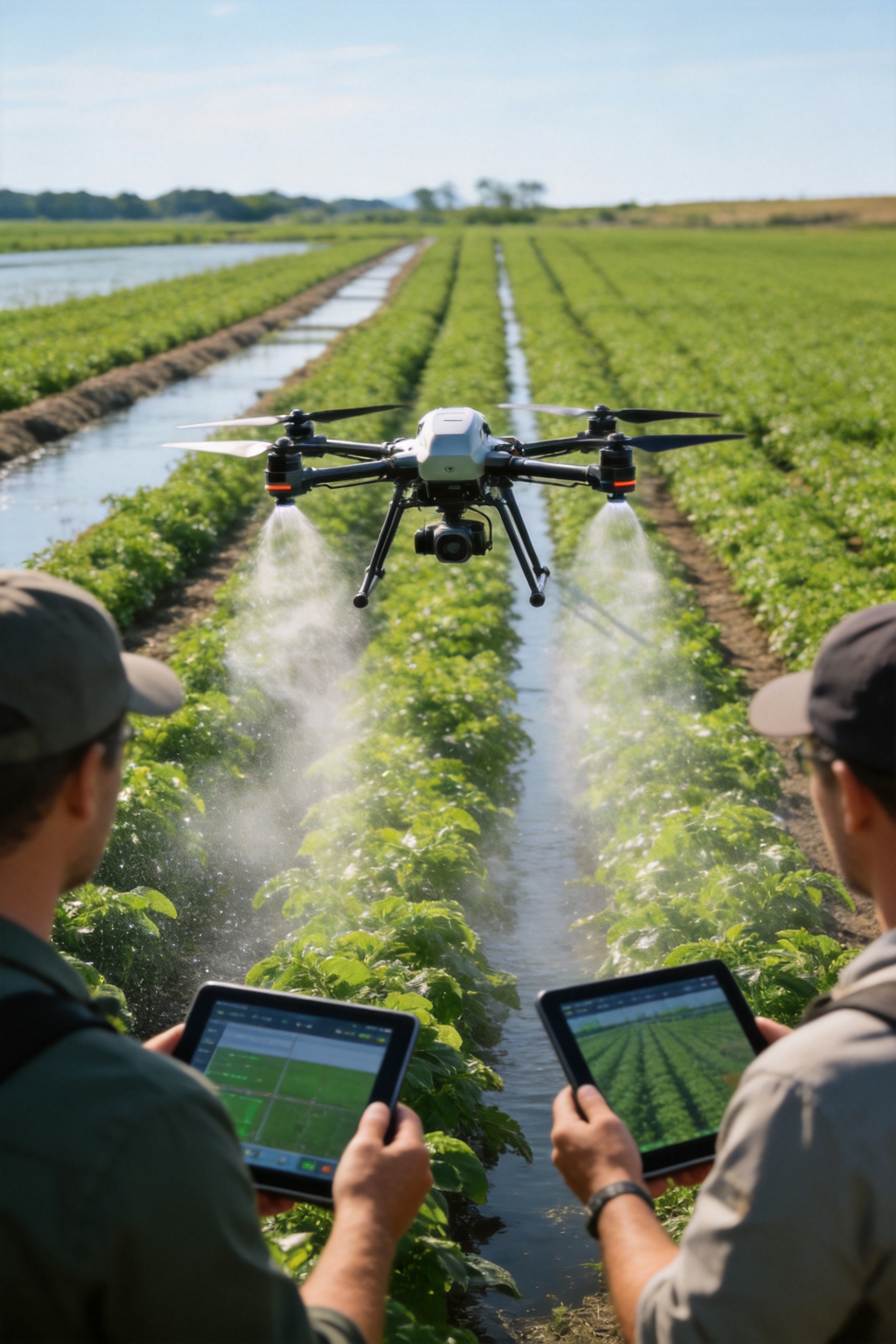
In field crops such as rice, wheat, corn, soybean, and cotton, aerial spraying is often used to treat large areas quickly. These crops may have dense canopies, waxy leaf surfaces, or growth stages where ground equipment is difficult to use. GT-9100 helps improve canopy deposition and leaf coverage, supporting better control of insects, diseases, and other threats. The improved utilization rate is particularly valuable where application windows are short and labor availability is limited.
In fruit trees and orchards, coverage is often difficult because of complex canopy structure. While aerial spraying may not always replace ground airblast spraying, it is increasingly used in certain orchard systems and emergency treatments. Enhanced spreading and adhesion help improve contact with leaf and fruit surfaces, while drift reduction supports safer application near surrounding areas. Proper equipment calibration remains essential because orchard canopies require careful droplet placement.
In vegetable production, crop value is high and pest pressure can be intense. Uniform pesticide coverage is important for quality and marketable yield. The adjuvant’s rapid wetting and absorption support timely control, while its near-neutral pH and high purity contribute to compatibility in many spray programs. Because vegetables can vary greatly in sensitivity, users should conduct crop safety checks when applying new mixtures.
In areas with hot and dry climates, anti-evaporation performance becomes especially important. Droplets can lose water quickly before the pesticide has time to act. GT-9100 helps extend the wet phase of droplets, improving the chance that active ingredients will spread and penetrate. This can improve reliability when ideal spraying conditions are limited.
In regions where environmental protection is a priority, drift reduction and improved pesticide utilization offer meaningful benefits. More efficient application can reduce off-target movement and lower unnecessary chemical losses. This aligns with modern agriculture’s movement toward precision, sustainability, and responsible input management.
Q&A Section
Q1: What is the main purpose of a high-efficiency aerial spraying adjuvant?
A high-efficiency aerial spraying adjuvant is added to pesticide spray solutions to improve the way droplets behave during and after application. Its purpose is to enhance wetting, spreading, adhesion, absorption, evaporation resistance, drift control, and spray stability. In drone and aerial spraying systems, these functions help more pesticide reach the target crop and perform effectively.
Q2: How does GT-9100 improve pesticide absorption?
GT-9100 reduces the surface tension of the spray solution and helps droplets spread evenly across leaf surfaces. This increases contact area and supports penetration through the waxy cuticle. As a result, active ingredients can enter plant tissues more efficiently, especially when used with systemic or translaminar pesticides that depend on absorption for performance.
Q3: Why is low surface tension important?
Low surface tension allows spray droplets to wet hydrophobic plant surfaces instead of forming beads. When droplets spread into a thin film, the pesticide covers more leaf area and has a better chance of reaching pests, pathogens, or absorption sites. GT-9100 has a surface tension of less than 20.5 millinewtons per meter at 0.1 percent by weight, which supports strong spreading performance.
Q4: Can the product help reduce pesticide drift?
Yes. The product is designed to lower the risk of droplet drift by improving deposition and spray utilization. However, drift control also depends on nozzle selection, droplet size, wind speed, flight height, spray volume, and operator practice. The adjuvant should be used as part of a complete drift-management strategy.
Q5: What does de-flocculation mean in pesticide spraying?
De-flocculation refers to breaking down clumped or aggregated pesticide particles in a spray mixture. Flocculation can cause sedimentation, nozzle blockage, and uneven application. GT-9100 helps break down existing pesticide flocculants and restore formulation stability, supporting more uniform spraying and better field performance.
Q6: Is the adjuvant suitable only for drones?
The product is specifically designed for aerial spraying and plant-protection drones, but its wetting, adhesion, and penetration functions may also be useful in other agricultural spraying systems where compatible. Users should follow technical guidance and conduct compatibility testing before expanding use beyond recommended application methods.
Q7: How does it compare with ordinary surfactants?
Ordinary surfactants may improve wetting, but many do not provide the same level of super-spreading, adhesion, anti-evaporation support, drift reduction, and de-flocculation. GT-9100 is a dedicated organosilicon adjuvant designed for multi-functional spray enhancement, making it more suitable for demanding aerial application conditions.
Q8: Can it reduce pesticide costs?
By improving pesticide utilization and efficacy, the adjuvant can help reduce waste and may lower the need for repeated applications. Reported performance indicates that it can increase spray utilization by approximately 30 percent to 50 percent and improve control efficacy by an average of about 20 percent under suitable conditions. Actual savings depend on crop, pest pressure, pesticide type, application method, and field environment.
Q9: Is compatibility testing necessary?
Yes. Although the product is compatible with many pesticide systems, compatibility should be confirmed when using unfamiliar formulations, complex tank mixes, fertilizers, or unusual water sources. A jar test and small-area field test are recommended before large-scale application.
Q10: What manufacturing strengths support product reliability?
The manufacturer uses advanced production equipment, precise testing facilities, full-process quality monitoring, and experienced technical teams. Key indicators such as purity, viscosity, surface tension, cloud point, and pH are controlled to support consistent performance. The company also provides OEM and ODM capabilities for customers requiring customized silicone material solutions.
Conclusion
New High-Efficiency Aerial Spraying Dedicated Enhancing Adjuvants represented by GT-9100 provide a comprehensive solution for modern crop protection spraying. By combining strong adhesion, anti-evaporation performance, enhanced absorption, drift reduction, and de-flocculation, the product addresses the most important challenges faced in aerial and drone-based pesticide application. Its organosilicon surfactant chemistry enables extremely low surface tension and powerful spreading, while its specialized formulation supports practical field reliability.
Compared with conventional adjuvants, GT-9100 offers broader and more integrated performance. It does not merely wet the leaf surface; it helps the entire spray system function more efficiently. It improves deposition, stabilizes mixtures, supports penetration, reduces runoff, and contributes to better pesticide utilization. For growers, this means stronger crop protection and potential cost savings. For service providers, it means more reliable spraying operations. For agrochemical companies, it offers a high-quality functional ingredient backed by advanced manufacturing capability.
The strength of the product is reinforced by the manufacturer’s high-tech production system, quality-control process, technical expertise, and experience in silicone materials. With advanced equipment, precise testing, full-process monitoring, and flexible OEM and ODM support, Hebei Guituo New Material Co., Ltd. provides not only a product but also a dependable platform for agricultural adjuvant innovation. As aerial spraying continues to expand, high-efficiency adjuvants like GT-9100 will play an increasingly important role in precision agriculture, sustainable pesticide use, and improved crop productivity.
References
1. Green, J. M., and Beestman, G. B. Recently patented and commercialized formulation and adjuvant technology. Crop Protection.
2. Holloway, P. J. Physicochemical factors influencing the adjuvant-enhanced spray deposition and coverage of agrochemicals. Pesticide Science.
3. Knowles, A. Chemistry and Technology of Agrochemical Formulations. Springer.
4. ASTM International. Standard practices for evaluating spray drift and spray deposition in agricultural applications.
5. Matthews, G. A. Pesticide Application Methods. Wiley-Blackwell.
6. McMullan, P. M. Utility adjuvants. Weed Technology.
7. Tu, M., Randall, J. M., and Hurd, C. Adjuvants for enhancing herbicide performance. Invasive Plant Management Technical Notes.
8. Zabkiewicz, J. A. Adjuvants and herbicidal efficacy: present status and future prospects. Weed Research.


Contact Information
Tel : +86-400-138-5268
Email : [email protected]
Phone : +86-15128434888 / +86-13511051998
Add : Xinqiao Environmental Protection Industrial Park, Wen'an County, Langfang City, Hebei Province, China
Contact Information
Copyright © Hebei Guituo New Material Co., Ltd. All Rights Reserved.
