

 English
 Français
 Português

 Home / Author / Zhang Xiaoyu, Regional Sales Manager (Southeast Asia) / Agricultural Silicone Wetting Synergist: Performance, Manufacturing Excellence, and Sustainable Application
Agricultural Silicone Wetting Synergist: Performance, Manufacturing Excellence, and Sustainable Application
2026-10-23
1. Introduction
Modern agricultural production depends on the efficient delivery of pesticides, herbicides, fungicides, insecticides, foliar fertilizers, plant growth regulators, and other crop-protection solutions. Although active ingredients determine the primary biological function of an agricultural formulation, the effectiveness of that formulation is also strongly influenced by how well the spray solution spreads, adheres, penetrates, and remains distributed across the plant surface. A product may contain a highly effective active ingredient, yet deliver disappointing field performance if the spray forms large droplets, rolls from waxy leaves, accumulates unevenly, or fails to reach difficult-to-wet plant surfaces.
Agricultural Silicone Wetting Synergist GT-7000 is a polyether-modified trisiloxane silicone surfactant designed to improve the wetting, spreading, and coverage behavior of agricultural spray solutions. Its low surface-tension performance allows droplets to spread rapidly over plant surfaces, helping to create a more uniform film and improve contact between the spray mixture and the target area. The product is suitable for use as an agricultural adjuvant and can be considered for compatibility with a broad range of herbicides, fungicides, insecticides, fertilizers, and other agrochemical formulations, subject to formulation testing and label requirements.
The product combines hydrophilic and lipophilic structural groups. This molecular design enables it to interact with both water-based spray solutions and plant surfaces that may contain hydrophobic waxes or irregular textures. In practical terms, the synergist reduces the contractive force at the surface of the liquid, assists the liquid in overcoming air trapped at the plant surface, and promotes rapid outward spreading from the point of impact.
GT-7000 is manufactured and supplied by Hebei Guituo New Material Co., Ltd., a high-tech silicone-material enterprise integrating research and development, production, quality control, and sales. The company operates within a broader product system that includes silicone additives, wetting agents, modified silicone oils, dimethyl silicone oils, surfactants, defoamers, and related materials for agricultural, textile, electronics, daily chemical, and industrial applications.
This article examines the operating principle, technical characteristics, manufacturing strengths, application value, compatibility considerations, environmental implications, and quality-management advantages of agricultural silicone wetting synergists. It also explains why a silicone-based synergist can provide meaningful performance advantages over many conventional wetting agents when the formulation, dosage, and application conditions are properly controlled.
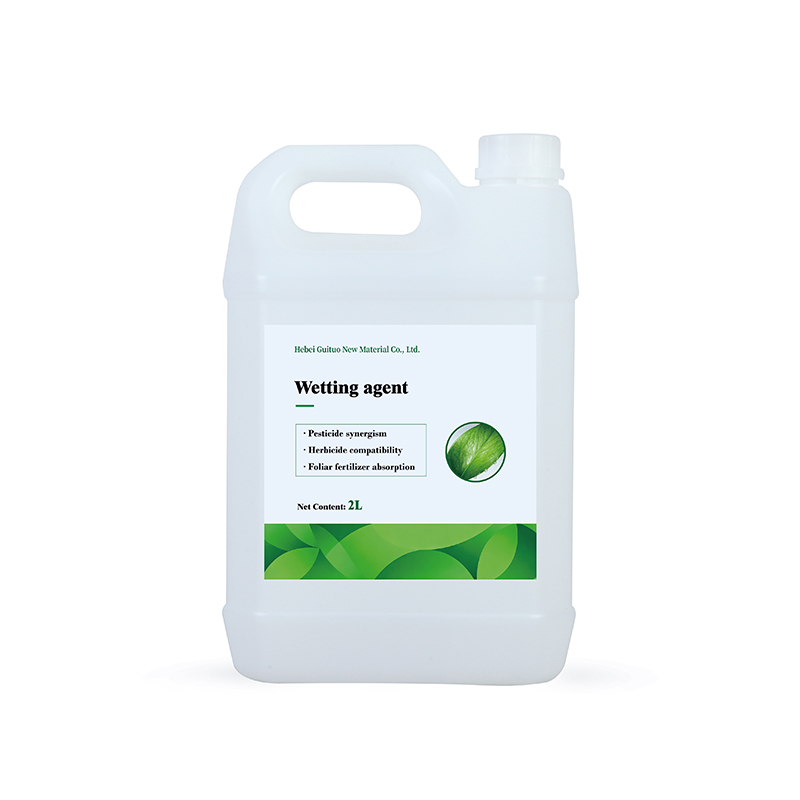
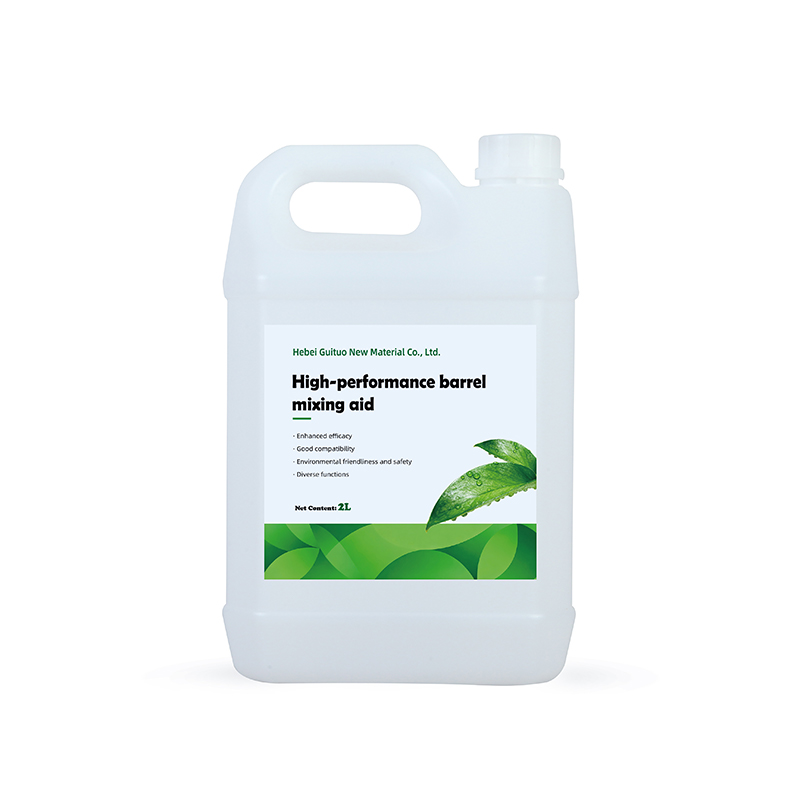
Agricultural Silicone Wetting Synergist
2. Why Wetting Performance Matters in Agriculture
Plant leaves are not naturally designed to accept water uniformly. Many leaves have waxy cuticles, microscopic hairs, ridges, grooves, and other surface features that resist wetting. When a conventional water-based spray reaches such a surface, the liquid may remain in isolated droplets. These droplets can roll away, evaporate quickly, or remain concentrated in small areas. As a result, the active ingredient may not be distributed across the full target surface.
Uneven wetting can reduce the practical value of an agricultural treatment in several ways. First, areas that receive little or no spray may remain unprotected. Second, excessive accumulation in a few locations may increase the risk of localized plant stress or phytotoxicity. Third, poor adhesion can increase losses caused by wind, gravity, irrigation, or rainfall. Finally, inconsistent coverage can make it more difficult to achieve reliable performance at the recommended application rate.
A wetting synergist addresses these physical challenges rather than replacing the active ingredient. It does not function as a herbicide, fungicide, or insecticide by itself. Instead, it supports the delivery system by changing the behavior of the spray solution. The main performance objectives are:
• lowering surface tension;
• increasing the contact area between droplets and plant surfaces;
• reducing beading and localized accumulation;
• improving coverage on difficult-to-wet leaves;
• supporting the penetration of liquid into surface irregularities;
• improving the uniformity of foliar fertilizer and plant-protection applications;
• promoting more efficient use of the active formulation.
These effects can be particularly important when growers work with low spray volumes, dense canopies, waxy foliage, narrow application windows, or formulations that require uniform contact for effective performance.
2.1 The Role of Surface Tension
Surface tension is the force that causes a liquid surface to contract. Water has relatively high surface tension, which is why a droplet may remain rounded after contacting a hydrophobic leaf. A suitable surfactant reduces this force and allows the liquid to spread more readily.
GT-7000 is designed to deliver very low surface tension at practical dilution levels. Its listed surface tension at 0.1% by weight is below 20.5 mN/m. This characteristic supports rapid spreading and helps a spray solution form a larger, more continuous film on the target surface than untreated water or a formulation without an effective wetting aid.
Surface tension is only one part of field performance. Droplet size, spray pressure, nozzle design, environmental humidity, temperature, leaf structure, active-ingredient chemistry, and drying time also influence the final result. Nevertheless, reducing surface tension is a fundamental step in improving the initial contact between the spray and the crop.
2.2 Spreading and Coverage
When a spray droplet contacts a leaf, it may either remain as a rounded bead or spread outward. A silicone wetting synergist promotes the second behavior. By increasing the contact area, it can help distribute the active formulation over a larger portion of the plant surface.
Improved coverage is valuable for contact fungicides and insecticides that need to remain on the exterior of the plant. It can also support systemic products by increasing the opportunity for the active ingredient to contact the leaf surface before absorption. In foliar nutrition, more uniform spreading can help distribute nutrient solutions across the foliage rather than concentrating them in separate spots.
The objective is not necessarily to create maximum spreading under every circumstance. Excessive spreading can sometimes increase the risk of runoff, especially on steep, smooth, or highly hydrophobic leaves. The most effective application is therefore achieved by selecting a suitable concentration and testing the complete tank mixture under actual crop and environmental conditions.
2.3 Penetration into Surface Irregularities
Plant surfaces contain microscopic gaps, grooves, trichomes, and irregular areas that can trap air. A wetting agent helps the liquid displace this air and enter small surface spaces. The same principle is relevant when treating porous agricultural materials, where the liquid must overcome the air layer at the solid surface before entering internal gaps.
This penetration-supporting effect may improve the distribution of spray around leaf structures and plant tissues that are difficult to wet. It can also be useful in certain non-crop applications involving porous surfaces, provided that the formulation and regulatory requirements permit such use.

3. Product Profile of GT-7000
Agricultural Silicone Wetting Synergist GT-7000 is identified as a silicone surfactant and polyether-modified trisiloxane. It is supplied for use in agricultural formulations and other applications requiring efficient wetting and spreading.
| Property | Specification or Description |
|---|---|
| Product model | GT-7000 |
| Product name | Wetting Agent / Agricultural Silicone Wetting Synergist |
| Chemical description | Polyether-modified trisiloxane |
| CAS number | 27306-78-1 |
| EINECS number | 608-078-3 |
| Purity | 99.8% |
| Viscosity at 25°C | 30–50 mm²/s |
| Surface tension at 0.1% by weight | Below 20.5 mN/m |
| Cloud point at 1.0% by weight | Not higher than 35°C |
| pH value of 1% aqueous solution at 25°C | 6.5–7.5 |
| Common synonyms | Silicone surfactant; polyether-modified trisiloxane |
The combination of low surface tension, moderate viscosity, near-neutral aqueous pH, and high stated purity gives GT-7000 a balanced profile for agricultural formulation work. Its pH range may help reduce unnecessary stress on a tank mixture compared with strongly acidic or strongly alkaline additives, although the pH of the complete formulation must always be verified.
3.1 Hydrophilic and Lipophilic Balance
The molecular architecture of a polyether-modified trisiloxane includes silicone-based structural features together with polyether groups. Silicone segments can provide strong surface activity and spreading behavior, while polyether segments support interaction with water and other polar components. This combination contributes to the product’s ability to function at the interface between a liquid spray and a plant surface.
Conventional non-silicone surfactants can also reduce surface tension, but silicone surfactants are often recognized for their ability to achieve very low surface tension at relatively low use concentrations. This can create a strong performance advantage when the formulator needs rapid wetting without adding a large quantity of auxiliary material.
3.2 Physical Properties and Handling
The listed viscosity range of 30–50 mm²/s at 25°C indicates a liquid material that can be handled and incorporated into formulations using standard liquid-additive procedures. Its exact behavior may vary with temperature, storage time, container size, and interaction with other components. Before large-scale blending, users should confirm mixing order, agitation requirements, and compatibility with the intended formulation.
GT-7000 should be kept in a sealed, properly labeled container in a cool, dry location. Direct sunlight, extreme temperatures, contamination, and prolonged exposure to unsuitable storage conditions should be avoided. Storage and handling should follow the supplier’s technical documentation, safety data sheet, local regulations, and the requirements applicable to the final agricultural product.
4. Advantages Compared with Conventional Wetting Agents
The agricultural adjuvant market includes many different types of wetting, spreading, emulsifying, and dispersing materials. Product performance depends on chemistry, concentration, formulation type, crop species, spray method, and environmental conditions. GT-7000 offers several technical advantages that can distinguish a silicone-based wetting synergist from conventional non-silicone alternatives.
4.1 Lower Surface Tension at Low Concentration
One of the most important advantages of polyether-modified trisiloxanes is their ability to reduce surface tension efficiently. A conventional surfactant may require a higher dosage to achieve a comparable reduction in surface tension. The low surface-tension result reported for GT-7000 indicates strong interfacial activity at a low test concentration.
This efficiency can benefit formulators by reducing the amount of additive required per unit of finished product. Lower additive loading may help preserve formulation space for active ingredients, solvents, stabilizers, and other functional components. It can also reduce the material cost associated with achieving the desired wetting effect, although the total cost must be evaluated using actual formulation performance rather than unit price alone.
4.2 Rapid Spreading on Difficult Surfaces
Many plant surfaces are difficult to wet because of wax layers and surface microstructure. Silicone wetting synergists are particularly valuable in these conditions because they can promote rapid spreading before the droplet evaporates or moves away from the target area.
Compared with a standard nonionic surfactant, a silicone-based product may generate faster and more extensive initial coverage. This advantage can be important in low-volume applications, where each droplet must cover a larger area, and in treatments applied under conditions that allow only a short time for the spray to distribute.
4.3 Improved Uniformity
Uniformity is often more important than simple wetting. An additive that produces isolated areas of excessive concentration may not provide the same practical value as one that creates a consistent film across the target surface. GT-7000 is intended to reduce beading and local accumulation, supporting more even distribution of the spray solution.
More uniform coverage may improve the consistency of contact between the active ingredient and the crop. It can also reduce the contrast between over-treated and under-treated areas within the same spray pass. This is especially useful where crop canopies contain leaves with different orientations or where target pests and pathogens are distributed across complex surfaces.
4.4 Compatibility with Diverse Agricultural Formulations
GT-7000 is described as generally compatible with other adjuvants and base materials when properly selected and tested. It may be considered for use with herbicides, fungicides, insecticides, foliar fertilizers, and other agricultural inputs. However, “general compatibility” should not be interpreted as universal compatibility. Every complete formulation should be evaluated through laboratory testing, jar tests, accelerated storage tests, and, where appropriate, field trials.
Potential interactions may occur with emulsions, suspension concentrates, soluble concentrates, salts, oils, biological products, extreme-pH materials, and high-electrolyte systems. A formulation may remain visually uniform while still showing changes in viscosity, spray pattern, droplet behavior, biological performance, or crop tolerance. For that reason, compatibility evaluation should include both physical stability and performance testing.
4.5 Near-Neutral Aqueous pH
The pH value of a 1% aqueous solution is specified at 6.5–7.5. A near-neutral pH can be advantageous when the synergist is incorporated into formulations containing pH-sensitive active ingredients or when the user wants to avoid unnecessary pH shifts in the tank mixture.
Nevertheless, the final tank pH depends on all components, including water quality, fertilizers, pesticides, buffering agents, and other adjuvants. Users should measure the actual spray mixture rather than relying only on the pH of the individual wetting agent.
4.6 Strong Performance with Controlled Dosage
Because silicone surfactants can be highly active, correct dosage is essential. A small quantity may be sufficient to achieve the desired wetting effect, while excessive use may increase the risk of runoff, foaming, or crop-surface stress. This dosage sensitivity is not a weakness; it is a reason to formulate carefully and provide clear application guidance.
Compared with a less active wetting agent that must be used at a much higher concentration, GT-7000 may provide a more efficient route to improving coverage. The best comparison should be based on performance per unit of finished spray, crop safety, formulation stability, and total cost of use.

5. Applications in Agriculture
5.1 Herbicide Applications
Herbicides must reach the intended weed surface in sufficient quantity and with suitable distribution. A silicone wetting synergist can help the spray spread over narrow, waxy, or irregular leaves, reducing the likelihood that droplets remain concentrated in isolated points.
For post-emergence herbicides, improved coverage may increase contact with the foliage and support the absorption of compatible active ingredients. For systemic herbicides, uniform wetting can improve the opportunity for the active ingredient to enter the plant. The actual result depends on the chemistry of the herbicide, the weed species, the growth stage, weather conditions, and the complete spray program.
Users should be particularly careful when treating crops that are sensitive to surfactants or when applying herbicides under hot, dry, or stressful conditions. A jar test and small-area crop-safety test can help identify potential risks before broad application.
5.2 Fungicide Applications
Fungal pathogens may establish on leaf surfaces, stems, fruit, and other plant tissues. Contact fungicides require effective surface coverage, while systemic or translaminar fungicides may benefit from improved contact before absorption. GT-7000 can support more uniform distribution of the fungicide solution across target surfaces.
Dense canopies can create difficult spray conditions. Droplets may be intercepted by upper leaves while lower foliage receives insufficient coverage. Improved spreading does not eliminate the need for suitable nozzle selection, pressure, spray volume, and canopy penetration, but it can make each deposited droplet more effective at covering the leaf surface.
5.3 Insecticide Applications
Insect pests may occupy the upper or lower surfaces of leaves, stems, buds, and sheltered plant areas. A wetting synergist can help the spray reach around surface irregularities and improve the continuity of the deposited film. Better coverage may support contact activity and may assist compatible systemic products in reaching the plant surface.
Because certain crops and beneficial organisms can be sensitive to agricultural inputs, integrated pest-management principles should be followed. The synergist should be used only in accordance with the pesticide label, local requirements, and the recommendations of qualified agricultural professionals.
5.4 Foliar Fertilizers and Micronutrients
Foliar nutrient solutions often need to spread evenly across the leaf surface to avoid concentrated spots and improve contact. GT-7000 may assist the distribution of soluble fertilizers, micronutrients, and plant nutrition products when the complete mixture is compatible.
Improved coverage can be especially useful for nutrients applied at low concentrations or for foliage with strong water repellency. However, wetting performance does not guarantee nutrient absorption. Uptake also depends on nutrient form, leaf age, environmental humidity, temperature, solution pH, drying time, and crop physiology.
5.5 Plant Growth Regulators and Specialty Treatments
Plant growth regulators and specialty foliar products may require precise and uniform application. In such systems, a silicone wetting synergist can help reduce variation caused by droplet beading and uneven coverage. The suitability of GT-7000 must be verified for each active ingredient because some biological or hormone-based products may be sensitive to surfactants, solvents, or changes in surface wetting.
6. Manufacturing Process and Quality Strengths
The performance of an agricultural silicone synergist depends not only on its chemical category but also on manufacturing consistency. Small variations in molecular composition, purity, viscosity, or residual materials can affect spreading, compatibility, storage stability, and crop safety. Hebei Guituo New Material Co., Ltd. emphasizes an integrated manufacturing and quality system designed to control these variables.
6.1 Integrated Research and Development
The company combines research and development with production and technical service. This structure allows product design to be connected with manufacturing experience and customer application requirements. Agricultural wetting agents must often be adapted to different active ingredients, water qualities, crop types, and application methods. An integrated technical team can respond more effectively to these requirements than a supplier that only distributes a standard commodity material.
Research activity focuses on the development and innovative application of high-end silicone materials for industrial and agricultural fields. The company’s product matrix includes agricultural silicone additives, modified silicone oils, silicone surfactants, defoamers, and related products. This wider portfolio supports technical comparison and formulation development across multiple silicone chemistries.
6.2 Advanced Production Equipment
According to the supplied company information, the manufacturer has established production facilities equipped with internationally advanced equipment. Modern production equipment supports accurate charging, controlled reaction conditions, efficient mixing, temperature management, and repeatable finishing operations.
For silicone-based surfactants, control of reaction and blending conditions is important because the final product’s surface activity may depend on molecular distribution and the relationship between silicone and polyether segments. Consistent processing helps maintain key properties such as viscosity, clarity or appearance, surface tension, pH, and storage stability.
6.3 Precision Testing Facilities
Product testing is essential for confirming whether each batch meets its technical specifications. The company reports the use of precise testing facilities and a full-process quality monitoring mechanism extending from production to finished-product delivery.
Relevant quality-control checks may include appearance, viscosity, active content or purity, pH of aqueous dilution, surface tension, cloud point, moisture, and compatibility behavior. The exact test program depends on the product grade, customer requirements, and applicable standards. Testing at multiple production stages can help identify deviations earlier and reduce the risk of nonconforming material reaching the customer.
6.4 Full-Process Quality Monitoring
A full-process quality system begins with raw-material evaluation and continues through weighing, processing, intermediate inspection, filling, packaging, storage, and shipment. This approach is more reliable than relying only on a final inspection because it controls the conditions that create product quality in the first place.
Traceability is another important strength. Batch identification, production records, test results, packaging records, and delivery information can help customers investigate performance questions and maintain their own quality documentation. For agricultural-input manufacturers, traceability is particularly important because products may be used across multiple markets and crop systems.
6.5 Experienced Technical and Production Teams
The company has assembled experienced technical and production personnel with professional skills in silicone-material development and manufacturing. Human expertise remains important even when equipment and testing systems are advanced. Operators must understand material behavior, process safety, mixing order, temperature effects, storage conditions, and the relationship between laboratory results and commercial production.
Experienced technical staff can also assist customers with product selection, compatibility screening, dosage optimization, and application-specific evaluation. This service can be a significant advantage over suppliers that offer only a specification sheet without formulation support.
6.6 OEM and ODM Capability
Hebei Guituo New Material Co., Ltd. accepts OEM and ODM orders. This capability may benefit customers that require a customized wetting synergist, a private-label product, a modified specification, or a formulation designed for a specific agricultural application.
Customization may involve viscosity, concentration, packaging, labeling, performance targets, or compatibility with a particular formulation system. Any customized product should be developed through a documented technical process that includes defined specifications, pilot production, stability testing, and approval of final quality criteria.
7. Formulation and Compatibility Considerations
GT-7000 should be evaluated as part of a complete formulation rather than as an isolated ingredient. The formulation developer should consider the active ingredient, solvent or carrier, emulsifier system, dispersant, antifoam, preservative, buffer, fertilizer salt, water quality, and intended storage conditions.
7.1 Laboratory Screening
A standard preliminary evaluation may include a jar test in which the wetting synergist is added to the intended tank mixture at several concentrations. The tester should observe clarity, phase separation, precipitation, flocculation, excessive foam, viscosity changes, color changes, and sediment formation.
Additional testing may include accelerated storage at elevated and reduced temperatures, freeze-thaw cycles where relevant, dilution behavior, sprayability, and surface-tension measurement. If the product is intended for commercial sale, field tests should be conducted to assess crop safety and biological performance.
7.2 Mixing Order
Mixing order can influence the final result. In many systems, the spray tank is first filled partially with clean water, followed by water conditioners or buffers if required. Other products are then added according to their formulation type, with the wetting synergist incorporated at the stage recommended by the formulator or product label.
There is no single mixing order that is suitable for every tank mixture. The correct procedure should be based on the specific products involved. Continuous agitation may be required, and the finished spray should generally be used within the recommended period rather than stored unnecessarily in the tank.
7.3 Water Quality
Hardness, alkalinity, salinity, suspended solids, and pH can influence agricultural spray performance. Calcium and magnesium ions may interact with certain surfactants, while high electrolyte levels can affect emulsion and suspension stability. The water used for testing should resemble the water used in commercial application.
7.4 Crop-Safety Testing
Although silicone wetting synergists are generally considered low-toxicity additives when used according to instructions, excessive use can increase the risk of phytotoxicity. Sensitive crops, tender leaves, high temperatures, drought stress, and concentrated tank mixtures may increase the possibility of leaf spotting, edge burn, or other injury.
Crop-safety testing should begin on a small area that represents the intended crop variety, growth stage, weather condition, and application method. Observations should be made immediately after treatment and over an appropriate follow-up period. The supplier’s guidance and the pesticide manufacturer’s label should always take priority over generalized dosage assumptions.
8. Environmental and Safety Considerations
Environmental performance is an important consideration in agricultural adjuvant selection. A wetting synergist can improve application efficiency, but responsible use remains necessary. Improper application may result in drift, runoff, contamination of water bodies, or unnecessary exposure to non-target organisms.
8.1 Crop and Worker Safety
GT-7000 is designed to improve agrochemical performance, not to increase the toxicity of the active ingredient. When used according to the relevant product label and manufacturer instructions, agricultural silicone wetting synergists are generally suitable for many crop systems. However, the safety of the complete formulation must be evaluated.
Workers should use appropriate personal protective equipment, avoid direct skin and eye contact, prevent inhalation of mist or aerosol, and follow the safety data sheet. Containers should remain closed when not in use, and spills should be contained and managed according to local procedures.
8.2 Runoff and Aquatic Protection
Runoff management is necessary even when an additive has a favorable environmental profile. Applications should be avoided before heavy rainfall, near open water, or on surfaces where the spray can move directly into drainage systems. Buffer zones and local agricultural best practices should be followed.
The environmental fate of a complete spray mixture depends on the active ingredient, additives, application rate, soil characteristics, temperature, sunlight, and microbial activity. Therefore, statements about biodegradability or low persistence should be understood in the context of the specific product and regulatory assessment rather than assumed universally.
8.3 Soil Considerations
When used at recommended rates, agricultural silicone wetting synergists are generally expected to have limited long-term impact on soil compared with more persistent or strongly toxic substances. Nevertheless, repeated over-application can increase the material load entering soil and drainage systems. Responsible dosage, accurate calibration, and prevention of spills are important for protecting soil structure and microbial communities.
8.4 Regulatory Compliance
Requirements for agricultural adjuvants differ between countries and regions. Depending on the market, the product may require registration, notification, documentation, labeling, safety evaluation, or compatibility with approved pesticide products. Customers should confirm the regulatory status and permitted uses in the destination market before commercial application.
Hebei Guituo New Material Co., Ltd. provides industrial and agricultural silicone materials for domestic and overseas customers, including markets in Europe and Southeast Asia. Export customers should ensure that product documentation, labeling, transport, and use comply with the laws of the importing country.
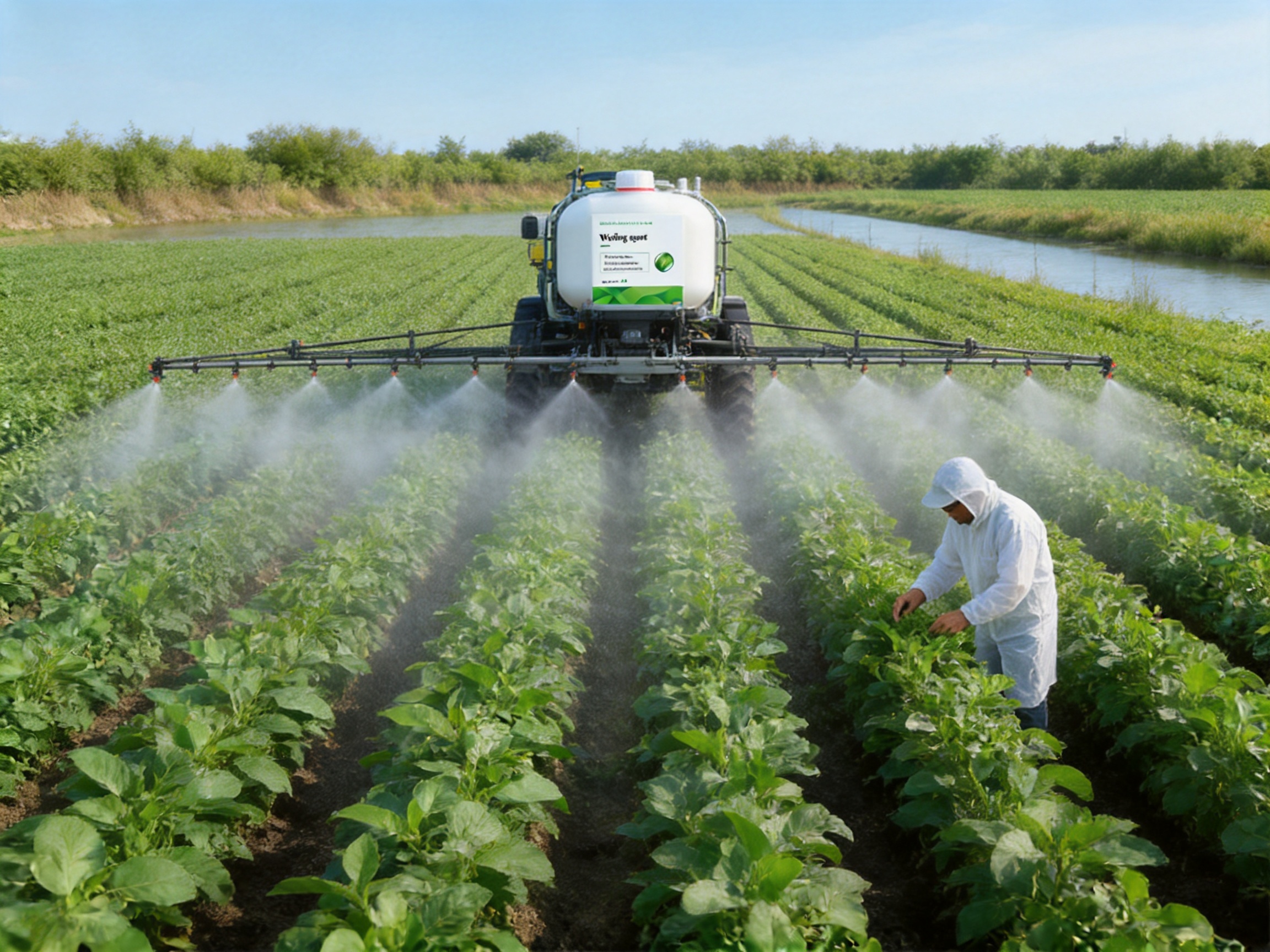
9. Recommended Evaluation Workflow
A structured evaluation workflow helps customers obtain the greatest value from GT-7000 while reducing formulation risk.
Step 1: Define the Application Objective
Determine whether the main objective is rapid spreading, improved coverage, reduced beading, penetration into surface irregularities, improved fertilizer distribution, or support for pesticide performance. A clear objective makes it easier to select an appropriate concentration and test method.
Step 2: Identify the Complete Formulation
List all active ingredients, solvents, oils, emulsifiers, dispersants, buffers, salts, defoamers, preservatives, and other adjuvants. Compatibility depends on the complete composition, not merely on the relationship between GT-7000 and one active ingredient.
Step 3: Conduct a Small-Scale Compatibility Test
Prepare the mixture using representative water and the intended mixing order. Examine appearance, phase stability, viscosity, foaming, precipitation, and dilution behavior. Compare several concentrations rather than testing only one level.
Step 4: Measure Surface and Spreading Behavior
Where equipment is available, measure surface tension at relevant concentrations. Conduct droplet-spreading tests on representative leaf surfaces. Record the spreading time, final coverage area, drying behavior, and signs of runoff.
Step 5: Assess Crop Safety
Apply the selected mixture to a small test area and observe the crop for immediate and delayed symptoms. Include untreated controls and, where possible, compare the silicone synergist with the existing adjuvant.
Step 6: Conduct Field Validation
Field trials should evaluate coverage, biological performance, crop tolerance, tank stability, spray behavior, and practical handling. Testing should include the intended nozzle, pressure, spray volume, weather conditions, and crop growth stage.
Step 7: Establish Quality and Supply Requirements
For commercial use, define acceptable specifications for purity, viscosity, surface tension, pH, cloud point, appearance, packaging, batch documentation, and shelf life. A stable supply chain and consistent batch performance are as important as laboratory performance.
10. Company Strengths and Supply Capability
Hebei Guituo New Material Co., Ltd. is a high-tech enterprise focused on the research, development, production, and sales of high-end silicone materials. Ningbo Guituo Trading Co., Ltd. operates as a subsidiary and supports commercial communication and supply activities.
The company’s product portfolio covers silicone additives, wetting agents, modified silicone oils, dimethyl silicone oils, surfactants, defoamers, and other functional materials. This breadth allows the company to serve customers in agriculture, textiles, electronics, daily chemicals, and other sectors.
A major strength is the combination of technical development and industrial production. Rather than treating agricultural wetting agents as simple trading products, the company emphasizes formulation knowledge, quality monitoring, stable supply, and application support. Agricultural silicone products have achieved recognition among domestic agrochemical enterprises, and the company reports ongoing export activity in international markets.
The company also supports OEM and ODM cooperation. This is useful for distributors, agrochemical formulators, agricultural-input brands, and industrial customers that need a customized supply arrangement. Customers can discuss product requirements, packaging, documentation, and technical specifications with the supplier before confirming a commercial program.
For product inquiries, customers may contact Hebei Guituo New Material Co., Ltd. by telephone at +86-400-138-5268, +86-15128434888, or +86-13511051998. WhatsApp contact is available at +86-13722611888. Email inquiries may be sent to [email protected]. The company address is Xinqiao Environmental Protection Industrial Park, Wen'an County, Langfang City, Hebei Province, China.
11. Frequently Asked Questions
Q1: What is an agricultural silicone wetting synergist?
An agricultural silicone wetting synergist is a surface-active additive used to improve the wetting, spreading, adhesion, and coverage of agricultural spray solutions on plant surfaces. GT-7000 is a polyether-modified trisiloxane silicone surfactant intended for this purpose.
Q2: How does GT-7000 improve pesticide performance?
GT-7000 reduces surface tension, helps droplets spread over plant surfaces, limits beading, and supports more uniform coverage. This can improve contact between the active ingredient and the target surface. It does not replace the pesticide or increase the intrinsic biological activity of the active ingredient.
Q3: Can GT-7000 be used with herbicides, fungicides, and insecticides?
It may be compatible with a wide range of herbicides, fungicides, insecticides, foliar fertilizers, and other agrochemicals. However, compatibility must be checked for each complete formulation. Users should follow the pesticide label, supplier instructions, and local regulations.
Q4: What is the surface tension of GT-7000?
The listed surface tension at a concentration of 0.1% by weight is below 20.5 mN/m. Actual performance in a tank mixture may vary according to water quality, formulation components, temperature, and concentration.
Q5: Is GT-7000 safe for crops?
When used according to the applicable instructions, silicone wetting synergists are generally suitable for many crops. Excessive dosage, stressful weather, sensitive varieties, or combination with concentrated agrochemicals may increase the risk of phytotoxicity. Small-area testing is recommended before broad application.
Q6: Does a lower surface tension always produce better results?
Not necessarily. Very rapid spreading can sometimes increase runoff on smooth or steep leaves. The best result depends on a balance between spreading, retention, coverage, crop safety, and the performance of the complete spray system. Dosage should be optimized rather than maximized.
Q7: What is the recommended mixing order?
The correct mixing order depends on the complete tank mixture. In general, users should add materials to partially filled water in the order specified by the product labels and technical instructions, maintain suitable agitation, and add GT-7000 at the recommended stage. A jar test should be performed before field use.
Q8: How should GT-7000 be stored?
Store the product in a sealed and correctly labeled container in a cool, dry location away from direct sunlight and extreme temperatures. Protect it from contamination and follow the supplier’s safety data sheet and storage recommendations.
Q9: Can the company provide customized products?
Yes. Hebei Guituo New Material Co., Ltd. accepts OEM and ODM orders. Customers can discuss customized specifications, packaging, product labeling, formulation requirements, and application targets with the technical and commercial teams.
Q10: What makes GT-7000 different from ordinary wetting agents?
Its main distinction is its polyether-modified trisiloxane structure, which provides strong surface activity, rapid spreading, low surface tension at low concentration, and useful compatibility characteristics. Its final advantage should be confirmed through side-by-side testing under the customer’s actual formulation and application conditions.
12. Conclusion
Agricultural Silicone Wetting Synergist GT-7000 is designed to solve one of the most important physical challenges in crop-protection application: getting the spray solution to wet and cover the plant surface efficiently. Its polyether-modified trisiloxane structure supports low surface tension, rapid spreading, improved coverage, and penetration into surface irregularities.
Compared with many conventional wetting agents, the product offers the potential for stronger interfacial activity at low concentration, better spreading on difficult-to-wet leaves, improved application uniformity, and compatibility with a broad range of agricultural formulations when properly tested. Its listed technical properties include 99.8% purity, a viscosity of 30–50 mm²/s at 25°C, surface tension below 20.5 mN/m at 0.1% by weight, a cloud point not higher than 35°C at 1.0% by weight, and a near-neutral pH range in 1% aqueous solution.
The product’s value is supported by the manufacturer’s integrated research, production, testing, quality-monitoring, customization, and supply capabilities. Advanced equipment, precision testing facilities, experienced technical personnel, and full-process quality control help provide consistent material performance and stable commercial supply.
At the same time, the product should be used responsibly. The correct dosage, mixing order, crop-safety assessment, water-quality evaluation, weather conditions, and regulatory requirements all influence the final result. A silicone synergist is most effective when it is selected as part of a complete and properly validated spray program.
For agrochemical formulators, distributors, and growers seeking improved spray wetting and coverage, GT-7000 provides a technically focused option based on high-performance silicone surfactant chemistry and supported by an experienced new-materials manufacturing organization.
References
1. Supplier technical information for Agricultural Silicone Wetting Synergist GT-7000, including product specifications and application characteristics.
2. Supplier company information for Hebei Guituo New Material Co., Ltd., including manufacturing, quality-control, OEM, and ODM capabilities.
3. General principles of surfactant chemistry, surface tension reduction, wetting, spreading, and interfacial phenomena.
4. General agricultural-adjuvant practices for pesticide compatibility, crop-safety testing, spray coverage, and runoff management.
5. General guidance on agricultural chemical storage, worker protection, environmental stewardship, and regulatory compliance.
Product: Agricultural Silicone Wetting Synergist

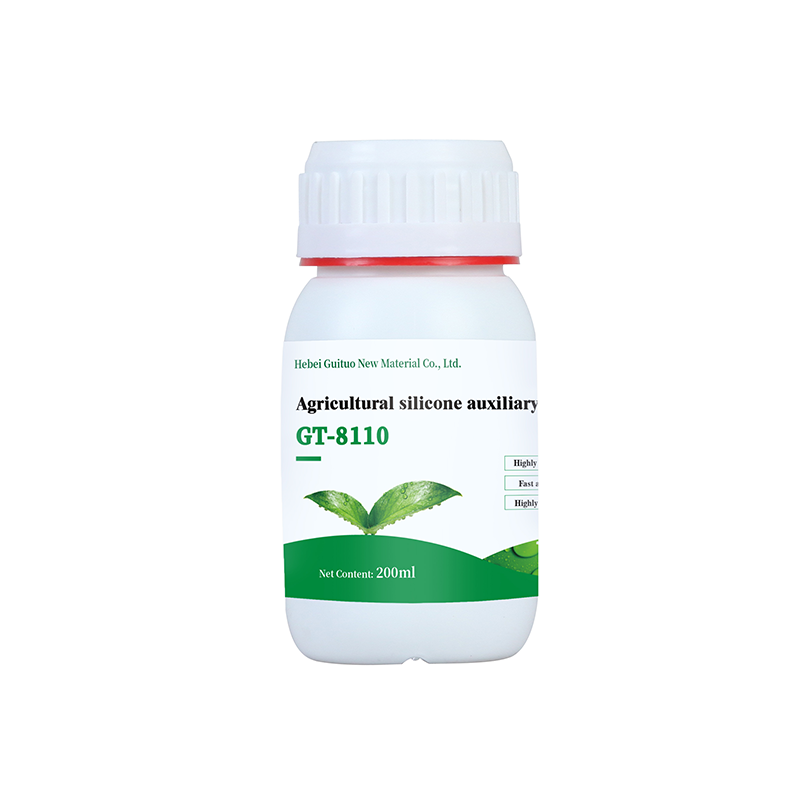
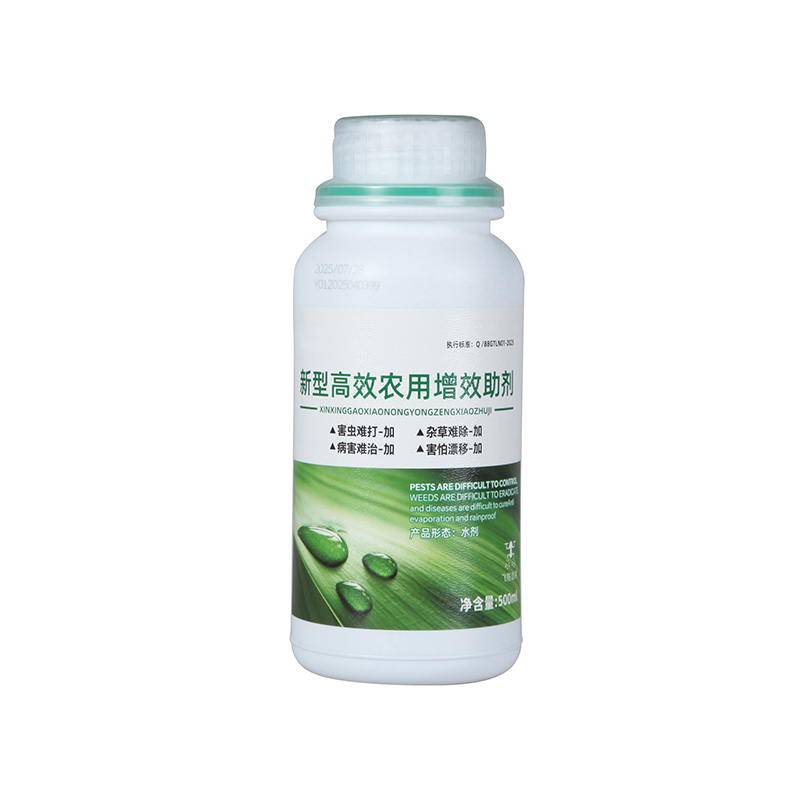

Contact Information
Tel : +86-400-138-5268
Email : [email protected]
Phone : +86-15128434888 / +86-13511051998
Add : Xinqiao Environmental Protection Industrial Park, Wen'an County, Langfang City, Hebei Province, China
Contact Information
Copyright © Hebei Guituo New Material Co., Ltd. All Rights Reserved.
