

 English
 Français
 Português

 Home / Author / Wang Lina, After-sales Service Engineer (Silicone Additives) / Advanced Agricultural Organosilicone Adjuvants for Higher Spray Efficiency and More Reliable Crop Protection
Advanced Agricultural Organosilicone Adjuvants for Higher Spray Efficiency and More Reliable Crop Protection
2026-10-19
Agricultural spray performance is influenced by much more than the active ingredient selected for a crop protection program. Droplet size, surface tension, leaf morphology, water quality, weather conditions, application equipment, and the time between spraying and rainfall can all determine whether a treatment reaches its intended target and remains effective. Even a technically excellent pesticide may deliver inconsistent results when spray droplets bead up, roll away, evaporate too quickly, fail to penetrate the plant surface, or are removed by rain before absorption is complete.
Agricultural organosilicone adjuvants are designed to address these practical limitations. By modifying the physical behavior of a spray solution, they improve wetting, spreading, coverage, penetration, adhesion, and application efficiency. The GT-8110, GT-8210, and GT-8310 series is a multifunctional agricultural silicone adjuvant range developed for use with herbicides, fungicides, insecticides, foliar fertilizers, plant growth regulators, and aerial or drone spray programs.
These products are based on polyether-modified trisiloxane chemistry, a class of superspreading surfactants known for producing exceptionally low surface tension at low use concentrations. The result is a spray solution that can spread rapidly across hydrophobic leaf surfaces and form a more uniform film than many conventional nonionic wetting agents. This performance may improve active ingredient contact and absorption while helping reduce unnecessary water use, labor, and repeated applications.
The product range is manufactured and supplied by Hebei Guituo New Material Co., Ltd., a high-technology silicone materials enterprise supported by research and development, production, testing, and sales capabilities. Its manufacturing model integrates raw material control, precision processing, in-process inspection, finished-product testing, and customized technical support. This integrated approach is important for agricultural adjuvants because small differences in composition, viscosity, cloud point, or surface tension can affect tank-mix behavior and field performance.
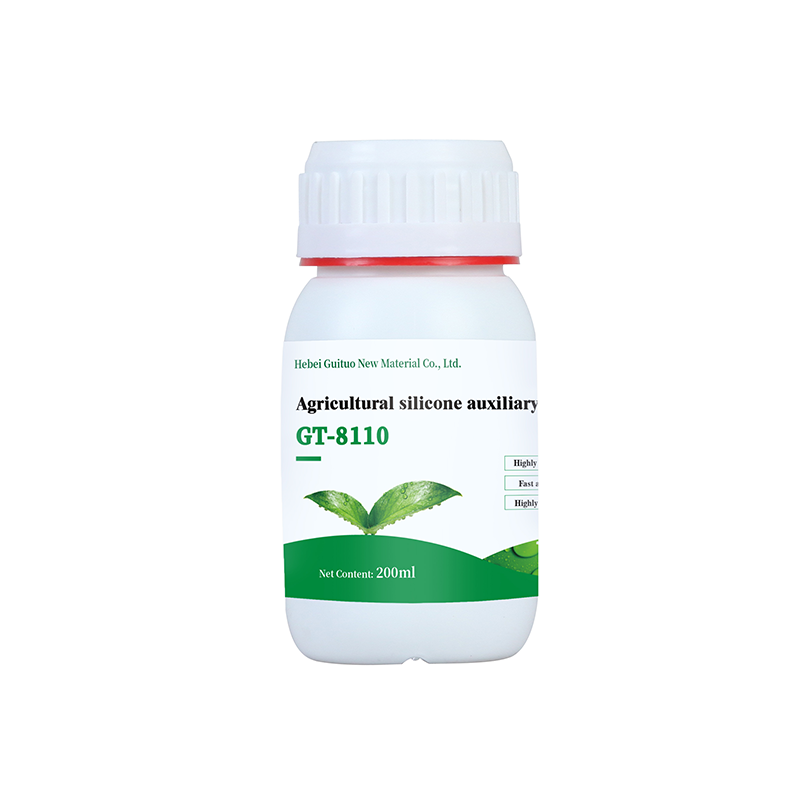
Agricultural Organosilicone Adjuvant
1. The Role of Organosilicone Adjuvants in Modern Agriculture
An adjuvant is a substance added to a pesticide, fertilizer, or plant protection spray to improve application performance. It is not normally the active pest-control ingredient itself. Instead, it helps the spray solution work more effectively by changing how the droplet behaves before, during, and after contact with the plant.
Many crop leaves have waxy, water-repellent surfaces. When a conventional water-based spray reaches such a surface, the droplet may retain a rounded shape. A rounded droplet has limited contact with the leaf and may slide away from vertical, narrow, or highly waxed surfaces. It may also leave untreated areas between individual droplets. These problems become more serious when spray volume is reduced or when the crop canopy is dense.
Organosilicone adjuvants reduce the surface tension of the spray solution. This allows droplets to flatten and spread rapidly after impact. Instead of remaining as isolated beads, the droplets can form a more continuous film over a larger area. Better coverage helps bring the active ingredient into contact with more of the target surface and may improve the consistency of treatment across the canopy.
The performance of an agricultural organosilicone adjuvant can be understood through several interconnected functions:
First, it improves wetting by allowing the spray solution to contact hydrophobic plant surfaces more readily.
Second, it promotes superspreading, meaning that a small droplet can cover an area substantially larger than it would cover without the adjuvant.
Third, it may support penetration through natural surface pathways, including open stomata, depending on the crop, formulation, environmental conditions, and application rate.
Fourth, it improves adhesion and helps reduce premature loss caused by wind, evaporation, irrigation, or rainfall.
Fifth, it can improve the efficiency of water and labor use by helping a lower spray volume deliver more uniform coverage.
These functions are especially valuable in intensive agriculture, where growers and formulators must balance effective pest management with rising costs, environmental requirements, limited water availability, and increasingly precise application technologies.
2. Product Range and Core Technical Profile
The GT-8110, GT-8210, and GT-8310 products are agricultural organic silicone adjuvants formulated for use as spray modifiers, foliar absorption enhancers, activators, and aerial application aids. They may be incorporated into programs involving herbicides, fungicides, insecticides, foliar fertilizers, micronutrients, and plant growth regulators, subject to compatibility testing and local application requirements.
The series is associated with polyether-modified trisiloxane chemistry. This type of silicone surfactant combines a siloxane backbone with polyether groups, providing strong surface activity and water dispersibility. The siloxane structure contributes to rapid surface-tension reduction, while the polyether portion supports compatibility with water-based spray systems.
| Parameter | Typical Product Information |
|---|---|
| Product models | GT-8110, GT-8210, GT-8310 |
| Product category | Agricultural organosilicone adjuvant |
| Product type | Polyether-modified trisiloxane silicone surfactant |
| CAS number | 27306-78-1 |
| EINECS number | 608-078-3 |
| Reported purity | 99% |
| Viscosity at 25°C | 30–50 mm²/s |
| Surface tension at 0.1% by weight | Below 20.5 mN/m |
| Cloud point at 1.0% by weight | Not higher than 35°C |
| pH value of 1% aqueous solution at 25°C | 6.5–7.5 |
| Primary applications | Herbicides, fungicides, insecticides, foliar fertilizers, plant growth regulators, aerial spraying |
The values above should be confirmed against the current certificate of analysis and technical data sheet for the specific grade supplied. Product selection may depend on the pesticide formulation, target crop, climate, water quality, application method, and required balance between rapid spreading and residual deposition.
The low surface tension value is one of the most important indicators of performance. A conventional water spray generally has a much higher surface tension, which limits its ability to spread on waxy leaves. Reducing surface tension to the low-20 mN/m range can significantly improve the contact area between the droplet and the plant surface. The actual result will vary according to spray concentration, leaf condition, temperature, humidity, droplet size, and the presence of other formulation ingredients.
The near-neutral pH of a 1% aqueous solution is also useful for many agricultural tank-mix applications. However, pH compatibility should never be assumed solely from the adjuvant specification. Every combination should be evaluated using the pesticide manufacturer’s recommendations and a small jar test before large-scale application.
3. How Surface Tension Controls Spray Performance
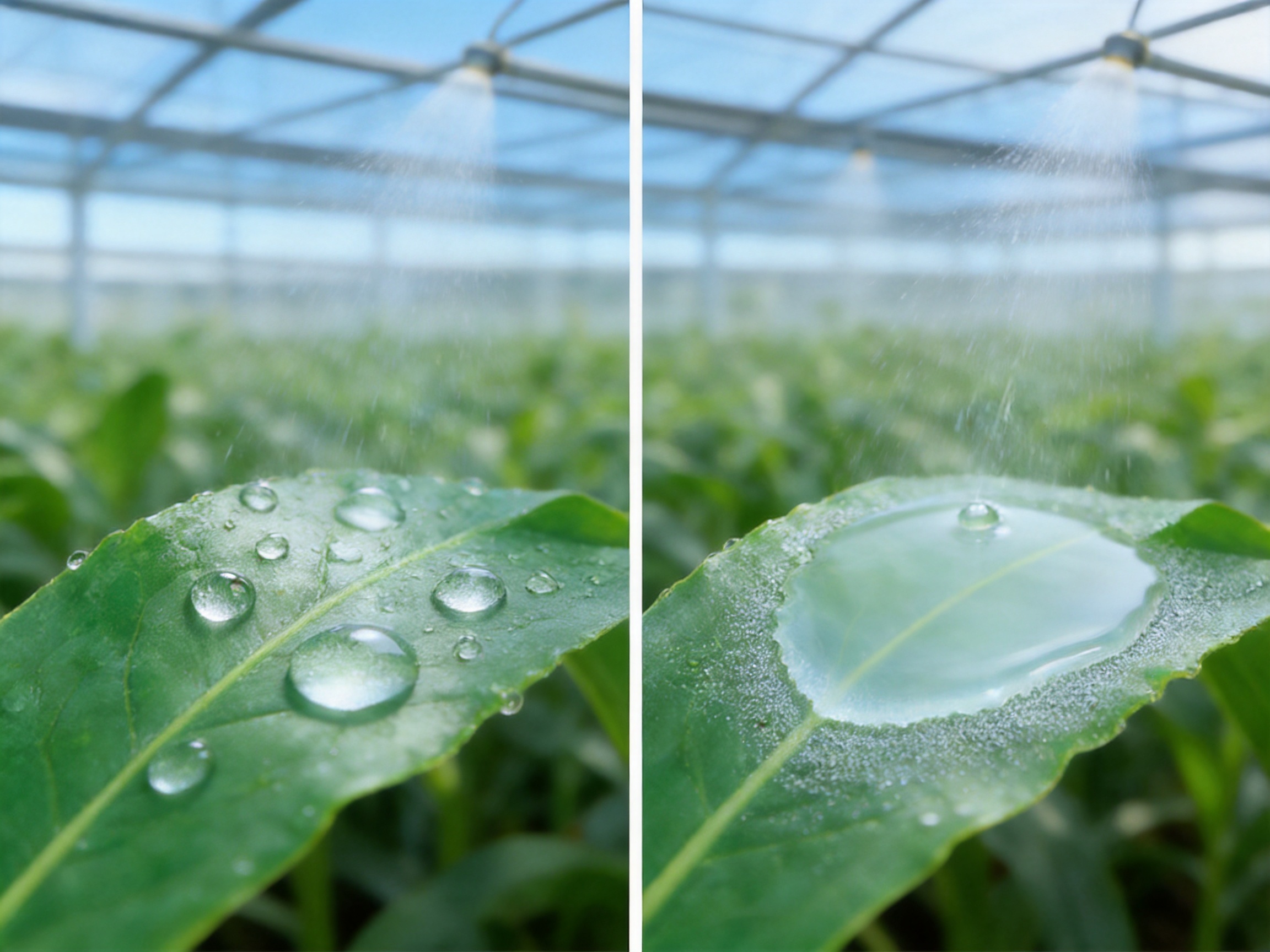
Surface tension is the force that causes a liquid surface to resist spreading. In a spray droplet, high surface tension encourages the liquid to maintain a rounded shape. Low surface tension allows the liquid to flatten and move across a surface. The difference is clearly visible when comparing a plain water droplet with a droplet containing a high-performance organosilicone surfactant.
Plant leaves often contain epicuticular waxes that repel water. This natural barrier protects the plant from excessive moisture loss, but it also makes it more difficult for water-based pesticide droplets to spread evenly. A droplet can remain concentrated in a small spot, roll from the leaf, or break into irregular patches. Poor wetting may result in uneven active ingredient distribution and reduce the probability that the treatment will contact the target pest, pathogen, or weed tissue.
GT-series agricultural organosilicone adjuvants reduce the surface tension of the spray solution and lower the contact angle between the droplet and the leaf. As the contact angle decreases, the droplet becomes flatter. Under suitable conditions, it can spread rapidly across a large area and form a thin film. This mechanism is particularly valuable for narrow leaves, waxy leaves, vertical surfaces, and dense canopies where ordinary droplets may not provide sufficient coverage.
Superspreading should not be interpreted as an unlimited ability to cover any surface. The final result depends on concentration, spray volume, droplet size, leaf texture, leaf angle, crop growth stage, water hardness, temperature, humidity, and the chemistry of the pesticide formulation. An adjuvant can improve the physical behavior of a spray, but it cannot replace correct nozzle selection, appropriate timing, or compliance with the pesticide label.
At the recommended use rate, the adjuvant can help transform a spray from isolated droplets into a more continuous and evenly distributed deposit. This can improve the utilization of the active ingredient by reducing untreated gaps and increasing the likelihood of contact with the intended biological target.
4. Three Functional Benefits: Spread, Penetration, and Retention
4.1 Rapid Spreading and More Complete Coverage
The first benefit is rapid spreading. When a GT-series adjuvant is added to a compatible spray solution, droplets can flatten quickly after reaching the leaf. This is valuable because the time between impact and drying may be short, especially under hot, dry, or windy conditions. A droplet that spreads before evaporation can distribute the active ingredient over a wider area.
Improved coverage may be particularly important for contact fungicides and insecticides, which depend heavily on reaching the external surface of the target organism or plant tissue. It can also help systemic products by increasing the area through which the active ingredient may begin absorption.
A larger footprint per droplet can support low-volume applications, provided that the spray equipment produces an appropriate droplet spectrum and the application rate remains within the product label. Better spreading does not mean that growers can automatically reduce the active ingredient dose. Instead, it may allow the existing program to use water more efficiently and reduce the number of untreated spaces on the plant surface.
4.2 Support for Foliar Absorption and Stomatal Entry
The second benefit is improved penetration. Many agricultural organosilicone adjuvants are described as stomatal-channel activators because their low surface tension can help the spray solution approach and enter open stomata under suitable conditions. Stomata are microscopic pores that regulate gas exchange and water movement in plant leaves.
Stomatal entry is not guaranteed in every application. Stomatal aperture changes with crop species, light, humidity, water status, temperature, and biological stress. In addition, the ability of an active ingredient to move through the stomata depends on its molecular properties and formulation. Nevertheless, reducing surface tension and improving wetting can provide an additional pathway for contact between the spray solution and internal plant tissues.
The adjuvant may also support cuticle penetration by increasing contact time and spreading the solution over a greater area. For foliar fertilizers and micronutrients, this can help distribute nutrients more evenly over the leaf surface. For herbicides and plant growth regulators, the improved deposition may support more consistent absorption when the product is used according to its approved application instructions.
4.3 Adhesion and Improved Rainfastness
The third benefit is retention. After application, a spray deposit may be lost through wind movement, evaporation, irrigation, rainfall, or mechanical contact. Organosilicone adjuvants can improve the interaction between the spray deposit and the plant surface, helping the solution remain in place long enough for the active ingredient to be absorbed or become biologically effective.
Improved rainfastness does not mean that a treatment is immediately rainproof. The time required for rainfastness varies according to the active ingredient, formulation, crop surface, temperature, humidity, rainfall intensity, and adjuvant rate. Farmers should always follow the pesticide label for the required rain-free period.
By supporting more uniform spreading and stronger deposition, the adjuvant may reduce the amount of active ingredient removed by early rainfall or irrigation. This can help preserve treatment consistency and reduce the risk that a crop will receive only partial protection after an unexpected weather event.
5. Advantages Compared with Conventional Wetting Agents
Conventional nonionic surfactants can improve wetting, but they may not provide the same level of surface-tension reduction or rapid superspreading as a polyether-modified trisiloxane adjuvant. The difference is especially relevant when the spray must cover waxy leaves, penetrate dense canopies, or perform under low-volume application conditions.
| Performance factor | Conventional nonionic wetting agent | Organosilicone adjuvant |
|---|---|---|
| Surface-tension reduction | Often provides moderate reduction depending on formulation and use rate | Designed to reduce surface tension substantially at low concentration |
| Droplet spreading | May flatten the droplet but leave a central bead or incomplete film | Can promote rapid spreading and a broader continuous film |
| Coverage of waxy leaves | Performance may be limited on strongly hydrophobic surfaces | Strong surface activity is intended to improve wetting on hydrophobic plant surfaces |
| Stomatal-channel support | Generally relies on conventional wetting and cuticle contact | Low surface tension may support movement toward open stomata |
| Low-volume suitability | May require higher spray volume to achieve adequate coverage | Can support more efficient coverage when correctly dosed |
| Application versatility | May be selected for a narrower range of formulations | Suitable for many herbicide, fungicide, insecticide, fertilizer, and regulator programs after compatibility testing |
| Rainfastness support | May improve retention to a limited degree | Improved spreading and deposition can help extend the effective rainfastness window |
The principal competitive advantage is not simply that the silicone adjuvant is a surfactant. It is that the product is designed to combine very low surface tension, fast spreading, penetration support, and practical tank-mix versatility in one concentrate. This multifunctional behavior can reduce the need to combine several separate adjuvant products, although the correct choice always depends on the formulation and label requirements.
Another advantage is the possibility of reducing nonproductive water use. When spray droplets cover a larger effective area, growers may be able to optimize spray volume without sacrificing uniformity. The reduction in spray volume claimed for the product range is generally presented as 30–50%, but actual results must be established through crop-specific trials. Water reduction should never be achieved by lowering the labeled pesticide dose or by using insufficient coverage for the target pest.
Improved application efficiency can also reduce labor. Fewer tank refills may be needed during a field operation, and lower water demand can reduce transport, pumping, and mixing time. These benefits may be significant for large farms, remote fields, orchards, greenhouse operations, and aerial application programs.
6. Application Areas Across Crop Protection Programs
6.1 Herbicide Programs
Herbicides often need to contact a substantial portion of the weed surface to achieve consistent control. Waxy grasses, mature broadleaf weeds, and plants under dry conditions may be difficult to wet. An organosilicone adjuvant can improve droplet spreading and help distribute the herbicide more evenly over leaves.
For systemic herbicides, improved wetting and retention may increase the opportunity for absorption. For contact herbicides, more complete surface coverage may help reduce untreated areas. The adjuvant does not change the biological mode of action of the herbicide, so correct weed growth stage, weather conditions, dose, and application timing remain essential.
6.2 Fungicide Programs
Fungicide performance is closely connected to coverage. Disease-causing organisms may colonize leaf surfaces, stems, flowers, or fruit, and incomplete coverage can leave infection sites unprotected. Better spreading may help distribute a fungicide more evenly across complex plant surfaces and within dense canopies.
For protectant fungicides, an improved film can support more consistent surface deposition. For systemic or translaminar fungicides, improved wetting may help the active ingredient reach the plant tissue more efficiently. The adjuvant should be selected according to the fungicide label because some formulations may require a particular adjuvant class or prohibit certain combinations.
6.3 Insecticide Programs
Insects may occupy the undersides of leaves, sheltered canopy locations, or irregular plant surfaces. Improved spreading can increase the probability that a spray reaches these locations. A more uniform deposit may also improve contact with small insects and help distribute systemic insecticide applications across the leaf surface.
Because some insecticides are sensitive to environmental conditions, growers should conduct compatibility and phytotoxicity checks before broad application. Higher adjuvant rates do not necessarily produce better results and may increase the risk of crop injury under hot, dry, or stressful conditions.
6.4 Foliar Fertilizers and Micronutrients
Foliar fertilizers and micronutrients benefit from uniform wetting and distribution. If a nutrient solution beads up or runs off, the actual amount deposited on the leaf may be lower than expected. An organosilicone adjuvant can improve contact between the nutrient solution and the leaf surface.
Compatibility is particularly important for concentrated fertilizers because salts, extreme pH, and high ionic strength can influence surfactant behavior. Jar testing, small-plot testing, and adherence to the fertilizer manufacturer’s instructions are recommended before commercial use.
6.5 Plant Growth Regulators
Plant growth regulators are often applied at precise growth stages and relatively low rates. Uniform distribution can be important because uneven exposure may lead to inconsistent plant responses. Improved spreading can help create a more even treatment pattern, provided the adjuvant rate and spray volume are carefully controlled.
6.6 Aerial and Drone Applications
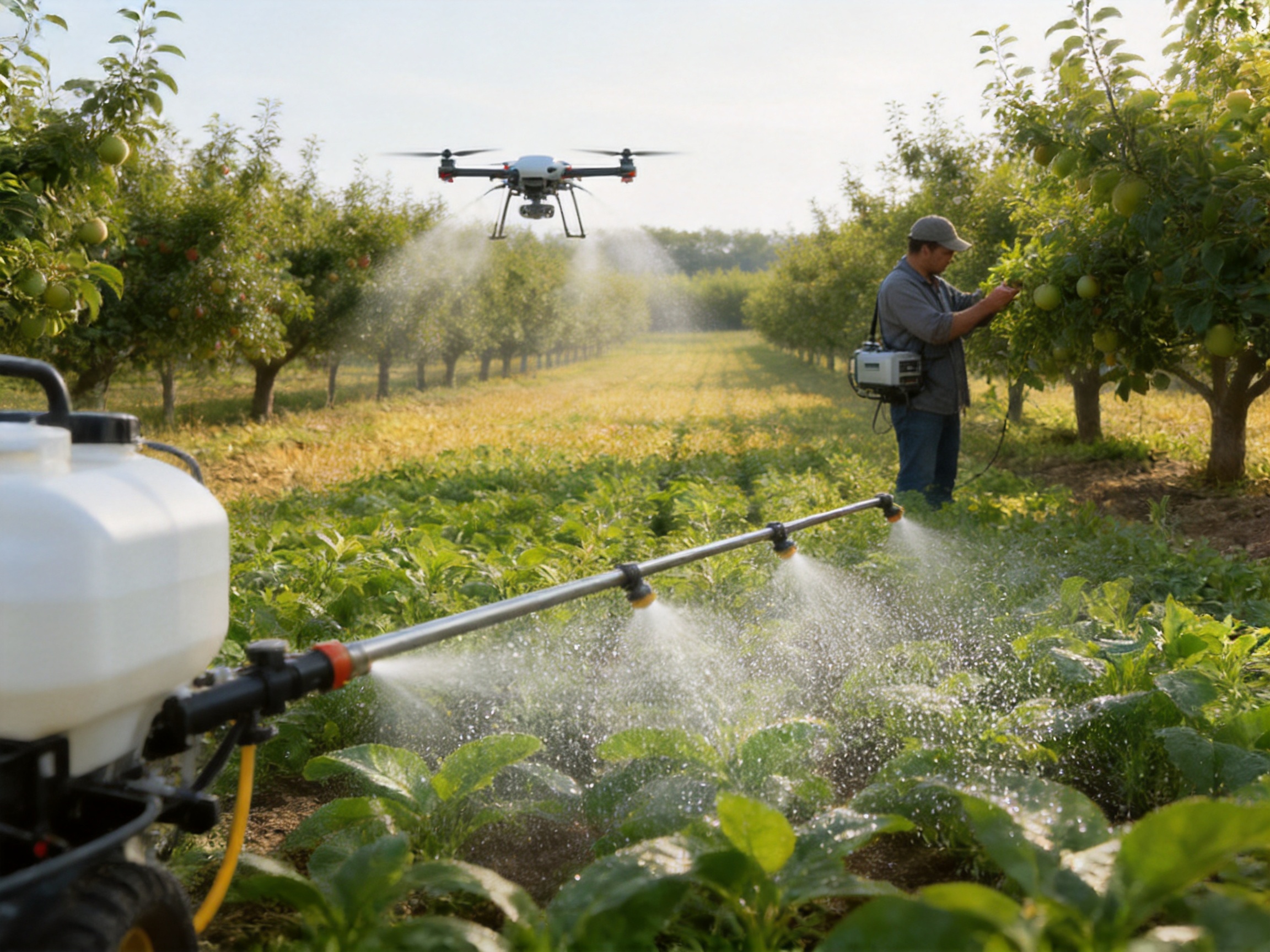
Aerial and drone applications commonly use lower spray volumes than conventional ground rigs. This makes droplet efficiency, coverage, drift management, and deposition especially important. The spreading performance of an organosilicone adjuvant can help each droplet cover a greater area after impact.
However, low-volume spraying requires careful attention to nozzle design, droplet size, wind speed, temperature, humidity, flight height, and buffer zones. An adjuvant cannot eliminate drift risk. In some circumstances, an extremely low surface tension may increase the tendency of fine droplets to move off target, so the product should be evaluated as part of the complete application system.
7. Manufacturing Strengths and Quality Control
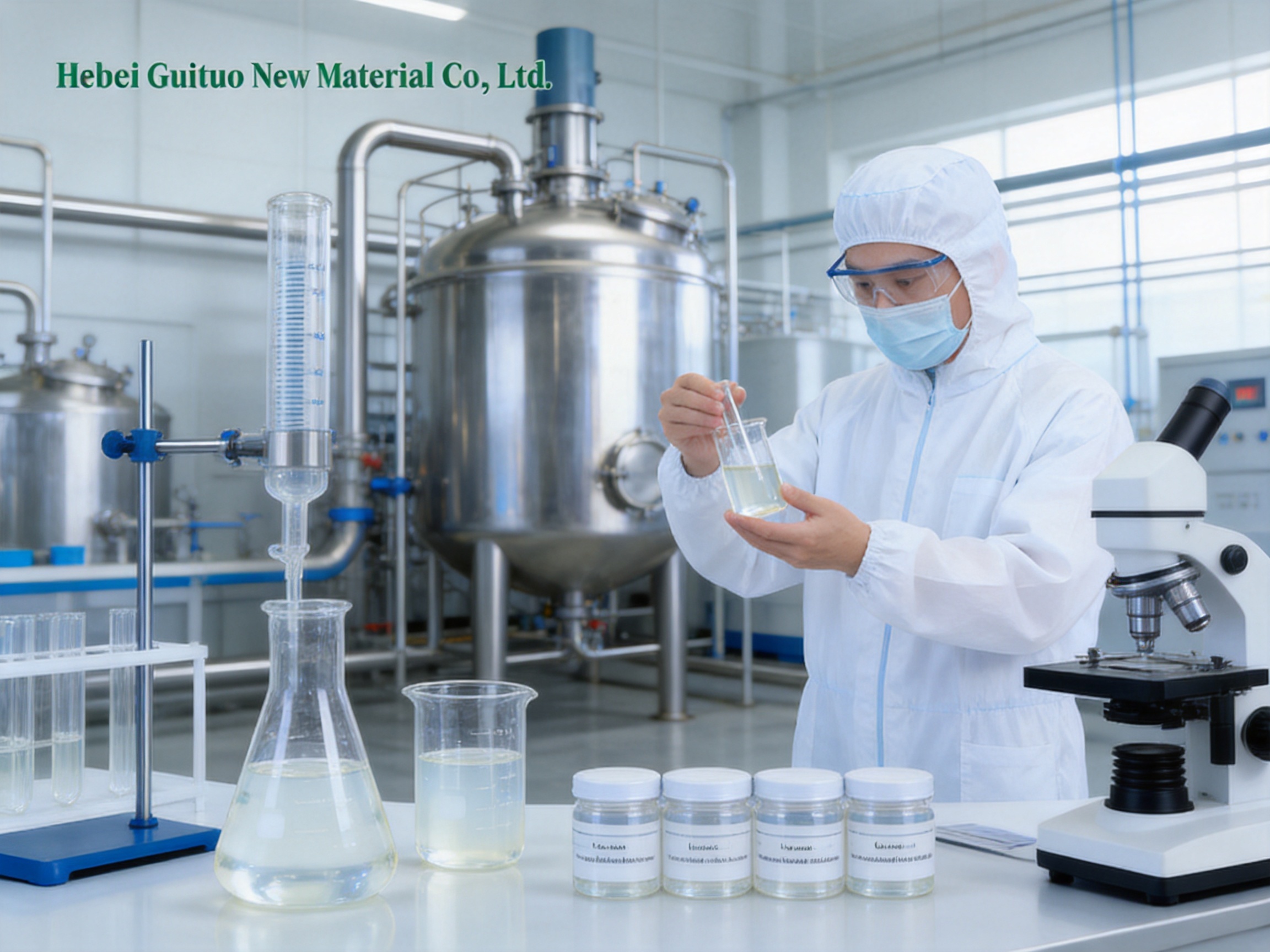
The performance of an agricultural silicone adjuvant depends on the consistency of its formulation. A product that performs well in one batch but varies significantly in another can create problems for pesticide formulators, distributors, and growers. For this reason, advanced manufacturing and quality control are central to the value of the GT product range.
Hebei Guituo New Material Co., Ltd. integrates research and development, raw material management, production, testing, packaging, and technical service. This structure allows the company to manage the product from silicone material synthesis through final delivery rather than treating the adjuvant as a simple commodity blend.
7.1 Controlled Raw Material Selection
Organosilicone adjuvant performance begins with the quality and consistency of the raw materials. Variations in siloxane intermediates, polyether components, catalysts, solvents, or stabilizers can affect viscosity, surface tension, cloud point, pH, storage stability, and compatibility with agricultural formulations.
A controlled raw material system helps reduce these variations. Incoming materials can be evaluated against defined specifications before entering production. This is particularly important for large-volume customers that need predictable performance across multiple production lots and growing seasons.
7.2 Integrated Silicone Materials Capability
The company’s product matrix includes silicone additives, wetting agents, modified silicone oils, dimethyl silicone oils, surfactants, defoamers, and other functional silicone materials. This broad portfolio provides a technical foundation for selecting or adjusting silicone chemistry according to the requirements of agriculture, textiles, electronics, daily chemicals, and other industries.
For agricultural customers, this integrated capability can support the development of adjuvants with different balances of spreading speed, penetration, retention, emulsification, low-temperature behavior, and compatibility. A formulation house may require a rapid superspreader for a low-volume herbicide program, while another customer may need a more moderate wetting agent with improved persistence or hard-water tolerance.
7.3 Process Monitoring from Production to Filling
Manufacturing control does not end when the main reaction or blending step is complete. Mixing efficiency, temperature control, addition sequence, residence time, filtration, and filling conditions can all influence product uniformity. A full-process quality monitoring mechanism helps identify deviations before the product reaches the customer.
Uniform filling is also important. Accurate packaging ensures that customers receive the intended quantity and can dose the adjuvant correctly. Packaging materials should protect the product from contamination, leakage, excessive heat, and prolonged exposure to unsuitable storage conditions.
7.4 Precision Testing Facilities
Important quality indicators for an agricultural organosilicone adjuvant include appearance, viscosity, active content, surface tension, pH, cloud point, water dispersibility, storage stability, and compatibility behavior. These parameters help confirm that the product remains within the required performance range.
Surface-tension testing is especially important because it directly relates to wetting and spreading performance. Viscosity testing helps confirm handling and dosing behavior. Cloud-point testing provides information about temperature-related phase behavior in aqueous systems. pH testing supports tank-mix evaluation and helps identify potential deviations during production or storage.
Finished-product testing can be supported by a Certificate of Analysis for each batch. Customers may also request technical data sheets, safety documentation, storage recommendations, and additional quality records according to their procurement and regulatory requirements.
7.5 Experienced Technical and Production Teams
Equipment alone cannot guarantee product quality. Experienced technical personnel are needed to interpret test results, manage process conditions, investigate deviations, and translate customer requirements into practical formulations. A skilled production team also helps maintain consistency during scale-up from laboratory trials to commercial manufacturing.
The company’s technical and production teams support both standard product supply and customized development. This is valuable for agrochemical manufacturers and distributors that may need a specific concentration, packaging format, private-label presentation, or application profile.
8. Customization, OEM, and ODM Support
Agricultural adjuvant requirements differ between markets. A product designed for humid rice-growing regions may not require the same balance of spreading and persistence as a product intended for dryland cereals, cotton, orchards, or greenhouse vegetables. Water hardness, tank size, application equipment, pesticide formulation, and local regulatory requirements can also vary significantly.
The company accepts OEM and ODM orders, allowing customers to develop private-label or customized products. Customization may include product concentration, packaging size, label presentation, bottle design, drum packaging, technical documentation, and application guidance.
Where necessary, the technical team can evaluate dosage ranges and formulation adjustments for hard water, high-humidity conditions, particular active ingredient classes, or specific application equipment. The development process should include laboratory compatibility testing, small-scale field trials, packaging evaluation, and stability testing before commercial launch.
For distributors and formulation houses, private-label supply can create a differentiated product offering without requiring the construction of an independent silicone production facility. The supplier’s manufacturing and testing capabilities provide the underlying material platform, while the customer can focus on regional marketing, regulatory registration, technical service, and distribution.
9. Recommended Tank-Mix and Application Practices
Correct use is essential to obtain the benefits of an organosilicone adjuvant while minimizing compatibility and crop-safety risks. The following practices are general technical guidance and should be adapted to the pesticide label, local regulations, and the current product data sheet.
Begin with a small jar test. Add the intended water source and mix the pesticide formulation with the adjuvant in the planned order. Observe the mixture for separation, flocculation, excessive foaming, gel formation, sedimentation, heat generation, or other abnormal behavior.
Use clean water whenever possible. Very hard water, high alkalinity, suspended solids, or contamination from previous tank mixes may influence the performance of the adjuvant and the stability of the pesticide formulation.
Follow the recommended mixing order. In many programs, water is added first, followed by conditioners or compatible products, suspension concentrates, emulsifiable concentrates, soluble products, and finally the adjuvant. The correct order depends on the formulation types involved and should be confirmed with the pesticide supplier.
Maintain continuous agitation during filling and spraying. This is especially important when the tank contains fertilizers, suspension concentrates, or multiple products with different physical properties.
Use the lowest effective adjuvant rate recommended for the specific program. Excessive surfactant can increase foaming, alter droplet behavior, increase runoff, or raise the risk of crop injury. More adjuvant does not automatically mean more efficacy.
Avoid spraying under conditions that promote rapid evaporation or crop stress unless the product label and technical guidance specifically support the application. High temperature, low humidity, strong wind, drought stress, and intense sunlight can influence both crop safety and spray deposition.
Carry out a small plot test before large-scale use, especially when applying the adjuvant to a new crop, a sensitive variety, a high-value horticultural crop, or a new pesticide formulation. Observe both immediate and delayed crop response.
10. Environmental and Economic Advantages
Agricultural organosilicone adjuvants can contribute to more efficient crop protection when they improve the use of each spray event. Better coverage and retention may reduce the need for repeat applications caused by inadequate deposition or early wash-off. Reduced repeat applications can lower labor requirements, fuel consumption, water use, and the total amount of product transported to the field.
The product range is promoted as capable of reducing spray volume by approximately 30–50% under suitable conditions. The actual reduction depends on the crop, pesticide, equipment, droplet spectrum, canopy structure, and local regulations. Any reduction should be validated through field testing and must maintain the coverage required for effective and safe application.
Reducing water use can be especially valuable in regions where water must be transported long distances or where agricultural operations compete with domestic and industrial demand. Lower tank volumes may also reduce the number of refills and improve the productivity of farm machinery.
More effective deposition may help reduce chemical loss to the soil and surrounding environment. However, the environmental profile of the complete spray program depends on the active ingredient, application rate, drift management, runoff control, weather, and disposal practices. The adjuvant should therefore be considered one part of an integrated stewardship program rather than a substitute for responsible pesticide management.
The product is described as green and environmentally friendly in the supplied material. Customers should review the current safety data sheet, regulatory documentation, biodegradation information, and local approval status before making environmental or organic-farming claims. Use in organic agriculture is subject to certification and jurisdiction-specific requirements.
11. Product Selection for Different Customer Groups
11.1 Agrochemical Manufacturers
Agrochemical manufacturers need adjuvants that can be incorporated into recommended tank-mix programs or, where appropriate, included in co-formulated products. Consistent surface tension, predictable viscosity, and reliable compatibility are important for product registration, technical support, and field performance.
The GT product range can serve as a development platform for herbicide, fungicide, insecticide, and plant nutrition programs. The manufacturer can evaluate the appropriate grade through laboratory screening and field trials before selecting the final product for a commercial recommendation.
11.2 Formulation Houses
Formulation companies may require customized silicone chemistry for a particular active ingredient, solvent system, emulsion type, or application method. Access to a supplier with silicone synthesis, blending, testing, and customization capabilities can shorten development cycles and improve supply security.
11.3 Agricultural Distributors
Distributors often need reliable packaging, technical documentation, private-label support, and stable delivery. Standard bottle sizes are suitable for trial and small-plot use, while larger containers and drum-scale packaging can support commercial acreage and industrial blending.
11.4 Large-Scale Growers and Contractors
Large farms and spraying contractors are often focused on practical outcomes: uniform coverage, reduced water demand, fewer tank refills, consistent field performance, and compatibility with their current equipment. A trial program on representative crops can help determine whether the adjuvant provides an economic benefit under local operating conditions.
12. Frequently Asked Questions
What is an agricultural organosilicone adjuvant?
An agricultural organosilicone adjuvant is a silicone-based spray additive used to improve the physical performance of pesticides, fertilizers, and plant growth regulators. It can reduce surface tension, improve wetting and spreading, support penetration, and enhance deposition on plant surfaces.
What are GT-8110, GT-8210, and GT-8310?
GT-8110, GT-8210, and GT-8310 are agricultural organosilicone adjuvant grades based on polyether-modified trisiloxane chemistry. They are intended for use with compatible herbicide, fungicide, insecticide, foliar fertilizer, plant growth regulator, and aerial application programs.
How does the product improve pesticide effectiveness?
The product can improve pesticide performance by helping spray droplets spread over a larger area, wet waxy plant surfaces, remain in place, and reach plant tissues more efficiently. These physical improvements may increase the consistency of active ingredient contact and absorption. The actual efficacy benefit depends on the pesticide, crop, rate, weather, and application conditions.
Can the adjuvant reduce pesticide dosage?
The adjuvant should not be used to reduce the labeled pesticide dose unless such a reduction is specifically approved by the pesticide manufacturer and relevant regulatory authorities. Its primary role is to improve application efficiency and deposition. Users should follow the pesticide label and conduct trials before changing any program.
Can it reduce spray water volume?
It may support lower water volumes by improving droplet spreading and coverage. The supplied product information indicates a potential spray-volume reduction of approximately 30–50% under suitable conditions. The practical reduction must be validated for each crop, pesticide, nozzle, canopy, and application method.
Does it improve rainfastness?
Improved spreading and adhesion can help a spray deposit remain on the plant surface and may reduce early wash-off. However, the product does not make every pesticide immediately rainproof. The required rain-free period must be taken from the pesticide label and confirmed through field conditions.
Is it compatible with all pesticides?
The product is designed for broad use with herbicides, fungicides, insecticides, foliar fertilizers, and plant growth regulators, but compatibility is not universal. A jar test and small-plot test should be completed before commercial application, particularly when using a new active ingredient, concentrated fertilizer, sensitive crop, or complex tank mixture.
Can it be used with foliar fertilizers?
Yes, it may be used with compatible foliar fertilizers and micronutrient solutions to improve wetting and distribution. Because fertilizer salts and pH can influence formulation stability and crop safety, users should follow the fertilizer supplier’s instructions and conduct a compatibility test.
Can it be used in aerial and drone spraying?
Its low-volume spreading performance makes it suitable for evaluation in aerial and drone spray programs. However, aerial application requires careful management of droplet size, drift, wind, temperature, humidity, flight height, and buffer zones. The adjuvant should be tested as part of the complete application system.
Is it suitable for organic farming?
Use in organic farming depends on the applicable certification standards and regulatory requirements. Users must verify whether the specific product, manufacturing process, and intended use are permitted in their jurisdiction before making an organic-use claim.
What technical documents can be provided?
Depending on the order and market, technical support may include a technical data sheet, Certificate of Analysis, Safety Data Sheet, packaging information, storage recommendations, and available testing references. Documentation requirements should be confirmed before shipment.
Are private-label and customized products available?
OEM and ODM services are available for qualified customers. Customization may include formulation adjustments, dosage recommendations, packaging sizes, bottle design, labeling, and private-brand presentation. Commercial production should follow successful laboratory, compatibility, stability, and field evaluations.
What packaging options are available?
Small bottles may be used for trials and small plots, while larger containers and drum-scale packaging can be arranged for commercial programs. The exact package size, material, labeling, and shipping configuration should be confirmed with the supplier according to the destination market and order quantity.
How should the product be stored?
The product should be stored in its original sealed container in a cool, dry, well-ventilated location away from direct sunlight, excessive heat, freezing conditions, and incompatible materials. Users should follow the current Safety Data Sheet and product label for detailed storage and handling requirements.
13. Why Manufacturing Capability Matters to Buyers
For a high-performance agricultural adjuvant, purchasing decisions should be based on more than a low unit price. A product that varies between batches may require repeated field adjustments, create compatibility concerns, or produce inconsistent results for downstream customers. Manufacturing depth provides greater confidence that the technical specification can be maintained over time.
Hebei Guituo New Material Co., Ltd. combines silicone material expertise with production facilities, precision testing equipment, experienced technical personnel, and a broader product matrix. This combination supports standard supply as well as tailored development. It also allows customers to communicate directly with a manufacturer rather than relying solely on a trading chain with limited formulation knowledge.
The company’s quality system covers the production source, process monitoring, finished-product testing, and delivery inspection. This full-process approach is designed to protect consistency in key properties such as surface tension, viscosity, pH, cloud point, and active content.
The company also serves overseas markets, including Europe and Southeast Asia, and supports OEM and ODM cooperation. International supply requires attention to documentation, packaging, communication, shipment stability, and customer-specific technical requirements. A supplier with experience in these areas can provide more dependable support for distributors and formulation companies entering or expanding in agricultural markets.
14. Conclusion
Agricultural organosilicone adjuvants address one of the most persistent challenges in crop protection: converting a spray solution into a uniform, effective, and durable deposit on the plant. By reducing surface tension and improving wetting, spreading, penetration support, and adhesion, the GT-8110, GT-8210, and GT-8310 series can help pesticide and fertilizer programs perform more consistently across a wide range of crops and application methods.
The product range offers several advantages compared with conventional wetting agents, including very low surface tension, rapid superspreading, broader coverage, support for low-volume application, improved tank-mix versatility, and potential reductions in water and labor requirements. These advantages are particularly relevant to modern agriculture, where growers must achieve reliable crop protection while managing costs, water consumption, labor availability, and environmental responsibilities.
Product performance is strengthened by the supplier’s integrated manufacturing model. Control of silicone materials, production processes, testing, packaging, and technical development helps provide a consistent foundation for agricultural customers. The company’s ability to support standard products, customized grades, OEM programs, ODM development, and international supply further improves its value to agrochemical manufacturers, formulation houses, distributors, and large-scale growers.
As with every agricultural adjuvant, results depend on correct selection, rate, compatibility, equipment, crop condition, and weather. The most reliable approach is to evaluate the product through laboratory testing, jar testing, small-plot trials, and field validation before broad adoption. When integrated into a carefully designed spray program, an advanced organosilicone adjuvant can help turn more of each application into useful crop protection performance.
References
1. Agricultural Spray Adjuvants: Principles and Applications. Technical reference on surfactants, wetting agents, spray deposition, and crop protection efficiency.
2. Organosilicon Chemistry and Surface-Active Materials. Reference material covering siloxane structures, polyether modification, surface tension, and spreading behavior.
3. Pesticide Application Technology and Spray Drift Management. Technical guidance on droplet size, nozzle selection, spray volume, environmental conditions, and aerial application.
4. Foliar Absorption of Agrochemicals. Scientific literature concerning cuticle penetration, stomatal pathways, leaf wetting, and formulation effects.
5. Agricultural Adjuvant Compatibility and Crop Safety Testing. Practical guidance for jar tests, small-plot trials, tank-mix evaluation, and phytotoxicity assessment.
6. Technical Data for Agricultural Organosilicone Adjuvants. Product specifications for GT-8110, GT-8210, and GT-8310, including viscosity, surface tension, pH, cloud point, and application guidance.
7. Safety Data Sheet and Certificate of Analysis Documentation. Quality, handling, storage, and batch verification references supplied for the applicable product grade.
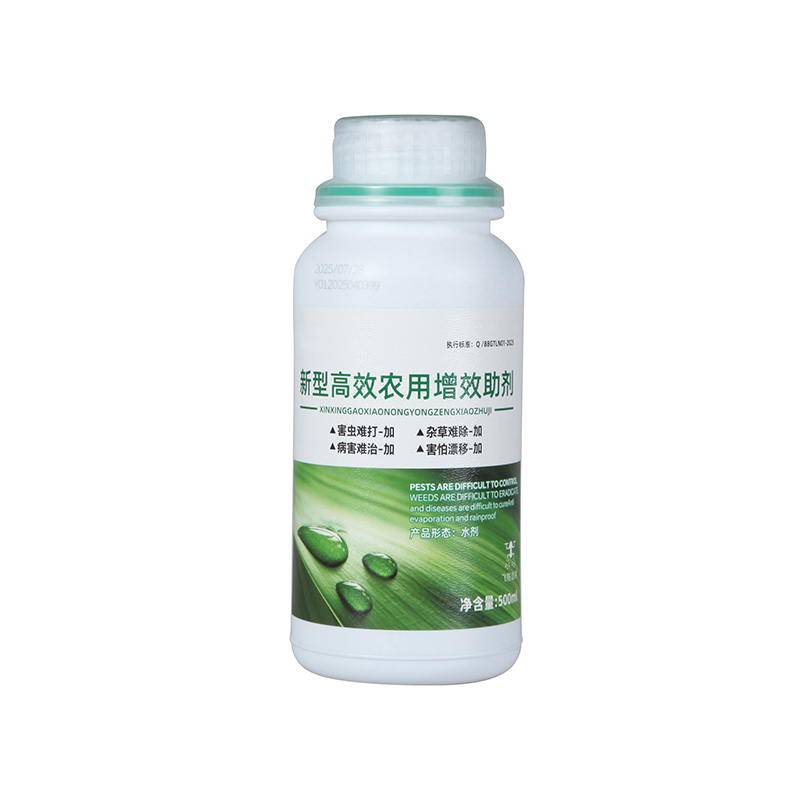
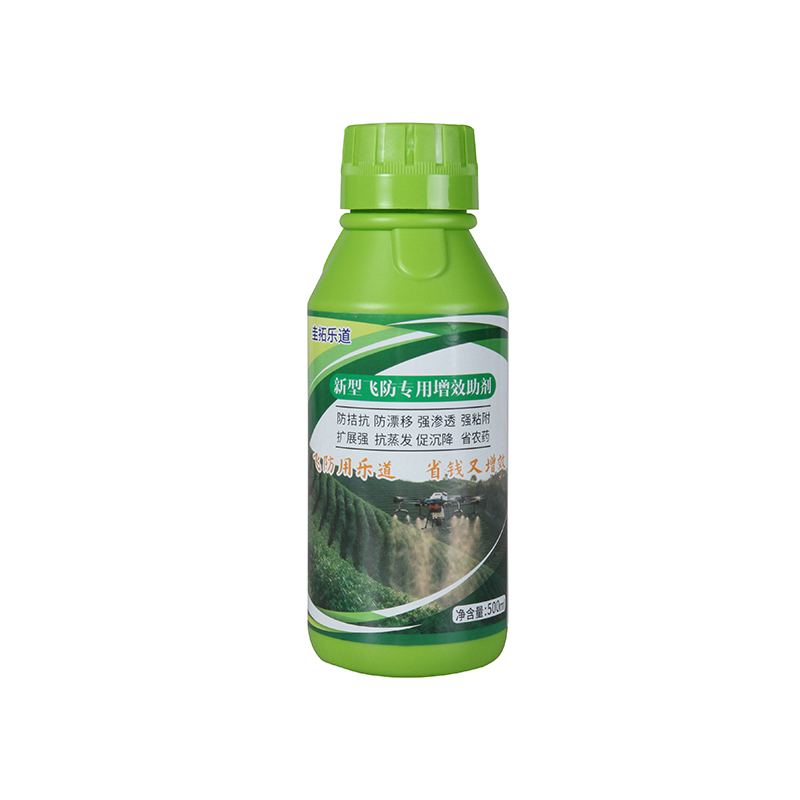
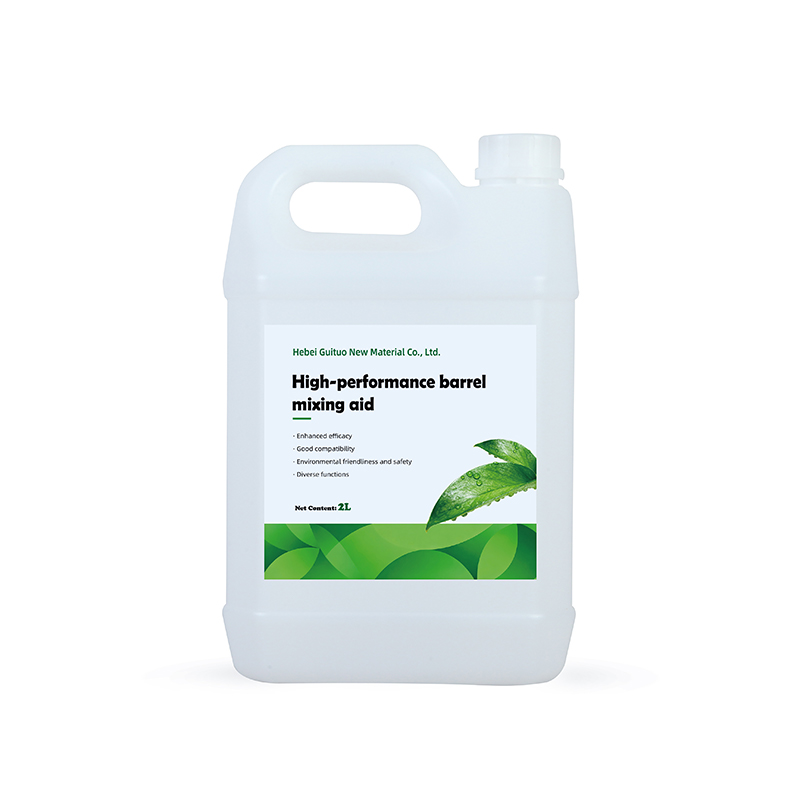
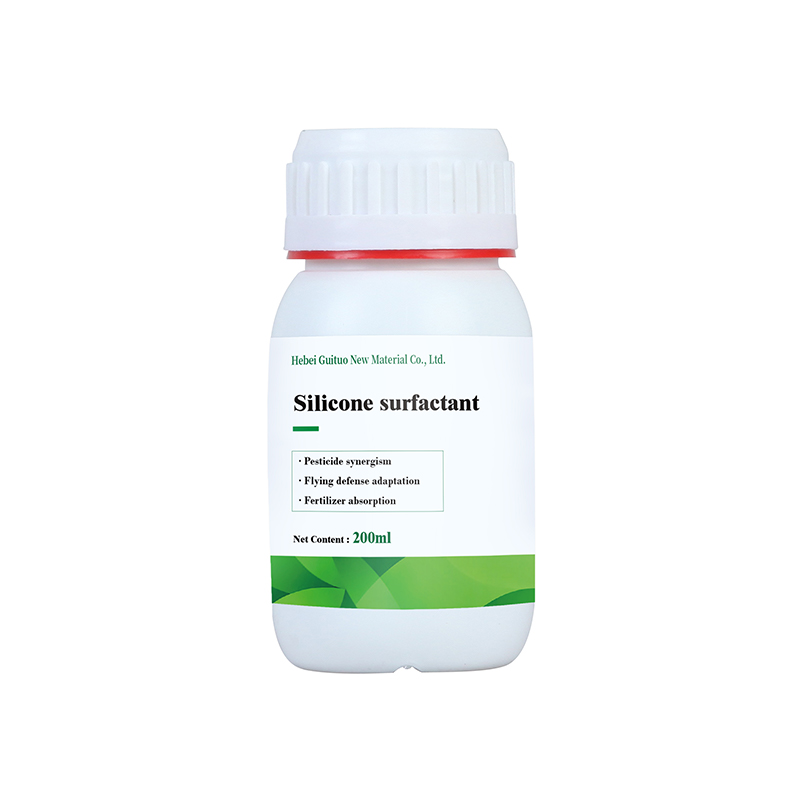
Product: Agricultural Organosilicone Adjuvant


Contact Information
Tel : +86-400-138-5268
Email : [email protected]
Phone : +86-15128434888 / +86-13511051998
Add : Xinqiao Environmental Protection Industrial Park, Wen'an County, Langfang City, Hebei Province, China
Contact Information
Copyright © Hebei Guituo New Material Co., Ltd. All Rights Reserved.
