

 English
 Français
 Português

 Home / Author / Li Mei, Product Sales Specialist (Agricultural Silicone Products) / High-Efficiency Agricultural Silicone Adjuvants for Better Spray Coverage and Crop Protection
High-Efficiency Agricultural Silicone Adjuvants for Better Spray Coverage and Crop Protection
2026-10-29
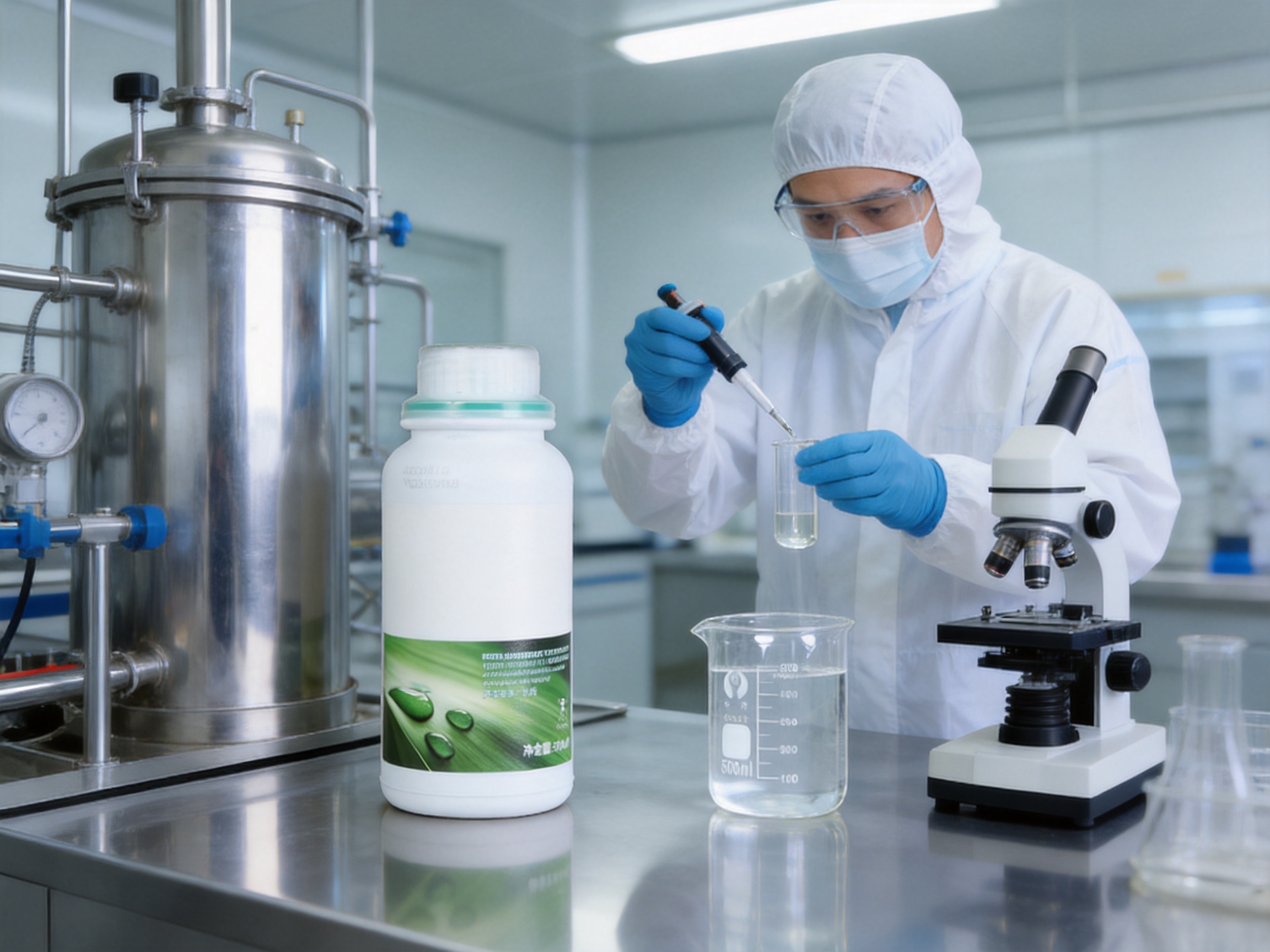
Modern crop protection depends not only on the quality of an active ingredient, but also on how efficiently that ingredient reaches, adheres to, penetrates, and remains on the plant. Even a highly effective pesticide can deliver disappointing results when spray droplets bead on waxy leaves, run off before absorption, evaporate too quickly, or fail to reach protected areas of the crop canopy. Agricultural silicone adjuvants are designed to address these application challenges.
New High-Efficiency Agricultural Enhancing Adjuvant GT-1000 is a polyether-modified trisiloxane agricultural synergist developed to improve the performance of pesticide and fertilizer applications. It reduces spray surface tension, promotes rapid spreading, supports penetration into plant tissues, improves adhesion, and helps reduce losses caused by runoff. With a surface tension of less than 20.5 mN/m at a 0.1% concentration, GT-1000 is engineered to help spray droplets cover more of the target surface with less liquid waste.
The product is suitable for use with many herbicides, insecticides, fungicides, plant nutrition products, and fertilizer programs, subject to compatibility testing and applicable local regulations. It is designed for field crops, fruits and vegetables, cash crops, greenhouse production, and other professional agricultural applications where uniform coverage and efficient absorption are important.
In addition to its agricultural performance, GT-1000 reflects the manufacturing capabilities of Hebei Guituo New Material Co., Ltd., a high-technology enterprise specializing in silicone materials, surfactants, wetting agents, modified silicone oils, defoamers, and related functional additives. The company combines research and development, controlled production, precision testing, technical support, and customized supply services to provide stable materials for customers in China and overseas markets.
Why Agricultural Spray Performance Depends on Adjuvants
A spray solution must overcome several natural and environmental barriers before a pesticide or fertilizer can perform effectively. Plant leaves are often covered by waxes, hairs, ridges, and uneven surfaces that resist water-based formulations. A spray droplet with high surface tension tends to form a bead rather than spread evenly. When this happens, only a small area of the leaf receives the treatment, while the remaining liquid may roll away or remain exposed to evaporation.
Water quality, temperature, humidity, wind, application volume, and crop structure can create additional challenges. Hard water may affect formulation stability. Low humidity can accelerate evaporation. Wind can move fine droplets away from their intended target. Dense foliage may shield the underside of leaves, while pests and fungal pathogens may remain hidden in narrow plant spaces.
An agricultural adjuvant does not replace the registered pesticide or fertilizer. Instead, it improves the physical behavior of the spray mixture and helps the active ingredient reach the target more efficiently. Depending on its chemistry, an adjuvant may provide one or more of the following functions:
• Reduction of surface tension.
• Faster and more uniform spreading.
• Improved wetting of waxy or hairy leaves.
• Better adhesion and rainfastness.
• Enhanced penetration into plant tissues.
• More consistent coverage at lower spray volumes.
• Reduced loss from runoff and uneven deposition.
GT-1000 combines these functions in a silicone-based synergist designed for agricultural tank-mix applications. Its polyether-modified trisiloxane structure allows the product to act at the interface between the spray liquid and the plant surface. By changing the behavior of the droplet, the adjuvant helps the spray make closer and more uniform contact with the crop.
Product Profile of GT-1000
GT-1000 is described as a new high-efficiency agricultural enhancing adjuvant. Its main chemical identity is a silicone surfactant based on polyether-modified trisiloxane technology. This type of organosilicone material is valued for its ability to reduce surface tension at low use concentrations and improve wetting across difficult plant surfaces.
| Product characteristic | Specification |
|---|---|
| Product model | GT-1000 |
| Product name | New High-Efficiency Agricultural Enhancing Adjuvants |
| CAS number | 27306-78-1 |
| EINECS number | 608-078-3 |
| Purity | 99.8% |
| Synonyms | Silicone surfactant; polyether-modified trisiloxane |
| Viscosity at 25°C | 30–50 mm²/s |
| Surface tension at 0.1% by weight | Less than 20.5 mN/m |
| Cloud point at 1.0% by weight | Not more than 35°C |
| pH value of 1% aqueous solution at 25°C | 6.5–7.5 |
The balanced pH range of a one-percent aqueous solution helps support practical formulation and tank-mixing requirements. Its controlled viscosity allows convenient handling and metering, while the high stated purity supports consistent performance from batch to batch. The product should nevertheless be evaluated with each partner formulation, crop, water source, and application method before commercial-scale use.
GT-1000 can be supplied for professional agricultural programs in different packaging configurations. Small packs may be used for sampling and trial plots, while larger packs are suitable for routine farm operations and distributor supply. OEM and customized packaging services are also available for qualified customers.
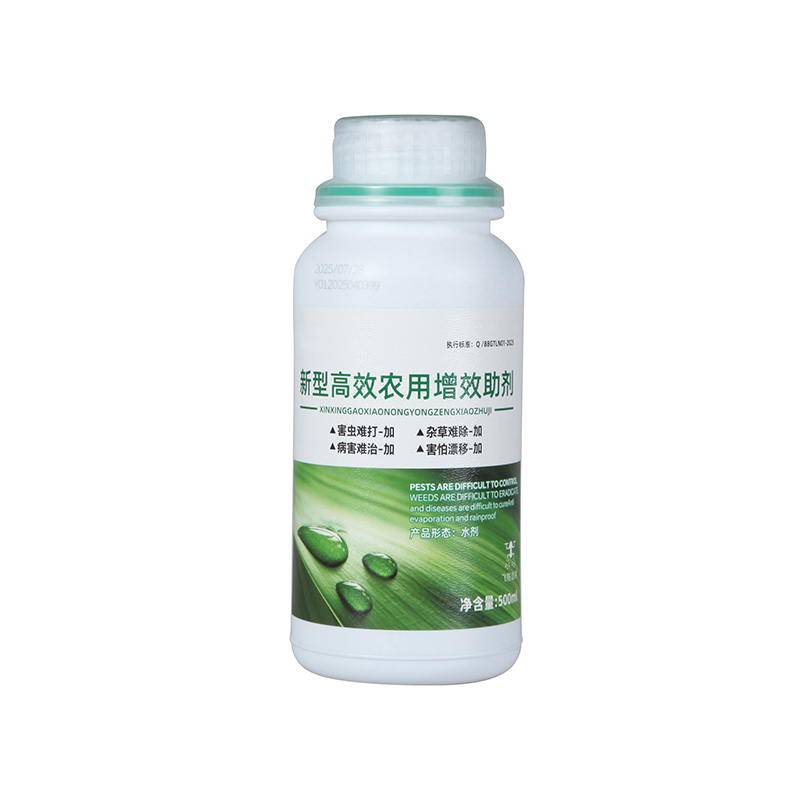
New High-Efficiency Agricultural Enhancing Adjuvants
How GT-1000 Improves Spray Coverage
Reducing Surface Tension
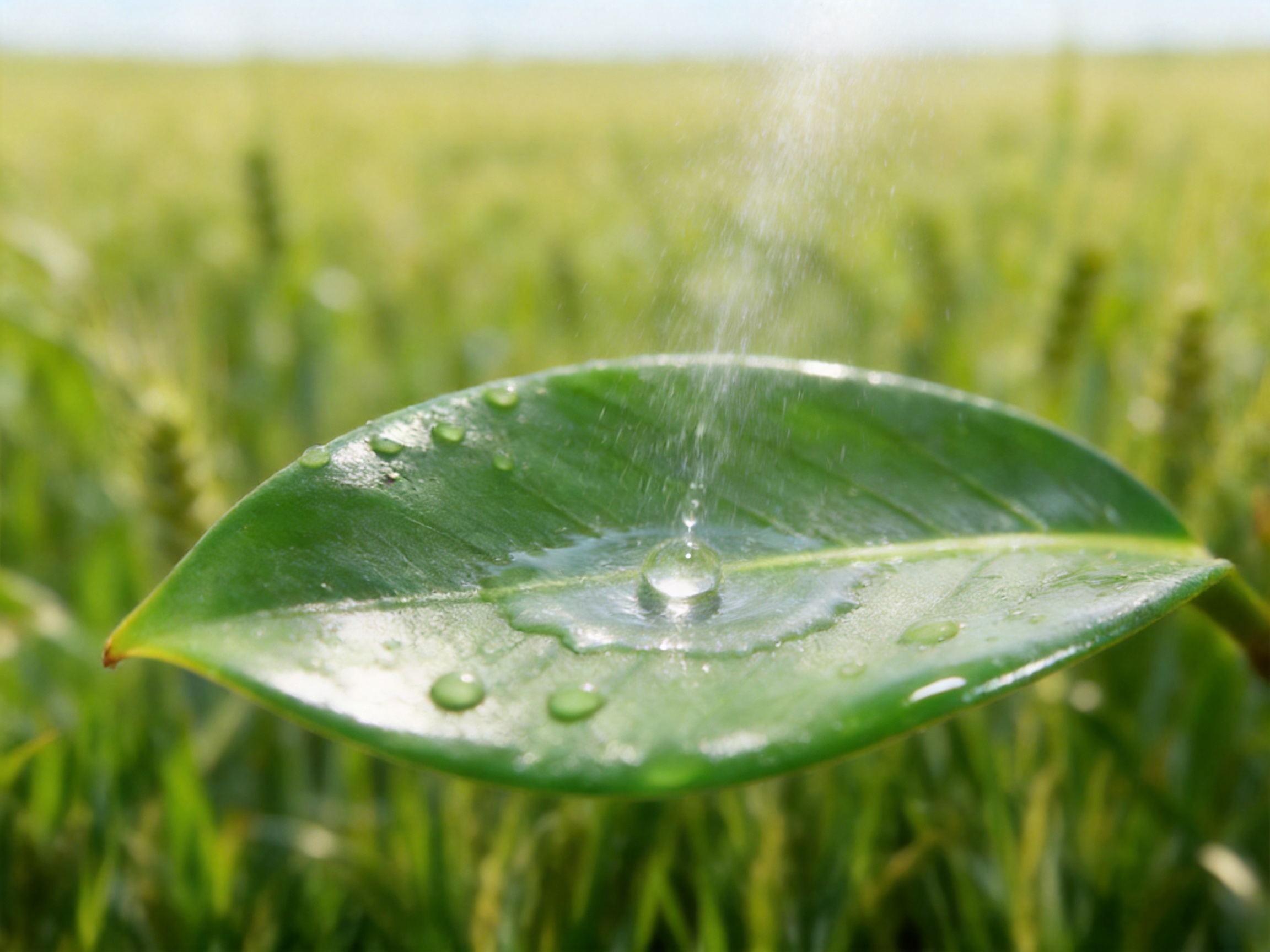
Surface tension is one of the most important physical properties affecting spray behavior. Plain water has relatively high surface tension, so a droplet tends to hold a rounded shape after contacting a leaf. On a smooth, waxy surface, the droplet may remain suspended as a bead or slide away under gravity. This reduces the area available for transfer of the active ingredient.
When GT-1000 is added at a suitable concentration, it reduces the surface tension of the spray solution. The droplet can flatten and spread across a larger area of the leaf. Better spreading improves contact between the spray and the plant surface, which helps reduce untreated gaps and uneven deposits.
The measured surface tension of less than 20.5 mN/m at 0.1% by weight indicates strong wetting performance. Actual field performance will depend on the formulation, application rate, water quality, crop variety, leaf condition, temperature, and humidity. However, the low surface tension profile provides a technical basis for improved coverage compared with untreated water or unsuitable conventional wetting systems.
Improving Wetting on Difficult Leaf Surfaces
Different crops present different wetting challenges. Corn, cotton, cabbage, rice, sugarcane, and many other crops may have waxy leaves or surface structures that make uniform coverage difficult. Hairy leaves can hold droplets above the actual leaf surface. Some leaves are angled or folded, creating areas that are easily missed during spraying.
GT-1000 helps the spray solution move across these surfaces rather than remaining concentrated in isolated beads. More uniform wetting can be particularly valuable when the pesticide must make contact with a broad surface area, such as in protectant fungicide applications or herbicide programs targeting dense weed growth.
Improved wetting does not mean that every application problem is eliminated. No adjuvant can compensate for an incorrect nozzle, unsuitable spray pressure, poor timing, insufficient water volume, or inadequate targeting. GT-1000 should therefore be used as part of a complete spray program that includes correct equipment calibration and label compliance.
Supporting Rapid Penetration
After a droplet has spread, the active ingredient must be absorbed or otherwise retained at the target site. A suitable organosilicone adjuvant can help reduce the time required for a spray solution to move across the leaf surface and enter plant tissue. The supplied technical material describes penetration times of approximately five seconds under certain test conditions.
This type of rapid action may be beneficial when weather conditions could interrupt the application. Faster movement into or across the plant surface can reduce the period during which the active ingredient is exposed to rain, wind, or mechanical disturbance. The actual absorption rate will vary according to the active ingredient, formulation type, crop species, leaf age, environmental conditions, and application rate.
GT-1000 is therefore best understood as a penetration and spreading aid rather than an independent crop protection product. It supports the delivery of a registered active ingredient, but it does not provide the pesticidal activity itself.
Improving Adhesion and Rainfastness
Rain shortly after spraying can remove part of a treatment before the active ingredient has had enough time to dry or penetrate. This is a common concern in regions with frequent rainfall, sudden storms, or irrigation systems that wet the foliage soon after application.
By improving the way droplets spread and form a film on the leaf, GT-1000 can contribute to stronger adhesion and improved resistance to rain wash-off. The product material indicates that the treatment duration may be extended by more than 30% in comparison trials and that persistence may increase by approximately two to three days under certain conditions. These figures should be treated as performance references rather than universal guarantees, because rainfastness depends heavily on the partner pesticide, drying time, rainfall intensity, crop surface, and local climate.
Better adhesion may also help reduce the amount of spray lost through bouncing or runoff. This can improve the consistency of the deposit and help keep more of the active ingredient in the intended treatment zone.
Benefits for Different Agricultural Programs
Herbicide Applications
Herbicides must often cover a large amount of leaf area, especially when targeting mature or difficult-to-control weeds. Plants such as reed and alligator weed may have strong growth habits, protective leaf surfaces, or dense stands that make treatment difficult. A silicone synergist can improve droplet spreading and help the herbicide contact more of the target plant.
GT-1000 may be considered for herbicide programs where better wetting, more even coverage, or improved retention is needed. The adjuvant can be especially useful when weeds have waxy leaves, when spray volumes are low, or when the target is difficult to reach. Product compatibility and the registered herbicide label should always be reviewed before use.
Insecticide Applications
Many insect pests remain on the underside of leaves, inside dense canopies, or in protected plant structures. Aphids, whiteflies, leafhoppers, scales, thrips, spider mites, and chewing pests may not be controlled effectively when spray deposits are uneven.
By increasing contact area and improving spreading, GT-1000 may help the spray reach more of the plant surface. Better coverage can support more consistent contact with exposed pests and can improve the distribution of systemic or translaminar products when the partner formulation is designed for that type of movement.
An adjuvant cannot overcome every biological limitation. Pest life stage, resistance, population density, timing, and active ingredient selection remain important. Nevertheless, better application efficiency can help the selected pesticide perform closer to its intended potential.
Fungicide Applications
Fungal diseases such as powdery mildew can develop across broad leaf surfaces and may spread rapidly under favorable environmental conditions. Protectant fungicides require an even film to provide effective coverage. Gaps in the spray deposit may leave parts of the leaf exposed.
GT-1000 helps promote uniform spreading and adhesion, which may support more complete surface coverage. It can be used as a tank-mix partner with suitable fungicides after jar testing, crop safety evaluation, and confirmation of the registered application instructions.
Fertilizer and Plant Nutrition Programs
In addition to pesticide applications, agricultural silicone adjuvants may be used in selected fertilizer and foliar nutrition programs. The product description indicates that GT-1000 helps reduce barriers to solution movement and supports the delivery of nitrogen, phosphorus, potassium, and other nutrients toward the plant or root zone.
When used in soil-directed or foliar applications, the adjuvant may help improve wetting and distribution. More uniform moisture and nutrient contact can reduce localized concentration and improve the efficiency of the application. The result depends on the nutrient source, soil structure, crop growth stage, irrigation, and environmental conditions.
Users should not assume that an adjuvant automatically increases nutrient uptake in every situation. Nutrient balance, pH, salt concentration, soil fertility, and application timing must still be managed according to agronomic recommendations.
Advantages Compared with Conventional Wetting Systems
GT-1000 offers several potential advantages compared with untreated water or basic wetting products that do not provide the same organosilicone surface activity.
| Performance area | Untreated or poorly optimized spray | Potential contribution of GT-1000 |
|---|---|---|
| Droplet behavior | Droplets remain rounded and may bounce or run off | Lower surface tension promotes flattening and spreading |
| Leaf coverage | Patchy deposits and untreated spaces | More uniform contact across the plant surface |
| Waxy leaves | Weak wetting and limited contact area | Improved wetting of difficult surfaces |
| Rain exposure | Treatment may be washed away before absorption | Stronger adhesion and faster movement into the target surface |
| Low-volume spraying | Each droplet carries greater importance and missed areas are more significant | Improved spreading and deposition efficiency |
| Application frequency | Repeated applications may be required when coverage is inconsistent | Better use of the partner product may support longer-lasting control |
| Resource use | More product may be lost through runoff or poor distribution | Greater spray efficiency can help reduce avoidable waste |
One important competitive advantage is the combination of low surface tension, controlled viscosity, near-neutral pH, and high purity in one agricultural additive. Another advantage is the product’s broad application potential. It can be evaluated with herbicides, insecticides, fungicides, and fertilizer programs instead of being limited to one crop protection category.
The product also benefits from a technical supply model. Customers can request product data, samples, packaging options, and application guidance. This is important for distributors, agrochemical formulators, contract manufacturers, and commercial growers who need more than a generic additive.
Performance should always be compared through controlled trials. A fair comparison should use the same active ingredient, application volume, nozzle, water source, weather conditions, crop stage, and evaluation method. This allows the contribution of the adjuvant to be distinguished from other factors.
Application and Tank-Mixing Guidance
Review the Partner Product Label
GT-1000 is a tank-mix adjuvant and not a replacement for a pesticide, fungicide, herbicide, or fertilizer. Before mixing, users should read the label of the partner product and confirm that an organosilicone adjuvant is permitted. The registered rate of the crop protection product must not be reduced unless this is specifically allowed by applicable regulations and technical recommendations.
Perform a Jar Test
A small jar test is recommended before preparing a full tank. Use the same water source and proportional concentrations that will be used in the field. Add the products in the intended order and observe the mixture for separation, clumping, excessive foam, sediment, heat generation, or other signs of incompatibility.
A jar test only evaluates physical compatibility. It does not confirm crop safety, biological performance, or legal approval. A small plot trial is still recommended before applying the mixture across a large production area.
Use the Correct Mixing Order
Mixing order depends on the partner products, but a common procedure is to fill the tank partially with clean water, begin agitation, add water-dispersible or water-soluble products, add suspension concentrates or emulsifiable products according to their labels, and add the adjuvant at the recommended stage. The specific directions of the pesticide or fertilizer manufacturer should take priority.
GT-1000 should be measured accurately. Overdosing does not necessarily improve performance and may increase the risk of crop sensitivity, excessive wetting, foam, or formulation instability. The recommended concentration should be determined through technical guidance and field testing.
Consider Water Quality and Weather
Water hardness, pH, temperature, and dissolved salts can affect tank-mix behavior. When water quality is uncertain, a water analysis or additional compatibility test may be helpful. Spraying should be conducted under conditions that allow the droplets to reach the target with limited evaporation and drift.
Wind speed, humidity, temperature, crop moisture, and rainfall forecasts should be considered. An adjuvant may improve adhesion and rainfastness, but it should not be viewed as permission to spray immediately before heavy rainfall or under unsafe wind conditions.
Begin with a Trial Plot
A trial plot should include treated and untreated comparison areas, or a comparison between the standard adjuvant and GT-1000. Record the crop variety, growth stage, target pest or disease, application volume, nozzle type, weather, mixing rate, and evaluation date.
Useful measurements may include visual coverage, pest mortality, disease severity, weed control, crop response, rainfall after application, and the number of repeat applications required. These records help customers determine the most suitable use pattern for their own conditions.
Use in Drone and Low-Volume Spraying
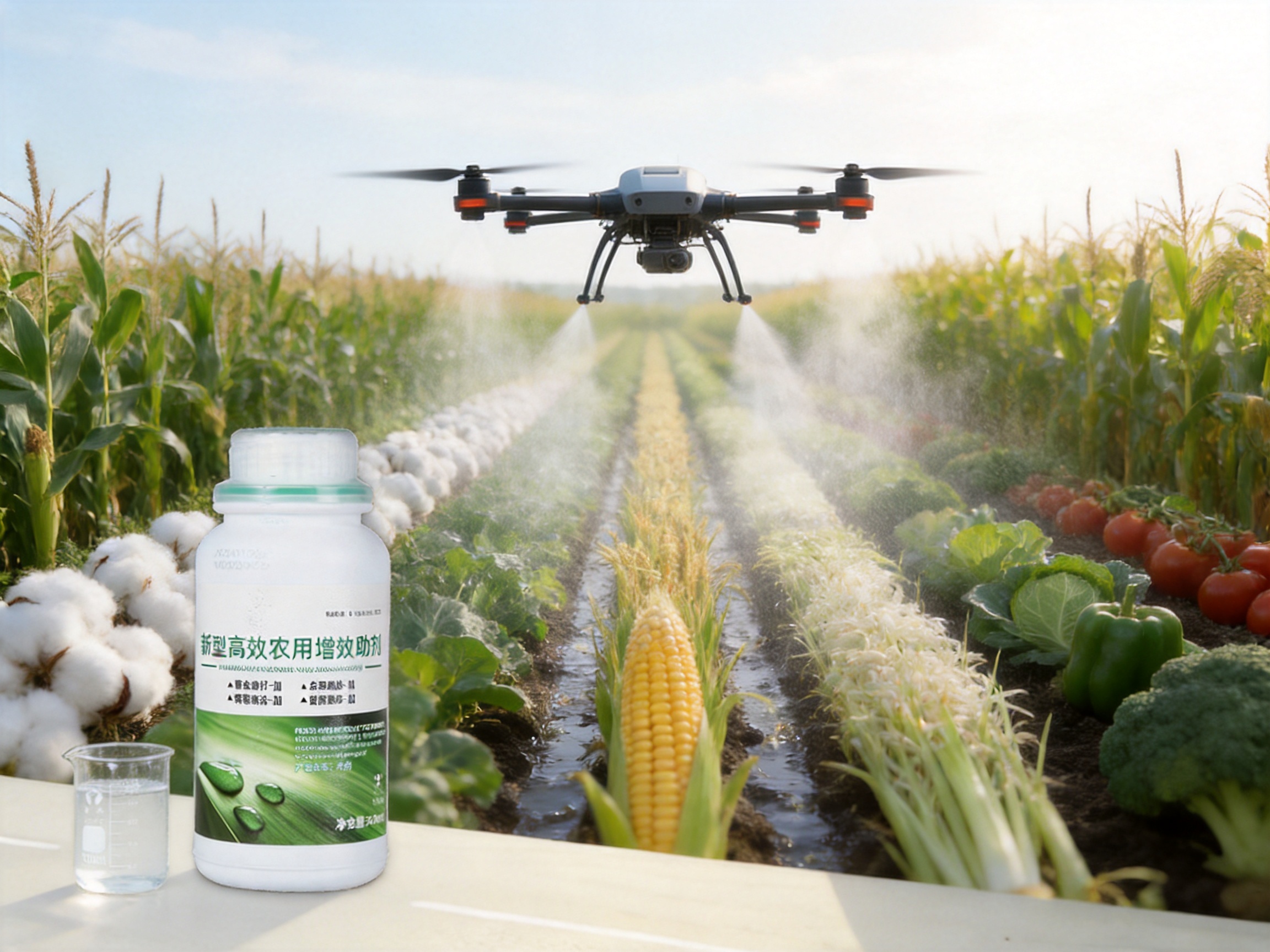
Unmanned aerial vehicles and other low-volume application systems deliver relatively small quantities of water over a large area. Under these conditions, every droplet must be used efficiently. Poor spreading, evaporation, or drift can cause a significant reduction in the amount of active ingredient reaching the crop.
GT-1000 may support low-volume application programs by improving droplet wetting and surface contact. Its functions may be evaluated in relation to penetration, evaporation control, drift management, adhesion, water quality tolerance, and overall spray efficacy.
Drone spraying requires careful attention to droplet size and flight conditions. If droplets are too large, they may fail to cover the crop uniformly. If droplets are too small, they may evaporate or drift before reaching the target. The adjuvant can influence the physical behavior of the spray, but nozzle selection, flight height, speed, weather, and application volume remain essential.
Drone operators should conduct local testing and follow aviation, pesticide, and environmental regulations. The use of GT-1000 should be integrated into a complete application plan rather than treated as a substitute for proper drone calibration.
Manufacturing Strengths and Quality Control
The performance of an agricultural adjuvant depends on more than its chemical name. Consistent raw materials, controlled reaction conditions, accurate blending, effective purification, and reliable packaging all influence the final product. Variations in molecular structure or impurity levels can affect surface tension reduction, viscosity, cloud point, compatibility, and storage stability.
Hebei Guituo New Material Co., Ltd. has established a production and quality assurance system for silicone-based materials and functional additives. The company combines modern production equipment with precision testing facilities to monitor products from raw material selection through finished-product delivery.
Research and Development
The company focuses on the development and application of high-end silicone materials for industrial and agricultural uses. Its technical work covers silicone additives, wetting agents, modified silicone oils, dimethyl silicone oils, surfactants, defoamers, and related products.
This product diversity supports formulation knowledge across multiple application areas. Agricultural adjuvants must often be evaluated alongside emulsifiers, solvents, dispersants, salts, fertilizers, and active ingredients. Experience with different silicone and surfactant systems helps the company respond to compatibility and performance requirements.
Controlled Production
Manufacturing processes are organized to support stable product quality and reliable supply. Controlled production conditions help maintain the intended chemical structure and physical properties of the adjuvant. Important quality characteristics may include purity, viscosity, surface tension, pH, cloud point, appearance, and storage behavior.
Consistent process control is particularly important for overseas customers and agrochemical formulators who require repeatable performance in their own products. A stable additive reduces the need to reformulate each batch and helps customers maintain consistent application results.
Testing and Traceability
Precision testing facilities allow product properties to be checked against technical specifications. Testing may include chemical identity, purity, surface activity, viscosity, pH, and compatibility indicators. Maintaining records across production batches supports traceability and helps technical teams investigate customer questions.
The stated GT-1000 specification includes a purity of 99.8%, viscosity of 30–50 mm²/s at 25°C, surface tension below 20.5 mN/m at 0.1% by weight, a cloud point of no more than 35°C at 1.0% by weight, and a pH range of 6.5–7.5 for a one-percent aqueous solution at 25°C.
Technical and Custom Supply
Different customers may require different packaging, labeling, concentrations, delivery formats, or application support. The company accepts OEM and ODM orders and can support both small-pack trials and larger commercial programs.
For customers evaluating GT-1000, technical support may include a product data sheet, sample supply, packaging discussion, mixing guidance, and trial planning. This service is valuable for agricultural distributors, pesticide manufacturers, fertilizer companies, crop consultants, and professional farms.
The company’s supply network supports customers in China and overseas markets, including Europe and Southeast Asia. Its product portfolio and manufacturing structure allow it to serve customers seeking agricultural additives as well as silicone materials for textiles, electronics, daily chemicals, and other industrial applications.
Environmental and Resource-Efficiency Considerations
Improving spray efficiency can support more responsible use of agricultural inputs. When a treatment spreads more uniformly and remains on the target surface, less material may be lost through runoff, bounce, or uneven deposition. If the partner pesticide performs more effectively, growers may be able to reduce unnecessary repeat applications while maintaining an appropriate control program.
These benefits should be measured rather than assumed. Environmental performance depends on the active ingredient, application rate, crop system, soil conditions, weather, and local management practices. GT-1000 is an adjuvant intended to improve application efficiency; it is not a substitute for integrated pest management or careful chemical stewardship.
The product description identifies the formulation as biocompatible and designed to reduce damage to crops and soil. Crop safety must still be confirmed through local testing, especially on sensitive varieties, young plants, stressed crops, and under high-temperature conditions.
Integrated pest management programs may benefit from improved spray efficiency because they aim to use chemical tools precisely and only when needed. Better coverage can complement scouting, threshold-based decisions, resistant varieties, biological controls, cultural practices, and rotation of modes of action.
Crop and Target Applications
GT-1000 may be evaluated in a wide range of agricultural scenarios. Potential crop groups include cotton, corn, rice, sugarcane, cabbage, bok choy, fruit crops, vegetable crops, and other field or cash crops. Application suitability should be confirmed for each crop and partner formulation.
| Application group | Examples | Potential adjuvant contribution |
|---|---|---|
| Sap-sucking pests | Aphids, whiteflies, leafhoppers, scales, thrips | Improved spreading and coverage across leaf surfaces |
| Mites and chewing pests | Spider mites and beet armyworm | More uniform contact with exposed plant areas |
| Fungal diseases | Powdery mildew and other surface diseases | More even protective film formation |
| Field crops | Cotton, corn, rice, sugarcane | Improved wetting across large crop areas |
| Vegetables | Cabbage, bok choy, and related crops | Better coverage of waxy or folded leaves |
| Herbicide programs | Reed, alligator weed, and other difficult weeds | Enhanced spreading and retention on target weeds |
| Fertilizer programs | Foliar or soil-directed nutrient applications | Improved distribution and contact with plant or soil surfaces |
The best results are usually achieved when the adjuvant is selected according to the actual problem. For example, a waxy leaf may require improved wetting, while a rainy climate may place greater emphasis on adhesion and rainfastness. Low-volume drone spraying may require attention to drift and evaporation, while dense foliage may require improved coverage and penetration.
Packaging, OEM, and Supply Options
Small and large agricultural operations have different purchasing requirements. Trial users may need a small bottle for evaluation, while distributors and commercial farms may require larger packs for repeated applications. GT-1000 can be supplied in small-pack and bulk formats, subject to the customer’s order requirements.
OEM packaging is available for qualified partners that need their own labels, product names, or market-specific presentation. ODM cooperation may also be considered where customers require assistance with product positioning, formulation development, packaging design, or application targeting.
Proper packaging protects the product during transport and storage. Customers should keep containers closed, protect them from excessive heat and freezing conditions, and follow the supplier’s storage recommendations. Before commercial use, the technical data sheet and safety documentation should be reviewed.
Frequently Asked Questions
What is GT-1000?
GT-1000 is a high-efficiency agricultural silicone synergist based on polyether-modified trisiloxane technology. It is used as an adjuvant with suitable pesticide, fungicide, herbicide, or fertilizer products to improve spreading, wetting, adhesion, and penetration.
Does GT-1000 replace a pesticide?
No. GT-1000 is not a stand-alone pesticide, fungicide, herbicide, or insecticide. It is a tank-mix partner that helps the registered agricultural product reach and remain on the target more effectively.
How does GT-1000 improve pesticide performance?
It reduces the surface tension of the spray solution, allowing droplets to spread more evenly over plant surfaces. It may also improve wetting, adhesion, rainfastness, and movement into plant tissues. The final result depends on the partner product and field conditions.
Can GT-1000 be used with all pesticides?
Compatibility varies between formulations. A jar test, label review, and small plot trial should be completed before large-scale use. Customers should consult the technical team and follow the instructions of the pesticide manufacturer.
Can it be used with herbicides?
Yes, GT-1000 can be evaluated with suitable herbicides, including programs targeting difficult weeds such as reed and alligator weed. The herbicide label, crop tolerance, weed growth stage, and local regulations must be considered.
Can it be used with fertilizers?
It may be used in selected fertilizer and plant nutrition programs to improve wetting and distribution. Compatibility should be tested because fertilizer salts and concentrated nutrient solutions can affect formulation stability and crop safety.
Is GT-1000 suitable for drone spraying?
GT-1000 may be considered for drone and low-volume spraying because improved droplet spreading and adhesion can help each droplet cover more of the crop. Drone settings, nozzle selection, flight height, weather, and application volume must still be optimized.
How fast does GT-1000 work?
The supplied technical material describes penetration times of approximately five seconds under certain test conditions. Actual performance varies according to crop, active ingredient, formulation, water quality, temperature, humidity, and leaf surface.
Does GT-1000 improve rainfastness?
It can improve adhesion and help reduce wash-off after the spray has been applied. The degree of improvement depends on the partner formulation and the amount and timing of rainfall. It should not be used as a reason to spray immediately before severe weather.
What is the recommended application rate?
The appropriate rate depends on the crop, target, partner product, water volume, and application method. Customers should request technical guidance and conduct a trial rather than applying a universal rate to every situation.
Is GT-1000 environmentally friendly?
The formulation is designed with crop and soil compatibility in mind and may help reduce avoidable pesticide losses by improving application efficiency. Environmental impact depends on the complete spray program, so users should follow local regulations and responsible chemical management practices.
What quality specifications are available?
GT-1000 is specified at 99.8% purity, with a viscosity of 30–50 mm²/s at 25°C, surface tension below 20.5 mN/m at 0.1% by weight, cloud point not above 35°C at 1.0% by weight, and pH 6.5–7.5 for a one-percent aqueous solution at 25°C.
Can samples be requested?
Yes. Small-pack samples can be used for jar testing and trial plots. Customers may contact the supplier for a technical data sheet, sample information, packaging options, and application support.
Does the manufacturer offer OEM service?
Yes. OEM and ODM cooperation is available for qualified customers. The supplier can discuss branded packaging, product presentation, bulk supply, and customized requirements.
Conclusion
GT-1000 is designed to solve one of the most important challenges in modern crop protection: converting a spray mixture into a more uniform, efficient, and durable treatment on the plant. Its polyether-modified trisiloxane chemistry lowers surface tension, improves spreading, supports penetration, and strengthens adhesion. These functions can help address common problems such as beading on waxy leaves, uneven coverage, runoff, rain wash-off, and inefficient use of spray volume.
The product is suitable for evaluation in herbicide, insecticide, fungicide, fertilizer, and low-volume application programs. Its specifications, including high purity, controlled viscosity, low surface tension, balanced pH, and defined cloud point, provide a clear technical foundation for formulation and field testing.
Its competitive value is supported by the manufacturing and technical strengths of Hebei Guituo New Material Co., Ltd. The company offers research and development capability, modern production equipment, quality testing, a broad silicone-material portfolio, OEM and ODM services, and support for domestic and international customers.
For the best results, GT-1000 should be selected according to the specific crop protection challenge, tested with the intended partner product, and applied in accordance with local regulations and professional agronomic recommendations. When integrated into a carefully managed spray program, the product can help growers make better use of each application and move toward more efficient and sustainable crop production.
References
1. Product technical information for GT-1000, New High-Efficiency Agricultural Enhancing Adjuvant.
2. Agricultural spray application principles: droplet formation, wetting, spreading, retention, and deposition.
3. General guidance on pesticide adjuvants and tank-mix compatibility testing.
4. Principles of integrated pest management and responsible pesticide use.
5. Technical literature concerning organosilicone surfactants and polyether-modified trisiloxane adjuvants.
6. Manufacturer-provided information regarding silicone additives, surfactants, modified silicone oils, and agricultural formulation materials.
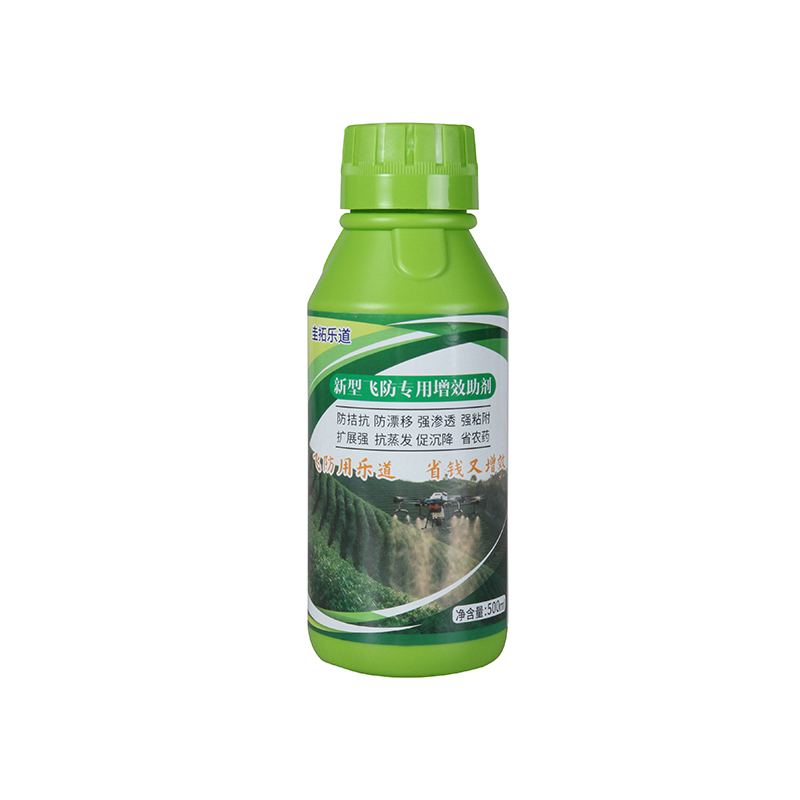
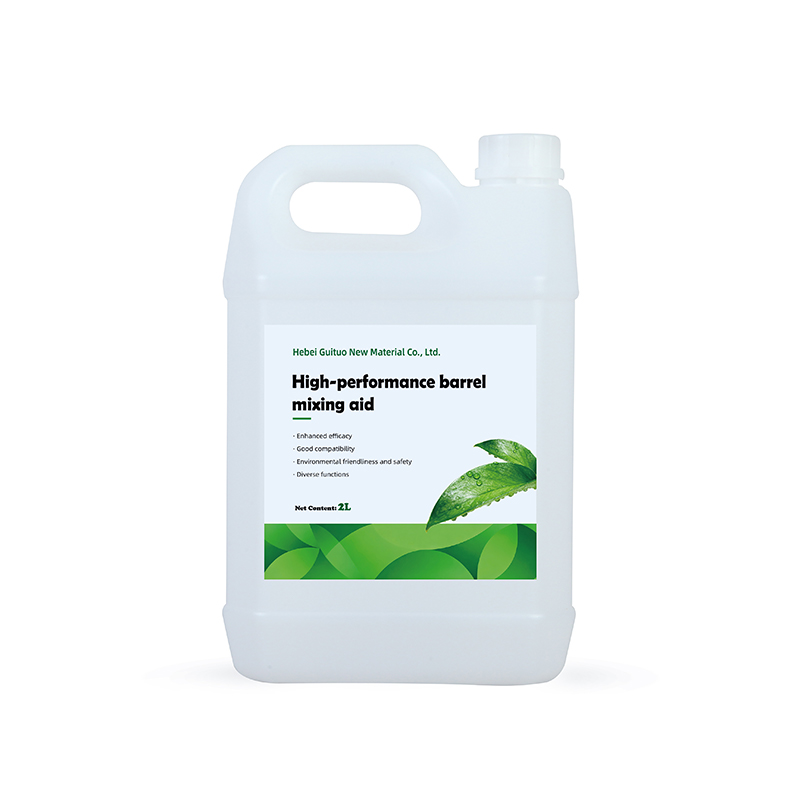
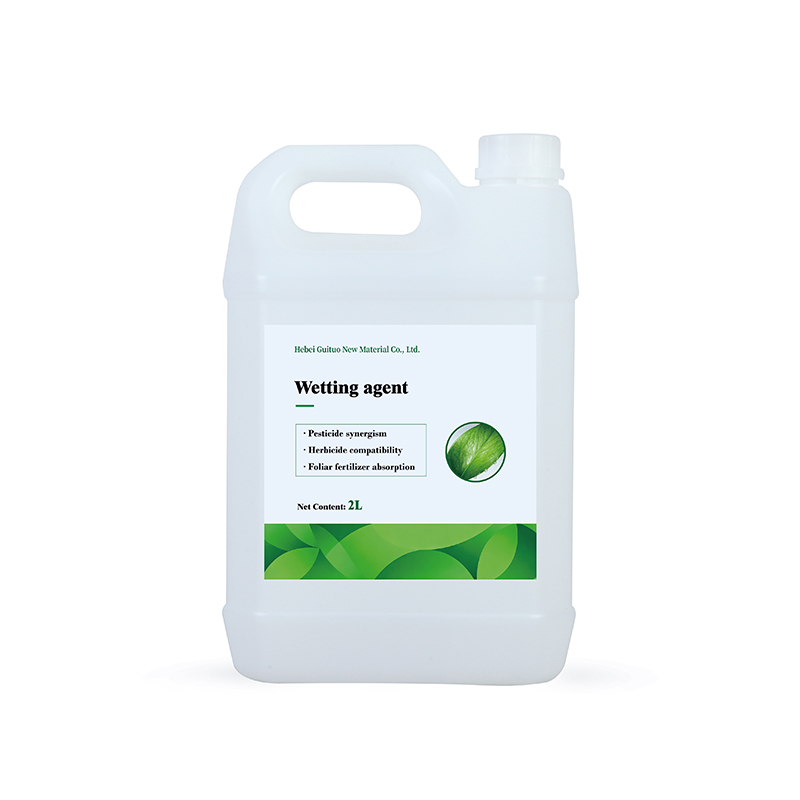
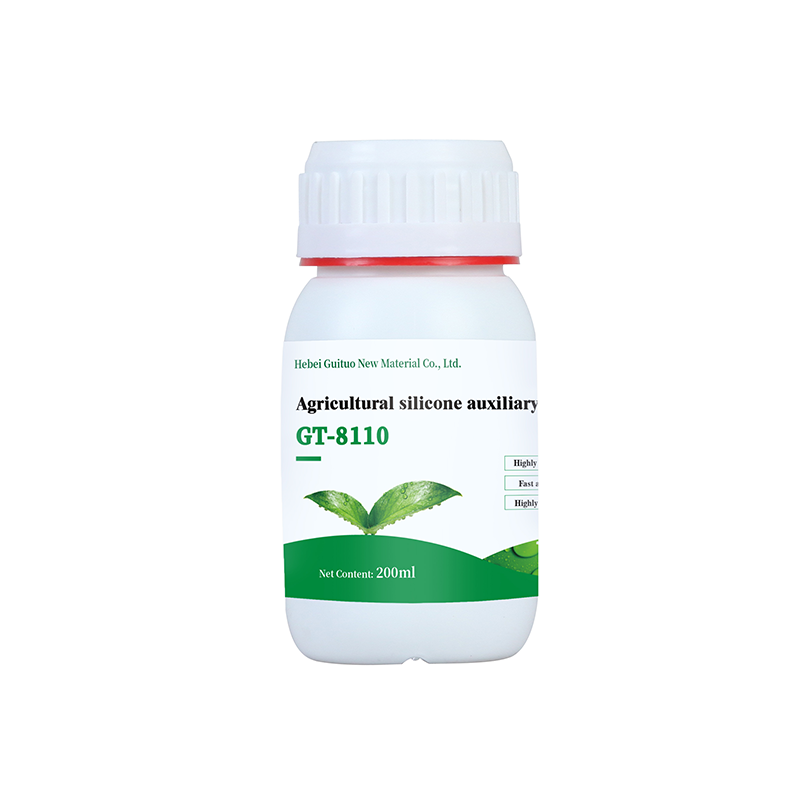
Product: New High-Efficiency Agricultural Enhancing Adjuvants


Contact Information
Tel : +86-400-138-5268
Email : [email protected]
Phone : +86-15128434888 / +86-13511051998
Add : Xinqiao Environmental Protection Industrial Park, Wen'an County, Langfang City, Hebei Province, China
Contact Information
Copyright © Hebei Guituo New Material Co., Ltd. All Rights Reserved.
