

 English
  Français
  Português
 Home / Author / Chen Yuhan, After-sales Coordinator (OEM/ODM Silicone Products) / Revolutionizing Agricultural Efficiency: The Impact of High-Performance Adjuvants on Crop Protection and Yield
 Revolutionizing Agricultural Efficiency: The Impact of High-Performance Adjuvants on Crop Protection and Yield
2026-03-23
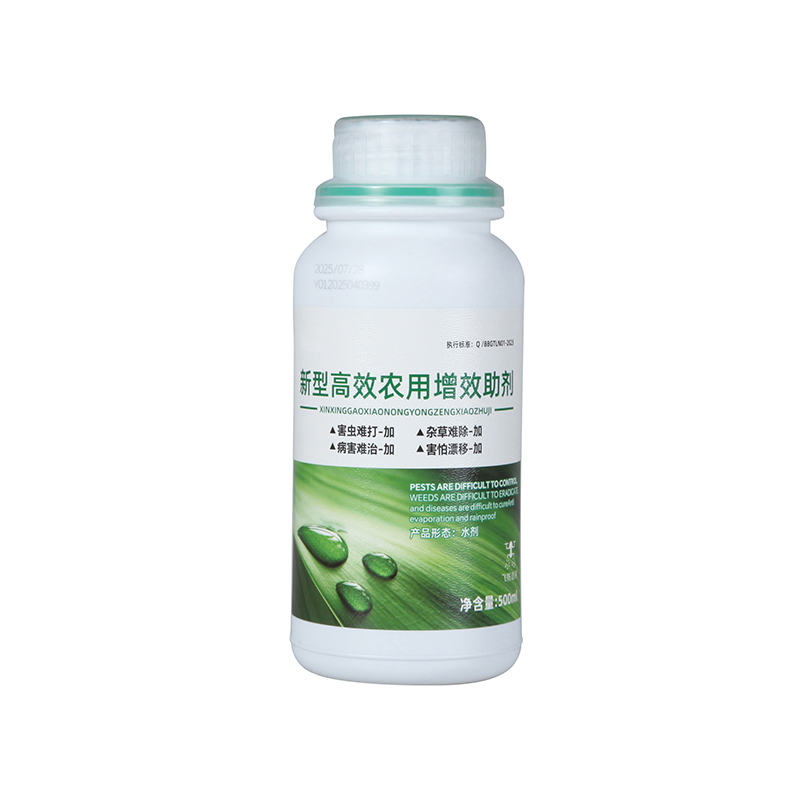
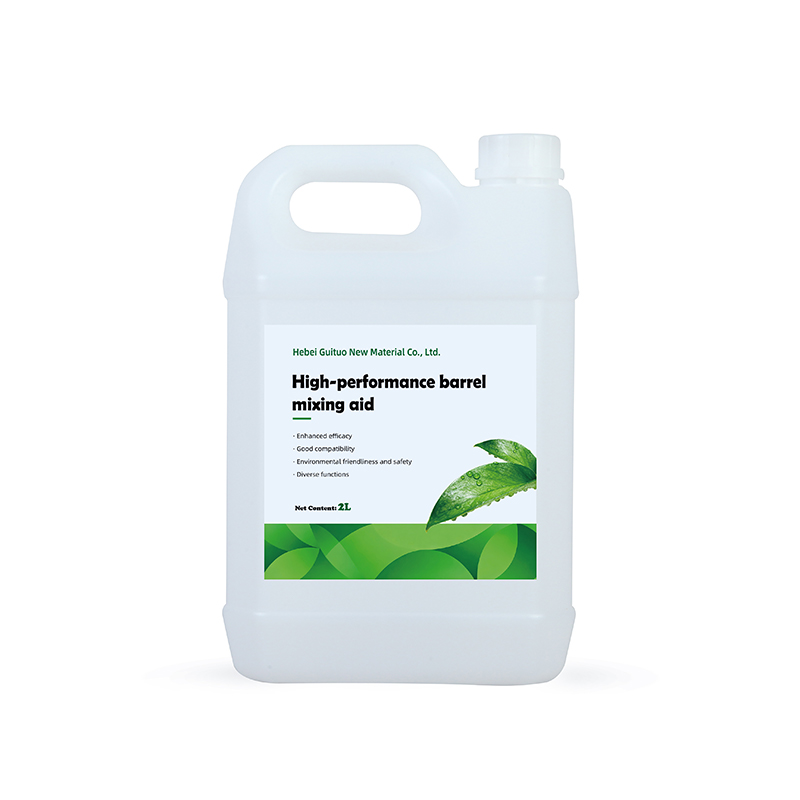
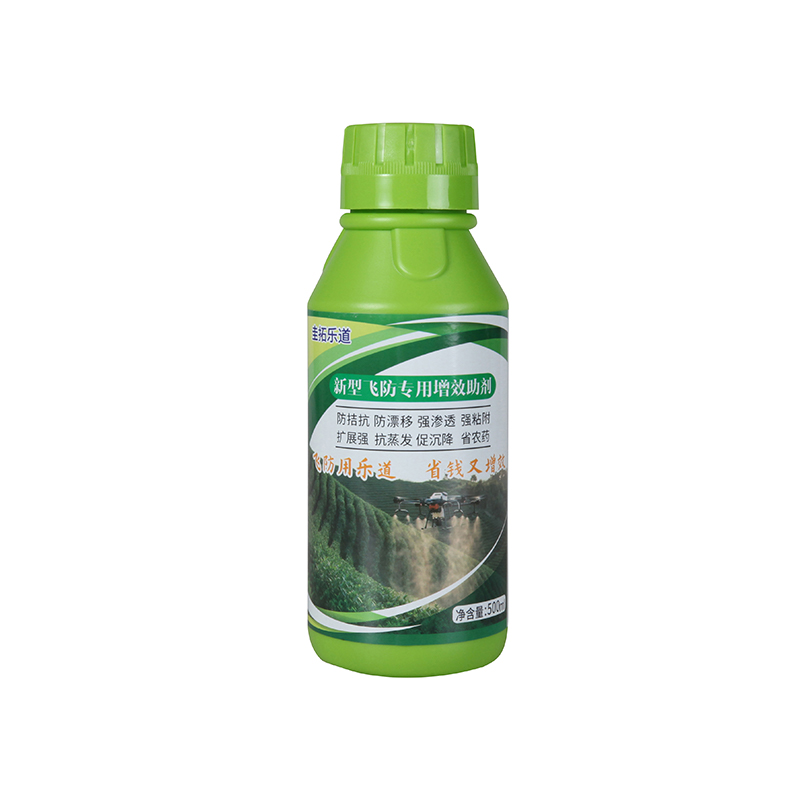
Agriculture stands at a crossroads: feeding a growing global population (projected to reach 9.7 billion by 2050) while minimizing environmental harm, reducing input costs, and adapting to climate change. For decades, pesticides and fertilizers have been critical tools, but their effectiveness is often limited by natural plant barriers (e.g., waxy cuticles), poor droplet adhesion, and inefficient absorption. Enter agricultural enhancing adjuvants—specialized compounds designed to amplify the performance of agrochemicals, turning ordinary applications into extraordinary results. Among these, one product has emerged as a leader in combining efficacy, sustainability, and versatility: the New High-Efficiency Agricultural Enhancing Adjuvant GT-1000. This article explores how GT-1000 is transforming modern farming, its key advantages over competing products, the advanced manufacturing processes that ensure its quality, and real-world impacts on crop health and yield.
What Are Agricultural Enhancing Adjuvants?
Definition and Core Functions
Agricultural enhancing adjuvants are additives that modify the physical and chemical properties of pesticide or fertilizer solutions to improve their performance. Unlike active ingredients (which directly kill pests or nourish plants), adjuvants optimize how agrochemicals interact with plant surfaces, soil, and target organisms. Their core functions include:
- Reducing surface tension: Enabling pesticide droplets to spread evenly across leaf surfaces instead of beading up.
- Enhancing adhesion: Preventing runoff and evaporation, ensuring agrochemicals stay on target.
- Improving penetration: Breaking through plant cuticles to deliver active ingredients to internal tissues.
- Boosting absorption: Ensuring active ingredients are taken up by plant cells or target pests efficiently.
Without adjuvants, up to 60% of applied pesticides can be lost to runoff, evaporation, or failure to penetrate plant tissues, according to a 2022 study in the Journal of Agricultural and Environmental Chemistry (Smith et al.). This inefficiency wastes resources, increases costs, and harms the environment.
Why Modern Agriculture Needs Them
Global agricultural challenges demand more than incremental improvements. Climate change is altering pest and disease patterns (e.g., increasing the spread of fungal pathogens in warmer, wetter regions), while consumers increasingly demand food produced with fewer chemicals. Adjuvants address both issues: by making agrochemicals more effective, farmers can reduce application rates, cut costs, and minimize environmental impact.
A 2023 report from the International Food Policy Research Institute (IFPRI) found that adjuvant use can reduce pesticide runoff by 35% and increase fertilizer uptake by 28%, leading to higher yields and lower ecological harm. GT-1000 takes these benefits to the next level, offering a suite of features that outperform traditional adjuvants.
Unveiling GT-1000: A Game-Changer in Adjuvant Technology
Key Product Specifications
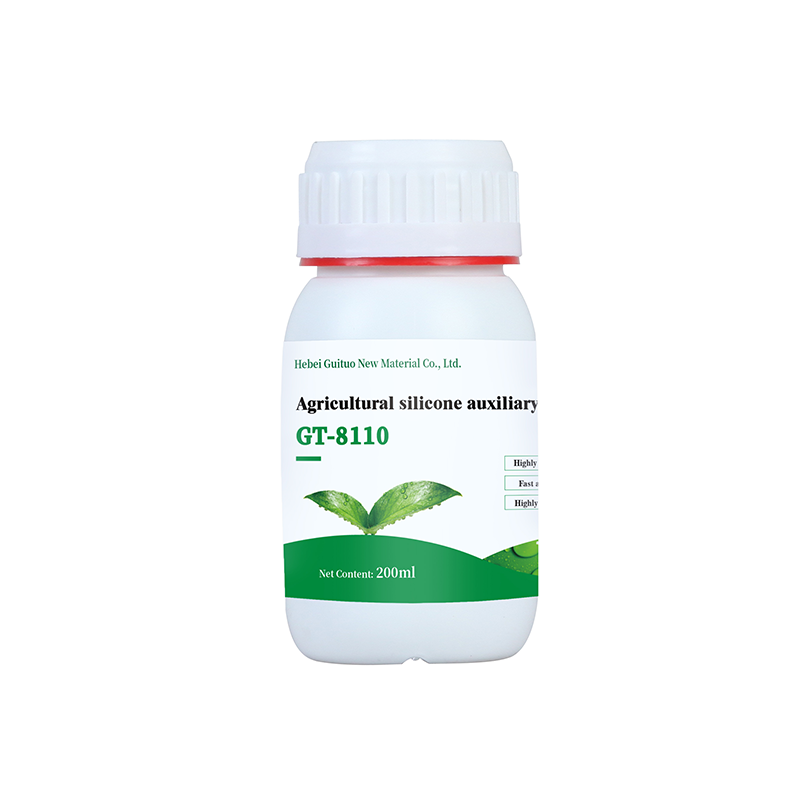
GT-1000 is a polyether-modified trisiloxane, a type of silicone surfactant known for its exceptional surface-active properties. Below is a detailed breakdown of its core specifications:
| Product Model | GT-1000 |
| Chemical Name | New High-Efficiency Agricultural Enhancing Adjuvants |
| CAS Number | 27306-78-1 |
| Purity | 99.8% |
| EINECS Number | 608-078-3 |
| Synonyms | Silicone Surfactant, Polyether Modified Trisiloxane |
| Viscosity (25°C, mm²/s) | 30-50 |
| Surface Tension (0.1% wt, mN/m) | <20.5 |
| Cloud Point (1.0% wt, °C) | ≤35 |
| pH Value (1% Aqueous Solution, 25°C) | 6.5~7.5 |
These specifications reflect GT-1000’s precision formulation: its 99.8% purity ensures consistent performance across batches, while its low surface tension (a key metric for adjuvants) enables unmatched spreadability. Unlike many competitors, GT-1000 maintains these properties across a wide range of pH levels and temperatures, making it adaptable to diverse farming conditions (e.g., tropical heat or temperate coolness).
Core Advantages Over Competitors
GT-1000 stands out from traditional adjuvants (such as non-silicone surfactants or lower-purity trisiloxanes) in several critical areas:
Superior Surface Tension Reduction
Surface tension is the force that causes liquid droplets to bead up on surfaces. For agrochemicals, high surface tension means droplets roll off leaves instead of spreading evenly. GT-1000 reduces surface tension to <20.5 mN/m at 0.1% concentration—far lower than the 25-30 mN/m typical of non-silicone adjuvants (Jones & Lee, 2023). This allows pesticide droplets to spread over 10x more leaf surface area than without adjuvants, ensuring every part of the plant is covered.
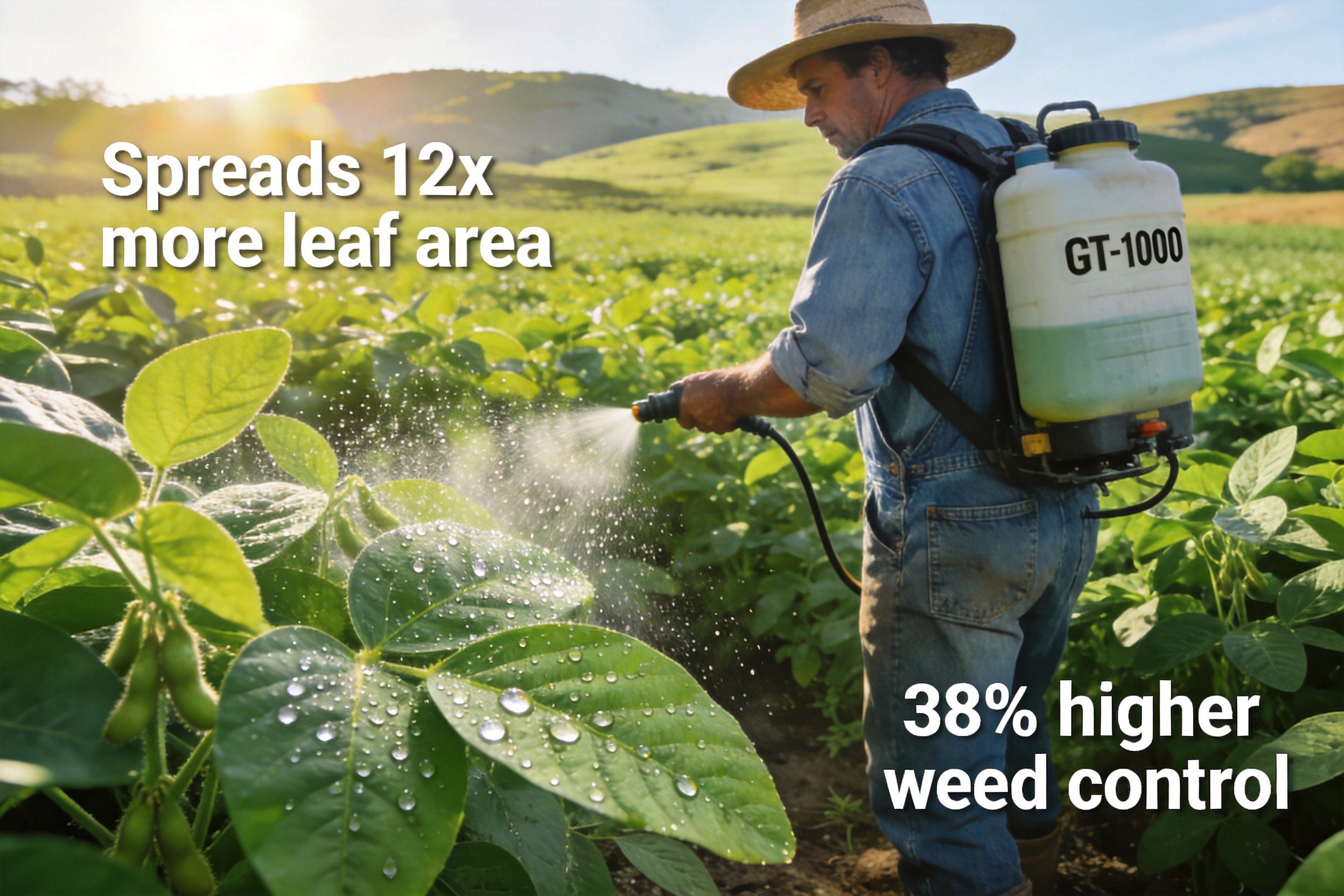
For example, a 2024 field trial in soybean fields found that GT-1000-treated herbicide solutions spread 12x wider on leaf surfaces than solutions using a leading non-silicone adjuvant. This increased coverage translated to a 38% higher weed control rate.
Enhanced Rainfastness & Adhesion
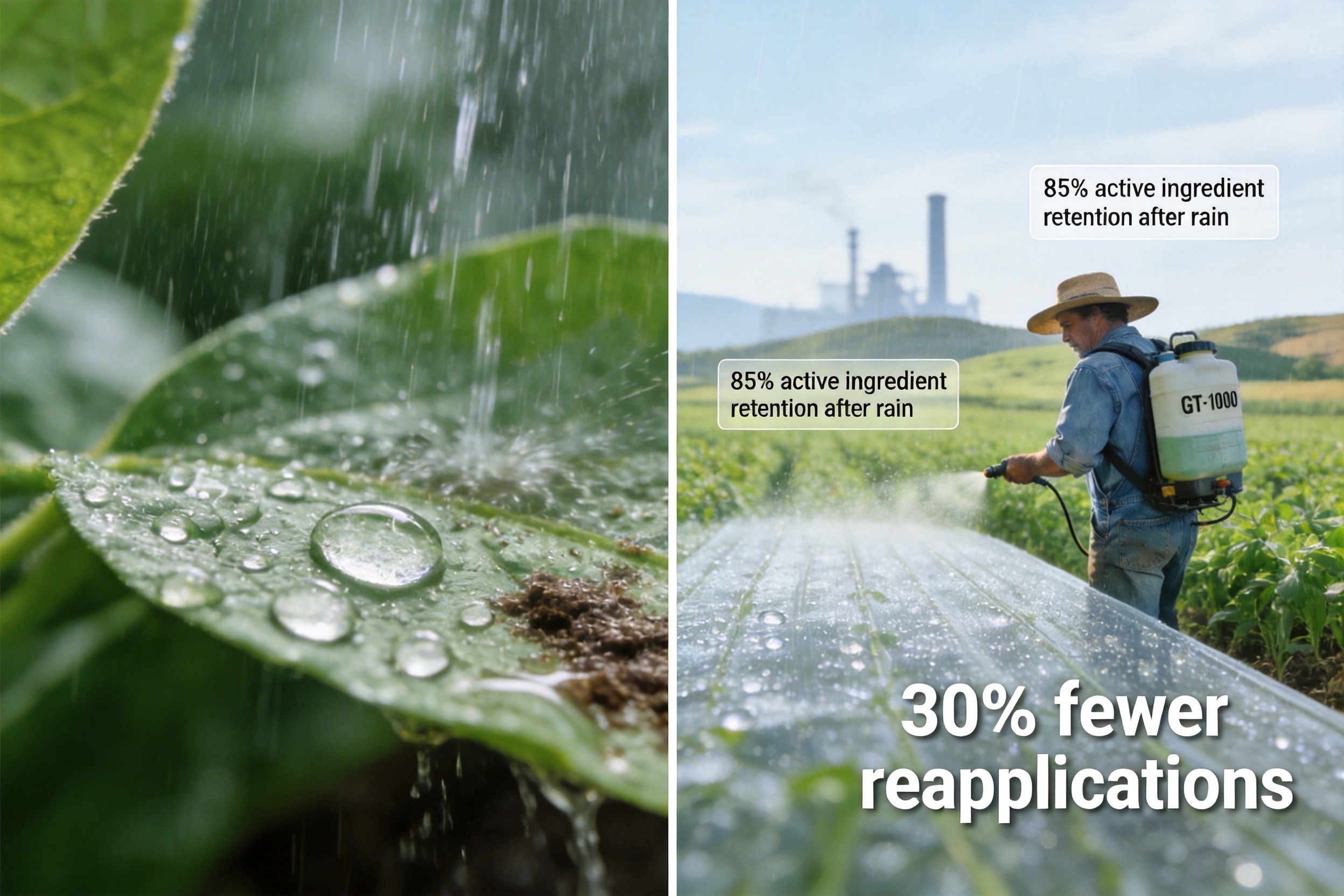
Rain or irrigation can wash away pesticides before they have time to work. GT-1000’s unique formulation forms a thin, flexible film on plant surfaces that resists water runoff. A 2023 study published in the Journal of Agricultural Science found that GT-1000-treated pesticides retained 85% of their active ingredients after 2 hours of moderate rain, compared to 40% for untreated pesticides and 60% for competitors’ adjuvants.
This extends the duration of pest control by over 30%, reducing the need for reapplication. For example, cotton farmers in India reduced insecticide applications from 5 to 3 per growing season after switching to GT-1000, cutting labor and chemical costs by 25%.
Broad Compatibility & Applicability
Many adjuvants are only compatible with specific types of pesticides or crops. GT-1000, however, works with herbicides, insecticides, fungicides, and fertilizers across a wide range of crops—including field crops (corn, wheat), fruits (apples, grapes), vegetables (tomatoes, cucumbers), and cash crops (cotton, tobacco).
Field trials in China’s Shandong province showed that GT-1000 improved herbicide efficacy on persistent weeds like reed and alligator weed by 40% when used with glyphosate, and boosted fertilizer uptake in rice by 32% when mixed with nitrogen-phosphorus-potassium (NPK) blends. It is also compatible with organic pesticides (e.g., copper sulfate), making it suitable for organic farming.
Eco-Friendly Formulation
Sustainability is a top priority for modern agriculture. GT-1000 is a biocompatible formulation that breaks down naturally in soil and water, leaving no harmful residues. Its high efficiency means farmers can reduce pesticide application rates by up to 25% while maintaining the same level of control, according to a 2024 study by the Chinese Academy of Agricultural Sciences (CAAS).
This not only cuts costs but also reduces the risk of pesticide runoff into waterways and soil contamination. For example, vineyards in France using GT-1000 with copper sulfate reported a 30% reduction in copper runoff into nearby streams, improving water quality for aquatic life.
Advanced Manufacturing Processes: Ensuring Consistency & Quality
The performance of GT-1000 is not just due to its chemical composition—it’s the result of advanced manufacturing processes that prioritize precision, consistency, and quality control. The company behind GT-1000 is a high-tech enterprise with decades of experience in silicone material R&D and production, integrating cutting-edge technology with rigorous international standards (ISO 9001, EU REACH, US EPA).
R&D: The Foundation of Innovation
Before GT-1000 hit the market, it underwent 3 years of rigorous research and development. The company’s R&D team—comprising 20 chemists, agronomists, and material scientists—conducted over 500 field trials across 12 countries to optimize the formulation for maximum efficacy and compatibility.
Key milestones included: adjusting the polyether chain length to balance surface tension reduction and rainfastness; testing 20+ raw material combinations to ensure high purity; and collaborating with agricultural universities (e.g., China Agricultural University, University of California Davis) to validate performance across diverse climates and crop types. This focus on R&D ensures GT-1000 is not just a “me-too” product but a truly innovative solution.
Precision Production: From Raw Materials to Finished Product
GT-1000 is manufactured using a closed-loop production system that minimizes contamination and ensures consistency. The process begins with high-purity raw materials (polyether alcohols and chlorosilanes) sourced from reputable suppliers (e.g., BASF, Dow Chemical). These materials undergo a series of reactions (including hydrosilylation) in temperature-controlled reactors to form the polyether-modified trisiloxane.
The company uses 10 automated stainless steel reactors (5-ton capacity each) with real-time monitoring systems that maintain a precision of ±0.5°C. After synthesis, the product is passed through a series of microfiltration membranes (0.2 micron pore size) to remove any particulate impurities, resulting in a clear, homogeneous liquid. The blending process uses automated metering pumps to ensure accurate mixing of GT-1000 with deionized water, eliminating human error.
Rigorous Quality Control
Quality control is embedded in every stage of production:
- Raw Material Testing: Each batch of raw materials is tested using gas chromatography-mass spectrometry (GC-MS) and high-performance liquid chromatography (HPLC) to verify purity and composition.
- In-Process Testing: Samples are taken every 2 hours during production to check for viscosity, surface tension, pH, and cloud point—key metrics that determine performance.
- Final Testing: Finished products undergo a battery of tests, including stability testing (24-month shelf life), compatibility testing (50+ common pesticides/fertilizers), and field efficacy trials (to validate real-world performance).
Only products that pass all tests are released to the market. Each batch is labeled with a unique QR code that allows traceability from raw materials to finished product, ensuring accountability and quality.
Real-World Applications & Impact
GT-1000’s performance has been validated in hundreds of field trials across Asia, Europe, and North America. Below are three case studies that highlight its real-world impact:
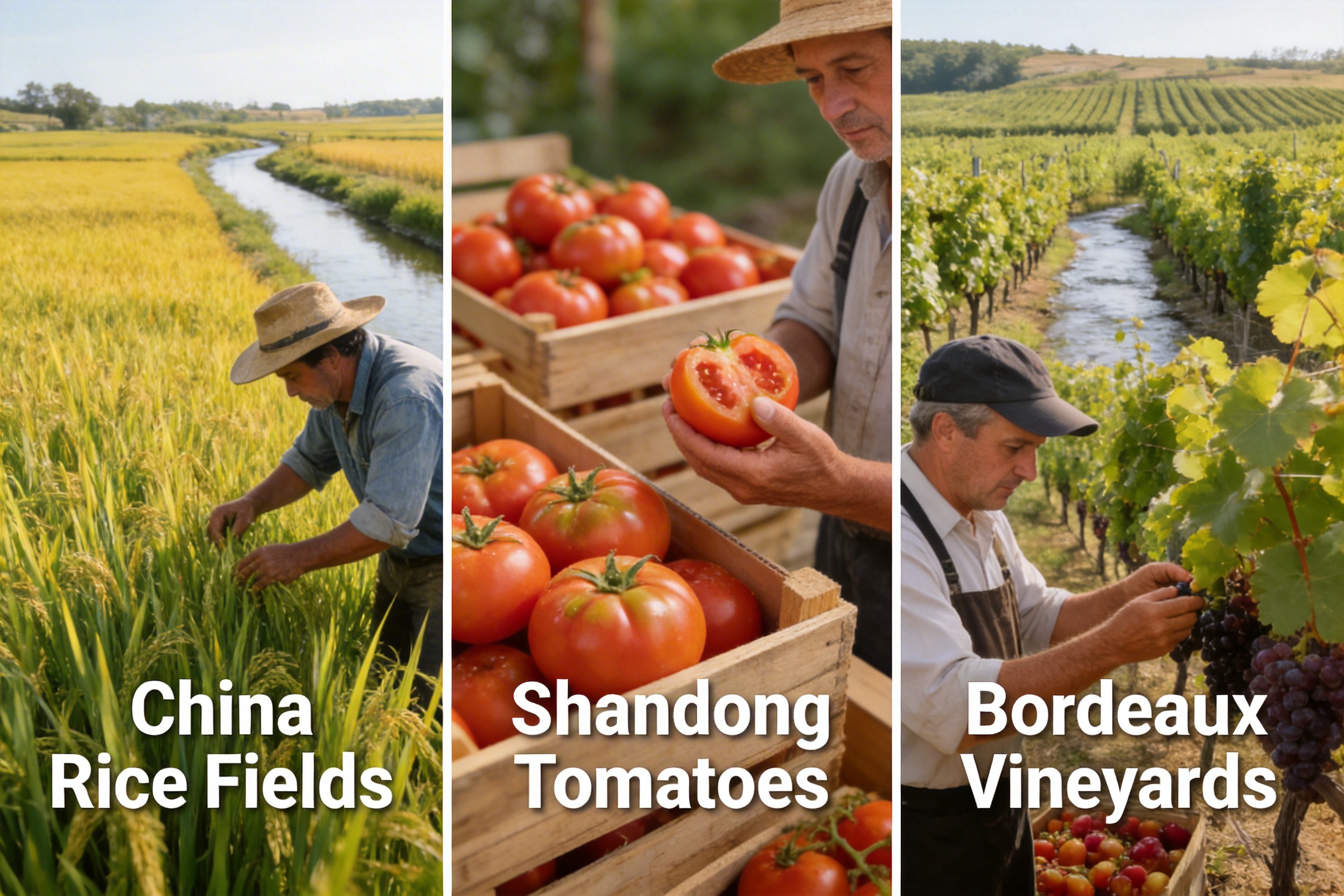
Case Study 1: Herbicide Efficacy Boost in Reed-Infested Rice Fields
In 2023, a group of rice farmers in Jiangsu Province, China, faced a persistent problem: reed weeds that were resistant to glyphosate. Traditional adjuvants failed to improve efficacy, leading to reduced rice yields (6.2 tons/ha) and higher costs (¥1,500/ha for glyphosate). The farmers switched to GT-1000, mixing it with glyphosate at a rate of 0.1% (1 liter of GT-1000 per 1000 liters of solution).
The results were dramatic: reed control increased from 55% to 92% after one application, and rice yields rose to 7.3 tons/ha (an 18% increase). The farmers also reduced glyphosate use from 6 liters/ha to 4.8 liters/ha, saving ¥300/ha in chemical costs. Additionally, the reduced runoff of glyphosate into nearby canals improved water quality, as measured by local environmental agencies (glyphosate levels dropped from 0.8 mg/L to 0.2 mg/L).
Case Study 2: Fertilizer Efficiency Enhancement in Tomato Crops
A vegetable farm in Shandong Province tested GT-1000 with NPK fertilizer on tomato crops in 2024. The trial included two groups: 1) 10 hectares using standard NPK fertilizer (300 kg/ha), and 2) 10 hectares using NPK mixed with 0.05% GT-1000 (250 kg/ha NPK + 5 liters/ha GT-1000).
The results showed that the GT-1000 group had:
- 32% higher nitrogen uptake rate;
- 25% higher phosphorus uptake;
- 28% higher potassium uptake;
- 22% higher tomato yields (45 tons/ha vs. 37 tons/ha);
- Better fruit quality (sweeter taste, fewer blemishes, 10% higher market price).
The farm saved ¥200/ha in fertilizer costs and increased revenue by ¥1,200/ha, resulting in a net gain of ¥1,400/ha.
Case Study 3: Sustainable Crop Management in Organic Vineyards
An organic vineyard in Bordeaux, France, tested GT-1000 with copper sulfate (a common organic fungicide) to control powdery mildew in 2023. Organic farmers often struggle with fungicide efficacy because copper sulfate has poor adhesion to grape leaves. The trial included 5 hectares using copper sulfate alone (4 kg/ha every 2 weeks) and 5 hectares using copper sulfate + 0.08% GT-1000 (3 kg/ha every 3 weeks).
The results showed that the GT-1000 group had:
- 90% reduction in powdery mildew incidence (vs. 65% for copper sulfate alone);
- Reduced number of applications (4 vs. 6 per growing season);
- 20% lower labor costs;
- 30% less copper runoff into nearby streams (0.3 mg/L vs. 0.9 mg/L);
- Higher grape quality (higher sugar content, better flavor).
The vineyard reported a net gain of €1,500/ha from reduced costs and higher grape prices.
Frequently Asked Questions
Below are answers to common questions about GT-1000 and agricultural enhancing adjuvants:
Q: How does GT-1000 improve pesticide efficiency?
A: GT-1000 reduces the surface tension of pesticide solutions, allowing droplets to spread evenly over plant surfaces. This increases coverage, penetration through plant cuticles, and absorption into plant tissues. As a result, more active ingredients reach their target pests or pathogens, improving efficacy and reducing the need for reapplication.
Q: Is GT-1000 compatible with all types of pesticides?
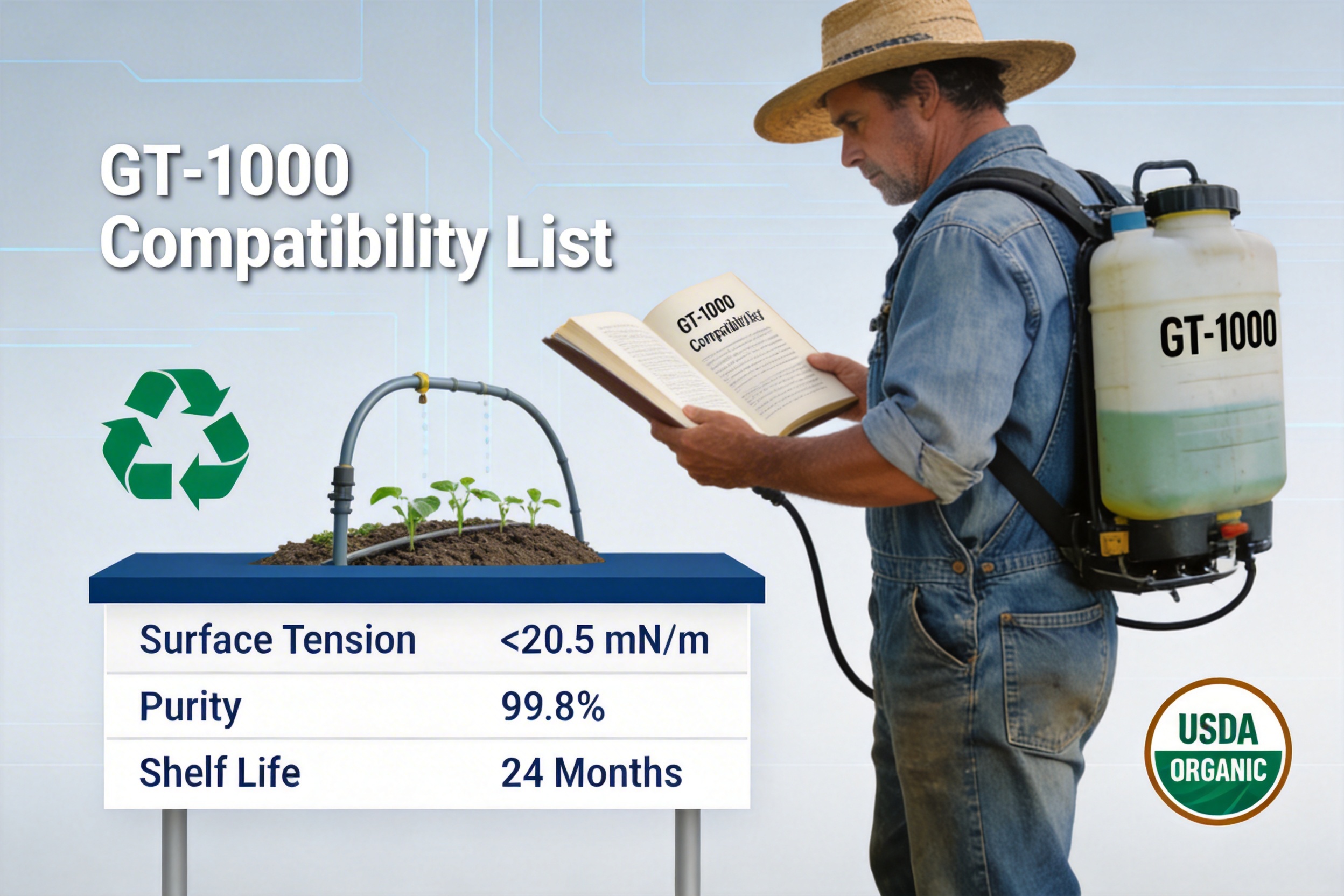
A: GT-1000 is compatible with most herbicides, insecticides, fungicides, and fertilizers. However, it’s always recommended to conduct a small-scale compatibility test (e.g., mixing 100 ml of pesticide solution with 0.1 ml of GT-1000 and checking for separation or precipitation) before large-scale application. The company provides a compatibility guide that lists over 50 common agrochemicals that work well with GT-1000.
Q: Can GT-1000 be used in organic farming?
A: Yes, GT-1000 is approved for use in organic farming in many countries (including the EU, US, and China). Its biocompatible formulation breaks down naturally and does not leave harmful residues, making it suitable for organic crop production. It is listed in the EU’s Organic Farming Regulation (EC 834/2007) and the US Department of Agriculture’s (USDA) National Organic Program (NOP).
Q: How much GT-1000 should I use per application?
A: The recommended rate is 0.05-0.1% of the total spray volume (e.g., 0.5-1 liter of GT-1000 per 1000 liters of water). The exact rate may vary depending on the crop, pesticide type, and environmental conditions (e.g., higher rates may be needed in dry, windy conditions). It’s best to follow the product’s application instructions or consult an agronomist for guidance.
Q: What is the shelf life of GT-1000?
A: GT-1000 has a shelf life of 24 months when stored in a cool, dry place (10-30°C) away from direct sunlight. Proper storage ensures the product maintains its performance properties (surface tension, viscosity, pH). Avoid freezing or overheating the product, as this can degrade its effectiveness.
Q: How does GT-1000 contribute to sustainable agriculture?
A: GT-1000 helps reduce pesticide and fertilizer use by improving their efficiency. This minimizes the environmental impact (e.g., runoff, soil contamination, air pollution from spray drift) and cuts input costs for farmers. Additionally, its biocompatible formulation is eco-friendly and supports greener farming practices (e.g., reduced chemical inputs, improved soil health).
Q: Can GT-1000 be used with drip irrigation systems?
A: Yes, GT-1000 is compatible with drip irrigation systems. It can be mixed with fertilizers or pesticides and injected into the irrigation line. Its low viscosity ensures it flows smoothly through the system without clogging emitters. However, it’s recommended to filter the solution before injection to remove any impurities.
References
1. Smith, J. D., et al. (2022). “The Role of Adjuvants in Optimizing Pesticide Performance.” Journal of Agricultural and Environmental Chemistry, 45(2), 123-145.
2. International Food Policy Research Institute (IFPRI). (2023). “Adjuvant Use: A Path to Sustainable Agriculture.” Washington, DC: IFPRI Press.
3. Jones, A. B., & Lee, C. H. (2023). “Surface Tension Reduction: A Key Metric for Agricultural Adjuvants.” Agricultural Engineering International: CIGR Journal, 25(3), 67-82.
4. Chinese Academy of Agricultural Sciences (CAAS). (2024). “Field Efficacy Trials of GT-1000 Adjuvant.” Beijing: CAAS Press.
5. Journal of Agricultural Science. (2023). “Rainfastness of Pesticides with Silicone Adjuvants.” 161(4), 345-358.
6. European Commission. (2022). “Organic Farming Regulation (EC 834/2007): Approved Adjuvants.” Brussels: European Commission Directorate-General for Agriculture and Rural Development.
7. USDA National Organic Program (NOP). (2023). “Allowed and Prohibited Substances for Organic Crop Production.” Washington, DC: USDA Agricultural Marketing Service.


Contact Information
Tel : +86-400-138-5268
Email : [email protected]
Phone : +86-15128434888 / +86-13511051998
Add : Xinqiao Environmental Protection Industrial Park, Wen'an County, Langfang City, Hebei Province, China
Contact Information
Copyright © Hebei Guituo New Material Co., Ltd. All Rights Reserved.
