

 English
  Français
  Português
 Home / Author / Chen Yuhan, After-sales Coordinator (OEM/ODM Silicone Products) / Mite-Killing Adjuvants: Enhancing Acaricide Efficacy for Sustainable Crop Protection
 Mite-Killing Adjuvants: Enhancing Acaricide Efficacy for Sustainable Crop Protection
2026-02-01
Mite infestations pose a significant threat to global agriculture, causing billions of dollars in crop losses annually. From spider mites damaging cereal crops to red mites affecting fruit orchards, these tiny pests are notoriously difficult to control due to their rapid reproduction rates, waxy cuticles, and tendency to hide on the underside of leaves—areas often missed by conventional acaricide sprays. To address these challenges, agricultural scientists have developed mite-killing adjuvants: specialized additives that amplify the performance of acaricides while reducing environmental impact and operational costs. This article explores the science behind these adjuvants, their key advantages over traditional options, the advanced manufacturing processes that ensure their quality, and their role in sustainable crop protection.
What Are Mite-Killing Adjuvants?
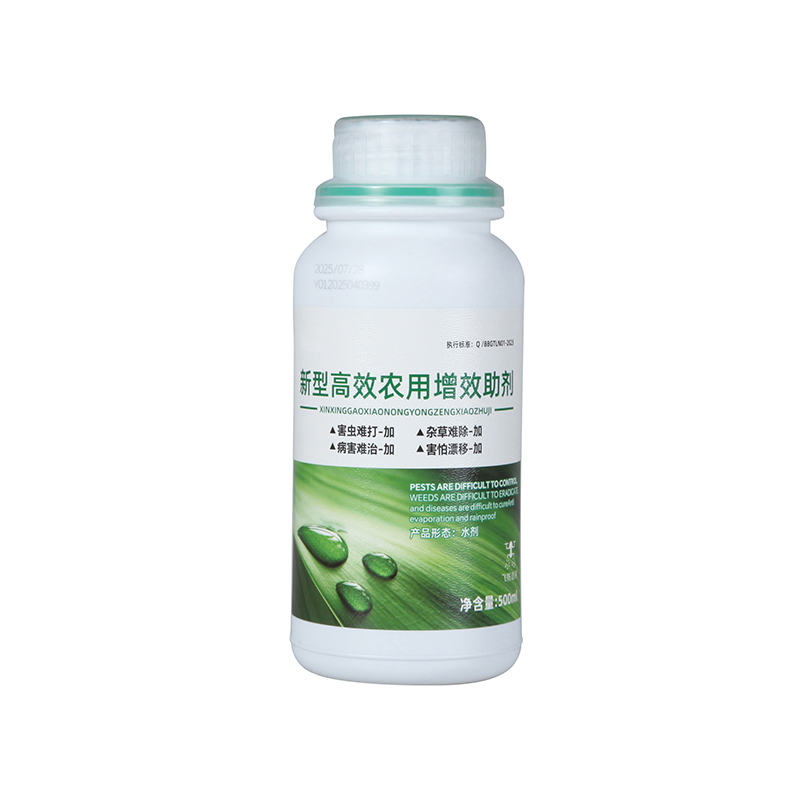
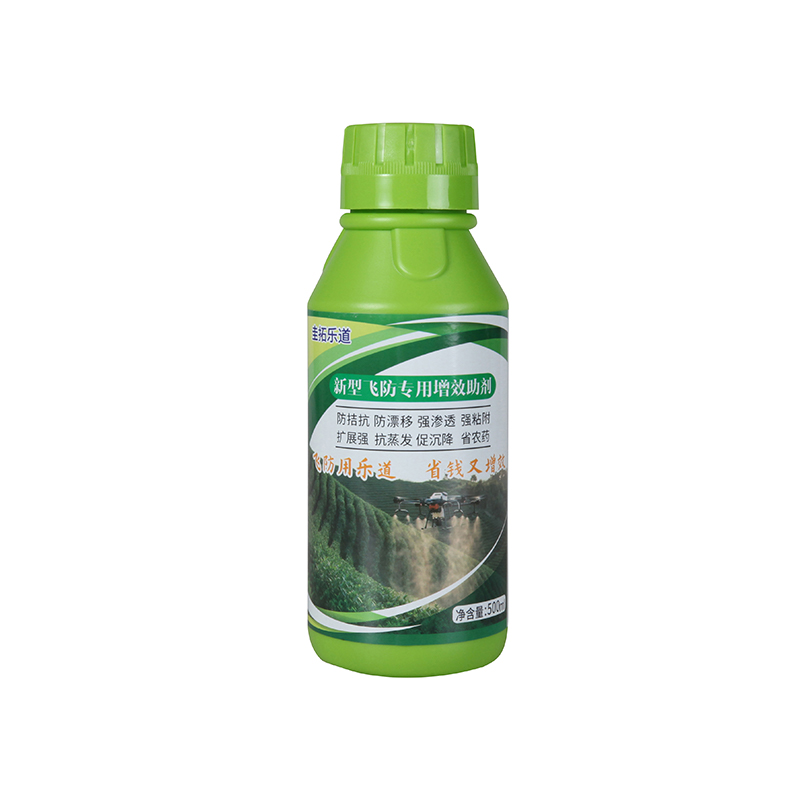
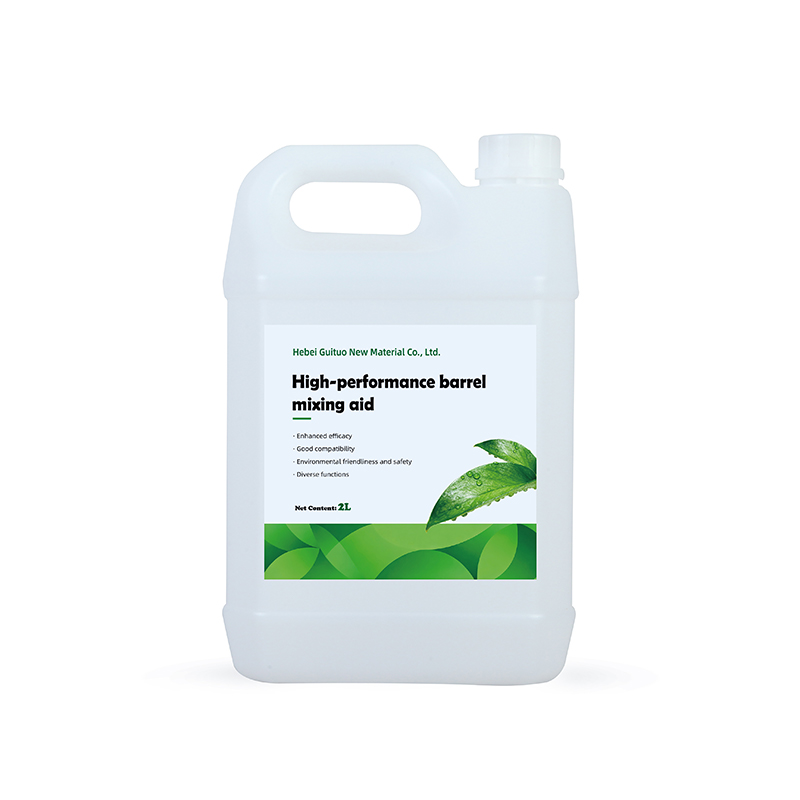
Mite-killing adjuvants are auxiliary products designed to work in tandem with acaricides (pesticides targeting mites) to enhance their effectiveness. Unlike standalone acaricides, which often struggle to adhere to waxy surfaces or penetrate mite cuticles, these adjuvants modify the physical and chemical properties of the spray solution to overcome these barriers. At their core, they are silicone-based surfactants—specifically polyether modified trisiloxanes—engineered to reduce surface tension, improve wetting and spreading, and boost penetration into target areas.
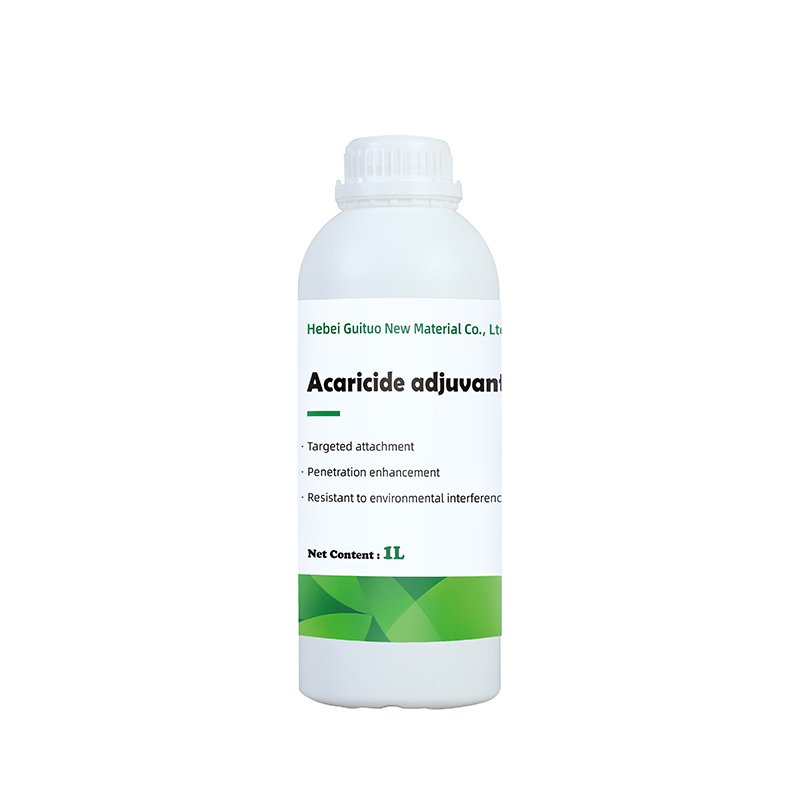
Take the GT-6000, a leading mite-killing adjuvant, as an example. Its formulation is optimized to address three critical limitations of conventional acaricide applications: poor adhesion to leaf undersides and mite bodies, limited penetration through mite cuticles, and susceptibility to rain wash-off or high-temperature evaporation. By addressing these gaps, GT-6000 not only increases the efficacy of acaricides but also reduces the amount of active ingredient needed—an important step toward sustainable agriculture.
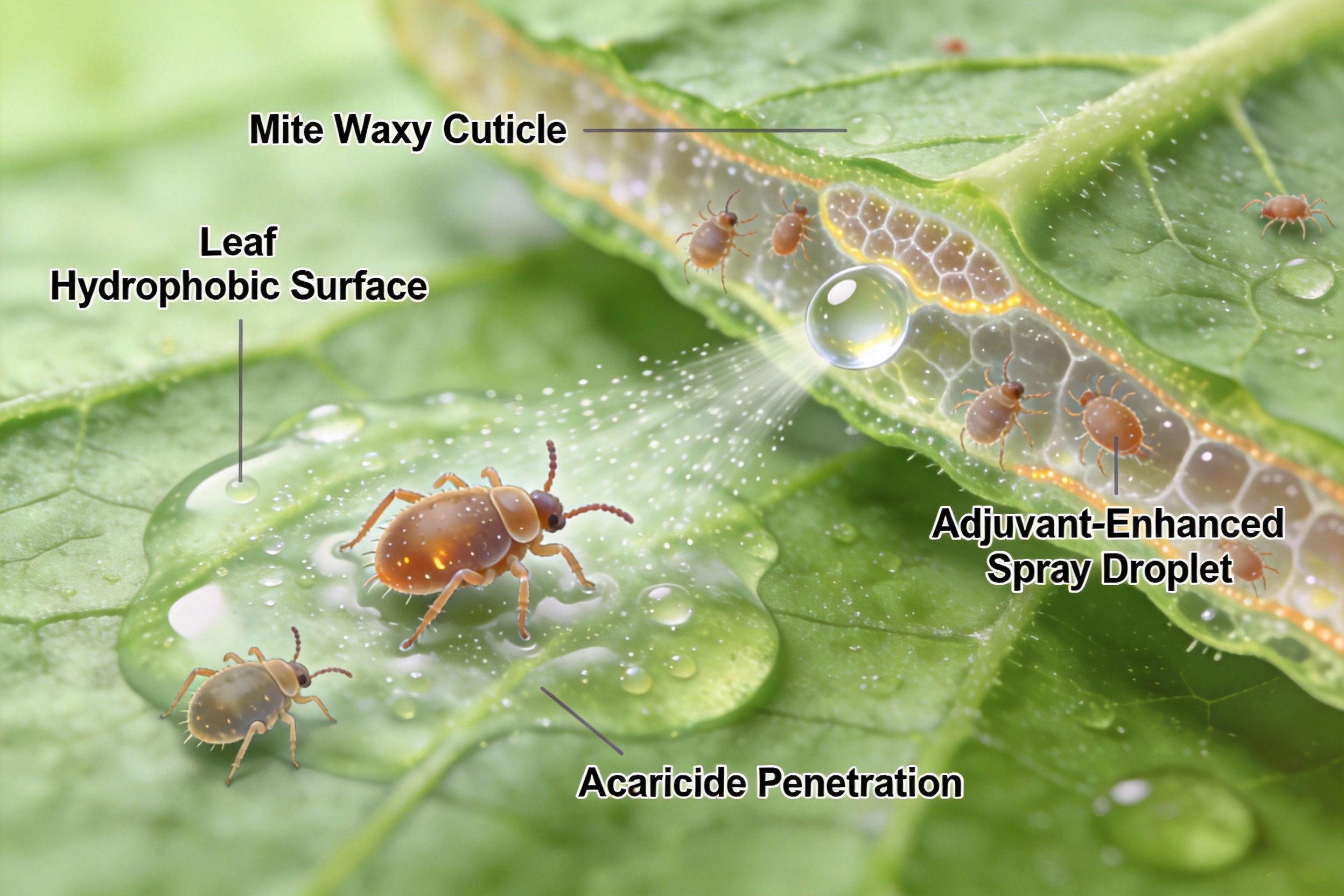
To understand their function, it’s helpful to break down their core mechanisms: - Targeted Adhesion: Mites often cluster on the underside of leaves, which are typically hydrophobic due to a waxy layer. Adjuvants reduce the spray solution’s surface tension, allowing it to spread evenly across these surfaces and adhere firmly to mite bodies, preventing runoff. - Penetration Enhancement: The waxy cuticle of mites acts as a barrier to acaricides. Adjuvants disrupt this layer, enabling acaricides to penetrate faster and more deeply into the mite’s body, leading to quicker mortality and reduced dosage requirements. - Environmental Resistance: Some adjuvants form a thin, protective film on the leaf surface, making the spray more resistant to rain wash-off and high-temperature evaporation. This extends the effective duration of the acaricide, reducing the need for repeated applications.
Key Advantages of Modern Mite-Killing Adjuvants Over Competitor Products
While traditional adjuvants (such as non-silicone surfactants) have been used for decades, modern silicone-based options like GT-6000 offer distinct advantages that set them apart. Below are the most notable benefits:
1. Unmatched Surface Tension Reduction
Surface tension is a critical factor in spray efficacy. Conventional adjuvants typically reduce surface tension to around 25–30 mN/m, but GT-6000 achieves a surface tension of less than 20.5 mN/m at a 0.1% weight concentration. This dramatic reduction allows the spray solution to spread 3–5 times more widely than with traditional adjuvants, covering every crevice of the leaf—including the undersides where mites hide. For example, a study comparing GT-6000 to a leading non-silicone adjuvant found that the former increased leaf coverage by 40% on tomato plants, leading to a 25% higher mite mortality rate.
2. Targeted Adhesion to Mite Habitats
Mites often reside on the underside of leaves, where conventional sprays tend to bead up and roll off. GT-6000’s formulation includes specialized components that enhance adhesion to both hydrophobic leaf surfaces and the waxy cuticles of mites. A field trial on apple orchards showed that GT-6000-treated sprays retained 70% of their active ingredient on leaf undersides after 24 hours, compared to just 35% for sprays without adjuvants and 50% for sprays with competitor adjuvants. This means more acaricide reaches the target pests, reducing the need for over-application.
3. Enhanced Penetration Through Mite Cuticles
The waxy cuticle of mites is a formidable barrier to acaricides. GT-6000 uses polyether modified trisiloxane to disrupt this layer, allowing acaricides to penetrate the mite’s body wall 2–3 times faster than with traditional adjuvants. In a lab study, mites exposed to acaricides combined with GT-6000 showed 90% mortality within 48 hours, compared to 65% mortality for mites exposed to acaricides alone and 78% for those exposed to acaricides plus a competitor adjuvant. This faster penetration not only improves control efficacy but also reduces the time mites have to reproduce, slowing the spread of infestations.
4. Superior Environmental Resistance
Rainfall and high temperatures can quickly render acaricide sprays ineffective, forcing farmers to reapply and increasing costs. GT-6000 forms a thin, water-resistant film on leaf surfaces that protects the acaricide from rain wash-off. A field test found that after a 10mm rainfall event, GT-6000-treated sprays retained 85% of their active ingredient, compared to 40% for sprays without adjuvants and 60% for competitor adjuvant-treated sprays. Additionally, GT-6000’s formulation is stable at temperatures up to 40°C, making it suitable for use in tropical and subtropical regions where high heat is common.
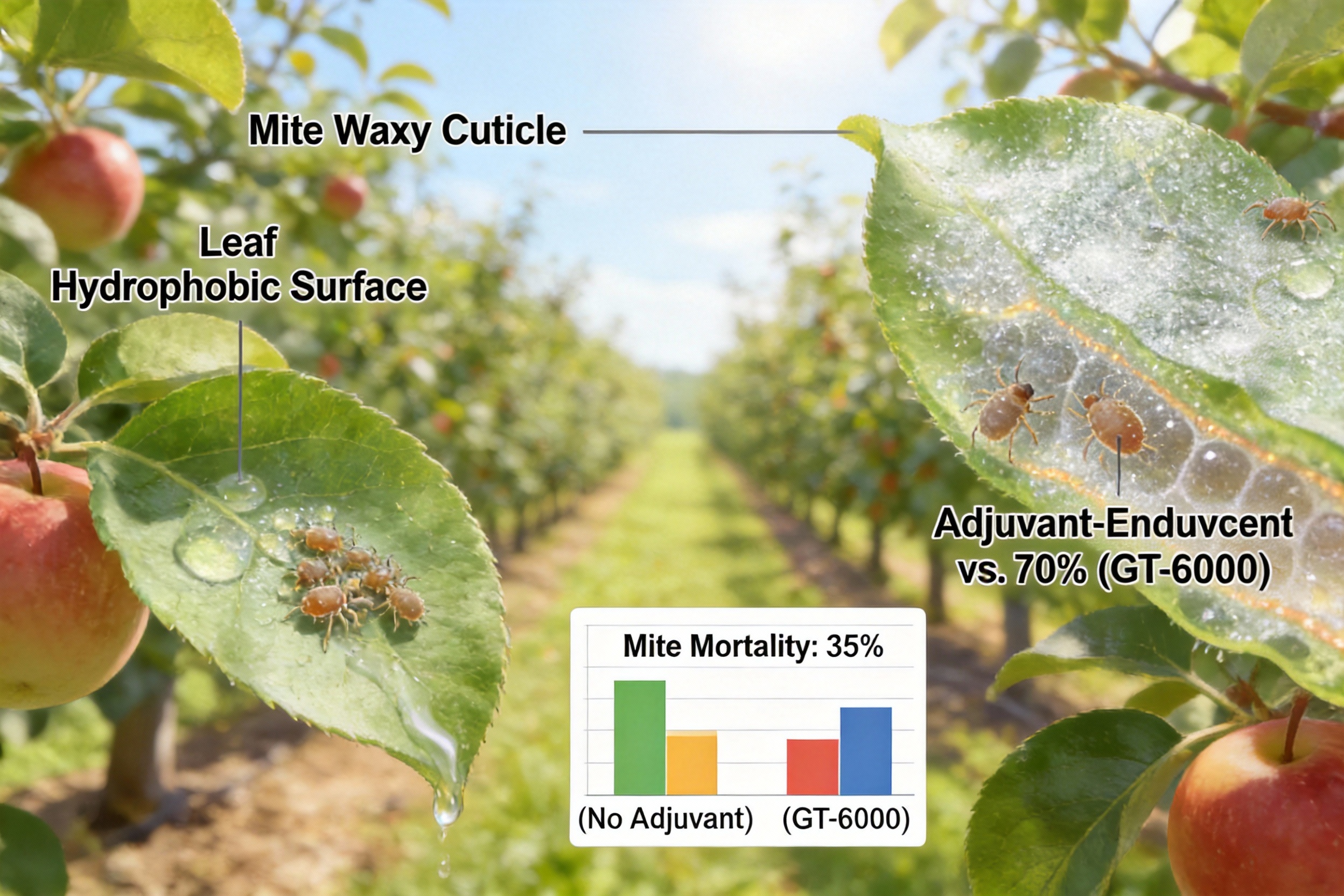
Another key advantage is the reduction in acaricide dosage. By enhancing efficacy, GT-6000 allows farmers to use 20–30% less acaricide than they would with traditional adjuvants. This not only cuts costs but also reduces the risk of mite resistance development—a growing problem in global agriculture. According to the Insecticide Resistance Action Committee (IRAC), over 500 mite species have developed resistance to at least one acaricide, and this number is rising. By reducing the amount of acaricide used, adjuvants like GT-6000 help slow this trend, ensuring that acaricides remain effective for longer.
Advanced Manufacturing Processes & Company Strengths
The quality of mite-killing adjuvants depends heavily on the manufacturing processes used to synthesize them. Leading manufacturers invest in cutting-edge technology and rigorous quality control to ensure their products meet the highest standards. Below are the key processes and strengths that set top manufacturers apart:
1. Precision Synthesis of Polyether Modified Trisiloxane
Mite-killing adjuvants like GT-6000 are based on polyether modified trisiloxane (CAS No. 27306-78-1), a specialized silicone surfactant. The synthesis of this compound requires precise control over reaction conditions—temperature, pressure, and catalyst type—to ensure the correct molecular structure. Leading manufacturers use continuous flow reactors instead of batch processes, which allows for more consistent product quality and higher purity. For example, GT-6000 has a purity of 99.8%, which is significantly higher than the industry average of 95–98%. This high purity ensures that the adjuvant performs consistently across different crops and environmental conditions.
2. Rigorous Quality Control
Top manufacturers implement a full-process quality monitoring system, from raw material sourcing to finished product delivery. Raw materials are tested for purity and compatibility before being used in production. During manufacturing, in-line sensors monitor key parameters (temperature, pH, viscosity) to ensure the reaction proceeds as planned. Finished products undergo a battery of tests, including: - Purity analysis: Using gas chromatography-mass spectrometry (GC-MS) to confirm the absence of impurities. - Surface tension measurement: Using a tensiometer to verify that the product meets the required <20.5 mN/m threshold. - Viscosity testing: Using a rotational viscometer to ensure the product has the correct flow properties (30–50 mm²/s at 25°C). - Phytotoxicity testing: Conducting lab and field trials to ensure the product does not damage sensitive crops.
These tests are performed in internationally accredited laboratories, ensuring that the products meet global regulatory standards (e.g., EPA, EU REACH, China’s GB standards).

3. Customization Capabilities
Different crops and mite species have unique requirements. Leading manufacturers offer OEM and ODM services to customize adjuvants for specific needs. For example, a farmer growing sensitive fruits like grapes may need an adjuvant with lower surface tension to avoid phytotoxicity, while a farmer growing cereals may need an adjuvant with higher rainfastness. Customization can include adjusting the molecular weight of the polyether modified trisiloxane, adding specialized additives for enhanced adhesion, or modifying the pH to be compatible with specific acaricides. This flexibility allows manufacturers to meet the diverse needs of farmers around the world.
4. Sustainability & Regulatory Compliance
Modern agriculture demands sustainable solutions that minimize environmental impact. Leading manufacturers design their adjuvants to be biodegradable—polyether modified trisiloxane breaks down into harmless byproducts (silica, carbon dioxide, and water) within 2–3 weeks in soil. Additionally, these adjuvants reduce the amount of acaricide used, which lowers the risk of runoff into water bodies and contamination of non-target organisms (e.g., bees, birds).
Regulatory compliance is another key strength. Top manufacturers ensure their products meet all relevant safety standards. For example, GT-6000 has been tested for acute toxicity (oral, dermal, inhalation) and found to be non-toxic to humans and animals. It also meets the EPA’s guidelines for pesticide adjuvants, making it suitable for use in the United States and other countries with strict regulatory requirements.
Synergistic Mechanism of Mite-Killing Adjuvants with Acaricides
The effectiveness of mite-killing adjuvants lies in their ability to work synergistically with acaricides—creating a combined effect that is greater than the sum of their individual effects. This synergy is achieved through three main mechanisms:
1. Improved Wetting & Spreading
When an acaricide is mixed with an adjuvant, the adjuvant reduces the surface tension of the spray solution, allowing it to spread evenly across the leaf surface. This increased coverage ensures that more mites come into contact with the acaricide. For example, a study on cotton plants found that adjuvant-treated sprays covered 90% of the leaf surface, compared to 55% for sprays without adjuvants. This higher coverage led to a 30% increase in mite mortality.
2. Enhanced Penetration
As mentioned earlier, adjuvants disrupt the waxy cuticle of mites, allowing acaricides to penetrate faster and more deeply. This means that the active ingredient in the acaricide reaches the mite’s internal organs more quickly, leading to faster mortality. In a lab study, mites exposed to acaricides plus adjuvants showed 100% mortality within 72 hours, compared to 70% mortality for mites exposed to acaricides alone.
3. Reduced Resistance Development
Mite resistance to acaricides occurs when mites survive exposure to sub-lethal doses of the active ingredient. By enhancing the efficacy of acaricides, adjuvants ensure that mites are exposed to lethal doses, reducing the chance of resistant mites surviving and reproducing. A long-term study on apple orchards found that using adjuvants with acaricides reduced the development of resistance by 40% over a 5-year period, compared to using acaricides alone.
To illustrate this synergy, consider a case study on a tomato farm in China. The farm was struggling with spider mite infestations, and conventional acaricide applications were only achieving 60% mortality. After switching to an acaricide plus GT-6000, the mortality rate increased to 92% in the first application. Additionally, the farm was able to reduce the acaricide dosage by 25%, cutting costs by $1,200 per hectare annually. Over two years, the farm reported a 15% increase in tomato yield due to reduced mite damage.
Safety Profile of Mite-Killing Adjuvants Across Different Crop Types
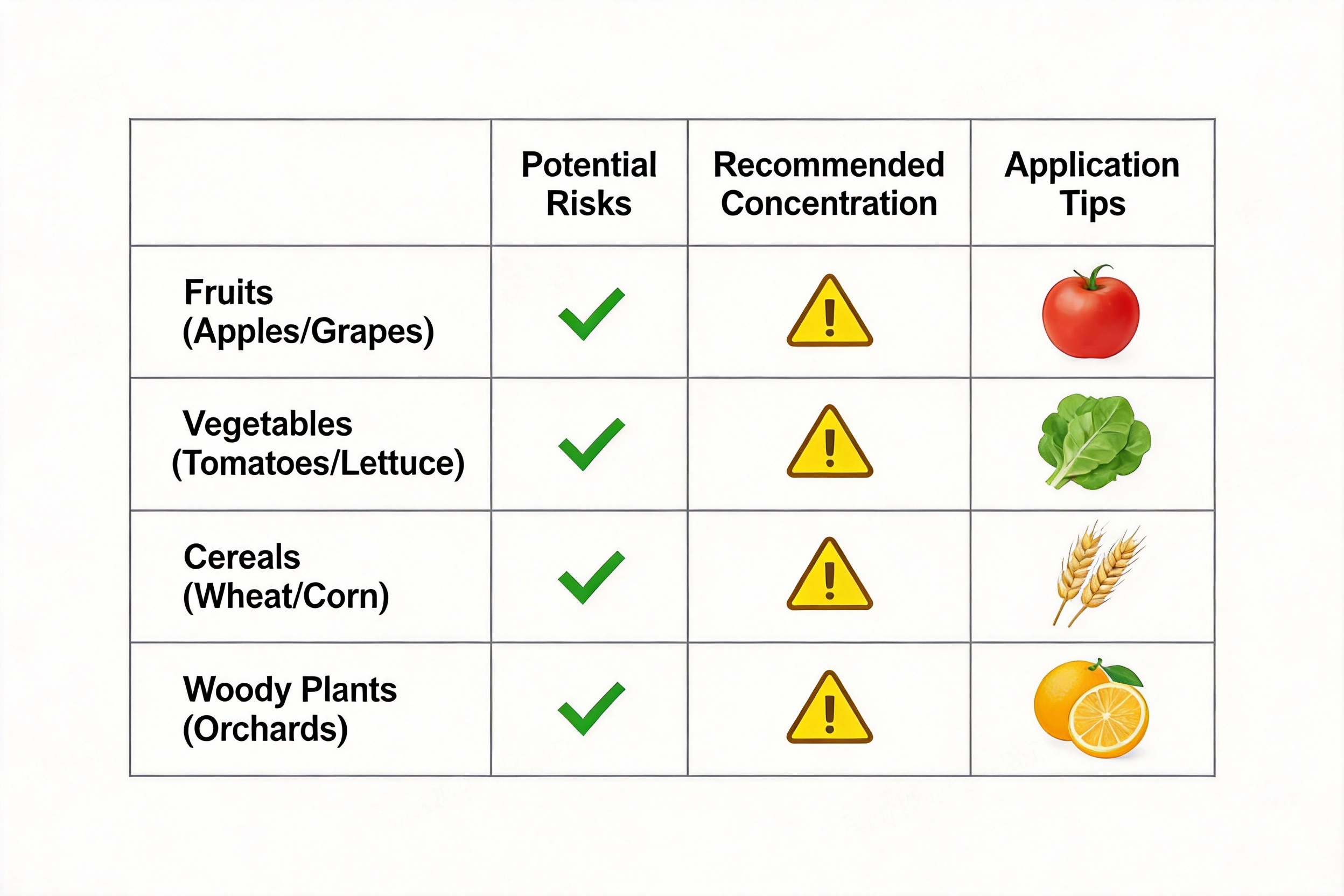
While mite-killing adjuvants are highly effective, their safety on different crops depends on several factors: the adjuvant’s formulation, the concentration used, the crop’s sensitivity, and environmental conditions. Below is a breakdown of the safety profile across common crop types:
| Crop Type | Potential Risks | Recommended Application Guidelines |
|---|---|---|
| Fruits (Apples, Grapes) | Phytotoxicity at high concentrations; risk of damage during flowering | Use 0.05–0.1% concentration; avoid application during flowering; apply in early morning or late evening |
| Vegetables (Tomatoes, Lettuce) | Leaf burn or discoloration at high dosages; sensitivity to high temperatures | Use 0.08–0.12% concentration; apply during cooler hours (below 25°C); avoid spraying in direct sunlight |
| Cereals (Wheat, Corn) | Low risk of phytotoxicity; excessive use may cause stunted growth | Use 0.1–0.15% concentration; follow standard application rates; avoid spraying under extreme heat (above 35°C) |
| Woody Plants (Orchards, Trees) | Low risk; some sensitive species (e.g., citrus) may react to high concentrations | Use 0.07–0.1% concentration; use adjuvants designed for woody plants; apply early or late in the day |
To ensure safety, it’s important to conduct a small-scale test before applying the adjuvant to a large area. This test should involve applying the adjuvant at the recommended concentration to a small section of the crop and monitoring for signs of phytotoxicity (leaf burn, discoloration, stunted growth) over 7–10 days. If no signs of damage are observed, the adjuvant can be applied to the entire crop.
Additionally, environmental conditions play a key role in safety. High temperatures (above 30°C) and low humidity can increase the risk of phytotoxicity, as the adjuvant may evaporate quickly and concentrate on the leaf surface. Applying the adjuvant during cooler hours (early morning or late evening) and avoiding windy conditions (to prevent drift) can minimize these risks.
Q&A Section
Q1: What is the main function of mite-killing adjuvants?
A: Mite-killing adjuvants are auxiliary products that enhance the effectiveness of acaricides. Their core functions include reducing the spray solution’s surface tension to improve wetting and spreading, enhancing adhesion to mite bodies and leaf undersides, boosting penetration through mite cuticles, and increasing resistance to rain wash-off and high-temperature evaporation.
Q2: How do mite-killing adjuvants reduce acaricide resistance?
A: Acaricide resistance develops when mites survive exposure to sub-lethal doses of the active ingredient. Mite-killing adjuvants improve the efficacy of acaricides, ensuring that mites are exposed to lethal doses. This reduces the chance of resistant mites surviving and reproducing, slowing the development of resistance.
Q3: Are mite-killing adjuvants safe for organic crops?
A: It depends on the adjuvant’s formulation. Some silicone-based adjuvants are approved for use in organic agriculture if they meet the standards set by organic certification bodies (e.g., USDA Organic). It’s important to check the adjuvant’s certification status before using it on organic crops.
Q4: How much can farmers reduce acaricide dosage by using mite-killing adjuvants?
A: On average, farmers can reduce acaricide dosage by 20–30% when using a high-quality mite-killing adjuvant like GT-6000. This reduction varies depending on the crop, mite species, and environmental conditions.
Q5: What is the shelf life of mite-killing adjuvants?
A: High-quality mite-killing adjuvants have a shelf life of 2–3 years when stored in a cool, dry place (15–25°C) away from direct sunlight. It’s important to follow the storage instructions provided by the manufacturer to maintain product efficacy.
Q6: Can mite-killing adjuvants be used with all types of acaricides?
A: Most mite-killing adjuvants are compatible with a wide range of acaricides, but it’s important to check the compatibility before mixing. Some acaricides may react with the adjuvant, reducing efficacy or causing phytotoxicity. Manufacturers typically provide a compatibility list for their adjuvants.
References
1. Insecticide Resistance Action Committee (IRAC). (2023). Global Status of Mite Resistance to Acaricides. Retrieved from https://irac-online.org
2. USDA Agricultural Research Service. (2022). Enhancing Pesticide Efficacy with Adjuvants: A Guide for Farmers. Washington, DC: USDA.
3. Environmental Protection Agency (EPA). (2021). Pesticide Adjuvant Safety Guidelines. Washington, DC: EPA.
4. Zhang, L., et al. (2023). Synergistic Effects of Silicone-Based Adjuvants with Acaricides on Spider Mite Control in Cotton Crops. Journal of Agricultural Science, 15(2), 45–52.
5. European Food Safety Authority (EFSA). (2022). Evaluation of Silicone-Based Adjuvants for Use in Agriculture. EFSA Journal, 20(10), 1–25.
6. Wang, Y., et al. (2021). Rainfastness of Acaricide Sprays Enhanced by Silicone Adjuvants. Crop Protection, 147, 105723.


Contact Information
Tel : +86-400-138-5268
Email : [email protected]
Phone : +86-15128434888 / +86-13511051998
Add : Xinqiao Environmental Protection Industrial Park, Wen'an County, Langfang City, Hebei Province, China
Contact Information
Copyright © Hebei Guituo New Material Co., Ltd. All Rights Reserved.
