

 English
  Français
  Português
 Home / Author / Chen Yuhan, After-sales Coordinator (OEM/ODM Silicone Products) / High-Efficiency Agricultural Silicone Adjuvants for Better Coverage, Absorption, and Crop Protection
 High-Efficiency Agricultural Silicone Adjuvants for Better Coverage, Absorption, and Crop Protection
2026-08-24

Modern crop production depends on the efficient use of water, fertilizers, pesticides, and other agricultural inputs. Yet even a well-designed pesticide or foliar fertilizer may not perform at its full potential when spray droplets fail to spread evenly, run off leaf surfaces, evaporate too quickly, or remain trapped behind the natural waxy barriers of plants. Agricultural silicone adjuvants are designed to address these application challenges by improving wetting, spreading, adhesion, penetration, and absorption.
GT-1000 is a high-efficiency agricultural enhancing adjuvant based on polyether modified trisiloxane technology. It is developed for use with crop protection products and fertilizers in a wide range of agricultural applications. By reducing surface tension and improving the behavior of spray droplets, GT-1000 helps active ingredients reach more of the plant surface and remain available for absorption. It can be used with herbicides, insecticides, fungicides, plant nutrition products, and selected fertilizer programs, subject to compatibility testing and label requirements.
The product is manufactured and supplied by Hebei Guituo New Material Co., Ltd., a high-tech silicone materials enterprise with capabilities covering research and development, production, quality control, and sales. Its product portfolio includes silicone additives, wetting agents, modified silicone oils, dimethyl silicone oils, surfactants, defoamers, and related materials for agricultural and industrial applications. The company also supports OEM and ODM cooperation for customers requiring customized specifications, packaging, or formulation support.
Product Overview
GT-1000 is formulated as a silicone surfactant and agricultural synergist intended to improve the performance of spray solutions. Its main function is not to replace the active ingredient in a pesticide or fertilizer. Instead, it helps the active ingredient perform more effectively by improving the physical properties of the application mixture and the interaction between spray droplets and plant surfaces.
| Item | Specification |
|---|---|
| Product model | GT-1000 |
| Product name | New High-Efficiency Agricultural Enhancing Adjuvant |
| Product type | Agricultural silicone synergist |
| Chemical description | Polyether modified trisiloxane silicone surfactant |
| CAS number | 27306-78-1 |
| EINECS number | 608-078-3 |
| Purity | 99.8% |
| Viscosity at 25°C | 30–50 mm²/s |
| Surface tension at 0.1% by weight | Less than 20.5 mN/m |
| Cloud point at 1.0% by weight | Not more than 35°C |
| pH value of 1% aqueous solution at 25°C | 6.5–7.5 |
| Primary application areas | Herbicides, insecticides, fungicides, foliar fertilizers, and agricultural spray programs |
The combination of low surface tension, controlled viscosity, near-neutral aqueous pH, and high stated purity gives GT-1000 a practical foundation for use in agricultural spray systems. Actual performance depends on the pesticide active ingredient, formulation type, water quality, crop variety, weather, spray equipment, and application rate. Therefore, users should conduct a jar test and small-area trial before large-scale application.
Why Agricultural Spray Performance Often Falls Short
Plant leaves are not smooth, absorbent surfaces like paper. Many leaves contain a waxy cuticle that protects them from moisture loss, rain, pathogens, and chemical exposure. This protective layer can also prevent pesticide droplets from spreading and entering the plant. A spray droplet may remain rounded, bounce from the leaf, roll toward the ground, or gather into larger droplets that run off before the active ingredient can work.
Spray performance can also be affected by environmental factors. Strong sunlight and dry air may accelerate evaporation. Wind can move droplets away from the target. Rain shortly after application may wash away unabsorbed material. Uneven leaf angles and dense plant canopies can create areas with insufficient coverage. Hard water, poor tank mixing, incompatible formulations, and unsuitable nozzle selection may further reduce efficiency.
These problems can lead growers to increase the dosage or repeat applications. Such responses may increase production costs and raise the risk of unnecessary chemical loading in soil and water. An effective adjuvant offers another approach: improving the behavior of the existing spray solution so that more of the applied product reaches the intended surface and remains available for action.
How GT-1000 Improves Spray Coverage
One of the most important properties of GT-1000 is its ability to reduce the surface tension of aqueous spray solutions. Water naturally tends to form rounded droplets because of cohesive forces between water molecules. When a suitable silicone surfactant is added, these forces are reduced. The spray droplet can then flatten and spread across a larger area of the leaf.
Better spreading produces more uniform coverage. Instead of a small number of isolated droplets, the formulation can form a more continuous film or a wider distribution of contact points. This is especially valuable when the target pest, disease organism, or weed is located on a difficult-to-wet surface. Improved coverage can also help reduce untreated spaces within the crop canopy.
The low surface tension achieved by GT-1000 is particularly relevant to agricultural spraying. The supplied specification indicates a surface tension below 20.5 mN/m at a 0.1% concentration. This property supports rapid wetting and spreading, although the ideal concentration must be established for each formulation and crop. Excessive adjuvant use is not necessarily beneficial and may increase the risk of crop sensitivity, foaming, or formulation instability.
Uniform coverage is important for both contact and systemic products. Contact pesticides generally require adequate physical contact with the pest or pathogen. Systemic products must first reach the plant surface and then be absorbed or transported into plant tissues. In both cases, improved distribution can increase the probability that the active ingredient reaches its intended target.
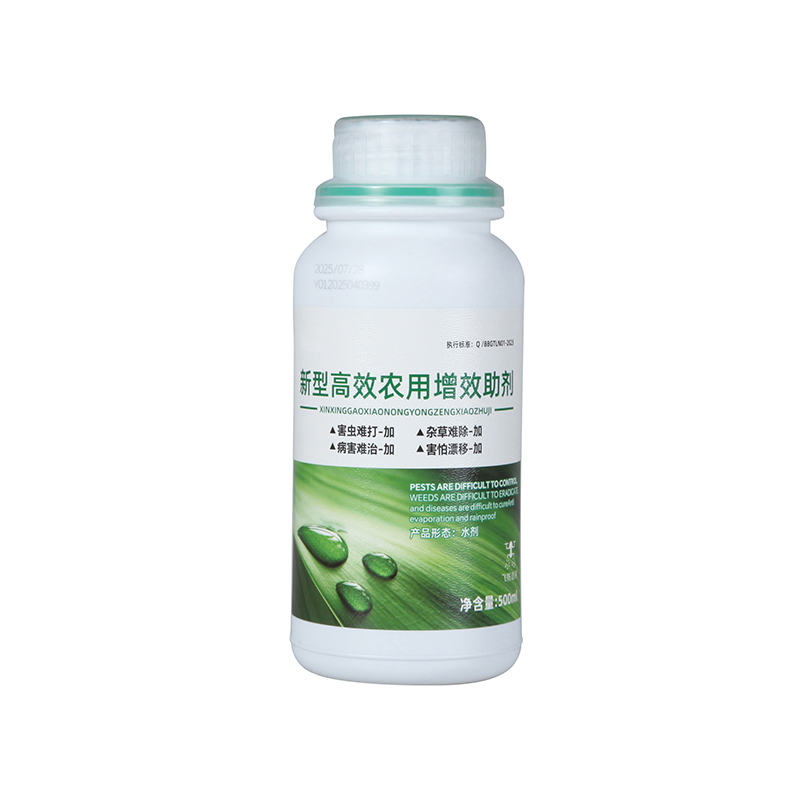
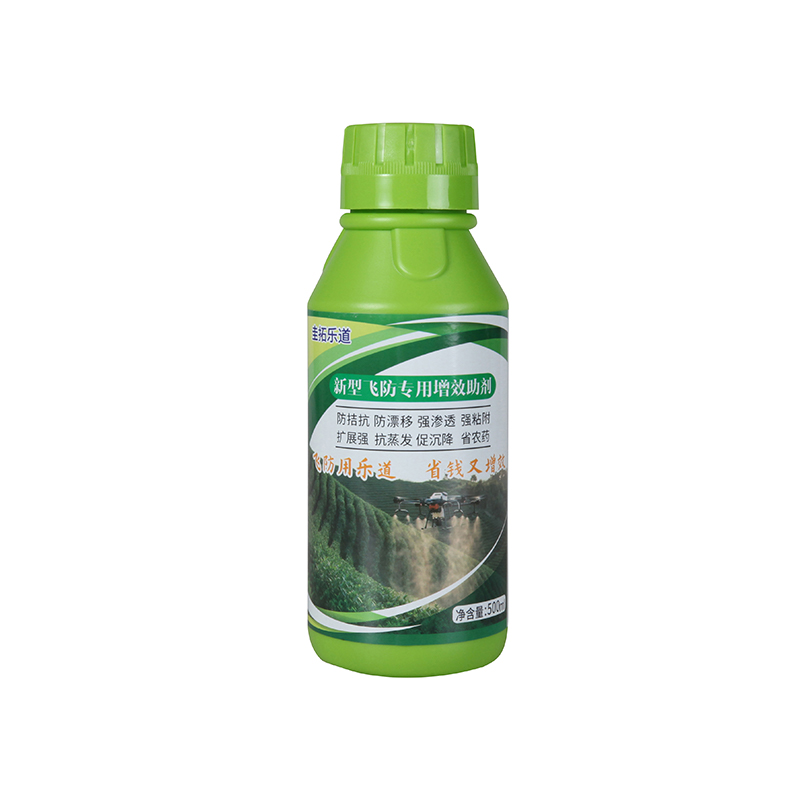
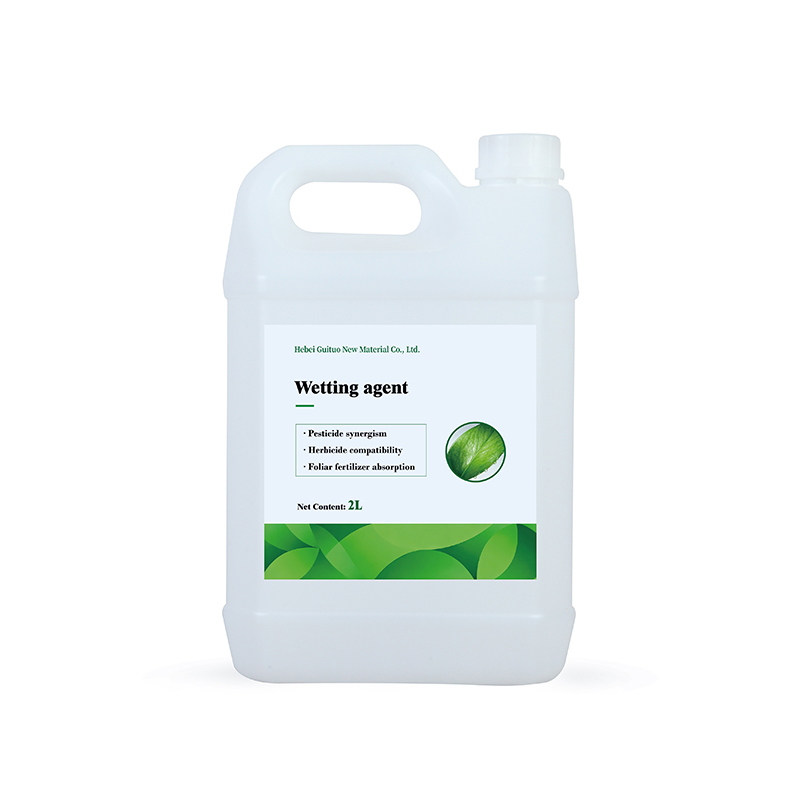
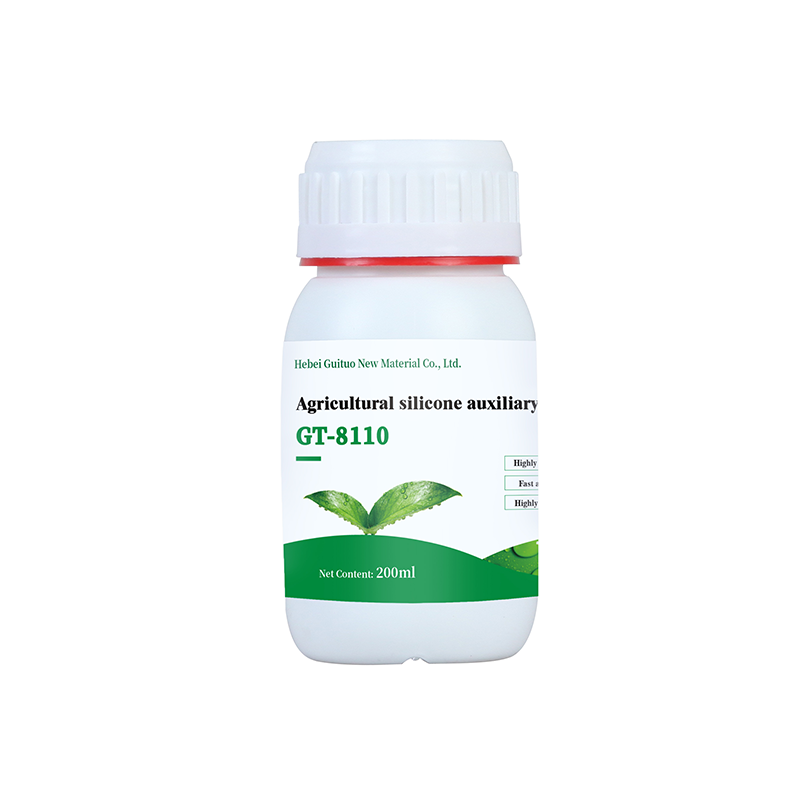
New High-Efficiency Agricultural Enhancing Adjuvants
Penetration and Absorption Enhancement
Penetration describes the movement of a pesticide or nutrient through the plant surface, while absorption describes the subsequent uptake into plant tissues. GT-1000 supports both processes primarily by changing the physical behavior of the spray droplet and improving contact with the plant surface.
When droplets spread more effectively, the contact area between the spray solution and the leaf increases. A larger contact area can improve the opportunity for active ingredients to interact with the cuticle. In certain formulations, silicone surfactants may also assist the movement of the solution through microscopic surface structures. The precise effect depends on the chemistry of the active ingredient, the plant species, the cuticle structure, and environmental conditions.
The adjuvant may be particularly useful when the target plant has a smooth, waxy, or difficult-to-wet surface. It can also help when the crop canopy is dense and spray droplets must distribute across many leaves. Better wetting does not guarantee complete absorption, but it creates more favorable conditions for the active ingredient to perform according to its intended mode of action.
For foliar fertilizers, improved wetting can increase the uniformity of nutrient distribution across leaf surfaces. For soil-applied fertilizer programs, the product may help improve solution movement and reduce certain absorption barriers when used according to the fertilizer supplier’s recommendations. However, GT-1000 should not be regarded as a substitute for proper soil management, irrigation, nutrient balancing, or agronomic planning.
Rainfastness and Longer-Lasting Application Performance
Rain can reduce pesticide performance when it occurs before the spray has dried or been absorbed. A formulation that remains as large, loosely attached droplets is more vulnerable to wash-off. By improving spreading and adhesion, GT-1000 can help the spray solution distribute more evenly and remain in closer contact with the plant surface.
The product is promoted as helping improve resistance to rain wash-off and extend the duration of pest and disease control by more than 30% under suitable conditions. This performance statement should be interpreted as application-dependent rather than universal. Rain intensity, rainfall timing, crop surface, pesticide chemistry, drying time, and application rate all influence rainfastness. Users should always follow the pesticide label concerning minimum rain-free periods.
Improved retention can be valuable in regions with unpredictable weather. If more of the applied spray remains on the target surface, the grower may obtain more consistent performance from each application. This may reduce the need for corrective spraying, although decisions should be based on field scouting, pest thresholds, weather conditions, and registered product instructions.
Use with Herbicides
GT-1000 can be used as an enhancing adjuvant in selected herbicide programs. Weed control often depends on getting sufficient active ingredient onto the weed leaf and maintaining contact long enough for absorption. Difficult-to-control weeds such as reed and alligator weed may present dense foliage, waxy surfaces, or vigorous regrowth, making spray coverage especially important.
When used with a compatible herbicide, GT-1000 can help droplets spread over weed leaves and improve the possibility of active ingredient uptake. More uniform wetting may be useful in situations where weeds have narrow leaves, upright growth, or overlapping foliage. The product does not independently control weeds, and it should be used only with herbicides for which the adjuvant is permitted or recommended.
Herbicide performance can be influenced by weed growth stage, temperature, humidity, water volume, spray pressure, nozzle type, and resistance status. An adjuvant cannot overcome herbicide resistance or an unsuitable treatment window. The best results are obtained when GT-1000 is incorporated into a complete weed-management program that includes correct identification, proper timing, rotation of modes of action, and integrated cultural practices.
Use with Insecticides and Fungicides
Insecticide and fungicide applications often require thorough coverage of leaf surfaces, stems, fruit, or other plant parts. Insects may shelter on the underside of leaves, while fungal pathogens may develop in shaded or humid areas within the canopy. Improved wetting and distribution can help the spray reach more of these target locations.
For contact fungicides, coverage is a central factor in establishing a protective layer. For systemic or translaminar products, effective deposition and absorption are important parts of the application process. GT-1000 may help optimize these physical steps when it is compatible with the formulation.
Growers should avoid assuming that more spreading always produces better results. Some crop protection products are formulated with their own surfactant system, and adding an external adjuvant may alter droplet behavior, drying rate, uptake, or crop tolerance. A compatibility check, label review, and small-scale crop safety test are recommended before commercial use.
Use with Fertilizers and Plant Nutrition Products
Fertilizer efficiency depends on nutrient form, placement, soil characteristics, water movement, root activity, pH, microbial processes, and crop demand. A silicone adjuvant does not replace these factors, but it may support more even distribution when used in foliar feeds or selected liquid fertilizer applications.
GT-1000 is described as helping break certain soil absorption barriers and assisting the delivery of nitrogen, phosphorus, and potassium toward the root zone. This benefit should be evaluated within the specific soil and fertilizer system. Soil texture, organic matter, salinity, moisture, cation exchange capacity, and irrigation method can all affect nutrient movement.
In foliar nutrition, improved spreading can help distribute a nutrient solution across leaves. In fertigation or soil-directed applications, the product may contribute to improved wetting and movement of the liquid phase. The fertilizer manufacturer’s instructions should be followed, especially where concentrated salts, acidic products, biological materials, or micronutrients are involved.
Advantages Compared with Conventional Non-Silicone Adjuvants
Conventional non-silicone wetting agents can provide useful surface activity, but silicone-based adjuvants are often selected when very rapid spreading and low surface tension are required. Polyether modified trisiloxanes are designed to combine silicone surface activity with a hydrophilic polyether segment, allowing them to interact efficiently with aqueous spray mixtures.
Compared with many standard surfactants, GT-1000 may provide several practical advantages:
First, it offers strong spreading at a relatively low use concentration. This can help reduce the amount of auxiliary material required to achieve a desired wetting effect.
Second, it can improve coverage on challenging plant surfaces where ordinary water-based droplets remain rounded or unevenly distributed.
Third, it can support faster wetting and more uniform deposition, which is useful in high-volume agricultural operations where application consistency is essential.
Fourth, its near-neutral pH range in a 1% aqueous solution may provide a formulation-friendly starting point for many spray systems. Compatibility still must be confirmed because the pH of the final tank mix depends on all components.
Fifth, the product is available through a manufacturer that supports customization. Customers can discuss concentration, packaging, application requirements, and private-label or OEM arrangements instead of relying only on standardized off-the-shelf products.
These advantages should be assessed through comparative trials rather than assumed for every use. A practical evaluation should compare untreated spray, a conventional adjuvant, and GT-1000 under the same crop, weather, water volume, nozzle, active ingredient, and application timing.
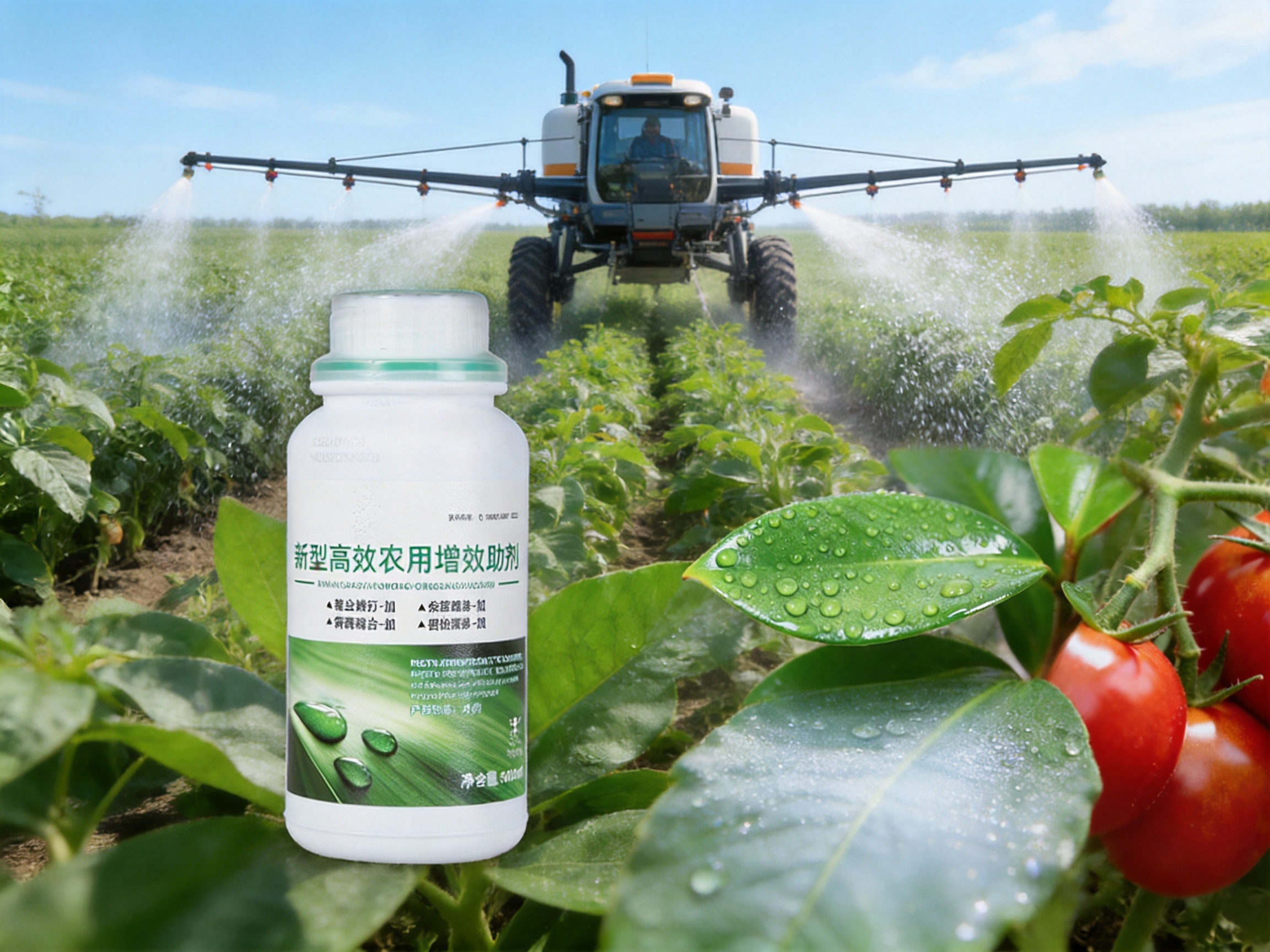
Product Quality and Manufacturing Strengths
The performance of an agricultural silicone adjuvant depends not only on its chemical class but also on manufacturing consistency. Small changes in active content, molecular distribution, viscosity, residual materials, or water compatibility can influence field performance. For this reason, a reliable supplier needs more than a product name and a basic technical data sheet.
Hebei Guituo New Material Co., Ltd. integrates research and development, production, sales, testing, and technical support. The company has established production facilities and testing equipment intended to support consistent material quality. Its stated quality-control approach covers the process from raw-material sourcing and production to finished-product delivery.
Process control is important when producing modified silicone materials. Key stages may include raw-material inspection, controlled reaction, temperature management, mixing, filtration, storage, and filling. Each stage can affect the final product’s appearance, viscosity, active content, water dispersibility, and surface activity. A disciplined production system helps reduce batch-to-batch variation.
Testing facilities allow manufacturers to monitor important technical indicators. For GT-1000, relevant quality characteristics include purity, viscosity at a defined temperature, surface tension at a specified concentration, cloud point, pH, appearance, and compatibility behavior. These measurements help confirm whether each batch remains within the agreed specification.
Cloud point is particularly relevant for nonionic surfactant systems. It indicates the temperature at which a solution may begin to lose clarity or separate under defined conditions. The supplied cloud point specification of not more than 35°C provides useful information for formulation and storage evaluation. Users should still consider local climate, tank temperature, storage conditions, and the presence of salts or co-formulants.
Viscosity control also supports practical handling. A viscosity of 30–50 mm²/s at 25°C indicates a relatively fluid material that can be pumped, metered, and blended using common liquid-handling equipment. Actual behavior may change with temperature and dilution, so storage and dispensing systems should be selected accordingly.
Research and Development Capabilities
Agricultural adjuvants serve diverse markets, and one formulation may not be ideal for every crop protection product. A supplier with research and development capabilities can help customers address differences in active ingredients, formulation types, water quality, crop surfaces, and application methods.
Guituo New Material focuses on the development and practical application of high-end silicone materials in industrial and agricultural fields. Its product matrix includes multiple categories of additives and surfactants, enabling technical comparison among different materials. This broader product base can be helpful when a customer needs a higher-spreading grade, a more compatible grade, a lower-foaming option, or a formulation tailored for a particular use.
Technical development may include optimizing the balance between spreading, wetting, adhesion, foam behavior, emulsification, dilution stability, and crop safety. These properties can sometimes compete with one another. For example, a very aggressive wetting effect may increase the risk of penetration-related crop sensitivity in certain conditions. A suitable product must therefore be selected through application testing rather than by focusing on a single performance indicator.
For customers developing new agricultural formulations, the supplier can support laboratory screening, sample evaluation, and scale-up discussions. OEM and ODM services may also help agrochemical companies create private-label adjuvants or integrate a silicone synergist into a finished product line.
Quality Assurance from Raw Material to Finished Product
Stable product quality begins with controlled raw materials. Suppliers should evaluate incoming materials according to identity, purity, moisture, appearance, and other relevant parameters. Proper documentation and traceability help manufacturers identify the origin of each batch and respond efficiently if a quality question arises.
During production, process conditions need to be monitored and recorded. Reaction temperature, mixing time, material ratios, pressure, and purification conditions can influence the molecular structure and performance of modified silicone products. Automated or carefully documented control procedures can help maintain repeatability.
Finished-product inspection should confirm that the material matches the agreed technical specifications. Depending on the customer’s requirements, testing may include appearance, viscosity, density, active content, surface tension, pH after dilution, cloud point, water dispersibility, storage stability, and packaging integrity.
Quality assurance also continues after production. Correct filling, sealing, labeling, palletizing, and storage protect the product during transportation. Technical documents such as the specification sheet, safety data sheet, certificate of analysis, and handling recommendations can support safe and consistent customer use.
Application and Handling Guidance
GT-1000 should be diluted and applied according to the requirements of the target pesticide, fertilizer, crop, and application system. There is no single universal rate for every use. The best concentration depends on whether the product is being used as a tank-mix adjuvant, a component of a formulated product, a foliar nutrient aid, or a soil-directed additive.
A typical mixing sequence begins with filling the spray tank with clean water to an appropriate partial volume. Water conditioners or buffers, if required, are added first. The pesticide or fertilizer is then incorporated according to its label and formulation type. GT-1000 is generally added after the primary products have dispersed, unless the formulation supplier provides a different order. The tank should be agitated continuously while the remaining water is added.
Users should avoid adding GT-1000 directly to highly concentrated pesticide or fertilizer materials unless the formulation has been specifically designed for that procedure. Direct contact with concentrated salts, strong acids, strong alkalis, oxidizers, or incompatible emulsions may cause separation, excessive foam, or other instability.
A jar test is a simple and valuable compatibility check. The test should use the same water source and approximate mixing order planned for field application. The mixture should be observed for precipitation, layering, gel formation, excessive foam, heat generation, or unexpected color change. A jar test does not replace a crop safety trial, but it can identify many physical incompatibilities before field use.
Crop Safety and Responsible Use
Although GT-1000 is described as a biocompatible and environmentally considerate formulation, crop safety depends on concentration, crop variety, plant growth stage, weather, and the chemistry of the tank mixture. Young leaves, stressed plants, tender fruit, and crops exposed to high temperatures may be more sensitive to aggressive adjuvant systems.
Applications should be avoided during extreme heat, drought stress, frost conditions, or other periods when crops are already under physiological pressure. Users should observe the pesticide label and local agricultural regulations. A small-area test is recommended before treating a new crop, cultivar, or combination of products.
Responsible use also means avoiding unnecessary increases in dosage. More adjuvant does not automatically mean better performance. Excessive rates may increase runoff, foaming, or crop response without improving pest control. The objective is to use the lowest effective concentration that provides the desired wetting and retention performance.
Protective equipment should be selected according to the safety data sheet and the requirements of the accompanying pesticide or fertilizer. Containers should remain closed when not in use. Spills should be contained and collected according to local procedures, and empty packaging should not be reused for food, feed, or drinking water.
Environmental and Economic Benefits
Improving application efficiency can support both economic and environmental goals. When more of the active ingredient reaches the intended plant surface, growers may be able to reduce waste caused by runoff, bounce, drift, and poor deposition. This can help lower input costs and improve the consistency of crop protection programs.
Fewer corrective applications may also reduce fuel consumption, labor requirements, machinery wear, and field traffic. Reduced traffic can be particularly beneficial in wet fields or sensitive soil conditions. However, any reduction in application frequency or rate must be supported by field monitoring and must remain within legal and label requirements.
GT-1000’s role in sustainable agriculture is therefore based on efficiency rather than on replacing sound agronomy. It works best as one component of integrated pest management, responsible nutrient management, water conservation, and accurate application technology.
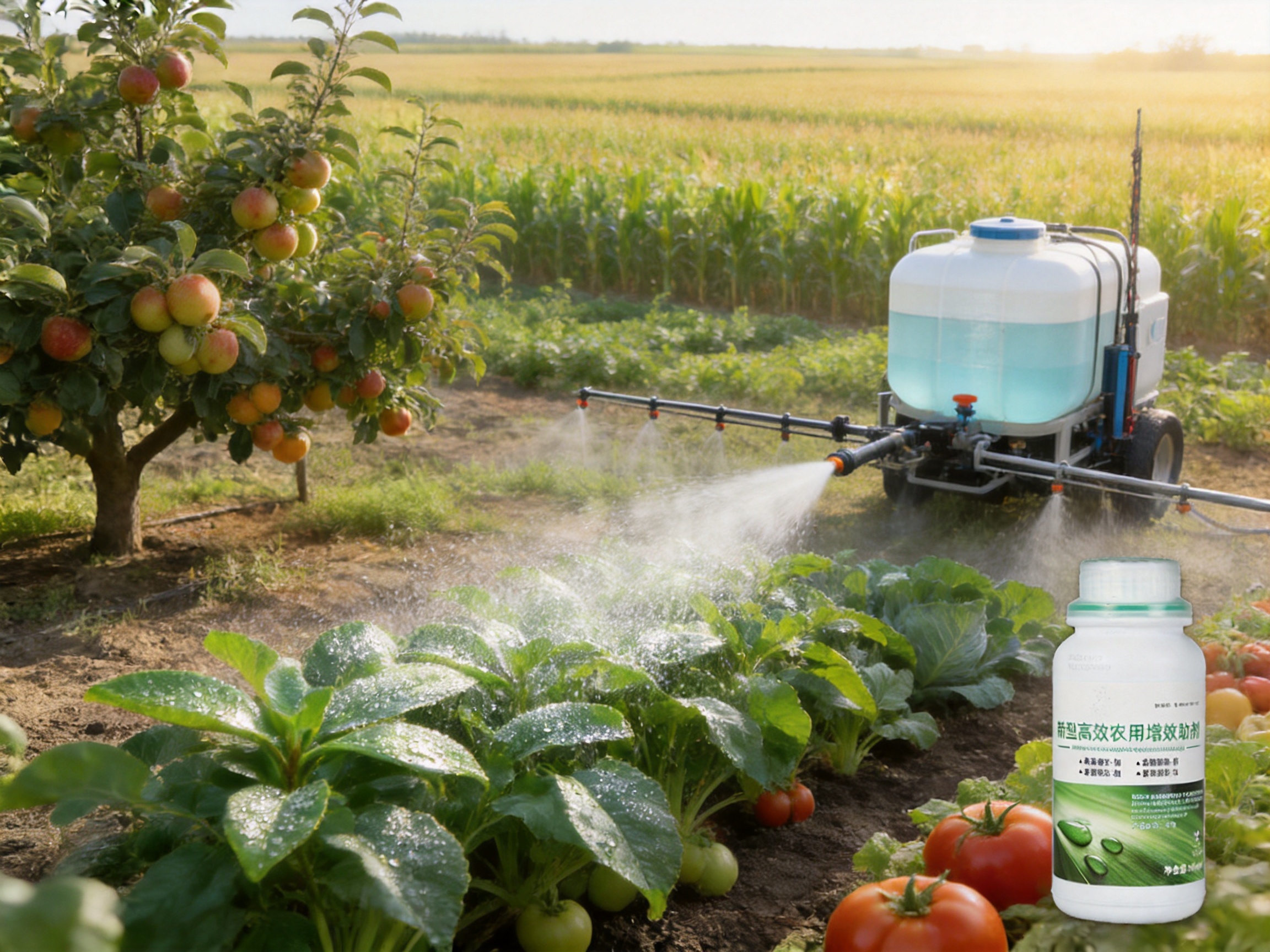
Applications across Different Crop Categories
Field crops such as cereals, oilseeds, cotton, and other broad-acre crops may benefit from improved spray distribution across large areas. In these systems, even small improvements in deposition can influence the total efficiency of a high-volume operation. Compatibility with commonly used herbicides, fungicides, and insecticides should be confirmed before treatment.
Fruits and vegetables often have complex canopies, variable leaf surfaces, and high quality requirements. Better coverage may support more uniform crop protection and foliar nutrition. Nevertheless, fruit finish, residue requirements, harvest intervals, and crop sensitivity must be considered carefully.
Cash crops and specialty crops may require customized application programs. Their value per hectare can justify more detailed testing of adjuvant rate, spray volume, nozzle selection, and timing. GT-1000 can be evaluated as part of a tailored program designed around the crop’s leaf structure and the target pest or disease.
Greenhouse and protected-cultivation systems also require caution. Limited ventilation, high humidity, frequent irrigation, and sensitive varieties may change spray behavior. Trials should be performed under actual production conditions, and operators should monitor both crop response and residue behavior.
Comparison of Key Performance Factors
| Performance factor | Conventional water-only spray | GT-1000-enhanced spray | Practical value |
|---|---|---|---|
| Surface tension | Relatively high | Significantly reduced when properly diluted | Supports faster wetting and spreading |
| Leaf coverage | May remain uneven on waxy surfaces | More uniform distribution can be achieved | Improves contact with target surfaces |
| Droplet behavior | Greater tendency to bead or run off | Improved spreading and surface contact | May reduce untreated areas and runoff |
| Absorption opportunity | Limited by poor wetting | Enhanced by improved contact and distribution | Supports efficient use of compatible actives |
| Rain wash-off resistance | Dependent mainly on the pesticide formulation | May improve retention after drying | Can support more consistent field performance |
| Formulation flexibility | No added compatibility considerations | Requires jar testing and crop safety evaluation | Allows performance improvement when properly managed |
| Resource efficiency | Potentially higher loss from poor deposition | May reduce waste and repeat applications | Supports cost and environmental objectives |
Supply, Customization, and Export Support
Hebei Guituo New Material Co., Ltd. serves customers in agricultural and industrial markets and has experience supplying silicone materials to overseas markets, including Europe and Southeast Asia. Stable performance, reliable quality, and repeat purchasing are important indicators for customers that require dependable supply over multiple growing seasons.
The company’s manufacturing and product structure allows it to offer more than a single standard material. Customers can discuss packaging sizes, private labeling, technical documentation, application requirements, and product customization. OEM and ODM services are available for businesses that want to launch their own agricultural adjuvant brand or incorporate GT-1000 technology into a proprietary formulation.
Customization may involve adjusting the product format, concentration, container size, label information, or technical support package. Any modification should be verified through laboratory and field testing to ensure that the final product maintains appropriate spreading, stability, storage, and crop safety characteristics.
For international buyers, communication regarding regulatory status, shipping classification, documentation, sample approval, and delivery schedules should take place before commercial orders. A clear technical agreement helps align the supplier’s production specifications with the customer’s formulation and market requirements.
Recommended Evaluation Program
Customers considering GT-1000 can use a staged evaluation program. The first stage is a laboratory screening test that measures dilution stability, surface tension, spreading behavior, foam, and compatibility with the intended pesticide or fertilizer.
The second stage is a small plot or greenhouse trial. This trial should compare the standard application program with the GT-1000-enhanced program. Measurements may include leaf coverage, visible crop response, pest or disease control, weed suppression, rainfall events, and the need for follow-up applications.
The third stage is a larger field demonstration under commercial conditions. The trial should use normal equipment and application timing. Economic factors such as product cost, labor, fuel, yield quality, and treatment frequency should be recorded.
The final stage is routine quality monitoring. Users should retain batch numbers, mixing records, weather data, application rates, and field observations. This information helps identify the most reliable use conditions and supports continuous improvement.
Frequently Asked Questions
What is GT-1000?
GT-1000 is a high-efficiency agricultural silicone synergist based on polyether modified trisiloxane technology. It is used to improve wetting, spreading, adhesion, penetration opportunity, and absorption efficiency in compatible pesticide and fertilizer spray systems.
Does GT-1000 replace a pesticide?
No. GT-1000 is an adjuvant, not a pesticide, herbicide, fungicide, or insecticide. It supports the physical performance of a compatible agricultural product but does not independently provide pest or disease control.
How does GT-1000 improve pesticide efficiency?
It reduces the surface tension of spray droplets, helping them spread more evenly over plant surfaces. Better coverage and adhesion can increase the opportunity for the active ingredient to contact and penetrate the target surface.
Can it be used with all pesticides?
No adjuvant should be assumed to be universally compatible. Compatibility depends on the pesticide formulation, active ingredient, water quality, mixing order, application rate, and crop. Users should check the pesticide label, conduct a jar test, and perform a small-area crop safety test.
Can GT-1000 be used with fertilizers?
It may be used with selected foliar fertilizers, fertigation systems, or soil-directed fertilizer programs. The suitability depends on the fertilizer composition and application method. Concentrated salts, strong acids, strong alkalis, and biological products require special compatibility evaluation.
Is it suitable for field crops, fruits, and vegetables?
GT-1000 is designed for broad agricultural applicability and may be evaluated on field crops, fruits, vegetables, and cash crops. Crop safety and performance can vary, so users should test the product on the specific crop and cultivar before commercial treatment.
How does it help with rain wash-off?
By improving spreading and adhesion, GT-1000 can help the spray solution remain more uniformly distributed on the plant surface after drying. Rainfastness still depends on the active ingredient, drying time, rainfall intensity, crop surface, and label instructions.
Does a higher dosage always provide better results?
No. The optimum rate must be determined through testing. Excessive adjuvant can increase the risk of crop sensitivity, foaming, or formulation instability. The recommended approach is to use the lowest effective concentration supported by technical and field data.
What is the significance of the surface tension specification?
Surface tension indicates how readily a liquid forms and spreads as droplets. A lower value generally supports better wetting of plant surfaces. GT-1000 is specified at less than 20.5 mN/m at a 0.1% concentration, but actual tank-mix performance depends on the complete formulation.
What does the cloud point indicate?
The cloud point describes the temperature at which a surfactant solution may begin to lose clarity under defined test conditions. GT-1000 has a stated cloud point of not more than 35°C at a 1.0% concentration. Storage temperature, salts, and other formulation ingredients may affect practical behavior.
What manufacturing advantages does the supplier offer?
The supplier integrates research and development, production, testing, quality monitoring, and sales. It uses production and testing facilities, maintains process controls, offers a broad silicone-material portfolio, and supports OEM and ODM cooperation for qualified customers.
Is GT-1000 environmentally friendly?
The product is described as having a biocompatible and environmentally considerate formulation. Its environmental value is primarily associated with improving application efficiency and potentially reducing waste. Safe use still requires compliance with product labels, local regulations, proper handling, and responsible disposal.
How should customers begin a purchase or customization project?
Customers should provide the intended application, pesticide or fertilizer type, target crop, desired packaging, market requirements, and estimated annual volume. The supplier can then recommend samples, technical testing, specifications, and an appropriate OEM or ODM process.
Conclusion
GT-1000 is designed to solve one of the most persistent challenges in agricultural input use: getting more of the applied product onto the right surface and keeping it available long enough to perform. Its polyether modified trisiloxane structure, low surface tension, controlled viscosity, near-neutral pH, and high stated purity make it a strong candidate for modern pesticide and fertilizer application programs.
The product can improve spray spreading, coverage, adhesion, penetration opportunity, and absorption efficiency. It may also support better rainfastness and more consistent control in compatible programs. Compared with water-only spraying or some conventional adjuvant systems, its high surface activity can provide an advantage where rapid wetting and uniform distribution are important.
The strength of GT-1000 is supported by the supplier’s integrated capabilities in silicone-material research, manufacturing, testing, quality control, overseas supply, and customized service. For agrochemical formulators, distributors, and professional growers, this combination offers a practical route to developing more efficient and reliable application systems.
As with any agricultural adjuvant, success depends on correct product selection, compatibility testing, responsible dosage, crop safety evaluation, and adherence to local regulations. When these conditions are properly managed, GT-1000 can become a valuable part of integrated pest management, efficient nutrient delivery, and more sustainable crop production.
References
1. General principles of agricultural spray adjuvants, wetting agents, surfactants, and spray deposition.
2. Technical information supplied for GT-1000 agricultural silicone synergist, including viscosity, surface tension, cloud point, pH, purity, and chemical description.
3. Principles of plant cuticle structure, pesticide penetration, foliar absorption, and spray retention.
4. Integrated pest management principles concerning efficient pesticide use, pest monitoring, resistance management, and reduction of unnecessary applications.
5. General guidelines for pesticide tank mixing, jar testing, crop safety evaluation, and responsible agricultural chemical handling.
6. Manufacturer information regarding silicone additives, agricultural organosilicon surfactants, modified silicone oils, quality management, OEM services, and ODM development.
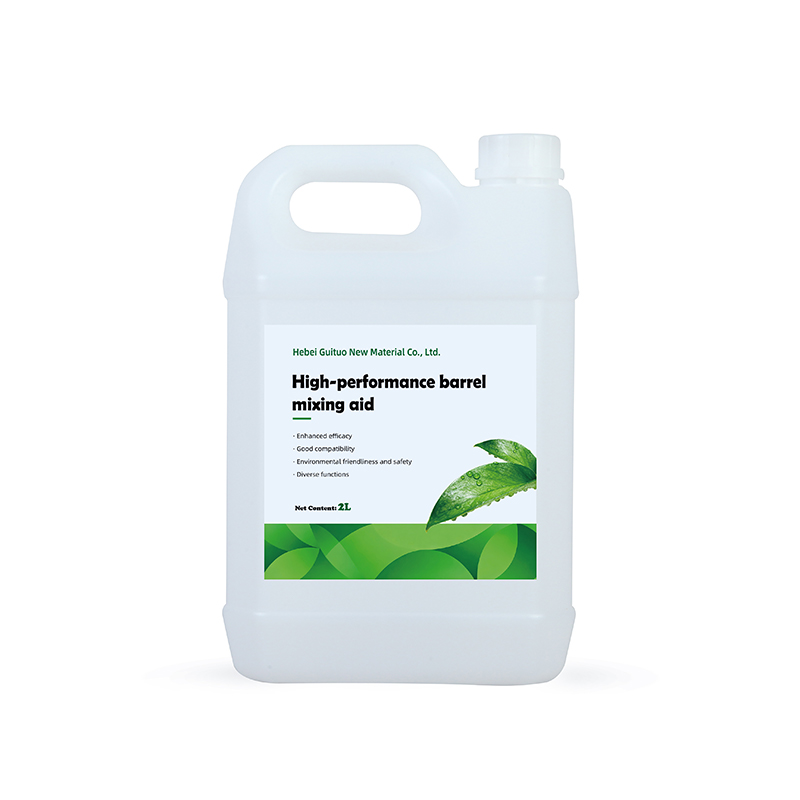
Product: New High-Efficiency Agricultural Enhancing Adjuvants


Contact Information
Tel : +86-400-138-5268
Email : [email protected]
Phone : +86-15128434888 / +86-13511051998
Add : Xinqiao Environmental Protection Industrial Park, Wen'an County, Langfang City, Hebei Province, China
Contact Information
Copyright © Hebei Guituo New Material Co., Ltd. All Rights Reserved.
