

 English
 Français
 Português

 Home / Author / Chen Yuhan, After-sales Coordinator (OEM/ODM Silicone Products) / Agricultural Organosilicone Adjuvants for Higher Spray Coverage, Absorption, and Application Efficiency
Agricultural Organosilicone Adjuvants for Higher Spray Coverage, Absorption, and Application Efficiency
2026-10-05
Agricultural spray performance depends on more than the active ingredient selected for a crop protection program. Even a well-designed pesticide can deliver inconsistent results when spray droplets remain concentrated in small beads, bounce from waxy leaves, drift away from the target, or wash off before sufficient absorption takes place. Agricultural organosilicone adjuvants are designed to address these practical limitations by modifying the behavior of spray solutions on plant surfaces.
GT-8110, GT-8210, and GT-8310 are multifunctional agricultural organosilicone adjuvants developed for use with herbicides, fungicides, insecticides, foliar fertilizers, and plant growth regulators. As polyether-modified trisiloxane products, they combine extremely low surface tension with rapid spreading, improved wetting, enhanced penetration, and stronger adhesion. These properties help formulators and growers obtain more uniform coverage while potentially reducing water consumption, labor requirements, and unnecessary pesticide losses.
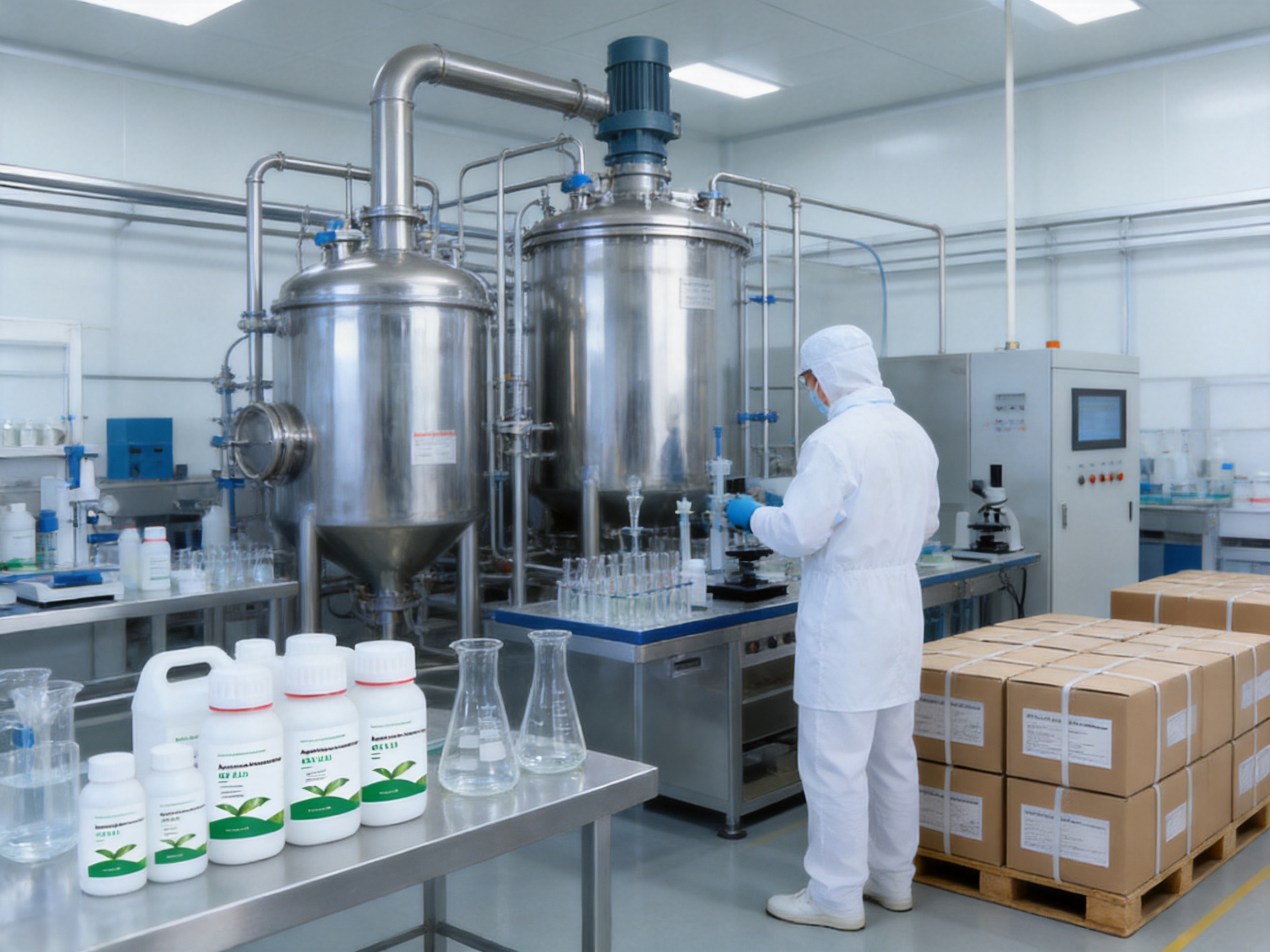
The products are manufactured and supplied by Hebei Guituo New Material Co., Ltd., a high-technology silicone materials enterprise engaged in research, production, quality control, and customized supply. Its product portfolio includes agricultural silicone additives, wetting agents, modified silicone oils, dimethyl silicone oils, surfactants, defoamers, and other specialty materials for agricultural and industrial applications.
This article examines the working principles, technical characteristics, application advantages, manufacturing strengths, quality assurance practices, and sourcing considerations associated with agricultural organosilicone adjuvants.
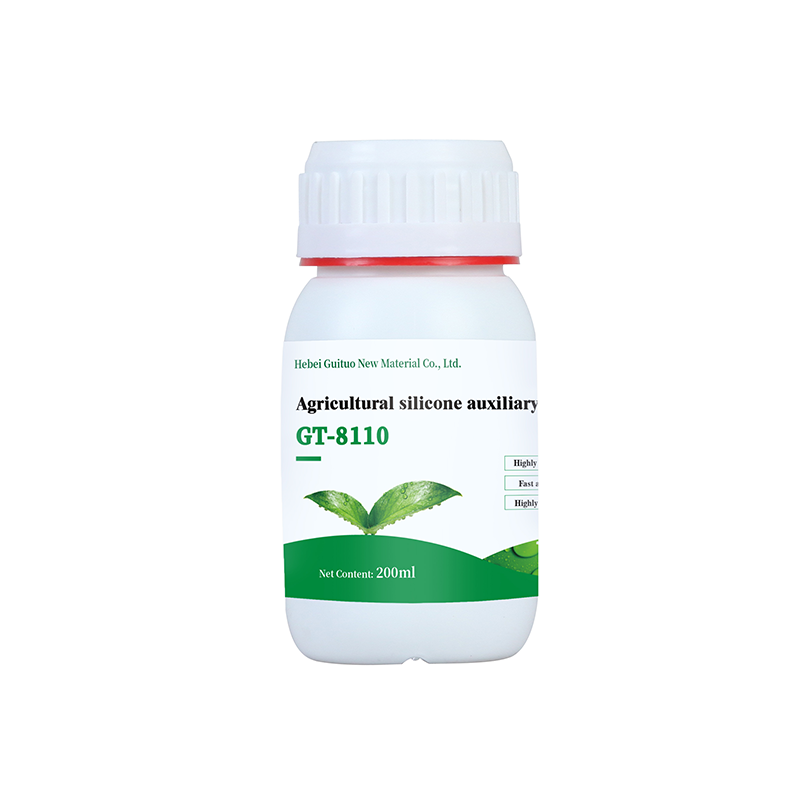
Agricultural Organosilicone Adjuvant
What Is an Agricultural Organosilicone Adjuvant?
An agricultural organosilicone adjuvant is a functional additive incorporated into a spray tank to improve the physical behavior and biological performance of another agricultural product. It is not generally used as the primary herbicide, insecticide, fungicide, or fertilizer. Instead, it acts as a spray modifier and delivery aid that helps the active ingredient reach, remain on, and enter the intended plant surface.
The principal chemistry used in GT-8110, GT-8210, and GT-8310 is polyether-modified trisiloxane. This class of silicone surfactant is recognized for its ability to reduce the surface tension of aqueous solutions to a much lower level than ordinary water or many conventional non-ionic wetting agents can achieve.
Water has a relatively high surface tension. When a water-based spray droplet lands on a leaf with a waxy or hydrophobic surface, it may retain a rounded shape. The droplet can remain isolated, roll away, or cover only a small area. The result is incomplete distribution of the active ingredient and a greater possibility of untreated spaces.
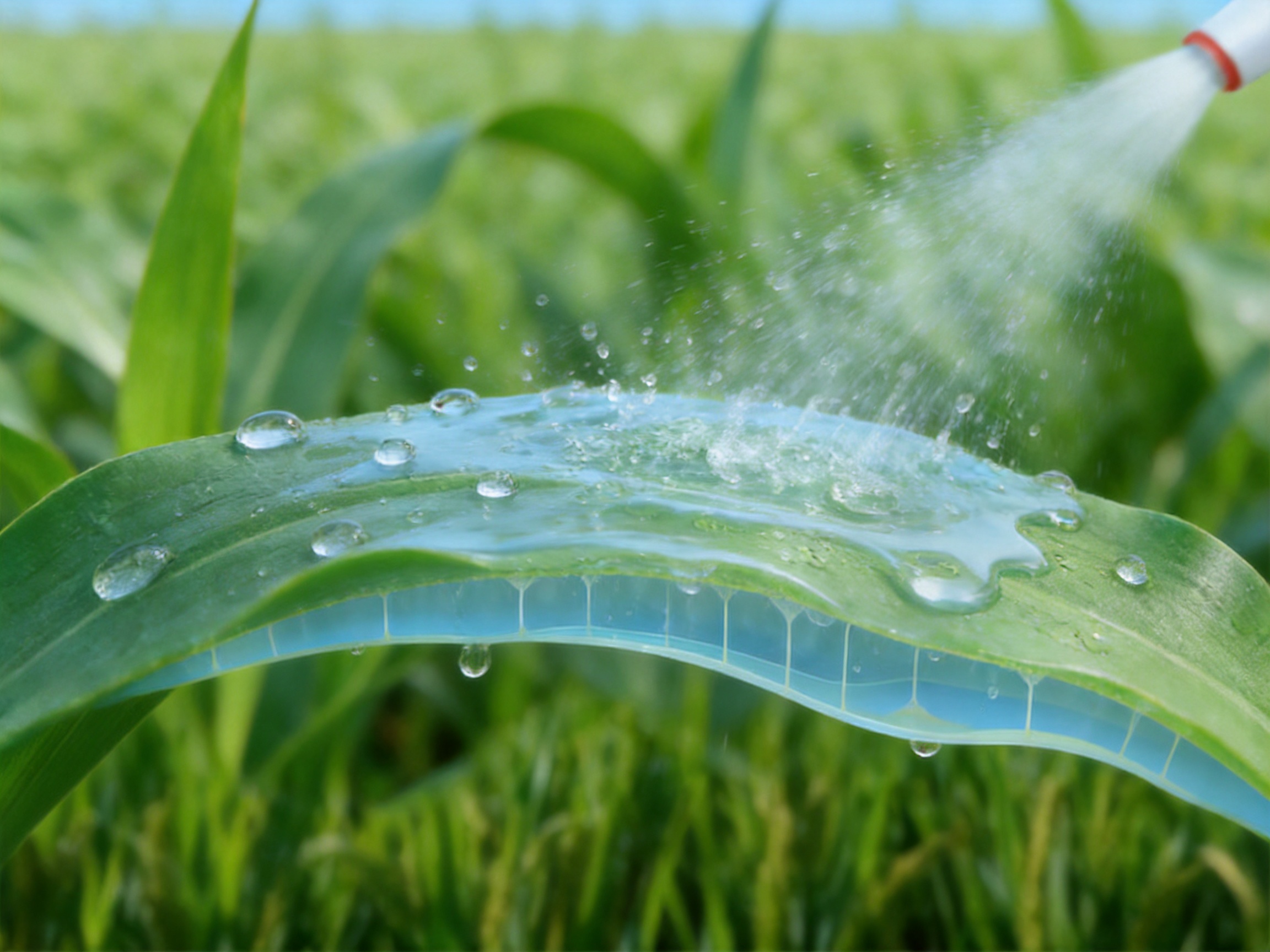
After an appropriate organosilicone adjuvant is added, the spray solution can flatten and spread much more rapidly. The droplet may form a broad film over the leaf surface, improving the area of contact between the solution and the plant. This process is often described as super spreading or superspreading.
In addition to spreading, an organosilicone adjuvant can improve wetting, promote movement into small surface structures, support absorption through the cuticle, and improve retention after application. The exact result depends on the crop, active ingredient, formulation type, spray water, weather, equipment, application rate, and timing.
Product Range and Technical Profile
GT-8110, GT-8210, and GT-8310 are offered as agricultural organic silicone adjuvant grades. The grades are intended to provide similar core benefits while allowing users to select a product according to formulation requirements, application conditions, and compatibility considerations.
| Item | Specification |
|---|---|
| Product models | GT-8110, GT-8210, GT-8310 |
| Product name | Agricultural organosilicone adjuvants |
| Product type | Silicone surfactant and polyether-modified trisiloxane |
| CAS number | 27306-78-1 |
| EINECS number | 608-078-3 |
| Purity | 99% |
| Viscosity at 25°C | 30–50 mm²/s |
| Surface tension at 0.1% by weight | Less than 20.5 mN/m |
| Cloud point at 1.0% by weight | Not higher than 35°C |
| pH value of a 1% aqueous solution at 25°C | 6.5–7.5 |
| Primary applications | Herbicides, fungicides, insecticides, foliar fertilizers, plant growth regulators, and aerial application programs |
The low surface tension value is one of the most important indicators in this product category. A value below 20.5 mN/m at the stated concentration demonstrates the strong spreading potential of the material. The near-neutral pH of a one-percent aqueous solution also supports practical use in many agricultural tank mixes, although compatibility testing should always be conducted before commercial application.
The viscosity range of 30–50 mm²/s helps the product remain manageable during dosing, blending, and packaging. The specified cloud point provides useful information for storage and formulation planning, particularly in regions where products may be exposed to temperature changes.
How Low Surface Tension Improves Spray Performance
Droplet Flattening and Leaf Coverage
When a conventional water-based spray reaches a leaf, surface tension causes the droplet to resist spreading. On smooth, waxy, hairy, or vertically oriented leaves, this limitation can be especially serious. A droplet that does not spread may cover only a small section of the plant surface, leaving the active ingredient unevenly distributed.
Organosilicone adjuvants reduce the cohesive forces within the liquid and improve the ability of the droplet to wet the surface. GT-8110 and related grades can cause a droplet to flatten quickly after impact. Instead of remaining as a compact bead, the solution may expand into a larger film.
The increased footprint can improve coverage per droplet. This is particularly valuable in low-volume, drone, aerial, and precision spraying, where each droplet must contribute as much useful coverage as possible. Product information for this range describes spreading areas and speeds that can be dozens to hundreds of times greater than those associated with conventional adjuvants under comparable conditions. Actual performance should be verified through crop-specific testing.
Improved Wetting of Difficult Plant Surfaces
Plant leaves differ substantially in their surface characteristics. Some have thick wax layers, while others have hairs, ridges, folds, or highly angled surfaces. Rain-fed crops, vegetables, orchard crops, and field crops may all present different wetting challenges.
A strong organosilicone surfactant helps the spray solution move across irregular surfaces instead of remaining concentrated at the initial point of impact. Improved wetting supports a more even distribution of herbicides, fungicides, insecticides, micronutrients, and plant growth regulators.
Uniform wetting is particularly important when the biological target is distributed across a large surface area. Fungicide programs, for example, may require coverage of both upper and lower leaf surfaces. Insecticide programs may benefit when droplets reach areas where insects feed or shelter. Foliar nutrients may be distributed more evenly when the carrier solution forms a consistent film.
Lower Contact Angle
The contact angle describes how a liquid droplet interacts with a solid surface. A high contact angle generally indicates poor wetting and a rounded droplet. A lower contact angle indicates that the liquid is spreading more effectively.
Polyether-modified trisiloxanes are valued because they can reduce the contact angle of aqueous spray solutions to a very low level. In suitable conditions, this can create a nearly continuous film across a plant surface. The resulting film may improve contact between the active ingredient and the leaf while reducing the likelihood that the solution will roll away before drying or absorption.
Three Main Functions in the Spray Tank
1. Spreading
The first function is rapid spreading. GT-8110, GT-8210, and GT-8310 help droplets move outward after they reach the plant surface. This can increase the area treated by each droplet and reduce visible beading.
Better spreading may also reduce the number of untreated gaps between droplets. For contact pesticides and foliar fertilizers, this can improve surface distribution. For systemic products, it can increase the area available for absorption, subject to the characteristics of the active ingredient and the plant tissue.
2. Penetration and Absorption Support
The second function is penetration support. Organosilicone adjuvants can assist the movement of a spray solution through surface irregularities and open stomata. This is sometimes called a stomatal-channel effect.
Stomata are small openings that regulate gas exchange and water movement in plant tissues. Under suitable conditions, a low-surface-tension solution may flow toward and into open stomata. This provides a possible entry route in addition to diffusion through the cuticle.
The presence and openness of stomata vary according to crop species, leaf age, time of day, humidity, temperature, plant water status, and other environmental conditions. Therefore, an organosilicone adjuvant should not be viewed as a guarantee of penetration in every situation. It is better understood as a tool that improves the physical conditions for absorption.
3. Adhesion and Retention
The third function is adhesion. After the droplet spreads and begins to dry, the remaining deposit should stay in contact with the plant surface. Improved adhesion can reduce losses caused by wind movement, surface runoff, light rain, irrigation, and mechanical disturbance.
Rainfastness depends on more than the adjuvant alone. It is also affected by the active ingredient, formulation, drying time, humidity, rain intensity, leaf surface, temperature, and application rate. Nevertheless, a well-designed organosilicone adjuvant can help the spray form a more consistent film and may extend the practical interval before wash-off occurs.
Advantages Compared with Conventional Non-Ionic Wetting Agents
Conventional non-ionic surfactants remain useful in agricultural formulations, but organosilicone adjuvants can offer a different performance profile. Many conventional products reduce surface tension moderately and improve wetting. Polyether-modified trisiloxanes generally provide a much stronger surface-tension reduction at low use levels.
| Performance factor | Conventional non-ionic wetting agent | Agricultural organosilicone adjuvant |
|---|---|---|
| Surface-tension reduction | Moderate reduction, often leaving a visible droplet shape | Very strong reduction, with potential for low-20s mN/m performance at the specified test concentration |
| Spreading speed | Improves spreading but may require a higher dosage | Rapid spreading and strong wetting at comparatively low inclusion levels |
| Leaf coverage | Improved compared with untreated water | Broad film formation and more uniform distribution under suitable conditions |
| Stomatal access | Usually relies primarily on improved surface wetting and cuticle contact | Can support movement toward open stomata because of very low surface tension |
| Low-volume spraying | Performance may be limited when water volume is reduced | Well suited to programs where coverage per liter is important |
| Rain-wash resistance | May provide limited improvement depending on formulation | Can improve film continuity and adhesion before and after drying |
| Application flexibility | Often used for general wetting and emulsification | Used as a spreading, penetration, activation, and aerial-application aid |
The main advantage is not simply that an organosilicone adjuvant is “stronger.” Its value comes from combining several functions in one material. A product that spreads rapidly but does not remain on the leaf may offer limited practical value. Similarly, an additive that improves adhesion but leaves large untreated gaps may not provide uniform protection. GT-8110-type chemistry is intended to combine spreading, wetting, penetration support, and retention.
Potential Benefits for Crop Protection Programs
Improved Herbicide Performance
Herbicides must contact the target weed and, depending on their mode of action, move through the cuticle or into other plant tissues. Poor wetting can reduce the amount of active ingredient that reaches the weed surface. An agricultural organosilicone adjuvant can improve droplet distribution and contact, particularly on weeds with waxy leaves or difficult growth habits.
By improving surface coverage and absorption conditions, an adjuvant may contribute to stronger and more consistent herbicide performance. The product does not replace the herbicide, and it should not be used to compensate for an incorrect application rate, unsuitable weather, or an incompatible tank mix.
More Consistent Fungicide Coverage
Fungicides often depend on thorough coverage of leaf surfaces. Uneven deposits can create areas where pathogens are not adequately contacted or protected. Rapid spreading can help the fungicide reach a larger portion of the leaf and can improve distribution around leaf veins, folds, and textured areas.
For systemic or translaminar fungicides, better wetting may support absorption into plant tissues. For contact fungicides, uniform film formation may improve the continuity of the protective layer. The appropriate result depends on the active ingredient and the product label.
Enhanced Insecticide Contact
Insects may feed on the underside of leaves, in protected plant structures, or in locations that are difficult for spray droplets to reach. Better spreading can increase the probability that the spray solution contacts relevant feeding areas.
Agricultural organosilicone adjuvants may be used with insecticides targeting aphids, whiteflies, and other pests. Since insecticide formulations differ widely, jar testing and small-plot evaluation are recommended before large-scale application.
More Efficient Foliar Fertilization
Foliar fertilizers and micronutrient products can benefit from improved leaf wetting and distribution. A more uniform film may reduce the concentration of nutrients in isolated spots and improve contact with the absorptive leaf surface.
However, foliar nutrition also requires careful attention to salt concentration, crop sensitivity, temperature, humidity, and application timing. The adjuvant should be evaluated as part of the complete foliar formulation rather than considered independently.
Support for Plant Growth Regulators
Plant growth regulators are often applied at relatively low concentrations, making uniform delivery important. Improved spreading can help distribute the spray more evenly across the target tissue. As with all agricultural chemicals, users should follow the label requirements of the specific plant growth regulator.
Spray Volume Reduction and Resource Efficiency
One of the reported benefits of agricultural organosilicone adjuvants is the possibility of reducing spray volume by approximately 30–50% in suitable programs. The practical reduction depends on application technology, nozzle selection, droplet size, crop canopy, target pest, weather, and product label requirements.
When a lower water volume is technically and legally appropriate, the benefits can extend beyond water savings. Fewer tank refills may be required during a working day. Operators may spend less time transporting and loading water. Fuel consumption and equipment operating time may also be reduced.
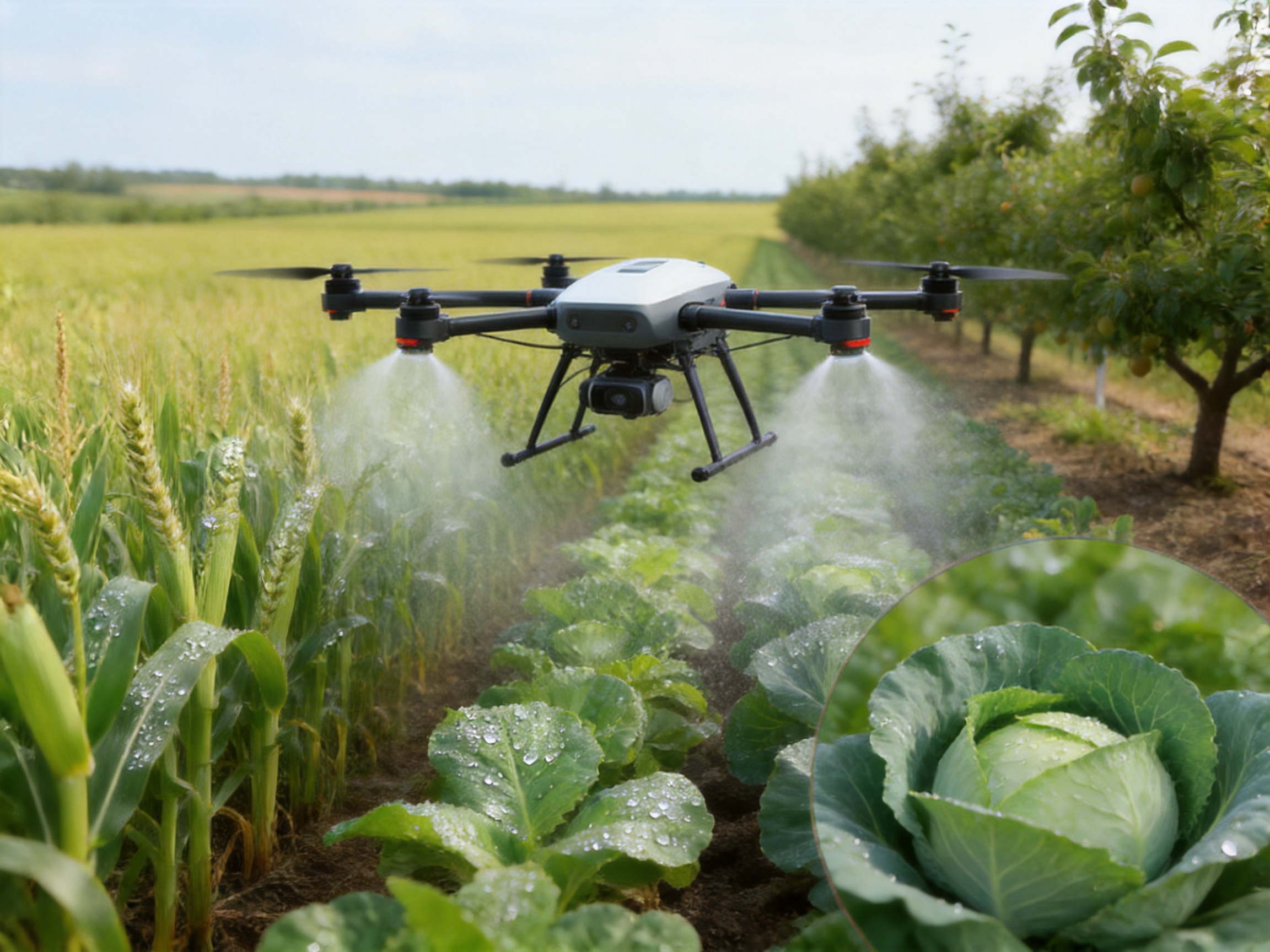
Lower spray volume can be particularly useful for aerial and drone applications, where payload capacity is limited. In these situations, each liter of carrier must deliver sufficient coverage. Rapid spreading and strong wetting can help improve the use of the available liquid.
Resource efficiency should not be interpreted as permission to reduce water volume or pesticide dosage without validation. The correct approach is to conduct controlled trials, compare coverage and biological results, and confirm compliance with the relevant product labels and regulations.
Performance in Aerial and Drone Applications
Modern aerial and drone spraying often uses lower carrier volumes than conventional ground-rig applications. The smaller volume makes droplet behavior especially important. Droplets must reach the target, resist excessive drift, spread efficiently, and remain on the crop surface long enough to deliver the active ingredient.
An organosilicone adjuvant can assist by increasing the spreading area of each droplet. This may help compensate for the lower volume, although droplet size and drift management remain critical. Excessive spreading or very small droplets can create their own risks if weather conditions favor drift.
GT-8110 and related products may be considered as carrier aids for drone and aerial programs involving herbicides, fungicides, insecticides, and foliar products. Before adoption, users should evaluate the complete system, including tank concentration, nozzle or atomizer settings, flight height, wind speed, humidity, temperature, buffer zones, and surrounding sensitive crops.
Applications Across Crops and Field Targets
Agricultural organosilicone adjuvants are used across a wide range of crops because the underlying need for improved wetting and coverage is common to many agricultural systems.
| Crop or application area | Typical program | Potential adjuvant contribution |
|---|---|---|
| Cotton | Herbicide, insecticide, foliar nutrition | Improved wetting of waxy leaves and support for insecticide coverage |
| Corn | Post-emergence herbicide and foliar treatment | More uniform contact with weed and crop surfaces |
| Sugarcane | Herbicide and crop nutrition programs | Enhanced spreading across dense or difficult-to-wet foliage |
| Rice | Herbicide, fungicide, and insecticide applications | Improved coverage under paddy production conditions |
| Cabbage and leafy vegetables | Insecticide, fungicide, and foliar fertilizer | Better distribution across textured or overlapping leaves |
| Bok choy and related vegetables | Crop protection and foliar nutrition | Improved wetting and contact on compact plant canopies |
| Orchard and specialty crops | Fungicide, insecticide, and micronutrient programs | Support for coverage of irregular, angled, or difficult-to-reach surfaces |
| Drone and aerial programs | Low-volume crop protection | Greater coverage potential per liter of spray solution |
The products are intended to be added alongside registered crop protection products or fertilizers. They are not standalone pesticides and should not be represented as independent pest-control products. Application decisions must be based on the label of the active ingredient, local regulations, crop tolerance, and professional agronomic guidance.
Manufacturing Strengths and Process Control
The performance of an agricultural adjuvant depends not only on its chemical concept but also on manufacturing consistency. Small changes in molecular structure, polyether modification, active content, moisture, impurities, viscosity, or blending conditions can affect spreading and compatibility.
Hebei Guituo New Material Co., Ltd. integrates research and development, production, testing, and sales. The company reports that it operates advanced production equipment and precise testing facilities, supported by a process-wide quality monitoring system extending from raw material selection to finished-product delivery.
Raw Material and Reaction Management
Organosilicone production begins with controlled raw materials. The quality of the silicone backbone, modifying components, catalysts, solvents, and other formulation inputs can influence the finished product. Reliable suppliers, incoming inspection, batch identification, and controlled storage are therefore essential.
During synthesis and modification, reaction temperature, pressure, addition sequence, catalyst level, mixing efficiency, and reaction time may affect molecular distribution and final performance. A professional manufacturing operation uses defined process parameters and records to help maintain product consistency from batch to batch.
For agricultural adjuvants, process control is particularly important because customers may use the material in different pesticide formulations and under varying field conditions. A stable product gives formulators a more predictable starting point for their own development work.
Blending, Homogenization, and Filling
After the core chemistry is produced, controlled blending and homogenization help maintain uniformity throughout the batch. Inadequate mixing may result in concentration differences between the beginning and end of a filling operation. Proper equipment and standardized procedures reduce this risk.
Filling operations must also be controlled. Container cleanliness, accurate dosing, closure integrity, label information, and batch traceability are important for both product quality and customer confidence. The company can supply smaller packaging for laboratory or field trials and larger formats for commercial use, with drum-scale packaging available for confirmed volume orders.
Laboratory Testing
Testing should confirm key properties such as appearance, purity, viscosity, pH behavior, surface tension, cloud point, and storage stability. The listed specifications for GT-8110, GT-8210, and GT-8310 provide customers with a basis for incoming inspection and formulation control.
Surface tension testing is especially relevant because it relates directly to spreading behavior. Viscosity affects handling and dosing. Cloud point provides information about temperature-related behavior in aqueous systems. The pH range helps indicate the general acid-base character of a diluted product.
For customers with strict quality requirements, each shipment can be accompanied by documentation such as a Safety Data Sheet and Certificate of Analysis. Available REACH and RoHS testing references may also support regulatory and supply-chain review where applicable.
Quality Assurance from Production to Delivery
A reliable agricultural adjuvant supplier should provide more than a product specification sheet. Customers typically need stable batches, traceable documentation, responsive technical communication, and realistic support for compatibility and application trials.
Hebei Guituo New Material Co., Ltd. describes a full-process quality monitoring mechanism covering production sources, intermediate stages, and finished-product delivery. This approach can help identify variation earlier and establish a clear record for each production lot.
The company’s technical and production teams combine industry experience with process knowledge. This is valuable when customers need to adjust an application for hard water, high humidity, specific pesticide classes, low-volume spraying, or local packaging requirements.
For international customers, stable supply is also important. The company supplies products to overseas markets, including Europe and Southeast Asia, and supports OEM and ODM orders. Private-label customers may request customized packaging and branding after technical and packaging specifications have been confirmed.
Compatibility and Formulation Guidance
Organosilicone adjuvants are versatile, but no adjuvant should be assumed to be compatible with every pesticide or fertilizer. Compatibility may be influenced by emulsifiers, solvents, salts, oils, active ingredients, water hardness, pH, temperature, and storage time after mixing.
Jar Testing
A jar test is a practical first step. The user should combine the intended water source, pesticide or fertilizer formulation, and adjuvant in the proposed order and concentration. The mixture should be observed for separation, precipitation, gel formation, excessive foam, heat generation, or other physical changes.
A jar test cannot replace a field trial, but it can identify obvious incompatibility before a full tank is prepared. Where the product will be used on a valuable crop or with a new active ingredient, a small-plot trial is recommended.
Mixing Order
The mixing order should follow the pesticide manufacturer’s recommendations. In many cases, water is added first, followed by products in order of formulation type, with adjuvants added at the appropriate stage. The exact order may differ for suspensions, emulsions, soluble concentrates, oils, fertilizers, and specialty formulations.
The tank should be adequately agitated, and the spray mixture should generally be used within the recommended period. Users should avoid storing diluted tank mixes unless the product labels specifically permit it.
Application Rate
The correct adjuvant rate depends on the crop, active ingredient, water volume, target pest, environmental conditions, and application equipment. More adjuvant does not automatically produce better results. Excessive use can increase the risk of crop injury, foaming, runoff, or undesirable spreading beyond the intended target.
GT-8110, GT-8210, and GT-8310 should therefore be evaluated according to the intended formulation and application program. The technical team can assist customers with dosage screening and formulation trials.
Environmental and Operational Considerations
Improved application efficiency can support more sustainable crop protection. If an adjuvant allows a pesticide to perform more consistently, fewer repeat applications may be needed in some programs. Reduced spray volume can lower water use, transport requirements, tank-refill frequency, and field labor.
Better adhesion and rainfastness may also reduce chemical loss through runoff or wash-off. However, these potential benefits depend on correct use. An adjuvant cannot eliminate the need for buffer zones, drift control, responsible disposal, protective equipment, or compliance with pesticide regulations.
Claims regarding reduced pesticide usage or residues should be supported by application-specific data. The appropriate pesticide dose must never be reduced solely because an adjuvant is added unless the active ingredient manufacturer, local authority, or qualified agronomist provides a validated recommendation.
Use in organic farming is subject to certification and regulatory requirements. Customers must verify whether a specific product, formulation, and supplier documentation meet the standards applicable to their organic production system and market.
Packaging, Customization, and Supply Options
GT-8110 and related agricultural organosilicone products can be supplied in packaging suitable for laboratory assessment, small-plot trials, commercial farms, distributors, and formulation companies. Smaller bottles are useful for testing and demonstration, while larger containers and drums support regular production or extensive acreage.
Available packaging examples include 200 mL, 1 L, and 2 L formats, with larger packaging arranged according to confirmed order requirements. OEM and ODM services may include private labeling, customized packaging, and technical adjustments after the formulation and commercial specifications have been reviewed.
Customers can discuss product grade, intended pesticide class, crop, climate, water quality, application method, target market, documentation needs, and annual volume with the supplier before placing a larger order.
Questions and Answers
What is the main function of an agricultural organosilicone adjuvant?
Its main function is to improve the physical behavior of a spray solution. It can reduce surface tension, increase spreading, improve wetting, support absorption, and enhance adhesion on plant surfaces. It works alongside the active ingredient rather than replacing it.
How do GT-8110, GT-8210, and GT-8310 differ from ordinary surfactants?
They are polyether-modified trisiloxane products designed to provide very low surface tension and rapid spreading. Compared with many conventional non-ionic wetting agents, they can produce a broader film at lower inclusion levels. The correct grade should be selected according to formulation and application testing.
Can these products improve herbicide performance?
They may improve herbicide contact, wetting, spreading, and absorption conditions, especially on difficult-to-wet weed surfaces. Results depend on the herbicide, weed species, growth stage, weather, water quality, and application technique.
Can they be used with fungicides and insecticides?
Yes, agricultural organosilicone adjuvants are commonly considered for fungicide and insecticide programs. They may improve coverage and contact with plant surfaces. Compatibility and crop-safety testing should be completed before commercial use.
Can the products reduce spray water volume?
They may support lower-volume spraying because each droplet can spread over a larger area. Product information indicates potential spray-volume reductions of approximately 30–50% in suitable applications. The actual reduction must be validated for the specific crop, equipment, target, and label requirements.
Do they prevent rain wash-off?
They can improve film continuity and adhesion, which may increase resistance to wash-off. They do not make a spray completely rainproof. Users should observe the required rainfast period for the active ingredient and allow adequate drying time.
Are these products suitable for drone spraying?
They may be suitable for drone and aerial applications because rapid spreading is valuable when carrier volume is limited. However, users must also manage droplet size, drift, flight height, wind, humidity, and local regulations.
Do they work with foliar fertilizers?
They can be used as foliar absorption and wetting aids with some fertilizer programs. Compatibility should be checked because concentrated salts and micronutrients may affect stability, crop safety, or foaming.
Can they be used in organic farming?
Use in organic farming depends on certification and local standards. Customers should obtain and review the relevant documentation before using any organosilicone adjuvant in an organic production system.
What quality documents can be supplied?
Depending on the order and destination, documentation may include a Safety Data Sheet, Certificate of Analysis, product specification, batch information, and available REACH or RoHS testing references.
Can the supplier provide private-label products?
Yes. OEM and ODM orders can be discussed for distributors, formulation companies, and agricultural product brands. Packaging, label design, technical parameters, and minimum order requirements should be confirmed before production.
How should customers begin a product evaluation?
Customers should provide information about the target crop, active ingredient, formulation type, water quality, application method, expected spray volume, climate, and intended market. The supplier can then recommend a suitable grade and arrange a laboratory, jar, greenhouse, or field trial.
Conclusion
Agricultural organosilicone adjuvants provide a practical way to improve the delivery of crop protection and foliar products. By reducing surface tension and promoting rapid spreading, GT-8110, GT-8210, and GT-8310 can help transform isolated droplets into more continuous films across plant surfaces. Their multifunctional performance supports wetting, coverage, stomatal access, absorption, adhesion, and rain-wash resistance.
Compared with conventional non-ionic wetting agents, polyether-modified trisiloxane chemistry offers a particularly strong spreading effect and can be valuable in low-volume, aerial, and drone application programs. Potential benefits include more uniform coverage, improved active-ingredient performance, reduced water requirements, fewer tank refills, and more efficient use of labor and equipment.
The value of an agricultural adjuvant ultimately depends on manufacturing consistency and application discipline. Hebei Guituo New Material Co., Ltd. combines silicone material research, production equipment, laboratory testing, process monitoring, technical support, and customized supply capabilities. These strengths support customers that require stable agricultural additives for formulation development, commercial crop protection, and private-label distribution.
Before commercial adoption, users should confirm compatibility, conduct small-scale trials, follow product labels, evaluate crop safety, and verify the appropriate application rate. When selected and used correctly, agricultural organosilicone adjuvants can become an important component of efficient, precise, and resource-conscious spray programs.
References
1. Agricultural spray adjuvant principles: wetting, spreading, retention, and deposition behavior on plant surfaces.
2. Technical specification information for GT-8110, GT-8210, and GT-8310 agricultural organosilicone adjuvants.
3. General formulation guidance for polyether-modified trisiloxane silicone surfactants.
4. Principles of pesticide application technology, including droplet formation, coverage, drift management, and rainfastness.
5. General guidance on compatibility testing for pesticide, fertilizer, and adjuvant tank mixtures.
6. Manufacturer-provided information concerning silicone material production, quality monitoring, OEM, ODM, and international supply.
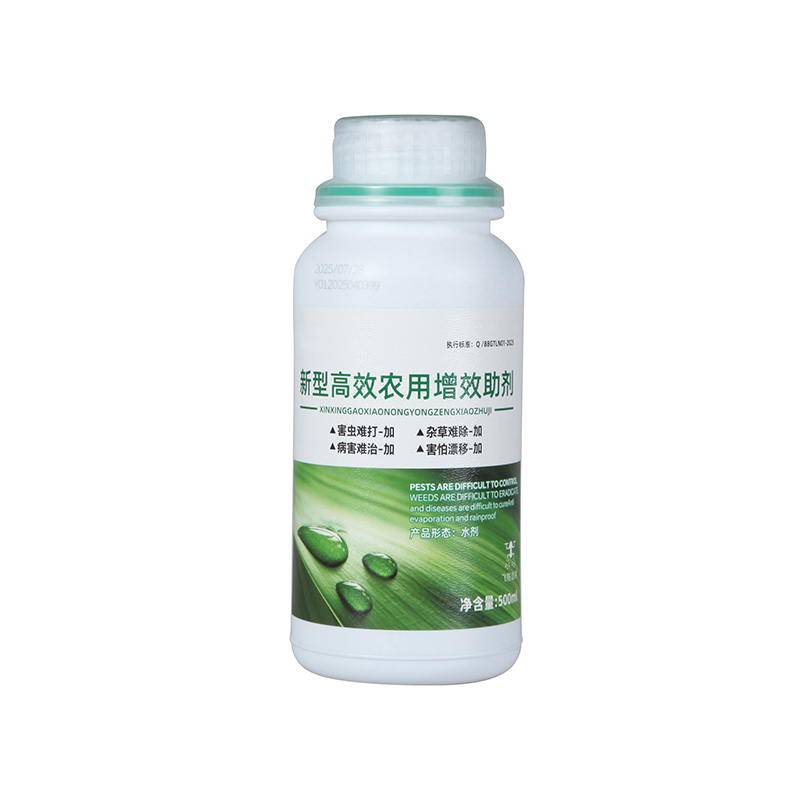
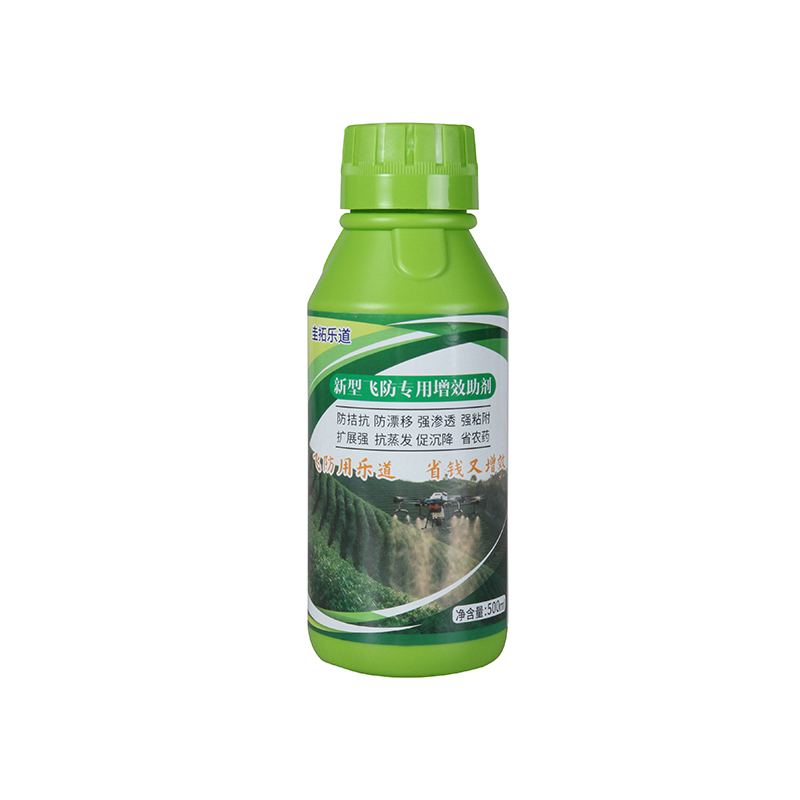
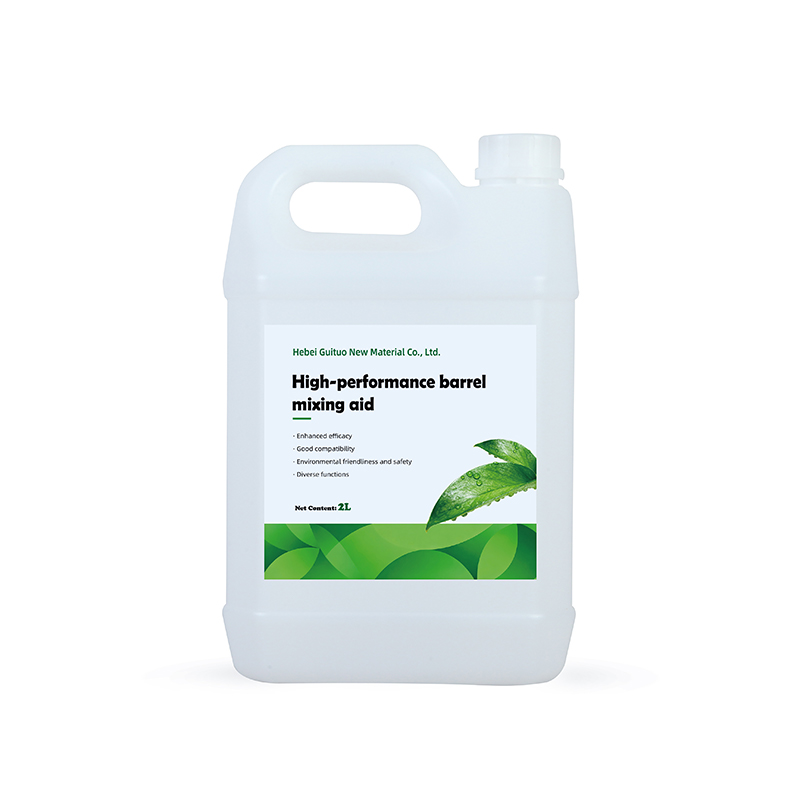
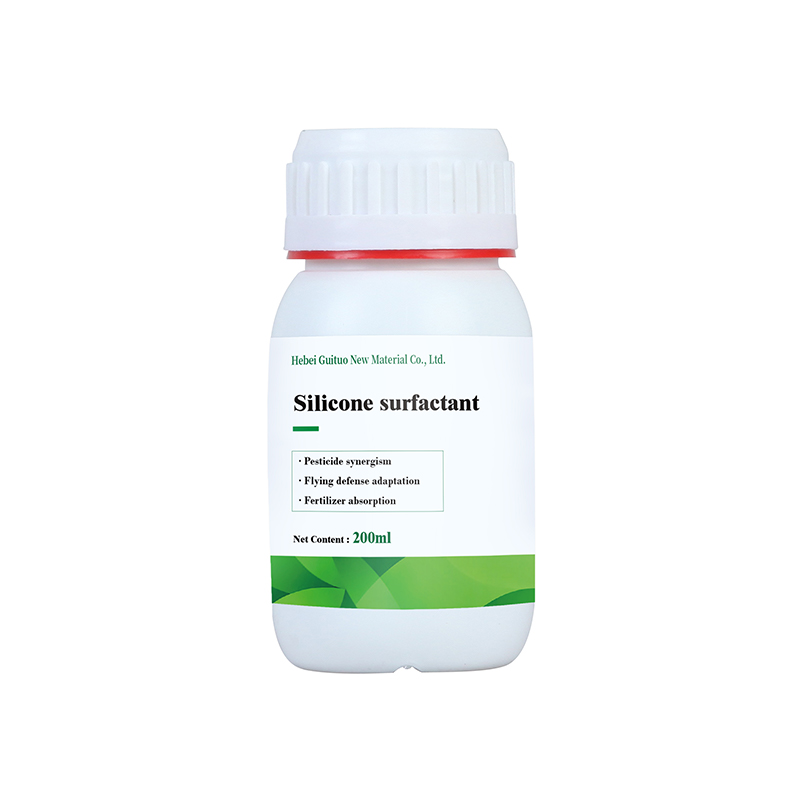
Product: Agricultural Organosilicone Adjuvant


Contact Information
Tel : +86-400-138-5268
Email : [email protected]
Phone : +86-15128434888 / +86-13511051998
Add : Xinqiao Environmental Protection Industrial Park, Wen'an County, Langfang City, Hebei Province, China
Contact Information
Copyright © Hebei Guituo New Material Co., Ltd. All Rights Reserved.
