

 English
 Français
 Português

 Home / Author / Wang Lina, After-sales Service Engineer (Silicone Additives) / Organosilicone Defoamer: Advanced Foam Control for Agriculture, Industry, and Water-Based Formulations
Organosilicone Defoamer: Advanced Foam Control for Agriculture, Industry, and Water-Based Formulations
2026-11-16
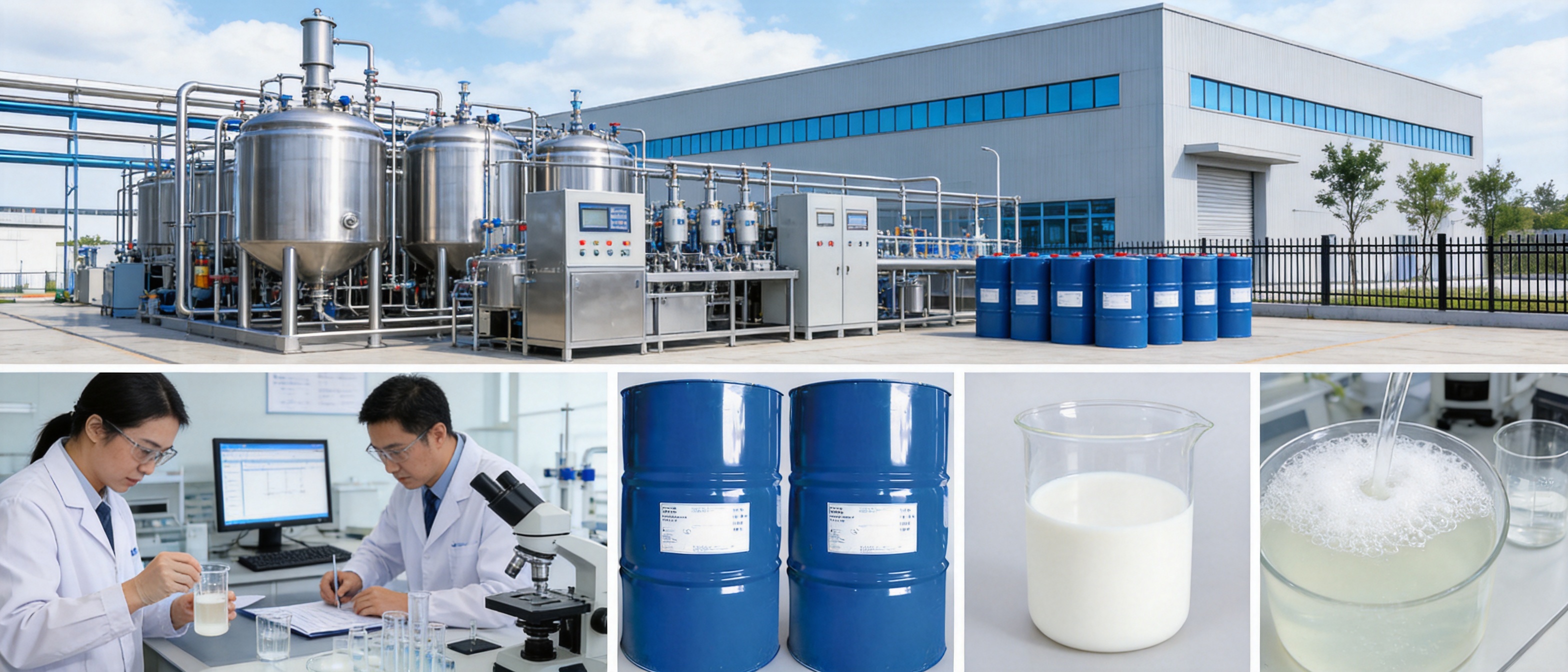
Organosilicone Defoamer: Advanced Foam Control for Agriculture, Industry, and Water-Based Formulations
Foam is a common but often underestimated problem in industrial production. It can appear during mixing, filling, pumping, filtration, washing, extraction, distillation, evaporation, dehydration, drying, and other operations involving liquid materials. Although foam may look harmless, excessive foam can reduce equipment capacity, interrupt continuous production, slow down heat and mass transfer, cause inaccurate filling, increase material loss, and negatively influence the appearance and quality of the finished product. In complex formulations, foam may also interfere with dispersion, wetting, coating, spraying, and storage stability.
Organosilicone defoamer is a highly efficient foam-control additive developed to solve these problems. Based primarily on silicone oil, modified silicone oil, emulsifiers, wetting agents, and other functional components, it works by destabilizing foam films and reducing the persistence of bubbles. Its low surface tension, controlled spreading behavior, chemical stability, and broad application adaptability make it suitable for many water-based, oil-based, solvent-based, agricultural, textile, coating, paper, chemical, food, and pharmaceutical processes.
LD-610 organosilicon defoamer is a representative product designed for reliable foam suppression and stable compatibility. It is supplied as a white viscous emulsion and is identified by CAS No. 9016-00-6, EINECS No. 618-493-1, and the synonym polydimethylsiloxane emulsion. With a listed purity of 99.8%, the product combines the characteristic advantages of silicone-based foam control with a formulation approach intended for practical industrial use.
Why Foam Control Matters in Modern Production
Foam consists of gas bubbles surrounded by a liquid film. In systems containing surfactants, dispersants, proteins, polymers, pigments, or other surface-active substances, these films may become strong and persist for extended periods. Mechanical agitation, high-speed pumping, air entrainment, chemical reactions, and temperature changes can all increase foam generation.
When foam accumulates in a processing vessel, the apparent liquid volume becomes higher than the actual liquid volume. This can lead operators to reduce the working load of a tank, leaving valuable capacity unused. In severe cases, foam can overflow from vessels, contaminate surrounding equipment, and create cleaning and safety concerns. It may also cause unstable pump operation, inaccurate level measurement, and irregular filling during packaging.
Foam is particularly troublesome in agricultural formulations. The preparation of pesticides, herbicides, fungicides, plant nutrients, and other agricultural products often involves high-speed mixing, wetting agents, dispersants, emulsifiers, and concentrated active ingredients. These components are useful for formulation performance, but they can also stabilize foam. Excessive foam may make it difficult to achieve an accurate final volume, increase filling time, and interfere with the uniformity of a ready-to-use product.
In textile processing, foam may affect washing, dyeing, finishing, coating, and continuous treatment operations. In paper production, it can interfere with pulp handling, coating, sizing, and wastewater treatment. In coatings and paints, uncontrolled foam may lead to pinholes, craters, poor leveling, surface defects, and inconsistent appearance. In daily chemical products, foam may create filling problems or cause undesirable changes in the visual appearance of liquid formulations.
An effective defoamer therefore does more than remove visible bubbles. It helps maintain process continuity, improve equipment utilization, reduce production interruptions, and preserve the physical quality of the final product.
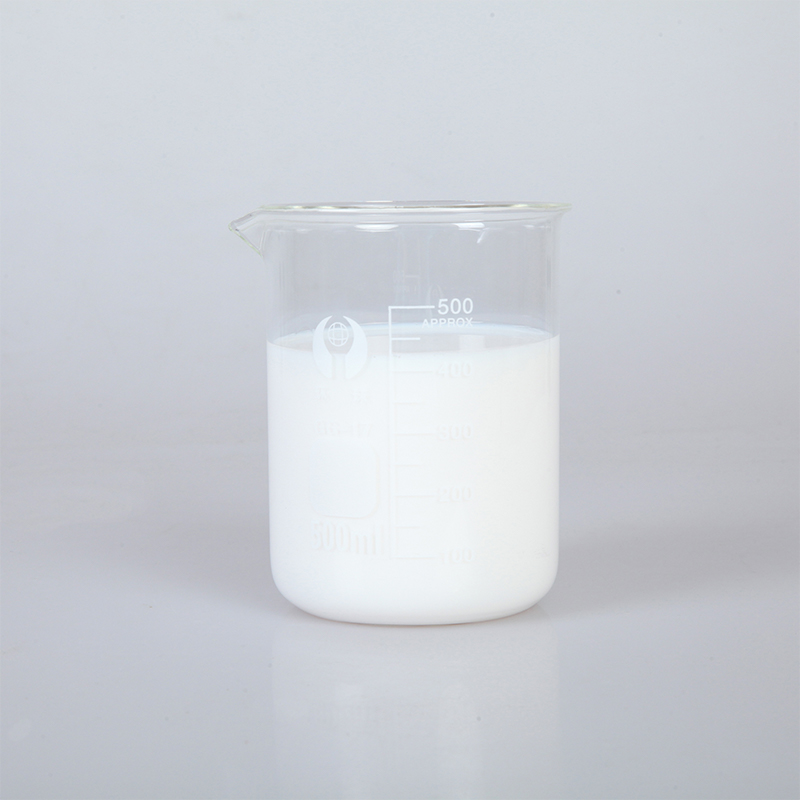
Organosilicone Defoamer
Product Overview and Composition
Organosilicone defoamer is a silicone-based foam-control formulation. Its primary functional material is generally silicone oil or modified silicone oil, supported by selected emulsifiers, dispersants, wetting agents, and other additives. The exact formulation may be adjusted according to the target application, system polarity, temperature range, shear conditions, and desired persistence.
The LD-610 product is described as an organosilicon defoamer and polydimethylsiloxane emulsion. Its product information includes a 99.8% purity specification, CAS No. 9016-00-6, and EINECS No. 618-493-1. The product is presented as a white viscous emulsion, a form that supports incorporation into many water-based formulations when suitable mixing procedures are used.
| Item | Product Information | Practical Significance |
|---|---|---|
| Product model | LD-610 | Identifies the supplied organosilicone defoamer grade |
| Product name | Organosilicon Defoamer | Indicates the primary foam-control function |
| Common synonym | Polydimethylsiloxane Emulsion | Describes the silicone-based emulsion form |
| CAS number | 9016-00-6 | Provides a recognized chemical identification reference |
| EINECS number | 618-493-1 | Provides an additional substance identification reference |
| Purity | 99.8% | Supports quality evaluation and batch specification control |
| Physical form | White viscous emulsion | Suitable for controlled addition to compatible liquid systems |
The performance of an organosilicone defoamer depends on the balance among its components. Silicone oil provides low surface tension and rapid foam-film disruption. Modified silicone oils can improve compatibility with specific solvents, surfactants, or resin systems. Emulsifiers help distribute the silicone phase through water-based media. Wetting and dispersing components influence how quickly the product spreads and how consistently it remains active during processing.
This balanced composition is important because a defoamer that acts too aggressively may cause surface defects, oil spots, haze, or separation. Conversely, a defoamer that is too compatible with the host system may remain dissolved or dispersed without effectively reaching and breaking foam films. The objective is controlled incompatibility: the defoamer should remain sufficiently compatible for stable formulation behavior while retaining enough interfacial activity to attack foam when required.
How Organosilicone Defoamer Works
The action of an organosilicone defoamer begins at the air-liquid interface. Silicone materials generally have lower surface tension than many aqueous and formulation media. When a small amount of defoamer reaches a foam film, it can spread across the film and alter the local surface balance. This reduces the mechanical strength of the film and encourages the bubble to collapse.
Defoaming commonly involves several related effects. First, the defoamer may enter or spread across the thin liquid film surrounding a bubble. Second, it can create a localized surface-tension gradient. Third, the liquid in the foam film may be drawn away from the affected area. Finally, the film becomes unstable and breaks, allowing the gas bubble to disappear.
Organosilicone materials are especially useful because they can combine rapid spreading with chemical and thermal stability. A properly formulated product can respond quickly to foam while remaining relatively inactive when no foam is present. This selective behavior helps reduce the risk of unnecessary changes to the final formulation.
The mechanism is influenced by the properties of the host system. Surfactant concentration, pH, ionic strength, temperature, viscosity, solids content, shear rate, and the presence of polymers or active ingredients can all affect the speed and persistence of defoaming. For this reason, laboratory screening and process trials are valuable before large-scale implementation.
Key Advantages Compared with Conventional Foam-Control Approaches
Low Dosage and Efficient Foam Suppression
Silicone-based defoamers are known for strong interfacial activity. This means that relatively small quantities may provide effective foam control when the product is well matched to the formulation. Low-use-level performance can reduce the additive burden and may simplify dosing, storage, and production management.
Compared with some conventional non-silicone defoamers, organosilicone products can provide faster response when foam is generated suddenly by high-speed agitation or pumping. Their low surface tension enables them to reach unstable foam films efficiently. The actual dosage must be established through testing because excessive addition does not necessarily improve performance and may increase the risk of compatibility problems.
Rapid Response During High-Shear Processing
High-shear mixing is common in agricultural chemicals, coatings, pigments, adhesives, detergents, and industrial formulations. Such equipment can draw air into the liquid and create large quantities of fine bubbles. Fine bubbles are often more difficult to remove because they have a high total interfacial area and may be stabilized by surfactants or polymers.
Organosilicone defoamer can provide rapid foam knockdown under these demanding conditions. Its spreading behavior allows the active phase to interact with newly formed bubbles while the mixture is still undergoing agitation. This is particularly valuable in batch processes where foam may develop quickly after the addition of a wetting agent or concentrated active component.
Broad Temperature and Chemical Stability
Silicone oil is generally nonvolatile at room temperature and demonstrates resistance to both high and low temperatures. It is chemically inert and physically stable in many industrial environments. These properties help organosilicone defoamers maintain useful performance during heating, cooling, storage, and repeated processing cycles.
Temperature stability is important in evaporation, drying, coating, textile treatment, paper production, and chemical synthesis. A foam-control additive that loses activity quickly as temperature changes may require frequent adjustment. A stable silicone-based product can provide more predictable performance, although each specific formulation still requires compatibility testing under actual process temperatures.
Adaptability to Water-Based Formulations
Many modern products are water-based because of environmental, safety, regulatory, and processing considerations. Water-based paints, coatings, agricultural suspensions, detergents, textile auxiliaries, paper chemicals, and cleaning products often contain surfactants that generate foam.
An organosilicone defoamer formulated as an emulsion can be incorporated into a compatible aqueous system with appropriate mixing. The emulsifier package helps distribute the silicone phase, while the silicone component retains its ability to destabilize foam. Stable dispersion is especially important during storage because separation, oil spots, or sedimentation can affect dosing accuracy and appearance.
Compatibility with Complex Multi-Component Systems
Modern formulations are rarely composed of only two or three ingredients. Agricultural products may include active ingredients, solvents, emulsifiers, dispersants, wetting agents, thickeners, preservatives, and water. Coatings may contain resins, pigments, fillers, solvents, coalescents, rheology modifiers, and surfactants. A defoamer must control foam without significantly reducing the performance of these other components.
Organosilicone defoamers can be formulated with different silicone viscosities, modified structures, and emulsification systems to meet diverse compatibility requirements. This flexibility is an important advantage over a one-formula approach that may perform well in one system but poorly in another.
Stable Physical Properties
Stable physical properties support reliable transportation, storage, and use. A product that changes significantly in viscosity, separates quickly, or develops excessive sediment may be difficult to meter and distribute evenly. The described white viscous emulsion is designed as a practical form for industrial handling, subject to the storage and handling conditions specified for the individual product batch.
Physical stability is not identical to chemical compatibility, but both are essential. A defoamer may remain visually uniform in its container while still causing defects in a finished coating or agricultural suspension. For this reason, evaluation should include container stability, formulation stability, foam-control activity, and final-product appearance.
Application in Agricultural Formulations
Agricultural formulations are one of the most important application areas for organosilicone additives. During the production of suspension concentrates, emulsifiable concentrates, soluble liquids, dispersible granules, plant nutrients, and adjuvant products, foam can develop at many stages. The risk is often increased by high-speed mixing and the use of wetting or dispersing agents.
Foam control helps operators fill tanks more efficiently and maintain accurate batch volume. It can also improve the uniformity of recirculation and reduce the possibility of overflow. In products intended for spraying, excessive foam may make container filling difficult and can complicate customer handling after dilution with water.
Compatibility is especially important in agriculture because the defoamer must not reduce the intended action of the active ingredient. It should not cause excessive separation, sedimentation, crystallization, or loss of dispersion stability. The suitability of a product depends on the formulation type, active ingredient, surfactant system, water quality, pH, temperature, and application method.
A practical evaluation may include a small-scale mixing test, accelerated storage test, dilution test, repeated agitation test, and spray-application observation. The defoamer should be checked both immediately after addition and after storage because some compatibility issues develop slowly.
Silicone additives used in agriculture may also support spreading and wetting functions, but a defoamer should not automatically be treated as a spreading agent. Each product must be selected according to its intended function. A foam-control grade is designed primarily to suppress foam and should be assessed for its influence on wetting, retention, surface tension, and spray behavior before use in a crop-protection formulation.
Use in Paints, Coatings, and Inks
Foam in paints and coatings can cause pinholes, craters, bubbles, poor leveling, and inconsistent gloss. These defects may appear during grinding, dispersion, pumping, filling, or application. Foam may be particularly persistent in water-based systems containing dispersants, thickeners, and polymeric binders.
Organosilicone defoamer can help remove entrained air during production and reduce surface foam during application. However, coating formulations require careful balance. A defoamer that is too incompatible may create surface defects or reduce recoatability. A defoamer that is too compatible may have insufficient foam-breaking activity.
Selection should therefore consider the coating’s resin type, pigment volume concentration, viscosity, application method, gloss requirement, drying conditions, and storage period. Laboratory drawdown tests can help assess cratering, gloss, leveling, surface uniformity, and intercoat adhesion. These tests should be combined with foam measurements during mixing and filling.
For inks, foam control can improve circulation, metering, printing consistency, and filling efficiency. The chosen grade must be matched to the ink vehicle and should not negatively affect print quality, adhesion, color strength, or surface appearance.
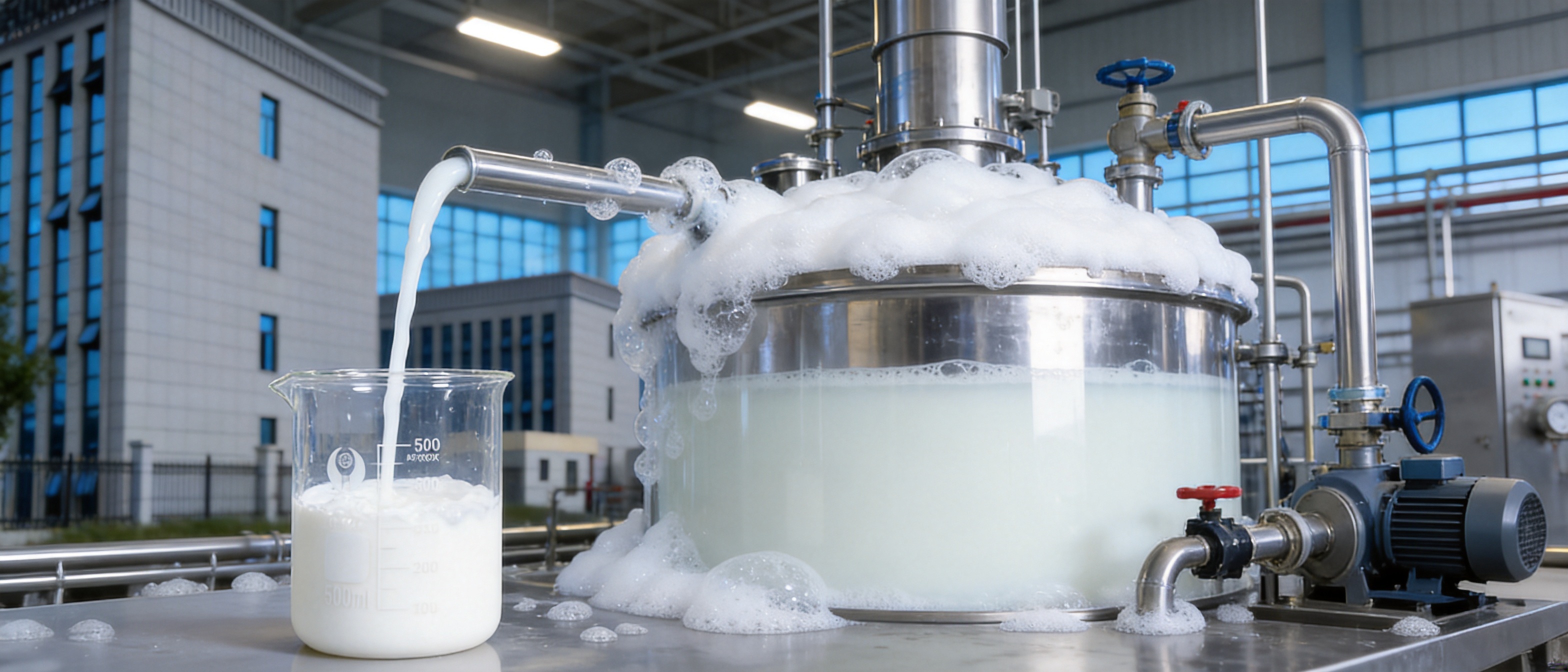
Use in Textile, Paper, Chemical, and Daily Chemical Industries
Textile processing involves many aqueous baths and continuous operations. Scouring, washing, dyeing, finishing, coating, and printing may generate foam because of surfactants, detergents, dyes, and mechanical movement. Excess foam can interfere with wetting uniformity, bath circulation, fabric transport, and accurate chemical dosing.
An organosilicone defoamer can support stable processing by reducing surface foam and helping maintain the effective volume of the treatment bath. In textile applications, it is important to verify that the product does not cause staining, uneven wetting, fabric handle changes, or defects during subsequent finishing steps.
Paper manufacturing also involves significant foam-control requirements. Pulp preparation, stock handling, coating, sizing, and wastewater treatment can all produce foam. Excessive foam may reduce equipment capacity, interfere with sensors, and affect the uniformity of paper coatings. Properly selected silicone defoamers can assist in maintaining smoother operation and improved process control.
In chemical production, foam can occur during reactions, neutralization, extraction, washing, filtration, distillation, evaporation, and dehydration. Foam control may improve gas-liquid separation, liquid discharge, heat transfer, and the effective use of vessels. Because chemical systems vary widely, compatibility with reactants, solvents, catalysts, and downstream purification steps must be evaluated carefully.
Daily chemical products such as detergents, cleaners, liquid preparations, and other household formulations may require controlled rather than total foam suppression. In some products, consumers expect foam during use, while manufacturers need to control foam during production and filling. The dosage and timing of defoamer addition should therefore be adapted to the process objective.
Food and pharmaceutical processing require especially strict consideration of regulatory status, purity, documentation, and permitted use. A technical defoamer should not be used in a food or pharmaceutical application solely because silicone materials are generally stable. The specific grade, local regulations, manufacturing controls, and intended contact conditions must be reviewed before approval.
Compatibility Across Different Formulation Systems
Water-Based Systems
In water-based formulations, the central compatibility objective is stable dispersion. The defoamer should distribute sufficiently during mixing without producing visible oil spots, excessive surface defects, or rapid separation. Emulsifier selection, particle size, viscosity, and addition sequence all influence performance.
Adding the defoamer too rapidly to a highly concentrated formulation may create local overdosage. Adding it too early may expose the product to intense shear for an extended period and reduce its activity. In some systems, pre-dilution is useful, while in others it may reduce efficiency. The correct procedure should be established through trials rather than assumed universally.
High-Surfactant Systems
Surfactants stabilize foam by strengthening the liquid film around air bubbles. This creates a demanding environment for defoamers. The product must overcome the stabilizing influence of the surfactant without causing phase instability.
Modified silicone oils and carefully balanced additive packages can improve performance in high-surfactant systems. Evaluation should include initial knockdown, foam persistence after repeated agitation, and recovery after the defoamer has been exposed to the formulation for a defined period.
Low-Surfactant Systems
Low-surfactant systems may be easier to defoam but can be more sensitive to surface defects caused by excessive incompatibility. In coatings, adhesives, and certain industrial liquids, a small amount of silicone may influence leveling, slip, gloss, adhesion, or recoating.
In these systems, controlled spreading is often more important than maximum foam-breaking power. A well-designed defoamer should reduce foam while minimizing visible defects and changes in surface properties.
Oil-Based and Solvent-Based Systems
Oil-based and solvent-based systems require compatibility with nonpolar or semi-polar media. Modified silicone oils may be selected to improve solubility, dispersion, or phase stability. The polarity of the solvent, resin composition, temperature, and shear conditions can all influence the result.
For solvent-based coatings, inks, electronics materials, and textile auxiliaries, testing should include clarity, separation, surface appearance, coating uniformity, and drying behavior. The defoamer should not create unwanted haze or interfere with subsequent processing.
Influence of Processing Conditions
Temperature, shear, mixing sequence, residence time, and equipment design significantly affect defoamer behavior. High shear may distribute the product efficiently, but excessive shear can reduce the size of defoamer droplets and change their effectiveness. Insufficient mixing may leave localized regions with too much or too little additive.
Compatibility testing should therefore reproduce actual or simulated processing conditions. A product that performs well under gentle laboratory stirring may behave differently in a high-speed disperser, recirculation loop, homogenizer, filling line, or spray system.
Manufacturing Strengths and Quality-Control Approach
Reliable defoamer performance depends not only on the choice of silicone oil but also on manufacturing precision. Emulsion quality, additive distribution, viscosity control, raw-material consistency, and process cleanliness all influence the final product. Variations in these factors can affect foam knockdown, storage stability, and compatibility.
Hebei Guituo New Material Co., Ltd. integrates research and development, production, and sales, with a product matrix covering silicone additives, wetting agents, modified silicone oil, dimethyl silicone oil, surfactants, and defoamers. This integrated product structure supports a broader understanding of how silicone materials interact with agricultural and industrial formulations.
The company reports the use of advanced production equipment and precise testing facilities. It has also established a quality-monitoring mechanism intended to cover the process from production source through finished-product delivery. Such full-process control is important for maintaining stable batch characteristics and supporting customers who require repeatable performance.
Experienced technical and production personnel are another important manufacturing strength. Organosilicone defoamers are not simple commodity products in every application. The best formulation depends on the interaction between silicone structure, emulsifier selection, viscosity, system polarity, and processing conditions. Technical personnel can help connect laboratory observations with practical production requirements.
Manufacturing control may include incoming-material inspection, equipment cleaning, controlled addition, emulsification management, viscosity measurement, appearance inspection, storage observation, and finished-product testing. The exact quality-control program should be confirmed through the applicable technical specification and customer requirements.
| Manufacturing and Technical Area | Importance to Defoamer Performance | Customer Benefit |
|---|---|---|
| Raw-material control | Maintains consistency of silicone oils and functional additives | More predictable batch-to-batch behavior |
| Emulsification process | Influences dispersion stability and activity in aqueous systems | Improved handling and formulation compatibility |
| Viscosity management | Affects pumping, dosing, spreading, and storage behavior | Easier process integration |
| Process monitoring | Helps identify variation during production | More reliable quality assurance |
| Finished-product testing | Confirms appearance and specified product properties | Better confidence in shipment acceptance |
| Application support | Connects product selection with actual formulation conditions | More efficient scale-up and troubleshooting |
The company’s experience with both surfactants and defoamers is also valuable. Since surfactants are a major source of foam stabilization, understanding their behavior can help improve defoamer selection and compatibility. This combined product knowledge may provide an advantage over suppliers that focus on only one additive category.
Customization, OEM, and ODM Capabilities
Different customers may need different foam-control properties. One application may prioritize fast knockdown, another may require long-lasting suppression, and another may focus on minimal surface impact. Some customers need a water-dispersible product, while others require a grade compatible with an oil-based or solvent-based system.
Customization can involve adjusting silicone oil viscosity, modifying the silicone molecular structure, changing the emulsifier package, selecting different wetting components, or modifying the physical form. It may also involve adapting packaging, labeling, concentration, or technical documentation to meet a customer’s production requirements.
OEM and ODM services can support customers that want a private-label product or a formulation developed around a specific process. A successful customization project should begin with detailed information about the application, including the host formulation, mixing equipment, temperature, pH, surfactant concentration, foam type, desired dosage, storage requirements, and final-product performance criteria.
Customization should be based on testing rather than marketing language alone. A suitable development program may compare several candidate products, evaluate initial and persistent foam, inspect physical stability, and verify that the final formulation remains within its required specifications.
Recommended Evaluation and Addition Procedure
Before introducing an organosilicone defoamer into full-scale production, the user should perform a compatibility screening test. The first step is to prepare a representative sample of the target formulation. The sample should contain the same or closely similar raw materials and should be mixed under conditions that reproduce the actual process as far as practical.
Small amounts of defoamer should then be added at different dosage levels. The test should record the time required for foam collapse, the amount of residual foam, the appearance of the liquid surface, and any change in viscosity or color. If the product is intended for a coating, drawdown and drying tests should be performed. If it is intended for an agricultural formulation, dilution, storage, and agitation tests should be included.
The addition point is important. A defoamer may be added during initial charging, after surfactants are incorporated, during high-shear dispersion, or near the end of production. The best point depends on the foam-generation stage and the sensitivity of the system to shear.
Agitation should be sufficient to distribute the defoamer, but excessive mixing after addition may reduce its effectiveness in some formulations. Operators should avoid assuming that more mixing is always better. A controlled addition rate and suitable mixing period generally provide more consistent results.
Storage testing should examine the formulation after exposure to normal and accelerated conditions. Visual inspection can identify oil spots, layering, sedimentation, haze, or color change. Foam-control performance should be retested after storage because compatibility may change over time.
Dosage should be determined from test results. It should not be selected solely by comparing the product with another supplier’s material because different defoamers may have different active concentrations and mechanisms. The lowest effective dosage that meets process and product requirements is normally the most practical starting point.

Performance Comparison with Other Defoamer Types
Defoamers can be broadly categorized as silicone-based, mineral-oil-based, vegetable-oil-based, polymer-based, or combinations of these materials. Each category has potential advantages and limitations. The appropriate selection depends on the formulation and performance target rather than on a universal ranking.
Mineral-oil defoamers may provide useful foam control in certain industrial systems and can offer favorable cost characteristics. However, their compatibility, spreading behavior, temperature performance, and influence on surface appearance may differ from silicone-based products. In applications requiring rapid response at low dosage, organosilicone defoamers may offer a stronger performance profile.
Vegetable-oil-based defoamers may be attractive in systems where renewable raw materials are prioritized. Their oxidation stability, temperature behavior, odor, compatibility, and persistence must be evaluated for the specific application. Silicone-based materials can provide a different balance of chemical stability, low surface tension, and rapid film disruption.
Polymer-based defoamers may be designed for specialized systems and can provide controlled compatibility. Their performance may depend strongly on resin type, solvent polarity, and temperature. Organosilicone products offer a flexible platform because silicone structures can be modified and combined with emulsifiers or other functional additives.
The main competitive advantages of an organosilicone defoamer such as LD-610 are its strong foam-suppression potential, stable physical behavior, suitability for many aqueous systems, adaptability to different formulations, and compatibility-development possibilities. These advantages should be confirmed through side-by-side testing under actual customer conditions.
Storage, Handling, and Technical Considerations
Organosilicone defoamer should be stored in a clean, sealed container under conditions recommended by the supplier. Extreme temperatures, direct sunlight, contamination, and repeated exposure to air may affect emulsion stability or product appearance. The container should be gently mixed or otherwise handled according to the supplier’s instructions before use if settling or separation is observed.
Users should avoid introducing water, solvents, dust, or other raw materials into the original container. Contamination can influence emulsion stability and may affect the performance of the remaining product. Dedicated transfer equipment and clean dosing vessels can help maintain product consistency.
Workplace handling should follow the current safety data sheet, site procedures, and applicable regulations. Personnel should use appropriate protective equipment and avoid contact with eyes and skin. The product should be evaluated for the intended application, and any regulatory requirements for agricultural, food, pharmaceutical, or other controlled uses must be confirmed before commercialization.
Frequently Asked Questions
What is an organosilicone defoamer?
An organosilicone defoamer is a silicone-based foam-control additive formulated with silicone oil, modified silicone oil, emulsifiers, wetting agents, and other functional materials. It is designed to reduce or eliminate foam generated during production, mixing, pumping, filling, and application.
What is the main function of LD-610?
LD-610 is designed to suppress foam in compatible industrial formulations. It can help control foam during high-speed mixing, circulation, filling, washing, extraction, coating, textile treatment, agricultural formulation, and other production operations.
Is the product suitable for water-based systems?
The product is supplied as a white viscous emulsion and is intended for use in compatible systems. It may be suitable for water-based formulations when the addition method, dosage, emulsifier balance, and system composition are appropriate. A laboratory compatibility test should always be completed before production use.
Can it be used in agricultural formulations?
Organosilicone defoamers are commonly considered for agricultural formulations because high-speed mixing and surfactant-containing systems can generate substantial foam. The product must be tested with the actual active ingredient, dispersant, wetting agent, solvent, water quality, and storage conditions to confirm compatibility.
How much defoamer should be added?
The dosage depends on the formulation and process. Foam severity, surfactant concentration, viscosity, temperature, shear, and equipment design all affect the required amount. Users should begin with small-scale dosage testing and select the lowest level that provides reliable performance without affecting the final product.
Can the defoamer be added directly to the production tank?
Direct addition may be possible, but the correct method depends on the formulation. In some systems, slow addition under moderate agitation provides better dispersion. In others, pre-dilution or addition at a specific processing stage may be more effective. The supplier’s technical guidance and customer trials should determine the final procedure.
Will the product affect coating gloss or surface appearance?
Any defoamer can influence surface properties if it is poorly matched to a coating system or overdosed. Organosilicone defoamers should therefore be evaluated through drawdown, drying, gloss, leveling, cratering, adhesion, and recoating tests. A properly selected grade and dosage can provide foam control while minimizing surface defects.
How does surfactant concentration affect performance?
Surfactants can stabilize foam films and make foam more persistent. High-surfactant systems may require a defoamer with a stronger or more carefully balanced interfacial effect. The interaction should be assessed through repeated agitation, storage, and process simulation tests.
What advantages does a customized formulation provide?
Customization allows the silicone oil viscosity, molecular structure, emulsifier package, and additive balance to be adjusted for a specific system. This can improve dispersion, foam knockdown, persistence, and compatibility compared with using a general-purpose product without application screening.
What information should be supplied when requesting technical support?
Useful information includes the formulation type, major ingredients, pH, viscosity, temperature, mixing speed, equipment, foam-generation stage, current defoamer, target dosage, storage conditions, and any problems such as separation, haze, surface defects, or loss of activity. Detailed information helps the supplier recommend a more suitable grade or customization route.
Does the company provide OEM and ODM services?
Hebei Guituo New Material Co., Ltd. reports that it accepts OEM and ODM orders. Customers can discuss private-label requirements, customized performance targets, packaging, product specifications, and application-specific development needs with the company’s technical and sales teams.
Supplier and Service Information
Hebei Guituo New Material Co., Ltd. is a high-technology enterprise integrating research and development, manufacturing, and sales. Its silicone-material product range includes agricultural silicone products, silicone additives, wetting agents, modified silicone oil, dimethyl silicone oil, surfactants, and defoamers.
The company maintains production and quality-control resources intended to support stable supply and consistent product performance. Its agricultural silicone products are used by domestic agrochemical enterprises, while its silicone materials are also supplied to overseas markets including Europe and Southeast Asia. This international market experience supports communication with customers seeking industrial additives for different regulatory and processing environments.
For product consultation, customization, OEM, ODM, and technical cooperation, customers may contact Hebei Guituo New Material Co., Ltd. through the following information:
Company: Hebei Guituo New Material Co., Ltd.
Address: Xinqiao Environmental Protection Industrial Park, Wen'an County, Langfang City, Hebei Province, China
Telephone: +86-400-138-5268
Additional telephone: +86-15128434888
Additional telephone: +86-13511051998
WhatsApp: +86-13722611888
Email: [email protected]
Conclusion
Organosilicone defoamer is an important process additive for controlling foam in modern manufacturing. Its low surface tension, rapid spreading, chemical stability, thermal resistance, and formulation flexibility make it suitable for agriculture, coatings, paints, textiles, paper, chemicals, daily chemicals, electronics, and other industrial applications.
LD-610 provides a silicone-based emulsion approach to foam control, with listed identifiers including CAS No. 9016-00-6, EINECS No. 618-493-1, a 99.8% purity specification, and a white viscous physical form. Its principal value lies in combining effective foam suppression with the possibility of compatibility adjustment for different aqueous, oil-based, solvent-based, and high-surfactant systems.
The strongest results come from selecting a defoamer based on the complete application rather than on product name alone. Formulation composition, mixing conditions, temperature, shear, addition sequence, storage, and final-product requirements should all be considered. With advanced equipment, process monitoring, technical expertise, and a product matrix covering silicone oils, surfactants, wetting agents, and defoamers, Hebei Guituo New Material Co., Ltd. is positioned to support both standard product supply and customized foam-control development.
References
1. Rosen, M. J., and Kunjappu, J. T. Surfactants and Interfacial Phenomena. General principles of surface tension, surfactant films, and interfacial behavior.
2. Garrett, P. R. Defoaming: Theory and Industrial Applications. Principles of foam formation, foam stability, and defoamer action.
3. Myers, D. Surfactant Science and Technology. Fundamentals of surfactant systems and their influence on liquid formulations.
4. Technical product information for LD-610 Organosilicon Defoamer. Product identification, physical form, purity, and application information supplied for this article.
5. Industrial formulation and process-control practices for agricultural chemicals, coatings, textiles, paper chemicals, and water-based products.
Product: Organosilicone Defoamer

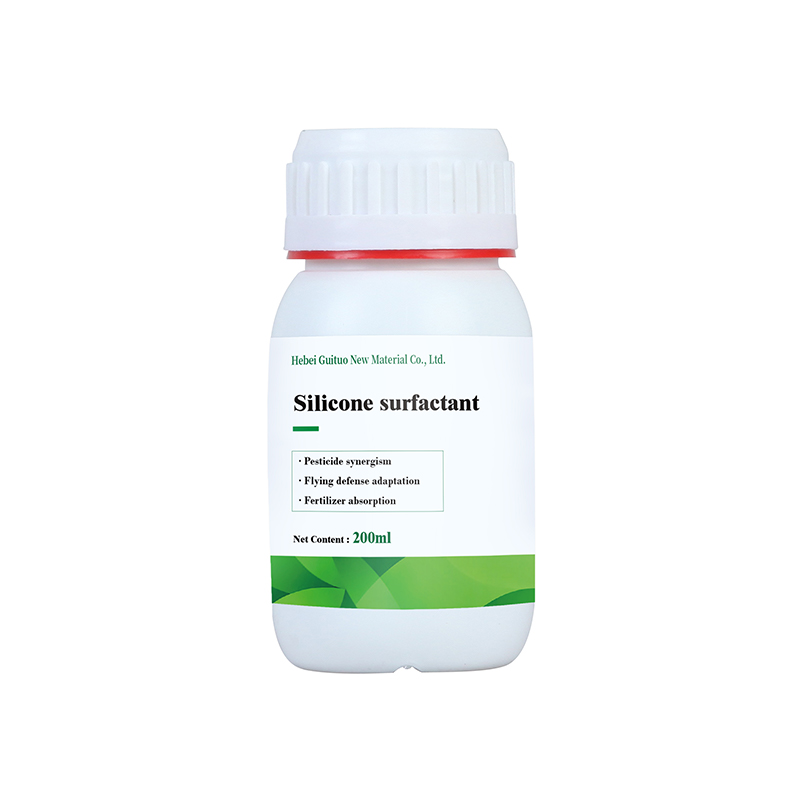

Contact Information
Tel : +86-400-138-5268
Email : [email protected]
Phone : +86-15128434888 / +86-13511051998
Add : Xinqiao Environmental Protection Industrial Park, Wen'an County, Langfang City, Hebei Province, China
Contact Information
Copyright © Hebei Guituo New Material Co., Ltd. All Rights Reserved.
