

 English
  Français
  Português
 Home / Author / Wang Lina, After-sales Service Engineer (Silicone Additives) / High-Performance Drum-Mix Adjuvants for More Efficient and Sustainable Crop Protection
 High-Performance Drum-Mix Adjuvants for More Efficient and Sustainable Crop Protection
2026-09-11
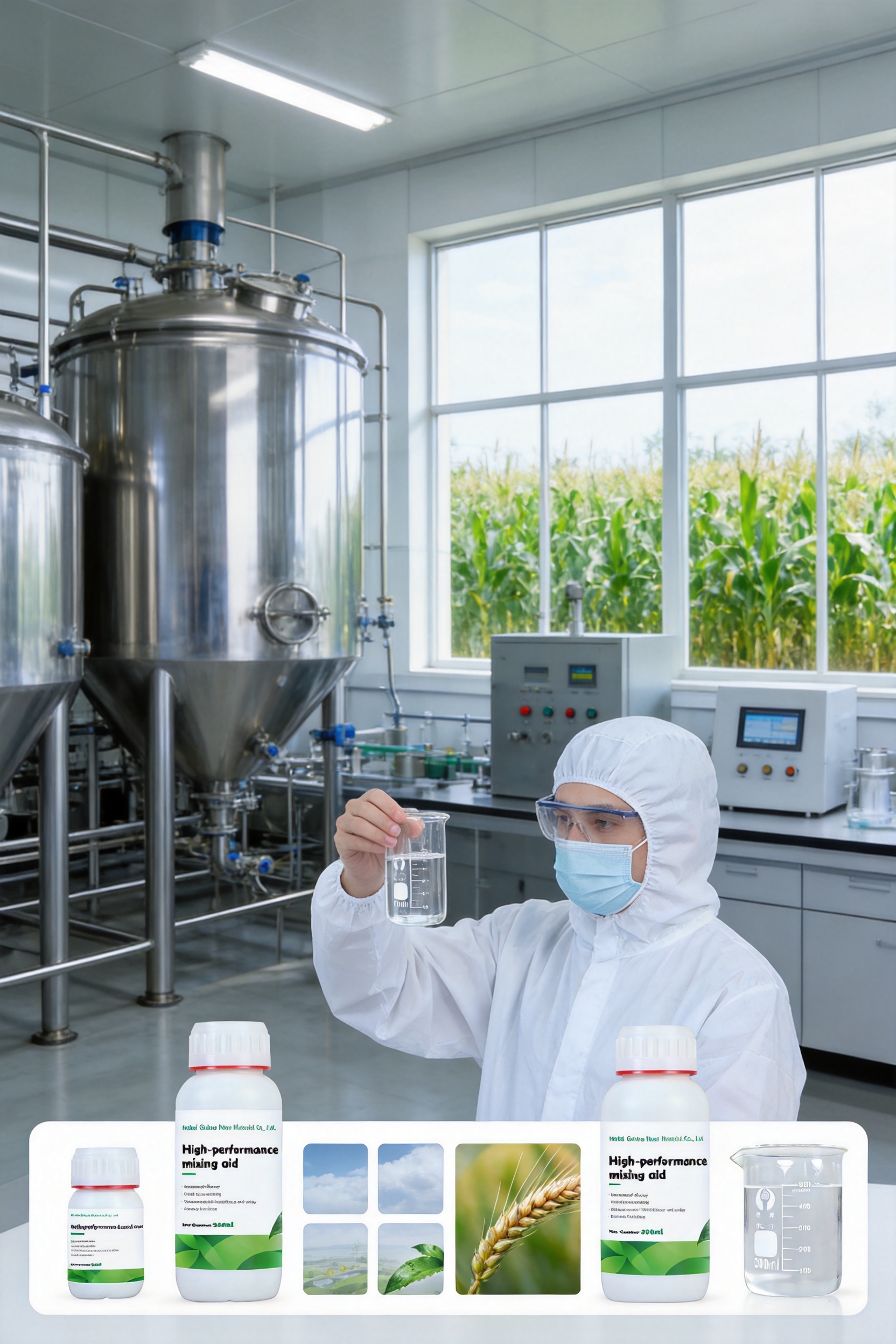
Modern crop protection depends not only on the quality of an active pesticide ingredient, but also on how efficiently that ingredient is delivered to the target surface. Even a highly effective herbicide, insecticide, or fungicide can perform below its potential when spray droplets fail to spread, adhere, deposit, or penetrate properly. Poor wetting, excessive evaporation, wind drift, hard water, and uneven plant coverage can all reduce the practical value of a pesticide application.
High-performance drum-mix adjuvants are designed to address these application challenges. GT-9200 is a silicone-based agricultural synergist developed for direct addition to pesticide spray tanks or sprayers. Its primary function is to improve the behavior of spray solutions on plant surfaces and around target organisms. By supporting spreading, wetting, adhesion, penetration, deposition, and spray retention, the product helps growers obtain more consistent results from existing pesticide programs.
Unlike a simple wetting agent that performs only one task, GT-9200 is positioned as a multifunctional drum-mix adjuvant. It combines the characteristic spreading performance of organosilicon surfactants with compatibility, anti-drift, anti-evaporation, and deposition-promoting benefits. This makes it suitable for conventional field spraying as well as newer application technologies, including drone-based aerial spraying.
The product is manufactured by Hebei Guituo New Material Co., Ltd., a high-technology enterprise specializing in silicone materials, agricultural additives, surfactants, modified silicone oils, defoamers, and related functional chemicals. Supported by research and development, production, testing, and technical service capabilities, the company supplies products for agricultural, textile, electronic, daily chemical, and industrial applications.
1. Why Spray Application Efficiency Matters
Pesticide application is a complex physical process. After a spray solution leaves the nozzle, the droplets must travel through the air, reach the crop, remain on the intended surface, spread across the leaf, resist excessive runoff, and deliver the active ingredient to the target pest, disease, or weed. Each stage can influence final control performance.
Many crop leaves have waxy, hydrophobic, or irregular surfaces. Water-based droplets may remain rounded rather than spreading evenly. Some droplets bounce from leaves or roll away before the active ingredient can be absorbed. Other droplets may dry too quickly, especially under high temperatures and low humidity. When coverage is incomplete, untreated areas can remain available for pest development.
Water quality is another important variable. Spray water may contain dissolved salts, minerals, suspended particles, or other components that influence pesticide dispersion and surface behavior. A pesticide formulation that performs well in one water source may show reduced consistency in another. A suitable adjuvant can help stabilize the application system and reduce the practical influence of certain water-quality differences.
Weather conditions create additional challenges. Wind can move droplets away from the target, while high temperature and low humidity may accelerate evaporation. Heavy spray volumes can also cause runoff from smooth or vertical foliage. These problems may lead to wasted product, reduced coverage, repeated applications, and unnecessary environmental loading.
A drum-mix adjuvant does not replace the pesticide active ingredient. Instead, it is added to the spray mixture to improve the delivery and utilization of that ingredient. The objective is to make more of the applied pesticide reach the intended biological target in a usable form.
2. Product Overview: GT-9200
GT-9200 is a high-performance drum-mix adjuvant based on a silicone surfactant and identified by the synonym polyether modified trisiloxane. It is intended for direct mixing with pesticides in a spray tank or sprayer before application. The product is suitable for use with many common pesticide categories, including herbicides, insecticides, and fungicides, subject to formulation compatibility and local label requirements.
Its low surface-tension performance allows spray droplets to spread more readily across plant surfaces. Better spreading can improve coverage of leaves, stems, and other target areas. At the same time, the product supports adhesion and deposition, helping the spray remain where it is applied instead of immediately rolling away or becoming unevenly distributed.
The product is supplied as a concentrated functional additive. Its performance is supported by a controlled specification profile that includes high purity, defined viscosity, low surface tension, a controlled cloud point, and a near-neutral pH in dilute aqueous solution.
| Specification | GT-9200 Information | Practical Significance |
|---|---|---|
| Product model | GT-9200 | Identifies the agricultural drum-mix grade |
| Product name | High-Performance Drum-Mix Adjuvants | Indicates direct spray-tank application use |
| CAS number | 27306-78-1 | Material identification reference |
| Purity | 99.8% | Supports consistent formulation performance |
| EINECS number | 608-078-3 | Regulatory identification reference |
| Composition description | Polyether modified trisiloxane | Silicone surfactant structure associated with rapid spreading |
| Viscosity at 25°C | 30–50 mm²/s | Supports handling, dosing, and mixing control |
| Surface tension at 0.1% by weight | Below 20.5 mN/m | Promotes wetting and spreading on plant surfaces |
| Cloud point at 1.0% by weight | Not above 35°C | Provides a reference for solution behavior under temperature changes |
| pH of 1% aqueous solution at 25°C | 6.5–7.5 | Near-neutral dilute solution profile |
These specifications are important because adjuvant performance is influenced by more than the product name alone. A controlled raw-material system and stable manufacturing process help reduce variation between batches. For commercial agricultural users, consistent physical properties are essential when the same product must be used across multiple crops, regions, formulations, and application systems.
3. How Silicone-Based Spreading Improves Spray Coverage
The most recognizable benefit of polyether modified trisiloxane technology is its ability to lower surface tension. Surface tension is the force that causes a liquid droplet to maintain a rounded shape. When surface tension is reduced, a droplet can spread over a larger area and make closer contact with an irregular or waxy leaf.
Improved spreading can be particularly valuable when the target surface is difficult to wet. Many leaves contain natural cuticular waxes that repel water. Some pest targets are also located on protected surfaces, leaf undersides, stems, or narrow plant structures where ordinary spray droplets may not distribute evenly. A silicone surfactant can help the spray solution reach more of these locations.
Greater coverage does not simply mean a larger visible wet area. It can also support more uniform distribution of the active ingredient. Uniformity is important because pesticide performance often depends on achieving a sufficient concentration at the target site. Areas receiving too little product may remain untreated, while areas receiving excessive product may experience runoff or waste.
GT-9200 is specified to provide a surface tension below 20.5 mN/m at a 0.1% concentration. This low-surface-tension profile is one of the main technical distinctions between a high-performance silicone synergist and many conventional non-silicone wetting agents. Conventional surfactants may improve wetting, but they may not deliver the same degree of rapid spreading at comparable use concentrations.
Rapid spreading can also help reduce the time required for spray droplets to establish contact with the crop surface. This is valuable in field conditions where the spray must act efficiently before wind movement, heat, or changing humidity affects the application.
4. Adhesion, Retention, and Deposition
Spreading alone is not enough. A droplet that spreads widely but immediately runs off may not provide effective delivery. For this reason, an agricultural adjuvant must balance wetting with adhesion and retention.
GT-9200 is designed to improve the adhesion of spray deposits to plant surfaces. Better adhesion can help maintain contact between the active ingredient and the target area after application. This is useful for foliar pesticides that require sufficient residence time before uptake, pest contact, or disease-control action occurs.
Deposition-promoting performance is also important for reducing the amount of spray lost during application. When droplets deposit more evenly, the spray pattern can become more consistent across the treated crop. This may reduce the need for repeated passes caused by visible gaps or poor coverage.
On vertical leaves, narrow stems, or smooth plant surfaces, conventional water-based droplets may roll down under gravity. A suitable silicone adjuvant modifies the interfacial behavior of the solution and can improve the likelihood that droplets remain distributed on the intended surface. The actual result will still depend on spray volume, nozzle selection, droplet size, crop variety, weather, and the pesticide formulation used.
The ability to combine spreading and retention is a major competitive advantage. Some low-cost additives provide basic wetting but offer limited control over deposition. Others may increase viscosity without delivering strong spreading performance. GT-9200 is designed as a balanced, multifunctional product rather than as a single-purpose additive.
5. Supporting Pesticide Penetration and Utilization
Many pesticides must reach a specific location to deliver their full biological effect. Herbicides may need to contact and penetrate weed foliage. Insecticides may need to reach insect bodies or protected feeding sites. Fungicides may require broad and uniform coverage before infection becomes established.
By improving spreading and contact, GT-9200 can support the penetration and utilization of active ingredients. Better wetting may allow the spray solution to occupy more of the available surface and reach small spaces that would otherwise remain dry. Improved adhesion may extend the time during which the active ingredient remains in contact with the target.
This mechanism can contribute to more efficient pesticide use. When a greater proportion of the applied spray reaches the intended target, growers may be able to achieve the required control with less waste. However, the adjuvant should not be interpreted as a universal basis for reducing pesticide rates. Any reduction in active-ingredient dosage must be supported by crop-specific trials, product labels, and local agricultural guidance.
The strongest value of GT-9200 is therefore improved delivery efficiency. It helps the pesticide formulation perform more consistently under practical field conditions, while the correct pesticide rate remains determined by the active ingredient, crop, target organism, resistance-management strategy, and legal label.
6. Compatibility with Agricultural Formulations
A drum-mix adjuvant is only useful when it can be incorporated into real spray programs. GT-9200 is designed to be mixed with a broad range of pesticide categories, including herbicides, insecticides, fungicides, and related agricultural formulations.
Its near-neutral pH range in a 1% aqueous solution provides a useful formulation characteristic for agricultural applications. A controlled pH can help reduce concerns associated with strongly acidic or strongly alkaline additives. Nevertheless, compatibility depends on the complete mixture, including the active ingredient, solvent system, emulsifiers, suspension agents, salts, water quality, and temperature.
Users should always conduct a jar test before preparing a large tank mixture. The test should use the same water source, product concentrations, and mixing sequence intended for field application. The mixture should be observed for separation, precipitation, excessive foaming, gel formation, heat generation, or other abnormal behavior.
A common mixing principle is to begin with a clean tank partially filled with water, add products according to their formulation type and label instructions, and add the adjuvant at the recommended stage. Continuous agitation should be maintained where appropriate. The precise order may vary between formulations, so the pesticide label and technical instructions should take priority.
Compatibility is also influenced by temperature. GT-9200 has a specified cloud point of no more than 35°C at a 1% concentration. This value provides a reference for the product's behavior in aqueous systems as temperature changes. Storage, dilution, and field conditions should still be managed according to the technical data sheet.
7. Advantages Compared with Conventional Adjuvants
Competition in the agricultural adjuvant market includes mineral oils, vegetable oils, nonionic surfactants, ionic surfactants, stickers, drift-control agents, and blended multifunctional products. Each category has a role, but no single technology is optimal for every application.
Compared with basic nonionic wetting agents, a polyether modified trisiloxane can offer more rapid and extensive spreading at low use concentrations. This can be beneficial on waxy foliage and difficult-to-wet surfaces. Compared with oil-based adjuvants, a silicone surfactant may provide a lighter spray profile and can be selected when an oil-type effect is not desired.
Compared with products designed only to reduce drift, GT-9200 offers a broader performance profile. It supports anti-drift and deposition-promoting functions while also improving wetting, adhesion, and spreading. Compared with simple stickers, it is not limited to increasing retention. It is designed to influence multiple stages of spray delivery.
Compared with highly specialized adjuvants that work only with a narrow pesticide group, GT-9200 is intended for wider use across herbicide, insecticide, and fungicide programs. This versatility can simplify inventory management for distributors, formulators, and large agricultural operations.
| Performance Area | Basic Wetting Agent | Oil-Based Adjuvant | GT-9200 Silicone Drum-Mix Adjuvant |
|---|---|---|---|
| Surface-tension reduction | Moderate to high, depending on chemistry | Usually limited in aqueous systems | Strong low-surface-tension performance |
| Rapid spreading | Moderate | Variable | Designed for rapid and broad spreading |
| Adhesion and deposition | Moderate | Often useful | Designed to support both spreading and retention |
| Compatibility range | Depends on surfactant type | May be restricted by formulation and crop sensitivity | Designed for use with many pesticide categories |
| Anti-drift support | Usually limited | Variable | Included among the multifunctional objectives |
| Suitability for aerial or drone spraying | Application-dependent | Application-dependent | Designed to support diverse application environments |
| Primary value | Improves wetting | Supports retention and penetration | Combines wetting, spreading, adhesion, deposition, and application support |
This comparison does not mean that GT-9200 should replace every other adjuvant category. Instead, it shows why a multifunctional silicone synergist can be attractive when the user wants one product to address several spray-performance challenges.
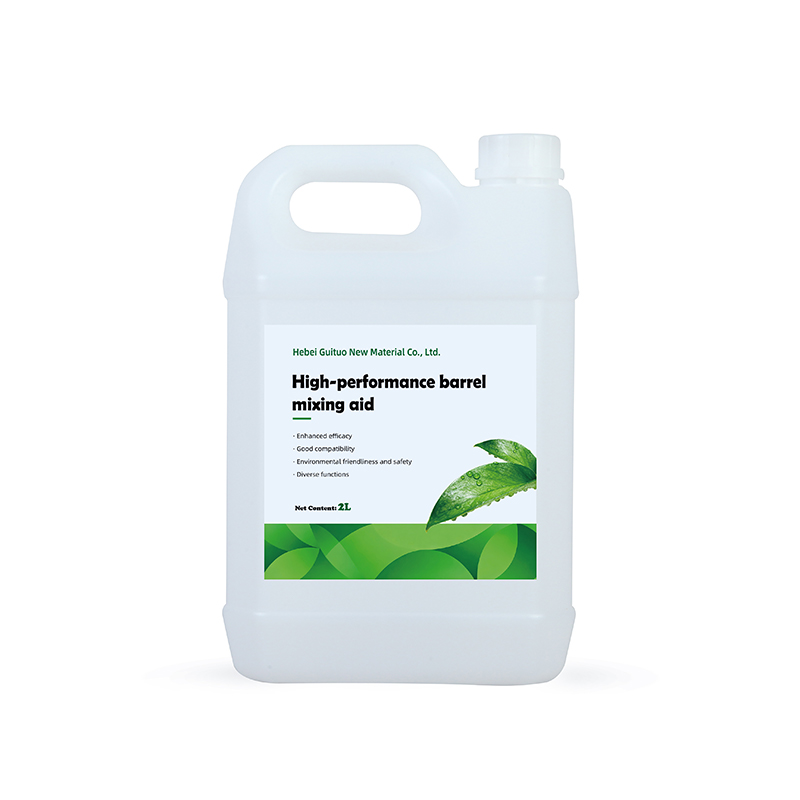
High-Performance Drum-Mix Adjuvants
8. Anti-Drift and Anti-Evaporation Functions
Spray drift is a major concern in crop protection. Small droplets can be transported away from the intended target by wind, potentially reducing field coverage and increasing the risk of exposure to neighboring crops, water bodies, residential areas, or non-target vegetation.
GT-9200 is designed to provide anti-drift support as part of its multifunctional performance. By influencing droplet behavior and deposition, the product can help make spray application more controlled. The final drift profile is determined by many factors, including nozzle type, operating pressure, boom height, droplet spectrum, wind speed, humidity, formulation, and application rate.
An adjuvant cannot eliminate drift when spraying conditions are unsuitable. Operators should avoid applications during excessive wind, temperature inversions, or other conditions associated with uncontrolled movement. They should also select equipment and settings that meet the requirements of the pesticide label and local regulations.
Evaporation is another source of application loss. Small droplets have a high surface-area-to-volume ratio and may lose water rapidly in hot, dry conditions. As water evaporates, the remaining deposit can change concentration and behavior before the droplet reaches the target. GT-9200 is intended to provide anti-evaporation support, helping preserve more effective spray deposition under challenging conditions.
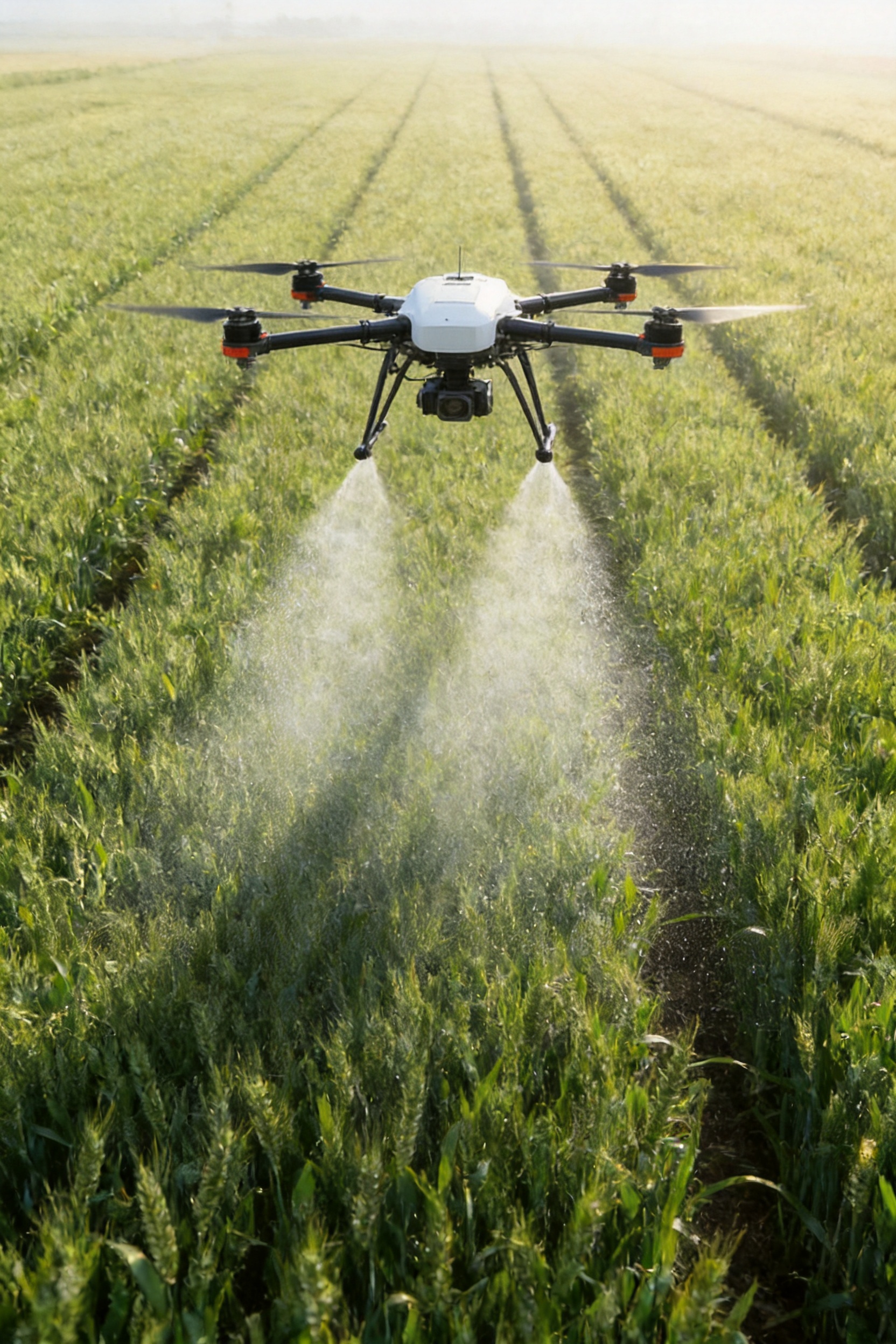
Drone spraying presents particular challenges because the spray height, flight speed, payload volume, and airflow pattern differ from those of conventional ground equipment. A suitable adjuvant can help improve the behavior of droplets produced by drone systems. Nevertheless, drone application must be calibrated carefully, and the product must be approved for the intended use in the relevant jurisdiction.
9. Suitability for Drone-Based Aerial Spraying
Agricultural drones are increasingly used for crop monitoring, spot treatment, orchard applications, and field spraying. Their advantages include flexible access to difficult terrain, reduced soil compaction, lower labor requirements, and the ability to treat small or irregular areas.
Drone systems often apply lower spray volumes than conventional boom sprayers. This makes droplet coverage and retention particularly important. When the amount of carrier water is limited, each droplet must contribute efficiently to the overall treatment pattern.
GT-9200 can support drone-based applications by improving wetting and deposition at low spray volumes. Better spreading can help the available liquid cover more leaf area, while improved adhesion may reduce the loss of droplets from smooth or angled surfaces. Its anti-drift and anti-evaporation functions are also relevant to aerial application conditions.
Drone operators should test the product with the selected nozzle, flight speed, spray pressure, water volume, and pesticide formulation. Crop canopy density and plant height should also be considered. A dosage that performs well in an open field may not be directly transferable to a dense orchard or greenhouse crop.
Application trials should measure coverage, retention, droplet distribution, and biological efficacy. These tests can help determine whether the adjuvant improves practical performance under local conditions rather than relying only on laboratory expectations.
10. Environmental and Safety Considerations
Sustainable agriculture requires a balance between effective pest control and responsible chemical management. An adjuvant can contribute to this objective when it improves the efficiency of pesticide application and helps reduce losses caused by poor coverage, runoff, drift, or evaporation.
By supporting better use of active ingredients, GT-9200 may help growers obtain a desired level of control with less unnecessary waste. More effective deposition can reduce the need for repeat applications caused by inadequate coverage. Reduced drift can limit the movement of spray outside the target area, while improved retention can reduce immediate runoff from leaves.
The product information describes the use of environmentally friendly surfactants and highlights the objective of minimizing environmental impact. The supplied material also identifies biodegradable formulation concepts and low-toxicity design considerations. Specific environmental classifications, biodegradation rates, aquatic toxicity values, and crop-safety data should always be confirmed through the current safety data sheet, technical data sheet, and regulatory documentation for the applicable market.
Safety depends on both the material and the way it is used. Operators should wear appropriate protective equipment, including chemical-resistant gloves, protective clothing, eye protection, and respiratory protection when required by the label or risk assessment. Concentrated material should not contact skin or eyes, and users should avoid inhaling mist or aerosol generated during handling.
Empty containers and unused spray mixture should be managed according to local waste regulations. The product should be stored in a suitable, clearly labeled container away from incompatible materials, extreme temperatures, food, feed, and unauthorized access.
11. Compatibility with Natural Ecosystems
Crop protection products are used within complex ecosystems that include pollinators, natural enemies, aquatic organisms, soil microbes, and surrounding vegetation. A responsible adjuvant program should seek to minimize unnecessary exposure to non-target organisms.
Improved deposition and reduced drift can help limit movement beyond the treated crop. This is especially important near sensitive habitats, waterways, beehives, organic production areas, and neighboring crops with different tolerances.
However, an adjuvant should not be described as automatically harmless to every organism. The toxicity of a spray mixture depends on the complete formulation and the active pesticide used. A low-toxicity adjuvant may still be part of a mixture that requires strict precautions. Users must follow the pesticide label, observe buffer zones, protect pollinators, and avoid spraying when beneficial insects are actively foraging.
Testing and documentation are important parts of environmental responsibility. Manufacturers and formulators should evaluate acute toxicity, irritation, environmental fate, aquatic effects, and compatibility with intended crops. Such information enables distributors and end users to make informed decisions and comply with applicable agricultural regulations.
12. Manufacturing Strengths of the Producer
The performance of a specialty agricultural adjuvant is closely connected to the manufacturer's production discipline. Silicone surfactants require controlled raw materials, accurate reaction conditions, effective purification, and reliable quality testing. Small changes in composition can affect surface tension, viscosity, cloud point, pH, foaming, compatibility, and storage stability.
Hebei Guituo New Material Co., Ltd. operates as a high-technology enterprise integrating research and development, production, and sales. This integrated structure allows the company to connect laboratory development with industrial production and customer application requirements.
The company has established production equipment and testing facilities intended to support stable product quality and supply. Its quality-management approach covers the process from production source to finished-product delivery. Such full-process monitoring is important for agricultural materials because customers often require reproducible performance across multiple purchase batches.
Experienced technical and production teams provide another important strength. Agricultural adjuvants must be evaluated not only as isolated chemicals but also as components of complete spray systems. Technical personnel can assess physical properties, dilution behavior, pesticide compatibility, and application requirements. This supports more practical product development and customer service.
The company maintains a broad product matrix that includes silicone additives, wetting agents, modified silicone oils, dimethyl silicone oils, surfactants, defoamers, and other functional materials. This range allows the manufacturer to understand different silicone chemistries and their behavior in agricultural and industrial formulations.
Its agricultural silicone products are described as having strong performance in key indicators and are supplied to domestic agrochemical enterprises. The company also serves overseas markets, including Europe and Southeast Asia, where customers evaluate products based on consistency, documentation, packaging, technical support, and reliable delivery as well as price.
OEM and ODM services provide additional flexibility. Customers may require private labeling, customized packaging, adjusted specifications, application-specific blends, or technical cooperation for a new formulation. The ability to support these requirements can be valuable to pesticide formulators, distributors, agricultural-input companies, and regional brands.
13. Process Control and Quality Assurance
Manufacturing a high-performance silicone adjuvant begins with raw-material control. Silicone intermediates, polyether components, catalysts, solvents, and functional modifiers must meet defined quality requirements. Variations in molecular structure or impurity content can influence the final product's interfacial behavior.
During production, reaction temperature, pressure, mixing intensity, feeding rate, reaction time, and vacuum conditions may need to be controlled within defined ranges. These parameters influence molecular distribution and conversion. A stable process helps ensure that the finished material performs consistently when diluted in agricultural spray water.
After synthesis or blending, the product may undergo filtration, purification, adjustment, and homogenization. These stages can help control clarity, foreign particles, color, viscosity, and storage stability. Packaging is also important because moisture, contamination, and unsuitable container materials may affect the product during transportation or storage.
Finished-product testing should confirm the characteristics relevant to the intended use. For GT-9200, the supplied specification includes purity, viscosity, surface tension, cloud point, and pH. These measurements provide a practical quality profile for customers evaluating batch consistency.
| Quality-Control Stage | Typical Focus | Value to Customers |
|---|---|---|
| Raw-material inspection | Identity, purity, moisture, and physical condition | Reduces variation at the beginning of production |
| Process monitoring | Reaction conditions, feeding accuracy, mixing, and temperature | Supports consistent molecular and physical properties |
| Intermediate testing | Conversion, clarity, viscosity, and appearance | Allows early correction before final packaging |
| Final-product testing | Purity, surface tension, pH, cloud point, and viscosity | Confirms compliance with the product specification |
| Packaging inspection | Container integrity, labeling, and batch identification | Protects product quality during storage and transport |
| Documentation review | Batch records, testing reports, and shipping documents | Improves traceability and purchasing confidence |
Quality assurance also depends on traceability. Batch numbers, production records, inspection results, and retained samples allow potential issues to be investigated efficiently. For international customers, accurate technical documentation supports import review, formulation development, and local registration activities.
14. Research and Development Capability
Agricultural application technology is changing rapidly. New pesticide formulations, biological products, drone platforms, precision sprayers, and climate-related challenges create demand for more adaptable adjuvant systems.
An integrated research and development structure helps a manufacturer respond to these changes. Product developers can study surface tension, contact angle, droplet spreading, wetting time, evaporation behavior, foaming, compatibility, and crop safety. These measurements can then be connected to greenhouse or field performance.
Silicone chemistry also permits adjustment of molecular structure and hydrophilic-lipophilic balance. By modifying the polyether segment or silicone backbone, formulators may target different spreading rates, cloud points, water solubility, foaming levels, and compatibility profiles. The correct balance depends on the intended pesticide system and application environment.
Customer feedback is another source of innovation. A distributor may require a product with lower foaming for automated filling. A pesticide formulator may need improved compatibility with a suspension concentrate. A drone operator may need better performance at low water volume. A textile or industrial customer may request a different wetting or defoaming behavior. A diversified product portfolio enables the company to use knowledge from one field to solve problems in another.
15. Recommended Evaluation Procedure
Before adopting GT-9200 in a commercial program, users should evaluate it through a structured procedure. The first step is to identify the specific application problem. This may include poor leaf wetting, insufficient adhesion, excessive runoff, drift concerns, evaporation, inconsistent performance in hard water, or inadequate coverage at low spray volume.
The second step is to check the pesticide label and local regulations. Some pesticide formulations specify approved adjuvant types, maximum adjuvant concentrations, or restrictions on use with certain crops. The adjuvant must be legally permitted for the intended application.
The third step is a small-scale jar test. Water from the actual spray source should be used, because laboratory water may not represent field conditions. The pesticide and adjuvant should be added in the intended order, and the mixture should be observed for stability.
The fourth step is a controlled application trial. Users should compare the pesticide alone with the pesticide plus GT-9200 under similar conditions. Important observations include droplet spreading, leaf coverage, visible runoff, drying behavior, rainfastness where relevant, crop response, and biological control.
The fifth step is field-scale validation. Results should be recorded across different weather conditions, crop stages, water qualities, nozzle settings, and spray volumes. This approach helps determine whether the product provides a meaningful benefit in the user's actual operating environment.
16. Handling and Mixing Guidance
GT-9200 should be handled as a concentrated chemical additive. Operators should read the current technical data sheet and safety data sheet before use. Product containers should be inspected before opening, and the material should be protected from contamination.
For tank mixing, use clean water and adequate agitation. Add the pesticide products according to their formulation characteristics and label instructions. The adjuvant should generally be introduced at the stage recommended by the supplier or pesticide label. Avoid pouring concentrated products together without sufficient dilution or agitation.
Users should not assume that a successful jar test guarantees crop safety. A jar test evaluates physical compatibility, but it cannot fully predict phytotoxicity, biological efficacy, or performance under field weather conditions. Crop-specific testing remains important, especially for sensitive varieties, young plants, ornamentals, greenhouse crops, and high-value fruits and vegetables.
Spraying should be avoided during strong winds, extreme heat, very low humidity, or conditions that favor temperature inversion. Equipment should be calibrated regularly. Nozzle selection and pressure should be adjusted to the desired droplet spectrum, and operators should maintain the appropriate boom height or drone flight height.
17. Packaging, Supply, and Technical Service
Reliable supply is essential for agricultural-input manufacturers and distributors. Delays during a crop-protection season can interrupt production schedules and reduce customer confidence. A manufacturer with established production equipment, testing facilities, and supply-management procedures can provide greater continuity than a small trader relying entirely on external sources.
Hebei Guituo New Material Co., Ltd. emphasizes stable supply supported by production capability and process monitoring. Customers can request product specifications, batch information, packaging options, and technical documentation during procurement discussions.
The company serves customers in domestic and international markets and supports OEM and ODM cooperation. This can include private-label products, customized packaging, application-specific development, and cooperation with agrochemical formulators. Such flexibility is particularly useful for companies seeking to differentiate their own product lines without building a complete silicone-additive manufacturing system.
Technical service should continue after delivery. Customers may require guidance on dilution, compatibility testing, storage, use with particular pesticide formulations, or adaptation to drone equipment. A supplier that understands both material science and practical application can help reduce trial-and-error during product development.

18. Applications Across Crop-Protection Programs
GT-9200 can be considered for a variety of crop-protection programs. In herbicide applications, improved spreading and adhesion may help contact weed foliage more uniformly. This is valuable when weeds have waxy leaves, dense growth, or difficult surface characteristics.
In insecticide applications, better wetting and deposition may increase contact with insects located on leaf surfaces, stems, or protected plant structures. The product can also support more uniform coverage in crops with dense canopies, although spray penetration will always depend on equipment and canopy management.
In fungicide applications, uniform coverage is often a critical factor because fungal infection can begin in areas that receive insufficient spray. A silicone adjuvant may help distribute the fungicide across leaf surfaces and improve retention during the initial period after application.
For foliar fertilizers and micronutrient products, an adjuvant may improve spreading and contact. Compatibility and crop safety must be assessed because nutrient salts can affect spray-solution behavior. The same principle applies to biological agricultural products, where excessive surfactant strength or unsuitable chemistry may affect living organisms. Product-specific testing is therefore essential.
In orchards, vineyards, vegetables, cereals, ornamental plants, and other crops, the best use rate will depend on the formulation and application objective. The product's versatility makes it suitable for evaluation across different crop types, but it should be used only according to approved instructions and validated recommendations.
19. Contribution to Sustainable Agriculture
Sustainability in agriculture includes productivity, economic efficiency, environmental protection, and responsible resource use. Drum-mix adjuvants can support these objectives by improving the efficiency of each spray operation.
Better coverage may reduce the number of corrective applications. Improved deposition can reduce the portion of spray lost to runoff. Anti-drift performance may reduce movement outside the target area. Anti-evaporation support may help preserve useful spray volume under difficult weather conditions. Together, these functions can contribute to more precise crop protection.
The environmental benefit should be considered as part of a complete integrated pest-management strategy. Adjuvants work best when combined with accurate pest monitoring, threshold-based decisions, resistant varieties, biological controls, crop rotation, resistance-management programs, and calibrated application equipment.
Reducing pesticide waste does not mean using pesticides without care. It means making each application more targeted and effective. GT-9200 is intended to support this approach by improving the physical delivery of the selected pesticide rather than encouraging indiscriminate chemical use.
20. Why Manufacturer Selection Matters
Purchasing an agricultural silicone synergist from a qualified manufacturer can reduce several commercial and technical risks. These risks include batch inconsistency, unclear composition, inadequate documentation, poor packaging, unstable supply, and limited technical support.
A manufacturer with dedicated research, production, and testing capabilities is better positioned to control these factors. Hebei Guituo New Material Co., Ltd. has developed a product portfolio focused on high-end silicone materials and functional additives. Its facilities and quality-monitoring system are intended to support consistent performance from raw-material intake through finished-product delivery.
The company's experience across agriculture, textiles, electronics, daily chemicals, and other industrial fields also provides a broad technical foundation. Different industries require different balances of wetting, spreading, lubrication, defoaming, release, and compatibility. Experience with these properties can strengthen the development of application-specific products.
International customers may also benefit from the company's export experience and willingness to provide OEM and ODM services. Stable communication, clear specifications, production traceability, and responsive technical support are important factors in long-term cooperation.
21. Commercial Value for Formulators and Distributors
For pesticide formulators, GT-9200 can serve as a functional component in ready-to-use formulations or as a recommended tank-mix additive. Its combination of low surface tension, spreading, adhesion, and deposition properties may help improve the market positioning of a pesticide product.
For distributors, a multifunctional product can simplify the product portfolio. Instead of offering separate additives for wetting, sticking, drift reduction, and evaporation control, distributors may be able to present one silicone-based solution for multiple application objectives. The final portfolio decision should be based on local demand, regulatory status, and technical validation.
For agricultural contractors, the product may help improve operational consistency across different fields and water sources. Consistent spray behavior can make equipment calibration and application planning easier, although the operator must still adapt settings to each crop and pesticide system.
For private-label brands, OEM and ODM support can help create differentiated packaging and product positioning. The manufacturer can discuss specifications, package sizes, labeling requirements, and potential formulation adjustments with customers seeking a customized supply program.
22. Limitations and Responsible Use
No adjuvant can overcome every limitation in a pesticide application. GT-9200 cannot compensate for an incorrect pesticide choice, poor timing, inadequate spray volume, blocked nozzles, excessive wind, unsuitable water temperature, resistant pest populations, or failure to follow the label.
It is also important to recognize that stronger spreading is not always better for every crop or formulation. Excessive wetting can increase runoff or create crop-safety concerns under certain conditions. The recommended concentration should therefore be established through technical guidance and testing rather than by assuming that a higher dosage will provide greater benefit.
Users should also consider mixture order, foam generation, storage stability, and cleaning procedures. Spray tanks and equipment should be cleaned according to the pesticide manufacturer's instructions, especially when moving between crops with different sensitivity levels.
The product's environmental and safety profile should be evaluated as part of the complete mixture. Statements about biodegradability, low toxicity, ecosystem compatibility, and reduced environmental impact should be supported by current technical and regulatory documentation for the intended market and use pattern.
23. Frequently Asked Questions
Q1: What is a drum-mix adjuvant?
A drum-mix adjuvant is an auxiliary product added directly to a pesticide spray tank or sprayer before application. It is not normally the primary pest-control active ingredient. Instead, it modifies the physical behavior of the spray solution to improve wetting, spreading, adhesion, deposition, penetration, or other application characteristics.
Q2: What type of product is GT-9200?
GT-9200 is a silicone-based agricultural synergist described as a silicone surfactant and polyether modified trisiloxane. It is developed for direct tank mixing with many agricultural pesticide formulations, including herbicides, insecticides, and fungicides.
Q3: How does GT-9200 improve pesticide coverage?
Its low surface-tension performance helps spray droplets spread over plant surfaces more effectively. This can increase the wetted area, improve contact with irregular or waxy leaves, and support more uniform distribution of the pesticide across the target crop.
Q4: Can GT-9200 improve pesticide penetration?
It can support penetration by improving wetting, spreading, and contact between the spray deposit and the target surface. The actual level of penetration depends on the pesticide active ingredient, formulation, crop, target organism, environmental conditions, and application method.
Q5: Can it be used with herbicides, insecticides, and fungicides?
GT-9200 is designed for compatibility with many herbicide, insecticide, and fungicide programs. A jar test and crop-specific evaluation should be conducted before commercial use, and the pesticide label or local regulation should always take priority.
Q6: Is GT-9200 suitable for drone spraying?
The product is designed to support diverse application environments, including drone-based aerial spraying. Drone applications should be calibrated carefully because flight height, spray volume, nozzle type, speed, and droplet size strongly affect performance and drift.
Q7: Does the product eliminate spray drift?
No. It is designed to provide anti-drift support, but it cannot eliminate drift under unsuitable conditions. Operators must control wind, pressure, nozzle selection, boom or drone height, droplet size, and other application variables.
Q8: Can the product reduce pesticide dosage?
By improving application efficiency, GT-9200 may reduce waste and improve the utilization of the applied active ingredient. However, pesticide dosage should not be reduced automatically. Any rate adjustment must be supported by field trials, the product label, resistance-management requirements, and local professional guidance.
Q9: What is the surface tension of GT-9200?
The supplied specification states that the surface tension is below 20.5 mN/m at a concentration of 0.1% by weight. This low value is associated with strong wetting and spreading performance.
Q10: What is the pH of a dilute GT-9200 solution?
The specified pH of a 1% aqueous solution at 25°C is 6.5 to 7.5. This represents a near-neutral dilute solution profile, although the pH of a complete tank mixture will depend on the water and pesticide formulation used.
Q11: What precautions should be taken before tank mixing?
Read the current technical and safety documents, check the pesticide label, use clean water, follow the recommended mixing order, maintain appropriate agitation, and conduct a jar test. Operators should also wear suitable protective equipment and avoid spraying under unsafe weather conditions.
Q12: Is the product safe for beneficial insects and aquatic organisms?
The product is designed with environmental and safety considerations in mind, including reduced drift and a low-toxicity formulation objective. However, safety must be assessed for the complete spray mixture. Users should follow buffer zones, pollinator-protection measures, aquatic-protection requirements, and all applicable regulations.
Q13: What makes the product different from a basic surfactant?
GT-9200 is designed as a multifunctional silicone adjuvant. In addition to wetting, it supports rapid spreading, adhesion, penetration, deposition, anti-drift, and anti-evaporation functions. The final performance advantage depends on the comparison product and the application conditions.
Q14: Can the manufacturer provide customized products?
The manufacturer accepts OEM and ODM orders. Customers can discuss private labeling, packaging, product specifications, application requirements, and potential customization with the technical and sales teams.
Q15: How should customers evaluate product quality?
Customers should review the product specification, batch testing information, safety data, packaging integrity, production traceability, compatibility results, and application data. Surface tension, viscosity, pH, cloud point, and purity are useful quality indicators for this type of product.
24. Conclusion
High-performance drum-mix adjuvants are increasingly important as agriculture seeks better spray efficiency, lower waste, improved precision, and more responsible chemical use. GT-9200 addresses these needs through a silicone-based polyether modified trisiloxane system designed to improve spreading, wetting, adhesion, penetration, deposition, anti-drift performance, and anti-evaporation behavior.
Its low surface tension, near-neutral dilute-solution pH, controlled viscosity, defined cloud point, and high stated purity provide a technical foundation for consistent use. The product is intended to work with many pesticide categories and can be evaluated for conventional spraying, low-volume applications, and drone-based aerial operations.
The product's value is strengthened by the manufacturing capabilities of Hebei Guituo New Material Co., Ltd. The company combines research and development, production, testing, quality monitoring, technical expertise, international supply experience, and OEM or ODM support. This integrated approach can help customers obtain not only a functional silicone additive, but also dependable documentation, stable batches, and application-oriented cooperation.
As with all agricultural additives, responsible use remains essential. Product performance should be confirmed through compatibility testing, crop-safety evaluation, field trials, and compliance with the applicable pesticide label and local regulations. When used as part of a carefully designed crop-protection program, GT-9200 can help make pesticide applications more uniform, efficient, and adaptable to the needs of modern agriculture.
References
1. Product specification information for GT-9200 High-Performance Drum-Mix Adjuvants, including purity, viscosity, surface tension, cloud point, and pH data.
2. Technical information on silicone surfactants and polyether modified trisiloxanes used in agricultural spray applications.
3. General principles of pesticide adjuvant selection, tank mixing, spray coverage, droplet deposition, and application efficiency.
4. Agricultural spray-technology guidance concerning drift reduction, evaporation control, nozzle selection, droplet size, and weather conditions.
5. Safety and environmental assessment principles for agricultural adjuvants, pesticide mixtures, beneficial organisms, and aquatic environments.
6. Manufacturer information regarding research and development, production facilities, quality monitoring, product portfolio, international supply, and OEM or ODM cooperation.
7. Integrated pest-management principles for efficient, targeted, and sustainable crop-protection programs.
For product specifications, technical documentation, compatibility discussions, and customized OEM or ODM requirements, customers may contact the manufacturer or its authorized sales representatives.
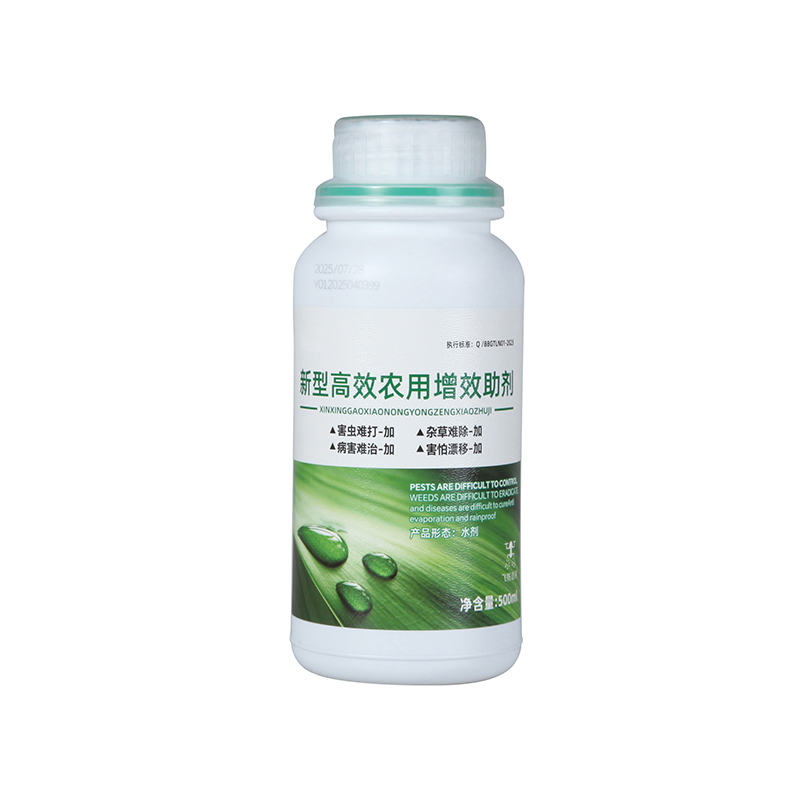
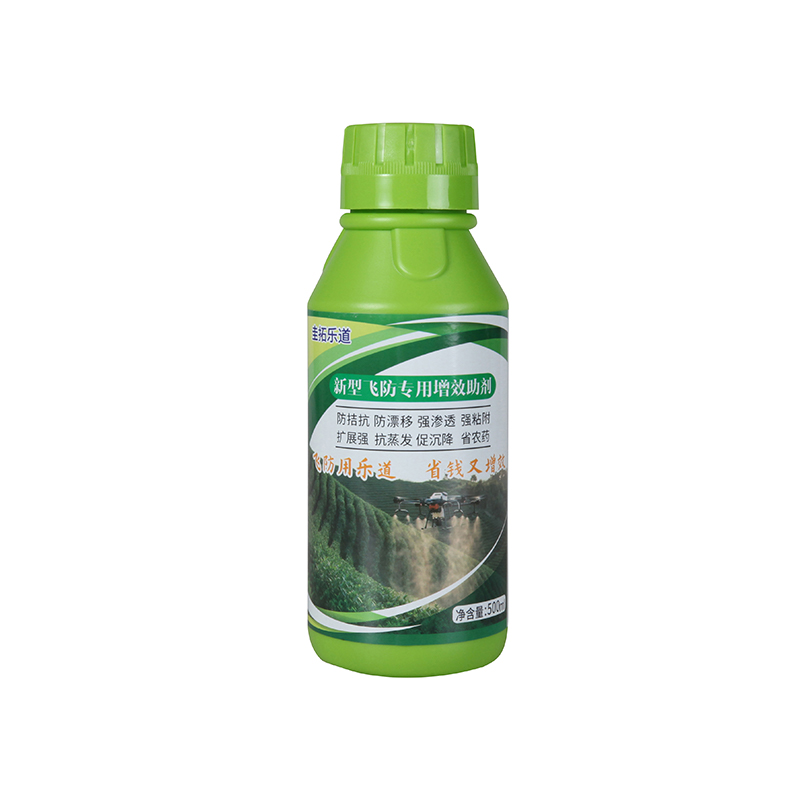
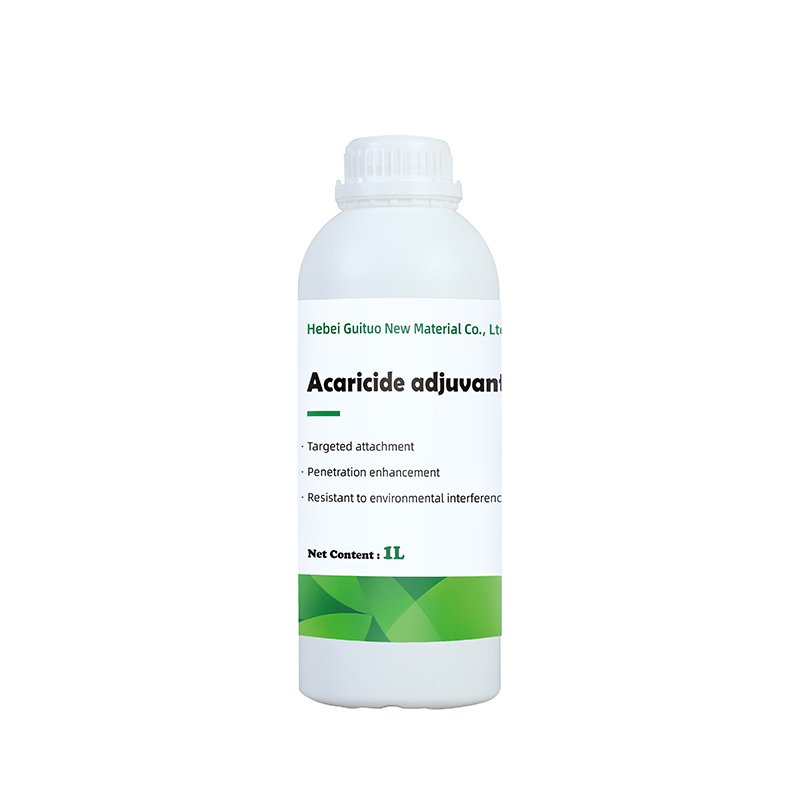
Product: High-Performance Drum-Mix Adjuvants


Contact Information
Tel : +86-400-138-5268
Email : [email protected]
Phone : +86-15128434888 / +86-13511051998
Add : Xinqiao Environmental Protection Industrial Park, Wen'an County, Langfang City, Hebei Province, China
Contact Information
Copyright © Hebei Guituo New Material Co., Ltd. All Rights Reserved.
