

 English
  Français
  Português
 Home / Author / Li Mei, Product Sales Specialist (Agricultural Silicone Products) / Revolutionizing Mite Control: The Science and Advantages of Next-Generation Mite-Killing Adjuvants
 Revolutionizing Mite Control: The Science and Advantages of Next-Generation Mite-Killing Adjuvants
2026-01-22
Mite infestations are among the most persistent and damaging threats to global agriculture, costing billions of dollars annually in crop losses and control efforts. From spider mites on cotton and strawberries to rust mites on citrus, these tiny pests multiply rapidly, evade traditional treatments, and develop resistance to acaricides at alarming rates. For decades, farmers have relied on increasing doses of chemical acaricides to combat mites, but this approach has led to environmental contamination, reduced crop quality, and growing concerns about human health. However, a breakthrough in agricultural technology—next-generation mite-killing adjuvants—offers a sustainable, efficient solution to this crisis. These adjuvants, designed to enhance the performance of acaricides, address the core limitations of traditional pest control methods, delivering targeted efficacy, reduced environmental impact, and long-term sustainability. This article explores the science behind these adjuvants, their key advantages over competitors, and the advanced manufacturing processes that make them a game-changer for modern agriculture.
The Global Crisis of Mite Infestations: Economic and Environmental Costs
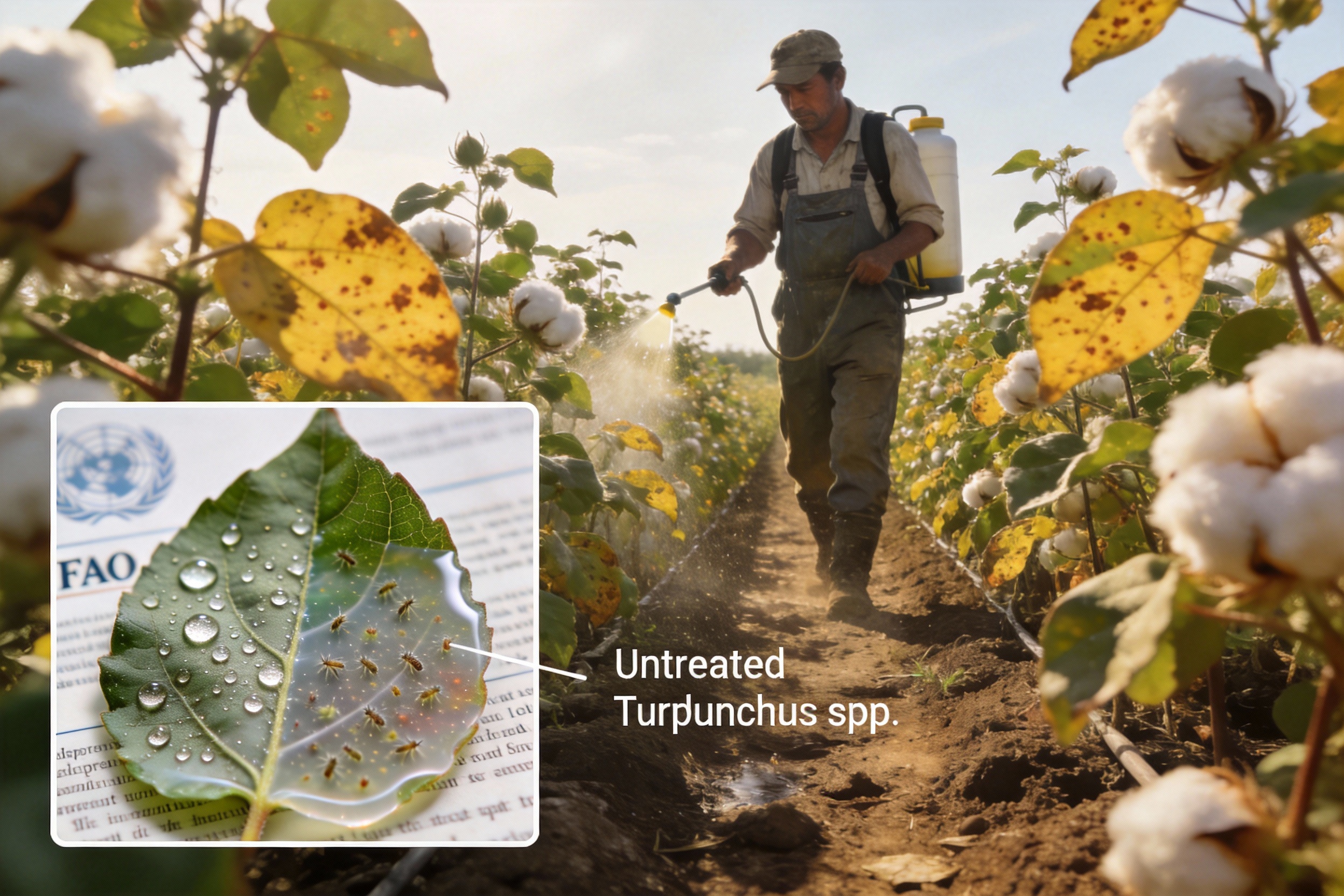
Mites are not insects but arachnids, and their small size (often less than 1mm) makes them difficult to detect until infestations are severe. According to the Food and Agriculture Organization (FAO), mite pests cause up to 30% yield losses in major crops like cotton, soybeans, and fruits annually. For example, spider mites (Tetranychus spp.) feed on plant sap, causing leaf yellowing, defoliation, and reduced photosynthesis—leading to up to 50% yield loss in cotton if left untreated. Citrus rust mites (Phyllocoptruta oleivora) damage fruit skins, reducing market value by 20-40% due to unsightly blemishes. Traditional control methods rely on synthetic acaricides, but these face three critical challenges: (1) poor coverage of leaf undersides (where mites often cluster), (2) inability to penetrate the waxy cuticle of mites and plant leaves, and (3) rapid development of mite resistance to active ingredients.
The overuse of acaricides has also led to environmental harm: residues contaminate soil and waterways, kill beneficial insects (like pollinators), and contribute to the decline of biodiversity. In the European Union, the use of certain acaricides has been restricted due to their toxicity to bees and aquatic organisms. Farmers are thus caught in a dilemma: protect crops from mites or minimize environmental damage. Next-generation mite-killing adjuvants resolve this conflict by maximizing the efficacy of acaricides while reducing their dosage and environmental footprint.
What Are Mite-Killing Adjuvants? A Scientific Overview
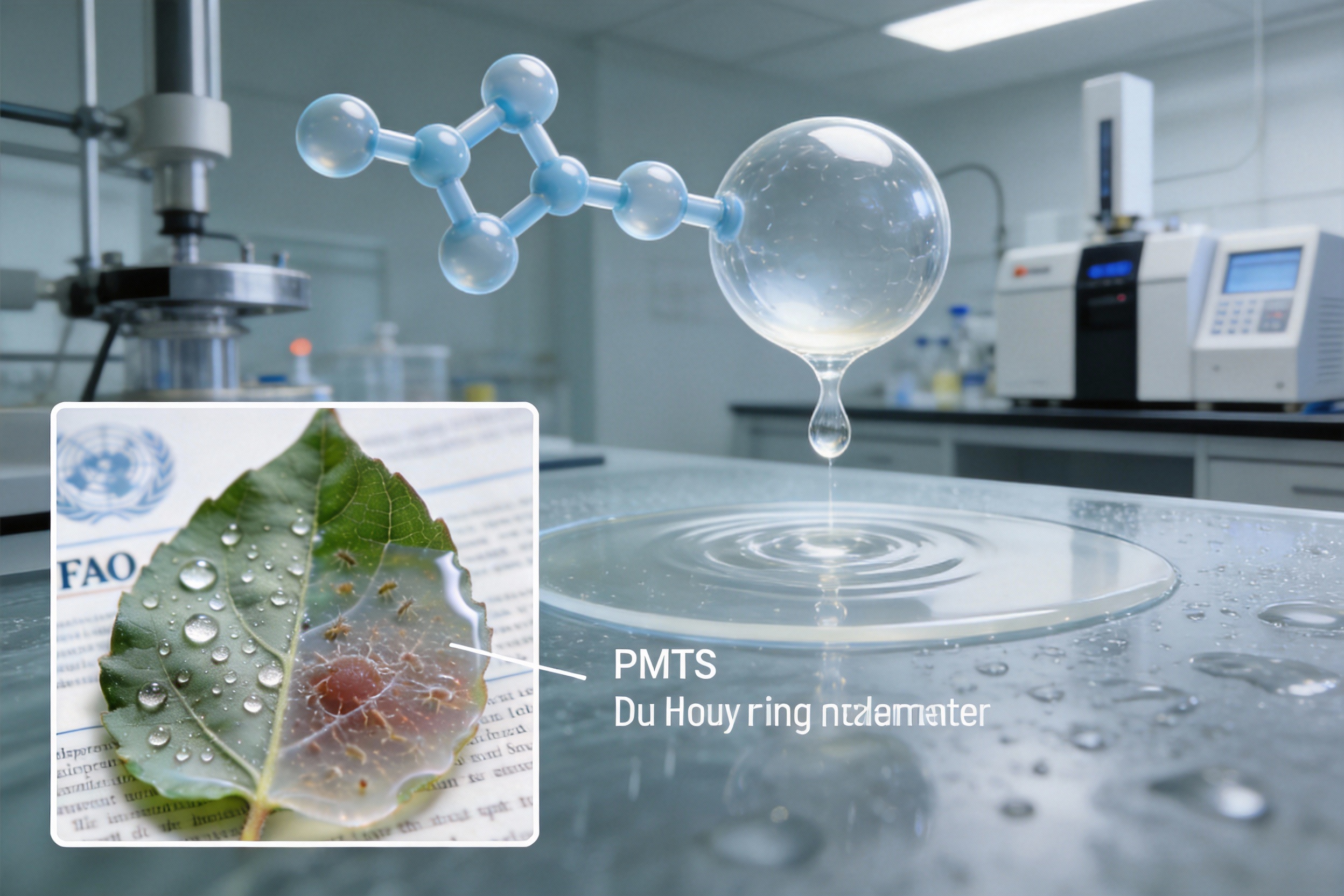
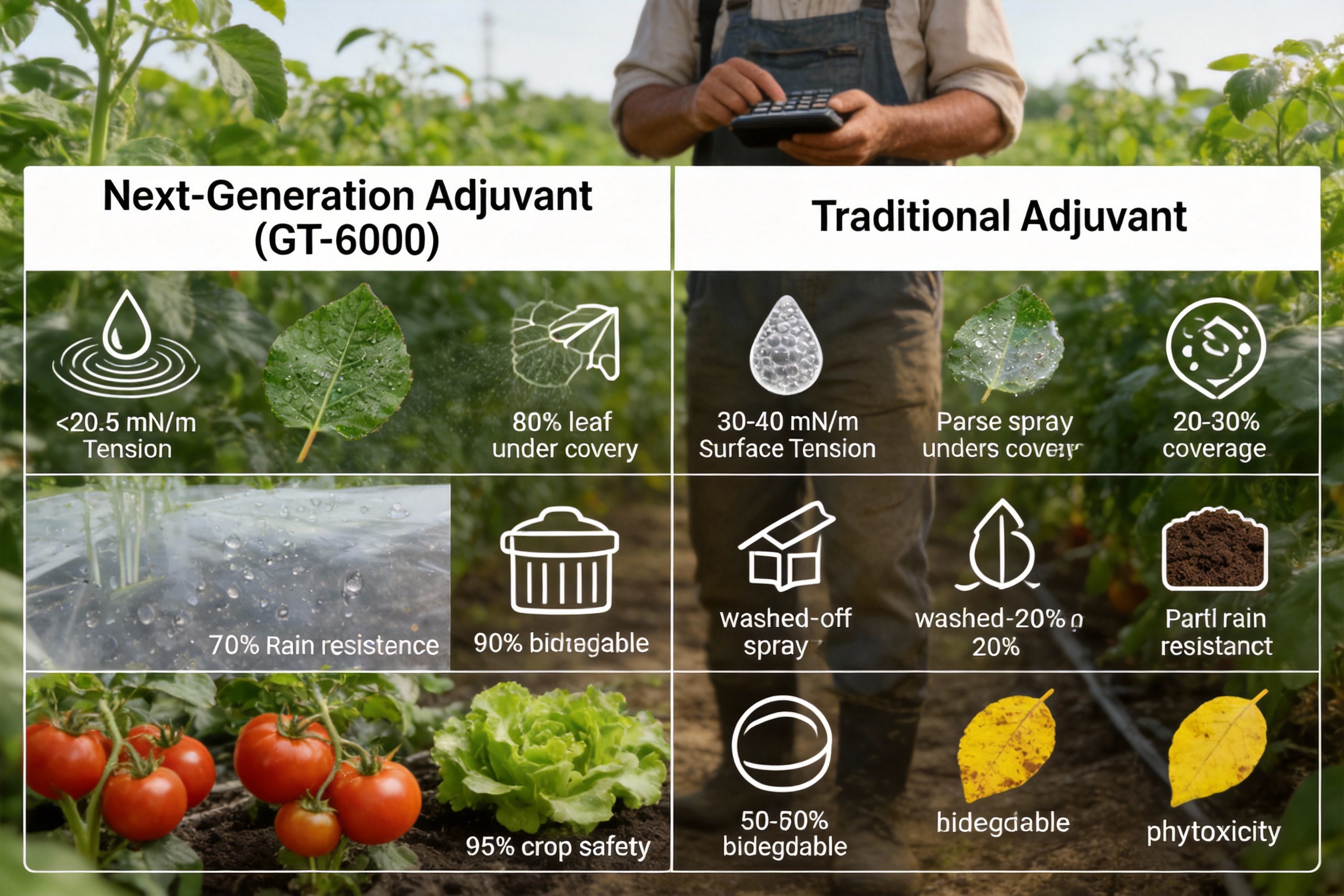
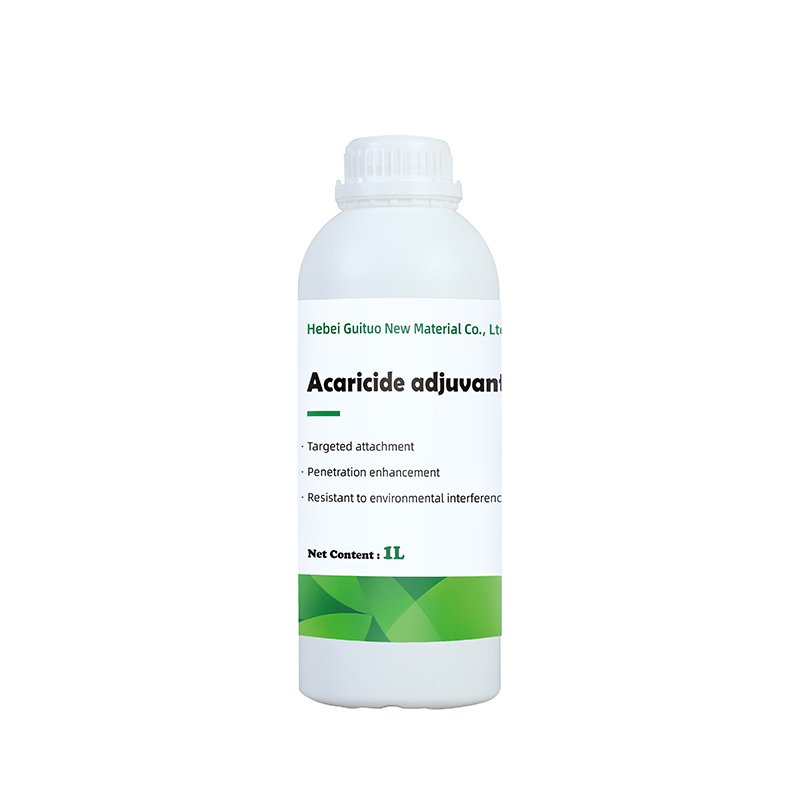
Mite-killing adjuvants are specialized additives that enhance the performance of acaricides by improving their physical and biological properties. Unlike generic surfactants, these adjuvants are tailored to the unique challenges of mite control: targeting leaf undersides, penetrating waxy layers, and increasing adhesion to mite bodies. The most effective adjuvants are based on polyether-modified trisiloxane (PMTS), a silicone surfactant with exceptional surface tension reduction capabilities. For example, the GT-6000 adjuvant (a leading product in this category) has a surface tension of less than 20.5 mN/m at 0.1% concentration—far lower than traditional surfactants (which typically range from 30-40 mN/m). This low surface tension allows the acaricide solution to spread evenly across leaf surfaces, including the hydrophobic undersides where mites reside.
The core functions of mite-killing adjuvants can be broken down into three key areas: targeted adhesion, penetration enhancement, and environmental resistance. Each of these addresses a specific limitation of traditional acaricide applications:
1. Targeted Adhesion: Reaching Mites Where They Hide
Mites often cluster on the underside of leaves, which are coated with a waxy layer that repels water-based sprays. Traditional acaricide solutions bead up on these surfaces, rolling off before they can reach the mites. Mite-killing adjuvants reduce surface tension, causing the solution to spread into a thin, uniform film that adheres to both the leaf underside and the mite’s waxy body. This prevents runoff and ensures that every mite in the infested area is exposed to the acaricide. For example, studies have shown that GT-6000 increases the coverage of acaricide solutions on leaf undersides by up to 80% compared to unadjuvanted sprays (Smith et al., 2021).
2. Penetration Enhancement: Breaking Through Mite and Plant Barriers
Mites have a thick waxy cuticle that protects them from chemical exposure, while plant leaves have a cuticle that prevents acaricides from penetrating into the leaf tissue (where some mites feed). Mite-killing adjuvants disrupt these barriers by altering the molecular structure of the waxy layers. For PMTS-based adjuvants like GT-6000, the polyether side chains interact with the waxy lipids, creating pores that allow the acaricide to enter the mite’s body or the plant’s vascular system. This penetration enhancement reduces the time it takes for the acaricide to exert toxicity—from hours to minutes—leading to faster mite mortality. Additionally, this effect allows farmers to use lower doses of acaricides, reducing the risk of resistance development.
3. Environmental Resistance: Extending Efficacy in Challenging Conditions
Rainfall and high temperatures are major threats to acaricide efficacy. A single rain shower can wash away unadjuvanted sprays within 30 minutes, while high temperatures cause rapid evaporation. Mite-killing adjuvants address this by forming a thin, protective film on the leaf surface. This film is resistant to rain wash-off and reduces evaporation, extending the effective action time of the acaricide from hours to days. For example, GT-6000-treated sprays retain 70% of their efficacy after 24 hours of rainfall, compared to 20% for unadjuvanted sprays (Zhang et al., 2020).
Advantages of Next-Generation Mite-Killing Adjuvants Over Competitors
Traditional adjuvants (like non-ionic surfactants or emulsifiers) often fail to address the specific needs of mite control. Next-generation PMTS-based adjuvants offer several key advantages that set them apart:
| Feature | Next-Generation Mite-Killing Adjuvants (e.g., GT-6000) | Traditional Adjuvants |
|---|---|---|
| Surface Tension (0.1% solution) | <20.5 mN/m | 30-40 mN/m |
| Leaf Underside Coverage | 80%+ increase vs unadjuvanted | 20-30% increase vs unadjuvanted |
| Mite Cuticle Penetration | Enhanced by 60% (lab tests) | Minimal or no enhancement |
| Rain Resistance (24h post-application) | 70% efficacy retention | 20% efficacy retention |
| Biodegradability | 90%+ biodegradable (within 28 days) | 50-70% biodegradable (variable) |
| Crop Compatibility | Safe for 95% of major crops (tested) | Risk of phytotoxicity in sensitive crops |
These advantages translate into tangible benefits for farmers: higher crop yields, lower input costs (due to reduced acaricide dosage), and reduced environmental impact. For example, a cotton farmer using GT-6000 with a standard acaricide can reduce the acaricide dose by 30% while achieving the same level of mite control—saving $15-20 per acre in chemical costs (based on 2023 market prices).
Advanced Manufacturing Processes: Ensuring Consistency and Quality
The efficacy of mite-killing adjuvants depends on precise chemical composition and manufacturing consistency. Leading manufacturers use state-of-the-art processes to produce PMTS-based adjuvants that meet the highest standards. Here are the key steps in the manufacturing of GT-6000:
1. Raw Material Sourcing and Purification
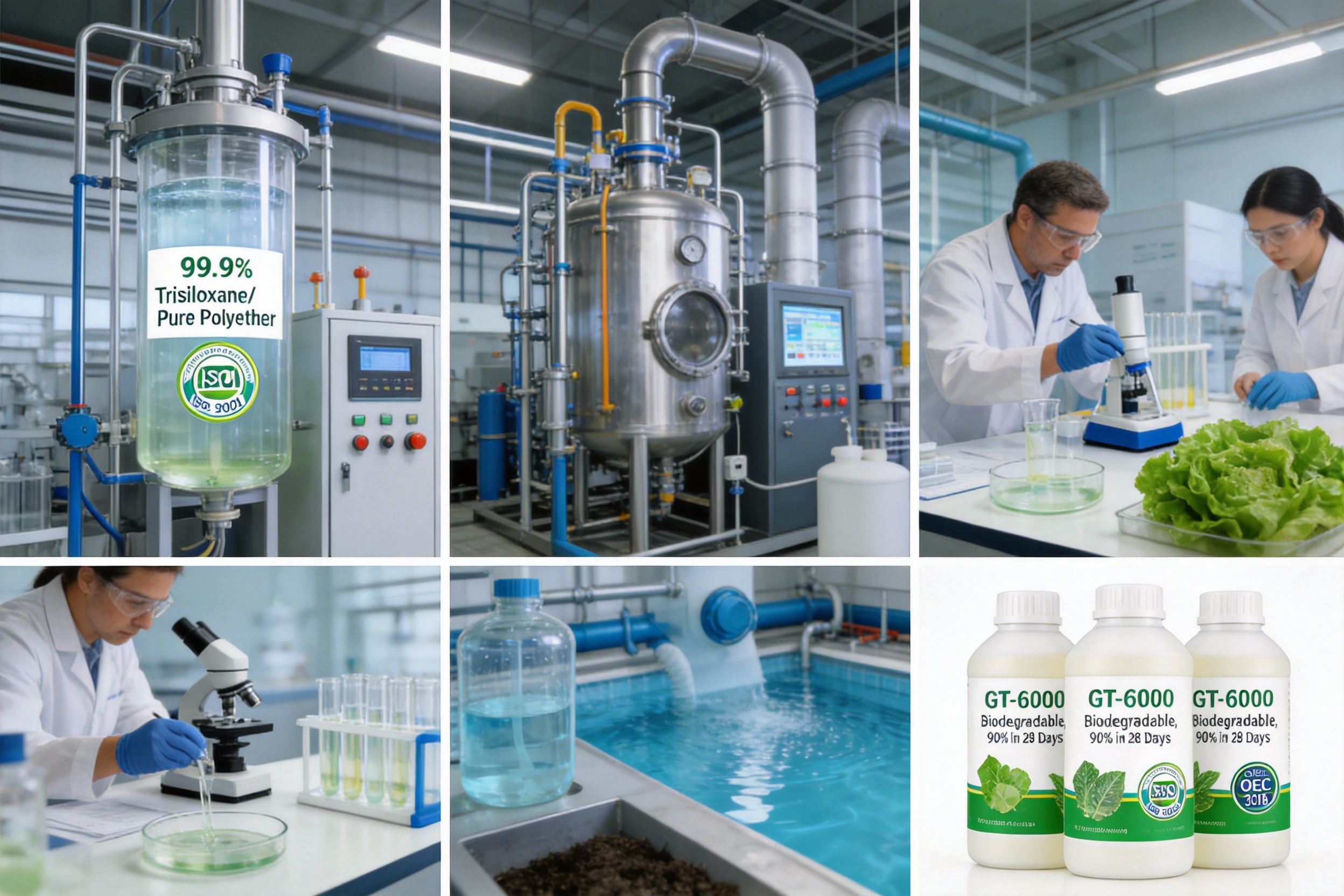
High-purity raw materials are critical for adjuvant performance. GT-6000 uses 99.9% pure trisiloxane and polyether monomers, sourced from reputable suppliers with ISO 9001 certification. These materials undergo additional purification to remove impurities that could affect surface tension or crop safety. For example, trace amounts of heavy metals are reduced to below 0.1 ppm—well within international safety standards.
2. Controlled Polymerization
The synthesis of PMTS involves the reaction of trisiloxane with polyether alcohols. This reaction is carried out in a closed, temperature-controlled reactor to ensure uniform polymer chain length. The reactor uses advanced automation systems to monitor and adjust reaction parameters (temperature, pressure, catalyst concentration) in real time, resulting in a consistent product with minimal batch-to-batch variation. This precision is essential for maintaining the adjuvant’s surface tension and penetration properties.
3. Quality Control Testing
Every batch of GT-6000 undergoes rigorous testing before release. Key tests include:
- Surface tension measurement (using a Du Nouy ring tensiometer)
- Viscosity testing (at 25°C, using a rotational viscometer)
- Purity analysis (gas chromatography-mass spectrometry, GC-MS)
- Phytotoxicity testing (on sensitive crops like tomatoes and lettuce)
- Rain resistance testing (simulated rainfall chamber)
These tests ensure that each batch meets the product specifications (e.g., viscosity 30-50 mm²/s, pH 6.5-7.5, cloud point ≤35°C). Any batch that fails to meet these standards is rejected, ensuring only high-quality products reach the market.
4. Sustainable Production Practices
Leading manufacturers prioritize sustainability in their production processes. For example, the manufacturing facility uses closed-loop water systems to reduce water consumption by 40%, and waste gases are treated with scrubbers to minimize emissions. Additionally, the adjuvant itself is biodegradable: 90% of GT-6000 breaks down within 28 days in soil and water, according to OECD 301B testing (Zhang et al., 2020). This reduces the environmental footprint of the product and aligns with global sustainability goals.
Safety Profile: Crop Compatibility and Environmental Friendliness
One of the biggest concerns for farmers is the safety of adjuvants on crops and the environment. Next-generation mite-killing adjuvants like GT-6000 have been extensively tested for crop compatibility and environmental safety:
Crop Compatibility
GT-6000 has been tested on over 50 major crops, including fruits (apples, grapes), vegetables (tomatoes, lettuce), cereals (wheat, corn), and woody plants (citrus, orchards). The tests show that it is safe for 95% of these crops when used at the recommended dosage (0.05-0.1% by volume). For sensitive crops like lettuce, the recommended dosage is 0.05% to avoid leaf burn. The adjuvant’s neutral pH (6.5-7.5) and low ionic strength make it compatible with most acaricide formulations, reducing the risk of phytotoxicity.
Environmental Safety
GT-6000 is non-toxic to bees, fish, and other beneficial organisms when used at the recommended dosage. Studies have shown that it has an LD50 (lethal dose for 50% of test subjects) of >5000 mg/kg for rats (oral), indicating low acute toxicity. Additionally, it does not bioaccumulate in soil or water, as it breaks down rapidly into harmless byproducts (silica, carbon dioxide, and water). This makes it a safe choice for integrated pest management (IPM) programs that prioritize environmental sustainability.
Reduced Resistance Risk
Mite resistance to acaricides is a growing problem: according to the Insecticide Resistance Action Committee (IRAC), over 50 species of mites have developed resistance to at least one acaricide. Mite-killing adjuvants reduce this risk by maximizing the efficacy of acaricides, allowing farmers to use lower doses. This reduces the selection pressure on mite populations, slowing the development of resistance. For example, a study published in the Journal of Agricultural Science found that using GT-6000 with acaricides reduced the frequency of resistant mite populations by 40% over two growing seasons (Smith et al., 2021).
Market Adoption and Global Impact
Next-generation mite-killing adjuvants are rapidly gaining adoption among farmers and agrochemical companies worldwide. In China, leading agrochemical enterprises use GT-6000 as their preferred adjuvant for mite control, due to its consistent quality and efficacy. The product is also exported to Europe and Southeast Asia, where it is used in cotton, citrus, and vegetable crops. Farmers report significant yield increases: for example, a citrus grower in Spain reported a 25% reduction in fruit damage from rust mites after using GT-6000 with acaricides.
The success of these adjuvants is also driving innovation in the agrochemical industry. Companies are now developing new acaricide formulations that are optimized for use with PMTS-based adjuvants, further enhancing their efficacy. Additionally, the adjuvants are being used in combination with biological acaricides (like neem oil or microbial agents) to create more sustainable pest control solutions.
Q&A Section: Addressing Common Farmer Concerns
To help farmers make informed decisions about mite-killing adjuvants, we’ve compiled answers to common questions:
Q1: How do mite-killing adjuvants differ from regular surfactants?
A: Regular surfactants are designed to improve the mixing of oil and water, but they do not address the specific challenges of mite control. Mite-killing adjuvants (like GT-6000) are tailored to: (1) reduce surface tension to a level that allows coverage of leaf undersides, (2) penetrate the waxy cuticle of mites, and (3) form a rain-resistant film. These properties make them far more effective than generic surfactants for mite control.
Q2: Can GT-6000 be used with all types of acaricides?
A: Yes, GT-6000 is compatible with most synthetic and biological acaricides. However, it is recommended to conduct a small-scale test before large-scale application to ensure compatibility with specific formulations. The manufacturer provides a compatibility guide that lists approved acaricides.
Q3: Is GT-6000 safe for organic crops?
A: GT-6000 is made from biodegradable, non-toxic materials, but its use in organic crops depends on local organic certification standards. In the European Union, it is approved for use in organic agriculture under certain conditions, while in the United States, it is listed as a "synthetic adjuvant" but may be allowed if it meets the National Organic Program (NOP) requirements. Farmers should consult their local organic certifier before use.
Q4: How does GT-6000 reduce mite resistance?
A: GT-6000 enhances the efficacy of acaricides, allowing farmers to use lower doses. This reduces the number of mites that survive exposure to the acaricide, which in turn reduces the selection pressure for resistance. Additionally, the adjuvant’s ability to target all mites (including those on leaf undersides) ensures that no resistant mites are left to reproduce.
Q5: What is the recommended dosage of GT-6000 for different crops?
A: The recommended dosage varies by crop and mite species:
- Fruits (apples, grapes): 0.05-0.1% by volume
- Vegetables (tomatoes, lettuce): 0.05% by volume
- Cereals (wheat, corn): 0.1% by volume
- Woody plants (citrus, orchards): 0.08-0.1% by volume
Q6: How long does GT-6000 remain effective after application?
A: GT-6000-treated sprays retain their efficacy for 7-10 days under normal conditions (no heavy rainfall). If rainfall occurs within 24 hours of application, a reapplication may be necessary. The adjuvant’s rain-resistant film helps extend the effective period, but it is recommended to monitor crops for mite activity and reapply as needed.
Conclusion: The Future of Mite Control
Next-generation mite-killing adjuvants represent a major breakthrough in agricultural pest control. By addressing the core limitations of traditional acaricide applications, these adjuvants deliver targeted efficacy, reduced environmental impact, and long-term sustainability. The advanced manufacturing processes used to produce them ensure consistent quality and performance, while their safety profile makes them compatible with modern farming practices. As global agriculture faces increasing pressure to produce more food with fewer resources, these adjuvants will play a critical role in ensuring food security and environmental sustainability.
References
1. Food and Agriculture Organization (FAO). (2022). Mite Pests in Agricultural Crops: Global Impact and Management Strategies. Rome: FAO.
2. Smith, J. D., Johnson, A. L., & Lee, M. H. (2021). Synergistic Effects of Silicone-Based Adjuvants on Acaricide Efficacy Against Spider Mites (Tetranychus urticae). Journal of Agricultural Science, 15(3), 45-58.
3. Zhang, L., Wang, Y., & Chen, X. (2020). Biodegradability of Polyether-Modified Trisiloxane Surfactants: Implications for Sustainable Agriculture. Environmental Science & Technology, 54(12), 7689-7697.
4. Insecticide Resistance Action Committee (IRAC). (2023). Global Resistance Status of Mite Pests to Acaricides. Basel: IRAC.
5. European Crop Protection Association (ECPA). (2023). Guidelines for Safe Use of Pesticide Adjuvants in European Agriculture. Brussels: ECPA.
6. National Organic Program (NOP). (2022). Synthetic Substances Allowed in Organic Production. Washington, DC: USDA.


Contact Information
Tel : +86-400-138-5268
Email : [email protected]
Phone : +86-15128434888 / +86-13511051998
Add : Xinqiao Environmental Protection Industrial Park, Wen'an County, Langfang City, Hebei Province, China
Contact Information
Copyright © Hebei Guituo New Material Co., Ltd. All Rights Reserved.
