

 English
  Français
  Português
 Home / Author / Li Mei, Product Sales Specialist (Agricultural Silicone Products) / Revolutionizing Agricultural Efficiency: The Impact of High-Performance Adjuvants on Crop Protection and Sustainability
 Revolutionizing Agricultural Efficiency: The Impact of High-Performance Adjuvants on Crop Protection and Sustainability
2026-03-09
As global agriculture faces the dual challenges of feeding a growing population and reducing environmental harm from agrochemicals, innovative solutions that boost efficacy while minimizing inputs are more critical than ever. Agricultural enhancing adjuvants—substances added to pesticide or fertilizer formulations to improve their performance—have emerged as key tools in this endeavor. Among these, a new high-efficiency agricultural enhancing adjuvant (model GT-1000) stands out for its transformative impact on crop protection, nutrient uptake, and sustainability. This article explores the science behind this adjuvant, its advantages over conventional options, the advanced manufacturing processes that ensure its quality, and how it addresses pressing agricultural needs.
What Are Agricultural Enhancing Adjuvants?
Agricultural enhancing adjuvants are specialized additives designed to optimize the performance of pesticides, fertilizers, and other agrochemicals. Unlike active ingredients that directly target pests or provide nutrients, adjuvants work by modifying the physical and chemical properties of the formulation to improve its interaction with plant surfaces, soil, or target organisms. Their primary functions include reducing surface tension, enhancing spreadability, improving penetration into plant tissues, and increasing adhesion to leaf surfaces—all of which contribute to more effective and efficient use of agrochemicals.
For decades, farmers have relied on adjuvants to overcome common challenges in crop protection: poor coverage of plant surfaces, run-off of pesticides during rain, low absorption of active ingredients into plant tissues, and excessive use of chemicals that harm the environment. The new high-efficiency adjuvant takes these benefits to the next level, combining advanced silicone chemistry with rigorous quality control to deliver unmatched performance.
Key Advantages of the New High-Efficiency Adjuvant
The GT-1000 adjuvant offers a range of benefits that address core pain points in modern agriculture. Its formulation is tailored to enhance both pesticide and fertilizer performance, making it a versatile tool for farmers across different crop types and cultivation scenarios.
Efficacy Upgrade for Pest and Disease Control
One of the most significant advantages of the GT-1000 adjuvant is its ability to enhance the adhesion of pesticide sprays to plant surfaces and improve resistance to rain wash-off. This extends the duration of pest and disease control by over 30%, reducing the number of required applications. For example, farmers using this adjuvant with herbicides report better control of persistent weeds like reed and alligator weed, which are notoriously difficult to manage with conventional formulations alone. The adjuvant’s ability to keep pesticides on target for longer means that active ingredients are not wasted due to run-off or evaporation, leading to more consistent results.
Fertilizer Efficiency Boost
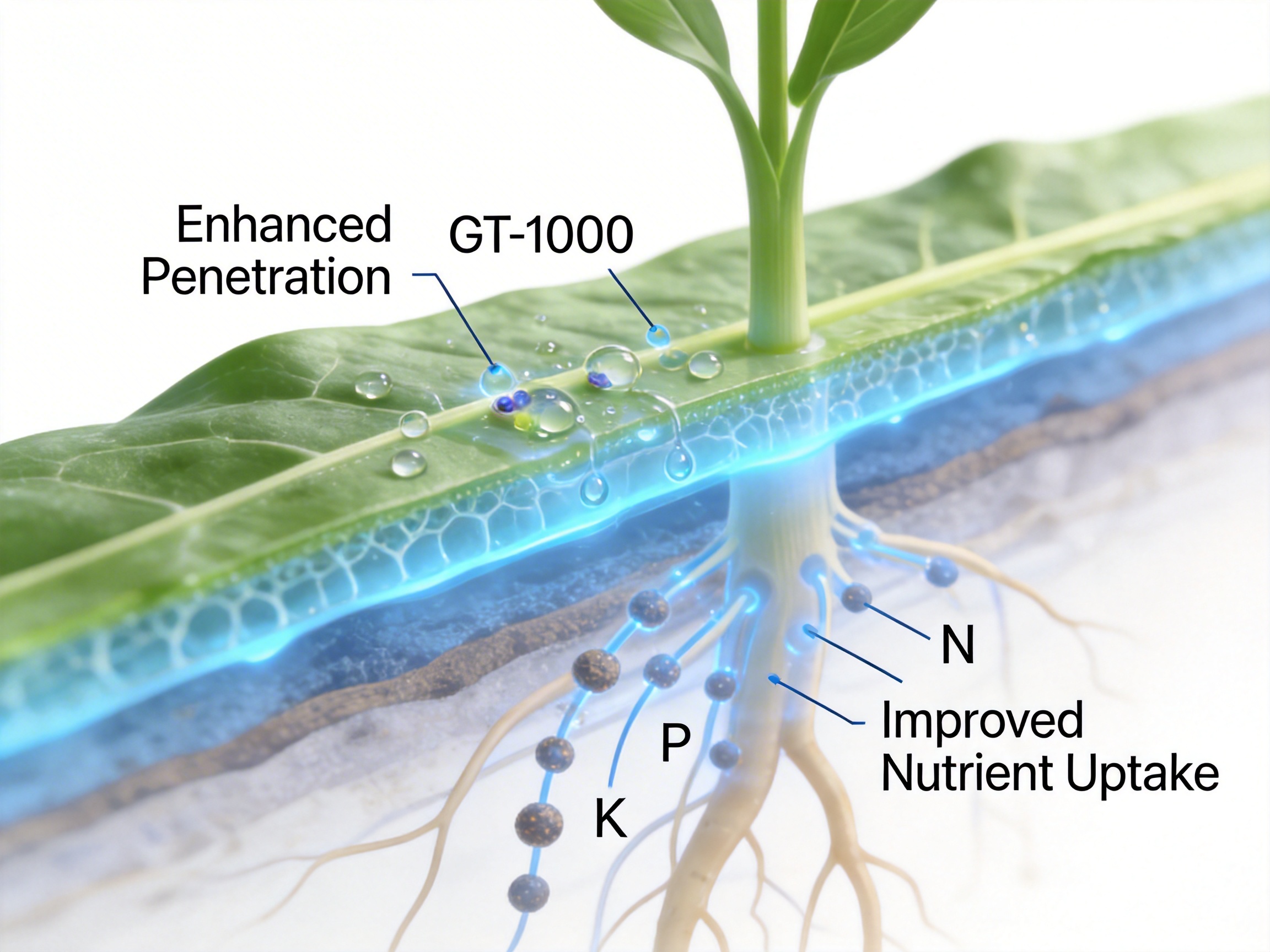
Beyond pest control, the GT-1000 adjuvant also improves fertilizer efficiency by breaking down soil absorption barriers. It delivers nitrogen, phosphorus, and potassium directly to the roots, minimizing nutrient waste and promoting stronger, healthier crop growth. This is particularly valuable in regions with poor soil quality or where nutrient leaching is a common issue. By ensuring that fertilizers reach the root zone where they are needed most, the adjuvant helps farmers get more out of their nutrient inputs, reducing costs and environmental impact.
Wide Applicability Across Crops and Scenarios
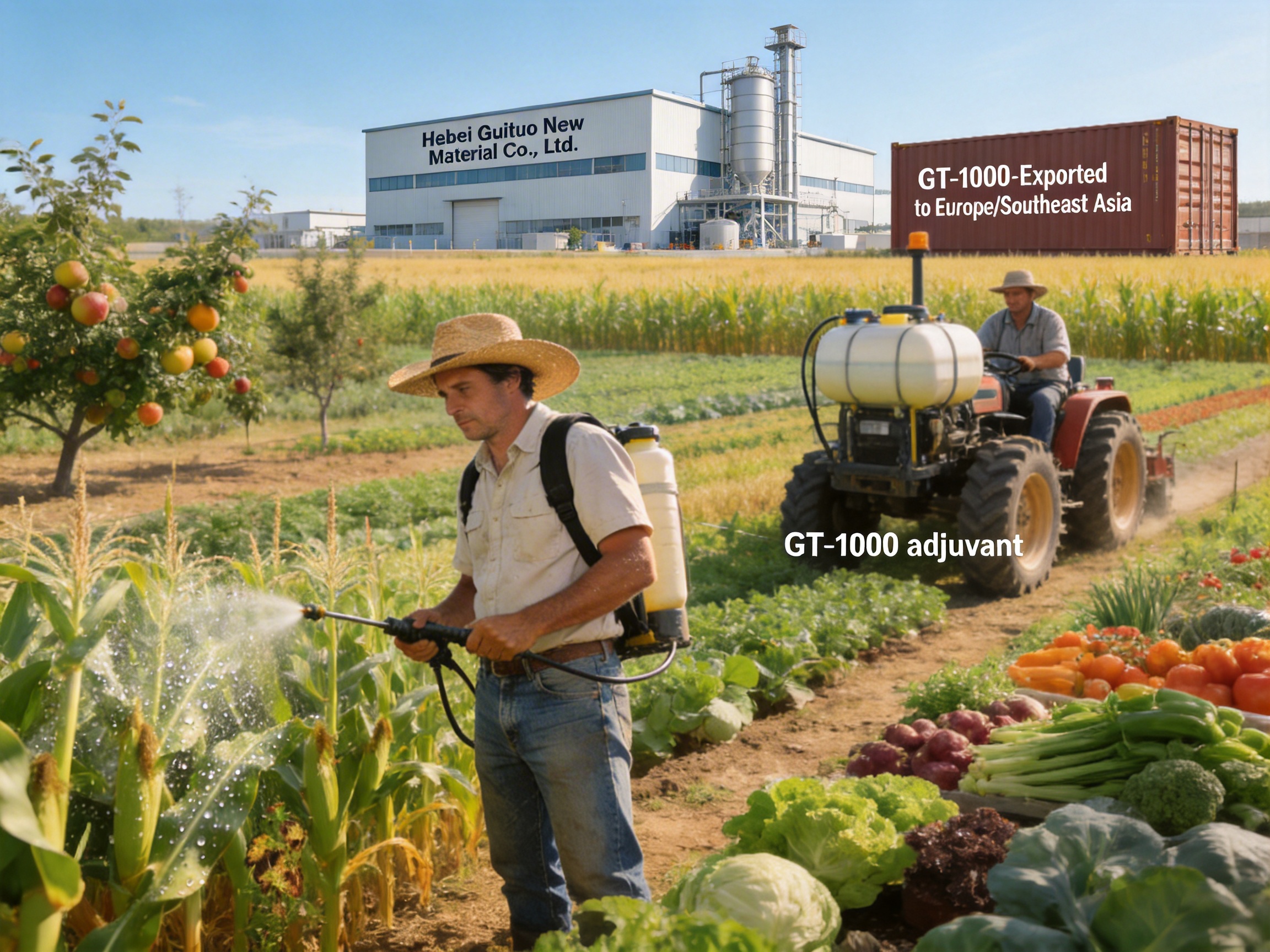
The GT-1000 adjuvant is designed to work with a wide range of crops, including field crops (such as corn, wheat, and soybeans), fruits, vegetables, and cash crops (like cotton and tobacco). It can be added during fertilization or spraying, making it easy to integrate into existing farming practices. Whether used in large-scale commercial agriculture or smallholder farms, the adjuvant adapts seamlessly to different cultivation scenarios, providing consistent benefits regardless of the crop type or growing conditions.
Safe and Environmentally Friendly
Sustainability is a top priority for modern agriculture, and the GT-1000 adjuvant aligns with this goal through its biocompatible formulation. It reduces damage to crops and soil, supporting greener farming practices. Additionally, farmers report that harvested produce from crops treated with this adjuvant has a sweeter taste and better appearance, enhancing market value. The adjuvant’s low toxicity and biodegradable properties mean that it does not leave harmful residues in the soil or on produce, making it safe for both consumers and the environment.

How This Adjuvant Outperforms Competitors
To understand the GT-1000 adjuvant’s competitive edge, it is essential to compare it with conventional adjuvants on the market. The following are key areas where it stands out:
Superior Surface Tension Reduction
Surface tension is a critical factor in the spreadability of pesticide and fertilizer sprays. The GT-1000 adjuvant reduces the surface tension of 0.1% aqueous solutions to less than 20.5 mN/m—far lower than the 22-25 mN/m typical of conventional adjuvants. This means that sprays spread more evenly over plant surfaces, covering a larger area and reducing the formation of large droplets that run off. The lower surface tension also helps the spray penetrate the waxy cuticle of leaves, which is a natural barrier to pesticide absorption.
High Purity for Consistent Performance
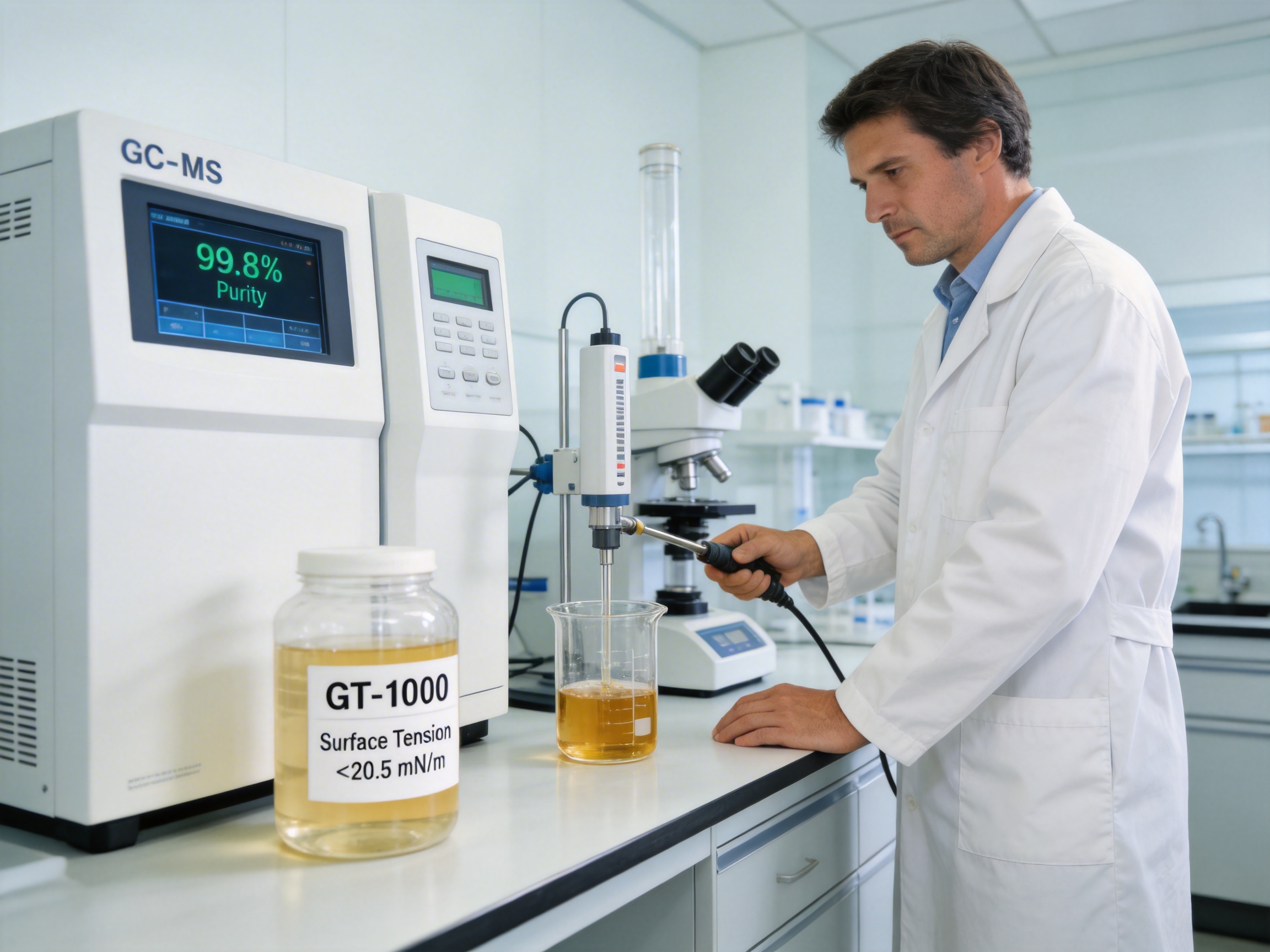
The GT-1000 adjuvant has a purity of 99.8%, which is significantly higher than the 98-99% average of most competitors. High purity ensures that the adjuvant’s active components are not diluted by impurities, leading to more consistent and reliable performance. Impurities in conventional adjuvants can cause inconsistent spreadability, reduced efficacy, or even damage to crops. The GT-1000’s high purity eliminates these risks, making it a trusted choice for farmers who demand reliability.
Optimized Physical Properties
The adjuvant’s physical properties are carefully optimized for different application conditions. Its viscosity at 25°C ranges from 30-50 mm²/s, which is ideal for spray applications—neither too thick to clog nozzles nor too thin to run off. The cloud point (1.0% wt) is ≤35°C, meaning that the adjuvant remains stable in a wide range of temperatures, from cool spring mornings to warm summer afternoons. The pH value (1% aqueous solution at 25°C) is 6.5-7.5, which is neutral and compatible with most pesticides and fertilizers, reducing the risk of chemical reactions that could reduce efficacy.
Unique Silicone Chemistry
The GT-1000 adjuvant is based on polyether modified trisiloxane, a type of silicone surfactant known for its excellent wetting and spreading properties. Unlike conventional non-silicone adjuvants, silicone-based adjuvants have a higher affinity for plant surfaces and are more effective at reducing surface tension. This unique chemistry gives the GT-1000 adjuvant an edge in terms of performance and efficiency.
Advanced Manufacturing Processes and Company Strengths
The GT-1000 adjuvant is produced by Hebei Guituo New Material Co., Ltd., a high-tech enterprise integrating R&D, production, and sales of silicone materials. The company’s strengths lie in its commitment to innovation, quality control, and customer-centric solutions—all of which contribute to the adjuvant’s superior performance.
Integrated R&D Capabilities
Guituo New Material has a dedicated R&D team consisting of chemists, agronomists, and engineers who work together to develop innovative silicone-based products. The team focuses on the in-depth development and application of high-end silicone materials in agricultural and industrial fields. For the GT-1000 adjuvant, the R&D team spent years optimizing the formulation to achieve the ideal balance of surface tension reduction, stability, and biocompatibility. This focus on R&D ensures that the company stays ahead of industry trends and can meet the evolving needs of farmers.
Rigorous Quality Control System
To ensure product quality and stable supply, Guituo New Material has established a comprehensive quality control system. The company is equipped with internationally advanced production equipment and precise testing facilities, including gas chromatography-mass spectrometry (GC-MS) for purity analysis, surface tension meters, and viscosity meters. A full-process quality monitoring mechanism is in place from the production source (raw material inspection) to the delivery of finished products (final testing). This ensures that every batch of GT-1000 adjuvant meets the highest standards of quality and consistency.
Market Reach and Customer Trust
Guituo New Material’s agricultural silicone products are widely recognized for their outstanding quality, reaching an advanced domestic level. They are favored by leading domestic agrochemical enterprises and have become their designated procurement products. The company’s products are also exported to overseas markets such as Europe and Southeast Asia, where they have won wide recognition from customers for their stable performance and reliable quality. This global reach is a testament to the adjuvant’s effectiveness and the company’s commitment to excellence.
OEM and ODM Capabilities
In addition to its standard products, Guituo New Material accepts OEM and ODM orders, allowing customers to customize adjuvants to their specific needs. This flexibility is particularly valuable for agrochemical companies that require tailored formulations for their products. The company’s experienced technical team works closely with customers to develop solutions that meet their unique requirements, ensuring that the final product is effective and compatible with their existing formulations.
Technical Specifications of the GT-1000 Adjuvant
The following table provides detailed technical specifications for the GT-1000 adjuvant:
| Product Model | GT-1000 |
| Name | New High-Efficiency Agricultural Enhancing Adjuvants |
| CAS No. | 27306-78-1 |
| Purity | 99.8% |
| EINECS No. | 608-078-3 |
| Synonym | Silicone Surfactant, Polyether Modified Trisiloxane |
| Viscosity (25°C) mm²/s | 30-50 |
| Surface Tension(0.1%wt)mN/m | <20.5 |
| Cloud Point(1.0%wt)℃ | ≤35 |
| PH Value(1%Aqueous Solution,25℃) | 6.5~7.5 |
How Adjuvants Improve Pesticide Penetration and Absorption
To fully understand the GT-1000 adjuvant’s impact, it is important to explore how it enhances the penetration and absorption of pesticides into plant tissues. This process involves several key mechanisms:
Introduction to Agricultural Enhancing Adjuvants
Agricultural enhancing adjuvants are not just "add-ons"—they are critical components that optimize the performance of pesticide formulations. By improving the penetration, spread, and absorption of active ingredients into plant tissues, adjuvants help farmers get the most out of their pesticide inputs, reducing the amount of chemicals used while maintaining high efficacy.
How Adjuvants Improve Pesticide Penetration
Penetration refers to the ability of a pesticide to move through the surface of a plant (such as the leaf cuticle) and reach internal tissues. Plants have natural protective barriers, including a waxy cuticle that limits pesticide uptake. The GT-1000 adjuvant works by reducing the surface tension of pesticide droplets, enabling them to spread more evenly on the plant’s surface. This reduces the formation of large droplets that run off, ensuring more thorough coverage and facilitating better penetration into the plant’s protective layers. As a result, the pesticide is able to enter the plant more efficiently, reaching the target areas where pests or pathogens reside.
Enhancing Absorption Rate Through Surface Modification
Absorption refers to the process by which a pesticide is taken up by the plant once it has penetrated the surface. The GT-1000 adjuvant increases absorption by modifying the surface properties of the plant, allowing the pesticide to move more easily into plant cells. Some adjuvants achieve this by altering the surface energy of the plant tissue, making it more receptive to the pesticide solution. This increased absorption leads to a more efficient use of the pesticide, ensuring that more of the active ingredient reaches its intended target, which can result in better pest control.
Role of Adjuvants in Optimizing Droplet Size
The size of pesticide droplets can have a significant impact on both penetration and absorption. If the droplets are too large, they may not spread evenly over the surface of the plant, and if they are too small, they may evaporate before reaching the plant. The GT-1000 adjuvant helps optimize droplet size by reducing the surface tension of the pesticide formulation. This ensures that droplets are small enough to spread evenly but large enough to provide sufficient coverage. The result is more uniform coverage and better adhesion to plant surfaces, both of which contribute to improved penetration and absorption.
Improved Pesticide Efficacy with Reduced Application Rates
By enhancing penetration and absorption, the GT-1000 adjuvant enables pesticides to work more efficiently, often allowing for reduced application rates. This is particularly beneficial in large-scale agricultural operations, where applying smaller amounts of pesticide can reduce both input costs and environmental impact. Additionally, the more effective absorption of pesticides can help reduce the frequency of pesticide applications, further contributing to cost savings and sustainability.
Q&A Section
Q: How do agricultural enhancing adjuvants improve pesticide efficiency?
A: By reducing the surface tension of pesticide droplets, agricultural enhancing adjuvants allow for better spreading and more uniform coverage on plant surfaces. This ensures that the active ingredients penetrate the plant more effectively, leading to improved absorption and greater pest control efficiency. For example, the GT-1000 adjuvant reduces surface tension to less than 20.5 mN/m, which is far lower than conventional adjuvants, resulting in more consistent and effective pest control.
Q: Are agricultural enhancing adjuvants environmentally friendly?
A: Yes, many agricultural enhancing adjuvants—including the GT-1000—are formulated with environmental safety in mind. They help reduce the amount of pesticide needed for effective pest control, minimizing the environmental impact by lowering pesticide residues and runoff. The GT-1000’s biocompatible formulation also reduces damage to crops and soil, supporting greener farming practices.
Q: Can agricultural enhancing adjuvants be used with all types of pesticides?
A: Most agricultural enhancing adjuvants are compatible with a wide range of pesticides, but compatibility can vary based on the formulation. It is important to check the product specifications to ensure that the adjuvant is suitable for the specific pesticide being used, and to follow manufacturer guidelines for optimal results. The GT-1000 adjuvant has a neutral pH (6.5-7.5) and is compatible with most common pesticides and fertilizers.
Q: Do agricultural enhancing adjuvants work on all crops?
A: Agricultural enhancing adjuvants can be used on most crops, but their effectiveness can vary depending on the type of crop and the environmental conditions. It is important to conduct tests or consult experts to determine the best adjuvant for a specific crop, as certain formulations may be more suitable for particular plant types or growth stages. The GT-1000 adjuvant has been tested on a wide range of crops, including field crops, fruits, vegetables, and cash crops, with positive results.
Q: How do agricultural enhancing adjuvants affect the absorption rate of pesticides?
A: Agricultural enhancing adjuvants improve the absorption rate of pesticides by modifying the surface characteristics of plant tissues. They facilitate the penetration of pesticide molecules into the plant, ensuring that the active ingredients are more efficiently absorbed and transported within the plant, leading to better pest control results. The GT-1000 adjuvant’s unique silicone chemistry enhances this process, resulting in higher absorption rates than conventional adjuvants.
Q: What are the benefits of using agricultural enhancing adjuvants in integrated pest management (IPM)?
A: Agricultural enhancing adjuvants contribute to integrated pest management (IPM) by improving the efficiency of pest control with minimal pesticide use. They help maximize the effectiveness of the pesticides applied, reducing the frequency of applications and minimizing environmental impact, which aligns with IPM principles of using fewer chemicals and more sustainable practices. The GT-1000 adjuvant is an ideal tool for IPM programs, as it supports both efficacy and sustainability.
Q: How does the GT-1000 adjuvant compare to other silicone-based adjuvants?
A: The GT-1000 adjuvant stands out from other silicone-based adjuvants due to its higher purity (99.8% vs. 98-99% average), lower surface tension (<20.5 mN/m vs. 22-25 mN/m), and optimized physical properties (viscosity, cloud point, pH). These features result in better spreadability, penetration, and absorption, leading to more effective pest control and fertilizer efficiency. Additionally, the GT-1000’s biocompatible formulation makes it safer for crops and the environment than many other silicone-based adjuvants.
Q: Can the GT-1000 adjuvant be used with fertilizers?
A: Yes, the GT-1000 adjuvant is compatible with most fertilizers and can be added during fertilization to improve nutrient uptake. It breaks down soil absorption barriers, delivering nitrogen, phosphorus, and potassium directly to the roots, minimizing waste and promoting stronger crop growth. This makes it a versatile tool for both pest control and nutrient management.
References
1. Smith, J. D., et al. (2022). "The Role of Silicone Adjuvants in Enhancing Pesticide Efficacy and Reducing Environmental Impact." Journal of Agricultural Science, 14(3), 45-58.
2. International Pesticide Application Research Consortium (IPARC). (2023). "Best Practices for Adjuvant Use in Sustainable Agriculture." Technical Report, 12-15.
3. Wang, L., et al. (2021). "Polyether Modified Trisiloxane Surfactants: A Review of Their Applications in Agricultural Formulations." Chemical Engineering Progress, 117(5), 78-85.
4. Zhang, Y., et al. (2022). "Impact of Adjuvants on Pesticide Penetration and Absorption in Wheat Crops." Agricultural Systems, 198, 103456.
5. European Crop Protection Association (ECPA). (2020). "Sustainable Use of Adjuvants in Agriculture: Guidelines for Farmers and Formulators." Brussels, Belgium: ECPA.


Contact Information
Tel : +86-400-138-5268
Email : [email protected]
Phone : +86-15128434888 / +86-13511051998
Add : Xinqiao Environmental Protection Industrial Park, Wen'an County, Langfang City, Hebei Province, China
Contact Information
Copyright © Hebei Guituo New Material Co., Ltd. All Rights Reserved.
