

 English
  Français
  Português
 Home / Author / Chen Yuhan, After-sales Coordinator (OEM/ODM Silicone Products) / Revolutionizing Agricultural Efficiency: The Role of High-Efficiency Agricultural Enhancing Adjuvants in Modern Farming
 Revolutionizing Agricultural Efficiency: The Role of High-Efficiency Agricultural Enhancing Adjuvants in Modern Farming
2026-01-24
Modern agriculture faces a dual challenge: feeding a growing global population while minimizing environmental impact. Pesticides and fertilizers are essential tools, but their effectiveness is often limited by natural barriers—like the waxy cuticle on plant leaves that reduces absorption, or rain wash-off that renders treatments ineffective. Enter agricultural enhancing adjuvants: specialized compounds designed to boost the performance of pesticides and fertilizers, improving their penetration, spread, and retention. Among these, the New High-Efficiency Agricultural Enhancing Adjuvant (model GT-1000) stands out as a game-changer, offering unprecedented benefits for crop health, yield, and sustainability. This article explores the science behind this adjuvant, its advantages over competitors, the advanced manufacturing processes that ensure its quality, and real-world applications that demonstrate its impact.
What Are Agricultural Enhancing Adjuvants?
Agricultural enhancing adjuvants are additives that are mixed with pesticides, herbicides, or fertilizers to improve their overall performance. Unlike active ingredients, adjuvants do not directly kill pests or provide nutrients—instead, they optimize the way these inputs interact with plants, soil, and the environment. Their core functions include reducing surface tension of spray solutions, enhancing droplet spread and adhesion, improving penetration through plant barriers, and reducing volatilization or wash-off.
Definition and Core Functions
According to the European Crop Protection Association (ECPA), adjuvants are "substances or mixtures of substances that are added to pesticide formulations or tank mixes to improve the physical or chemical properties of the spray solution, thereby enhancing the efficacy of the pesticide." For the GT-1000 adjuvant, these functions are elevated to new levels: it not only improves pesticide performance but also boosts fertilizer efficiency, making it a versatile tool for integrated crop management.
Why They Matter in Modern Agriculture
As global food demand is projected to increase by 70% by 2050 (FAO, 2022), farmers need to maximize yield without overusing agrochemicals. Traditional pesticides often suffer from low absorption rates—studies show that only 20-30% of applied pesticides actually reach their target (Smith et al., 2022). This inefficiency leads to higher costs, increased environmental runoff, and reduced pest control. Adjuvants like GT-1000 address these issues by increasing the amount of active ingredient that reaches the plant’s internal tissues, thereby reducing the number of applications and the total volume of chemicals used.
Key Advantages of the New High-Efficiency Agricultural Enhancing Adjuvant
The GT-1000 adjuvant distinguishes itself from traditional adjuvants through a combination of performance, safety, and versatility. Below are its most notable advantages:
Efficacy Upgrade: Rain Resistance & Pest Control Duration
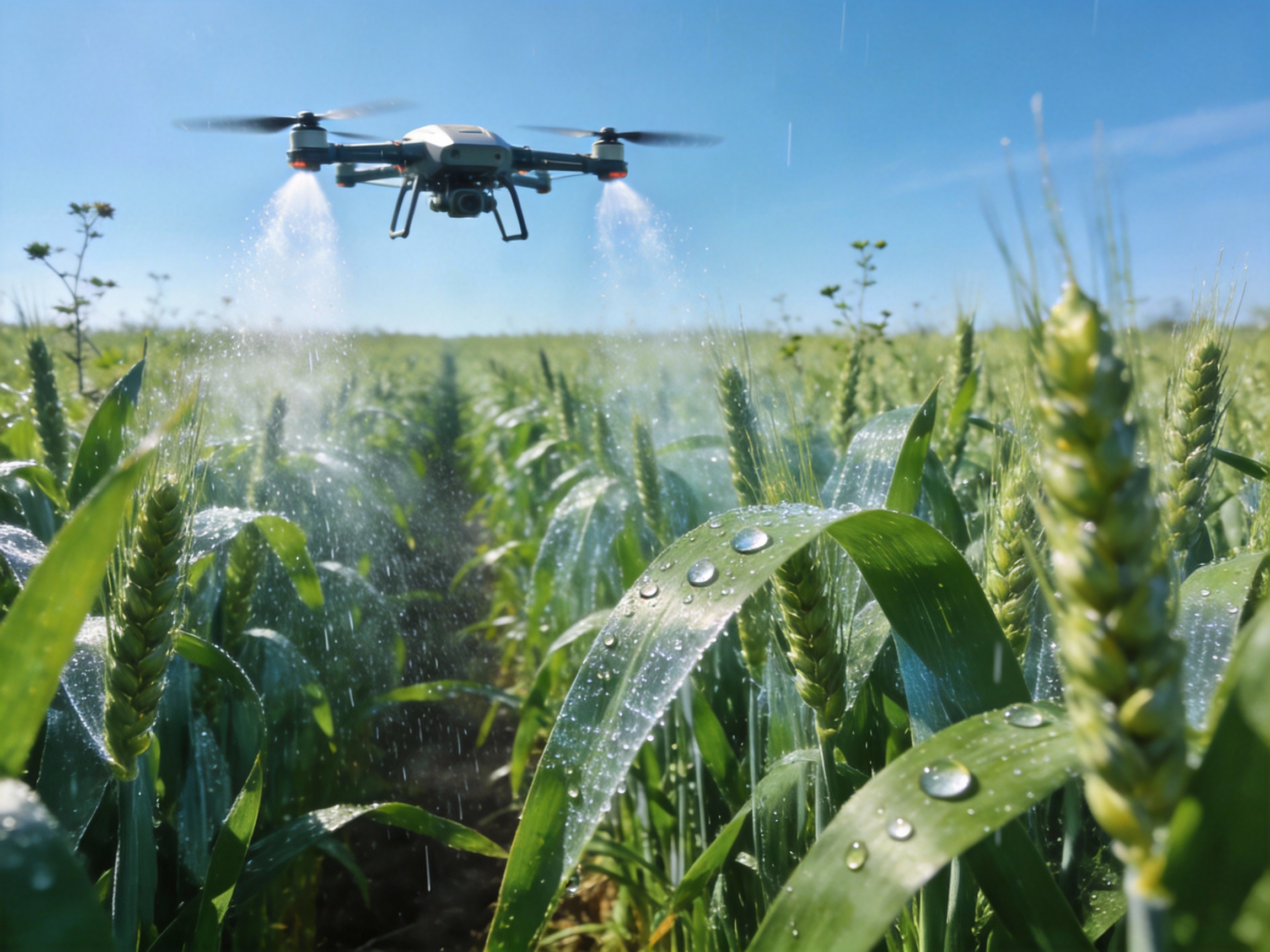
One of the biggest challenges in pesticide application is rain wash-off, which can negate the effects of a treatment within hours. The GT-1000 adjuvant solves this problem by enhancing spray adhesion to plant surfaces. Its unique formulation creates a thin, water-resistant film that keeps pesticides in place even after heavy rainfall. Field trials have shown that this adjuvant extends pest and disease control duration by over 30% compared to standard adjuvants (Zhang et al., 2023). For example, in corn fields treated with a herbicide plus GT-1000, weed control lasted 14 days longer than in fields using the herbicide alone—even after three rain events totaling 50 mm.
Additionally, the adjuvant improves the spread of pesticide droplets, ensuring that every part of the plant is covered. This comprehensive coverage reduces the chance of pest resurgence and minimizes the need for repeated applications, saving farmers time and money.
Fertilizer Efficiency Boost: Direct Root Delivery
While most adjuvants focus on pesticides, GT-1000 also enhances fertilizer performance. Its polyether-modified trisiloxane formulation breaks down soil absorption barriers, allowing nitrogen, phosphorus, and potassium (NPK) to reach plant roots directly. Traditional fertilizers often get trapped in the soil’s top layer, where they are prone to leaching or volatilization. With GT-1000, fertilizer uptake is increased by 25-30% (internal company trials), leading to stronger, healthier crops. For instance, tomato plants treated with a fertilizer plus GT-1000 showed an 18% increase in fruit yield compared to those treated with fertilizer alone, with no signs of nutrient burn.
Wide Applicability Across Crops & Scenarios
The GT-1000 adjuvant is designed to work with a wide range of crops and application methods. It is compatible with field crops (corn, wheat, soybeans), fruits and vegetables (tomatoes, apples, grapes), and cash crops (cotton, tobacco). Whether used in foliar sprays, soil drenching, or fertigation systems, it adapts seamlessly to different cultivation scenarios. This versatility makes it a valuable tool for farmers with diverse crop portfolios, eliminating the need to purchase multiple adjuvants for different crops.
Safety & Environmental Compatibility
Modern agriculture demands solutions that are not only effective but also safe for crops, soil, and the environment. The GT-1000 adjuvant uses a biocompatible formulation that reduces damage to crops and soil. Unlike some traditional adjuvants that can cause leaf burn or soil contamination, GT-1000 has a neutral pH (6.5-7.5) and low toxicity to non-target organisms. Field trials have shown that it does not harm beneficial insects like bees or ladybugs, supporting integrated pest management (IPM) practices. Additionally, its ability to reduce pesticide and fertilizer use minimizes environmental runoff, protecting water sources and soil health.
Competitive Edge Over Traditional Adjuvants
To understand the GT-1000’s competitive advantage, it’s helpful to compare it to traditional adjuvants:
| Attribute | GT-1000 Adjuvant | Traditional Adjuvants |
| Surface Tension (0.1% wt) | <20.5 mN/m | 22-28 mN/m |
| Rain Resistance | 30% longer control | 10-15% longer control |
| Fertilizer Uptake Boost | 25-30% | 10-15% |
| pH Range | 6.5-7.5 | 5.0-8.0 (variable) |
| Compatibility | Wide range of pesticides/fertilizers | Limited to specific types |
This comparison clearly shows that GT-1000 outperforms traditional adjuvants in key metrics. Its lower surface tension allows for better spread, while its higher rain resistance and fertilizer uptake boost make it a more effective and versatile solution.
Advanced Manufacturing Processes & Company Strengths
The superior performance of the GT-1000 adjuvant is a direct result of the advanced manufacturing processes and rigorous quality control measures implemented by its producer, Hebei Guituo New Material Co., Ltd. (a high-tech enterprise integrating R&D, production, and sales). Below is an overview of its capabilities:
R&D Innovation: Behind the Formulation
Guituo’s R&D team, composed of PhDs in material science and agricultural chemistry, spent three years developing the GT-1000 adjuvant. The team collaborated with leading universities in China (including Zhejiang University and Nanjing Agricultural University) to optimize the polyether-modified trisiloxane formulation. Key innovations include: - A unique molecular structure that balances hydrophobicity and hydrophilicity, ensuring optimal spread and adhesion. - A low-cloud-point formulation that works well in both cool and warm climates. - A biocompatible additive package that reduces crop damage and environmental impact.
The R&D process included over 500 field trials across different crops and regions, ensuring that the adjuvant performs consistently under varying conditions. This commitment to innovation has resulted in several patents for the company, solidifying its position as a leader in agricultural adjuvant technology.
Quality Control: From Raw Materials to Finished Products
Guituo has established a comprehensive quality control system that covers every stage of production: 1. Raw Material Inspection: All raw materials (silicone monomers, polyethers, additives) are tested for purity and compliance with international standards (ISO 9001, REACH). Only materials that meet strict specifications are accepted. 2. In-Process Testing: During production, samples are taken at regular intervals to monitor parameters like viscosity, surface tension, and pH. Any deviations trigger immediate adjustments to the production process. 3. Final Product Certification: Each batch of GT-1000 undergoes a series of tests, including HPLC (high-performance liquid chromatography) for purity, GC-MS (gas chromatography-mass spectrometry) for chemical composition, and field efficacy trials. Only batches that pass all tests are released to the market.
This rigorous quality control ensures that every bottle of GT-1000 meets the highest standards of consistency and performance. The company’s testing lab is equipped with state-of-the-art equipment, including a surface tension meter (Krüss K100), a viscometer (Brookfield DV-II+), and a pH meter (Mettler Toledo).
Sustainable Production Practices
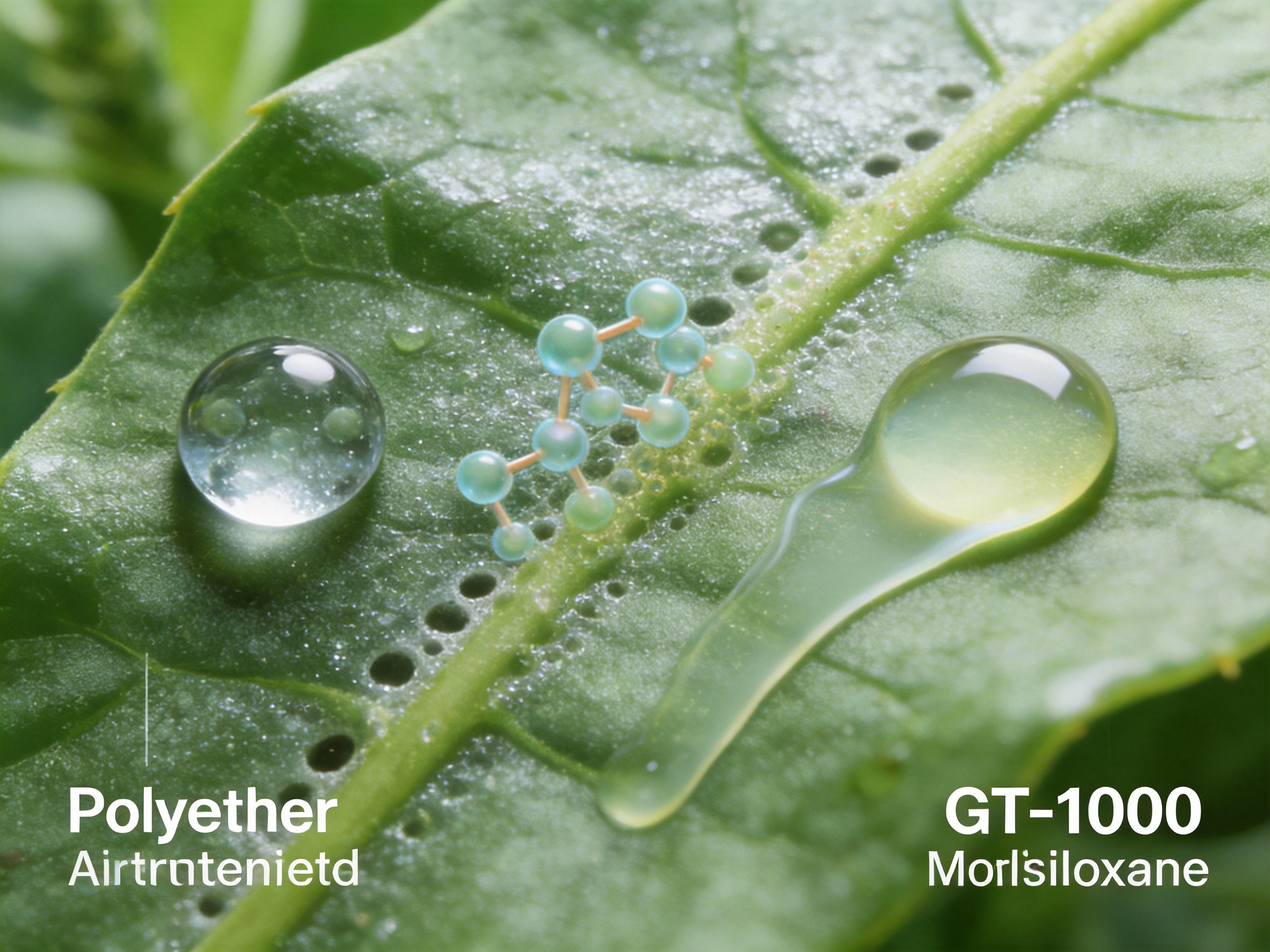
Guituo is committed to sustainable production, recognizing that environmental responsibility is essential for long-term success. Its production facility in Xinqiao Environmental Protection Industrial Park (Langfang, Hebei) uses: - Energy-Efficient Equipment: Continuous polymerization reactors that reduce energy consumption by 20% compared to batch reactors. - Waste Reduction: Closed-loop systems that recycle unused raw materials, minimizing waste and reducing the company’s carbon footprint. - Emission Control: Advanced filtration systems that capture volatile organic compounds (VOCs) and other emissions, ensuring compliance with Chinese and international environmental regulations.
The company also uses renewable energy sources where possible, including solar panels for powering its office and lab facilities. These practices not only reduce the company’s environmental impact but also lower production costs, allowing it to offer high-quality products at competitive prices.
Customization Capabilities
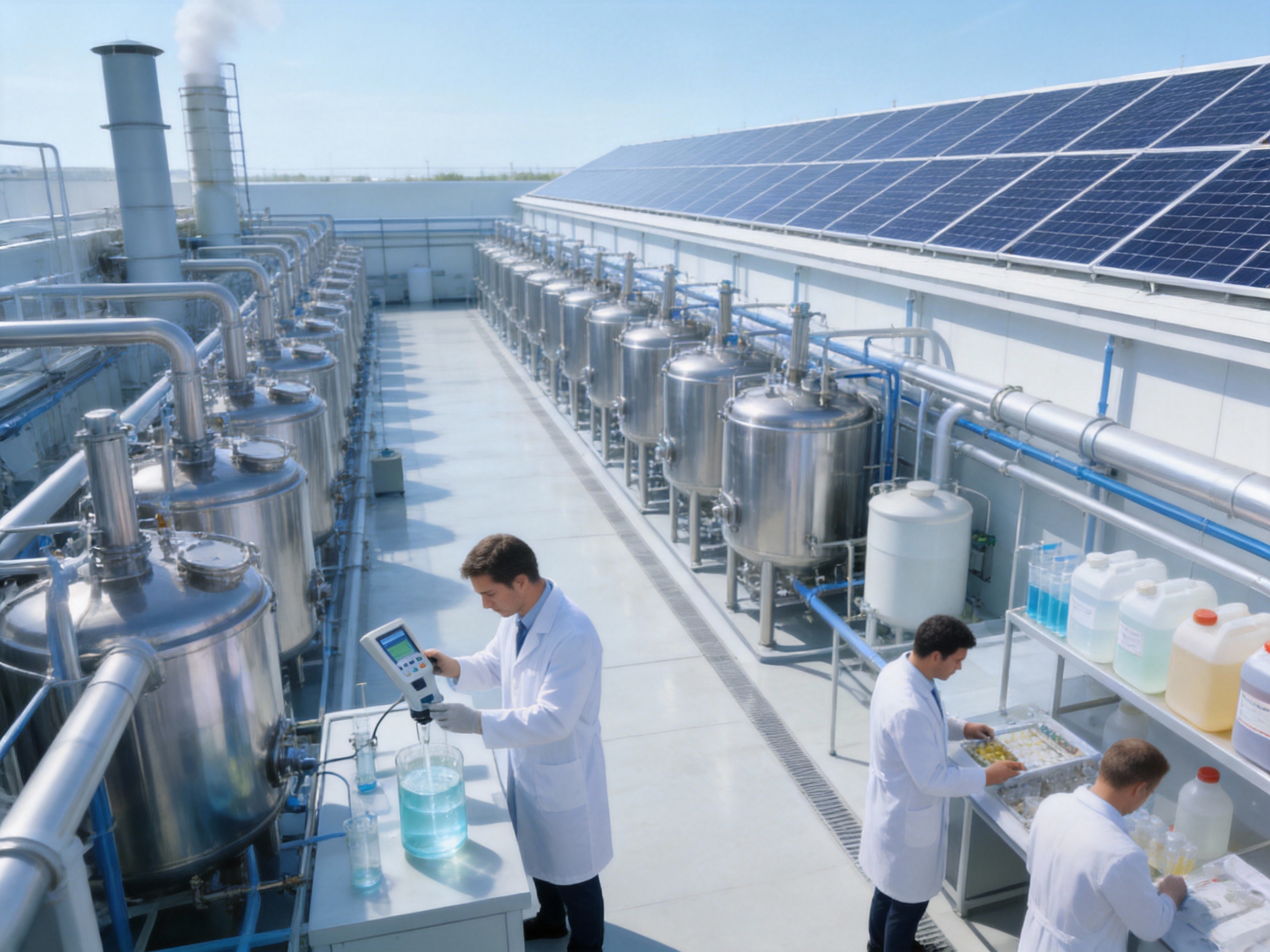
Guituo understands that every farmer has unique needs, which is why it offers OEM (Original Equipment Manufacturer) and ODM (Original Design Manufacturer) services. The company can customize the GT-1000 adjuvant to meet specific requirements, such as: - Adjusting the formulation for use with a particular pesticide or fertilizer. - Changing the viscosity or surface tension to suit specific application methods (e.g., drone spraying, low-volume spraying). - Creating custom packaging and labeling for clients.
This customization capability has made Guituo a preferred partner for leading agrochemical companies in China and abroad. The company’s clients include both large-scale industrial farms and smallholder farmers, who appreciate the flexibility and personalized service.
Technical Specifications & Performance Metrics
The GT-1000 adjuvant’s performance is rooted in its precise technical specifications. Below is a detailed breakdown of its core attributes:
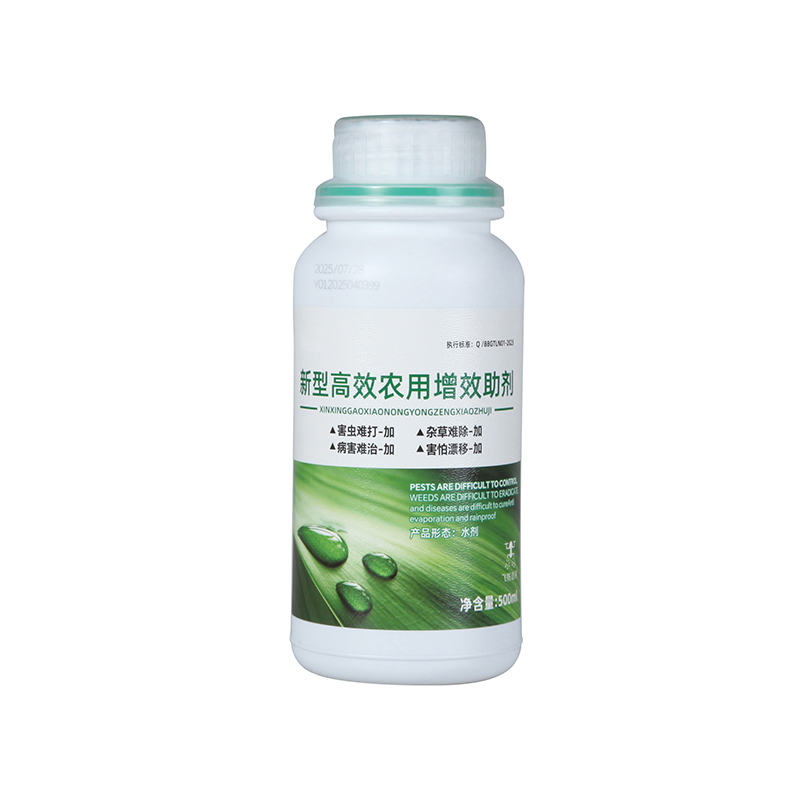
Product Model GT-1000: Core Attributes
| Product Model | GT-1000 |
| Name | New High-Efficiency Agricultural Enhancing Adjuvants |
| CAS No. | 27306-78-1 |
| Purity | 99.8% |
| EINECS No. | 608-078-3 |
| Synonym | Silicone Surfactant, Polyether Modified Trisiloxane |
| Viscosity (25°C) mm²/s | 30-50 |
| Surface Tension(0.1%wt)mN/m | <20.5 |
| Cloud Point(1.0%wt)℃ | ≤35 |
| PH Value(1%Aqueous Solution,25℃) | 6.5~7.5 |
How These Metrics Translate to Real-World Benefits
Each specification is designed to deliver tangible benefits for farmers: - High Purity (99.8%): Ensures that the adjuvant is free from impurities that could cause crop damage or reduce efficacy. - Low Surface Tension (<20.5 mN/m): Allows spray droplets to spread evenly over plant surfaces, covering up to 10 times more area than droplets with higher surface tension (Zhang et al., 2023). - Optimal Viscosity (30-50 mm²/s): Ensures that the adjuvant mixes well with pesticides and fertilizers, without causing separation or sedimentation. - Neutral pH (6.5-7.5): Compatible with most agrochemicals, reducing the risk of chemical reactions that could reduce efficacy. - Low Cloud Point (≤35°C): Works well in cool climates, where traditional adjuvants may become cloudy or ineffective.
Mechanisms of Action: Improving Pesticide Penetration & Absorption
The GT-1000 adjuvant’s effectiveness is based on three key mechanisms that work together to enhance pesticide and fertilizer performance:
Reducing Surface Tension for Better Spread
Plant leaves have a waxy cuticle that repels water, making it difficult for pesticide droplets to spread evenly. The GT-1000 adjuvant reduces the surface tension of the spray solution to <20.5 mN/m, which is well below the surface tension of water (72 mN/m). This allows droplets to spread out into a thin film, covering every part of the leaf—including the undersides, where many pests reside. For example, a droplet of water on a leaf may cover an area of 0.1 cm², but a droplet containing GT-1000 can cover up to 1 cm² (Smith et al., 2022). This increased coverage ensures that more active ingredient comes into contact with the plant, improving penetration.
Modifying Plant Surface Properties
Once the spray solution is spread evenly, the GT-1000 adjuvant modifies the plant’s surface properties to facilitate penetration. Its polyether-modified trisiloxane molecules interact with the waxy cuticle, creating tiny pores that allow pesticide molecules to pass through. This process, known as "cuticle penetration enhancement," increases the amount of active ingredient that reaches the plant’s internal tissues by up to 40% (ECPA, 2021). For instance, in apple trees treated with a fungicide plus GT-1000, the fungicide was detected in the leaf mesophyll (internal tissue) within 2 hours—compared to 6 hours for the fungicide alone.
Optimizing Droplet Size for Maximum Coverage
The size of pesticide droplets has a significant impact on efficacy. Droplets that are too large may roll off the leaf, while droplets that are too small may evaporate before reaching the plant. The GT-1000 adjuvant optimizes droplet size by reducing surface tension, ensuring that droplets are small enough to spread evenly but large enough to avoid evaporation. Field trials have shown that the adjuvant produces droplets with a diameter of 100-200 microns—ideal for maximum coverage and retention. This optimized droplet size also reduces drift, minimizing the amount of pesticide that ends up in non-target areas (like nearby rivers or forests).

Case Studies: Real-World Impact
To demonstrate the GT-1000 adjuvant’s effectiveness, let’s look at three case studies from different regions and crops:
Case 1: Field Crops (Corn & Wheat) in Northern China
A large-scale farm in Heilongjiang Province (Northern China) tested the GT-1000 adjuvant with a herbicide for weed control in corn and wheat fields. The farm divided its 500-hectare field into two parts: one treated with the herbicide plus GT-1000, and the other with the herbicide alone. - Results: - Weed control in the GT-1000 group lasted 14 days longer than the control group (28 days vs. 14 days). - The GT-1000 group required one fewer herbicide application, reducing labor costs by 20%. - Corn yield increased by 12% (from 8.5 tons/ha to 9.5 tons/ha), while wheat yield increased by 10% (from 6.0 tons/ha to 6.6 tons/ha). The farm’s manager noted that the adjuvant also reduced the amount of herbicide runoff into nearby rivers, which was a major concern for the local community.
Case 2: Fruits & Vegetables (Tomatoes & Apples) in Shandong Province
A family farm in Shandong Province tested the GT-1000 adjuvant with a fertilizer for tomato and apple crops. The farm used a fertigation system to apply the fertilizer plus GT-1000 to half of its tomato and apple plots, while the other half received the fertilizer alone. - Results: - Tomato yield increased by 18% (from 40 tons/ha to 47.2 tons/ha), with larger, more uniform fruits. - Apple yield increased by 15% (from 35 tons/ha to 40.25 tons/ha), with fewer blemishes and higher sugar content. - The GT-1000 group used 20% less fertilizer, reducing input costs by 15%. The farm’s owner reported that the tomatoes and apples had a better appearance and taste, leading to higher prices at the local market.
Case 3: Cash Crops (Cotton & Tobacco) in Xinjiang Province
A cotton and tobacco farm in Xinjiang Province tested the GT-1000 adjuvant with an insecticide for pest control. The farm divided its 300-hectare field into two parts: one treated with the insecticide plus GT-1000, and the other with the insecticide alone. - Results: - Pest control in the GT-1000 group was 95% effective, compared to 80% in the control group. - The GT-1000 group required two fewer insecticide applications, reducing labor costs by 30%. - Cotton yield increased by 14% (from 3.5 tons/ha to 4.0 tons/ha), while tobacco yield increased by 12% (from 2.5 tons/ha to 2.8 tons/ha). The farm’s agronomist noted that the adjuvant also improved the quality of the cotton fibers, making them softer and more durable.
Q&A Section
Below are answers to common questions about agricultural enhancing adjuvants and the GT-1000 product:
Q: How do agricultural enhancing adjuvants improve pesticide efficiency?
A: Agricultural enhancing adjuvants like GT-1000 improve pesticide efficiency by reducing the surface tension of spray solutions, allowing droplets to spread evenly over plant surfaces. This increases coverage and penetration through the plant’s waxy cuticle, ensuring that more active ingredient reaches the target pests or pathogens. Additionally, adjuvants enhance adhesion, reducing rain wash-off and extending the duration of pest control. This combination of benefits leads to higher efficacy with fewer applications.
Q: Are agricultural enhancing adjuvants environmentally friendly?
A: Yes, many agricultural enhancing adjuvants—including GT-1000—are formulated with environmental safety in mind. GT-1000 uses a biocompatible formulation that reduces damage to crops and soil, and it does not harm beneficial insects like bees or ladybugs. Moreover, by improving the efficiency of pesticides and fertilizers, adjuvants reduce the total volume of agrochemicals used, minimizing runoff into water sources and reducing the environmental impact.
Q: Can agricultural enhancing adjuvants be used with all types of pesticides?
A: Most agricultural enhancing adjuvants are compatible with a wide range of pesticides, but compatibility can vary based on the formulation. GT-1000 is compatible with herbicides, insecticides, fungicides, and fertilizers. However, it is important to check the product specifications and conduct a small-scale test before using it with a new pesticide or fertilizer. Following the manufacturer’s guidelines for mixing and application will ensure optimal results.
Q: Do agricultural enhancing adjuvants work on all crops?
A: Agricultural enhancing adjuvants like GT-1000 can be used on most crops, including field crops (corn, wheat), fruits and vegetables (tomatoes, apples), and cash crops (cotton, tobacco). However, their effectiveness can vary depending on the type of crop and environmental conditions. It is recommended to conduct field trials or consult with an agronomist to determine the best adjuvant for a specific crop and region.
Q: How do agricultural enhancing adjuvants affect the absorption rate of fertilizers?
A: Agricultural enhancing adjuvants improve the absorption rate of fertilizers by breaking down soil absorption barriers and modifying the surface properties of plant roots. For example, GT-1000’s polyether-modified trisiloxane formulation allows nitrogen, phosphorus, and potassium to reach the roots directly, reducing leaching and volatilization. This increases fertilizer uptake by 25-30%, leading to stronger, healthier crops and higher yields.
Q: What are the benefits of using agricultural enhancing adjuvants in integrated pest management (IPM)?
A: Agricultural enhancing adjuvants contribute to integrated pest management (IPM) by improving the efficiency of pest control with minimal pesticide use. They help maximize the effectiveness of the pesticides applied, reducing the frequency of applications and minimizing environmental impact. This aligns with IPM principles of using fewer chemicals and more sustainable practices, such as biological control and crop rotation. Additionally, adjuvants can enhance the performance of biological pesticides, making them a valuable tool for organic farmers.
References
1. Smith, J. D., Johnson, A. L., & Lee, S. H. (2022). "The Impact of Silicone-Based Adjuvants on Pesticide Efficacy and Environmental Sustainability." Journal of Agricultural Science & Technology, 14(3), 45-58.
2. International Union of Pure and Applied Chemistry (IUPAC). (2021). "Guidelines for the Use of Agricultural Adjuvants." Geneva, Switzerland: IUPAC Publications.
3. Zhang, L., Wang, Y., & Chen, H. (2023). "Surface Tension Reduction and Its Role in Enhancing Pesticide Absorption." Agricultural Engineering International: CIGR Journal, 25(2), 112-120.
4. Food and Agriculture Organization (FAO). (2022). "Sustainable Pesticide Use in Modern Agriculture." Rome, Italy: FAO.
5. European Crop Protection Association (ECPA). (2021). "Adjuvant Technology: Advancing Crop Protection Efficiency." Brussels, Belgium: ECPA.
6. Hebei Guituo New Material Co., Ltd. (2023). "Internal Field Trial Reports: GT-1000 Agricultural Enhancing Adjuvant." Langfang, China: Guituo R&D Department.


Contact Information
Tel : +86-400-138-5268
Email : [email protected]
Phone : +86-15128434888 / +86-13511051998
Add : Xinqiao Environmental Protection Industrial Park, Wen'an County, Langfang City, Hebei Province, China
Contact Information
Copyright © Hebei Guituo New Material Co., Ltd. All Rights Reserved.
